
L'Oreal(LRLCY)

Search documents
欧莱雅投资8亿!重金押注生物基和生物制造变革者
合成生物学与绿色生物制造· 2026-01-22 02:36
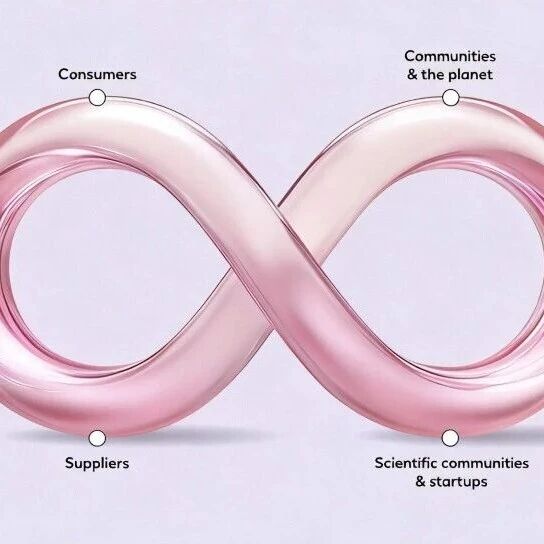
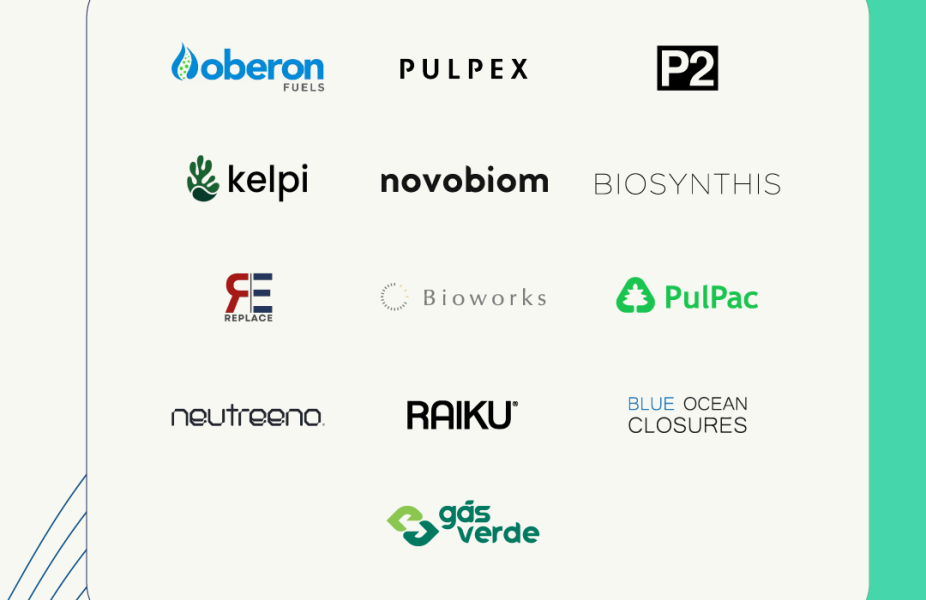
Core Insights - L'Oréal has launched a €100 million (approximately 811 million RMB) sustainable innovation accelerator project called "L'AcceleratOR," aimed at supporting startups focused on bio-based and biomanufacturing solutions [2][7][10] - The first cohort includes 13 companies selected from nearly 1,000 applications across 101 countries, focusing on sustainable packaging, natural raw materials, and data intelligence [4][6][14] Group 1: Selected Companies - The 13 selected companies include six focused on next-generation packaging and materials, such as Kelpi (UK) which uses seaweed for recyclable, low-carbon packaging, and Bioworks (Japan) which produces bio-plastics from sugarcane [4][5] - Three companies are dedicated to natural raw materials, including Biosynthis (France) which produces renewable and biodegradable raw materials [11] - One company, Neutreeno (UK), offers a digital system to help businesses calculate and reduce emissions in their supply chains [6] Group 2: Project Goals and Market Impact - The project aims to achieve L'Oréal's "L'Oréal for the Future" goal of sourcing at least 90% of bio-based materials for formulations and packaging by 2030, with 50% of all packaging materials coming from recycled or bio-based sources [7][19] - If successful, these innovations could be applied across L'Oréal's 37 global brands in over 150 countries, creating a system effect where one innovation can serve multiple market segments [14][16] Group 3: Broader Investment Strategy - L'Oréal's investment strategy extends beyond the L'AcceleratOR project, with over ten investments in sustainable innovation in the past three years, covering various regions and technologies [10][12] - The company is actively seeking partnerships and investments in China, indicating a growing interest in the bio-based materials sector within the Chinese market [18][23]


8亿!全球最大美妆巨头,重金押注生物制造!这些中国企业率先受益!
Xin Lang Cai Jing· 2026-01-21 12:42
Core Insights - The beauty giant L'Oréal has selected 13 companies for its "L'AcceleratOR" accelerator program after reviewing nearly 1,000 applications from 101 countries, focusing on biomanufacturing solutions [1][14]. Group 1: L'AcceleratOR Program - The "L'AcceleratOR" program, launched in June 2025 in collaboration with the University of Cambridge's Institute for Sustainability Leadership (CISL), aims to donate €100 million (approximately 800 million RMB) over five years and provide 12 months of resource support to selected projects [3][16]. - The selected companies are expected to promote their solutions within L'Oréal's international business [3][16]. Group 2: Selected Companies - Six of the 13 selected companies are focused on bio-based materials, including: - Kelpi, which has developed a biodegradable coating made from seaweed that offers similar protective qualities to plastic [4][17]. - Bioworks, which has created a bio-based packaging material, PlaX, from sugarcane, reducing carbon emissions by 62% compared to traditional petroleum-based plastics [4][17]. - Blue Ocean Closures, which produces caps from dried plant fibers as an alternative to plastic [6][19]. - RAIKU, which can convert one cubic meter of wood into 203 units of packaging material, reducing wood usage by 90% [6][19]. - Purpex, which is developing recyclable paper bottles [20]. - Novobiom, REPLACE, and Gàs Verde, which focus on circular solutions using fungi, multi-layer plastics, and biogas production, respectively [20]. Group 3: L'Oréal's Investment Strategy - L'Oréal has been actively investing in synthetic biology, having made nine investments in related companies since 2022, with a focus on developing natural active ingredients and alternatives to traditional raw materials [10][23]. - The company's venture capital arm, BOLD, has been investing in beauty startups since its establishment in 2018, with a strong emphasis on biotechnology and green science [10][23]. Group 4: Recent Collaborations - Recent collaborations include investments in companies such as Microphyt for extracting natural ingredients from microalgae, Genomatica for developing palm oil using fermentation technology, and partnerships with various Chinese biotech firms [12][25]. - Notable Chinese companies include: - Blue Ocean Microbiology, known for its biodegradable plastic PHA, with total financing exceeding 1.9 billion RMB [13][26]. - Shanhai Innovation, which collaborates with over 100 companies, including L'Oréal [13][26]. - Weiming Shiguang, focusing on high-value bioactive materials for beauty and personal care [13][26].
巴西监管机构批准欧莱雅收购开云集团美妆业务
Xin Lang Cai Jing· 2026-01-21 11:18
Core Viewpoint - The Brazilian regulatory authority has approved L'Oréal's acquisition of Kering's beauty business, marking a significant strategic partnership in the luxury beauty and health sectors [1] Group 1: Transaction Details - The Brazilian Economic Protection Administrative Council (Cade) has granted unconditional approval for the transaction [1] - The agreement includes the sale of the Creed brand and licensing of beauty and fragrance products from Kering's iconic fashion houses [1] - The total value of the agreement is €4 billion, with the transaction expected to be completed in the first half of 2026 [1]
Best Momentum Stock to Buy for January 21st
ZACKS· 2026-01-21 11:11
Group 1: Lam Research (LRCX) - Lam Research is a supplier of wafer fabrication equipment and services to the semiconductor industry, holding a Zacks Rank 1 (Strong Buy) [1] - The Zacks Consensus Estimate for Lam Research's current year earnings has increased by 0.6% over the last 60 days [1] - Lam Research's shares gained 57.7% over the last three months, significantly outperforming the S&P 500's gain of 1.4%, and it possesses a Momentum Score of A [2] Group 2: BNP Paribas (BNPQY) - BNP Paribas is a European leader in global banking and financial services, also holding a Zacks Rank 1 [2] - The Zacks Consensus Estimate for BNP Paribas' current year earnings has increased by 1.9% over the last 60 days [2] - BNP Paribas' shares gained 27.7% over the last three months, again outperforming the S&P 500's gain of 1.4%, and it possesses a Momentum Score of A [3] Group 3: L'Oreal (LRLCY) - L'Oreal focuses on cosmetics and has a Zacks Rank 1 [3] - The Zacks Consensus Estimate for L'Oreal's current year earnings has increased by 1.9% over the last 60 days [3] - L'Oreal's shares gained 4.5% over the last three months, which is above the S&P 500's gain of 1.4%, and it possesses a Momentum Score of B [4]



欧莱雅入驻南沙设分拨枢纽,龙穴跨境供应链协同生态成型
2 1 Shi Ji Jing Ji Bao Dao· 2026-01-21 05:42
Core Insights - L'Oréal has officially established a regional distribution hub in the Nansha Comprehensive Bonded Zone, enhancing its supply chain capabilities in South China and the Asia-Pacific region [1] - The Global Premium Distribution Center aims to optimize cross-border trade and resource allocation, contributing to a collaborative industrial development model [1] - The center leverages advanced technologies such as AI, big data, and blockchain to provide efficient and secure supply chain solutions [1] Group 1 - The entry of L'Oréal strengthens the industrial ecosystem of the Global Premium Distribution Center, increasing the visibility and influence of the Nansha area in the global consumer supply chain [1] - The center has attracted other major international companies like Nestlé and Shein, creating a diverse cluster of consumer goods that enhances collaboration and operational efficiency [2] - The shared resources among companies, including smart warehousing and logistics, significantly reduce operational costs while improving overall supply chain efficiency [2] Group 2 - The Nansha area is focused on creating a policy-friendly environment and a collaborative industrial community, as evidenced by the ongoing attraction of benchmark enterprises like L'Oréal [3] - Future plans include enhancing platform functionalities and collaborative mechanisms to support deeper integration among businesses [3]
欧莱雅拟投3.83亿美元在印度设立技术中心
Xin Lang Cai Jing· 2026-01-21 05:03
Core Insights - L'Oréal, the French cosmetics giant, announced the establishment of a technology center in Hyderabad, India, with an initial investment exceeding 35 billion rupees (approximately 383.41 million USD) [1] Group 1 - L'Oréal is making a significant investment in India by setting up a technology center [1] - The investment amount is over 35 billion rupees, which translates to around 383.41 million USD [1]
L'oreal to invest $383 million in Indian tech hub
Reuters· 2026-01-21 04:36
Core Viewpoint - French cosmetics giant L'Oreal is establishing a tech hub in Hyderabad, India, with an initial investment exceeding 35 billion rupees, equivalent to approximately $383.41 million [1] Group 1 - L'Oreal's investment in the tech hub signifies its commitment to expanding its technological capabilities in the Indian market [1] - The establishment of the tech hub is part of L'Oreal's broader strategy to enhance innovation and digital transformation within the company [1] - The investment amount reflects L'Oreal's confidence in the growth potential of the Indian market and its tech ecosystem [1]
华伦天奴美妆被曝将退出韩国市场,欧莱雅开始优化品牌组合了?
Xi Niu Cai Jing· 2026-01-20 09:47
Core Viewpoint - Valentino Beauty is set to exit the South Korean market as L'Oréal Korea decides to terminate its offline store operations, with department store counters already closed and the online store expected to cease operations in the first half of 2026 [2] Group 1: Company Operations - Valentino Beauty opened a pop-up store in Seoul's Hannam-dong in March 2022, marking its entry into the South Korean market [2] - Initial products like "Go Cushion" powder and "Rosso Valentino Lipstick" garnered significant attention upon launch, leading to the establishment of a formal store in Lotte Department Store [2] - The decision to exit is seen as L'Oréal's strategy to cut inefficient brands in the South Korean market and focus on its core product offerings [2] Group 2: Market Context - The South Korean beauty market is competitive, featuring not only international luxury brands like Chanel, Dior, and Yves Saint Laurent but also numerous local brands [2] - Valentino Beauty's market position is considered less distinctive compared to other international brands, particularly as it only has a physical presence in Lotte Department Store, which limits its offline channel reach [2]
抖音30+她经济:三类品牌抢走欧莱雅们的生意
3 6 Ke· 2026-01-20 00:28
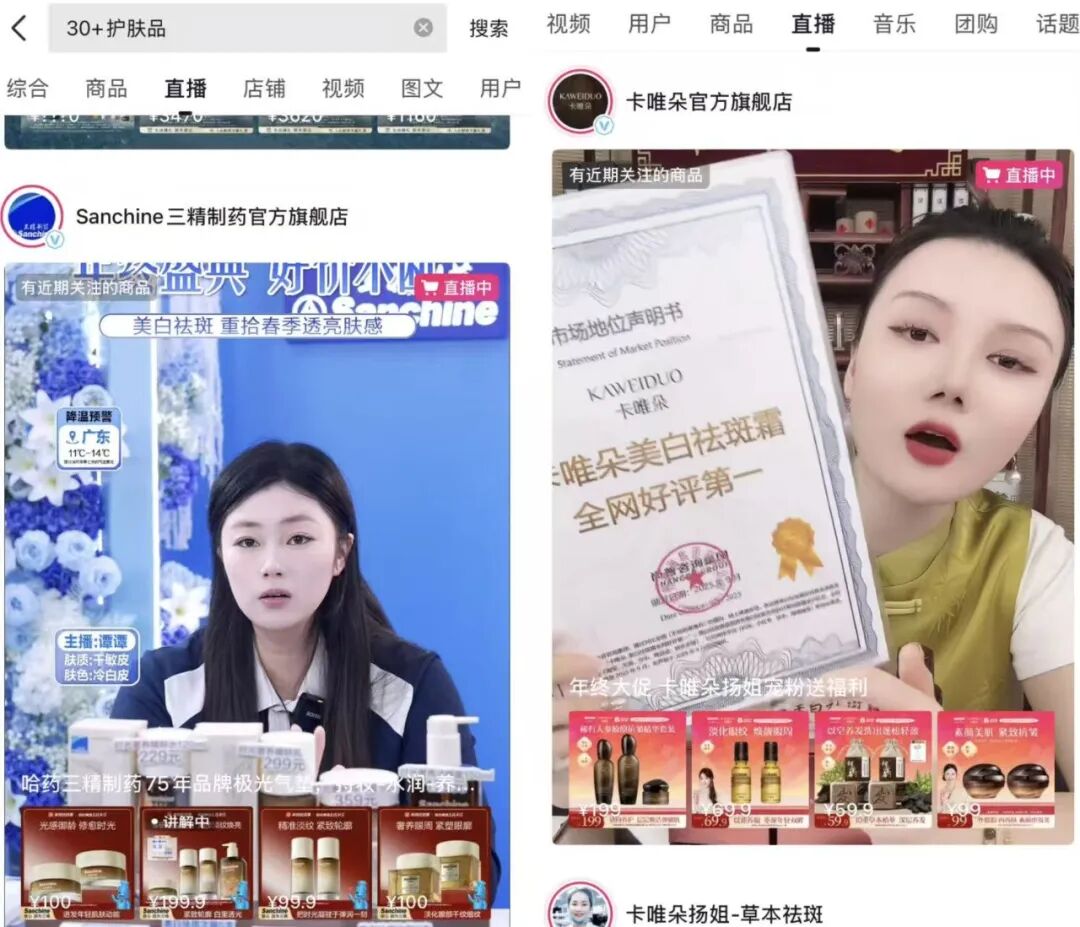
Core Insights - The article discusses the competitive landscape of the beauty market on Douyin, highlighting that L'Oréal has fallen out of the top ten rankings, while lesser-known brands are rapidly gaining market share [1][3] - The rise of brands targeting the 30+ demographic, particularly middle-aged women, is identified as a significant growth driver in the cosmetics industry [3][7] Market Trends - The 30+ age group accounts for nearly 90% of skincare consumption on Douyin, with the 31-40 age bracket being the largest segment at 35.05% [7] - The skincare needs of this demographic focus on anti-aging, spot removal, and medical beauty recovery, indicating a mature consumer decision-making ability and willingness to pay [9][47] Brand Performance - New brands like MEICHIC and Aiposa have entered the market and achieved significant sales, with MEICHIC's flagship product, a 99 yuan luxury cream, becoming a bestseller [10][12] - Pharmaceutical brands such as Mayinglong and Sanjing Pharmaceutical are also performing well in the eye cream category, with Mayinglong ranking third in the top five eye creams [13][39] Emerging Brands and Strategies - A variety of new brands are emerging, focusing on the 30+ demographic and achieving monthly GMV of over 10 million yuan, with some surpassing 100 million yuan [20][22] - These brands employ different strategies, including leveraging founder IPs, offering affordable luxury products, and utilizing targeted marketing to address specific consumer pain points [23][24] Competitive Landscape - Three main strategies are identified among brands targeting the 30+ demographic: 1. Brands using founder IPs and affordable luxury products to attract middle-aged consumers [24][29] 2. Korean brands positioning themselves as high-end skincare options, often utilizing celebrity endorsements [32][34] 3. Pharmaceutical and white-label brands focusing on eye care products, leveraging scientific credibility and targeted marketing [37][39] Consumer Insights - The demand for anti-aging products is becoming a necessity rather than an option, driven by the economic empowerment and health consciousness of the 30+ demographic [47][54] - The anti-aging market in China is projected to reach 178.6 billion yuan by 2030, indicating substantial growth potential [47] Challenges and Considerations - Despite the rapid rise of these brands, their growth heavily relies on high-frequency live streaming and significant advertising investments, raising concerns about sustainability [55] - Transitioning from a focus on explosive sales to long-term brand value will require improvements in research and development, user engagement, and quality control [55]
欧莱雅再添抗衰美妆新科技
Jing Ji Guan Cha Wang· 2026-01-16 12:18
Core Insights - L'Oréal launched two beauty tech products, the multi-effect light energy hair styling tool and LED light energy mask, at the 2026 CES International Consumer Electronics Show, with plans for a global release in 2027, though pricing details are yet to be announced [1] Group 1: Product Launch - The multi-effect light energy hair styling tool and LED light energy mask are part of L'Oréal's recent focus on anti-aging technology in beauty products [1] - These products represent L'Oréal's commitment to integrating beauty and health, emphasizing the importance of skin science and longevity science in their research and application [1] Group 2: Strategic Direction - L'Oréal aims to shift from passive skincare to proactive preventive care by understanding biological mechanisms such as protein composition, genetic predisposition, and cell regeneration that influence aging [1] - The company is prioritizing foundational research and application in the fields of skin science and longevity science [1]