
LVMH(LVMUY)

Search documents
售价1200元!LV口红贵过爱马仕
中国基金报· 2025-08-20 15:19
Core Viewpoint - LV has entered the beauty market with a high-priced makeup line, setting a new industry benchmark with lipstick priced at 1200 yuan per unit, which has sparked significant discussion online [1][4]. Group 1: Product Launch and Pricing - LV launched its beauty product line on August 20, with a flagship beauty boutique opening in Nanjing and global online pre-sales starting on August 25 [1]. - The pricing of LV's beauty products, particularly the lipstick and lip balm at 1200 yuan, significantly surpasses competitors like Prada (420 yuan), Celine (590 yuan), Chanel (around 420 yuan), and Dior (400-760 yuan) [3]. Group 2: Market Context and Financial Performance - The luxury goods sector has faced challenges, with Bain & Company predicting a 1% market contraction in 2024 and a further decline of 2%-5% in 2025, potentially marking the largest drop in 15 years [5]. - LVMH reported a 4% decline in revenue to 39.81 billion euros and a 22% drop in net profit to 5.69 billion euros in the first half of the year, with the fashion and leather goods segment down 8% [6]. - Despite the overall downturn, the beauty segment of LVMH showed resilience, achieving revenue of 4.082 billion euros, remaining stable year-on-year, while the selective retailing segment saw revenue growth of 2% [6][7]. Group 3: Strategic Insights - High-net-worth individuals are showing stable spending trends in high-end beauty, with a slight growth of 1%, indicating a potential market opportunity for luxury brands [9]. - The beauty products generally have higher profit margins compared to traditional luxury goods, and they offer frequent repurchase opportunities, providing stable cash flow [9]. - Economic fluctuations may lead consumers to opt for more accessible luxury items like beauty products instead of high-priced leather goods, helping maintain brand loyalty [9].


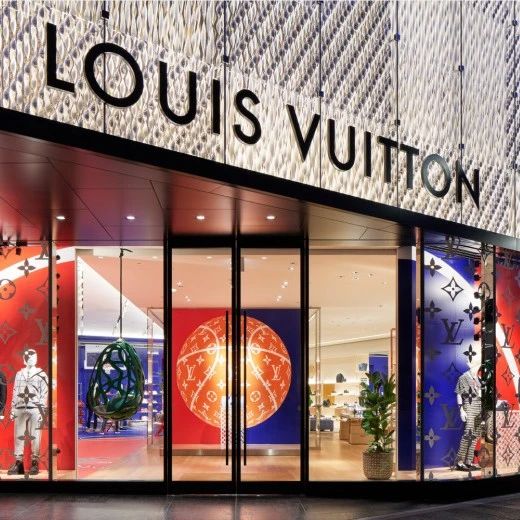
比爱马仕还贵,1200元一支口红,LV打破“天花板”
Di Yi Cai Jing· 2025-08-20 14:51
Core Insights - LV has launched a new beauty product line, with a global debut in China, indicating the brand's focus on the Chinese market [2][5] - The newly introduced lipstick series is priced at 1200 yuan each, significantly higher than competitors like Hermès and Chanel [5] - The choice of Nanjing for the first standalone beauty store is attributed to the city's strong consumer spending power, with Nanjing Deji Plaza projected to achieve 24.5 billion yuan in sales for 2024 [7] Company Strategy - LV's beauty line, LA BEAUTÉ LOUIS VUITTON, was announced earlier this year, with a creative director from the makeup industry, Pat McGrath [8] - The beauty product line will include 55 lipsticks, 10 lip balms, and 8 eyeshadow palettes, with a planned release in 2025 [8] - LV aims to control production and sales through its global direct retail stores, similar to its strategy for its fragrance line [8] Market Context - LVMH's beauty division is one of the few segments showing positive growth, alongside its Sephora retail division [8] - Although specific revenue figures for LV's beauty products are not disclosed, third-party data suggests significant contributions from beauty sales in the luxury market [8] - The global luxury cosmetics and fragrance market is projected to grow from approximately $63.3 billion in 2023 to $83 billion by 2029 [8]
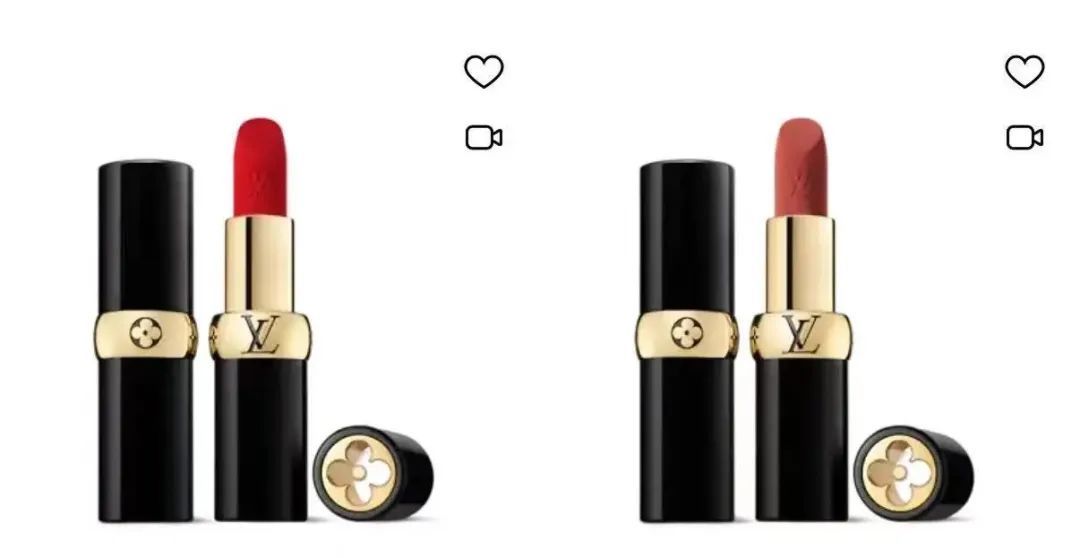
欧洲奢侈品行业进入寒冬
第一财经· 2025-08-15 05:03
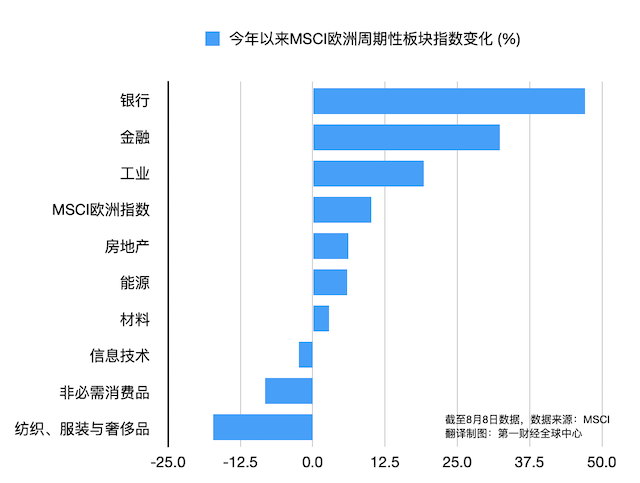
Core Viewpoint - The European luxury goods industry is facing significant challenges due to currency fluctuations and tariff policies, leading to a decline in stock prices for major luxury groups and a slowdown in market growth [3][4][7]. Group 1: Market Performance - Major luxury groups such as LVMH, Hermès, Richemont, and Kering have seen stock price declines of 26.31%, 17.98%, 19.84%, and 13.33% respectively over the past six months [3]. - The MSCI Europe Textile, Apparel, and Luxury Goods Total Return Index has dropped 17% year-to-date, underperforming the broader market by 27% [3]. - NDR's report indicates that the luxury goods sector's growth is slowing, partly due to the fading benefits of favorable exchange rates and the impact of U.S. tariff policies on global consumer confidence [3][4]. Group 2: Financial Results - LVMH reported a 4% decline in revenue and a 22% drop in net profit for the first half of the year, with recurring operating profit down 15% [7]. - Kering's second-quarter sales fell 15% to €3.7 billion, with Gucci's sales down 25% to €1.46 billion [7]. - Hermès experienced an 8% sales growth in the first half, significantly lower than the 15% growth reported in the previous year [7]. Group 3: Structural Challenges - The luxury goods sector is facing deeper structural challenges, including weak consumer confidence and brand value dilution, leading to a loss of approximately 50 million consumers over the past two years [11][12]. - The Z generation has seen a 7% decline in sales, equating to a loss of $5.7 billion in consumption, marking the largest drop among all generations [11]. - High-net-worth individuals are becoming more discerning in their luxury purchases, focusing on value and personalized services [11]. Group 4: Future Outlook - Bernstein has revised its global luxury goods revenue growth forecast for 2025 from an increase of 5% to a decrease of 2% [12]. - UBS estimates that luxury brands have increased prices by an average of 33% from 2019 to 2023, which may have overstretched market tolerance [12]. - Following a trade agreement between the U.S. and Europe, a 15% baseline tariff on luxury goods imported from Europe is expected to raise prices in the U.S. by an average of 2% and globally by about 1% [12].


欧洲奢侈品行业进入寒冬!汇率波动与关税政策下,行业繁荣何时重启?
Di Yi Cai Jing· 2025-08-14 11:31
Core Viewpoint - The European luxury goods sector is facing significant challenges, with major companies experiencing double-digit stock price declines over the past six months due to currency fluctuations and tariff policies [2][5]. Group 1: Stock Performance - The stock prices of the four major European luxury groups—LVMH, Hermès, Richemont, and Kering—have dropped by 26.31%, 17.98%, 19.84%, and 13.33% respectively [2]. - The MSCI Europe Textiles, Apparel & Luxury Goods Total Return Index has decreased by 17% year-to-date, underperforming the broader market by 27% [2]. Group 2: Economic Factors - The luxury goods market's growth slowdown is attributed to the fading benefits of favorable exchange rates and the impact of U.S. tariff policies on global consumer confidence [2][3]. - The euro's appreciation has pressured exports to the U.S., contributing to a weak performance in European stock markets [3]. Group 3: Company Financials - LVMH reported a 4% decline in revenue and a 22% drop in net profit for the first half of the year, with a 15% decrease in recurring operating profit [5]. - Kering's second-quarter sales fell by 15% to €3.7 billion, with Gucci's sales down 25% to €1.46 billion [6]. Group 4: Consumer Behavior - The luxury sector has lost approximately 50 million consumers over the past two years, representing one-eighth of the global high-end consumer base [8]. - The Z generation's spending decreased by 7% in 2024, equating to a loss of $5.7 billion, marking the largest decline among all age groups [8]. Group 5: Future Outlook - Bernstein has revised its growth forecast for the luxury goods industry, projecting a 2% decline in global luxury revenue by 2025, down from a previous estimate of 5% growth [9]. - UBS estimates that luxury prices have increased by an average of 33% from 2019 to 2023, with new tariffs potentially raising prices in the U.S. by an average of 2% [10].
一个包装瓶,如何让欧莱雅和LVMH成“盟友”?
Xin Lang Cai Jing· 2025-08-04 06:23
Core Insights - The beauty industry is undergoing a transformation where packaging, traditionally seen as disposable, is being redefined as a durable good within a circular economy framework [1][2][5] - France is leading the way with a pilot project involving six perfume brands aimed at reusing bottles, marking a significant shift towards sustainability in high-end beauty [2][5] - The French law on waste reduction and circular economy mandates increasing reuse rates, pushing the beauty industry to rethink its operational models [2][24] Group 1: Industry Initiatives - Six major brands have formed alliances to promote sustainability, including the establishment of organizations like TRASCE and The Value of Beauty Alliance [2][5] - The "La Boucle Beauté" project, involving brands like Lancôme and Chanel, aims to test a large-scale perfume bottle reuse system [5][8] - The initiative includes a logistics system for collecting and cleaning used bottles, utilizing innovative CO2 cleaning technology to minimize environmental impact [8][12] Group 2: Regulatory Environment - The French "Anti-Waste and Circular Economy Law" (AGEC) sets specific reuse targets for packaging, requiring 7% reuse by the end of 2025 and 10% by 2027 [2][24] - The law includes over a hundred obligations and prohibitions aimed at eliminating single-use plastics by 2040, with phased targets for reduction, reuse, and recycling [24][26] Group 3: Challenges and Opportunities - The beauty industry generates millions of tons of packaging waste annually, with 95% of containers discarded after a single use, highlighting the need for a shift towards reuse [11][12] - The transition from recycling to reuse presents challenges in product design, cleaning standards, and logistics, requiring a collaborative ecosystem [12][14] - In China, the lack of mandatory policies and infrastructure for reuse presents a significant barrier, with current practices largely focused on recycling rather than establishing a verified reuse system [26][30] Group 4: Consumer Perception - Consumer acceptance of reused products is a critical barrier, as perceptions of hygiene and value affect willingness to participate in reuse programs [32][33] - Education and trust-building measures are essential to shift consumer mindsets towards embracing reused beauty products [32][33]
游客减少在欧洲和日本的消费 奢侈品公司大受冲击
Sou Hu Cai Jing· 2025-08-04 05:27
Core Insights - The luxury goods industry is facing significant challenges due to a sharp decline in spending by tourists from Japan and Europe, impacting sales for major companies like LVMH, Prada, and Moncler [1] Industry Summary - The luxury sector is struggling to cope with the end of a boom period and the effects of U.S. tariffs, exacerbated by reduced consumer spending from tourists [1] - Sales for LVMH, Prada, and Moncler in the second quarter were negatively affected by decreased consumption from tourists in Europe and Japan [1] Economic Factors - Last year, a weak yen led to an influx of consumers in Japan purchasing luxury items, boosting sales during a period of declining demand [1] - The strong U.S. dollar previously enhanced American tourists' purchasing power abroad, particularly in European luxury stores, but this advantage has dissipated with the yen's recovery and the dollar's depreciation [1] - LVMH's CFO, Jean-Jacques Guiony, indicated that changes in tourist spending patterns were a primary reason for a 9% organic decline in sales in its key fashion and leather goods segment during the second quarter [1]

“一觉醒来,涨了1000块!” 知名品牌又涨价,已是今年第3次!专家:他们并不想涨太多,但一定要涨……背后巨头利润大跌
Mei Ri Jing Ji Xin Wen· 2025-08-01 12:44
Group 1 - LV has raised prices for the third time this year, with increases ranging from 200 to 1000 yuan per item, reflecting an overall increase of over 2%, with some items exceeding 3% [1][4][8] - LVMH's financial performance has declined, with total revenue down 4% to 39.81 billion euros and net profit down 22% to 5.69 billion euros in the first half of the year [3][4] - The fashion and leather goods segment, which includes LV, experienced the worst performance, with organic revenue down 7% to 19.12 billion euros [4][6] Group 2 - Other luxury brands such as Chanel, Hermès, and Prada have also raised prices this year, indicating a broader trend in the luxury market [3][8] - The frequent price increases by top brands are seen as a strategy to maintain brand image and consumer confidence, as well as to counteract rising operational costs [8][10] - The luxury market is facing challenges, with a significant portion of consumers reducing or pausing their spending on luxury goods, leading to a shift towards savings and second-hand luxury items [10][13]
X @The Economist
The Economist· 2025-08-01 00:40
LVMH’s market value has fallen by more than a quarter over the past year. Can Bernard Arnault, the company’s founder, turn the ship around? https://t.co/1KhWiWbNCr ...
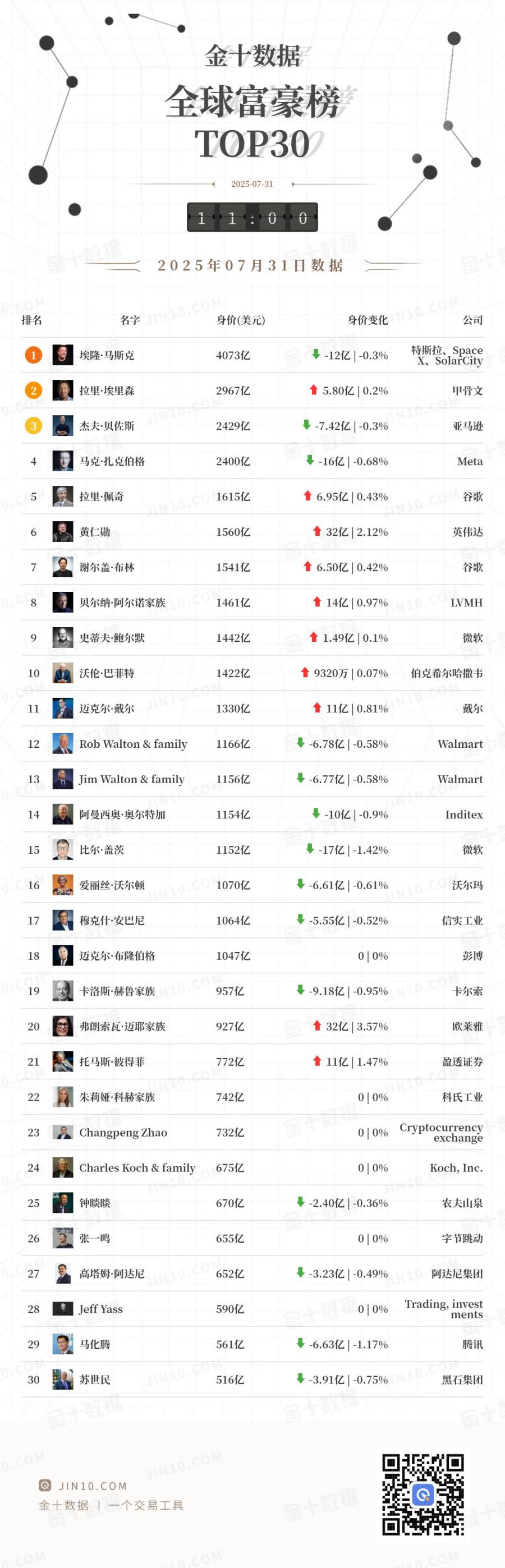
金十图示:2025年07月31日(周四)全球富豪榜





news flash· 2025-07-31 03:04
Group 1 - Elon Musk remains the richest person with a net worth of $407.3 billion, experiencing a decrease of $1.2 billion or 0.3% [1] - Larry Ellison ranks second with a net worth of $296.7 billion, increasing by $1.58 billion or 0.2% [1] - Jeff Bezos is third with a net worth of $242.9 billion, down by $7.42 billion or 0.3% [1] - Mark Zuckerberg's net worth is $240 billion, decreasing by $1.6 billion or 0.68% [1] - Larry Page has a net worth of $161.5 billion, increasing by $6.95 billion or 0.43% [1] Group 2 - Nvidia's CEO Jensen Huang has a net worth of $156 billion, increasing by $3.2 billion or 2.12% [1] - Sergey Brin, co-founder of Google, has a net worth of $154.1 billion, increasing by $650 million or 0.42% [1] - Bernard Arnault's family has a net worth of $146.1 billion, increasing by $1.4 billion or 0.97% [1] - Steve Ballmer, former CEO of Microsoft, has a net worth of $144.2 billion, increasing by $149 million or 0.1% [1] - Warren Buffett's net worth is $142.2 billion, increasing by $9.32 million or 0.07% [1] Group 3 - Michael Dell has a net worth of $133 billion, increasing by $1.1 billion or 0.81% [1] - Rob Walton and family have a net worth of $116.6 billion, decreasing by $6.78 billion or 0.58% [3] - Jim Walton and family have a net worth of $115.6 billion, decreasing by $6.77 billion or 0.58% [3] - Amancio Ortega has a net worth of $115.4 billion, decreasing by $1 billion or 0.9% [3] - Bill Gates has a net worth of $115.2 billion, decreasing by $1.7 billion or 1.42% [3]
X @The Economist
The Economist· 2025-07-30 19:40
Market Value & Leadership - LVMH's market value has decreased by over 25% in the past year [1] - The question is whether Bernard Arnault, the founder, can reverse this trend [1]