MEITUAN(MPNGY)

Search documents
阿里押注高德,剑指美团腹地
2 1 Shi Ji Jing Ji Bao Dao· 2025-09-10 11:52
Core Insights - The article discusses Alibaba's launch of the "Gao De Street Ranking," a behavior-based ranking system aimed at enhancing the local consumption market and competing with Meituan and Dianping [1][2][4] Group 1: Gao De Street Ranking - Gao De Street Ranking is the world's first ranking based on user behavior, utilizing real actions such as navigation, search, and visits to generate scores, addressing the issue of fake reviews [1][3] - The ranking aims to create a healthy ecosystem by promoting genuine user experiences and discouraging the practice of artificially inflating ratings [1][4] - The scoring system incorporates both behavioral data (navigation, search, visits) and credit data (via Sesame Credit) to enhance the credibility of evaluations [5][10] Group 2: Strategic Intent - Alibaba's choice of Gao De is strategic, leveraging its high-frequency usage to penetrate the local consumption market, which has been dominated by Meituan and Dianping for years [2][16] - The integration of Gao De with other Alibaba services aims to create a seamless ecosystem that connects travel, dining, and shopping, enhancing user engagement [17][18] - The initiative reflects Alibaba's broader strategy to revitalize its local life services and drive traffic to its e-commerce platforms, particularly in light of slowing growth in its core business [18][19] Group 3: Competitive Landscape - The launch of Gao De Street Ranking is seen as a direct challenge to Meituan's established position in the local services market, with Gao De's user base significantly larger than that of Dianping [16][15] - Meituan has responded by enhancing its own review systems, indicating a competitive race to improve service quality and user trust in the local consumption space [14][15] - The effectiveness of Gao De's strategy in disrupting Meituan's dominance remains uncertain, as user habits and established content ecosystems will take time to shift [15][19]


阿里“扫街”、美团发券 到店大战2.0
Xin Jing Bao· 2025-09-10 11:26
Core Insights - Alibaba and Meituan are shifting their strategies towards a focus on trust and quality, moving away from aggressive spending and competition in the local services market [1] Group 1: Alibaba - Alibaba's Gaode Map launched a "Street Scanning List" based on 1.3 billion navigation trajectories and 22.8 billion kilometers of travel, filtering through 1.18 million stores to create a reputation list based on consumer behavior [1] Group 2: Meituan - Meituan announced the revival of its "Quality Takeaway" service and is distributing consumer coupons, indicating a strategic pivot towards enhancing customer trust and service quality [1] Group 3: Industry Trends - The competitive landscape between Alibaba and Meituan is entering a more rational phase, with both companies emphasizing quality and consumer trust over previous aggressive spending strategies [1]
阿里一声号令 ,高德奇袭美团
3 6 Ke· 2025-09-10 09:32
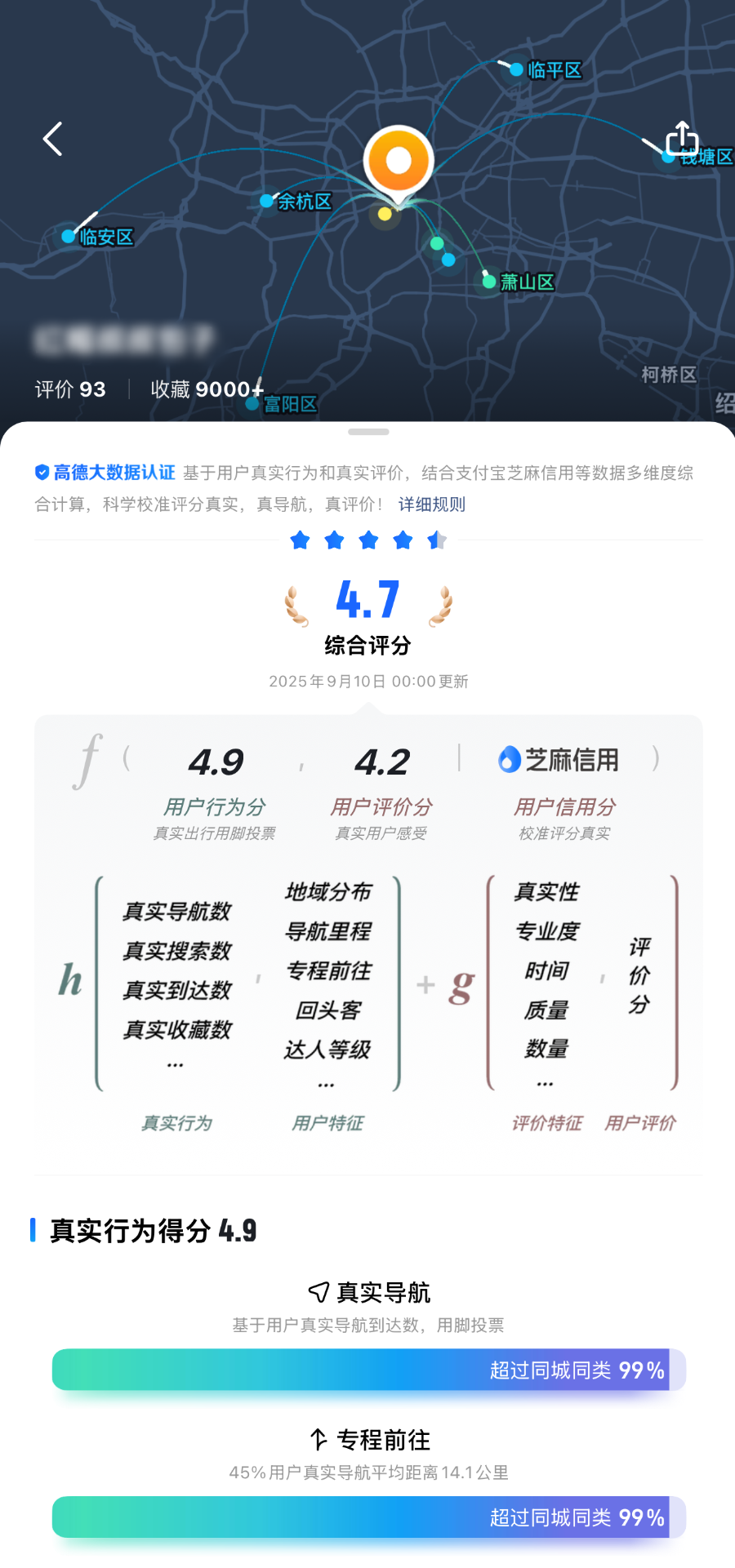
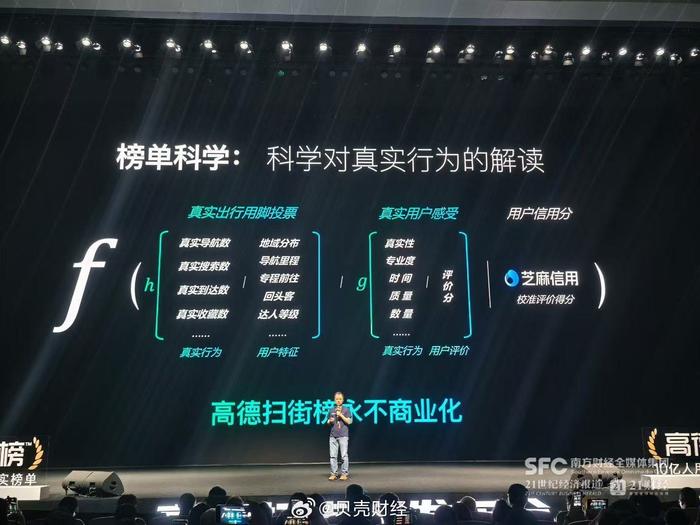
对标美团,阿里有新打算 今年7月以来,多位高德产品派驻到杭州全球总部,"网传的消息夸张了,没有专门封闭一个楼,但确实在西溪园区C4号楼单独开辟了一块空间,做相关 新产品的研发"。 凤凰网科技从多位知情人士处获悉,高德于两个多月前着手筹备推出榜单类业务,9月10日,该产品终于亮相——"高德扫街榜",聚焦美食、酒店、景区 三大类目,主要以线下餐饮商家的榜单为主,此外还包括一些特色美食榜单,进一步加码本地生活领域。多位人士分析称,该业务直接对标美团旗下大众 点评,但与后者有着显著差异化,核心是通过用户的"行为+信用",芝麻信用在同日升级商业信用服务体系,表示将支持高德产品,确保这是一份无法刷 分的真实可信榜单,从而重新构建一套线下服务的信用体系。 这项业务并非没有根基,高德最早曾在2020年9月首度推出"高德指南"业务,同样希望通过数据驱动的榜单体系和用户UGC模式,提供覆盖餐饮、酒店、 景点等场景的决策服务,当时便剑指大众点评"必吃榜"。 "再回归无论是资源、产品还是与集团的协同效应,都与此前完全不同",有知情人士告诉凤凰网科技。 据透露,本次榜单业务得到了阿里相关高层的支持,多位知情人士指出是马云本人较为关注, ...
摩根大通(JPMorgan)在美团-W的持股比例于9月5日从6.00%降至5.94%
Mei Ri Jing Ji Xin Wen· 2025-09-10 09:26
每经AI快讯,9月10日,香港交易所信息显示,摩根大通(JPMorgan)在美团-W的持股比例于9月5日从 6.00%降至5.94%,平均股价为102.9867港元。 ...

“要全面开战了”,阿里美团激战升级
Di Yi Cai Jing Zi Xun· 2025-09-10 08:51
Core Viewpoint - Alibaba is intensifying its competition with Meituan in the local lifestyle service sector, launching the "Gaode Street Ranking" to enhance its presence in the "to-store" business, while Meituan is reviving its quality takeaway service [2][8]. Group 1: Alibaba's Strategy - Alibaba's "Gaode Street Ranking" is based on real user behavior, focusing on repeat customers and is not commercialized, aiming to differentiate itself from Meituan's high market share [2][4]. - The "Gaode Street Ranking" project was initiated in June and now covers over 300 cities and 1.6 million offline service providers, including over 870,000 restaurants and 230,000 hotels [3]. - The ranking system utilizes AI to filter out false information and is integrated with the Sesame Credit system to enhance trust [4]. Group 2: Meituan's Response - Meituan announced the revival of its quality takeaway service on the same day as Alibaba's announcement, leveraging its extensive user review data to improve service reliability [8]. - Meituan's second-quarter financial report showed a revenue of 91.84 billion yuan, a year-on-year increase of 11.7%, but a significant drop in net profit by 89% [9]. - Despite the challenges, Meituan's app reached over 500 million monthly active users, with a 40% year-on-year increase in order volume for its to-store business [9]. Group 3: Market Dynamics - The competition between Alibaba and Meituan is heating up, with both companies accelerating the construction of their local lifestyle service ecosystems and extending their subsidy wars from takeaway to in-store services [2][7]. - The market is observing the impact of these new strategies, with both companies announcing substantial subsidies to attract customers, including over 1 billion yuan from Gaode and 25 million takeaway vouchers from Meituan [7][8]. - Analysts suggest that while Gaode's new ranking may disrupt Dazhong Dianping (Meituan's review platform), it will take time to build user trust and recognition [7].

阿里美团激战升级!高德10亿补贴杀入“到店”榜单,点评“重启”品质外卖
Di Yi Cai Jing Zi Xun· 2025-09-10 08:23
Core Insights - Alibaba is intensifying competition with Meituan in the local services sector, launching the "Gaode Street Ranking" to challenge Meituan's dominance in the dining and service industry [1][2][3] - Meituan has responded by reviving its quality takeaway service, indicating a fierce battle in the local lifestyle market [2][7] Group 1: Alibaba's Strategy - The "Gaode Street Ranking" is based on real user behavior, focusing on repeat customers rather than likes or collections, and aims to differentiate itself from Meituan's offerings [1][3] - The project has been in development since June and currently covers over 300 cities and 1.6 million offline service providers, including over 870,000 restaurants [3][5] - Alibaba aims to leverage its credit system and AI capabilities to filter out false information and enhance user trust in the rankings [3][6] Group 2: Meituan's Response - Meituan announced the revival of its quality takeaway service, utilizing AI and real user reviews to improve decision-making for consumers [7][8] - The company has a history of integrating high-quality dining options into its takeaway service, which has been a significant part of its strategy since 2014 [8] - Meituan's second-quarter financial report showed a revenue of 91.84 billion yuan, with a year-on-year growth of 11.7%, but a significant drop in net profit by 89% [9][10] Group 3: Market Dynamics - Both companies are engaged in a subsidy war, with Gaode announcing over 1 billion yuan in subsidies to attract customers to offline dining and services [6][10] - The competition is expected to evolve as both companies work to enhance their local service ecosystems and improve consumer engagement [2][6] - Analysts suggest that while Meituan has a strong market position, the introduction of Gaode's ranking system could disrupt the existing dynamics due to its unique data advantages [6][10]

大众外卖 高德点评?阿里美团又开新战场
2 1 Shi Ji Jing Ji Bao Dao· 2025-09-10 07:56
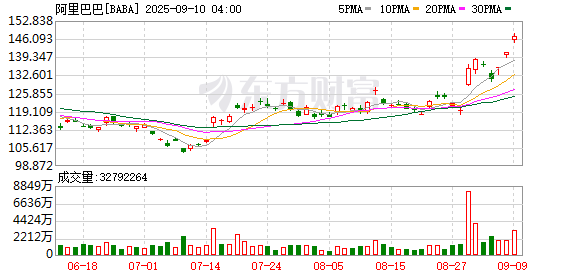
大众外卖、高德点评?一边是2500万张消费券,一边10亿补贴,阿里和美团又开新战场了。 昨晚阿里美股跳空上涨我就知道必有大事发生啊,果然今天就高调推出高德扫街榜。这不就是一个阿里 版的大众点评吗?除了外卖和闪购,显然阿里又开始围剿美团的另一座城池。 美团来了一招围剿与反围剿,同一天宣布大众点评"重启"品质外卖服务。 高德称发放10亿补贴,鼓励用户到店消费,给全国线下店铺多带去1000万消费者,每天为小店带来5000 万流量的精准曝光。美团宣布大众点评"品质外卖"将同步发放2500万张不同种类的大额"品质外卖"消费 券。 市场现在有两种观点: 有人认为阿里一边出血一边回血,外卖电商互相倒流,越烧钱对阿里越有利。也有人认为本地生活依然 是美团独大,阿里烧钱只是打压了美团股价,对于竞争格局不会有改变。 今天上午港股市场,阿里巴巴连续4天大涨,创近4年新高。美团股价重新收复100元失地。 不管是此前的外卖大战,还是现在新一轮的互搏,看来三季度业绩才是两位巨头实力见真章的时刻! (文章来源:21世纪经济报道) 高德扫街榜号称永不商业化,美团称首批已集合超百万家高分堂食店。这话暂且听听就好了,主要我们 看看两巨头打架给消 ...
又见“内卷外溢”,滴滴与美团在巴西打起“外卖大战” | 巴伦精选
Tai Mei Ti A P P· 2025-09-10 07:50
来自中国的两家科技巨头正在巴西"大打出手"。近期,美团与滴滴在当地的外卖市场竞争中实施了一系 列颇具针对性的商业行动。 二者的市场竞争已迅速蔓延至法庭。8月14日,美团旗下国际外卖品牌Keeta在巴西最大城市圣保罗对滴 滴旗下的99Food提起诉讼,指控该平台违反巴西竞争法。Keeta声称99Food动用约9亿雷亚尔(约合1.65 亿美元)与餐厅签署排他性协议,这些协议禁止餐厅在合同期内与Keeta合作。而且,相关协议并未限 制餐厅与巴西本土外卖龙头iFood的合作——该平台控制着该国约80%的市场份额。 Keeta在声明中表示:"此类条款明显旨在阻挠Keeta进入巴西市场、限制竞争并抑制创新。"这种"二选 一"的做法标志着两家中国巨头间的紧张关系来到了新的高度。滴滴旗下的99Food于上个月在巴西上 线,并投入10亿雷亚尔开拓市场。据报道,小型餐厅可获得数十万雷亚尔的前期激励,大型连锁餐厅可 获得的金额更是高达1300万雷亚尔。 此次法律冲突之前,双方曾就"关键词广告营销"对簿公堂。8月,圣保罗法院对99Food发出禁令,要求 其停止购买"Keeta"相关的谷歌关键词及操纵搜索结果。法院认定该行为误导消费者 ...
美团重启大众点评品质外卖,阿里高德扫街榜上线
Bei Ke Cai Jing· 2025-09-10 06:30
Core Viewpoint - Alibaba's launch of the "Gaode Street Ranking" is seen as a direct challenge to Meituan's Dianping, indicating intensified competition in the food delivery and dining service sectors [1][2]. Group 1: Company Actions - Meituan announced the official "restart" of its Dianping quality takeaway service, claiming to have gathered over 1 million high-rated dining establishments for this initiative [1]. - Dianping's quality takeaway service now covers various categories, including the "Must-Eat List," "Black Pearl," and high-star hotel restaurants, with over 1,400 restaurants listed on the 2025 "Must-Eat List" and nearly 30 on the "Black Pearl" list [1]. - On the same day, Dianping issued 25 million different types of high-value takeaway coupons to attract customers [1]. Group 2: Market Data - In the past year, Dianping accumulated 363 million authentic reviews, with daily "photo reviews" browsing volume increasing by 11% year-on-year [2]. - The rate of users prioritizing negative reviews reached 14%, with the number of users opting to view negative reviews increasing by 36% year-on-year [2]. Group 3: Future Plans - Dianping aims to invite more restaurants to join its platform based on real customer ratings and the actual operational status of businesses, striving to provide comprehensive services for all high-rated dining establishments across the country [2].
1分钱外卖终结?监管叫停恶性补贴,美团京东饿了么集体“刹车”
Sou Hu Cai Jing· 2025-09-10 06:29
Core Viewpoint - The Chinese food delivery market is entering a "strong constraint" era due to intensified regulations aimed at curbing irrational competition and excessive subsidies among major platforms [1][4][6]. Regulatory Environment - The State Administration for Market Regulation (SAMR) has mandated major food delivery platforms to adhere strictly to laws and regulations, prohibiting unfair competition and harmful subsidies [4][6]. - The revised Anti-Unfair Competition Law introduced in 2025 explicitly prohibits platforms from forcing merchants to sell below cost, providing a legal basis to combat harmful subsidies [6]. Market Dynamics - The food delivery market has seen a significant shift in competition, evolving from a "duopoly" dominated by Meituan and Ele.me to a "tripartite" battle involving Meituan, Alibaba, and JD.com [3][14]. - Following JD.com's entry into the market with a "0 commission + 10 billion subsidies" strategy, a fierce subsidy war ensued, leading to extreme promotional tactics and a surge in order volumes [5][9]. Financial Impact - The intense competition has severely eroded profits for the major players. For instance, Meituan's adjusted net profit for Q2 2025 plummeted by 89% year-on-year, while Alibaba and JD.com also reported significant profit declines [9][10]. - High marketing expenditures have become a norm, with the three companies collectively spending over 1 trillion yuan on sales and marketing in Q2 2025, averaging over 30 billion yuan per month [9][10]. Merchant and Consumer Behavior - Merchants are increasingly diversifying their partnerships across multiple platforms to mitigate risks associated with reliance on a single platform [11]. - The competitive landscape has led to a re-evaluation of consumer preferences, with active user engagement on the apps of Meituan, Alibaba, and JD.com showing varying growth rates [14]. Future Outlook - Analysts predict a potential shift towards a "duopoly" market structure, with Alibaba and Meituan leading, contingent on continued financial investments and strategic adaptations [16]. - The industry is expected to transition from a "price war" to a "value war," focusing on technological innovation and sustainable business practices to foster long-term growth [17].