Micron Technology(MU)

Search documents
投资约1000亿美元!美光科技纽约州晶圆厂将于1月16日动工
Zheng Quan Shi Bao Wang· 2026-01-11 09:54
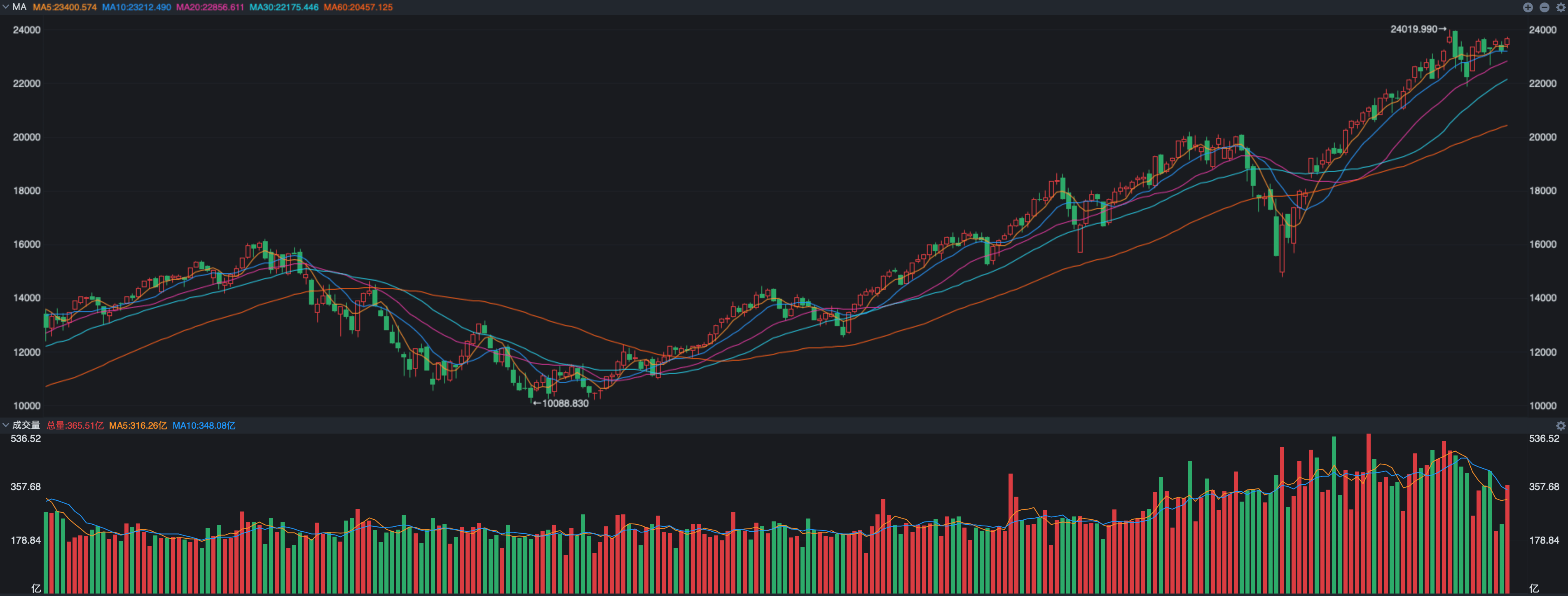
Group 1 - Micron Technology announced the groundbreaking of its massive semiconductor fabrication plant in New York on January 16, with a total investment of approximately $100 billion, making it the largest private investment project in New York's history [2] - The project aims to create a state-of-the-art semiconductor manufacturing center to meet the growing demand for artificial intelligence systems, consisting of up to four factories [2] - The construction timeline was delayed by about 18 months due to extensive environmental assessments, with plans to clear the site by March 31 and begin construction of rail lines and wetland preparation [2] Group 2 - Micron plans to start production at the first factory in New York by 2030, with a second factory expected to open three years later, ultimately employing around 9,000 people by the time the fourth factory is completed in 2045 [2] - The CEO emphasized that leadership in advanced semiconductors will be crucial for innovation and economic prosperity, reinforcing Micron's position as the only memory manufacturer in the U.S. [2] - The investment is part of a strategy to increase U.S.-made advanced DRAM production to 40% of global output over the next decade, supported by $5.5 billion in tax incentives from the CHIPS Act [2] Group 3 - According to Counterpoint Research, Micron held a 21% revenue share in the global HBM market as of Q3 2025, ranking third behind SK Hynix and Samsung [3] - In the overall DRAM market, Micron's share was 26% in Q3 2025, with the potential to become the largest storage company globally if it achieves its target of 40% market share [3] - Micron's Q1 FY2026 earnings report showed adjusted revenue of $13.64 billion, a 57% year-over-year increase, exceeding analyst expectations, with adjusted net income of $5.48 billion [3]


UBS Maintains a Buy Rating on Micron Technology, Inc. (MU)
Insider Monkey· 2026-01-11 06:09
Core Insights - Artificial intelligence (AI) is identified as the greatest investment opportunity of the current era, with a strong emphasis on the urgency to invest now [1][13] - The energy demands of AI technologies are significant, with data centers consuming as much energy as small cities, leading to concerns about power grid capacity and rising electricity prices [2][3] Investment Opportunity - A specific company is highlighted as a critical player in the AI energy sector, owning essential energy infrastructure assets that are poised to benefit from the increasing energy demands of AI [3][7] - This company is not a chipmaker or cloud platform but is positioned as a "toll booth" operator in the AI energy boom, collecting fees from energy exports [5][6] Financial Position - The company is noted for being debt-free and holding a substantial cash reserve, which is nearly one-third of its market capitalization, providing a strong financial foundation [8][10] - It is trading at less than 7 times earnings, indicating a potentially undervalued position in the market compared to its peers [10][12] Market Trends - The company is strategically aligned with several market trends, including the onshoring boom driven by tariffs, a surge in U.S. LNG exports, and a unique position in nuclear energy [14][7] - The influx of talent into the AI sector is expected to drive continuous innovation and advancements, further solidifying the importance of investing in AI-related infrastructure [12][11] Future Outlook - The potential for significant returns is emphasized, with projections suggesting a possible 100% return within 12 to 24 months for investors who act now [15][19] - The company is positioned to capitalize on the disruption caused by AI, which is reshaping traditional industries and creating new investment opportunities [11][12]
6 Hypergrowth Tech Stocks to Buy in 2026
The Motley Fool· 2026-01-11 05:00
Core Insights - The article highlights six companies poised for significant growth in the tech sector, particularly in AI, data infrastructure, and cloud computing, with expectations of becoming global leaders by 2026 [1] Company Summaries 1. Palantir - Palantir is shifting from a government contract-focused business to a commercial AI software provider, achieving 121% growth in U.S. commercial revenue and 63% overall revenue growth year over year in Q3 2025 [2][3] - The growth is driven by its Artificial Intelligence Platform (AIP), with a shortened sales cycle due to intensive workshops, resulting in 204 deals worth at least $1 million, including 53 deals over $10 million last quarter [3] 2. Nvidia - Nvidia remains the leader in AI computing, valued at over $4.6 trillion, with a stock increase of over 1,350% in the past five years [6] - The company reported $57 billion in revenue for the latest quarter, marking a 22% increase from the previous quarter and a 62% increase year over year [6] 3. Advanced Micro Devices (AMD) - AMD is emerging as a strong competitor to Nvidia, with its MI300 series gaining traction among large customers [9] - Under CEO Lisa Su's leadership since 2014, AMD's market cap has surged from $2 billion to $350 billion [9] 4. MercadoLibre - MercadoLibre is positioned as the Amazon of Latin America, with a 39% year-over-year increase in net revenue in Q3 2025, marking 27 consecutive quarters of over 30% growth [10][11] - The company operates in e-commerce, financial services, fintech, and media, although it faces risks from geopolitical issues and regulatory challenges [11] 5. Taiwan Semiconductor (TSMC) - TSMC produces about 90% of the world's leading-edge chips, with increasing demand for its 3nm and 2nm nodes due to AI growth [12] - Goldman Sachs raised its price target for TSMC by 35%, predicting that AI computing demand will exceed supply into 2027 [12][13] 6. Micron - Micron's stock has risen over 17% since the start of the year, securing long-term supply contracts with AI chipmakers [14] - The company is expected to see DRAM prices increase by 55% to 60% quarter over quarter in 2026, benefiting from strong pricing power [14][16] Conclusion - The six companies are well-established players with solid growth prospects, expected to thrive in the AI revolution and provide sustainable returns [17]


2026 产能归零!全球内存巨头:需求远超供应极限
半导体行业观察· 2026-01-11 04:23
Core Insights - The global demand for RAM is expected to exceed supply due to significant consumption by AI chip manufacturers like Nvidia, AMD, and Google [2][5] - Major memory suppliers, Micron, SK Hynix, and Samsung, are benefiting from this surge in demand, with Micron's stock rising 247% over the past year and reporting a nearly threefold increase in net profit [2][5] - DRAM prices are projected to rise by 50% to 55% compared to Q4 2025, marking an unprecedented increase [3][5] Memory Supply Dynamics - The production of High Bandwidth Memory (HBM) for AI chips is prioritized over traditional RAM, leading to a "three-to-one" trade-off where producing 1 bit of HBM results in a loss of 3 bits of conventional memory [4][6] - Memory manufacturers are increasingly focusing on server and HBM applications due to higher growth potential and lower price sensitivity from cloud service providers [6] Market Impact - The rising memory prices are expected to affect consumer electronics companies like Apple and Dell, potentially leading to increased retail prices [5][8] - Memory currently accounts for about 20% of laptop hardware costs, up from 10% to 18% in early 2025, indicating a significant impact on overall product pricing [8] Production Challenges - Micron has stated that it can only meet two-thirds of the mid-term memory demand for certain customers, with production capacity for 2026 already sold out [9] - New factories being built in Idaho and New York will not be operational until 2027 to 2030, exacerbating the supply constraints [9] AI Memory Bottleneck - The "Memory Wall" phenomenon is limiting AI system performance, as the speed of memory does not keep pace with the increasing computational power of GPUs [7] - More and faster memory is essential for running larger AI models and enhancing user experiences in applications like chatbots [7]


三巨头收缩中国业务?3000亿空窗期来了,中国芯迎来泼天富贵
Sou Hu Cai Jing· 2026-01-10 20:13
Core Viewpoint - The global semiconductor market is approaching a trillion-dollar valuation, with WSTS estimating it at nearly $975 billion, but major companies like ASML, Micron, and Nvidia are retracting their operations in China, leaving a significant gap of nearly 300 billion yuan for domestic manufacturers to fill [1] Group 1: Market Dynamics - ASML, Micron, and Nvidia are key players in the semiconductor industry, with ASML being the sole supplier of lithography machines, Micron consistently ranking among the top three in memory, and Nvidia holding a 95% market share in AI chips in China [1] - The Dutch government plans to raise the export threshold for DUV lithography machines from 7nm to 14nm by October 2025, which is expected to impact ASML's sales and market expectations significantly [1] - ASML's stock dropped over 8% in a single day following the announcement, with market forecasts predicting a revenue decline of more than 10% in the coming year [1] Group 2: Domestic Manufacturers' Response - Domestic companies like Yangtze Memory Technologies (YMTC) and ChangXin Memory Technologies (CXMT) are ramping up production, with YMTC optimizing its Xtacking production line and achieving a 12% increase in speed and an 8% reduction in power consumption [3] - CXMT has increased its LPDDR5 memory speed to 6400MT/s, resulting in a 30% surge in industrial-grade orders, and has begun to receive significant orders from major players like Samsung [3] - Domestic manufacturers are also making strides in lithography and chemical materials, with Shanghai Micro Electronics achieving a 90% yield rate for its 28nm machines and increasing the domestic market share of lithography materials [1][3] Group 3: Challenges and Opportunities - The exit of major players from the Chinese market presents both challenges and opportunities for domestic firms, as they must stabilize yield rates, reduce costs, and build a complete ecosystem [6] - The Chinese semiconductor industry is under pressure to meet ambitious targets, such as the commercial launch of HBM3 by 2025, supported by significant funding from the national big fund [6] - The shift in market dynamics due to the withdrawal of ASML, Micron, and Nvidia is seen as a potential turning point for domestic manufacturers, who need to capitalize on this opportunity to fill the gaps left behind [6]


Micron Technology Stock Can Do No Wrong Right Now | MU Stock
247Wallst· 2026-01-10 16:07
Core Viewpoint - Shares of Micron Technology (NASDAQ: MU) have experienced a significant surge, driven by a notable shift in retail investor sentiment on platforms like Reddit and X from moderate to extremely bullish [1] Company Summary - Micron Technology's stock performance has been positively influenced by retail investors' changing attitudes, indicating a strong bullish sentiment [1]

Micron (MU) Price Target Raised on Tight Memory Supply Through 2026
Yahoo Finance· 2026-01-10 13:39
Core Viewpoint - Micron Technology, Inc. is gaining attention on Wall Street, with analysts maintaining a positive outlook and increasing price targets due to strong pricing power and tight supply conditions [1][2]. Group 1: Analyst Ratings and Price Targets - Piper Sandler has maintained an Overweight rating on Micron and raised its price target to $400 from $275, indicating strong confidence in the stock's future performance [1]. - Analysts are optimistic about Micron's pricing power, driven by tight memory supply and the high-value positioning of products like HBM4, expecting benefits to last at least through the end of 2026 [2]. Group 2: Supply and Demand Dynamics - Supply for calendar 2026 is effectively sold out, with limited capacity to add new supply, which is expected to support pricing for high-value products [3]. - Micron is projected to increase supply by approximately 20% in 2026 compared to 2025, driven by node transitions and efforts to enhance supply [4]. - The company is well-positioned as demand is anticipated to continue outpacing supply, with all indicators suggesting a strong year ahead [3][4].
AI memory is sold out, causing an unprecedented surge in prices
CNBC· 2026-01-10 12:00
Core Insights - The global demand for RAM is exceeding supply due to the high requirements from companies like Nvidia, AMD, and Google for their AI chips [1][2] - Major memory vendors Micron, SK Hynix, and Samsung are experiencing significant business growth due to this surge in demand [2][3] Company Performance - Micron's stock has increased by 247% over the past year, with net income nearly tripling in the latest quarter [3] - Samsung anticipates its operating profit for the December quarter to nearly triple, while SK Hynix is considering a U.S. listing due to rising stock prices [3] Price Trends - TrendForce predicts that average DRAM memory prices will rise by 50% to 55% in the current quarter compared to Q4 2025, marking an unprecedented increase [4] - The price of RAM for consumers has surged dramatically, with examples of costs rising from approximately $300 to around $3,000 within months [9] Memory Technology - HBM (high-bandwidth memory) is essential for AI chips and is produced through a complex process that limits the production of conventional memory [6][7] - The demand for HBM is prioritized over other memory types due to higher growth potential in server and AI applications [7] Industry Challenges - Micron has decided to discontinue certain consumer memory products to allocate more supply for AI chips and servers [8] - The memory shortage is expected to impact consumer electronics companies, with memory costs now accounting for about 20% of laptop hardware costs, up from 10%-18% in early 2025 [15] Future Outlook - Nvidia's CEO highlighted the need for more memory factories to meet the high demand driven by AI applications [18] - Micron is building new factories in Idaho and New York, expected to come online in 2027, 2028, and 2030, respectively, but currently, they are "sold out for 2026" [19][20]
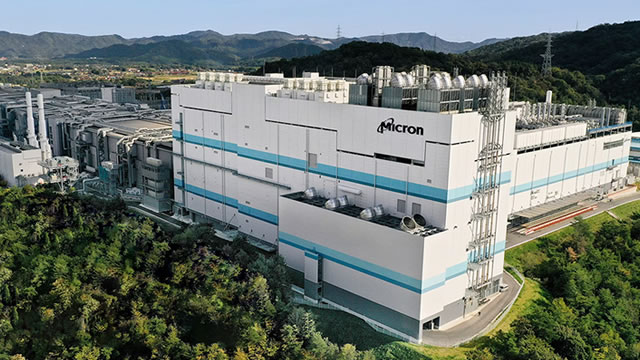
UBS Raises Micron (MU) Price Target to $400, Citing AI-Driven Re-Rating
Yahoo Finance· 2026-01-10 08:08
Core Viewpoint - Micron Technology, Inc. is being closely monitored by analysts as a significant player in the AI sector, with UBS raising its price target to $400 from $300 while maintaining a "Buy" rating, driven by AI demand and improved earnings per share (EPS) durability [1][4]. Group 1: Analyst Insights - UBS's price target increase follows positive investor meetings with Micron's management, including the CEO and CFO, which have contributed to a favorable outlook on the memory cycle's durability [2]. - Analysts believe that the market is underestimating the strategic importance of memory, particularly DRAM, in the context of artificial intelligence, and the durability of EPS is not fully appreciated due to the rapid obsolescence of High Bandwidth Memory (HBM) compared to traditional DRAM [3]. Group 2: Financial Projections - UBS has revised its earnings estimates, raising the 2026 EPS forecast from approximately $41 to $45 and the 2027 EPS from $42 to $60, while also increasing the price target to $400 [4].
美股又新高,存储芯片再大涨,A股下周怎么走?
Sou Hu Cai Jing· 2026-01-10 03:55
Group 1: Employment Data and Federal Reserve Outlook - The U.S. Labor Department reported a non-farm employment increase of 50,000 in December, which is below market expectations [1] - The unemployment rate for December was 4.4%, lower than the anticipated 4.5%, indicating that the unemployment rate has not reached a level that necessitates a rate cut by the Federal Reserve [1] - The probability of a rate cut in January has dropped to 5%, with market expectations remaining high for future months despite the lack of immediate cuts [1] Group 2: Stock Market Reaction - Despite the short-term outlook of no rate cuts being negative, U.S. stock markets reacted positively, with major indices rising: Nasdaq up 0.81% and S&P 500 up 0.65%, both reaching historical highs [3] - The surge in technology stocks, particularly in the storage chip sector, has driven the market upward, with companies like SanDisk seeing price increases of over 10% [3] Group 3: Semiconductor and Solar Industry Insights - A report from Nomura Securities suggested that prices for enterprise-level 3D NAND flash memory could double this quarter, indicating a significant positive outlook for the storage chip sector [4] - The anticipated price increases in storage chips are expected to lead to a bullish trend in both U.S. and A-share markets, particularly in semiconductor materials and equipment [4] - In the solar industry, the cancellation of export tax rebates for photovoltaic products starting April 1, 2026, is expected to negatively impact earnings for exporting companies, potentially reducing rebates by 1 to 2 billion [4][5] - However, the removal of export tax rebates may lead to market consolidation, benefiting larger firms that can enhance their pricing power in overseas markets [5]