安踏

Search documents
传拉夫劳伦高管或担任lululemon CEO;山姆在华门店达63家;呷哺呷哺将推出牛排品牌|品牌周报
3 6 Ke· 2025-12-21 12:52
Group 1: Leadership Changes and Strategic Moves - lululemon's current CEO Calvin McDonald will step down at the end of January 2026, prompting the board to initiate a succession process [1] - Elliott Investment Management has acquired over $1 billion in lululemon shares and is actively involved in company governance, suggesting potential strategic changes [1] - Elliott is recommending Jane Nielsen, a seasoned executive from Ralph Lauren, as a potential successor for lululemon's CEO position [1] Group 2: Financial Performance - lululemon reported a 7% year-over-year increase in global net revenue for Q3 2025, reaching $2.6 billion, with a 2% decline in the Americas and a 33% increase in international revenue [1] - In the same earnings call, McDonald highlighted strong performance in mainland China, expecting annual net revenue growth to meet or exceed the upper range of 20% to 25% [2] - lululemon plans to open approximately 46 new stores this year, with 15 in the Americas and a significant number in international markets, primarily in China [2] Group 3: Competitor Insights - Nike reported Q2 2026 revenue of $12.4 billion, with a 3% decrease in inventory compared to the previous year, and $1.423 billion in revenue from the Greater China region [2] - Nike's CEO Elliott Hill emphasized the company's focus on long-term growth and profitability through restructuring and strategic initiatives [3] Group 4: Market Expansion and New Initiatives - Musinsa, a South Korean fashion platform, opened its first store in China, marking a significant step in its global expansion strategy [6] - Sam's Club in China opened its 63rd store, with plans to continue expanding its presence in the market [3][4] - Three major brands, including DESCENTE, are actively engaging in marketing and brand positioning efforts to enhance their market presence [10]
安踏儿童参与广州马拉松亲子跑,足弓成长计划吸引关注
Jin Rong Jie Zi Xun· 2025-12-21 05:33
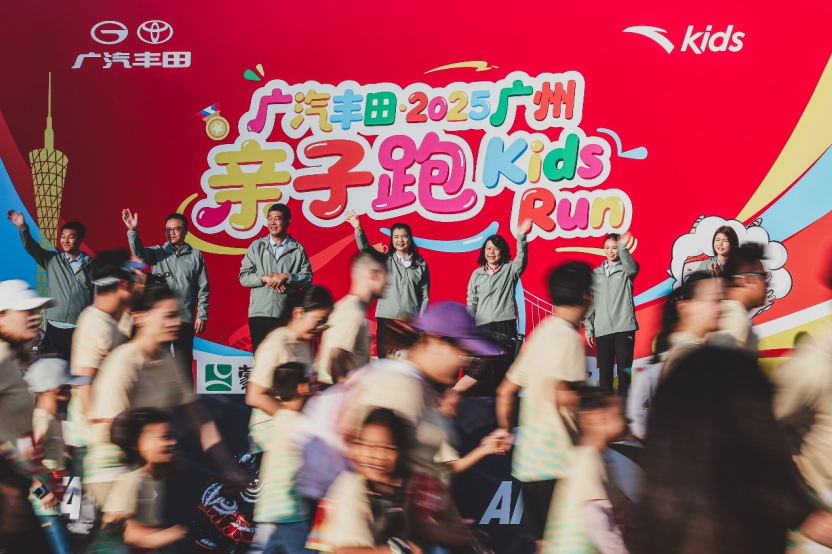
Core Insights - Anta, as the top partner and exclusive sports equipment sponsor of the Guangzhou Marathon, actively engaged in the family-oriented running event, promoting the "Arch Growth Plan" to raise awareness about foot health [1][3] - The trend in the sports market indicates a shift towards family units as key consumers, with children's sports becoming a significant driver of family consumption and brand growth [1][3] Group 1 - The Guangzhou Parent-Child Run attracted 600 families, showcasing Anta Children's deep involvement in the event [1] - Anta Children's initiative included providing customized gear and setting up an arch health education area, emphasizing the importance of engaging families in sports [1] - The competitive landscape in the sports market is increasingly recognizing children as a vital demographic for driving consumption [1][3] Group 2 - On the same day as the parent-child run, Anta Children's "Super Brand Day" event on Vipshop featured the launch of the Arch PRO running shoes, highlighting the integration of professional technology into consumer-friendly formats [3] - The event saw a rapid increase in consumer interest for various popular products, particularly in the running shoe category, indicating a vibrant children's sports consumption market [3] - The "Healthy China" strategy is pushing the family sports market as a new growth area for sports brands, with a clear trend towards more professional and scientific sports equipment for children [3]

一个被特朗普带货的中国品牌,如何穿越多重风暴?
财富FORTUNE· 2025-12-19 13:05
Core Viewpoint - Anker Innovations, a Chinese company known for its charging products, is facing challenges in its efforts to diversify beyond its core business of power banks, especially in light of geopolitical tensions and recent product recalls [3][4][6]. Group 1: Company Background and Market Position - Anker Innovations was founded by Yang Meng, who aimed to create high-quality, cost-effective products using Chinese supply chains, establishing the Anker brand in the U.S. [5]. - The company has maintained a strong market position, being the largest independent mobile charging brand in both global and North American markets by retail sales [4]. - Over the past three years, Anker's overseas revenue has consistently exceeded 96%, with North America and Europe contributing 95.05 billion yuan and 56.45 billion yuan respectively in the first three quarters of this year, accounting for over 70% of total revenue [3]. Group 2: Recent Developments and Financial Performance - Anker Innovations submitted a prospectus for a secondary listing on the Hong Kong Stock Exchange, aiming to enhance its global strategy and brand image [3][8]. - The company recently completed a convertible bond financing of approximately 1.1 billion yuan and reported a revenue of 81.52 billion yuan in Q3, a year-on-year increase of 19.88%, although the growth rate has declined to the lowest since Q1 2023 [7][8]. - Despite the revenue growth, the company faced significant challenges, including a product recall of over 2.3 million power banks due to quality issues, leading to an estimated liability of 130 million yuan and asset impairment of 238 million yuan [4][6]. Group 3: Strategic Challenges and Future Outlook - Anker is navigating a complex international market with increased competition and regulatory challenges, particularly in the U.S., where it is under investigation for tax evasion and product safety issues [6][7]. - The company is attempting to reduce its reliance on Amazon, which has historically contributed over half of its revenue, by expanding into offline retail and investing in its own e-commerce platform [7]. - Yang Meng aspires for Anker to evolve into a company that integrates multiple product lines successfully, aiming to avoid the pitfalls faced by many consumer electronics firms that struggle to survive long-term [5][8].

迪桑特在安踏的地位越来越高了
Xin Lang Cai Jing· 2025-12-19 10:13
Core Viewpoint - DESCENTE is undergoing a strategic shift, moving from a high-end professional positioning to building a comprehensive professional sports ecosystem and product system, particularly in response to changing consumer trends in China [4][5]. Group 1: Business Expansion and Performance - DESCENTE's flagship store "Future City" opened in Beijing, featuring a complete product matrix centered around skiing, triathlon, golf, and multi-scenario training [2]. - DESCENTE's sales in China have grown significantly, from 20 million yuan in its initial year to over 5 billion yuan in 2023 [5]. - In 2024, Anta, DESCENTE's parent company, reported a revenue increase of 13.6% to 70.826 billion yuan, with net profit rising 16.5% to 11.927 billion yuan [6]. Group 2: Market Trends and Consumer Behavior - The domestic consumption trend is shifting, with high-end brands facing challenges while sports activities like skiing and running are gaining popularity among the middle class [5]. - The global sports shoe market is projected to reach $115 billion by 2025, with running shoes being one of the fastest-growing segments [10]. Group 3: Product Development and Diversification - DESCENTE is expanding its product offerings to include running shoes and children's apparel, aiming to capture new market segments [10][11]. - The DESCENTE KIDS line was launched to fill a gap in the high-end professional children's sports equipment market, complementing Anta's existing children's brands [13]. Group 4: Strategic Partnerships and Future Outlook - DESCENTE's collaboration with Anta has provided it with exclusive operational rights in China, allowing for rapid growth and market penetration [5]. - Anta's acquisition of brands like Jack Wolfskin and MAIA ACTIVE indicates a strategy to enhance its portfolio and support DESCENTE's growth [14][16]. - DESCENTE aims to leverage Anta's supply chain support to establish a localized production system, which is crucial for its growth strategy [17].
开出全球首家龙店,李宁奥运营销背后有何秘密
Xin Lang Cai Jing· 2025-12-17 06:30
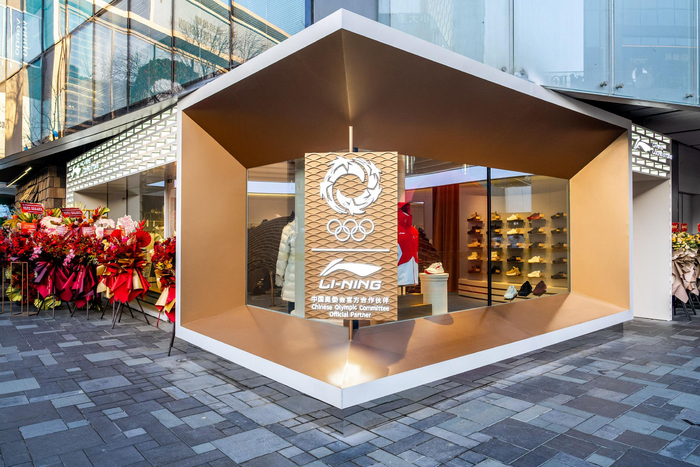
Core Viewpoint - Li Ning has opened its first global "Dragon Store" in Beijing, marking a strategic move to enhance its brand presence and leverage its partnership with the Chinese Olympic Committee for marketing purposes [1][2]. Product Differentiation - Approximately 90% of the products sold in the Dragon Store are not available in other Li Ning stores, with about 20% of SKUs utilizing Li Ning's sports technology shared with the 2026 Milan Winter Olympics Chinese sports delegation's award equipment [2][5]. - The Dragon Store focuses on mid-to-high-end products, with clothing prices ranging from 449 to 2399 yuan and footwear priced between 799 and 2299 yuan, maintaining price consistency with regular stores [2][5]. Store Strategy and Design - The Dragon Store features over 80 SKUs, with plans for dynamic adjustments to the product lineup [5]. - The store's location in Sanlitun Taikoo Li is strategically chosen to attract a higher-tier consumer base, enhancing the match between products and the shopping environment [5][6]. Market Positioning and Consumer Trends - Li Ning aims to cater to the mid-to-high-end market while also exploring outdoor segments, indicating a strategy to penetrate diverse consumer demographics [7]. - The company is focusing on a "single brand, multiple categories, and multiple channels" strategy to ensure stable growth in the current consumer environment [7]. Competitive Landscape - The opening of the Dragon Store is seen as a move to replicate the success of Anta, which has benefited from its long-term partnership with the Chinese Olympic Committee, leading to significant revenue growth [8]. - Li Ning's recent stock performance reflects positive market sentiment, with a 5.43% increase following the store opening, and analysts project revenue growth for the company in the coming years [10].

重估东南亚市场:品牌出海的“第一关”,没有简单模式
创业邦· 2025-12-16 03:43
Core Viewpoint - Southeast Asia is viewed as a primary market for Chinese brands seeking international expansion, but the reality is more complex than it appears, with significant challenges that require a deep understanding of local markets and consumer behavior [5][8][9]. Market Characteristics - The Southeast Asian market is characterized by its diversity in religion, ethnicity, and language, leading to fragmented channels and varying consumer purchasing power [8][9]. - There is no unified market or "one-size-fits-all" approach; brands must adapt to local conditions and consumer preferences [8][9]. Consumer Behavior - Traditional shopping habits remain strong, with physical retail still holding significant sway over online shopping, particularly in Malaysia and Singapore [11]. - The convenience of shopping malls, which are prevalent in urban areas, often rivals online shopping experiences due to underdeveloped electronic payment systems [11]. Brand Presence - Successful Chinese brands in Southeast Asia are predominantly found in the food and beverage sector, with notable examples including Haidilao and various tea brands [12][15]. - Non-food brands are also expanding, with significant activity in the toy, apparel, and electronics sectors, showcasing a growing presence in physical retail spaces [15][17]. Challenges Faced by Brands - Despite a strong presence, many Chinese brands struggle with visibility and profitability, often using stores more as brand showcases than for actual sales [19][20]. - The majority of Chinese brands occupy less favorable retail locations, often in higher floors of shopping malls, limiting their exposure to potential customers [20][21]. Market Dynamics - The rapid turnover of brands in Southeast Asia resembles a "fast-growing rainforest," where many brands can quickly rise to prominence but also face swift declines [23][24]. - The high turnover rate is exacerbated by a lack of long-term strategic planning among many brands, leading to unsustainable growth patterns [24][26]. Competitive Landscape - Korean and Japanese brands dominate the market, often employing a more cohesive and strategic approach to brand building compared to their Chinese counterparts [27][28]. - Chinese brands frequently rely on low pricing strategies, which can lead to intense competition and diminished profitability [28]. Brand Recognition - Many Chinese brands struggle with brand identity and recognition in Southeast Asia, often failing to leverage their Chinese heritage effectively [30][31]. - Successful brands, like Skintific, have managed to establish themselves without overtly emphasizing their Chinese origins, focusing instead on local market integration [30][31]. Marketing Strategies - Innovative marketing strategies, such as "store broadcasting" and enhanced offline distribution channels, are emerging as key tactics for brands looking to establish a foothold in the market [33][36]. - The integration of online and offline sales strategies is crucial for maximizing brand exposure and consumer engagement [35][36]. Distribution Challenges - Entering retail channels in Southeast Asia can be challenging due to the closed nature of many distribution networks, particularly in larger retail chains [37][38]. - However, the relatively low complexity of establishing physical retail locations in Southeast Asia presents opportunities for brands willing to invest in local market strategies [38].

交银国际_消费行业2026年展望:新常态下的消费新动能_
2025-12-15 02:13
Summary of the Conference Call Transcript Industry Overview - **Industry**: Consumer Sector - **2025 Performance**: The consumer market in mainland China has shown a mild recovery, with a year-on-year growth of 4.3% in retail sales from January to October 2025, indicating a steady recovery path [1][6][29]. - **2026 Outlook**: The consumer market is expected to continue its moderate growth, characterized by slower overall demand growth but increasing rational consumption and demand tiering, which will drive structural differentiation and become a key growth driver in niche markets [1][6][7]. Key Insights Consumer Behavior - **Consumer Confidence**: The consumer confidence index has gradually improved but remains below the neutral level of 100, indicating cautious consumer sentiment regarding future income and employment [7][13]. - **Spending Trends**: Consumers are increasingly focused on value for money and emotional value, with a high willingness to pay for emotional experiences, which is reshaping brand competition [26][31][32]. Market Dynamics - **Segment Performance**: Different segments are recovering at varying paces. Categories like home appliances, jewelry, and food staples have shown strong growth, while others like dining and personal care have seen slight declines [23][62]. - **Channel Evolution**: The integration of online and offline channels is deepening, with online growth slightly outpacing offline. New retail formats are emerging, focusing on consumer-centric approaches [37][28]. Technological Impact - **AI Integration**: Artificial intelligence is increasingly being integrated into various industry segments, enhancing operational efficiency and potentially reshaping competitive dynamics [49][50]. Investment Strategy - **2026 Investment Focus**: A balanced strategy is recommended, combining defensive sectors with stable cash flows and high-growth potential opportunities. Key sectors to focus on include: - Defensive companies benefiting from supply-demand improvements, such as Shenzhou (2313 HK) and Yili (600887 CH) [56]. - Fast-growing niche leaders like Pop Mart (9992 HK) and Miniso (9896 HK) [56]. - Industry leaders with strong growth foundations and resilience, such as Anta (2020 HK) and China Resources Beer (291 HK) [56]. Risks - **Macro Uncertainties**: Potential risks include macroeconomic uncertainties, commodity inflation exceeding expectations, international trade uncertainties, and insufficient consumer stimulus policies [57]. Additional Insights - **Emerging Trends**: The rise of emotional consumption is driving growth in categories like trendy toys and cultural products, with brands leveraging IP ecosystems for rapid revenue growth [68][70]. - **Global Expansion**: Chinese consumer brands are increasingly looking to expand internationally, particularly in Southeast Asia, to tap into new growth opportunities [35][36]. This summary encapsulates the key points from the conference call, highlighting the current state and future outlook of the consumer sector, along with strategic investment recommendations and associated risks.
这双鞋,在全球卖疯了
3 6 Ke· 2025-12-15 00:30
耐克、阿迪达斯、安踏、李宁…… 用"白刃战"来形容当前国内跑鞋市场的竞争强度,并不为过。 然而,在这样一个强手如林、巨头盘踞的红海之中,一个进入中国才七年的品牌,却在市场整体承压之中,跑出了令人瞩目的加速度,硬生生开辟出奇迹 般的上升通道。 它,就是来自瑞士的跑步品牌——昂跑On Running(以下简称昂跑)。 三个疯子的百亿帝国 产品之外,昂跑的三人创始团队,兼具专业运动员的洞察、战略顾问的严谨与营销高手的敏锐——也为品牌的成功奠定了坚实基础,令其走出一条与众不 同的成长之路。 目前,全球消费市场都是相对疲软,诸多大牌都已陷入增长停滞,甚至是大幅下滑。 但成立才10来年的昂跑仿佛独立于大环境之外。 2025财年前三个季度,昂跑的业绩继续飙涨,其全球净销售额同比增长24.9%,达7.944亿瑞士法郎;净利润更同比飙升289.8%,至1.189亿瑞士法郎。 了解昂跑,还得把时间倒回15年前,先从三位创始人的经历说起。 在跑鞋市场这片竞争激烈的红海中,昂跑的创业故事如同其标志性的CloudTec鞋底一般,充满了独特的结构性创新与韧性。 2010年,前铁人三项冠军奥利维尔·伯恩哈德与两位好友,即曾任职于麦肯锡的大 ...
网红韩国潮牌,只有一年保鲜期?
虎嗅APP· 2025-12-14 23:54
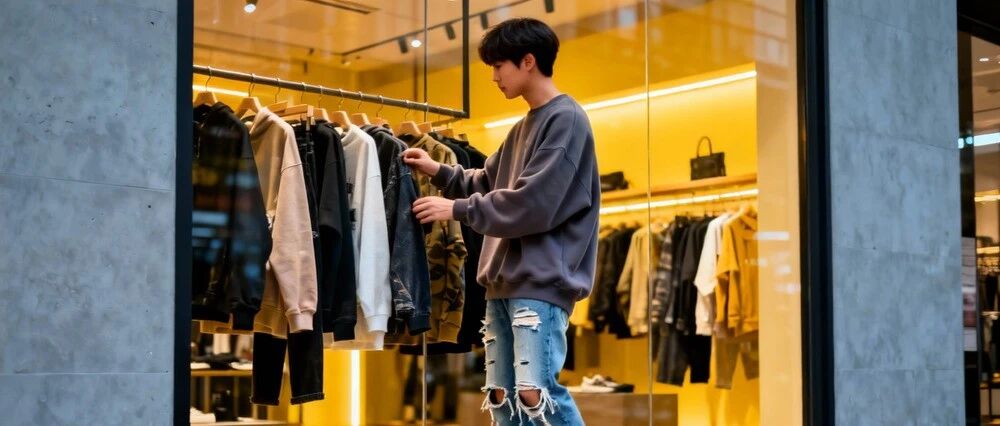
Core Viewpoint - A new wave of Korean fashion brands is emerging in China, characterized by rapid expansion and a short lifecycle, often referred to as "disposable brands" due to their quick rise and fall in popularity [4][5][6]. Group 1: Rise of Korean Fashion Brands - The resurgence of Korean fashion brands in China is significantly influenced by K-pop culture, with many brands closely associating with popular idols to drive traffic and sales [8][9]. - The unique design and niche appeal of these brands resonate with young consumers who prefer individuality over mainstream labels, leading to a strong initial demand [10]. Group 2: Rapid Expansion Strategies - Korean fashion brands are expanding quickly in China, establishing a presence in major cities and online platforms within 1-2 years, often targeting core commercial areas [12][15]. - The use of pop-up stores and collaborations with local influencers has created buzz and attracted foot traffic, enhancing brand visibility [13][14]. Group 3: Challenges and Market Dynamics - Despite initial success, many Korean brands face challenges such as low brand loyalty and consumer fatigue, leading to a rapid decline in popularity once they become mainstream [19][20]. - The reliance on local agents for rapid expansion can dilute brand integrity and quality, as agents prioritize quick profits over long-term brand building [22][24]. - The market is saturated with new entrants, making it difficult for existing brands to maintain their unique appeal and consumer interest [21][25].
全网爆火!雷军也在穿的打工人战袍 有厂家日销3万件
2 1 Shi Ji Jing Ji Bao Dao· 2025-12-14 02:26
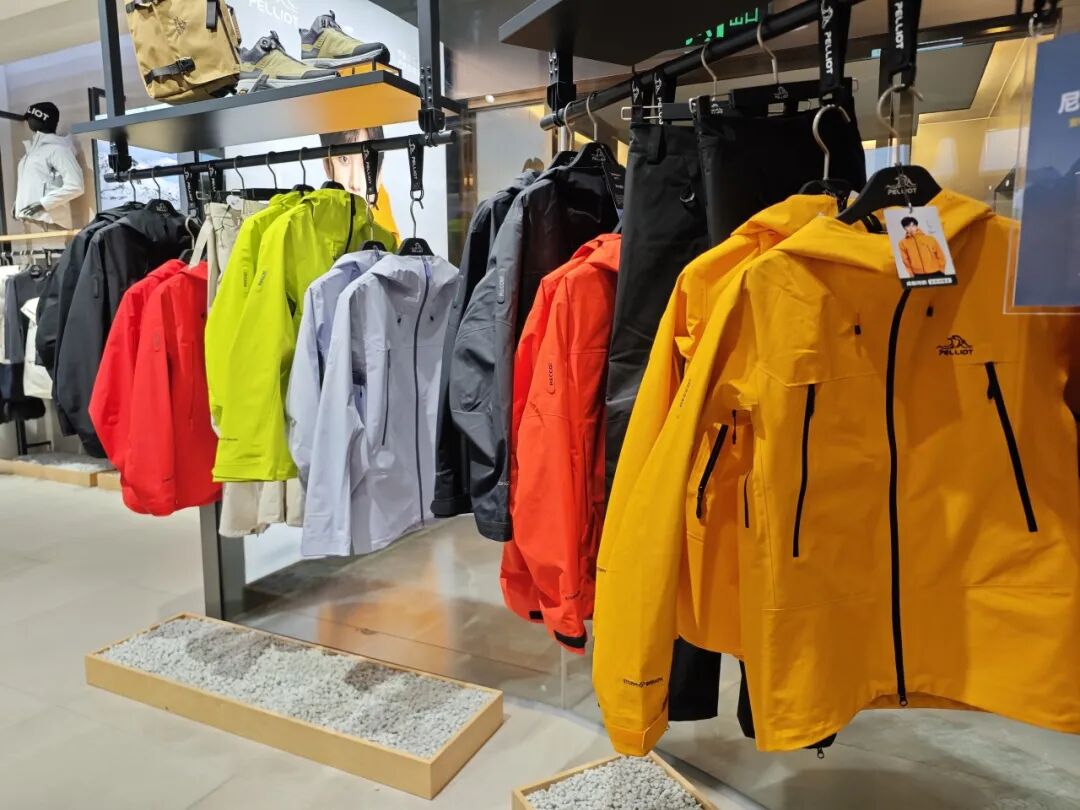
你的通勤战袍是什么? 你有没有发现,曾经专属于登山党的硬核冲锋衣,如今"杀"进城市街头。地铁通勤、商场逛街随处可见,从Z世代职场新人到资深上班族,冲锋衣成了打 工人心照不宣的"班服",在北京更是因出镜率太高,被网友戏称"北京市服",雷军直播带货时穿它、周鸿祎直言满橱都是,大佬同款让这股热潮更火出 圈。 年轻人为何爱上冲锋衣? 答案藏在实用为王的刚需和颜值社交的潮流里,这两点精准戳中了当代年轻人的穿搭痛点。 21世纪经济报道记者走访时发现,冲锋衣已成为商场里人气最旺的单品之一。安踏、迪卡侬、始祖鸟等门店的冲锋衣货架前挤满了人。导购员称:"周末 最忙的时候,试穿要排队,粉色、米白等浅色系款经常断码。"不仅如此,以纯等传统休闲服饰品牌的门店内,也出现了冲锋衣的身影。 除此之外,记者还注意到,市场上正涌现出大量新兴户外品牌,它们几乎都将冲锋衣作为首要产品,积极加入这场竞争。 到底是什么让曾经的 "穿搭鄙视 链底层" 逆袭成顶流? 图/21世纪经济报道记者摄 电商销量狂飙20%! 土气冲锋衣成冬日顶流 冲锋衣的火是实打实的销量撑起来的。2025年"双十一"期间,运动户外品类以268%的爆发系数领跑电商,冲锋衣更是妥妥的 ...