
三星

Search documents
耳机插孔取消十年后用户集体请愿,苹果2016版iPhone SE成绝唱经典
Huan Qiu Wang Zi Xun· 2026-01-20 09:00
Group 1 - The article discusses the nostalgia for the iPhone SE (2016), which featured a 3.5 mm headphone jack, highlighting its popularity among users who preferred smaller devices and traditional audio connections [3][4] - The removal of the headphone jack by Apple in 2017 with the iPhone 7 marked a significant shift towards wireless audio, but it also sparked controversy regarding user choice and accessibility for those relying on assistive listening devices [3][5] - Despite the upcoming EU regulations in 2024 mandating USB-C ports, the user experience has not fully returned to the convenience of the past, as USB-C headphones have limited options and quality is dependent on built-in DACs [4][5] Group 2 - Competitors like Samsung initially criticized Apple's decision to remove the headphone jack but later adopted similar designs, accelerating the trend towards portless and integrated smartphone designs, which sacrifices some repairability and universality [5] - Wired headphones still demonstrate durability advantages, with many users reporting that their 3.5 mm headphones purchased in 2013 remain functional, while most wireless headphones fail within two to three years due to battery aging [5] - The article emphasizes that the simplicity of purchasing affordable, plug-and-play headphones has diminished, reflecting a shift in consumer experience since the era of the iPhone SE [4][5]



闪德资讯存储市场洞察报告 2025年5月
闪德资讯· 2026-01-20 08:45
Investment Rating - The report indicates a positive outlook for the storage industry, particularly in DRAM and NAND sectors, with expectations of price increases and demand recovery in the coming quarters [6][20][44]. Core Insights - The report highlights a significant transition in the memory market, with major manufacturers like Samsung, SK Hynix, and Micron phasing out DDR4 production in favor of DDR5 and HBM technologies, which is expected to tighten supply and drive prices up [6][23][24]. - DRAM prices have surged, leading to increased activity in the spot market, while NAND prices have stabilized after a period of volatility [6][47]. - The rise of AI PCs is anticipated to boost demand for high-performance memory solutions, with projections indicating a 37% penetration rate by 2025 [6][21][22]. - ODM manufacturers are cautious about demand in the second half of the year, anticipating a slowdown due to earlier stockpiling and market uncertainties [6][20]. - Ongoing geopolitical tensions and tariff adjustments are influencing supply chain dynamics and market stability, with potential long-term implications for pricing and availability [6][7][20]. Summary by Sections Macro Economy - In May, China's manufacturing PMI rose to 49.5%, indicating improved manufacturing activity, while the U.S. PMI remained below expansion levels at 48.5% [7][9]. - The report notes a 10.8% year-on-year growth in China's electronic information manufacturing sector from January to April [12][13]. Upstream Market - Global laptop shipments are expected to increase by 5.8% in Q2, driven by preemptive stockpiling and seasonal demand [20][21]. - Major manufacturers are transitioning away from DDR4, with supply constraints expected to impact pricing significantly [23][24]. Storage Market Dynamics - The report details a notable increase in DRAM prices, with DDR4 prices rising from $2.4 to $3.95, a 64% increase [23]. - NAND flash market dynamics are shifting, with Samsung's exit from the MLC market expected to create supply shortages and price increases [28][29]. Application Market - The PC market is experiencing fluctuations, with major manufacturers reporting mixed results in shipments and revenues due to seasonal effects and tariff uncertainties [71][72]. - AI server-related revenues are projected to grow significantly, while traditional PC demand remains uncertain [72][74].




长鑫存储,未来已来
新财富· 2026-01-20 08:06
Core Viewpoint - The article highlights the rapid rise of Changxin Technology as a significant player in the DRAM market, emphasizing its potential to challenge established giants like Samsung, SK Hynix, and Micron, while also addressing the strategic importance of domestic semiconductor production for China's economic security [2][30]. Group 1: Company Overview - Changxin Technology, founded in 2016 in Hefei, has quickly become China's largest and most advanced DRAM manufacturer, aiming to raise 29.5 billion yuan through its IPO on the STAR Market in 2026 [2][30]. - The company is projected to achieve revenues of 55 to 58 billion yuan in 2025, representing a growth of approximately 128% to 140% compared to 2024, with a potential net profit of 2 to 3.5 billion yuan [2][30]. Group 2: Key Players and Support - The establishment of Changxin was significantly influenced by Zhu Yiming, founder of Zhaoyi Innovation, who recognized the need for an IDM model in DRAM production to build competitive advantages [4]. - Hefei's local government played a crucial role by providing substantial financial support and attracting national-level investment funds, which helped alleviate initial funding pressures for Changxin [4][5]. Group 3: Technological Advancements - Changxin's strategy involved legally acquiring a vast array of technologies and patents from the bankrupt German chipmaker Qimonda, which provided a foundational technology base for its DRAM production [9]. - The company made a bold decision to skip several technology generations and focus on the 19nm process, achieving mass production of 8GB DDR4 chips in 2019, marking a historic breakthrough for Chinese enterprises in the DRAM market [9][10]. Group 4: Production Capacity and Market Strategy - Following the successful launch of the 19nm process, Changxin advanced to the 17nm node and then directly to the 16nm process for DDR5 products, showcasing its rapid technological progression [12][16]. - By 2026, Changxin's production capacity is expected to exceed 300,000 wafers per month, solidifying its position as the largest DRAM manufacturer in China and the fourth globally [13][30]. Group 5: Financial Performance and Challenges - Despite impressive revenue growth from 8.1 billion yuan in 2022 to 23.9 billion yuan in 2024, Changxin has faced strategic losses, accumulating 41.5 billion yuan in losses due to high fixed asset depreciation and significant R&D investments [23][24]. - The company’s R&D expenditure from 2022 to 2025 is projected to reach 19 billion yuan, accounting for over 33% of its cumulative revenue, significantly higher than industry averages [23][24]. Group 6: Future Outlook - Changxin aims to capture a 10% market share in the DRAM sector by 2026, positioning itself among the top four global players alongside Samsung, SK Hynix, and Micron [30]. - The company is also planning to enter the HBM market, with expectations to start mass production of HBM3 products in 2026, which could further enhance its competitive edge [16][30].
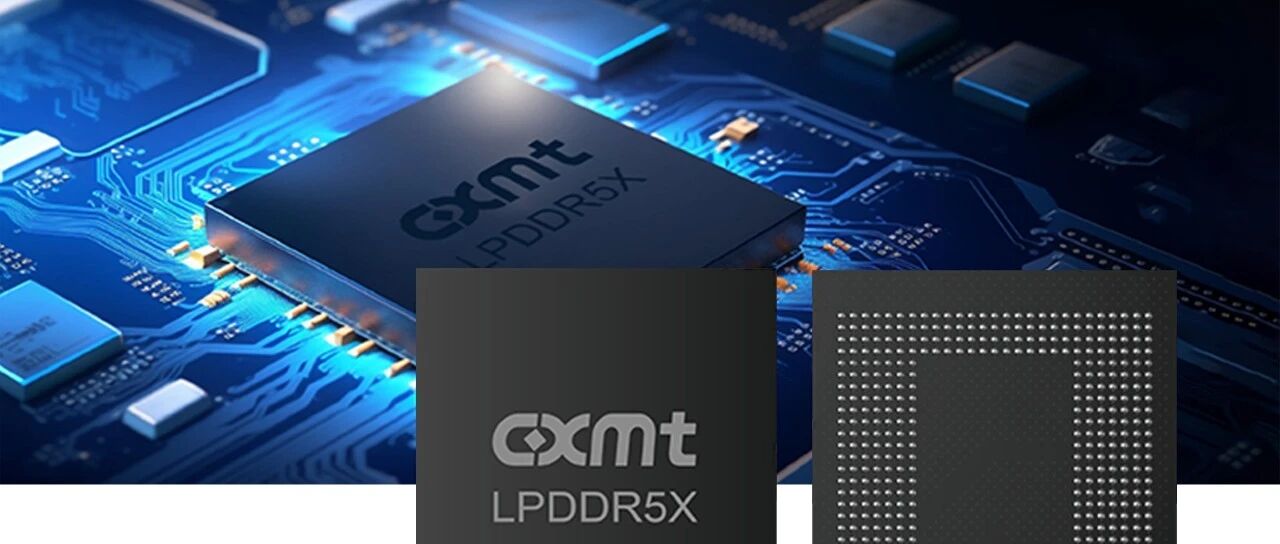
人均超过64万!内存巨头SK海力士发放巨额年终奖,股价去年涨幅高达275%【附全球存储芯片行业市场分析】
Qian Zhan Wang· 2026-01-20 07:57
Group 1 - SK Hynix announced a record performance bonus of over 136 million KRW (approximately 640,000 RMB) for all employees, the highest in the company's history [2] - The new labor agreement allows for 10% of annual operating profit to be included in the bonus pool, removing the previous cap of 10 times the base salary [2] - The AI boom has significantly increased global demand for memory chips, contributing to SK Hynix's stock price increase of 275% by 2025 and the sale of all chip production capacity for 2026 [2] Group 2 - Memory prices have surged, with the average premium for mainstream DDR5 memory reaching 340% compared to the baseline from July 2025, meaning consumers pay 4.4 times the previous price [3] - The price increase is driven by a surge in demand for high-performance memory due to AI data center construction, with AI servers requiring 1.7TB of storage, significantly more than traditional servers [3] - Major manufacturers like Samsung, SK Hynix, and Micron are prioritizing production for higher-margin AI products, leading to a sharp decline in supply for consumer-grade DRAM and traditional DDR4 [3] Group 3 - The DRAM market is highly concentrated, with Samsung, SK Hynix, and Micron holding 94.14% of the market share, indicating a significant oligopoly [7] - In the NAND Flash market, the combined share of Samsung, Kioxia, Western Digital, SK Hynix, Micron, and Intel reaches 97%, reinforcing the dominance of leading firms [7] - The storage chip industry is characterized by high entry barriers due to its capital and technology-intensive nature, resulting in a long-term monopolistic market structure [3]
9999元起,海信新款RGB Mini LED电视发布
WitsView睿智显示· 2026-01-20 06:37
以下文章来源于LEDinside ,作者Mia 在能效与可靠性方面,RGB真彩背光使整机功耗降低40%以上,并在硬件层面减少42%有害蓝光 输出。产品搭载乾照光电全自研车规级发光芯片,经85℃高温、60mA大电流极限测试,红光芯片 寿命突破16万小时,耐用性超过易老化的量子点方案。 LEDinside . TrendForce集邦咨询旗下光电研究处。研究领域包括MicroLED、MiniLED、照明、显示屏、紫外线(UV LED)、红外线 (IR LED/VCSEL)、化合物半导体等,提供以上各领域的产业研究报告及资讯。 1月19日18:00,海信召开以"RGB-Mini LED换代风暴"为主题的2026新品发布会,正式推出影 游旗舰E8S系列电视。 在色彩表现上,海信E8S采用全自研RGB真彩背光,每颗灯珠集成R/G/B三色独立发光芯片,无 需量子点等中间转换即可直接发光,可实现100% BT.2020色域覆盖,色彩还原度较单色背光量 子点Mini LED方案提升20%以上,在高亮场景下减少泛白 问题 。 控光控色方面,E8S搭载基于RISC-V架构的信芯AI画质芯片H7,首创三维光色同控技术,支持 3×1 ...


那些外国博主们,怎么突然开始吹中国手机了???
创业邦· 2026-01-20 03:29
Core Viewpoint - The article discusses the increasing recognition and acceptance of Chinese smartphones in the global market, particularly highlighted by MKBHD's annual smartphone awards, which this year featured several Chinese brands prominently [8][9][11]. Group 1: Recognition of Chinese Smartphones - MKBHD's awards this year included Chinese smartphones such as Xiaomi 17 Pro Max for "Best Large Phone," OnePlus 15 for "Best Battery Life," and OPPO Find X9 Pro for "Best Camera," indicating a shift in perception towards Chinese brands [9][11]. - The article notes that previously, Chinese smartphones were often overlooked in international awards, but recent trends show a growing appreciation for their quality and innovation [8][9]. Group 2: Technological Advancements - Chinese smartphone manufacturers have made significant advancements in hardware design, achieving thinner devices with larger battery capacities through improved internal stacking technology and battery innovations [16][18]. - The use of silicon-carbon anode materials has led to the development of smartphones with batteries exceeding 8000 mAh, showcasing the ability to balance battery size and longevity [20][22]. - Innovations in materials, such as Huawei's Kunlun glass and OPPO's use of 3D-printed titanium alloy in hinges, have enhanced durability and performance in smartphones [22][26]. Group 3: Software and User Experience - The introduction of OPPO's "Starry Compiler" aims to improve the efficiency of Android applications by optimizing the communication between software and hardware, resulting in a smoother user experience [30][31]. - The article highlights the emergence of advanced AI applications in smartphones, such as the "Doubao" phone assistant, which can perform complex tasks and adapt to user needs, indicating a shift towards more intuitive technology [40][42]. Group 4: Market Dynamics - The article emphasizes that the increasing prices of Chinese smartphones in international markets reflect a shift from cost-based purchasing to a recognition of their quality and functionality [11][13]. - The growing acceptance of Chinese smartphones in markets like Australia suggests a broader trend of international consumers valuing performance and innovation over brand origin [13][18].


信创ETF(159537)开盘涨超1.5%,人工智能芯片强劲需求催化市场
Mei Ri Jing Ji Xin Wen· 2026-01-20 03:23
Core Insights - The article highlights the strong demand for artificial intelligence (AI) chips, which is driving market growth and influencing investment strategies in the semiconductor sector [1] Group 1: Market Trends - On January 20, the Xinchang ETF (159537) opened with a gain of over 1.5%, reflecting the robust demand for AI chips [1] - TSMC's capital expenditure plan for 2026 is projected to reach a historical high of $56 billion, indicating an acceleration in capacity expansion to meet the strong demand for AI chips [1] - The application of AI models across consumer, enterprise, and sovereign AI sectors is increasing, leading to higher demand for computational power and advanced process technologies [1] Group 2: Supply Chain Dynamics - The global supply-demand landscape for eight-inch wafers is changing, with steady growth in demand for AI-related Power ICs and pre-stocking of consumer products driving a recovery in foundry capacity utilization [1] - Major manufacturers like TSMC and Samsung are expected to implement production cuts, which will further reduce global eight-inch capacity by 2026 [1] Group 3: Index Information - The Xinchang ETF (159537) tracks the Guozheng Xinchang Index (CN5075), which selects listed companies in the semiconductor, software development, and computer equipment sectors to reflect the overall performance of the innovation industry [1]
不止为了造好屏,维信诺ViP要拉起一条中国高端产业链
Jin Rong Jie· 2026-01-20 02:44
Core Viewpoint - The Chinese display industry has transitioned from a reliance on imported technology to becoming a global leader in the OLED panel market, with a focus on achieving self-sufficiency in high-end technology and supply chains [1][20]. Group 1: Industry Development - The Chinese OLED panel shipment share is projected to reach 48.8% by 2025, nearly matching South Korea's share, but there is still room for improvement in core equipment and processes for large-sized high-end markets [1][3]. - The competition in high-generation lines is crucial for penetrating the mid-to-large size market, with two main technological paths: traditional evaporation using Fine Metal Masks (FMM) and the "no FMM" route [3][4]. - The traditional evaporation process is currently dominated by overseas suppliers, leading to high costs and dependency issues for panel manufacturers [4][5]. Group 2: Technological Innovation - The introduction of ViP technology by Visionox represents a significant shift in OLED manufacturing, replacing traditional evaporation methods with semiconductor lithography, thus eliminating reliance on FMM [7][10]. - ViP technology enhances pixel independence and significantly increases effective luminous area from 29% to 69%, improving lifespan and brightness metrics [10][12]. - The ViP production line offers flexible manufacturing capabilities, allowing for a wide range of products and custom screen shapes, thus enhancing market adaptability [12][14]. Group 3: Industry Ecosystem - Visionox's advancements in ViP technology mark a transition from following to leading in high-end OLED technology, establishing a critical testing ground for domestic equipment and materials [14][15]. - The company has developed a comprehensive innovation system that integrates basic research, pilot testing, and mass production, fostering a new industrial chain [15][17]. - The shift in focus from scale expansion to value creation and ecosystem building reflects the evolving logic of the Chinese display industry, as seen in Visionox's practices [17][20].

英特尔最大晶圆厂,复活?
半导体行业观察· 2026-01-20 02:02
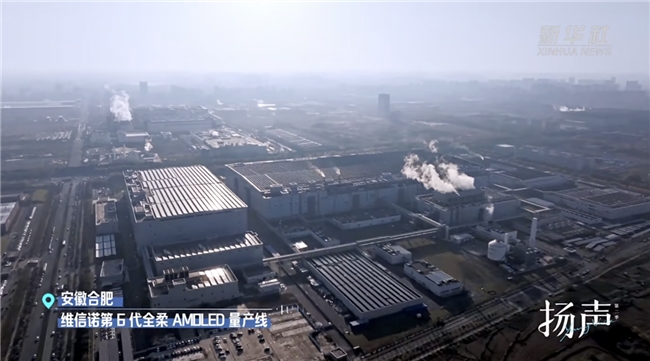
Group 1 - Intel's Ohio One project, initially touted as the largest wafer factory in the U.S., has faced delays and scale reductions but remains active, with recent contractor job postings indicating acceleration in progress [1] - The Ohio One facility is designed to host up to eight wafer fabs, with the first two expected to begin production by 2030-2031, significantly delayed from the original 2025 target [1] - The first wafer fab will be the 1st fab, followed by the 2nd fab expected to start production a year later, coinciding with Intel's development of its next-generation 14A process [1] Group 2 - Intel's latest Panther Lake mobile CPUs are produced in Arizona and Oregon using the new 18A process, marking a significant advancement for domestic chip manufacturing, although there are no large external customers for this process [2] - CEO Pat Gelsinger has shifted from a pessimistic view of the 18A process to a more optimistic stance recently, despite the 14A process now expected to reach mass production in 2027 [2] - The Ohio One site was initially predicted to be the birthplace of the 14A process, but this timeline has shifted, with derivative products already occupying a significant portion of Intel's lineup before the site's official opening [2] Group 3 - The U.S. government allocated $8.9 billion from the CHIPS Act to Intel in exchange for a 10% equity stake, alongside a $5 billion collaboration with NVIDIA, signaling a resurgence in Intel's competitiveness, particularly in the foundry business [3] - Intel is accelerating the construction of the Ohio One facility after years of stagnation, but the timeline for its completion remains uncertain [3] Group 4 - TSMC is facing a "happy dilemma" with its 3nm process capacity fully booked until 2027, prompting significant increases in capital expenditure plans [5] - This capacity constraint is reshaping the market dynamics, leading TSMC's top clients to consider alternatives like Samsung and Intel [5] - TSMC's capital expenditure for 2026 is projected to be between $52 billion and $56 billion, exceeding previous expectations due to the overwhelming demand for advanced nodes [5] Group 5 - The supply-demand imbalance is causing market oversupply, with major clients like Apple, NVIDIA, AMD, Broadcom, Qualcomm, and MediaTek seeking alternative capacities as TSMC's advanced process node market share is expected to drop from 95% to 90% [6] - TSMC's 3nm monthly production capacity is planned to expand to 190,000 wafers by the end of 2026, but this will still fall short of client demand [6] - TSMC is adopting a more aggressive strategy by delaying new 3nm process development and encouraging clients to shift products originally slated for 2027/2028 to the 2nm GAA process [6] Group 6 - Samsung's Taylor wafer fab is seen as a more likely alternative for clients seeking supply options compared to Intel, with Qualcomm and AMD being the most likely to consider Samsung [7] - Discussions have indicated that Apple and Broadcom are evaluating Intel, but significant work remains for Intel's 14A process to be competitive [7]


AIDC电源革命开启-2026从预期到现实
2026-01-20 01:50
Summary of Key Points from the Conference Call Industry Overview - The conference call focuses on the AIDC (Artificial Intelligence Data Center) power supply revolution, highlighting significant advancements in data center chip power consumption and cabinet power density, with expectations for substantial growth in power requirements by 2028 [1][7]. Core Insights and Arguments - **Power Consumption Trends**: Data center chip power consumption has increased dramatically, with NVIDIA's Ruby chip consuming between 1,800 to 3,600 watts, a tenfold increase from the Titan X's 250 watts a decade ago [5]. Similar trends are observed in Google's TPU chips and other major players like Microsoft and Meta [5]. - **Cabinet Power Density**: The power density of data center cabinets has significantly improved, with NVIDIA's cabinets reaching megawatt levels, up from approximately 10 kilowatts in 2020 [6]. Google is also expected to achieve similar advancements with its Super Pod, targeting 10 megawatts by 2025 [6]. - **Future Power Requirements**: By 2028, North America is projected to add around 70 gigawatts of power for AI data centers, with global additions expected to reach 100 gigawatts [7]. - **Power Supply Strategies**: Both NVIDIA and Google have outlined four-step strategies for data center power supply, focusing on transitioning from traditional UPS systems to high-efficiency solutions like medium-voltage rectifiers and solid-state transformers (SST) [8][9]. - **OCP Standards Evolution**: The OCP (Open Compute Project) has iterated its power supply standards, significantly increasing the power capacity of server PSUs and transitioning to external power shelves, enhancing overall efficiency [10]. Investment Opportunities - **AIDC Power Supply Iteration**: Investment opportunities are identified in four main areas: AIDC power supply hosts (PSUs, HVDC, SST), energy storage at the power station level, core components (solid-state circuit breakers, supercapacitors, DCDC converters), and third-generation semiconductors (SiC and GaN) [3]. - **Energy Storage Market**: The U.S. energy storage market for data centers is expected to exceed 100 GWh by 2028, driven by new regulations encouraging self-built generation facilities and energy storage systems [4][25]. - **Core Component Development**: The shift to new technologies is driving the development of core components, such as solid-state circuit breakers, which are expected to see increased adoption due to their rapid response characteristics [4][26]. Additional Important Insights - **Market Dynamics**: The AI chip capacitor market is dominated by Samsung and Murata, with significant demand for high-end capacitors driven by AI technology advancements [16]. The value of inductors in AI applications has also increased significantly, reflecting the rising power requirements [18]. - **Material Requirements**: AI chips have stringent material requirements, with high margins for suppliers who can meet performance specifications [19]. Companies like 博迁新材 (Bojian New Materials) are noted for their advanced capabilities in supplying nano-powders essential for AI applications [20]. - **Regulatory Impact**: New U.S. regulations are pushing data centers to adopt energy storage systems to enhance grid responsiveness, particularly in regions like Texas, where demand response capabilities are becoming critical [23][24]. - **Future Trends in Power Supply**: The PSU market is projected to reach a scale of billions in the next three years, driven by the expansion of IDC facilities and the adoption of HVDC technology [30][32]. - **Domestic Manufacturers' Advantages**: Domestic manufacturers in the power electronics sector are noted for their rapid technological advancements and broad application, positioning them favorably in the market [34]. This summary encapsulates the key points discussed in the conference call, providing insights into the evolving landscape of the AIDC power supply industry and potential investment opportunities.
