
中国星网

Search documents
港股概念追踪|万亿市场蓄势待发 商业航天2026年迎奇点时刻(附概念股)
智通财经网· 2026-01-09 00:33
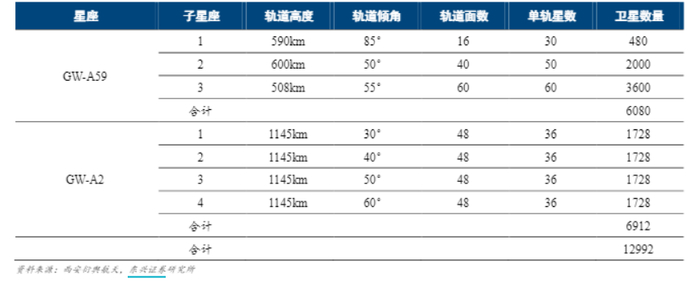
Core Viewpoint - Blue Arrow Aerospace has signed a formal launch service contract with China Star Network and Yuanxin Satellite, indicating promising commercial prospects for bulk launch services in the future [1] Group 1: Satellite Internet Projects - The "GW Constellation" and "Qianfan Constellation" are two large satellite internet projects planned in China, with GW Constellation aiming to launch approximately 12,992 satellites, completing about 10% of deployment within five years and all launches by 2035 [1] - The Qianfan Constellation, operated by Yuanxin Satellite, plans to launch around 15,000 satellites, having completed six network launches with 108 satellites currently in orbit [2] Group 2: Policy and Industry Support - The Guangzhou Municipal Government has released a plan to accelerate the construction of a strong advanced manufacturing city by 2035, focusing on reusable rocket technology and providing a solid foundation for medium and large liquid rocket development [2] - Current commercial aerospace industry growth is supported by national policy and technological breakthroughs, entering a new era [2] Group 3: Market Outlook and Valuation - Analysts predict that the commercial aerospace sector will transition from concept speculation to performance realization, with a focus on rocket manufacturing, satellite networking, and downstream applications [3] - The space data center industry is moving towards commercial constellation deployment, with the first phase expected to generate over tens of billions in industry chain output value by 2027 [3] Group 4: Related Companies in the Aerospace Industry - Goldwind Technology holds an 8.3% stake in Blue Arrow Aerospace, which is one of the first private commercial rocket companies in China [4] - Shanghai Fudan is a leading domestic high-end FPGA technology provider, with potential growth driven by demand from commercial aerospace companies like SpaceX [4] - CIMC Anrui focuses on core equipment for low-temperature and high-pressure storage and transportation, supporting rocket launches with propellant storage and supply systems [4] - Asia-Pacific Satellite, a subsidiary of China Satcom, operates several satellites and is expected to benefit from the commercialization of aerospace technology [5] - Jun Da Co. has partnered with Shangyi Optoelectronics, specializing in satellite batteries and energy systems, enhancing its capabilities in the space photovoltaic industry [6]
影响市场重大事件:蓝箭航天已与中国星网、垣信卫星签署合同,将提供批量发射服务;广州积极推动中科宇航液体火箭总装测试基地和星河动力火箭总装基地尽快落地
Mei Ri Jing Ji Xin Wen· 2026-01-08 22:28
Group 1: Launch Services and Satellite Projects - Blue Arrow Aerospace has signed contracts with China Star Network and Yuanxin Satellite to provide batch launch services, indicating promising commercial prospects [1] - The GW constellation, operated by China Star Network, plans to launch approximately 12,992 satellites, with 10% deployment expected within five years and full deployment by 2035; currently, 136 satellites are in orbit after 17 network launches [1] - The Qianfan constellation, operated by Yuanxin Satellite, aims to launch around 15,000 satellites, with 108 satellites currently in orbit after 6 network launches [1] Group 2: Guangzhou's Advanced Manufacturing Plans - Guangzhou has issued a plan to accelerate the construction of advanced manufacturing, focusing on reusable rocket technology and establishing testing bases for liquid rockets [2][3] - The city aims to become a global hub for commercial aerospace by 2035, fostering the growth of intelligent aircraft and key enterprises in the commercial aerospace sector [2] - Support will be provided for the development of satellite constellations like "Wuyang Series" and "Bay Area Smart Connectivity," promoting the entire commercial aerospace industry ecosystem [3] Group 3: AI and Healthcare Innovations - OpenAI has launched ChatGPT Health, a dedicated space for health-related conversations, which can connect to electronic medical records and health applications, tapping into the trillion-dollar AI healthcare market [4] - The global AI healthcare market is projected to grow from approximately $26.65 billion in 2024 to about $505.59 billion by 2033, with a compound annual growth rate of 38.8% [4] Group 4: Railway and Infrastructure Development - The National Railway Administration emphasized the need to accelerate railway planning and construction, focusing on green and low-carbon transitions [5][6] - Key areas of focus include reducing logistics costs, enhancing transportation service quality, and advancing the modernization of the railway industry [6] Group 5: Superconducting Materials Research - Guangzhou is advancing research on high-temperature superconducting materials for applications in controlled nuclear fusion, power transmission, and medical devices [9] - The city plans to establish a large-scale research platform for the preparation and characterization of superconducting materials [9] Group 6: Sodium-Ion Battery Standards - A new group standard for sodium-ion batteries for energy storage has been approved, detailing requirements for battery modules and clusters, effective from February 1, 2026 [10]

影响市场重大事件:蓝箭航天已与中国星网、垣信卫星签署合同 将提供批量发射服务
Mei Ri Jing Ji Xin Wen· 2026-01-08 22:28
Group 1: Launch Services and Satellite Projects - Blue Arrow Aerospace has signed contracts with China Star Network and Yuanxin Satellite to provide batch launch services, indicating promising commercial prospects [1] - The GW constellation, operated by China Star Network, plans to launch approximately 12,992 satellites, with 10% deployment expected within five years and full deployment by 2035; currently, 136 satellites are in orbit after 17 network launches [1] - The Qianfan constellation, operated by Yuanxin Satellite, aims to launch around 15,000 satellites, with 108 satellites currently in orbit after 6 network launches [1] Group 2: Guangzhou's Advanced Manufacturing Plans - Guangzhou has issued a plan to accelerate the construction of advanced manufacturing, focusing on reusable rocket technology and establishing testing bases for liquid rockets [2] - The city aims to become a global hub for commercial aerospace by 2035, enhancing its advantages in communication and navigation equipment manufacturing [3] - Support will be provided for the development of satellite constellations like "Wuyang Series" and "Bay Area Smart Connectivity," promoting the growth of the commercial aerospace industry [4] Group 3: AI and Healthcare Innovations - OpenAI has launched ChatGPT Health, a dedicated space for health-related conversations, which connects to electronic medical records and health applications, tapping into the trillion-dollar AI healthcare market [6] - The global AI healthcare market is projected to grow from approximately $26.65 billion in 2024 to about $505.59 billion by 2033, with a compound annual growth rate of 38.8% [6] Group 4: Superconducting Materials and Applications - Guangzhou is advancing research on high-temperature superconducting materials for applications in controlled nuclear fusion, power transmission, and medical devices [10] - The city plans to establish a large-scale research platform for the preparation and characterization of superconducting materials [10]
SpaceX 宣布卫星降轨行动,太空资源日趋紧张
Changjiang Securities· 2026-01-05 15:26
Investment Rating - The industry investment rating is "Positive" and maintained [7] Core Viewpoints - SpaceX announced a reduction in the orbital altitude of thousands of Starlink satellites to mitigate collision risks, highlighting the increasing competition for limited space resources [2][5] - The adjustment will involve approximately 4,400 Starlink satellites moving from an altitude of 550 kilometers to about 480 kilometers, aiming to reduce space debris and enhance safety [10] - The report emphasizes that the competition for low Earth orbit resources is intensifying, which may accelerate the development of China's commercial space industry, particularly with advancements in reusable rocket technology [10] Summary by Relevant Sections - **Event Description**: SpaceX's decision to lower the altitude of its Starlink satellites is a response to the growing congestion in low Earth orbit, which has become a focal point for international discussions on space resource allocation [5][10] - **Market Dynamics**: The report notes that the number of low Earth orbit satellites is expected to increase by 190% over the next decade, further complicating resource distribution [10] - **China's Commercial Space Development**: China's commercial space sector is projected to enter a rapid growth phase, driven by the competition for orbital resources and advancements in technology, with a focus on key suppliers in the industry [10]
星链卫星降低轨道高度运行,太空资源"圈地运动"进一步升级
3 6 Ke· 2026-01-05 10:50
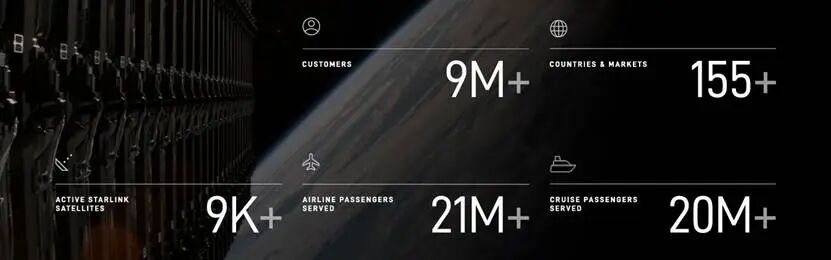
Core Viewpoint - SpaceX is lowering the orbital altitude of thousands of Starlink satellites to reduce collision risks, which has sparked industry debate and raised concerns about increasing competition for limited orbital resources [1][5]. Group 1: Satellite Operations and Adjustments - SpaceX's Vice President of Starlink, Michael Nichols, announced a major reorganization plan to lower the altitude of approximately 4,400 satellites from about 550 kilometers to around 480 kilometers [2]. - This adjustment aims to create a safer operational environment and facilitate quicker deorbiting of malfunctioning satellites, thereby reducing space debris [2]. - The upcoming solar minimum in the early 2030s will decrease atmospheric density, extending the natural decay time of satellites at higher altitudes; lowering the altitude can reduce this decay time from over four years to a few months, increasing the decay rate by over 80% [2]. Group 2: Increasing Congestion in Low Earth Orbit (LEO) - The number of objects in low Earth orbit (LEO) is projected to rise significantly, from about 13,700 in 2019 to approximately 24,185 by 2025, marking a 76% increase [3]. - By the end of 2029, it is estimated that around 70,000 satellites could be in LEO, more than five times the number in 2019 [3]. - The frequency of satellites needing to perform collision avoidance maneuvers has increased, with the percentage rising from 0.2% in 2019 to 1.4% by early 2025 [3]. Group 3: Challenges and Competition in Satellite Internet - The congestion in the 400-600 kilometer altitude range is expected to become more pronounced, even with SpaceX's adjustments [5]. - The current lack of coordination among satellite operators complicates the situation, making SpaceX's proactive lowering of orbits a viable solution to mitigate collision risks [4]. - The competition for limited orbital resources is intensifying, highlighting the inadequacy of existing international space regulations [5][11]. Group 4: SpaceX's Market Position and Developments - Starlink has rapidly become the fastest-growing satellite service provider, connecting over 9 million users, with 4.6 million new users added in 2025 alone [7]. - SpaceX has completed over 300 dedicated Falcon 9 rocket launches for the Starlink constellation, with more than 3,000 optimized V2 Mini satellites deployed in 2025, significantly increasing the constellation's capacity [8]. - The advancements in satellite technology and deployment strategies position SpaceX favorably in the competitive satellite internet landscape [8][11].

商业航天IPO盛宴开启
21世纪经济报道· 2025-12-31 09:37
Core Viewpoint - 2025 marks a pivotal year in China's commercial aerospace development, transitioning from a pioneering phase to a stage of scaled growth, with significant increases in launches and company registrations [1][2]. Group 1: Industry Growth and Market Dynamics - Since 2025, China has completed 87 space launches, with 23 conducted by private commercial rocket companies, successfully placing 324 spacecraft into orbit [1]. - The number of commercial aerospace-related companies in China has surged to 93,000, with 24,800 registered since 2025, reflecting a 57.5% increase compared to the same period in 2024 [1]. - A new wave of competitive private aerospace companies has emerged, including Blue Arrow Aerospace, Tianbing Technology, and others, as they prepare to enter the capital market [2]. Group 2: Reusable Rocket Development - The commercial aerospace industry faces supply chain challenges, particularly in upstream infrastructure, with a pressing need for breakthroughs in private rocket capabilities to address capacity shortages [4]. - Blue Arrow Aerospace achieved significant technical milestones with the Zhuque-3 rocket, including the first domestic reusable liquid oxygen-methane rocket flight, despite some recovery test failures [5]. - Tianbing Technology's Tianlong-3 rocket has reached cost competitiveness with SpaceX's Falcon 9, with plans for mass production and further cost reductions as reusable technology matures [5][6]. Group 3: Satellite Internet Initiatives - China is advancing two major satellite internet projects, GW constellation and Qianfan constellation, aiming to deploy thousands of low-orbit satellites to compete with SpaceX's Starlink [9][10]. - The GW constellation has accelerated its deployment pace, reducing the launch interval from months to days, indicating a significant improvement in efficiency [9]. - Despite progress, both constellations have yet to deploy 1% of their planned satellites, highlighting the urgent need for enhanced rocket launch capabilities [10]. Group 4: IPO Trends and Policy Support - Over 10 commercial aerospace companies have initiated IPO processes, with several targeting the A-share market, reflecting a surge in interest and investment in the sector [15][16]. - The establishment of the Commercial Aerospace Administration aims to streamline regulatory processes and enhance the development of the satellite industry [16][17]. - Recent policy changes have lowered entry barriers for satellite development, allowing companies to innovate without weight restrictions, thus stimulating the private sector [17]. Group 5: Technological Innovations in Satellite Manufacturing - Companies like Galaxy Aerospace are adopting advanced manufacturing techniques to enhance satellite production efficiency, significantly reducing costs and production times [12]. - The integration of computing and AI capabilities into satellites is expected to revolutionize data processing and transmission, improving operational efficiency [13].
央企雄安总部项目集中开工 已有8家央企总部落户
Xin Hua Wang· 2025-12-29 01:49
作为承接北京非首都功能疏解的集中承载地,雄安新区"十四五"期间承接疏解成效显著。中国星网总部 及所属企业已于2024年10月入驻办公;中国中化、中国华能于今年10月9日正式迁驻雄安办公;中国矿 产总部项目主体结构封顶,正抓紧进行室内精装修等工作;中国大唐雄安总部项目已于今年启动建设。 截至目前,已有8家央企总部疏解落户雄安。 新华社石家庄12月28日电(记者苏凯洋、龚璟璐)12月25日至28日,中国农业发展集团有限公司、中国 华电集团有限公司和中国诚通控股集团有限公司先后在雄安新区举行总部项目开工仪式。截至目前,第 二批疏解至雄安的4家央企总部已全部开工建设。 雄安新区党工委副书记、管委会常务副主任吴波介绍,雄安新区坚持以承接疏解带动区域发展、引领科 技创新、加速产业和要素集聚,推动科技创新和产业创新深度融合,当前已有400多家央企分支机构、 4000多家北京来源企业落地雄安。 [ 责编:张璋 ] ...
中国银河证券:政策技术业绩多轮驱动 关注卫星、通信及太空算力三大主线
Zhi Tong Cai Jing· 2025-12-29 01:35
这些进展为2026年可能出现的产业化拐点——即可复用火箭成熟落地、卫星组网全面加速、ToB/ToC应 用实现突破——奠定了坚实的技术基础与产业抓手。商业航天产业链上游主要包括火箭与卫星的核心零 部件及原材料,技术壁垒高,国产替代趋势明显;产业链中游包括运载火箭和卫星的研制、总装、测试 及发射服务;产业链下游是商业航天价值实现的最终环节,市场空间最为广阔,包括卫星运营、地面终 端和各类行业应用。在商业航天板块中,卫星通信是构建全域覆盖"太空信息网"的基础设施,是连接天 与地、实现全球无缝通信的管道。而太空算力则是在此基础上,赋予卫星在轨实时处理、分析和决策能 力的"智能大脑",它能将卫星从数据传输通道升级为智能节点,让商业航天提供更高时效性、更高价值 的服务。 投资建议 中国银河证券主要观点如下: 政策加码产业升维,国家战略与地方行动共推商业航天迈入壮大期 上海市人民政府印发了《关于支持长三角G60科创走廊策源地建设的若干措施》的通知,明确要加速航 空航天产业发展:围绕卫星制造与商业运营等产业链关键环节,引育上下游重点项目,给予最高5000万 元的经费支持;支持卫星互联网星座建设,对取得卫星通信基础电信业务经营 ...

低轨卫星板块爆发,哪些公司值得关注?| A股2026投资策略③
Xin Lang Cai Jing· 2025-12-28 23:09
Core Insights - Low Earth Orbit (LEO) satellite communication has become a new focal point in global competition, paralleling the AI investment boom that began in 2023, with commercial space emerging as a core battleground for technological competition [1] - The investment logic in commercial space is driven by technological breakthroughs, policy support, and capital influx, focusing on advanced manufacturing supply chains that are rooted locally and connected globally [1] Industry Overview - By 2026, China is expected to reach a significant turning point in the construction of its LEO satellite communication network, focusing on autonomous global communication coverage to support emerging fields such as autonomous driving and communication security [2] - The "14th Five-Year Plan" emphasizes the development of commercial space, with a goal of exceeding 10 million satellite communication users by 2030, including new applications like direct satellite connections for mobile phones [2] - Major satellite constellations like China Star Network's GW constellation and Yuanxin Satellite's Qianfan constellation are accelerating, creating clear demands for large-scale construction [2] Market Dynamics - The LEO satellite communication industry is transitioning from a technology validation phase to a large-scale networking phase, with 2026 identified as a critical year for domestic LEO constellation construction [3] - The market for LEO satellites is projected to grow from $12.6 billion in 2024 to $23.2 billion by 2029, with a compound annual growth rate (CAGR) of 13.0%, driven by the demand for low-latency, high-speed connections [5] - The demand for key components such as antennas and RF devices is expected to surge, with the commercial viability of direct satellite connections for mobile devices creating additional market opportunities [6] Investment Opportunities - Companies that can enter the SpaceX supply chain while also meeting domestic LEO constellation construction needs are likely to experience high growth due to dual market benefits [2][7] - The differentiation in the commercial space sector is evident, with companies lacking performance support relying on speculative trading, while those with core technologies and order backing are entering a phase of performance realization [7] - Companies like Tongyu Communication and Xinwei Communication are positioned to benefit from both domestic and global supply chain demands, with significant orders expected as the industry matures [9][10] Key Components and Supply Chain - The LEO satellite communication industry chain consists of upstream core components, midstream satellite manufacturing and launching, and downstream operations and applications [8] - Upstream components, particularly antennas and RF devices, are seen as the most advantageous investment segments due to their strong demand, high technical barriers, and quick revenue realization [8] - Companies that have secured orders from the SpaceX supply chain are particularly noteworthy, as they can benefit from both global demand and domestic construction orders, leading to higher performance certainty [8][11]


央企雄安总部项目集中开工
Xin Hua Wang· 2025-12-28 07:18
作为承接北京非首都功能疏解的集中承载地,雄安新区"十四五"期间承接疏解成效显著。中国星网总部 及所属企业已于2024年10月入驻办公;中国中化、中国华能于今年10月9日正式迁驻雄安办公;中国矿 产总部项目主体结构封顶,正抓紧进行室内精装修等工作;中国大唐雄安总部项目已于今年启动建设。 截至目前,已有8家央企总部疏解落户雄安。 12月25日至28日,中国农业发展集团有限公司、中国华电集团有限公司和中国诚通控股集团有限公司先 后在雄安新区举行总部项目开工仪式。截至目前,第二批疏解至雄安的4家央企总部已全部开工建设。 雄安新区党工委副书记、管委会常务副主任吴波介绍,雄安新区坚持以承接疏解带动区域发展、引领科 技创新、加速产业和要素集聚,推动科技创新和产业创新深度融合,当前已有400多家央企分支机构、 4000多家北京来源企业落地雄安。 (文章来源:新华网) ...