
吉利汽车

Search documents
吉利控股CEO安聪慧:2030年要营收超1万亿,跻身全球车企销量前五
Sou Hu Cai Jing· 2026-01-23 05:40
Core Insights - Geely Holding Group has announced its 2030 strategic goal of "One Geely, Comprehensive Leadership," aiming to enhance global collaboration and achieve a unified strategic framework [2][3] - The company plans to establish a "six-in-one" core capability system focusing on brand, technology, complete vehicles, ecology, talent, and sustainable development, ensuring key competitive indicators reach a leading level among global automakers [3][14] Sales and Growth Targets - Geely aims to achieve total global sales exceeding 6.5 million units by 2030, with revenue surpassing 1 trillion yuan, positioning itself among the top five global automakers [4][15] - By 2025, Geely expects to reach sales of 4.116 million units, a 26% increase year-on-year, with new energy vehicle sales projected at 2.293 million units, reflecting a 58% growth and a penetration rate of 56% [9][10] Brand Strategy - The company will strengthen its core brand, creating a clear and distinctive global brand matrix, enhancing brand competitiveness and influence [3][16] - Geely plans to leverage its international brands like Volvo and Polestar in the European and American markets, fostering collaborative partnerships with companies like Renault [3][16] Ecosystem Development - Geely is focusing on three major ecological business areas: user services, future mobility, and methanol-hydrogen electric ecosystems [5][19] - The user service ecosystem aims to create a comprehensive after-sales service system that is convenient, transparent, digital, and ecological, enhancing customer satisfaction and loyalty [5][19] - The future mobility ecosystem will integrate various transportation services, including Robotaxi and eVTOL, aiming for a nationwide service capability by 2030 [20] Technological Advancements - Geely is committed to enhancing its core competencies in smart and electric technologies, aiming to maintain a leading position in global safety standards [16][17] - The company is developing advanced AI capabilities and smart driving technologies, with plans to commercialize L3 autonomous driving solutions [17][18] Sustainability and ESG Initiatives - Geely emphasizes the importance of ESG as a competitive advantage, committing to sustainable development practices and reducing carbon footprints across its product lifecycle [22][23] - The company plans to implement green procurement and technology sharing with suppliers to promote carbon reduction initiatives [22]

成都去年GDP增长5.8%,汽车产业目标重回“第一梯队”
Di Yi Cai Jing· 2026-01-23 05:05
增速相对较高在于成都的工业和服务业均实现较快增长。其中,2025年,规模以上工业增加值比上年增 长7.0%,服务业增加值比上年增长6.1%,这两项指标与地区生产总值增速紧密关联。 成都市目标到2030年汽车产值突破3000亿元 成都以高于全国0.8个百分点的增速,位居全国主要经济大市增速榜前列。 1月23日,成都市统计局发布,2025年,全市地区生产总值24763.6亿元,按不变价格计算,比上年增长 5.8%。分产业看,第一产业增加值541.1亿元,增长3.3%;第二产业增加值6903.9亿元,增长5.4%;第 三产业增加值17318.6亿元,增长6.1%。 目前,全国其他城市的经济数据还未完全发布,不过,2025年前三季度,成都以5.8%的增速位居全国 经济总量排名前十城市的首位,并高于第二位0.2个百分点。在四季度全国经济承压之下,成都依然保 持较快增长。 从工业来看,37个大类行业中有25个行业增加值实现正增长,其中有色金属冶炼和压延加工业、汽车制 造业、电气机械和器材制造业、计算机通信和其他电子设备制造业增加值分别增长49.0%、17.8%、 10.8%、10.0%。高技术产业加快发展,规模以上高技术 ...
吉利取得车辆数据补正方法专利
Sou Hu Cai Jing· 2026-01-23 04:13
浙江远程商用车研发有限公司,成立于2021年,位于杭州市,是一家以从事汽车制造业为主的企业。企 业注册资本100000万人民币。通过天眼查大数据分析,浙江远程商用车研发有限公司共对外投资了1家 企业,参与招投标项目29次,专利信息2165条,此外企业还拥有行政许可3个。 声明:市场有风险,投资需谨慎。本文为AI基于第三方数据生成,仅供参考,不构成个人投资建议。 国家知识产权局信息显示,浙江吉利控股集团有限公司取得一项名为"车辆及其数据补正方法和装置、 计算机可读存储介质"的专利,授权公告号CN119807187B,申请日期为2024年12月。 天眼查资料显示,浙江吉利控股集团有限公司,成立于2003年,位于杭州市,是一家以从事汽车制造业 为主的企业。企业注册资本103000万人民币。通过天眼查大数据分析,浙江吉利控股集团有限公司共对 外投资了38家企业,参与招投标项目523次,财产线索方面有商标信息5000条,专利信息5000条,此外 企业还拥有行政许可275个。 浙江远程新能源商用车集团有限公司,成立于2016年,位于杭州市,是一家以从事汽车制造业为主的企 业。企业注册资本50000万人民币。通过天眼查大数 ...
吉利控股集团发布“一个吉利 全面领先”战略目标
Zhong Guo Qi Che Bao Wang· 2026-01-23 03:58
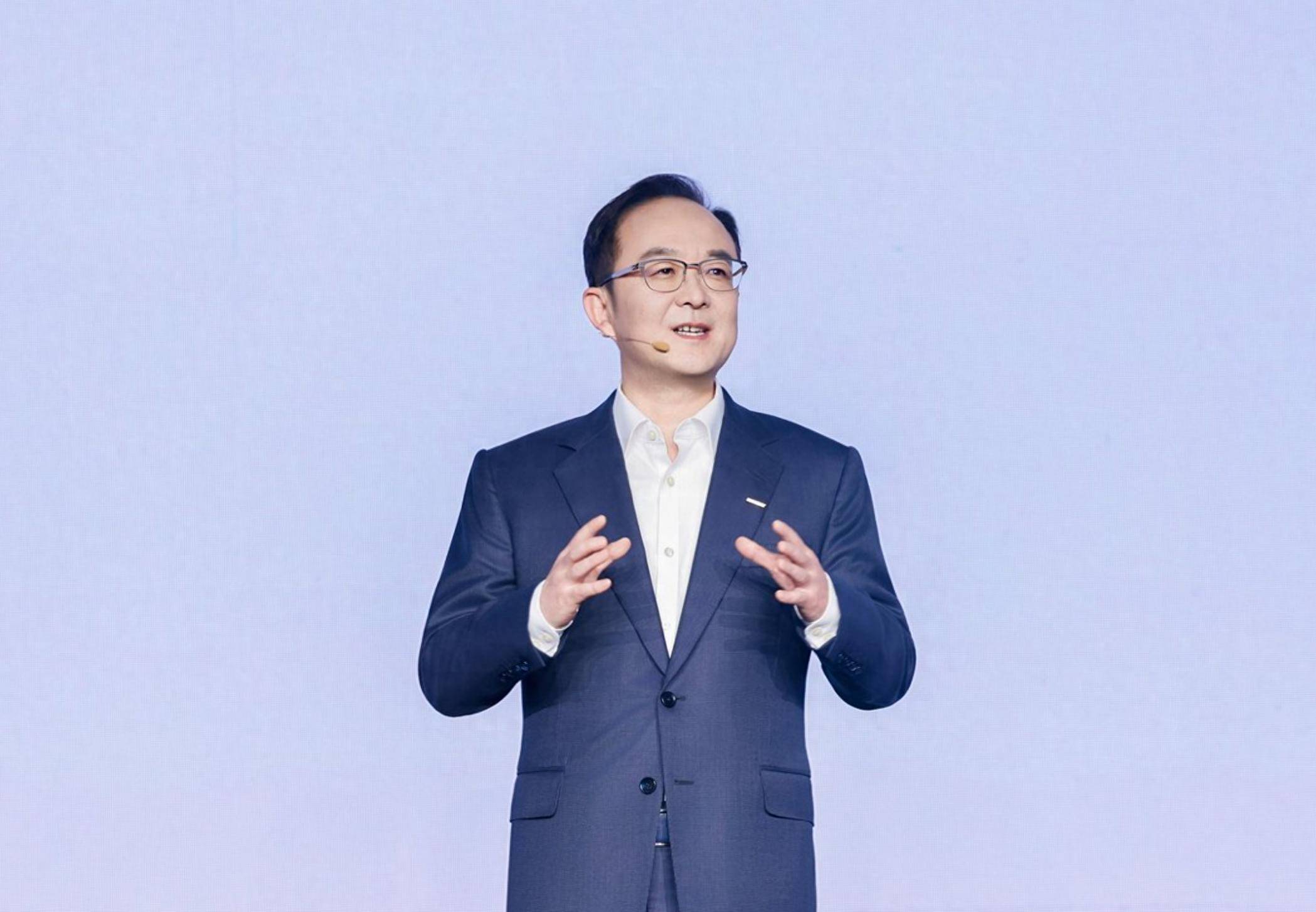
1月22日,吉利控股集团(以下简称"吉利控股")战略解析会在北京举行。吉利控股发布"一个吉利,全面领先"2030战略目标:通过强化顶层统筹与全 球协同,实现全球"一盘棋"的战略格局;打造"六位一体"的核心能力体系,推动关键指标达到全球车企领先水平,成为中国企业全球化高质量发展的引领 者。 吉利控股同时公布了2030关键指标:实现全球总销量突破650万辆(乘用车+商用车),营收超1万亿元,跻身全球车企销量前五,其中新能源销量占比 约75%,海外销量占比超三分之一,开发覆盖A到E级车型的全球顶级的新能源架构,基于全新架构的平均单车型研发周期和综合成本下降30%以上。 2026年,吉利迎来创业40周年,进入全新发展阶段。未来五年,是吉利控股集团实现从产品制造竞争力到生态服务竞争力、从规模成本优势到绿色智能 科技优势、从各品牌独立运营到全球深度协同的三大战略升维的关键时刻。围绕2030战略目标,吉利控股集团CEO安聪慧与吉利汽车集团CEO淦家阅共同解 读了《台州宣言》指引下的发展战略与路径。安聪慧表示,战略清晰、生态茁壮、技术驱动的"一个吉利",必将能更好地顺应时代浪潮,更好地服务全球用 户,为中国汽车产业高质量发展 ...
对话雷诺集团CEO福兰:深入链接中国生态,锻造全球市场竞争力
Sou Hu Cai Jing· 2026-01-23 03:46
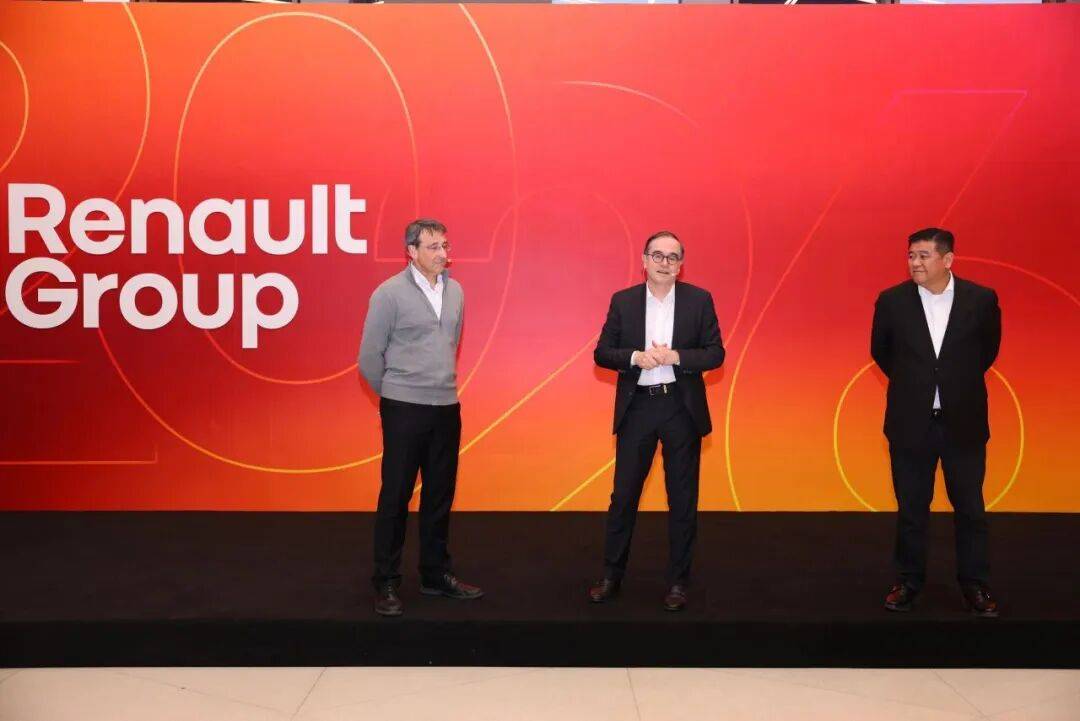
作为中国市场的"老朋友",福兰过去几乎保持着每三到四个月一次的访华频率,但这一次显得尤为不同——这是其履新雷诺集团CEO八个月后的首次中国 行。此次访问期间,他不仅密集地见了很多合作伙伴、供应商以及科技公司,还和雷诺集团首席技术官,ACDC总经理菲利普·布鲁内(Philippe BRUNET),雷诺中国董事长兼CEO苏伟铭一同接受了寰球汽车的深度采访。 随之而来的一个问题也再次被提及:雷诺不是已经退出中国乘用车市场了吗?为何仍以如此高规格、高频次的方式重返中国市场视野? 如果仅从"是否在中国卖车"来判断一家跨国车企对中国市场的重视程度,显然已经不适用于今天的产业格局。尽管雷诺在2020年宣布结束在华燃油乘用车 制造业务,确实意味着传统合资销售模式的阶段性终结,但并不等同于战略撤离,更不意味着其与中国汽车产业的连接被切断。从雷诺与中国市场关系的 演变来看,其定位正在由"在中国卖车的外资品牌",转向以中国供应链与工程能力为核心支点,反向赋能全球业务体系的深度参与者。 01 以ACDC作为技术迭代"指南针" 进入2025年,雷诺与中国的绑定也进一步从制造协同转向更深维度的研发合作、生态共建与资本联动。 跨国品牌在中 ...
中国汽车,在欧洲卖爆了
凤凰网财经· 2026-01-23 03:11
Core Viewpoint - The article highlights the significant growth of Chinese electric vehicle manufacturers in the European market, despite the EU's unfavorable stance towards Chinese electric cars, with a notable increase in sales and market share in 2025 [1][13]. Group 1: Market Performance - In December 2025, the European automotive market is projected to reach sales of 1.15 million units, a year-on-year increase of 7.6%. Chinese automakers' monthly sales in Europe surpassed 100,000 units for the first time, reaching 109,900 units, a 127% increase, with a market share of 9.5% compared to 4.5% in the same month of 2024 [1]. - For the entire year of 2025, the European market is expected to sell 13.3 million vehicles, a 2.3% increase year-on-year, with pure electric vehicle sales growing by 30% and plug-in hybrid vehicle sales by 34%. Chinese automakers are projected to sell 810,000 units in Europe, a 99% increase, capturing a market share of 6.1%, up from 3.1% in 2024 [1]. Group 2: Leading Brands - SAIC's MG brand emerged as the top-selling Chinese passenger car brand in Europe, selling 307,000 units in 2025, a 26% increase, ranking 16th in the market [3]. - BYD followed closely with sales of 187,000 units, a remarkable 276% increase, moving up from 31st to 22nd place in the rankings [5][6]. - Chery's Jaecoo and Omoda brands ranked third and fourth, with sales of 56,944 and 52,950 units, respectively, contributing to a total of 120,000 units sold by Chery in Europe, significantly up from 17,000 units in 2024 [7]. Group 3: Strategic Approaches - SAIC leveraged MG's British heritage to enhance localization, which contributed to its sales growth. The brand's pricing strategy, with models priced below £20,000, helped mitigate the impact of high EU tariffs on Chinese electric vehicles [3]. - BYD focused on meeting the core demands of European consumers for new energy vehicles, particularly with its Seal U model, which dominated the mid-size SUV segment in Europe [6]. - Polestar, a brand with limited presence in China, saw a 56% increase in sales to 47,579 units, with Europe accounting for approximately 78% of its global sales [11]. Group 4: Future Outlook - The article anticipates that the pressure from the EU market will continue, but Chinese automakers are expected to adapt and thrive. A price commitment mechanism is being discussed to replace high anti-subsidy tariffs, which may lead to short-term fluctuations in sales but ultimately improve competitiveness [14]. - Projections indicate that from 2026 to 2028, Chinese electric vehicle exports to the EU will maintain an annual growth rate of around 20%, positioning them as a key driver of global electric vehicle market growth [15].


造车新势力10年沉浮:“蔚小理”分化
Jing Ji Guan Cha Wang· 2026-01-23 02:48
Group 1 - The three new forces in the electric vehicle market, namely NIO, Xpeng, and Li Auto, have experienced fluctuating sales and rankings since 2021, with distinct development paths emerging [1] - NIO, once a leader in delivery volume, saw its ranking decline after being surpassed by Xpeng in 2021, and is projected to be at the bottom among new forces by 2025, despite a 47% year-on-year increase in sales to 326,000 units [1] - NIO's strategy includes launching new brands, such as Ladao and Firefly, and introducing a new ES8 model at a significantly reduced price to enhance market competitiveness [1] Group 2 - Xpeng Motors led the market in 2025 with sales of 429,000 units, a 126% year-on-year increase, exceeding its annual target of 380,000 units [2] - Despite previous challenges, including a decline in monthly sales in 2023, Xpeng has begun to recover by appointing a new president and launching low-cost models in collaboration with Didi [2] - Li Auto experienced a 19.6% year-on-year decline in sales to 405,900 units in 2025, failing to meet its annual target of 640,000 units, marking a significant drop from its previous three-year championship status [2] Group 3 - Li Auto initially focused on range-extended electric vehicles, achieving market success with its model ONE, but faced challenges in 2025 with new electric models underperforming and increased competition in the range-extended hybrid market [3] - The competition in the electric vehicle market is intensifying, with new entrants like Huawei and Xiaomi, as well as traditional manufacturers launching new brands, posing challenges for the established players [3] - Brands like Changan's Deep Blue and Geely's Zeekr are gaining traction, with Deep Blue selling 333,000 units in 2025, surpassing NIO [3]


未知机构:交易台高盛中国市场开盘前瞻市场情绪中国市场-20260123
未知机构· 2026-01-23 02:25
Summary of Key Points from Conference Call Records Industry Overview - The focus is on the Chinese market, particularly regarding ETF redemption data indicating selling pressure on large-cap stocks [1] - Despite a surge in ETF trading volume, local investors anticipate a slowdown in trading pace as the Chinese New Year approaches, with expectations of a "red envelope market" during this period [1] - Financing balance showed signs of stabilization after a significant increase at the beginning of 2026, hovering around 2.7 trillion yuan, with daily financing purchases dropping to 259 billion yuan [1] Economic Indicators - The GDP growth target for China in 2026 is likely to be set between 4.5% and 5%, indicating a higher tolerance for moderate economic slowdown compared to last year's 5% growth [1] - Goldman Sachs predicts China's actual GDP growth for 2026 will be 4.8%, surpassing the market consensus of 4.5% [2] - The People's Bank of China (PBOC) has reiterated that there is still room for further easing policies to support economic growth [2] - The PBOC plans to issue 900 billion yuan in one-year Medium-term Lending Facility (MLF) on January 23 [2] Automotive Sector - Geely Auto has set a sales target of 6.5 million vehicles by 2030, aiming to rank among the top five global automakers [2] - Elon Musk anticipates that Tesla's Full Self-Driving (FSD) system will receive approval in Europe and China next month [2] Technology, Media, and Telecommunications (TMT) Sector - In the storage sector, Zhaoyi Innovation (603986.SH) reported a 3% year-over-year increase in net profit for Q4 2025, aligning with market expectations [2] - In the chip sector, Alibaba is reportedly planning an IPO for its AI chip subsidiary, T-Head [2] - In the GPU sector, Enflame Technology's IPO application has been accepted by the Shanghai Stock Exchange, with plans to raise 6 billion yuan for AI chip development [2]
黑猫投诉2025年度汽车领域投诉数据报告:汽车全年投诉超2.85万单
Xin Lang Cai Jing· 2026-01-23 02:01
黑猫大数据中心联合黑猫投诉 【下载黑猫投诉客户端】平台发布《黑猫投诉2025年度汽车领域投诉数 据报告》,通过投诉数据盘点2025年行业趋势、行业热点问题等,通过投诉数据变化情况回顾行业消费 趋势。 汽车领域全年投诉超2.85万件 2025年黑猫投诉平台汽车行业收到投诉28517件,同比2024年增长30.36%。投诉情况主要受汽车厂商动 作影响,2月份比亚迪旗下品牌汽车突然降价,6月底小米su7订购火热导致APP崩溃均受到大量消费者 投诉。 汽车投诉典型问题 从投诉问题来看,2025年汽车行业投诉主要集中在以下几个方面:一是定金不退还,消费者付了定金后 取消交易被告知无法返还;二是厂商购买汽车后发现配置或服务与宣传不同,导致消费者不满;此外, 消费者购买汽车后汽车零部件损坏或故障也引发了大量投诉。 新能源品牌投诉较多 2025年黑猫投诉平台汽车行业投诉量前10的商家中多数为新能源品牌,这与国内汽车市场持续走高的新 能源车销量占比以及各家的快速产品迭代节奏密切相关;大部分商家处理情况良好基本保持100%回 复,长安和吉利回复率在65%左右,理想只回复了22.4%的投诉。 广东地区投诉居首位 从地区分布情况来看 ...
35家港股公司出手回购(1月22日)





Zheng Quan Shi Bao Wang· 2026-01-23 01:52
Summary of Key Points Core Viewpoint - On January 22, 35 Hong Kong-listed companies conducted share buybacks, totaling 17.519 million shares and an aggregate amount of HKD 3.81 billion [1]. Group 1: Company Buyback Details - Xiaomi Group-W repurchased 5.7138 million shares for HKD 201.73 million, with a highest price of HKD 35.240 and a lowest price of HKD 34.920, bringing its total buyback amount for the year to HKD 22.50 billion [1]. - Sunny Optical Technology repurchased 1.25 million shares for HKD 79.26 million, with a highest price of HKD 63.850 and a lowest price of HKD 62.450, totaling HKD 7.65 billion in buybacks for the year [1]. - Kuaishou-W repurchased 380,000 shares for HKD 29.97 million, with a highest price of HKD 79.150 and a lowest price of HKD 78.550, accumulating HKD 89.88 million in buybacks for the year [1]. Group 2: Buyback Amount Rankings - The highest buyback amount on January 22 was from Xiaomi Group-W at HKD 201.73 million, followed by Sunny Optical Technology at HKD 79.26 million, and Kuaishou-W among the top [1]. - In terms of buyback volume, Xiaomi Group-W led with 5.7138 million shares, followed by Sunny Optical Technology with 1.25 million shares and Guoquan with 1.198 million shares [1]. Group 3: Additional Company Buyback Information - China Resources Gas repurchased 947,600 shares for HKD 20.66 million, with a highest price of HKD 22.000 and a lowest price of HKD 21.560 [1]. - Xiansheng Pharmaceutical repurchased 862,000 shares for HKD 10.04 million, with a highest price of HKD 11.680 and a lowest price of HKD 11.570 [1]. - Geely Automobile repurchased 571,000 shares for HKD 9.49 million, with a highest price of HKD 16.740 and a lowest price of HKD 16.580 [1].