三星

Search documents
Skild AI成最快千亿独角兽,获14亿美元C轮融资,软银英伟达三星联手押注
机器人圈· 2026-01-16 09:10
Core Viewpoint - Skild AI, a US robotics startup, has completed a C round financing of approximately $1.4 billion, raising its valuation to over $14 billion, which is three times its valuation from seven months ago [2][5]. Group 1: Financing and Valuation - The recent financing round was led by SoftBank, with participation from Nvidia, Macquarie, 1789 Capital, Bezos Expeditions, and companies like Samsung and LG [5]. - Since its establishment in May 2023, Skild AI has raised a total of about $2 billion, aiming to create a "general robotic brain" that enables robots to learn tasks through video observation and practice [5][11]. Group 2: Founders and Vision - Skild AI was co-founded by Deepak Pathak and Abhinav Gupta, who previously worked together at Meta's robotics lab and later became professors at Carnegie Mellon University [6]. - The founders recognized a bottleneck in robotics research regarding the practical application of video demonstrations, which lack stable and replicable system capabilities [8]. Group 3: Technology and Applications - Skild AI aims to develop a "general robotic brain" that operates on standard GPUs without the need for custom chips, enabling cross-platform and cross-task execution capabilities [9]. - The Skild Brain system is trained using large-scale human videos and simulated practices, optimizing control strategies through feedback loops [9]. - The technology has been adapted for various robotic forms, including quadrupedal platforms, robotic arms, and humanoid robots, capable of performing tasks in complex environments like homes, warehouses, hospitals, and construction sites [9][10]. Group 4: Market Potential and Partnerships - By 2025, Skild AI aims to serve over eight clients, with revenue projected to rise from zero to several million dollars [11]. - LG CNS has announced a partnership with Skild AI to develop humanoid robot solutions, and the software will be used for automation at Nvidia's GPU factory [13]. - The company sees significant potential for robots to fill over a million job vacancies in the US, particularly in dangerous, repetitive, or undesirable positions [11][13]. Group 5: Industry Trends and Challenges - The high valuation and oversubscription of Skild AI's financing reflect a shift in investment strategies among tech giants, moving away from heavy asset acquisitions to early-stage investments in promising startups [13]. - The robotics sector faces common challenges, especially in deploying humanoid robots for consumer use, with issues related to endurance, mobility, and safety still being critical hurdles [14]. - The competition for developing general-purpose robotic systems is intensifying, with a collective push towards scalable implementations in the industry [15][16].


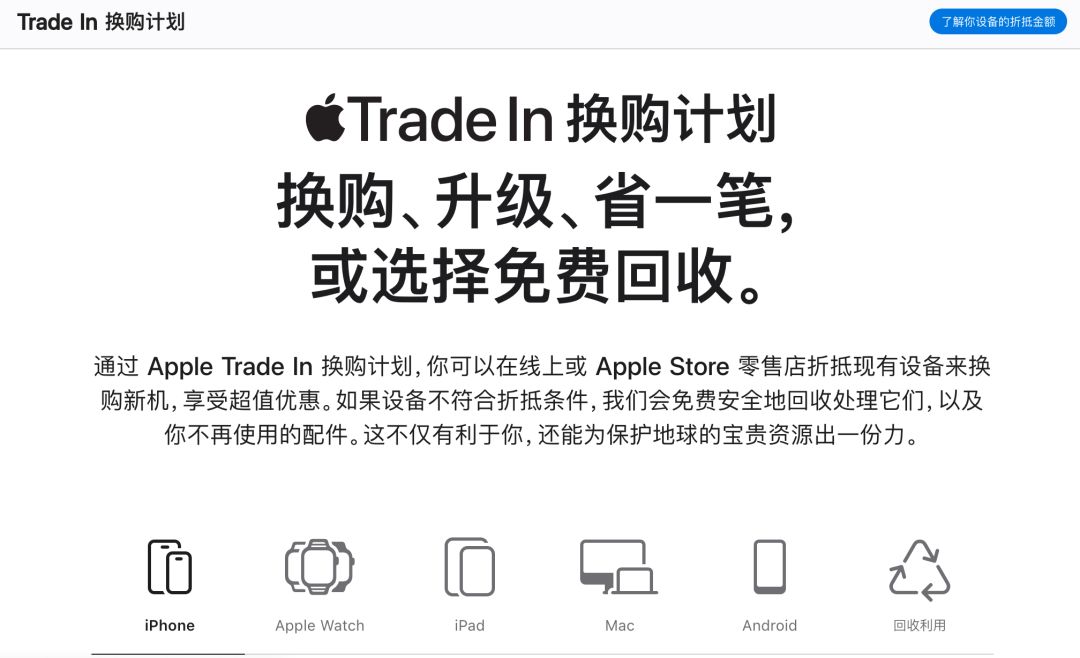
苹果突然宣布:华为、小米等也能以旧换新!
Shen Zhen Shang Bao· 2026-01-16 08:26
Core Insights - Apple has expanded its Apple Trade In program to include a wider range of brands, such as Huawei, OPPO, OnePlus, Samsung, vivo, and Xiaomi, allowing customers to trade in their old devices for new ones [1][3] Group 1: Trade-In Program Details - The Apple Trade In program allows customers to receive significant discounts on new devices when trading in old ones, with the iPhone 16 Pro Max offering up to 5800 yuan and the MacBook Pro up to 6050 yuan [3] - Specific trade-in values for other brands include Huawei Mate XT at 5400 yuan, Mate X6 at 3800 yuan, vivo X200 Pro at 1900 yuan, and OPPO Find X8 Pro at 1700 yuan [3] - The program enables consumers to trade in devices online or at Apple Store retail locations, and Apple will also recycle devices that do not meet trade-in conditions [3] Group 2: Historical Context - The Apple Trade In program was initially launched in mainland China on March 31, 2015, supporting trade-ins for iPod, iPad, and iPhone 4 and later models [3] - Users can assess the value of their old devices in-store to offset the cost of new purchases [3]

阿斯麦的"巅峰时刻"!大摩:先进制程扩产潮下,2027年或迎最强盈利增长
Hua Er Jie Jian Wen· 2026-01-16 08:25
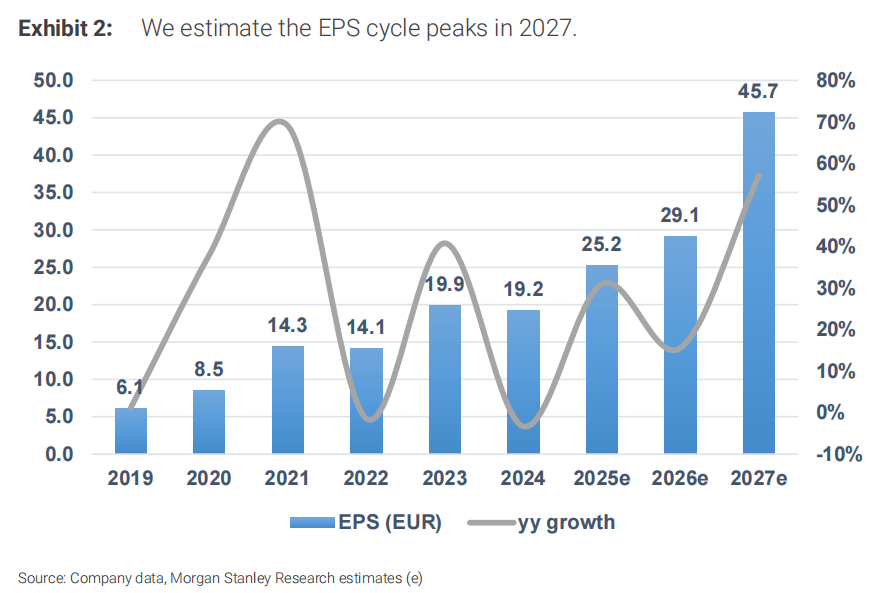
Core Viewpoint - Morgan Stanley states that ASML is at the beginning of its strongest profit cycle ever, driven by the AI wave pushing advanced process and memory chip capacity expansion, with 2027 expected to be a peak year for profit growth [1][3]. Group 1: Financial Projections - ASML's sales for the fiscal year 2027 are projected to reach approximately €46.8 billion, with EBIT expected to hit €19.7 billion and a gross margin increase to 56.2% [1][15]. - The expected earnings per share (EPS) for 2027 is €45.74, a 35% increase from the previous estimate of €33.94, and a 57% year-over-year growth compared to the anticipated €29.12 for 2026 [1][15]. - Morgan Stanley has raised ASML's target price from €1,000 to €1,400, maintaining an "Overweight" rating and "Top Pick" status [3]. Group 2: Demand Drivers - The profit surge is primarily driven by strong demand from advanced logic foundries, significant capacity expansion in the DRAM memory sector, and better-than-expected demand performance [3][13]. - TSMC's capital expenditure guidance for 2026 is set at $52-56 billion, a 32% year-over-year increase, with 70-80% allocated to advanced processes, which is a key catalyst for ASML [5]. - TSMC's EUV tool procurement expectations for 2026 have been raised from approximately 20 to 29 units, and for 2027 from 28 to 40 units [5][7]. Group 3: DRAM Market Dynamics - The DRAM market is experiencing unprecedented demand, with strong price momentum driven by regular server CPU demand and large cloud service providers' AI needs for 2026-27 [8][10]. - The scarcity of capacity has led to record price increases for HBM and general DRAM, which is expected to last for at least 1-2 quarters, prompting large-scale capacity construction in the DRAM manufacturing sector [10][11]. Group 4: Upcoming Financial Results - ASML is set to release its Q4 financial results on January 28, 2026, with expected orders of €7.27 billion, significantly higher than €5.4 billion in Q3, including 19 EUV low-NA tools [14]. - The anticipated sales for Q4 are €9.675 billion, at the high end of the guidance range, with a year-over-year growth of 4% [14]. - The gross margin for Q4 is expected to be 51.8%, close to the guidance midpoint, with a sequential increase of 20 basis points [14].

2025年全球储能电池出货640GWh,宁德时代稳居第一
鑫椤储能· 2026-01-16 07:39
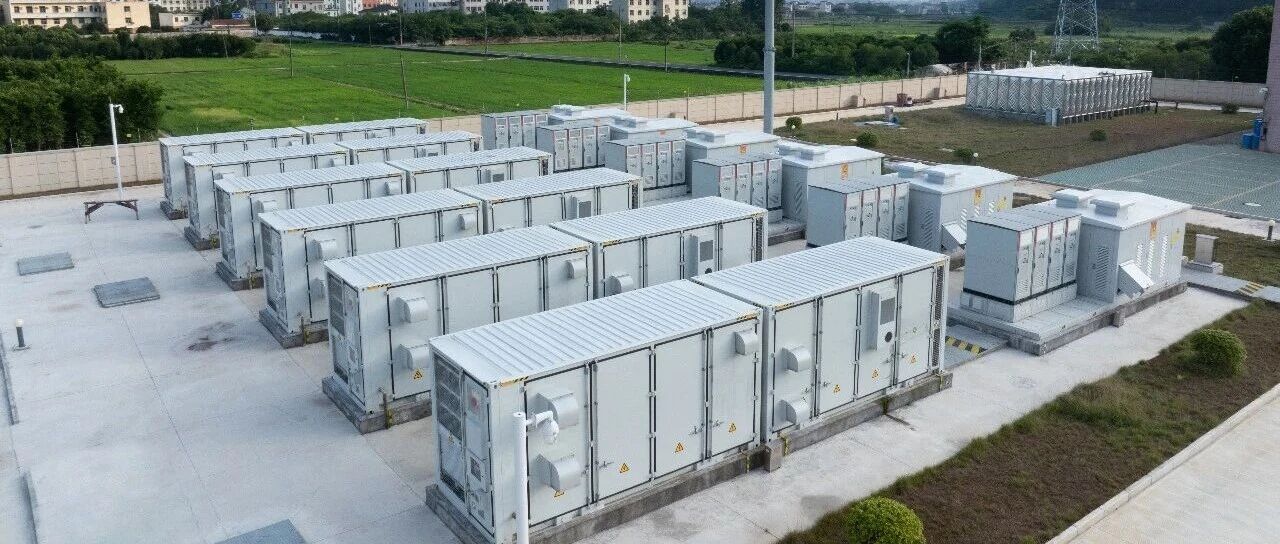
Core Viewpoint - The global energy storage battery shipment is projected to reach 640 GWh in 2025, representing a year-on-year growth of 82.9%, with domestic manufacturers accounting for 621.5 GWh and international manufacturers for 18.5 GWh [1][3]. Market Share by Company - CATL maintains the leading position with over 23% market share; companies like Hicharge, EVE Energy, Farasis Energy, and others form the second tier with market shares around 11% [3]. - In the front-of-the-meter storage segment, CATL's market share exceeds 26%, while Hicharge, EVE Energy, and Farasis Energy hold over 10% each [7]. Application Segmentation - In 2025, front-of-the-meter storage will account for 79.2% of the market, commercial storage for 9.6%, residential and portable storage for 9.3%, and backup power for data centers and base stations for 2% [5]. - The commercial storage battery shipment is expected to reach 61 GWh, with a year-on-year growth of 103%, indicating a competitive landscape with five major players [9]. - Residential and portable storage battery shipments are projected at 58.8 GWh, showing a significant year-on-year growth of 117.7% [11]. Market Trends - The backup power and UPS market for data centers is expected to see a decline, with shipments projected at 12.3 GWh, down 22% due to slowed 5G base station construction [14]. - Looking ahead to 2026, the demand for large-capacity storage batteries (500+ Ah) is anticipated to accelerate, with total battery shipments expected to reach 1,090 GWh, a year-on-year increase of 70% [16].

苹果突然宣布,支持华为、小米等以旧换新
Zhong Guo Ji Jin Bao· 2026-01-16 07:34
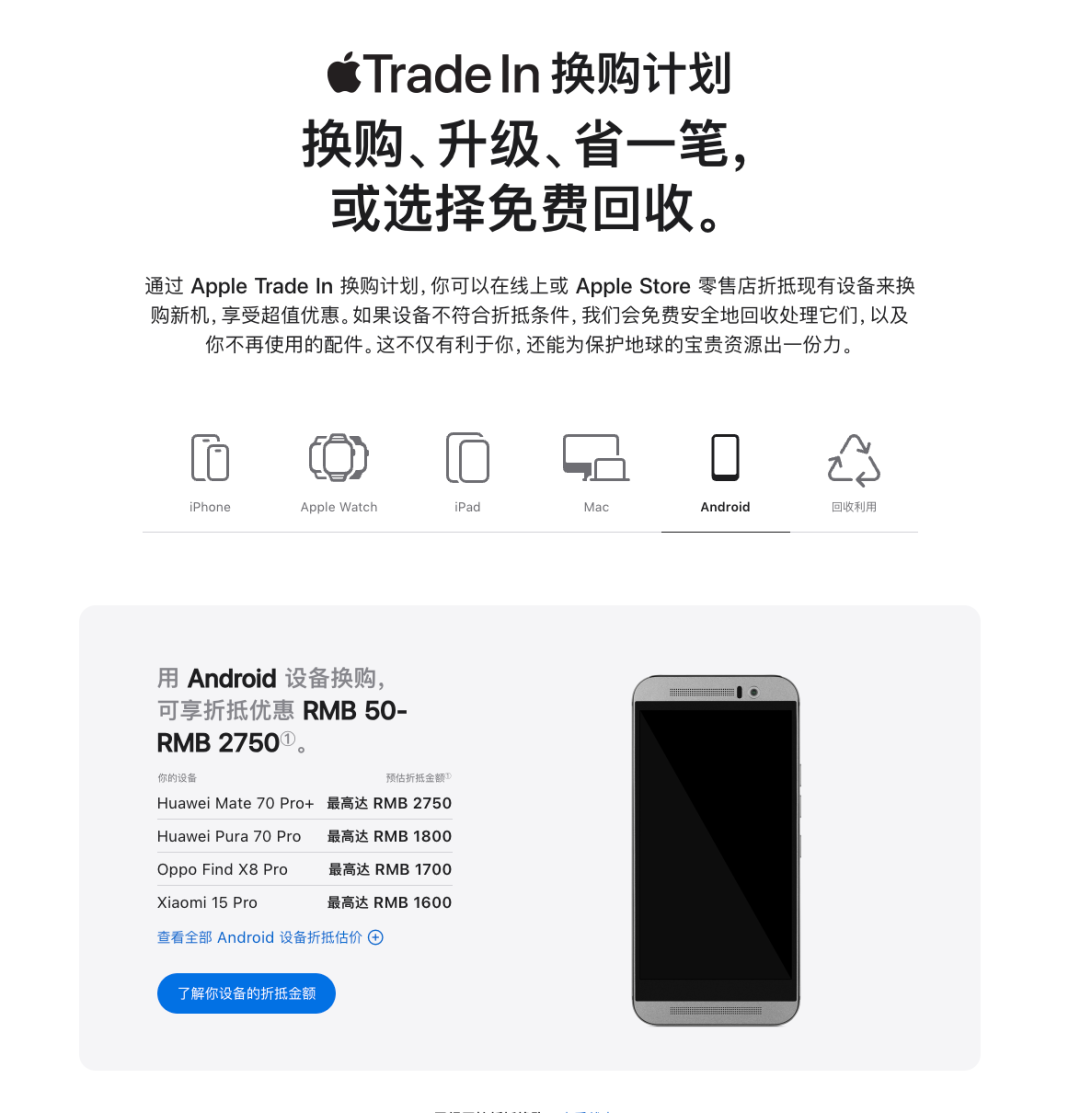
Group 1 - Apple has included Huawei, Xiaomi, and other Android brands in its latest Apple Trade In program, allowing for trade-in discounts on these devices [1][2] - The updated trade-in values for Apple devices include up to 5800 yuan for iPhone 16 Pro Max and iPad Pro, and up to 6050 yuan for MacBook Pro [1] - Specific trade-in values for Android devices include up to 2850 yuan for Huawei Mate X5 and 1600 yuan for Xiaomi 15 Pro [1] Group 2 - Prior to this update, Apple's trade-in program only accepted its own devices, while other platforms like JD and Tmall supported cross-brand trade-ins [2] - Apple states that the trade-in values are estimates and may vary based on the device's condition, configuration, and release year [2] Group 3 - According to IDC, global smartphone shipments are projected to reach 1.26 billion units by 2025, with Apple leading the market with 247 million units shipped, a 6.3% year-on-year increase [4][5] - In the Chinese market, Huawei is expected to lead in shipments with a 16.4% market share, closely followed by Apple at 16.2% [6] - IDC warns that the smartphone market, particularly for Android manufacturers, will face significant challenges in 2026 due to a reversal of the trend towards high-end configurations becoming more accessible [6]
苹果突然宣布,支持华为、小米等以旧换新
中国基金报· 2026-01-16 07:33
Group 1 - Apple's Trade In program now includes Android brands such as Huawei and Xiaomi for device trade-in [2][3] - The trade-in values for various devices are as follows: iPhone 16 Pro Max up to 5800 yuan, iPad Pro up to 5800 yuan, iPad Air up to 3500 yuan, MacBook Pro up to 6050 yuan, and Mac Pro up to 14000 yuan [4] - Specific trade-in values for Android devices include: Huawei Mate X5 up to 2850 yuan, Huawei Mate 70 Pro+ up to 2750 yuan, Oppo Find X8 Pro up to 1700 yuan, Vivo iQOO 13 up to 1600 yuan, and Xiaomi 15 Pro up to 1600 yuan [4] Group 2 - Previously, only e-commerce platforms like JD and Tmall supported cross-brand trade-in services, while Apple's official site only accepted its own brand devices [6] - IDC forecasts that global smartphone shipments will reach 1.26 billion units by 2025, with Apple maintaining the top position in shipments at 247 million units, a 6.3% year-on-year increase [7] - In the Chinese market for 2025, Huawei is projected to lead with a market share of 16.4%, closely followed by Apple at 16.2% [7] - IDC warns that the smartphone market, particularly for Android manufacturers, will face significant challenges in 2026, with a potential decline in sales due to a shortage of storage chips [7]

2025年全球储能电池出货640GWh,同比增长82.9%
鑫椤锂电· 2026-01-16 06:18
Core Viewpoint - The global energy storage battery market is projected to experience significant growth, with total shipments expected to reach 640 GWh in 2025, representing an increase of 82.9% year-on-year. Domestic manufacturers are expected to contribute 621.5 GWh, while overseas manufacturers will account for 18.5 GWh, reflecting growth rates of 82.8% and 85% respectively [1][3]. Market Segmentation Front-of-Meter Storage - Front-of-meter storage is anticipated to dominate the market, accounting for 79.2% of total shipments in 2025, with an expected output of 507.9 GWh, marking an 82.7% increase year-on-year. CATL leads the market with over 26% share, followed by other players like Hicharge and EVE Energy, each holding around 10% [5][7]. Commercial and Industrial Storage - The commercial and industrial storage segment is projected to see shipments of 61 GWh in 2025, reflecting a remarkable growth of 103%. CATL maintains a leading position with over 13% market share, while competitors such as Ruipu Lanjun and Penghui Energy hold between 10% and 13% [9]. Residential and Portable Storage - The residential and portable storage market is expected to reach 58.8 GWh in 2025, with a substantial growth rate of 117.7%. The market is characterized by three major players, including Ruipu Lanjun, EVE Energy, and Penghui Energy, each exceeding 20% market share [11][12]. Backup Power for Base Stations and Data Centers - The backup power segment for base stations and data centers is projected to ship 12.3 GWh in 2025, experiencing a decline of 22%. This downturn is attributed to a slowdown in 5G base station construction and limited penetration of lithium batteries. Guoxuan High-Tech leads this segment with over 28% market share [14]. Future Outlook - Looking ahead to 2026, the demand for large-capacity energy storage batteries (500+ Ah) is expected to accelerate, supported by ongoing domestic electricity price subsidy policies. The energy storage market is anticipated to maintain rapid growth, with battery shipments projected to reach 1,090 GWh, representing a 70% year-on-year increase [16].

001255秒速涨停,实现5连板,消费电子掀涨价潮
Zheng Quan Shi Bao· 2026-01-16 05:14
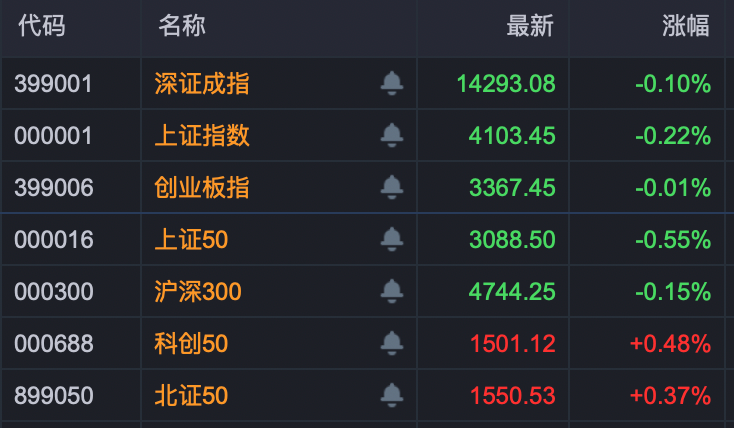
Market Overview - The A-share market opened higher but turned lower, with major indices such as the Shanghai Composite Index and Shenzhen Component Index showing declines of -0.22% and -0.10% respectively [1][2] - The overall market saw more stocks declining than rising, with stable trading volume [1] Sector Performance - The power equipment, consumer electronics, motor manufacturing, and chip sectors showed strong performance, while sectors like industrial internet, artificial intelligence, aerospace equipment, and film and television experienced declines [1] Power Equipment Sector - The power equipment industry saw a significant surge, with the sector index rising over 6% at one point, reaching a historical high [4] - Companies like Bofei Electric and Hancable achieved rapid price increases, with multiple stocks hitting their daily limit or rising over 10% [4][6] - The State Grid announced a fixed asset investment of 4 trillion yuan for the "14th Five-Year Plan" period, a 40% increase from the previous plan, focusing on technological innovation and new power system construction [8] Consumer Electronics Sector - The consumer electronics sector opened strong, with the index rising over 3% at one point, and companies like Kosen Technology and Kechuan Technology hitting historical highs [10][12] - A price increase trend is observed in the electronics industry, driven by AI-related demand and supply shortages in storage chips and graphics cards [13] - The revenue and net profit of the consumer electronics index are projected to grow by 32.71% and 44.82% respectively in 2026, indicating a recovery in the market [14]
存储芯片需求火爆,巨头新产能提前投产,科创半导体ETF大幅上涨
Sou Hu Cai Jing· 2026-01-16 04:20
Core Viewpoint - The semiconductor industry is experiencing a structural boom driven by the explosive demand for AI storage chips, leading to significant price increases and shifts in production capacity among major players [4][5][6]. Group 1: Market Trends - The Shanghai Stock Exchange's Sci-Tech Innovation Board semiconductor materials and equipment index rose by 4.66%, with notable gains from stocks like Tianyue Advanced (+16.54%) and Linweina (+9.18%) [2]. - The Sci-Tech Semiconductor ETF (588170) has seen a 4.44% increase, marking a three-day consecutive rise [2]. Group 2: Demand and Supply Dynamics - SK Hynix is accelerating the production timeline of its new factory in Yongin by three months to address the shortage of AI storage chips, with another factory in Cheongju set to begin operations in February [4]. - The price of HBM (High Bandwidth Memory) surged by 300% in Q4 of last year, prompting customers to secure long-term contracts [4][5]. - The demand for DRAM memory has skyrocketed, with prices for DDR5 server memory exceeding 40,000 yuan for a single 256GB module, and a projected price increase of 60% to 70% for server DRAM in Q1 compared to Q4 of the previous year [5][6]. Group 3: Competitive Landscape - Major tech companies like Google, Microsoft, and Amazon are aggressively purchasing memory chips to support their AI initiatives, leading to a competitive "arms race" in AI capabilities [6]. - The shift in production focus from standard memory to HBM has resulted in a significant drop in the availability of conventional memory, creating a vacuum in the market that Chinese storage companies may fill [7]. Group 4: Investment Insights - Analysts predict that the semiconductor industry is entering a new cycle driven by AI demand and technological upgrades, with supply-demand mismatches leading to sustained price increases for storage products [8]. - The anticipated price increases for DRAM and NAND Flash products in Q1 2026 are projected to be 55-60% and 33-38% respectively, as major manufacturers shift capacity towards high-end chips [8].
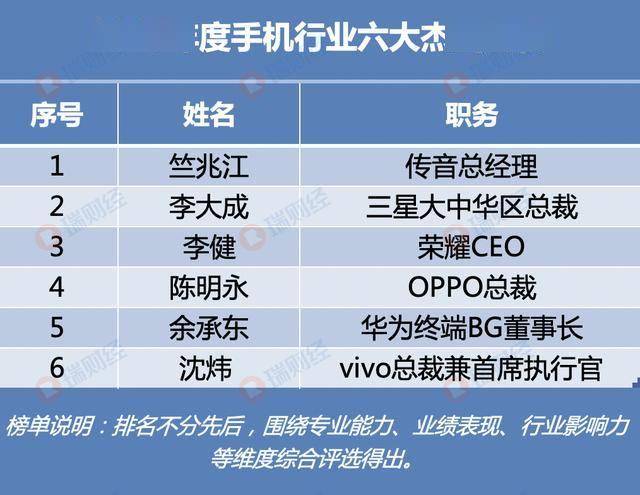
荣耀CEO李健入选“2025年度手机行业六大杰出人物”
Sou Hu Cai Jing· 2026-01-16 04:16
"2025年度手机行业六大杰出人物"榜单围绕专业能力、业绩表现、行业影响力等维度综合评选得出。 李健,1973年生,毕业于西安电子科技大学通信工程学院信息工程专业,现任荣耀终端股份有限公司 CEO。2001年加入华为,历任尼日利亚代表处代表、西非地区部总裁、东北欧地区部总裁、人力资源委 员会成员、美洲片区总裁、欧洲片区总裁等职。2017年起进入华为监事会,担任干部管理团队成员、 ICT基础设施业务管理委员会成员。2021年加入新荣耀,任董事、副董事长、人力资源部总裁等职。 2025年1月17日接任荣耀CEO。 2025年,李健带领荣耀实现海外销量首次破50%,全面启动阿尔法战略。 | 序号 | 姓名 | 职务 | | --- | --- | --- | | T | 竺兆江 | 传音总经理 | | 2 .. 019 | 15 李大成 | 三星大中华区总裁 | | 3 | 李健 | 荣耀CEO | | 4 | 陈明永 | OPPO总裁 | | 5 | 余承矢 | 华为终端BG董事长 | | 6 % | 沈炜 | vivo总裁兼首席执行官 | | | 榜单说明:排名不分先后,围绕专业能力、业绩表现、行业影响力 | ...