宇树科技

Search documents
研讨会会场成行业交流平台|北京青年消费与经济提振研讨会
Sou Hu Cai Jing· 2026-01-21 13:42
中国政法大学民法研究所副所长席志国进行分享 1月16日,由北京青年报新媒体有限公司主办的北京青年消费潮流与经济提振共生发展研讨会成功举办。 现场座无虚席,各位嘉宾的分享干货满满。 北京市统计局贸经处处长杨旭在发言 特斯拉区域销售总经理马力在发言 北京何所有公司总经理徐晶做分享 文/北京青年报记者 宋霞 摄影/北京青年报记者 李娜 清华大学人工智能国际治理研究院战略与宏观项目主任刘典致辞 宇树科技副总经理陈永刚发言 ...



人形机器人利好,工信部加码支持!融资资金显著加仓18只概念股
Zheng Quan Shi Bao· 2026-01-21 11:00
Group 1 - The Chinese humanoid robot industry is accelerating its development, with the Ministry of Industry and Information Technology (MIIT) emphasizing ongoing support for technological innovation and ecosystem enhancement [2][3] - By 2025, the number of domestic humanoid robot manufacturers is expected to exceed 140, with over 330 humanoid robot products launched [2] - China is projected to lead the global market in humanoid robot shipments by 2025, with an estimated 5,168 units shipped, capturing 39% of the global market share [3] Group 2 - The number of patents related to humanoid robots in China has surpassed 2,000, with 1,620 applications filed since 2021, marking a 30.7% year-on-year increase in 2025 [3] - The humanoid robot sector is anticipated to unlock a trillion-yuan market across various applications, including industrial, medical, commercial, and domestic settings [4] - Companies like Ningde Times and Northern Rare Earth are significantly investing in humanoid robotics, with Ningde Times establishing a self-research team focused on robotic arms and AGVs [5] Group 3 - Shenghong Technology expects a net profit growth of 260.35% to 295% in 2025, having established partnerships with leading companies in the humanoid robot sector [6] - Jinli Permanent Magnet anticipates a net profit increase of 127% to 161% in 2025, with products for humanoid robots already in small-scale delivery [6]




狂降至1元,机器人界“滴滴”把价格打下来了
3 6 Ke· 2026-01-21 10:50
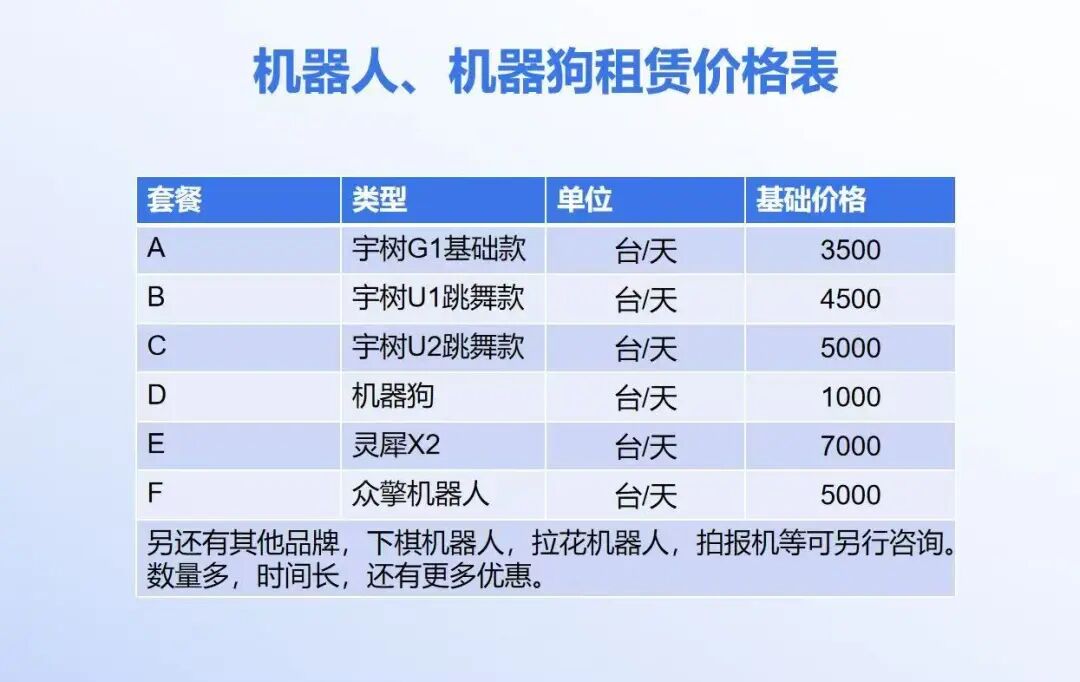
Core Insights - The launch of the "Qingtian Rent" platform by Zhiyuan Robotics and Feikuo Technology has significantly reduced the rental prices of humanoid robots, making them accessible to small and medium enterprises as well as individual consumers [1][3][6] - The humanoid robot rental market is projected to exceed 10 billion yuan in 2025 and reach at least 100 billion yuan in 2026, driven by platformization and shared leasing models [1][7][10] Market Dynamics - The initial surge in demand for humanoid robots was fueled by high-profile performances, leading to rental prices soaring to 15,000-20,000 yuan per day in major cities [1][2] - A rapid influx of small and medium businesses entered the market, with approximately 229,000 new robot-related companies registered in 2025, many of which aimed to capitalize on the lucrative rental business [2][11] - However, the market experienced a sharp decline in demand shortly after, with rental prices dropping significantly as supply increased and consumer interest waned [2][3] Pricing and Competition - The introduction of the "Qingtian Rent" platform has initiated a price war in the robot rental industry, with daily rental prices for basic models like the Yushu G1 dropping to around 3,500 yuan, nearing cost levels for many small operators [3][4][6] - The competitive landscape has shifted from a focus on the robots themselves to a broader value proposition that includes cost, service, and application scenarios [14][20] Business Model and Future Outlook - The "Qingtian Rent" platform aims to optimize the utilization of humanoid robots through shared leasing and platform-based scheduling, enhancing efficiency and reducing idle time [8][21] - For established players like Zhiyuan, the rental business serves as a stepping stone to solidify market presence and gather user data for product improvement [10][11] - Despite the potential for growth, small operators face challenges in sustaining profitability, as the novelty of humanoid robots often leads to short-term rentals rather than long-term contracts [11][13] Industry Challenges - The rapid expansion of platform-based rental models raises concerns about operational sustainability, as reliance on subsidies and human resources may impact service quality and customer retention [22]
一场5亿豪赌:宇树们为何非上春晚不可?
36氪· 2026-01-21 10:01
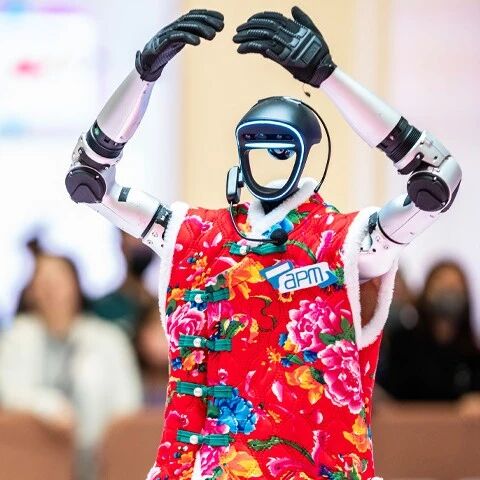
以下文章来源于字母PRO ,作者薛亚萍 字母PRO . 了解互联网巨头们的一切。 IPO还是活下去, 具身智能行业迎来两极分化的2026。 文 | 薛亚萍 编辑 | 王靖 来源| 字母PRO(ID:molibang168) 封面来源 | 视觉中国 有业内人士感叹,1亿元的合作,还是非独家,太疯了。 要知道,当年阿里击败微信拿下2016年春晚独家互动合作伙伴时,赞助费是2.69亿元。 但若回看宇树在2025年春晚后的发展轨迹,便不难理解这场看似疯狂的投入。 2025年,宇树不仅凭借春晚舞台破圈,更踩准行业节奏,完成多次融资与上市辅导,成为这个行业最接近上市的明星企业。 从"一家独舞"到"多家共演",这本身也是具身智能在2025年的真实写照,更是中国具身智能产业以整体力量崛起的缩影。 据开源证券统计,截至2025年10月,具身智能领域融资总金额较2024年全年增长超400%。 不过,花团锦簇之下,泡沫也随之滋生。真正跑出来的企业屈指可数,更多公司还在生死线上挣扎,盈利模式模糊,依赖一轮轮融资续命,唯恐因为融不 到钱而资金断裂。 如果说2025年的春晚是宇树科技的一家独秀,那么2026年春晚,可能成为整个具身智能行 ...
成绩单里的创新“马力”(每周经济评论)
Ren Min Ri Bao· 2026-01-21 08:02
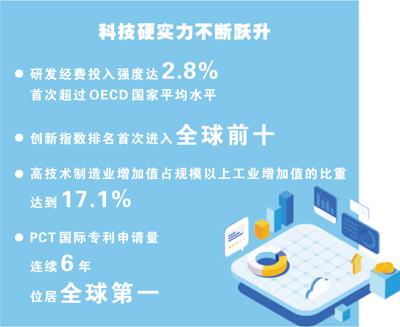
1月19日,中国经济2025经济成绩单正式发布: 经济总量跃上140万亿元新台阶,同比增长5.0%;研发经费投入强度达2.8%,首次超过经济合作与发展 组织(OECD)国家平均水平;创新指数排名首次进入全球前十;低空经济"振翅高飞",具身智能"敏 思巧行",高技术制造业增加值占规模以上工业增加值的比重达到17.1%……中国经济充分彰显"顶压前 行"的韧性、展现"向新向优"的活力,圆满实现预期目标。 走过"十四五"收官之年,步入"十五五"开局之年,"向新向优"的势头仍在经济肌体延续—— 贴……每当市场给出信号,从设计、生产到营销的完整产业链便能迅速协同,创意与产能双向奔赴,让 需求快速转化为实实在在的消费。 看国内,"世界小商品之都"义乌,一只嘴巴缝反的马年玩偶走红全网。网络热潮快速转化为市场需求, 上演了一场别样的逆袭。 从科技展台到市场舞台,一虚一实"两匹马",清晰照见了中国创新发展的十足"马力"。 这股"马力",表现为一种"耐力",绵绵用力方有厚积薄发。 细观CES上的展品,可以发现,许多中国企业的机器人已非停留在原型的"概念机",而是可现场挑选、 试用并提货的交付产品。积跬步以至千里,曾经,宇树科技创始 ...
人形机器人板块迎政策催化,中证机器人指数盘中强势涨超2%
Xin Lang Cai Jing· 2026-01-21 06:12
Group 1 - The China Robot Index (H30590) has seen a strong increase of 1.66%, with component stocks such as Tianzhihang rising by 14.59%, Zhongkong Technology by 9.35%, and Yuntian Lifeng by 9.08% [1] - The Ministry of Industry and Information Technology (MIIT) is committed to promoting innovation and upgrading in humanoid robot technology, aiming to drive the development of the broader computing intelligence industry [1] - The latest data from the National Bureau of Statistics indicates a significant growth in China's robot industry, with core components and complete machines experiencing substantial increases in production: robot reducers up by 63.9%, industrial robots by 28.0%, and service robots by 16.1% [1] Group 2 - Galaxy Securities reports that with leading manufacturers like Zhiyuan and Yuzhu Technology advancing their IPO processes, the domestic humanoid robot industry chain will continue to gain momentum in 2026, accelerating the localization of core components [2] - Zheshang Securities forecasts that humanoid robots will create new demand for the reducer industry, estimating a market growth potential of approximately 90.8 billion yuan for humanoid robot reducers by 2030, with a compound annual growth rate of 173% from 2025 to 2030 [2] - Tianhong CSI Robot ETF closely tracks the China Robot Index, which includes 70 companies related to system solutions, digital workshops, automation equipment manufacturing, and other robot-related sectors, reflecting the overall performance of listed companies in the robot sector [2]
具身智能IPO抢滩潮:玖物智能风口红利与现金流隐忧同框
3 6 Ke· 2026-01-21 03:34
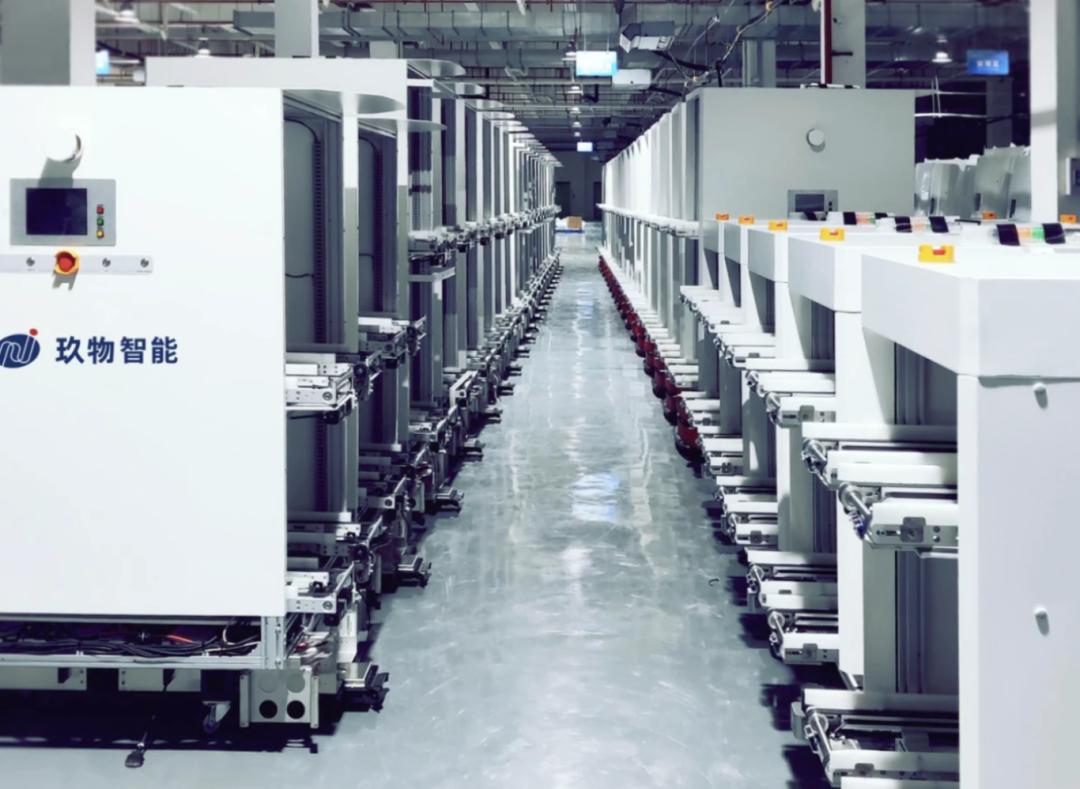
Core Insights - The IPO wave in the embodied intelligence sector has surged globally since 2025, with companies like Jizhijia and Yunjike already listed in Hong Kong, and Woan Robotics being recognized as the first AI embodied home robot stock, achieving a market value exceeding HKD 25 billion shortly after its listing [1] - Jiu Wu Intelligent Technology Co., Ltd. has submitted its IPO application to the Hong Kong Stock Exchange, aiming to capitalize on the growth in the embodied intelligence sector, despite facing potential challenges [1][2] Company Development - Jiu Wu Intelligent, founded in May 2017, has evolved from focusing on basic technology research in smart sensors and robotics to developing mobile robot solutions, supported by a strong founding team with extensive industry experience [2] - The company has accelerated its technology transformation since completing its angel round of financing in 2020, leading to the successful development and sales of its M-series laser radar sensors [4] Financial Performance - The market size for China's intelligent embodied industry robot solutions is projected to grow from RMB 12.5 billion in 2020 to RMB 28.7 billion by 2024, indicating a significant growth trajectory for Jiu Wu Intelligent [4] - Jiu Wu Intelligent's revenue increased by 76.81% from RMB 207 million in 2023 to an estimated RMB 366 million in 2024, with a further increase to RMB 410 million in the first three quarters of 2025, reflecting a growth of 71.83% year-on-year [4][5] - The net profit for 2024 reached RMB 32.6 million, a staggering increase of 257.37% from RMB 9.1 million in 2023, showcasing the company's improving profitability [4][5] Customer Base and Market Position - Jiu Wu Intelligent has established a diverse customer base, selling over 11,000 intelligent embodied industry robots to 156 clients across 16 industrial sectors, with a customer retention rate of 72.7% [5] - The company ranks second in the revenue share of intelligent embodied industry robot solutions in China, holding a market share of 5.9%, and is the leader in the clean energy technology sector [5] Challenges and Risks - Jiu Wu Intelligent faces significant challenges, including the pressure of rapid technological iteration and the need for continuous investment in R&D to maintain its competitive edge [9] - The company has a high customer concentration, with revenue from the top five customers accounting for 78.8% in 2023, which poses risks if major clients reduce orders [10] - The reliance on a limited number of suppliers also raises concerns about supply chain stability, as disruptions could impact production and product quality [12]
中金-人形机器人大时代27——灵巧手,人形机器人能力跃迁关键支点
中金· 2026-01-21 02:57
Investment Rating - The report does not explicitly state an investment rating for the industry. Core Insights - The dexterous hand is a critical subsystem in humanoid robots, determining their functional limits and commercialization speed. It integrates perception, control, and intelligent decision-making, and its engineering complexity may account for half of the overall development effort of the robot [3][18]. - The technology path for dexterous hands is still in a phase of parallel exploration, with various transmission methods being tested, including tendon structures, gears, and linkages, each with its own advantages and challenges [3][40]. - The market demand for dexterous hands is expected to grow as the humanoid robot industry accelerates, with projections indicating a market capacity of 760,100 units and a value of approximately 1.706 billion yuan in 2024, potentially reaching 1.4121 million units and over 3 billion USD by 2030 [21][22]. Summary by Sections Section 1: Dexterous Hand - Multi-Technology Pathways - The dexterous hand plays a strategic role in humanoid robots, transitioning from "walking" to "working" capabilities, and is a key differentiator in competition [3][15]. - The development of dexterous hands is characterized by increasing degrees of freedom and integration of soft materials and biomimetic structures [28]. Section 2: Drive System - Focus on Cost Reduction of Brushless DC Motors - The drive system is considered the "muscle" of humanoid robots, primarily utilizing electric motor drives, including brushless DC motors, hollow cup motors, and frameless torque motors [60][67]. - Brushless DC motors are highlighted for their efficiency, longevity, and low maintenance, making them suitable for high-power and high-load applications [70]. Section 3: Transmission System - Ongoing Technical Iteration - Various transmission methods are being explored, including tendon, linkage, gear, and chain systems, each presenting unique advantages and challenges [43][44]. - The tendon transmission method is noted for its lightweight and flexibility, while gear transmission is recognized for its compactness and mechanical efficiency [44]. Section 4: Perception System - Accelerating Multi-Modal Fusion - The perception system is crucial for real-time monitoring of the dexterous hand's position, force, and tactile feedback, with an increasing number of tactile sensors being integrated [37][46]. - The current trend is towards flexible, cost-effective electronic skin technologies that enhance the dexterous hand's operational precision and stability [46]. Section 5: Market Dynamics - Diverse Stakeholder Engagement - The market for dexterous hands is characterized by a variety of manufacturers, with third-party suppliers and robot manufacturers coexisting, each bringing unique strengths to the market [55]. - The report indicates that the Linker Hand series by Lingxin has captured over 80% of the high-degree-of-freedom dexterous hand market, with monthly orders exceeding 1,000 units [55].
未知机构:①近1个月来化工行业迎来一场全球性涨价潮巴斯夫陶氏亨斯迈等-20260121
未知机构· 2026-01-21 02:00
Summary of Key Points from Conference Call Records Industry Overview - The chemical industry has experienced a "global price surge" in the past month, with major companies like BASF, Dow, and Huntsman implementing price increases across Europe, Asia, and the Middle East [1][1][1] - Significant price increases have been noted for certain chemical products, with propylene oxide prices rising by 7.9% week-over-week [2][2][2] Companies Mentioned - Companies involved in the chemical sector include: - Xinxiang Chemical Fiber - Cangzhou Dahua - Weiyuan Co. - Shandong Heda - Hongbaoli - Hongbai New Materials - Red Wall Co. - Zhongyida - Zanyu Technology - China National Chemical - Jiangtian Chemical - Meibang Technology [2][2][2] Core Insights and Arguments - The recent price increases in the chemical market are attributed to a combination of supply chain pressures and increased demand for chemical products globally [1][1][1] - The government has introduced new policies to support urban renewal and stimulate the economy, which may further impact the demand for chemical products [2][2][2] Additional Important Information - The National Energy Administration reported that national electricity load has reached a historical winter high, exceeding 1.4 billion kilowatts for the first time, indicating strong energy demand [2][2][2] - The investment in new power systems is expected to grow significantly, with a projected 40% increase in investment during the 14th Five-Year Plan period [2][2][2] - The chemical industry is likely to benefit from these macroeconomic trends, as increased urban development and energy demands will drive further consumption of chemical products [1][1][1]



中国AI装进了麻省理工教授的电脑
阿尔法工场研究院· 2026-01-21 00:07
Group 1 - The 2026 World Economic Forum will take place in Davos, Switzerland, from January 19-23, with heightened security measures due to the attendance of global leaders, including U.S. President Trump and other G7 leaders [3][5][10] - The main topics of concern among attendees include Trump and geopolitical issues, reflecting a complex geopolitical backdrop that is unprecedented for the forum [9][10] - The Global Risks Report 2026 highlights that the most pressing risks for the next two years are "geoeconomic confrontation" and the potential for full-scale wars between nations [13] Group 2 - There is a growing acceptance of "division as the new normal," with technology emerging as a universal language, particularly in the context of AI and robotics, which are gaining attention at the forum [15][16] - Attendees from different regions exhibit varying concerns, with Europeans focused on trade deficits with China, while Americans show a pragmatic curiosity about China's advancements in technology, especially in electric vehicles and AI [19][20] - The presence of Chinese entrepreneurs in the U.S. innovation ecosystem is increasing, particularly in AI, showcasing a competitive advantage and a collective emergence in the field [20]