地缘经济对抗

Search documents
十六张图看2026年出口
Yin He Zheng Quan· 2026-02-01 12:00
Group 1: Export Growth and Economic Outlook - China's export growth is projected to be 5.4% in 2026, slightly down from 5.5% in 2025, driven by resilient export competitiveness and market diversification[1] - Global economic growth is forecasted to be between 2.6% and 3.3% in 2026, a slight decline from 2025, indicating a fragile recovery[2] - Leading indicators suggest that China's exports will remain strong in the first half of 2026, despite external demand uncertainties[2] Group 2: Global Trade Environment - The number of global trade restrictions has reached a historical high from 2020 to 2025, reversing decades of trade liberalization trends[2] - In 2026, while the intensity of the "tariff war" may ease, targeted restrictions are expected to proliferate, such as the EU's carbon border adjustment mechanism and the U.S. imposing a 25% tariff on specific semiconductors[2][10] - Global merchandise trade volume showed a monthly average growth rate of 4.4% as of November 2025, a significant rebound from 0.9% in 2023[2][16] Group 3: China's Supply Chain Dominance - China accounted for 14.6% of global exports and 28% of global manufacturing GDP in 2024, indicating its dominant position in the global supply chain[3][23] - From 2019 to 2024, China captured 28.9% of the new export markets in the fastest-growing sectors, significantly higher than its overall export share[4][25] - China's export competitiveness in high-tech products, such as semiconductors and industrial robots, has improved, with its share in global robot exports rising from 11.3% in 2017 to nearly parity with Germany by 2024[5][27] Group 4: Export Market Diversification - In 2025, China's export share to the U.S. decreased by 3.5 percentage points, while shares to ASEAN and the EU increased by 1.2 and 0.4 percentage points, respectively[5][30] - Direct investment in Belt and Road countries surged from 5.4% in 2024 to 18.4% in the first eleven months of 2025, enhancing China's international standards and technology influence[5][30] - Despite trade tensions, China's trade surplus with other economies has increased, indicating a stable position in global supply chains[5][31]
春节前的中国外贸工厂:“提早放假”“忙飞了”两极分化
Di Yi Cai Jing· 2026-01-27 12:50
Core Insights - The article highlights the challenges faced by foreign trade companies in China due to a shrinking order book and increased geopolitical risks, leading to a split in operational strategies where some factories are closing early for the holidays while others are working overtime to fulfill orders [1][2][3]. Group 1: Market Conditions - Many factories are experiencing a decline in orders, prompting some to close for the holidays earlier than usual, with reports indicating that some factories in Zhejiang and the Pearl River Delta are shutting down as early as the end of January [2][3]. - The Shanghai Export Container Freight Index fell by 7.4% as of January 23, indicating a continued decline in shipping rates due to geopolitical tensions and weak demand, with specific routes to Europe and the Americas also seeing significant drops in freight costs [4]. - The overall market demand is reported to be weaker compared to previous years, with some companies experiencing a polarized situation where some are closing early while others are working hard to meet demand [4]. Group 2: Company Strategies - Companies are increasingly focusing on expanding into emerging markets and enhancing their brand presence, with some reporting a 20% increase in orders compared to the previous year, driven by strategic shifts towards self-owned brands and international markets [5][6][7]. - A packaging materials company noted a 20% year-on-year increase in orders, primarily from overseas clients, leading to a delay in holiday closures to better serve these customers [7]. - The upcoming 2026 World Cup is expected to create a surge in orders, with companies preparing for increased demand in the lead-up to the event, despite overall market conditions being less favorable than previous major events [7][8]. Group 3: Trade Performance - In 2025, China's foreign trade is projected to grow by 3.8%, with exports increasing by 6.1% and imports by 0.5%, maintaining China's position as the world's largest goods trader [8][9]. - Trade with countries involved in the Belt and Road Initiative saw a 6.3% increase, accounting for 51.9% of total trade, while trade with the EU, ASEAN, and Latin America also showed positive growth [9]. - The export of high-tech and high-value-added products is strong, helping to offset declines in traditional labor-intensive sectors, indicating a shift in China's manufacturing capabilities towards higher value segments [9].
达沃斯风云:旧世界崩塌
投资界· 2026-01-27 08:05
Core Viewpoint - The article discusses the chaotic nature of the recent Davos World Economic Forum, highlighting the shift in focus from long-term risks like extreme weather and biodiversity loss to short-term geopolitical tensions, particularly regarding Greenland and U.S.-Europe relations [4][5]. Group 1: Geopolitical Tensions - The 2023 Davos Forum marked a significant shift in focus, with "geoeconomic confrontation" becoming the primary concern among world leaders, overshadowing previous long-term risks [5]. - The political dynamics surrounding Greenland have become a focal point, with contrasting lifestyles and political maneuvers creating a surreal backdrop for discussions [5][6]. - Tensions escalated as U.S. President Trump made conflicting statements regarding Greenland, initially threatening military action but later softening his stance, leading to confusion and unrest among European leaders [7][8]. Group 2: U.S. Interests in Greenland - The U.S. views Greenland as strategically important for military advantages, resource access, and geopolitical positioning, which could enhance its global standing [10]. - Greenland is rich in untapped resources, including oil, gas, and rare earth elements, which are crucial for U.S. manufacturing and technology sectors [10]. - Control over Greenland would significantly increase U.S. landmass and symbolize political power, positioning the U.S. as a dominant force in Arctic affairs [10]. Group 3: European Concerns - European leaders express concerns that U.S. control over Greenland would undermine their defense capabilities within NATO and diminish their influence in global governance [11]. - The potential loss of Greenland to the U.S. could set a precedent for disregarding national sovereignty, threatening the established post-war order in Europe [12]. - The current geopolitical climate has left Europe feeling vulnerable, with limited options to counter U.S. pressure without incurring significant costs [14]. Group 4: Economic Strategies - European nations are considering strategies to counter U.S. economic pressure, including the potential sale of U.S. dollar assets, which could destabilize markets [15][16]. - The EU has proposed tariffs on U.S. goods as a direct response to trade tensions, but such measures could also harm European economies [17][18]. - The article suggests that the ongoing geopolitical struggle may lead to a fragmentation of European unity, as countries navigate their responses to U.S. actions [14]. Group 5: China's Position - Amidst the turmoil, China has maintained a stance of promoting free trade and multilateralism, positioning itself as a stabilizing force in global discussions [19][20]. - The article highlights the growing interest in collaboration with China in sectors like AI and technology, contrasting with the aggressive posturing seen in U.S.-Europe relations [20].


美欧裂痕在演讲台暴露,全球期待于对话中浮现,达沃斯见证动荡世界的悲观与乐观
Huan Qiu Shi Bao· 2026-01-25 22:52
Group 1 - The World Economic Forum 2026 is taking place in Davos against a backdrop of complex geopolitical tensions, with participants seeking dialogue amid global disorder [1][2] - The "America First" policy is overshadowing global cooperation, with the U.S. attempting to dominate the agenda, sidelining issues like climate change in favor of energy security [2][5] - China's role is increasingly seen as a stabilizing force in a chaotic world, with its economic growth and commitment to cooperation being highlighted by various attendees [1][6][7] Group 2 - The forum has seen a notable shift in focus, with European leaders expressing a desire to unite against U.S. pressures, particularly regarding sovereignty issues like Greenland [2][3] - Discussions around China's economic stability and its contributions to global trade have gained prominence, with many recognizing its role in helping the world navigate economic challenges [6][7] - The ongoing geopolitical tensions are prompting a reevaluation of international alliances, with countries like Canada advocating for a collective response to U.S. hegemony [2][6]
用“对话的精神”面对未有之挑战
Xin Lang Cai Jing· 2026-01-25 21:22
Core Viewpoint - The World Economic Forum's 2026 Annual Meeting emphasizes the need for dialogue and cooperation in the face of global challenges, highlighting that unity is more crucial than ever in addressing issues like economic recovery and climate change [1][2]. Group 1: Theme and Context - The theme of this year's forum is "the spirit of dialogue," reflecting a shift from previous themes focused on cooperation and trust, indicating a clear internal logic advocating for communication and collaboration among nations [1]. - The lack of dialogue is identified as a primary issue leading to global chaos, particularly in the economic sector, where dialogue is essential for rebuilding cooperation [1][2]. Group 2: Risks and Challenges - The World Economic Forum's Global Risks Report for 2026 identifies geopolitical economic confrontation as the foremost risk, necessitating enhanced dialogue to stabilize expectations and restore investment confidence [1]. - The rising intensity of political confrontations and zero-sum games is highlighted, with the assertion that only dialogue can mitigate misunderstandings and systemic risks [2]. Group 3: Global Governance and Cooperation - The current global landscape, marked by crises such as the ongoing Ukraine conflict and threats to peace and security, underscores the growing governance deficit in areas like peace and development [2][3]. - The call for a return to dialogue and cooperation is framed as essential for building a community with a shared future, emphasizing the importance of multilateralism and shared values in addressing global challenges [3].
宏观周度述评系列:从达沃斯论坛看全球经济的关注焦点-20260125
GF SECURITIES· 2026-01-25 13:08
Global Economic Focus - The 2026 World Economic Forum highlighted geopolitical economic risks as the primary concern, with multilateralism declining and global trade facing severe disruptions[8] - Countries are increasingly seeking strategic autonomy in energy, food, and critical minerals, as emphasized by leaders like Canadian Prime Minister Carney[9] - Investment in key resources and industries is rising, with Canada planning $1 trillion in sectors like energy and AI, while Germany focuses on renewable energy and advanced manufacturing[10] Market Performance Insights - Global asset performance remains chaotic, with non-economic factors dominating market dynamics; gold and silver show strength while U.S. stocks underperform[13] - The S&P 500 fear and greed index rose to 50, indicating a shift in market sentiment despite ongoing volatility[14] - A-share market saw a mild increase of 1.81%, with significant sectoral divergence; nearly 80% of industries recorded gains, led by materials and energy[21] Inflation and Economic Indicators - January's actual and nominal GDP growth is projected at 4.86% and 4.35%, respectively, amid fluctuating production rates and improving PPI[13] - The CPI is under pressure from high base effects, but seasonal price increases in pork and oil are creating a counterbalance[13] Monetary and Fiscal Policies - The Federal Reserve's interest rate cut expectations have decreased, with a 14.9% probability of a 25 basis point cut by March[19] - China's fiscal policy is set to become more proactive in 2026, focusing on enhancing total volume and structural efficiency[13] Risk Factors - Potential risks include geopolitical tensions in the Middle East and unexpected pressures in the domestic real estate market[13]
【广发宏观团队】从达沃斯论坛看全球经济的关注焦点
郭磊宏观茶座· 2026-01-25 09:59
Group 1: Global Economic Focus from the Davos Forum - The primary risk for 2026 is geopolitical economic confrontation, with multilateralism declining and global trade facing severe disruptions [1][3] - Countries are emphasizing the need for greater strategic autonomy in energy, food, critical minerals, finance, and supply chains [4][5] - There is a push for trade diversification, with Canada forming new strategic partnerships and the EU advocating for fair trade agreements [6][7][8] Group 2: Investment in Key Resources and Industries - Governments are likely to increase investments in energy products and critical manufacturing to counter geopolitical risks [9][10] - Germany plans significant investments in renewable energy, AI, and modernized power generation [10] - France and Canada are also focusing on investments in critical innovation areas such as AI, quantum technology, and defense [12][11][13] Group 3: Defense and Security - EU countries need to enhance their defense capabilities to reduce military dependency [14] - Canada aims to double its defense spending by 2030 and participate in European defense procurement [15] Group 4: Global Asset Market Dynamics - Global stock markets are experiencing volatility due to policy uncertainties, with tech stocks showing significant internal differentiation [5] - The S&P 500 fear and greed index has slightly increased, indicating a mixed market sentiment [5] - Commodities like gold and silver are seeing price increases, driven by geopolitical tensions and currency fluctuations [6][7] Group 5: Domestic Economic Indicators - China's industrial production is stabilizing, with a projected GDP growth of 4.86% and 4.35% for real and nominal GDP respectively [18] - The construction sector is facing funding challenges, with a decrease in project funding rates [25][26] - The government is implementing policies to enhance fiscal coordination and stimulate domestic demand [34][35] Group 6: Real Estate and Urban Development - The Ministry of Housing has outlined policies for urban renewal and high-quality real estate development, focusing on community construction and public service facilities [28][29][30] - The emphasis is on improving existing housing and ensuring new developments meet quality standards [29][30] Group 7: Commodity Price Trends - The BPI index has shown an upward trend, with significant price increases in precious metals and some industrial commodities [31][32] - Agricultural prices are also experiencing seasonal increases, particularly in pork and vegetables [33]

出头鸟来了!德国突然宣布将反制美国关税,欧盟:反抗美国霸权!
Sou Hu Cai Jing· 2026-01-23 06:43
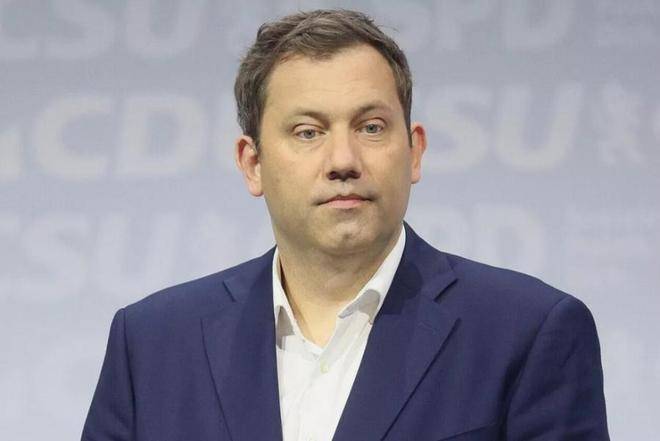
Group 1 - The core viewpoint of the article is that Europe is facing unprecedented challenges, particularly from the U.S. tariffs, prompting a shift from passive defense to direct confrontation, led by Germany [1][7] - Germany's Vice Chancellor and Finance Minister, Lars Klingbeil, stated that Germany is preparing countermeasures against U.S. tariff threats to protect European economic interests [1][3] - The proposed countermeasures include freezing the planned U.S.-EU tariff agreement, reinstating previously suspended tariffs, and considering legal tools to respond to economic coercion [3][9] Group 2 - The crisis surrounding Greenland has led to a strong reaction from the Greenland government, which firmly opposes any U.S. takeover [9] - The EU plans to impose retaliatory tariffs on U.S. goods worth approximately €93 billion, and may activate a previously unused coercive tool that could restrict U.S. companies' access to the EU market [9][18] - Market reactions have been significant, with gold prices surging and U.S. stock indices experiencing sharp declines, indicating heightened investor risk aversion [11][20] Group 3 - The geopolitical landscape is shifting, with the U.S. financial market under pressure as countries like China reduce their holdings of U.S. debt, reflecting a broader loss of confidence in U.S. assets [13] - The transatlantic alliance is facing a crisis, with the U.S. threatening to intervene in European affairs, undermining the foundational pillars of security, trade relations, and shared values [15][17] - The situation is prompting a reevaluation of global financial and trade orders, with significant implications for international relations and market dynamics [18][22]
“礼崩乐坏”的达沃斯
吴晓波频道· 2026-01-23 00:30
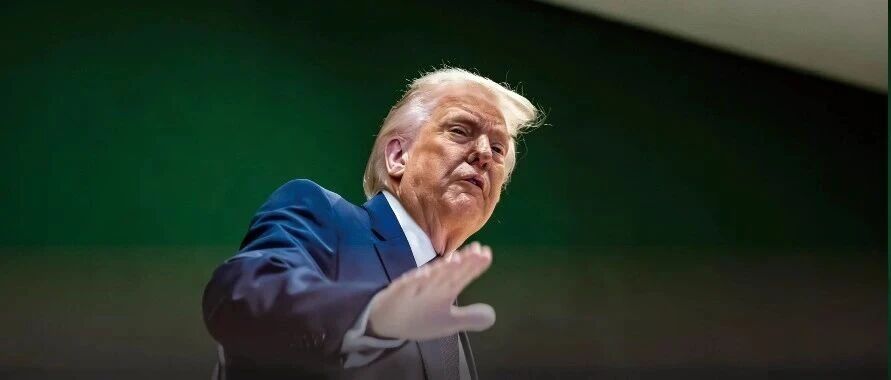
Core Viewpoint - The article discusses the chaotic nature of the recent Davos World Economic Forum, highlighting the shift in focus from traditional risks like extreme weather to geopolitical economic confrontations, particularly regarding Greenland and U.S.-Europe relations [3][4][12]. Group 1: Geopolitical Tensions - The 2020 Davos Forum was marked by heightened tensions, with leaders from Europe and the U.S. engaging in confrontational dialogue, reflecting a breakdown of traditional diplomatic decorum [4][12]. - U.S. President Trump's fluctuating stance on Greenland, from aggressive claims to a more conciliatory tone, created confusion and further strained U.S.-European relations [9][12][23]. Group 2: Greenland's Strategic Importance - Greenland is viewed as a critical geopolitical asset for the U.S., offering military advantages, rich natural resources, and potential for technological development, which could significantly enhance U.S. global standing [16][18]. - The control of Greenland by the U.S. would undermine European defense capabilities and diminish their influence in Arctic governance, as it is a key node in the North Atlantic defense chain [19][20]. Group 3: European Response and Strategy - European leaders expressed concerns over U.S. dominance and the potential loss of sovereignty, emphasizing the need for unity and a strong response to U.S. pressures [12][24]. - The article outlines two main strategies available to Europe: selling off U.S. dollar assets and implementing trade countermeasures, both of which carry significant risks and potential economic fallout [25][28]. Group 4: Emerging Powers and New Rules - The article suggests that as the old world order collapses, new powers based on independence and pragmatic cooperation will gain more influence in defining global rules [3][36]. - China's approach at the forum, advocating for free trade and multilateralism, contrasts sharply with the confrontational tactics of the U.S., indicating a potential shift in global power dynamics [32][35].
“最复杂”之年 中国呼吁善用对话解决问题
Zhong Guo Qing Nian Bao· 2026-01-22 22:58
Group 1 - The World Economic Forum 2026 annual meeting emphasizes the theme of "the spirit of dialogue" amidst complex geopolitical challenges and economic uncertainties [3][4] - The meeting gathered nearly 3,000 representatives from over 130 countries, including 400 high-level political leaders, marking a historical high in attendance [3][4] - The agenda focuses on five urgent global challenges: cooperation in a competitive world, releasing new growth drivers, investing in people, responsibly promoting innovation, and maintaining ecological limits while achieving prosperity [6] Group 2 - China's economy has achieved an average annual growth rate of approximately 5.4% over the past five years, contributing about 30% to global economic growth [9] - China is recognized as the world's largest renewable energy system and has the most complete new energy industry chain, showcasing its significant role in global economic stability [9] - The participation of China in the forum is expected to enhance the quality of discussions and contribute to constructive solutions for global challenges [9][10] Group 3 - The current geopolitical landscape is characterized by increasing fragmentation and rapid technological changes, necessitating a fair platform for diverse voices [3][4] - The World Economic Forum's 2026 Global Risk Report identifies geopolitical economic confrontation as the primary global risk, with economic risks rising sharply in the short term [3][4] - The need for collaboration is emphasized, as no single country can address the interconnected challenges of innovation, climate change, and economic growth alone [6][8] Group 4 - The dialogue between China and the U.S. is highlighted as crucial for global technological innovation and green transformation, with both countries being essential players in resolving international disputes [11] - The forum aims to foster a spirit of dialogue to counter unilateral actions and protectionist policies from certain countries, particularly the U.S. [4][10] - The call for a unified framework for sustainability and carbon footprint accounting in the solar energy sector is made to avoid green trade barriers [8]