华熙生物

Search documents
研判2025!中国微整形行业发展背景、产业链、市场规模、竞争格局及发展趋势分析:在颜值经济的驱动下,微整形市场规模达到1225.2亿元[图]
Chan Ye Xin Xi Wang· 2025-07-22 01:21
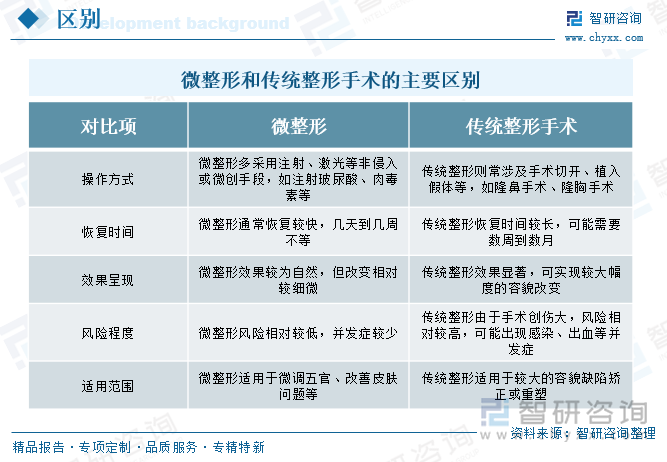
Core Viewpoint - The micro-plastic surgery industry is rapidly expanding globally, particularly in China, driven by advancements in medical technology and a growing societal emphasis on beauty, leading to a shift from luxury consumption to mass demand. The market size in China is projected to reach 122.52 billion yuan in 2024, reflecting a year-on-year increase of 13.5% [1][14]. Industry Overview - Micro-plastic surgery refers to minimally invasive procedures aimed at enhancing specific facial features, typically involving local anesthesia and resulting in minimal recovery time. It is characterized by lower risks compared to traditional surgeries, although it may require multiple sessions within a year for sustained effects [3][5]. - The industry includes various procedures, primarily categorized into injection and light-based treatments, with common injection materials being botulinum toxin, hyaluronic acid, and collagen [6][10]. Market Dynamics - The average disposable income and consumer spending in China have been steadily increasing, with disposable income rising from 32,189 yuan in 2020 to 41,314 yuan in 2024. This growth enhances consumer spending capacity on non-essential items, including micro-plastic surgery [8]. - The consumer demographic is primarily aged 18-35, viewing micro-plastic surgery as an advanced skincare option. Additionally, there is a notable increase in interest from the 55+ age group, with their share of new customers rising from 5% to 19% between 2019 and 2024 [16]. Competitive Landscape - The micro-plastic surgery market is becoming increasingly diversified, with numerous domestic and international companies entering the space. Major players include Langzi Co., Modern Health Technology, Shanghai Haohai Biotechnology, Huaxi Biotechnology, and Aimeike Technology [18][19]. Industry Trends - The emergence of regenerative materials is identified as a new growth point, with the market for such materials expected to exceed 5.5 billion yuan in 2024, marking a year-on-year increase of 89%. This shift indicates a transition from traditional fillers to materials that stimulate the body's collagen production [23]. - There is a growing trend of male consumers in the micro-plastic surgery market, particularly among younger males born after 1995, indicating a significant shift in societal perceptions and expanding market potential [24]. Regulatory Environment - The industry faces challenges related to pricing transparency and service quality. The National Healthcare Security Administration is implementing guidelines to standardize pricing and improve market conditions, aiming for a more regulated and transparent environment [25].




资本热浪再袭?近30家美妆企业打响“第一股”争夺战
FBeauty未来迹· 2025-07-21 09:45
Core Viewpoint - The beauty industry is experiencing a renewed wave of IPOs, with 28 companies initiating the process in 2025, contrasting sharply with the previous years of "IPO difficulties" [2][12]. Group 1: IPO Trends - In 2025, beauty brands are the main players in this IPO wave, with 8 brands, including Gu Yu and Lin Qingxuan, attempting to go public, although only Puhua Biological has successfully listed so far [4][6]. - Gu Yu signed an agreement with CITIC Securities in March to start its A-share IPO process, aiming to establish itself as a leading player in the market [5]. - Lin Qingxuan submitted its prospectus to the Hong Kong Stock Exchange in May, targeting the high-end skincare segment [7]. Group 2: Financial Performance - Gu Yu's projected revenue for 2024 is approximately 4 billion yuan, with a year-on-year growth exceeding 40% [5]. - Lin Qingxuan's revenue increased from 691.15 million yuan in 2022 to 1.21 billion yuan in 2024, with a compound annual growth rate of about 32% [8][9]. - Lin Qingxuan's gross profit margin has shown a steady increase, reaching 82.5% in 2024 [8]. Group 3: Market Dynamics - The beauty market is entering a phase of stock competition, necessitating fresh capital influx to sustain growth [14]. - The threshold for entering the top ten domestic beauty brands has risen significantly, with the revenue requirement increasing from 1.55 billion yuan in 2021 to 2.97 billion yuan in 2024 [14][15]. - The successful IPOs of companies like Gu Yu and Mao Geping are expected to inject new vitality into the industry [16]. Group 4: Policy Environment - Recent policy changes indicate a loosening of IPO regulations, with the China Securities Regulatory Commission signaling a return to normalcy in the IPO market [12][13]. - The introduction of supportive policies for quality consumer companies is expected to enhance the IPO landscape for the beauty sector [13][20]. Group 5: Future Outlook - The current wave of IPOs is seen as a critical turning point for the beauty industry, with the potential to reshape the competitive landscape [22]. - The emergence of "first stocks" in various segments of the beauty market presents significant opportunities for innovation and growth [17][18]. - The attractiveness of the Hong Kong Stock Exchange for beauty companies is likely to continue, given its relatively lower regulatory requirements compared to A-shares [19][20].
推动生物领域产学研精准对接,山东产研院举办技术-产业对接会
Qi Lu Wan Bao· 2025-07-21 08:39
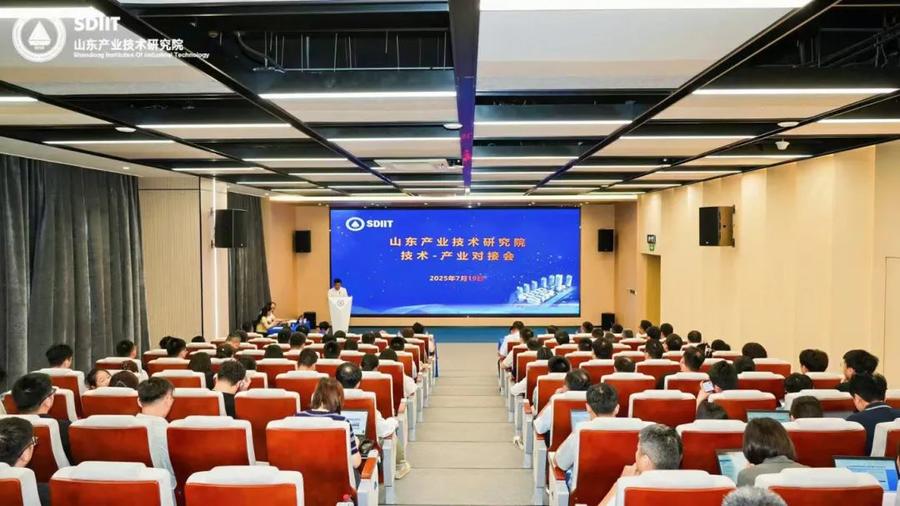
会议共邀请来自加拿大西安大略大学、香港中文大学、香港理工大学、北京理工大学、山东大学、天津大学、吉林大学、大连 理工大学、山东科技大学、齐鲁工业大学(山东省科学院)等十余所高校,华熙生物、德升生物、芃生科技、风奇科技、山东 发展科创投资、福瑞达生物、海智创新研究会、瑾厚资本、玖悦资本、融动力私募基金公司等十余家企业的近百人参会,作为 第二届BMEMat-Advanced Materials联合会议暨生物医学工程国际会议的议程之一,搭建了一个高效的沟通与转化平台,有效弥 合了实验室前沿技术成果与市场需求及产业化落地之间的鸿沟。 本次技术-产业对接会在生物医药及生物材料等领域针对10余个项目进行了深度对接,通过项目路演、专家研讨、企业洽谈等环 节,精准匹配技术需求与产业资源,与多家企业及科研机构建立了初步合作意向。下一步,山东产研院将持续跟进合作进程, 主动协调各方资源,积极推动企业与科研机构达成合作,推动优质项目落地济南,助力区域生物医药与生物材料产业形成创新 集群效应,加速科研成果向现实生产力转化。 山东大学教授刘宏,济南高新区东区产业发展中心党委委员、副主任王兹东,山东产研院创新发展部部长、产研投执行董事王 ...
链博会上的健康革命:跨国巨头押注中国,本土创新外溢全球
Hua Xia Shi Bao· 2025-07-21 08:00
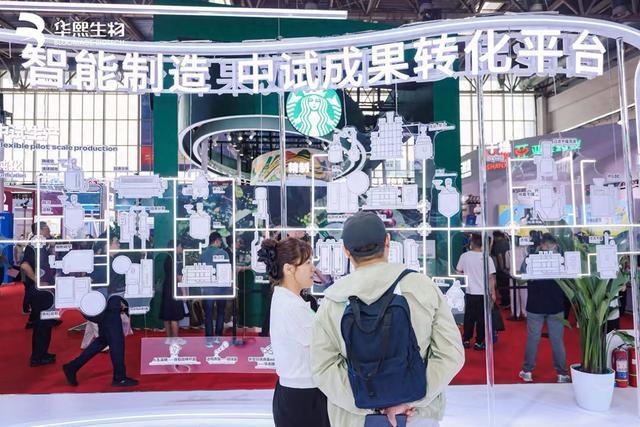
Core Viewpoint - The third China International Supply Chain Promotion Expo showcased a "Healthy Life Chain" that highlights the integration of research, manufacturing, and services in the global healthcare industry, particularly in relation to the Chinese market [1][2]. Group 1: Localization and Ecosystem Development - The expo featured a "Healthy Life Chain" section with major companies like Sanofi, AstraZeneca, Medtronic, and others, emphasizing the shift from "capacity landing" to "ecosystem co-construction" [2]. - Medtronic has been operating in China for 36 years, introducing over 700 innovative products and developing a close-knit ecosystem with nearly 7,000 supply chain partners [2][3]. - Medtronic's Lantern cardiac pacing catheter, developed in collaboration with Chinese clinicians, is the first cardiac pacing product manufactured in China for global service [3]. Group 2: Investment and Production Capacity - Sanofi plans to invest €1 billion in a new production base in Beijing, focusing on end-to-end localization of insulin products to meet the growing demand from diabetes patients in China [3][4]. - Sanofi's flu vaccine production process is fully localized, ensuring traceability and safety through comprehensive quality management [4]. Group 3: Sustainability and Innovation - The healthcare industry accounts for approximately 5% of global carbon emissions, making climate change a critical issue for transformation [6]. - AstraZeneca has reduced its carbon emissions in China by about 80% over the past five years through systematic advancements in green R&D, production, and supply chain [6]. - AstraZeneca is also leading a multi-party renewable energy procurement plan in China, aiming for an annual carbon reduction of 250,000 tons and significantly lowering green electricity costs [6]. Group 4: Advancements in Biomanufacturing - Huaxi Bio's participation in the expo reflects its evolution towards a focus on autonomous, sustainable biomanufacturing supply chains, showcasing a model for the synthetic biology industry [7]. - The Tianjin pilot platform, with an investment exceeding 1 billion yuan, aims to enhance fermentation success rates by 40% through AI technology [7]. - Huaxi Bio's pilot results have achieved "zero defects" in raw materials passing FDA audits, marking a significant milestone for Chinese manufacturing in global pharmaceutical quality standards [7].
【行业深度】洞察2025:中国医美注射材料行业竞争格局及市场份额(附市场集中度、企业竞争力等)
Qian Zhan Wang· 2025-07-21 05:47
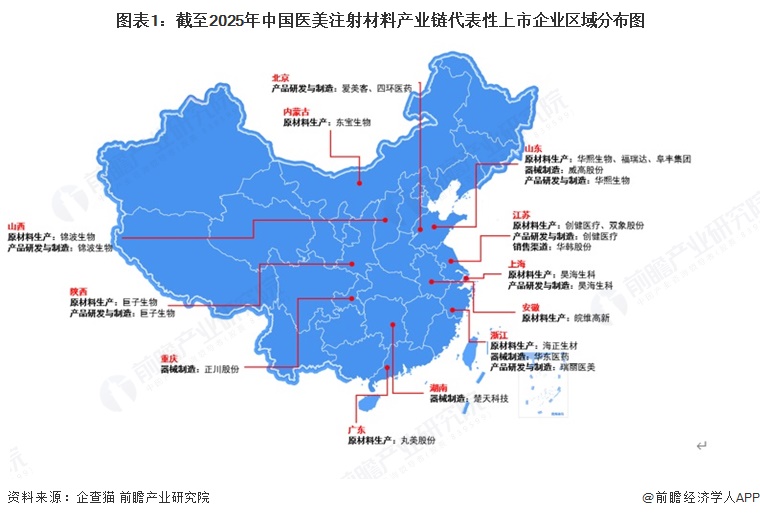
Group 1 - The core viewpoint of the article highlights the competitive landscape of the Chinese medical beauty injection materials industry, focusing on regional distribution, market competition, and domestic substitution [1][2][5][6][8]. Group 2 - In terms of regional competition, Shandong Province has the highest number of enterprises in the medical beauty injection materials industry, including raw material producers like Huaxi Biological and equipment manufacturers like Weigao [1]. - The main competitors in the medical beauty injection materials market include Huaxi Biological, Aimeike, and Haohai Biological for hyaluronic acid products, while Jinbo Biological and Juzhi Biological lead in collagen products [2]. - The market structure for medical beauty injection materials in 2024 shows that hyaluronic acid accounts for approximately 36% and botulinum toxin for about 29% of the market [5]. Group 3 - As of May 2025, the number of domestic approvals for hyaluronic acid is comparable to imports, while domestic approvals for regenerative materials exceed imports; however, domestic approvals for botulinum toxin and collagen are lower than imports [6]. - The competition in the industry is intense, with hyaluronic acid and botulinum toxin dominating the market; foreign companies hold an advantage in the high-end market, while domestic companies like Huaxi Biological and Aimeike lead in the mid-to-low-end market through cost-effectiveness and technological innovation [8]. - The threat of substitutes is significant, with non-surgical options like phototherapy and topical skincare products capturing part of the market demand [8].
化妆品医美行业周报:模式创新推动轻医美逆势增长,建议关注新氧-20250720
Shenwan Hongyuan Securities· 2025-07-20 13:43
Investment Rating - The report maintains a "Positive" outlook on the cosmetics and medical beauty industry, highlighting innovative business models driving growth in the light medical beauty sector, particularly recommending attention to the company "Xinyang" [2][9]. Core Insights - The cosmetics and medical beauty sector has underperformed the market recently, with the Shenwan Beauty Care Index declining by 0.1% from July 11 to July 18, 2025, while the Shenwan Cosmetics Index fell by 0.9%, underperforming the Shenwan A Index by 2.3 percentage points [3][4]. - Innovative business models are driving growth in light medical beauty, contrasting with traditional medical beauty institutions facing stagnation due to high costs and weak consumer demand. Xinyang's high cost-performance ratio, chain operations, and app-based customer conversion model are seen as new growth drivers for the sector [9][10]. - The report emphasizes the importance of supply-side innovations in stimulating consumer demand and driving industry recovery, despite short-term macroeconomic challenges [9]. Summary by Sections Industry Performance - The cosmetics and medical beauty sector has shown weak performance compared to the market, with specific indices reflecting declines during the reporting period [3][4]. - The top-performing stocks in the sector included Zhongshun Jierou (+10.8%) and Juzibio (+6.1%), while the worst performers were Shangmei Shares (-11.1%) and Baiya Shares (-4.3%) [5]. Key Company Insights - Linqingxuan, a high-end domestic skincare brand, has seen revenue growth from 690 million yuan in 2022 to 1.21 billion yuan in 2024, with net profit turning from a loss of 6 million yuan to a profit of 187 million yuan [10][15]. - The company has established a strong product matrix and supply chain advantages, with production capacity reaching 40 million units annually [16][17]. - The report also highlights the growth of the "Plant Doctor" brand, which has achieved a net profit CAGR of 24% from 2022 to 2024, supported by a robust channel network and operational efficiencies [10][12]. Market Trends - The report notes a shift in the cosmetics market from quantity to quality, with a significant increase in e-commerce sales, which accounted for 47% of total cosmetics sales in 2024, up from 22% in 2016 [11]. - The domestic market is witnessing a rise in local brands, with a notable increase in market share for domestic products, reflecting changing consumer preferences and the impact of the "national tide" [11][28]. Financial Performance - The report indicates that the overall retail sales of cosmetics in China reached 229.1 billion yuan in the first half of 2025, with a year-on-year growth of 2.9%, although June saw a decline of 2.3% due to promotional timing [21][24]. - The performance of major companies like Meili Tianyuan is highlighted, with projected revenue of at least 1.45 billion yuan for the first half of 2025, representing a growth of at least 27% [24].


【2025链博会】华熙生物赵燕:让生物制造中国方案“链动”全球
Huan Qiu Wang· 2025-07-20 06:57
Core Insights - The company emphasizes the significance of participating in the Supply Chain Expo for three consecutive years, showcasing its strength in the entire industry chain and its commitment to sustainable and controllable biomanufacturing supply chains [1][2] - The transition from an industrial chain to an ecological chain is marked by overcoming technical barriers, upgrading industry standards, and addressing global supply chain fluctuations [2][5] - The company has established the world's largest synthetic biology pilot transformation platform in Tianjin, investing over 1 billion yuan to assist upstream and downstream enterprises in overcoming the challenges of transitioning from laboratory to industrialization [2][6] Industry Developments - The company is actively involved in the formulation of industry standards, having led or participated in the establishment of six national industry standards related to hyaluronic acid, thereby enhancing its authority in the global market [5][6] - The integration of artificial intelligence with life sciences is identified as a significant trend, enhancing research efficiency and accelerating the commercialization of scientific achievements [5][6] - The company has formed a strategic partnership with a leading domestic intelligent robotics company to deepen its smart manufacturing layout, improving production efficiency and product quality through advanced robotics and intelligent systems [5][6] Future Outlook - The Chinese biomanufacturing industry is at an early development stage, presenting a unique opportunity for companies to become global supply chain rule-makers by increasing technological investment and embracing new information technologies [6] - Continuous exploration of artificial intelligence, big data, and industrial internet applications in production is essential for companies to transition from "Made in China" to "Intelligent Manufacturing in China" and to lead the global value chain [6]
杜华赵燕创始的护肤品牌已关网店
Bei Jing Ri Bao Ke Hu Duan· 2025-07-20 03:51
Core Viewpoint - The partnership between Lehua Entertainment and Huaxi Biological has ended, with Lehua's subsidiary Tianjin Yihua exiting the ownership of the children's skincare brand Runxihe, which was established to address the skincare needs of the founders' daughters [1] Group 1: Company Developments - Huaxi Biological announced the completion of the equity transfer on July 10, 2025, indicating a strategic shift away from the Runxihe brand [1] - The initial collaboration aimed to leverage the strengths of both companies in skincare active ingredients and cultural entertainment, but the operational outcomes did not align with the founders' original intentions [1] - Lehua Entertainment plans to refocus on its core business and IP development following the amicable separation [1] Group 2: Brand Status - Runxihe, which was launched in 2019, is still listed on Huaxi Biological's website as its only children's skincare brand, featuring products like cleansers, moisturizers, shower gels, lip balms, and hand creams [1] - The brand's official flagship store is no longer searchable on major e-commerce platforms like Tmall and JD, with products now primarily available through third-party sellers [1] - The collaboration initially aimed to utilize celebrity influence to boost brand visibility, but this strategy did not yield the expected growth for the children's skincare line [1]
链博会健康生活链巡馆:“在中国,做全球健康生意所需的一切,都能在这里被看见、被听见、被触摸”
Hua Xia Shi Bao· 2025-07-19 14:00
Group 1 - The third China International Supply Chain Promotion Expo showcases the integration of China's complete production and supply chain with the global industrial chain, highlighting the confidence in "China's international trade" [1] - GE Healthcare emphasizes its role in promoting high-quality development of domestic medical device manufacturing, having built a comprehensive "research, production, sales, and service" system with over 1,000 suppliers [2] - The expo features innovative medical devices, such as a portable ultrasound device from BGI that bridges the gap in medical resources between urban and rural areas, enhancing accessibility to healthcare [2][4] Group 2 - BGI's new coffee metabolism gene testing product allows consumers to receive personalized caffeine consumption advice, demonstrating the integration of genetic technology into everyday life [4] - Huaxi Biological's global largest pilot transformation platform, with an investment exceeding 1 billion yuan and an area of 30,000 square meters, aims to address challenges in the transition from laboratory to market [5] - Medtronic's first locally manufactured cardiac pacing catheter, designed with insights from Chinese clinical experts, represents a significant step in localizing production while serving global markets [8] Group 3 - GE Healthcare reports that over 50% of products sold in the Chinese market are developed locally, with an annual procurement amount nearing 10 billion yuan [8] - The Boao Lecheng International Medical Tourism Pilot Zone is positioned as a core channel for international innovative drugs and medical devices entering China, supported by favorable policies [8] - The integration of clinical, research, and industrial ecosystems in Lecheng is highlighted as a core competitive advantage for China in connecting with the global health industry [8]

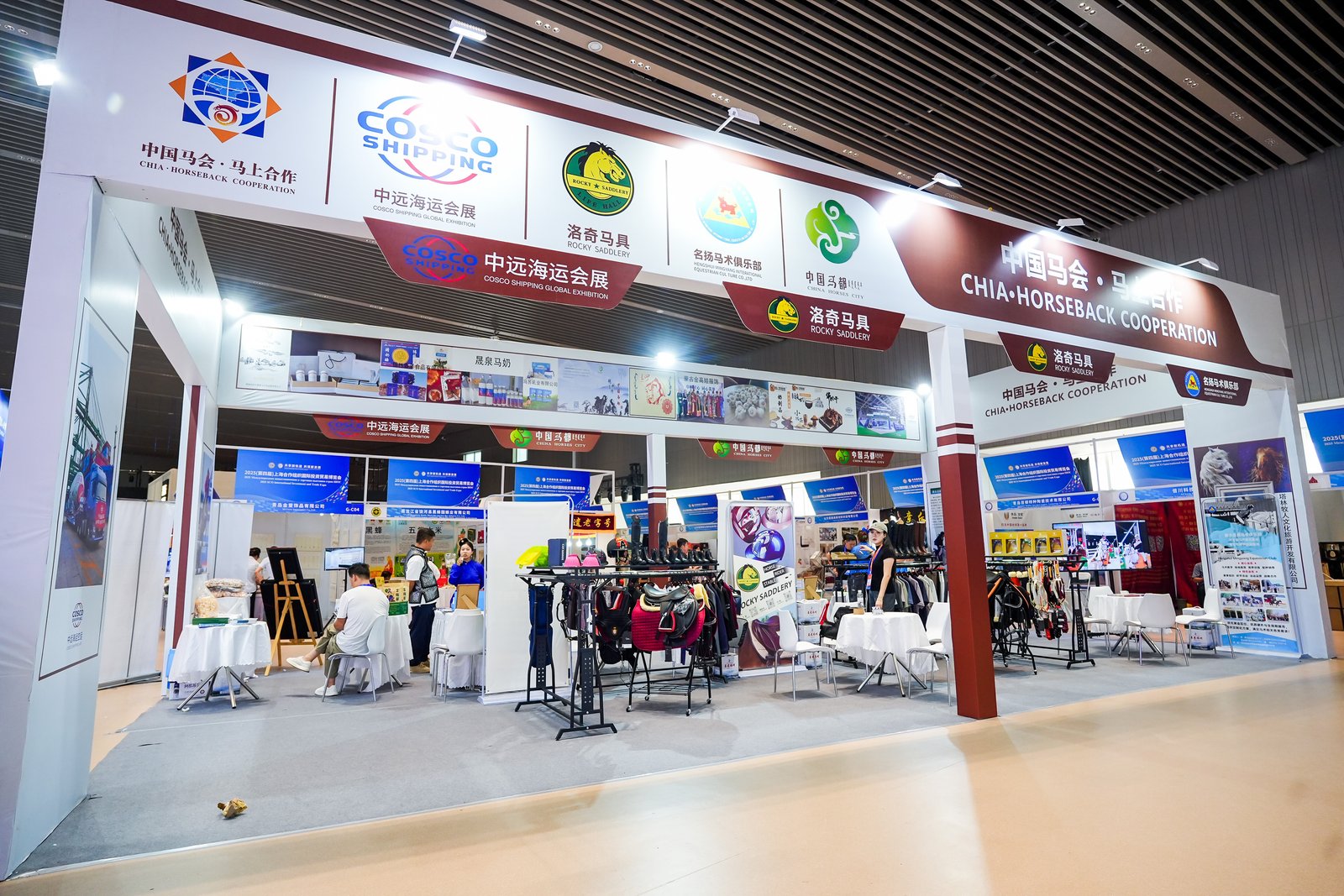
2025上海合作组织国际投资贸易博览会开幕
Qi Lu Wan Bao· 2025-07-19 05:26
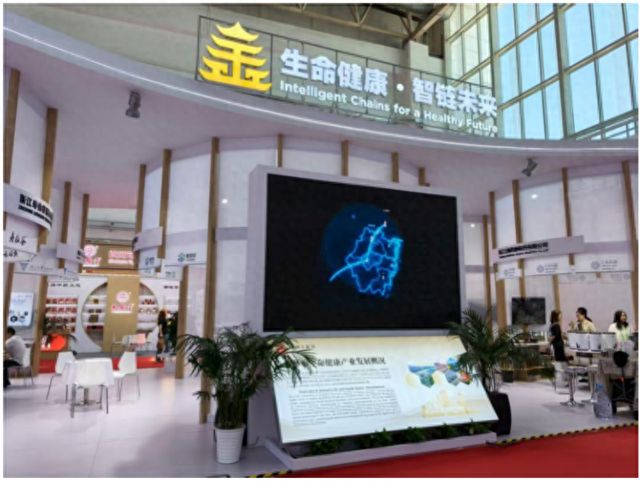
Core Viewpoint - The 2025 Shanghai Cooperation Organization International Investment and Trade Expo (SCO Expo) has commenced in Qingdao, focusing on enhancing international economic and trade cooperation among SCO member states and other participating countries [1][3]. Group 1: Event Overview - The SCO Expo is hosted by the Qingdao Municipal Government and themed "Sharing New Opportunities, Seeking New Development," attracting 360 exhibitors and 2,905 buyers from SCO member states and other countries [3]. - The event aims to promote regional industrial chain collaboration, green transformation, and digital innovation, enhancing international economic exchanges and investment [3][5]. Group 2: Exhibition Details - The expo features an innovative "1+5+2+N" model with a total exhibition area of 44,000 square meters, including one comprehensive exhibition, five specialized exhibitions, two special events, and numerous supporting activities [5]. - The comprehensive exhibition focuses on showcasing the image of SCO member states, while specialized exhibitions cover various sectors such as international consumer goods, high-end equipment, and automotive components [5][7]. Group 3: Participation and Collaboration - Major industry leaders like CRRC Qingdao Sifang, Huaxi Biological, and Hexagon are participating, showcasing cutting-edge technologies and innovations in fields such as new energy and smart agriculture [7]. - The expo serves as a platform for sharing local economic cooperation experiences and exploring bilateral trade and investment opportunities among participating countries [7].