小红书

Search documents
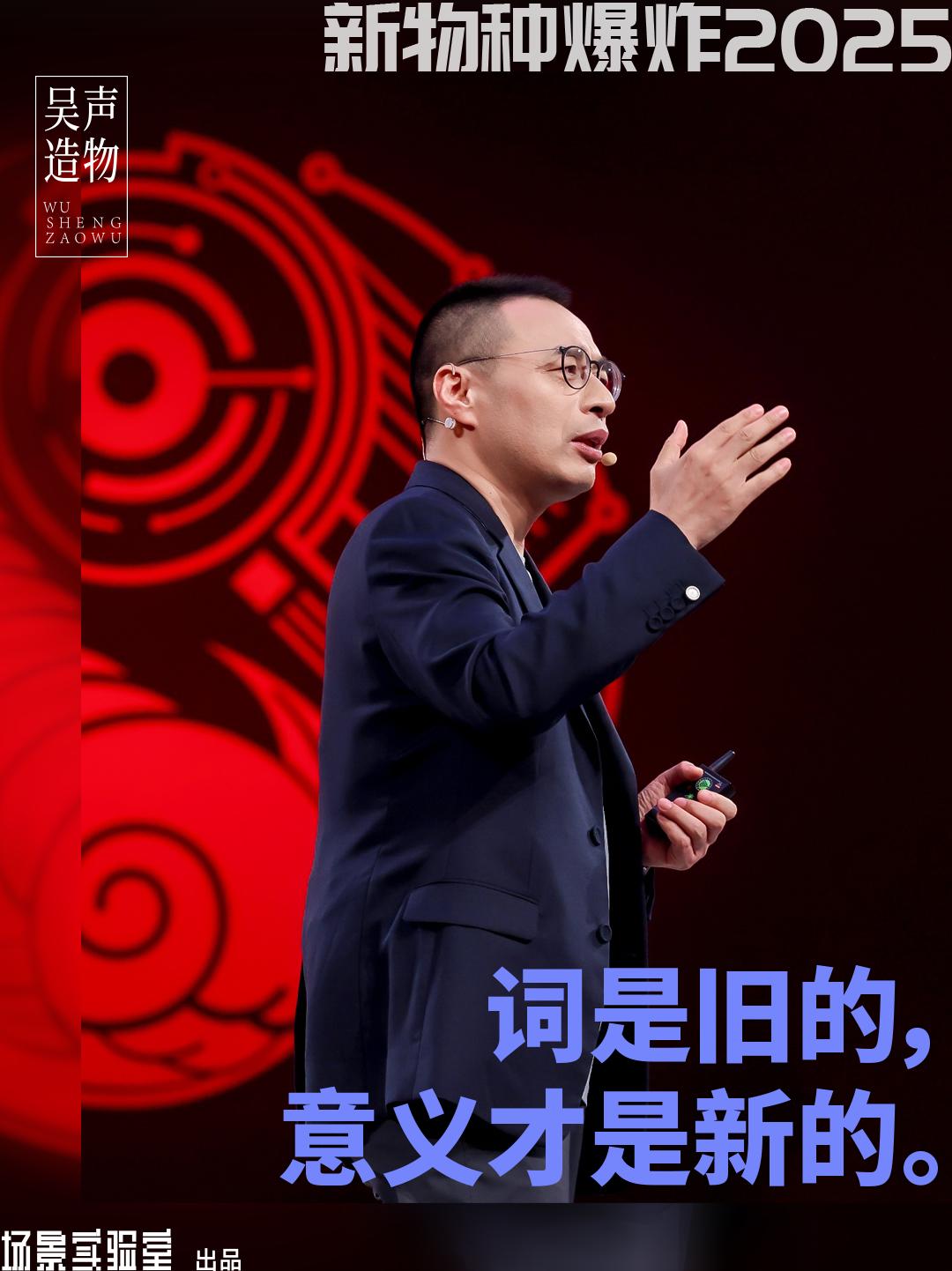
吴声2025年度演讲:场景革命十年,哲学生活方式到来
3 6 Ke· 2025-08-03 13:34
Group 1 - The core theme of the event is "Momentary Emergence," focusing on the AI scene revolution and its impact on business and philosophy [3][16] - Wu Sheng, the founder of Scene Laboratory, emphasizes the importance of reconstructing meaning coordinates in specific scenarios [3][22] - The event outlines four innovative methods for "meaning reconstruction": NOW (connection in the moment), FLOW (smooth human-machine interaction), HERE (narrative beyond presence), and EGO (the core question of self) [3][22] Group 2 - The evolution of scene creation over the past decade is highlighted, showcasing how meticulously designed scenarios drive the growth of new species in business [9][15] - The case of Sanwing Bird illustrates the shift from product-focused to solution-oriented approaches in smart home scenarios, emphasizing personalized family scene customization [11][15] - Red Star Macalline's transformation into an "AI home life destination" reflects the deep understanding of lifestyle changes brought by AI, integrating home appliances, furniture, and decoration [13][15] Group 3 - The concept of "Momentary Emergence" suggests that the future of AI applications will evolve through carefully designed scenarios, avoiding superficial trends [16][20] - The advancements in AI technology, such as Amazon's robotics and Google's Gemini Robotics, indicate a shift towards cognitive capabilities in machines [18][20] - The potential economic impact of AI is significant, with projections suggesting a possible GDP growth of 20-30% due to AI advancements [20] Group 4 - The "philosophical lifestyle cycle" is introduced, emphasizing the need to find and reconstruct meaning coordinates in everyday life through specific scenarios [22][24] - The importance of user-generated content (UGC) in platforms like Xiaohongshu is highlighted, showcasing its role in connecting people and information in real-time [27][29] - The concept of "effective time" is emerging as a new standard in family living, replacing the traditional focus on effective space [11][15] Group 5 - The evolution of physical retail spaces, such as Anta's innovative store designs, reflects a shift towards creating immersive and community-oriented shopping experiences [63][64] - The integration of AI in physical spaces is transforming how consumers interact with products, enhancing the overall shopping experience [60][65] - The rise of emotional commerce, particularly in the context of trendy toys, illustrates the changing landscape of consumer engagement and brand connection [70][71]

高度同质化!这个片区或存隐忧
Sou Hu Cai Jing· 2025-08-03 09:10
Core Insights - Shanghai is experiencing a significant push in the live-streaming economy, with a focus on high-quality development and cautious optimism regarding the "wealth creation" effect [1][2][4] - The city aims to achieve a live-streaming e-commerce retail sales of 600 billion yuan by 2026, with a comprehensive strategy that includes the establishment of major platforms and unique live-streaming scenarios [2][5] Group 1: Industry Development - Shanghai's live-streaming e-commerce retail sales are projected to exceed 493.7 billion yuan in 2024, accounting for 10.5% of the national total, maintaining its position as the leading city for three consecutive years [2] - The live-streaming industry in Shanghai has formed a complete closed-loop chain involving platforms, service providers, brands, and consumers, showcasing significant professional division and collaborative effects [2][3] Group 2: Competitive Landscape - A competitive landscape characterized by "head-led, multi-polar competition" is emerging in Shanghai, with platforms like Douyin and Xiaohongshu establishing strong local presences [3][8] - Douyin's local life business is expected to achieve a GMV of over 120 billion yuan in 2024, while Xiaohongshu's live-streaming user repurchase rate is projected to reach 58% by 2025, significantly above the industry average [3] Group 3: Regional Strategies - Various districts in Shanghai are accelerating the implementation of action plans to capture niche market opportunities, with specific goals set for live-streaming economic development [4][5] - The Yangpu district aims to establish a live-streaming economic cluster with a scale of approximately 100 billion yuan by 2027, while Changning focuses on creating a brand and internationalized digital economy hub [6][7] Group 4: Challenges and Considerations - Rising customer acquisition costs in live-streaming are a concern, with costs expected to exceed 60 yuan per person by 2025, nearly doubling from 2023, which may squeeze profit margins for small businesses [3][10] - Content homogenization is a significant issue, with 85% of live-streaming rooms in popular categories like fashion and beauty exhibiting similar scenes and scripts [3][10]

城记 | “沪九条”发布,上海“求贤”互联网优质创作人才
Xin Hua Cai Jing· 2025-08-02 07:41
Core Viewpoint - Major cities are increasingly focusing on the internet content creation sector, with Shanghai and Chengdu implementing supportive policies to attract quality content creators, signaling a new avenue for cultural industry upgrades and enhanced competitiveness [1][2] Group 1: Policy Initiatives - Shanghai's "Nine Measures" (沪九条) aims to support quality internet content creators through nine specific policies, emphasizing the importance of digital content in enhancing cultural soft power and economic strength [1][2] - Chengdu's "Eight Measures" (蓉八条) aims to systematically link self-media capabilities with urban governance and industrial development needs [1] - The policies are designed to create a symbiotic structure where the government supports creators, who in turn benefit the city [2] Group 2: Economic Impact - The digital content industry is a key growth area for Shanghai, with the service sector's contribution to the economy increasing annually; the third sector's value added grew by 5.4% year-on-year, accounting for 79.1% of the economy [3] - The information service industry, deeply integrated with the digital economy, saw a value added of 363.73 billion yuan, growing by 14.6% year-on-year, contributing significantly to GDP growth [3] Group 3: Regional Development - Shanghai's policy framework includes a collaborative mechanism between city and district levels, supporting the establishment of influential content creation hubs in Huangpu and Yangpu districts [3][4] - Huangpu district leverages the headquarters of Xiaohongshu and its financial technology advantages to attract internet content creators, while Yangpu district, home to Bilibili, has seen significant growth in its digital economy, with over 8,000 digital enterprises [4] Group 4: Cultural and Talent Attraction - Shanghai's rich cultural environment is a major draw for internet content creators, with a vibrant arts scene and diverse cultural influences enhancing its appeal [7][8] - The city hosted over 57,238 commercial performances in 2024, attracting 25.45 million visitors, showcasing its cultural vitality [8] - The presence of prestigious universities and research institutions in Yangpu district fosters an innovative atmosphere that aligns well with the content creation ecosystem [9][10] Group 5: Future Prospects - The policies encourage creators to expand internationally, with support for overseas content creation aligning with the ambitions of many creators [6] - The collaborative environment and reduced operational costs enable creators to focus on larger projects and international outreach [6] - The differentiation between Shanghai and Hangzhou's digital economies highlights Shanghai's focus on high-end talent and cultural depth, while Hangzhou emphasizes e-commerce [10]
广东:隐性债务连续四年清零,腾出空间,轻装上阵
21世纪经济报道· 2025-08-02 03:14
Core Viewpoint - Guangdong's economy is showing signs of recovery with a GDP growth of 4.2% in the first half of 2025, indicating a rebound after three consecutive quarters of improvement, despite being lower than the national growth rate [1][5][10]. Economic Performance - Guangdong's general public budget revenue increased by 2.5%, outperforming the national average by 2.8 percentage points [1]. - The urban survey unemployment rate is 0.1 percentage points lower than the national average, with over 1 million recent graduates employed in the province within six months [1]. - The manufacturing PMI for Guangdong reached 50.4 in June, indicating a return to expansion, surpassing the national level of 49.7 [1]. Debt Management - Guangdong has maintained a zero balance of hidden debt for four consecutive years since 2021, showcasing effective risk management and fiscal health [2][3][33]. - The province's proactive approach to dismantling the old "real estate-finance-local government infrastructure" cycle has facilitated a stable economic recovery [2][8]. Economic Structure and Growth Drivers - The economic growth in Guangdong is supported by a structural optimization of the "three drivers" (consumption, investment, and exports) [13]. - Consumption has become a key stabilizing factor, with retail sales growing by 3.5% in the first half of 2025, driven by policies promoting consumer spending [13][14]. - Exports showed resilience, with a 4% increase in foreign trade, contributing significantly to national trade growth [14][15]. Investment Trends - Real estate investment has declined significantly, from 1.75 trillion yuan in 2021 to 1.12 trillion yuan in 2024, while industrial investment has increased, becoming the mainstay of provincial investment [15][17]. - The focus on optimizing investment structure rather than merely expanding investment scale is evident, with industrial investment reaching a record high [17][19]. Industrial and Technological Advancements - The automotive industry in Guangdong has seen a significant shift towards new energy vehicles, with production increasing dramatically [21][24]. - The electronics sector is thriving, with major companies like Huawei and ZTE innovating despite external pressures, leading to substantial growth in high-tech product output [24][31]. - Guangdong's R&D expenditure has reached approximately 510 billion yuan, reflecting a strong commitment to innovation [29][31]. Regional Development and Coordination - The economic growth in Guangdong is increasingly balanced across urban and rural areas, with rural income growth outpacing urban income growth [27]. - The province is focusing on coordinated regional development, enhancing the economic structure and promoting high-quality growth [26][27]. Conclusion - Guangdong's economic recovery is characterized by a shift towards high-quality development, driven by innovation, structural optimization, and effective debt management, positioning the province for sustainable growth in the coming years [28][35].
AI进化速递丨小红书推出首个社交大模型
Di Yi Cai Jing· 2025-08-01 12:50
Group 1 - Xiaomi Browser integrates Doubao large model [1] - Xiaohongshu announces the launch of its first social large model "RedOne" [1] - OpenAI is set to launch the "Stargate" project in Norway [1] - Elon Musk will offer Imagine and Valentine beta versions to Grok Heavy subscription users [1]
小红书宣布推出首个社交大模型“RedOne”
Zhi Tong Cai Jing· 2025-08-01 01:56
Core Insights - The company Xiaohongshu has launched its first social large model "RedOne," which is a customized LLM aimed at enhancing performance in the SNS (Social Network Service) sector [1] - RedOne shows an average improvement of 14.02% across eight major SNS tasks compared to baseline models, and a 7.56% enhancement in bilingual evaluation benchmarks [1] - In online testing, RedOne reduces harmful content detection exposure by 11.23% and increases post-view search click-through rates by 14.95% compared to single-task fine-tuned baseline models [1]
小红书提出首个社交大模型:八大社交任务平均提升14.02%
量子位· 2025-08-01 00:46
Core Viewpoint - Xiaohongshu has launched RedOne, a customized large language model (LLM) designed for the social networking service (SNS) sector, aiming to enhance performance across various SNS tasks and improve user interaction and content governance [1][5]. Summary by Sections Introduction of RedOne - RedOne is the first social model that integrates social understanding with platform rules, achieving an average performance improvement of 14.02% across eight major SNS tasks compared to baseline models [1][5]. - In online tests, RedOne reduced harmful content exposure by 11.23% and increased post-view search click-through rates by 14.95% [1][32]. Challenges in SNS Data - SNS data is characterized by high non-standardization, strong contextual dependence, and significant emotional variability, posing challenges for traditional NLP platforms [3][4]. - Existing models often focus on single-task performance, leading to diminishing returns and inadequate adaptability in multi-language and multi-cultural contexts [4]. Training Framework of RedOne - RedOne employs a three-stage training strategy: Continue Pretraining (CPT), Supervised Fine-Tuning (SFT), and Preference Optimization (PO) [5][19]. - The model is trained on a large-scale dataset exceeding 100 billion tokens, combining general high-quality data and SNS-specific data [9][12]. Data Collection and Quality Control - Data is collected from high-quality open-source corpora and SNS platforms, ensuring a diverse representation of social communication styles [8][10]. - A rigorous data filtering process is implemented to maintain high quality, resulting in a final dataset of 20 billion tokens for training [11][12]. Supervised Fine-Tuning (SFT) - SFT focuses on aligning the model's capabilities with real-world application needs, incorporating various tasks such as content understanding and user behavior modeling [15][16]. - The training process emphasizes retaining typical SNS language styles to ensure the model's relevance in real-world scenarios [16][17]. Preference Optimization (PO) - PO enhances the model's alignment with human preferences and platform rules by utilizing a preference dataset constructed through expert annotations and structural information from data labels [20][21]. - Direct Preference Optimization (DPO) is employed to refine the model's outputs, improving its adaptability to SNS environments [22]. Performance Comparison - RedOne outperforms baseline models in various tasks, demonstrating significant improvements in both general and SNS-specific benchmarks [23][26]. - The model's performance continues to improve with increased scale, indicating its potential for further advancements [26][28]. Online Experiment Results - In real-world applications, RedOne significantly reduced harmful content exposure and improved user engagement metrics, showcasing its practical value [32]. Generalization and Robustness - Experiments indicate that incorporating general domain data enhances the model's generalization capabilities, particularly in out-of-distribution tasks [35]. Future Outlook - RedOne represents a significant advancement in addressing the challenges of content governance and interaction quality in SNS, providing a reference for future specialized LLM applications [37].

投资日历:8月资本市场大事提醒
news flash· 2025-07-31 08:41
Group 1 - The Hong Kong "Stablecoin Regulation" will take effect on August 1 [1] - The "Government Data Sharing Regulation" will be implemented [1] - The 2025 22nd ChinaJoy will take place [1] Group 2 - The Bank of Japan released the minutes from the June monetary policy meeting [2] - DJI launched its first robotic vacuum cleaner [2] - The Bank of England announced its interest rate decision [2] Group 3 - The International Energy Agency (IEA) published its monthly oil market report [3] - Tencent Holdings disclosed its interim performance report [3] - Xiaomi Group released its interim performance report [3] Group 4 - The Hang Seng Index Company announced the results of its second-quarter review [4] - The Jackson Hole Global Central Bank Conference will be held [4] - The 2025 China International Big Data Industry Expo will take place [4] Group 5 - OpenAI plans to launch the new flagship model GPT-5 [5]

小红书从“生活指南”到“兴趣社区”背后,品牌升级的水有多深?
3 6 Ke· 2025-07-31 03:40
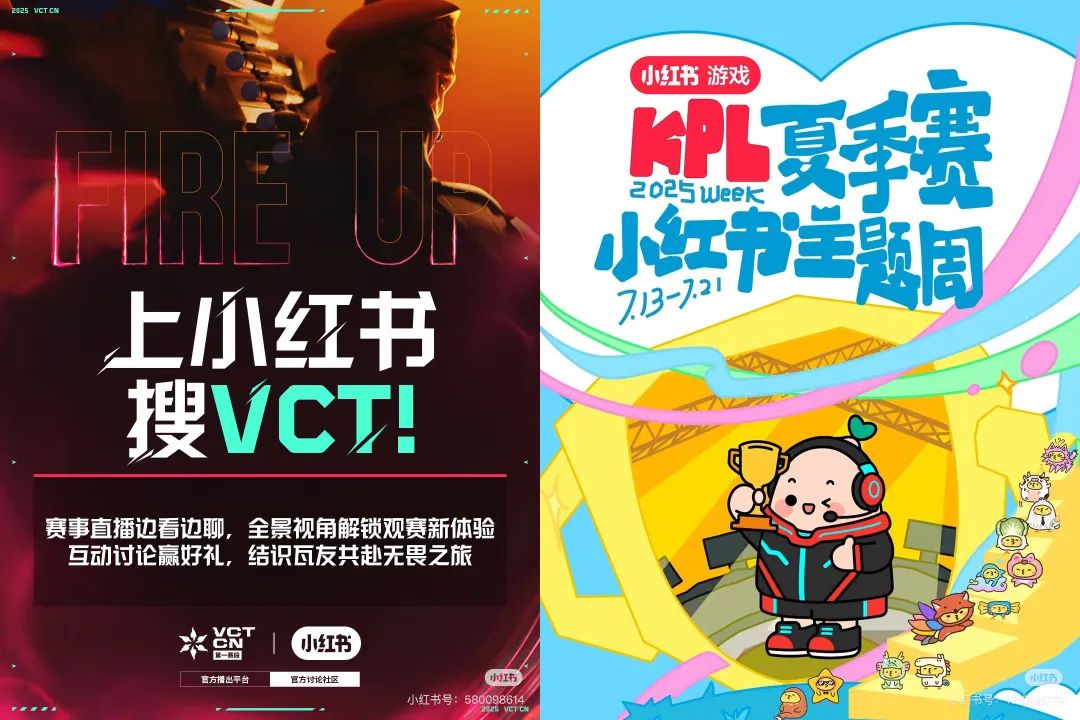
Core Viewpoint - Xiaohongshu's rebranding from "Your Life Guide" to "Your Life Interest Community" signifies a strategic shift towards a more community-driven platform, reflecting the evolving needs of users who seek shared interests and emotional resonance rather than just information retrieval [1][2][4] Summary by Sections Brand Strategy Shift - The change in slogan indicates a broader brand strategy upgrade, moving from a utilitarian information platform to a vibrant interest-based social community [1][2] - The term "interest" expands the content categories on the platform, while "community" reflects a shift from one-way information delivery to co-creation [1][2] Content Ecosystem Expansion - Xiaohongshu has actively expanded its content ecosystem, particularly targeting younger audiences with a focus on gaming and anime, resulting in a 168% increase in gaming-related posts and a 175% surge in anime content [2][4] - Collaborations with esports leagues and the hosting of events like "RED LAND" demonstrate Xiaohongshu's commitment to becoming a hub for interest-based social interaction [4] Drivers of Brand Upgrade - The need for brand upgrades is driven by three main engines: the necessity to break through growth ceilings, adapt to changing consumer preferences, and align with strategic transformations [4][5][8] - As markets become saturated, brands must refresh their images to attract new consumer segments, as seen with Xiaohongshu's shift to appeal to Gen Z [8][10] Consumer Engagement - The brand's transformation is also a response to the evolving preferences of younger consumers who prioritize community and shared interests over mere information [8][10] - Successful brand upgrades require deep communication with consumers, ensuring they understand the reasons behind changes and feel involved in the process [15][16] Strategic Alignment - Brand upgrades should be strategically driven rather than superficial, necessitating a coherent strategy that aligns with the brand's new identity [14][15] - Examples like Starbucks and Meta illustrate how strategic shifts necessitate corresponding brand upgrades to support new business directions [10][14] Conclusion - As competition intensifies, brand upgrades are becoming essential for many companies, with those that balance change and continuity, engage authentically with consumers, and follow strategic guidance likely to thrive [16]
车企破卷求新,小红书何以成为长效经营新阵地
Zhong Guo Qi Che Bao Wang· 2025-07-30 14:31
Core Insights - The automotive industry is shifting from a "transactional" relationship to a "partnership" model with consumers, emphasizing lifestyle integration in marketing strategies [2][3][4] - Xiaohongshu (Little Red Book) is emerging as a key platform for automotive brands to engage with consumers and build long-term relationships, particularly in a saturated market [4][17][22] Group 1: Market Dynamics - The Chinese automotive market is transitioning to a stock market, with approximately 70% of purchases now involving trade-ins, indicating a shift towards consumption upgrades [2] - New generation consumers are increasingly focused on lifestyle integration and specific scenarios when considering vehicle purchases, moving beyond traditional metrics like specifications [3][4] Group 2: Marketing Evolution - Automotive marketing is undergoing a fundamental change, requiring brands to focus on detailed user needs and scenarios to find new growth opportunities [4][6] - Xiaohongshu has become a vital tool for brands to navigate this new marketing landscape, leveraging its large user base and content generation capabilities [4][6][17] Group 3: Xiaohongshu's Role - Xiaohongshu boasts 350 million monthly active users and has become a significant platform for automotive content, with over 200 million users interested in automotive topics and a 1318% annual growth in content volume [4][6] - The platform facilitates a comprehensive marketing approach, from pre-launch insights to post-launch word-of-mouth, effectively bridging the gap between consumer engagement and sales conversion [6][18][22] Group 4: Case Studies - The collaboration between Dongfeng Nissan and Xiaohongshu successfully targeted younger demographics, achieving over 5 million exposures on launch day through strategic content and event marketing [7][8][10] - Xiaopeng Motors utilized Xiaohongshu to redefine its brand image and successfully increased monthly sales from approximately 8,000 to 30,000 units by targeting female consumers and leveraging user-generated content [12][14][17] Group 5: Future Implications - Xiaohongshu is positioned as a primary partner for automotive brands, moving beyond a mere traffic channel to a comprehensive ecosystem for long-term growth and product development [22] - The platform's ability to integrate user feedback into product design signifies a new model for automotive companies, allowing for more precise alignment of products with consumer needs [22]