中国重工

Search documents
上交所“十四五”成绩单出炉
Zheng Quan Shi Bao· 2025-10-17 12:13
Core Insights - The Shanghai Stock Exchange (SSE) has reported significant progress during the "14th Five-Year Plan" period, focusing on high-quality development and becoming a world-class exchange [1][2][3] Group 1: Market Resilience and Growth - The SSE has enhanced market resilience, with the Shanghai Composite Index annualized volatility decreasing by 2.8 percentage points to 15.9% compared to the "13th Five-Year Plan" [1] - The average annual dividend yield for the Shanghai market is close to 2.5%, indicating improved market expectations and investor confidence [1] Group 2: Support for Technology and Innovation - Nearly 70% of new listings during the "14th Five-Year Plan" period are technology innovation enterprises, with the proportion of technology companies in the market increasing from 32% to 41% [2] - R&D investment by companies listed on the SSE rose from 0.64 trillion yuan to 1.07 trillion yuan, a 66% increase, accounting for nearly 40% of the national total [2] Group 3: Direct Financing and Market Functionality - The total amount raised through IPOs on the SSE increased by 16% compared to the "13th Five-Year Plan" [4] - The bond market's issuance scale reached 31 trillion yuan, a 42% increase, with over 10 trillion yuan in industrial bonds and ABS products [4] Group 4: Long-term Investment Ecosystem - The scale of ETF products grew from 0.9 trillion yuan to 4 trillion yuan, a nearly 3.5-fold increase, supporting long-term capital inflow [5] - The introduction of new indices and the expansion of the ETF options market have further enhanced the investment ecosystem [5] Group 5: Regulatory Enhancements and Market Discipline - The SSE has implemented nearly 800 disciplinary actions, with over 30% being severe penalties, to combat fraud and maintain market integrity [8] - The number of companies delisted during the "14th Five-Year Plan" period totaled 93, with 70 being forced delistings [8] Group 6: International Cooperation and Market Expansion - The SSE has facilitated cross-border investment through initiatives like including stock ETFs in the Shanghai-Hong Kong Stock Connect, with cumulative transactions reaching 99 trillion yuan, a 275% increase [7] - The SSE has engaged in international cooperation, hosting investment conferences and collaborating with foreign exchanges and institutions [7]
“十四五”时期沪市股票首发融资额较“十三五”增长16%
Zheng Quan Ri Bao Wang· 2025-10-17 12:04
Group 1 - The core viewpoint of the article emphasizes the importance of capital market functions, highlighting the need for innovation while maintaining continuity, with a focus on effective financing and investment coordination during the "14th Five-Year Plan" period [1][2] Group 2 - The Shanghai Stock Exchange (SSE) reported a 16% increase in initial public offering (IPO) financing during the "14th Five-Year Plan" compared to the "13th Five-Year Plan" [1] - The total issuance scale of the bond market reached 31 trillion yuan, a 42% increase from the previous five-year period, with over 10 trillion yuan in industrial bonds and asset-backed securities (ABS) [1] - The SSE has actively promoted the Real Estate Investment Trusts (REITs) market, achieving 51 initial listings and 4 expansions, raising 140.5 billion yuan, which accounts for nearly 70% of the market [1] - The SSE launched technology innovation bonds, with a cumulative issuance of 1.51 trillion yuan benefiting over 400 technology enterprises [1] - The SSE introduced support bonds for small and micro enterprises, with an issuance scale exceeding 19.7 billion yuan, aiding over 1,800 small and micro businesses [1] Group 3 - The SSE has played a significant role in mergers and acquisitions, supporting listed companies in revitalizing assets and enhancing core competitiveness, with notable cases such as China Shipbuilding's acquisition of China Shipbuilding Industry Corporation and Guotai Junan's acquisition of Haitong Securities [2] - Since the introduction of the "Six Guidelines for Mergers and Acquisitions," the SSE has disclosed 996 asset restructuring cases and 114 major asset restructurings, representing increases of 20% and 138% year-on-year, respectively [2] - The SSE has promoted a long-term investment ecosystem, advocating for rational, value, and long-term investment strategies, with the number of newly compiled indices reaching approximately 3,500 [2] - The scale of Exchange-Traded Funds (ETFs) has grown from 0.9 trillion yuan to 4 trillion yuan, an increase of nearly 3.5 times, becoming a significant channel for long-term capital entering the market [2] - The SSE has launched the first batch of technology innovation bond ETFs, with a scale nearing 160 billion yuan, and introduced ETF options covering the CSI 500 Index and the STAR 50 Index [2] - The market's resilience has improved, with the annualized volatility of the Shanghai Composite Index at 15.9%, a decrease of 2.8 percentage points compared to the previous five-year period, indicating enhanced market expectations and investor confidence [2]
上交所“十四五”改革发展情况回顾:含“科”量不断提升 制度包容性显著增强
智通财经网· 2025-10-17 11:12
Core Insights - The Shanghai Stock Exchange (SSE) has become the third-largest stock market globally, the largest exchange bond market, and the second-largest ETF market in Asia during the "14th Five-Year Plan" period [2][3] - The SSE has established a robust institutional framework to support high-tech enterprises, with a significant increase in the proportion of technology innovation companies listed [3][4] Group 1: Market Position and Growth - SSE's stock market initial public offering (IPO) financing increased by 16% compared to the previous five-year period [4] - The bond market's total issuance reached 31 trillion yuan, a 42% increase from the previous five years [4] - The number of technology innovation companies in the Shanghai market rose from 32% to 41% in terms of quantity and from 27% to 32% in market capitalization over five years [3][4] Group 2: Industry Development - The number of integrated circuit companies reached 140, forming a complete semiconductor chip industry chain [3] - The SSE has become the third-largest listing venue for biopharmaceutical companies globally, with 224 biopharmaceutical firms listed [3] - The number of high-end manufacturing and new energy companies has nearly doubled compared to the previous five-year period, with 260 and 61 companies respectively [3] Group 3: Innovation and R&D - R&D investment by companies in the Shanghai market increased from 640 billion yuan to 1.07 trillion yuan, a 66% growth, accounting for nearly 40% of the national total [3] - Companies listed on the Science and Technology Innovation Board (STAR Market) have accumulated 120,000 patents, with a median R&D intensity of 12.6% [3] Group 4: Market Functionality and Investor Engagement - The SSE has actively promoted the REITs market, with 51 initial public offerings and 1,405 billion yuan raised, capturing nearly 70% of the market [4] - The SSE has implemented a multi-faceted delisting mechanism, resulting in 93 companies being delisted, including 70 through mandatory delisting [7] - The average dividend yield in the SSE approached 2.5% during the "14th Five-Year Plan" period, with a strong emphasis on investor education and protection [7] Group 5: Future Directions - The SSE aims to continue supporting China's modernization and financial strength, focusing on new requirements and tasks [8]
“起承转合”看上交所“十四五” ——上交所“十四五”改革发展情况回顾
Di Yi Cai Jing· 2025-10-17 10:56
Core Insights - The Shanghai Stock Exchange (SSE) has become the third-largest stock market globally and the largest exchange bond market, emphasizing its commitment to high-quality development and integration into national economic strategies [1] Group 1: Market Development - During the "14th Five-Year Plan" period, the SSE has established a robust system to support high-tech enterprises, with the proportion of technology innovation companies in the Shanghai market increasing from 32% to 41% [2] - The number of integrated circuit companies has nearly doubled compared to the previous five-year period, with 140 companies forming a complete semiconductor chip industry chain [2] - R&D investment in the Shanghai market has risen from 0.64 trillion yuan to 1.07 trillion yuan, a 66% increase, accounting for nearly 40% of the national total [2] Group 2: Financing and Investment - The total financing amount from initial public offerings (IPOs) in the Shanghai market has increased by 16% during the "14th Five-Year Plan" period [3] - The bond market's issuance scale reached 31 trillion yuan, a 42% increase compared to the previous five years, with over 10 trillion yuan in industrial bonds and asset-backed securities (ABS) [3] - The SSE has actively promoted the REITs market, with 51 initial public offerings and 1,405 billion yuan raised, accounting for nearly 70% of the market [3] Group 3: Reform and Corporate Responsibility - The SSE has seen a significant increase in dividend payouts, with a total of 7.32 trillion yuan declared in dividends over the past five years, a 51.2% increase compared to the previous period [4] - The number of companies disclosing ESG reports has reached 57.7%, a 22 percentage point increase since 2020, with 337 companies included in the MSCI ESG rating [5] - The SSE has implemented a multi-faceted delisting mechanism, resulting in 93 companies being delisted, including 70 through mandatory delisting [6] Group 4: Investor Protection and Market Ecology - The SSE has introduced a new company regulatory system to combat fraud and financial misconduct, resulting in nearly 800 disciplinary actions [6] - The average dividend yield in the Shanghai market has approached 2.5% during the "14th Five-Year Plan" period, promoting a culture of multiple dividends per year [6] - The SSE has enhanced investor education and protection mechanisms, conducting over 6,000 outreach activities and producing more than 3,000 educational materials [6] Group 5: Future Outlook - The SSE aims to continue supporting China's modernization and financial strength, focusing on new requirements and tasks in the financial sector [7]
前三季度A股并购交易3470件,活力重现,四大看点看并购市场变化
Xin Lang Cai Jing· 2025-10-15 14:13
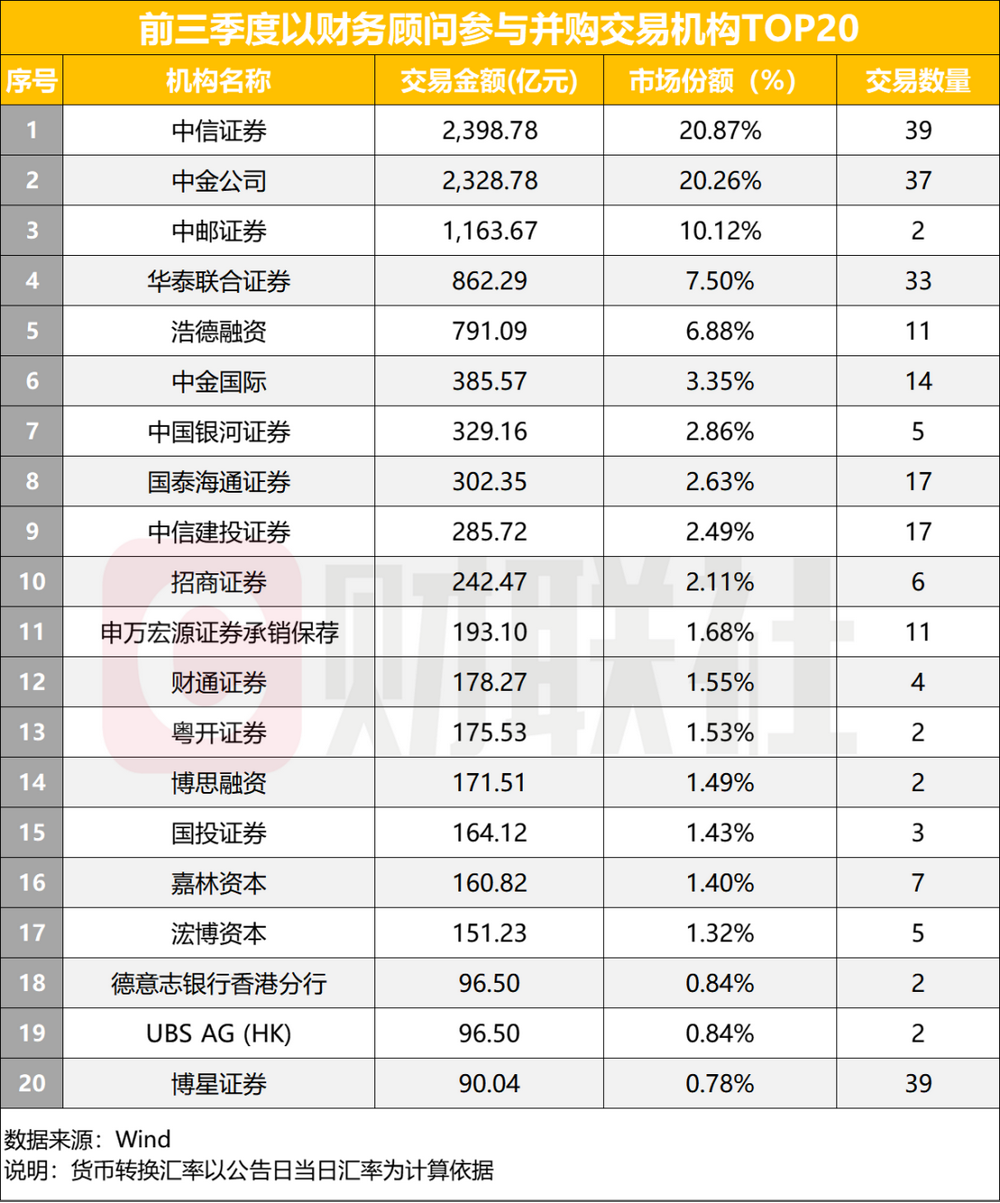
Core Insights - The M&A market in China has seen a surge in activity in 2024, driven by favorable policies and regulatory improvements, with a total of 5,870 disclosed M&A events in the first three quarters of 2025, a slight increase of 0.51% year-on-year, despite a 2.61% decline in transaction value to approximately 1,498.1 billion yuan [1] - The A-share market has shown significant growth in M&A activities, with 3,470 transactions, marking a 7.93% increase year-on-year, and a notable 83.56% increase in major asset restructuring events [1] - Three emerging trends in the M&A market include diversified exit paths for IPO candidates, the normalization of differentiated pricing mechanisms, and the maturation of "agreement transfer + acquisition" models [1] Group 1: M&A Market Trends - The A-share M&A cases are primarily focused on industrial integration, with 134 major asset restructuring transactions totaling 516.03 billion yuan, where industrial integration cases accounted for 34.32% [2] - The technology hardware and equipment sector led in M&A scale with 195.8 billion yuan, a year-on-year increase of 176.29%, followed by the materials sector at 162.7 billion yuan, up 52.21% [2] - The regulatory environment is encouraging the consolidation of brokerage firms, with a focus on enhancing comprehensive financial service capabilities among leading institutions [2] Group 2: Leading Brokerage Firms - A total of 139 institutions have completed 512 M&A projects this year, with leading brokerages dominating the market due to their resources and expertise [4] - CITIC Securities and China International Capital Corporation hold significant market shares of 20.87% and 20.26%, respectively, together accounting for 41.13% of the market [6] - Notably, despite participating in only two M&A events, China Post Securities achieved a market share of over 10% due to its involvement in a major acquisition [6] Group 3: Policy Impact and Benchmark Cases - The continuous optimization of M&A regulations has led to the emergence of benchmark cases, such as the merger of China Shipbuilding and China State Shipbuilding, creating the world's largest shipbuilding enterprise [8] - The acquisition of 17.9% of Chip Source by North Huachuang is a significant move in the semiconductor equipment sector, enhancing competitiveness and supporting domestic production [8] - The merger of Haiguang Information and Zhongke Shuguang is a landmark restructuring case in the tech industry, reflecting the dual drive of capital market reform and autonomous computing strategies [9] Group 4: Activity in the Beijing Stock Exchange - The Beijing Stock Exchange has seen a notable increase in M&A activity, with 47 completed transactions exceeding 10 million yuan since 2023, indicating a rise in market engagement [10] - The frequency of billion-level acquisitions in 2025 has surpassed that of the previous two years, showcasing heightened market activity [10] - Companies on the Beijing Stock Exchange are primarily targeting acquisitions that align with their core business, aiming for market expansion and industry chain integration [10]



一顿分析猛如虎,涨跌全靠特朗普!下周的风险与机会!
Qi Lu Wan Bao· 2025-10-12 06:43
Core Viewpoint - Trump's threats to impose additional tariffs on Chinese goods have triggered significant market turmoil, leading to substantial losses in global stock markets, particularly in the U.S. [1][2] Tariff Policy Overview - The Trump administration has implemented a multi-layered tariff system since 2025, with recent tariffs including a 100% tariff on brand and patent drugs, 50% on steel and aluminum products, and an additional 100% on all Chinese goods effective November 1 [1][2][3] - The automotive sector is particularly affected, with tariffs aimed at reshaping the North American automotive supply chain [4] Industry Policy Direction - The pharmaceutical industry is targeted with a 100% tariff to promote domestic production [3] - The steel, aluminum, and copper industries face a 50% tariff to support the revival of the U.S. steel industry [3] Risk Sectors - The consumer electronics sector is identified as a major risk area due to potential supply chain disruptions [4] - The semiconductor industry faces dual challenges from tariffs and technology restrictions, significantly increasing production costs and hindering technological advancements [4] - The machinery equipment sector is experiencing a sharp decline in export orders, with tariffs leading to potential cancellations and increased costs [5] - The automotive parts industry is under pressure from automakers, with predictions of a significant drop in global automotive profits due to tariffs [6] Opportunities - The rare earth permanent magnet sector is seeing a strategic revaluation due to China's export controls, which could lead to price increases [7][8] - The defense and military industry is expected to benefit from increased defense budgets amid geopolitical tensions [11][12] - The agricultural sector is positioned to gain from import tariffs on U.S. agricultural products, driving domestic prices up [12][13] Strategic Responses - China has implemented comprehensive countermeasures against U.S. tariffs, including export controls on rare earth materials, which could reshape global resource competition [17] - The tariff policies are expected to lead to a restructuring of supply chains, with a shift towards regionalization and localization of production [19] Conclusion - Trump's tariff policies are reshaping global trade dynamics and industry landscapes, creating both challenges and structural investment opportunities in various sectors [19][20]
兴业证券孔祥杰:并购业务将进一步支持科技创新型企业补链强链
券商中国· 2025-10-12 03:58
Core Viewpoint - The "Six Opinions on Deepening the Reform of Mergers and Acquisitions Market" issued by the China Securities Regulatory Commission has revitalized the M&A market, emphasizing marketization, rule of law, and internationalization, reshaping the ecosystem of the M&A market [1][3][10] Summary by Sections M&A Market Dynamics - The implementation of the "Six Opinions" has led to a series of new supportive policies, enhancing the activity level of the M&A market, particularly in hard technology and strategic emerging industries [1][3] - Horizontal mergers are becoming dominant, with most successful cases being within the same industry or along the industrial chain [2][3] Role of State-Owned Enterprises - Central and state-owned enterprises are playing a leading role in driving industrial integration, as seen in significant transactions like China Shipbuilding's acquisition of China State Shipbuilding Corporation, valued at over 100 billion [3] Investment Banking Opportunities - The complex internal and external environment of the capital market presents opportunities for M&A business development, driven by strong demand for industrial integration and supportive policies [5] - The revised regulations have increased the loan ratio for technology-based acquisitions to 70%, alleviating financial pressures on enterprises [5] Strategic Focus of Investment Banks - Investment banks are required to enhance their capabilities in understanding emerging industries and technologies, improving valuation and pricing abilities, and integrating resources effectively [5][6] - Investment banks like Industrial Securities are establishing dedicated departments for M&A, focusing on sectors such as TMT, carbon neutrality, and high-end manufacturing [6] Challenges in Cross-Border M&A - Cross-border mergers, particularly those involving traditional companies entering high-growth emerging sectors, face challenges due to industry knowledge gaps and differing valuation methods [8][9] - The integration of businesses in cross-border M&A requires a deep understanding of industry dynamics and meticulous risk management [8] Future Outlook - Despite challenges, there is confidence in the continued activity of M&A in hard technology and strategic emerging industries, with opportunities in cross-border M&A for technological complementarity and regional layout [10]


警报!年内已有25家A股公司退市
Shen Zhen Shang Bao· 2025-10-09 17:16
Group 1 - The core viewpoint of the articles highlights the increasing trend of delistings in the A-share market, with 25 companies having completed the delisting process this year due to various reasons including financial issues, trading problems, and major legal violations [2][4][5] - Among the delisted companies, *ST Tianmao, AVIC Capital, and Yulong Co. chose to delist voluntarily due to significant uncertainties affecting their business operations [2] - The article notes that trading-related delistings are prevalent, with companies like *ST Xulan, *ST Jiayu, *ST Dongfang, and *ST Furun being delisted for having stock prices below 1 yuan for 20 consecutive trading days [2][4] Group 2 - The new "National Nine Articles" propose reforms to the delisting system, aiming to create a normalized delisting environment where companies that should exit the market do so in a timely manner [3] - Regulatory bodies have emphasized that delisting does not exempt companies from accountability, as seen in the penalties imposed on companies like Yili Energy and Jinzhou Port for their violations [4] - Since the introduction of new delisting regulations last year, the China Securities Regulatory Commission has investigated 67 delisted companies for illegal activities, with 33 cases referred for suspected information disclosure crimes [5]
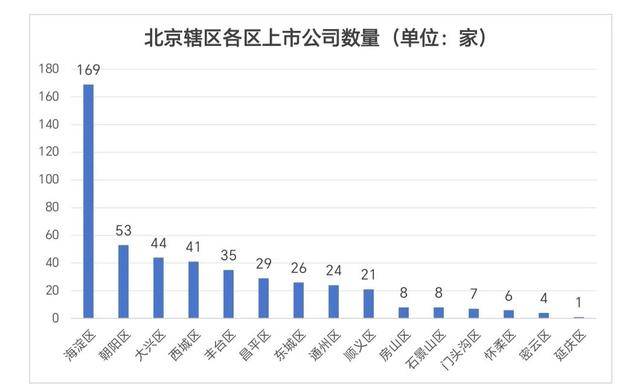
截止9月30日,北京辖区共有A股上市公司477家
Sou Hu Cai Jing· 2025-10-03 15:03
截止2025年9月30日,北京辖区共有A股上市公司477家,包括上交所主板161家,科创板77家,深交所 主板86家、创业板130家,北交所23家。北京上市公司协会另有纯港股会员单位4家。其中,中国重工摘 牌退市,昊创瑞通登陆深交所创业板。 按地域分布如下: 截止2025年9月30日,北京辖区共有A股上市公司477家,总市值为311230.42亿元,分别占A股上市公司 总量的8.86%,29.4%,市值占比较上月减少1.57个百分点。 按区域市值分布如下: 来源:北京上市公司协会 截止2025年9月30日,北京总市值前10名和末10名的A股上市公司(不含北交所)如下: 数据来源:Wind 截止2025年9月30日,北京上市公司数量、分行业市值比例如下: 数据来源:Wind 数据来源:Wind ...
A股一年披露191单重大重组,半导体、AI受热捧
21世纪经济报道· 2025-09-30 11:56
Core Insights - The implementation of the "Six Merger Rules" has revitalized the A-share merger and acquisition (M&A) market, with 191 major restructuring events disclosed since September 24 last year, surpassing the total of the previous two years [2] - The total transaction value of 93 disclosed restructuring events reached 729.29 billion yuan, indicating a significant rebound compared to previous years [2] - The M&A market is increasingly characterized by strategic cooperation and vertical/horizontal integration, with over 60% of the new disclosures focusing on these areas [5] Group 1: Market Activity and Trends - The A-share M&A market has seen a notable increase in activity, driven by accelerated industry integration and the emergence of landmark cases [2] - The majority of the disclosed projects are concentrated in high-tech sectors such as semiconductors and artificial intelligence, reflecting a shift towards new production capabilities [2][6] - The number of disclosed projects related to strategic cooperation and industry integration has reached 100, accounting for over 60% of the total [5] Group 2: Regulatory and Efficiency Improvements - The efficiency of M&A review processes has significantly improved, with 73 restructuring transactions accepted by the exchanges and 30 registered during the "Six Merger Rules" period, surpassing the average levels of the previous year [9] - The average review time for registered projects in 2025 was about one month, which is shorter than the same period last year [9] - The new regulatory framework encourages listed companies to acquire unprofitable assets, with over 10 companies disclosing plans to acquire high-quality unprofitable assets [10] Group 3: Diverse Payment Methods - The use of diverse payment tools in M&A transactions has increased, moving towards a more market-oriented and flexible approach [3][11] - Innovative payment methods such as convertible bonds, M&A loans, and M&A funds have been adopted, enhancing transaction flexibility and reducing cost pressures [11] - The introduction of a phased payment mechanism for restructuring shares aims to mitigate risks associated with one-time valuations [11]