佳能

Search documents
AI 时代顶级域名价值攀升,中国企业如何抢占2026顶级域名窗口期?
Huan Qiu Wang Zi Xun· 2025-11-11 02:33
来源:环球网 【环球网科技报道 记者 李文瑶】今年,距离1994年中国全功能接入国际互联网已过去31年。这31年 里,中国互联网从 "蹒跚学步"的追随者,成长为数字经济领域的重要引领者。如今,".cn"域名在全球 注册量突破 2000 万,". 网址" 等中文顶级域名也正在助力老字号企业品牌走向互联网。 近日,ICANN已正式确定新一轮通用顶级域名(gTLD)申请指南,确认申请窗口将于2026年4月开 启。这意味着,自2012年 ICANN 开放首轮新通用顶级域名申请后,时隔14年,全球企业将在新的窗口 期内,再次获得申请以自身品牌命名的专属顶级域名(.brand)的机会。 作为亲历中国互联网 "从 0 到 1" 奠基过程的核心参与者,互联网域名系统国家地方联合工程研究中心 (ZDNS)主任毛伟认为,ICANN 新一轮顶级域名开放窗口的到来,正是中国企业将 "基础资源优势" 转化为 "品牌竞争优势" 的关键契机。 顶级域名:数字经济时代的"品牌护城河" "顶级域名早已不是单纯的技术标识,而是企业出海的关键战略资源。"谈及顶级域名在当下的价值,毛 伟开门见山。在他看来,顶级域名的战略意义体现在多个维度:既是维护 ...
“投资中国·中日先进技术对接会”成功举办
Shang Wu Bu Wang Zhan· 2025-11-10 14:57
Group 1 - The "Investment China: Sino-Japanese Advanced Technology Matching Conference" was successfully held during the 8th China International Import Expo, with over 200 participants including executives from more than 80 Fortune Global 500 companies and industry leaders from Japan [1][2] - The Deputy Director of the Investment Promotion Bureau of the Ministry of Commerce emphasized the deep economic cooperation and mutual benefits between China and Japan over the past 50 years, highlighting China's role as a safe and attractive investment destination for foreign businesses [1][2] - The conference served as a platform for sharing innovative practices and discussing the development prospects of advanced technology industries between China and Japan, promoting collaboration and the integration of technology with the economy [3] Group 2 - Presentations were made on the current state of Sino-Japanese economic cooperation and the future of advanced technology industries, with case studies shared by representatives from various organizations [2] - A roundtable discussion focused on collaborative innovation in advanced technologies, particularly in the fields of intelligent robotics and health care, generating enthusiastic responses from attendees [2]
从理光到大疆,年轻人在追逐什么样的新相机
3 6 Ke· 2025-11-09 05:55
Core Insights - The camera market is experiencing a resurgence, with a 1350% increase in film photography searches on Xiaohongshu in the first nine months of the year and a 24.1% overall growth in camera shipments in China during Q1, which is double the global growth rate [1][2] - Young consumers are increasingly seeking cameras for their aesthetic quality, as they feel that even the best smartphone cameras fall short in comparison [1][2] - The trend of outdoor activities among young people has expanded the demand for cameras, with action and panoramic cameras becoming popular choices alongside traditional brands like Canon and Fujifilm [2][3] Market Dynamics - Classic camera models maintain their value in the second-hand market, with models like the Canon A620 seeing prices rise from an original price of approximately 2600 yuan to over 1500 yuan [2] - The rise of social media has created a strong desire among consumers for high-quality images, leading to a shift in the types of cameras being sought, from DSLRs to compact and action cameras [5][9] - Rental services for cameras are becoming increasingly popular, allowing consumers to try before they buy, which lowers the barrier to entry for new users [8][9] Consumer Behavior - Young consumers are motivated by trends and the desire to capture aesthetically pleasing moments, leading to a continuous demand for new camera models [10][12] - The integration of AI technology in cameras is enhancing user experience by simplifying the shooting process and improving image quality, further driving interest in new camera purchases [15][16] - The emergence of new brands and models, such as the DJI Pocket 3, reflects the evolving preferences of consumers who prioritize portability and ease of use [12][13] Future Trends - The camera industry is likely to see continued growth as younger generations seek innovative and user-friendly devices that cater to their social media needs [16][17] - Companies are focusing on developing AI-driven imaging solutions that simplify the photography process, making it accessible to a broader audience [16][17] - The ongoing evolution of consumer preferences indicates that the demand for cameras will remain strong, with a focus on lightweight, intelligent, and high-quality output devices [16][17]


民企传承不等于传位,美的、安踏等让专业取代血缘
阿尔法工场研究院· 2025-11-07 00:08
以下文章来源于上市公司企业家交流中心 ,作者上企中心 上市公司企业家交流中心 . 上市公司企业家交流中心是旨在促进上市公司产业协同、建立与央国企的产业联动、助力上市公司与地方政府的招商落地、加强上市公司与部委机关的政 策交流、推动上市公司与科研院所的科研合作、提升企业家身心健康为核心的"产、学、研、娱、康"的综合赋能平台。 作者 | 上市公司企业家交流中心许长忠、袁睿方子 导语:唯有通过治理架构的系统性重塑,才能实现从 "家族世袭" 到 "制度传承" 的跨越,为百年企业筑牢根基。 民营经济已成为推动我国高质量发展的核心动力,而改革开放后崛起的民营企业,正集体面临一场关乎存续的 "传承大考"。 传 承困局: 从 "子承父业" 到 "管理失序" 的现实挑战 "父亲打下的江山,我接不住",这是不少民企二代的共同心声。 美特斯邦威创始人周成建之子胡佳佳接班 7 年,企业累计亏损超 32 亿元,最终周成建不得不重新出山;桃李面包在继承人吴学亮接手后,净利 润连续两年下滑;娃哈哈传承话题近期备受关注,宗馥莉曾以激进改革试图颠覆父辈 "家文化" 体系,却因缺乏利益平衡能力引发老员工抵触、 经销商抵制,叠加股权结构制约,改革 ...



反转!荷兰光刻机要“凉”?日本光刻机在中国卖疯,利润暴涨82%
Sou Hu Cai Jing· 2025-11-05 14:27
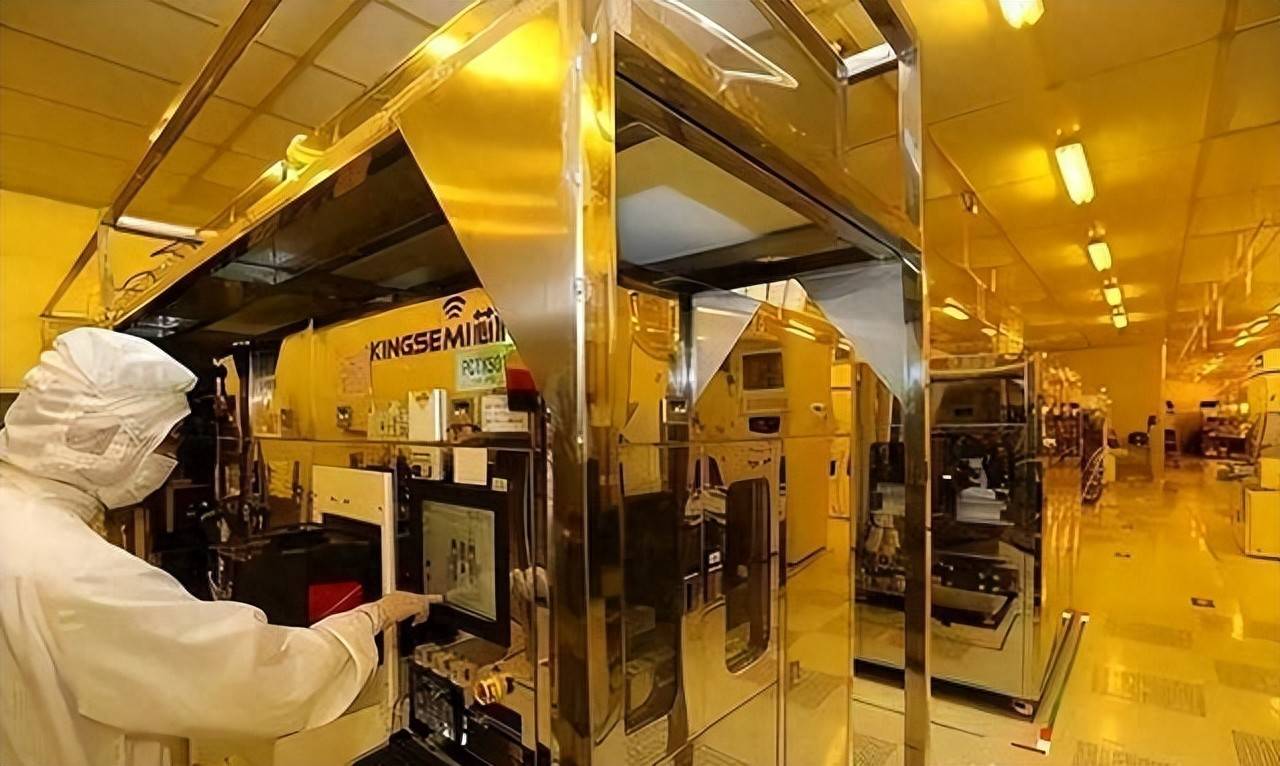
Core Viewpoint - The semiconductor equipment market in China is experiencing a significant shift, with Japanese companies like Nikon and Canon capitalizing on the restrictions faced by ASML, leading to a dramatic increase in their sales in the Chinese market [2][4][16]. Group 1: ASML's Market Position - In 2023, ASML delivered 225 lithography machines to China, generating over €6.4 billion, making China its second-largest market, accounting for 29% of total sales [4]. - By Q3 2023, Chinese orders constituted 46% of ASML's global revenue, driven by the rapid growth of China's chip industry [4]. - Following U.S. pressure, ASML faced export restrictions starting January 2024, predicting a 10% to 15% impact on sales in China for that year [6][8]. Group 2: Japanese Competitors' Strategy - Nikon and Canon have shifted their focus to mature technologies, such as DUV and i-line, which are suitable for the majority of Chinese chip manufacturers producing 28nm and above chips [8][10]. - Nikon launched a new i-line lithography machine in 2024, its first in 25 years, priced 20% to 30% lower than Canon's offerings, aiming to penetrate the Chinese market [12]. - Canon expanded its service network in China, increasing technical staff by 50% to support its lithography equipment [14]. Group 3: Market Dynamics and Trends - In Q1 2024, Japan's semiconductor equipment exports to China surged to ¥521.2 billion, a staggering 82% increase year-on-year, marking the highest level since 2007 [16]. - By 2024, Japan's semiconductor equipment exports to China reached $9.63 billion, a 28.23% increase, with Japan becoming the largest supplier to China [16][20]. - The overall semiconductor equipment market is projected to grow by 25.4% in 2024, with China's semiconductor manufacturing equipment market expected to reach $23.89 billion [20][22]. Group 4: Future Outlook - ASML has lowered its sales target for 2025 from €3-4 billion to €3-3.5 billion due to a weakening Chinese market [22]. - Nikon and Canon have also adjusted their forecasts, with Nikon expecting a decline in net profit by 22% to ¥35 billion [18][24]. - The Chinese market is anticipated to grow at a compound annual growth rate of 14.63% from 2025 to 2035, indicating a long-term shift in the semiconductor equipment landscape [22].


从东京漂向深圳,一场影像话语权革命
虎嗅APP· 2025-11-05 13:25
Core Insights - The article highlights the significant market penetration of DJI's Osmo Pocket 3 in Japan, a market traditionally dominated by Japanese brands like Sony, Canon, and Nikon, indicating a shift in the global imaging industry [2][6][30] Market Performance - Since its launch in October 2023, the Osmo Pocket 3 has maintained a market share of over 20%, peaking at 34.1%, meaning one in three cameras sold in Japan is now a Pocket 3, surpassing the combined sales of the second to ninth competitors [4][5] - The average selling price of the Osmo Pocket 3 is approximately 81.2 thousand yen, reflecting its competitive positioning in the market [5] Historical Context - Japan has historically been the center of the global imaging industry, setting standards for quality and technology in photography for decades [6][11] - The article traces the evolution of photography from a craft to an industrialized process, highlighting key technological advancements that have shaped the industry [7][10] Technological Evolution - The article discusses the transition from film to digital photography, emphasizing the role of Japanese companies in pioneering digital camera technology and the subsequent democratization of photography [10][11] - DJI's innovation in stabilizing technology and compact design has allowed the Osmo Pocket series to redefine user expectations for portable cameras [21][26] Cultural Shift - The rise of Vlogging and personal content creation has shifted the focus from professional photography to everyday users, making tools like the Osmo Pocket 3 essential for capturing personal narratives [14][15][32] - The article posits that the Osmo Pocket 3 represents a new era in imaging, where the emphasis is on ease of use and accessibility for all users, not just professionals [29][33] Future Outlook - The success of the Osmo Pocket 3 is seen as a turning point for the portable camera market, indicating a broader acceptance and demand for such devices in everyday life [24][32] - The article concludes that the center of imaging innovation is shifting from Japan to China, with DJI leading this transformation [30][32]

EUV光刻机,很难被颠覆
半导体芯闻· 2025-10-28 10:34
Group 1 - The article discusses the ongoing debate about Nano Imprint Lithography (NIL) potentially disrupting Extreme Ultraviolet (EUV) lithography, highlighting that while NIL has interesting applications, it currently does not match the capabilities of EUV [1][27] - NIL technology was invented in 1996 and commercialized in 2001, with Canon acquiring Molecular Imprints Inc. in 2014 to position NIL as a successor to DUV lithography [4][6] - Canon's NIL technology, known as J-FIL, involves a unique process of applying photoresist and imprinting patterns, which theoretically offers advantages in speed and cost compared to EUV [7][12][25] Group 2 - The NIL process involves creating a master template, which is then used to produce working templates for wafer patterning, with significant challenges related to the durability and defect rates of these templates [14][29] - Key challenges for NIL include the lifespan of masks, overlay accuracy, mask pattern roughness, and customer feedback indicating that NIL is not yet ready for advanced chip manufacturing [29][35] - Despite theoretical advantages in resolution and cost, practical issues such as mask durability and defect rates hinder NIL's competitiveness against EUV technology [27][29][35]

海丰国际20251027
2025-10-27 15:22
Summary of the Conference Call for SITC International Holdings Industry Overview - The shipping industry in the Asia-Pacific region is experiencing strong demand, particularly in Chinese exports and Southeast Asia, with robust performance in the East India route and double-digit growth in Japanese imports. However, Chinese imports are relatively weak, linked to domestic economic conditions [2][3][4]. Key Points and Arguments - **Quarterly Performance**: In Q3 2025, SITC reported a 7.8% year-on-year increase in cargo volume, despite the traditional seasonal slowdown. The demand surge began in late August, indicating strong regional demand [3][4]. - **Future Outlook**: Cargo volume and freight rates are expected to rise in Q4, aligning with the traditional peak season. However, price trends for next year face uncertainties due to supply-demand dynamics [4][11]. - **Cost Structure**: The increase in the proportion of chartered vessels has led to a rise in per-container costs, although falling oil prices have partially offset this impact. Overall, cost changes remain manageable, maintaining a competitive cost advantage [7][8]. - **Fleet Strategy**: SITC operates nearly 120 vessels, with a growing proportion of chartered ships. The average remaining lease term is 6 months, reflecting a conservative approach. The company has sold three owned vessels and plans to sell more older ships while cautiously expanding new routes, particularly in Southeast Asia [6][13]. - **Market Dynamics**: The potential resumption of operations in the Red Sea due to peace talks could alter supply-demand dynamics, potentially leading to a situation where demand exceeds supply, impacting freight rates [10][12]. - **Strategic Partnerships**: SITC has formed a joint venture with Hisense in Thailand to enhance supply chain management and logistics services, aiming to provide tailored solutions for third parties [20][21]. Additional Important Insights - **Differentiated Operations**: The company is adopting a differentiated operational strategy for the Indian route, focusing on efficiency and service quality while gradually establishing self-operated routes [8][9][17]. - **Cash Reserves**: SITC has accumulated significant cash reserves, allowing for strategic flexibility amid changing industry alliances and uncertainties [12][13]. - **Regional Growth**: The company is focusing on expanding its presence in the Indian market, which has substantial import demand due to its consumption-driven economy [16][17]. - **Logistics Development**: SITC emphasizes the importance of land logistics, planning to invest more resources in this area to complement its maritime operations [21]. Conclusion SITC International Holdings is navigating a complex shipping landscape characterized by strong regional demand, strategic fleet management, and a focus on differentiated services. The company is poised for growth while maintaining a cautious approach to future uncertainties in the market.

Canon Inc. 2025 Q3 - Results - Earnings Call Presentation (OTCMKTS:CAJPY) 2025-10-27
Seeking Alpha· 2025-10-27 09:30
To ensure this doesn’t happen in the future, please enable Javascript and cookies in your browser.If you have an ad-blocker enabled you may be blocked from proceeding. Please disable your ad-blocker and refresh. ...

背靠中国,虹吸首都:越南北宁,正成为“下一个东莞”?
3 6 Ke· 2025-10-27 08:08
Core Insights - The article discusses the transformation of Bắc Ninh Province in Vietnam, which has evolved from a small agricultural area into a significant hub for electronics manufacturing, drawing comparisons to Dongguan in China [1][24]. Group 1: Economic Development - Bắc Ninh Province has become a key player in Vietnam's electronics industry, largely due to the presence of major foreign investors like Samsung, which has invested a total of $23.2 billion in the region from 2008 to 2024 [5][24]. - The province's GDP is projected to reach approximately $9.2 billion in 2024, ranking it ninth among Vietnam's 63 provinces, despite its small geographical size [24][36]. - The industrial output of Bắc Ninh accounts for over 70% of its GDP, with the electronics manufacturing sector contributing 73% to Vietnam's total electronics production [24][25]. Group 2: Foreign Investment - Samsung's investment in Bắc Ninh has created over 45,000 jobs in the province, contributing significantly to the local economy [5][24]. - Other major companies, including GoerTek and Foxconn, have also established operations in Bắc Ninh, further enhancing its status as an electronics manufacturing hub [7][25]. - In 2024, Bắc Ninh attracted $5.12 billion in foreign investment, the highest in Vietnam, surpassing major cities like Ho Chi Minh City and Hanoi [31]. Group 3: Infrastructure and Location Advantages - Bắc Ninh's strategic location allows for easy access to major transportation routes, including a two-hour drive to Vietnam's largest deep-water port and a 30-minute drive to Nội Bài International Airport [16][14]. - The province has 22 industrial parks with a total area exceeding 5,000 hectares, indicating a growing demand for industrial land [25][26]. - The proximity to China facilitates the import of necessary components and materials, making it an attractive location for manufacturers [16][17]. Group 4: Labor Market Dynamics - The average monthly income in Bắc Ninh is estimated at approximately 9.5 million VND (~¥2,714), significantly higher than in Hanoi, driven by high demand for labor from foreign companies [32][31]. - The labor market is competitive, with companies frequently recruiting from each other, leading to a shortage of local workers [28][30]. - The influx of foreign companies has resulted in a vibrant local economy, attracting not only manufacturers but also service providers catering to the needs of expatriates and workers [33][35].