华润啤酒

Search documents
湖南省常德市市场监督管理局关于166批次食品安全监督抽检情况的公示(2025年第5期)
Zhong Guo Zhi Liang Xin Wen Wang· 2025-06-06 06:17
常德市市场监督管理局关于166批次食品安全监督抽检情况的公示(2025年第5期) 近期,常德市市场监督管理局组织开展了食品安全监督抽检,现将信息公示如下: 本期共抽检食品、食用农产品及其他相关产品166批次。根据食品安全国家标准及农业农村部相关公告检验和判定,抽样检验合格150批次,不合格 16批次。 常德市市场监督管理局 2025年6月3日 | 食品安全监督抽检不合格产品信息表(2025年第5期) 标 | | | | | | | | | | | | 任 | | | | | --- | --- | --- | --- | --- | --- | --- | --- | --- | --- | --- | --- | --- | --- | --- | --- | | 称 | | | | | | | | | | | | 务 | | | 公 | | 生 | 标称 | 被抽 | | | | | | | | 公 | 公 | 来 | 检 | | 告 | | 序 产 抽样编号 | 生产 | 样单 | 被抽样单位地 | 食品 | 规格 | 商 | 生产日 | 不合格项目 | 分 | 告 | 告 | 源/ | 验 | 备 | ...

中国啤酒第一大省换帅!终结山东34年连冠,产量高达474.72万千升
Sou Hu Cai Jing· 2025-06-06 05:54
声明:本文内容均是根据权威资料,结合个人观点撰写的原创内容,文未已标注文献来源及截图, 请知悉 山东啤酒产量全国第一的纪录在今年竟然被打破了,2025年四月,国家统计局最新数据显示,山东啤酒年产量 为463.4万千升,而榜首以474.72万省的产量险胜,终结了山东自1990年以来连续蝉联34年的记录,那么这个省 份究竟是谁? 自1990年开始,山东啤酒就已经成功坐上了国内啤酒霸主的宝座。我们在市面上见到青岛啤酒、泰山原浆啤 酒、崂山啤酒统统都是山东当地的本土品牌。 不仅如此,山东的啤酒产业链也在经过多年的发展后逐步完善,就拿山东啤酒的龙头企业青岛啤酒来说,向来 都是非常重视山东这个"大本营"的。 近些年来,更是建立自己的制造基地,收购当地的酒厂,将崂山啤酒、寿光啤酒等地方品牌纳入麾下,不断壮 大自己的规模,在拉动山东整体啤酒产能上做出卓越贡献。 数据显示,2022年,山东啤酒产量489.39万千升,增幅5.35%;2023年,产量483.6万千升,增幅已收窄为 1.5%;2024年,产量为463.4万千升,同比下降1.9%。 在阅读此文前,为了方便您进行讨论和分享,麻烦您点击一下"关注",可以给您带来不一样的 ...


基石资本抢滩西丽湖!7家拟赴港上市企业非交易路演吸睛又吸金
Sou Hu Cai Jing· 2025-06-05 15:52
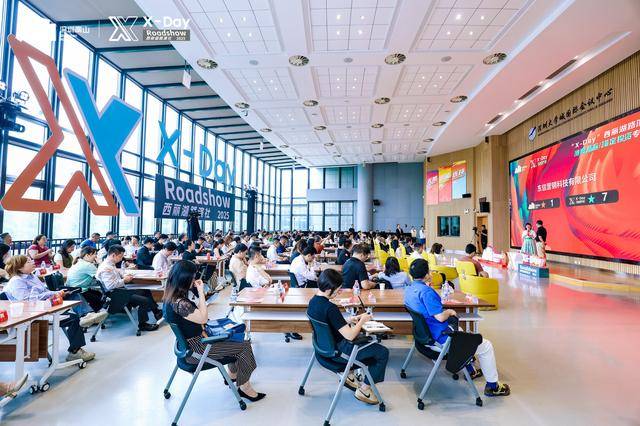
Group 1 - The "X-Day" event held on June 5 showcased seven high-growth companies preparing for IPOs in Hong Kong, covering sectors such as wireless communication, AI marketing, cross-border logistics, biotechnology, and new materials, highlighting the innovation strength of Chinese enterprises on the global stage [1][3] - The event attracted nearly 200 potential cornerstone and anchor investors, including top investment institutions and international banks, facilitating 49 one-on-one closed-door meetings between investors and the presenting companies, significantly enhancing the precision and efficiency of capital matching [3][5] Group 2 - The Hong Kong stock market has seen a resurgence in 2024, with 23 companies completing IPOs and raising a total of 603.4 billion HKD, reclaiming its position as the world's leading market for IPOs [5] - Nanshan District has emerged as a hub for overseas listings, with 217 total listed companies, including 74 overseas listings (58 in Hong Kong), and has nurtured industry leaders like Tencent and Kingdee, as well as several "first in industry" companies [5][7] - The "X-Day" platform has become a vital capital matching brand in the Bay Area, having received 100 financing project applications and established partnerships with over 180 investment and financial institutions, facilitating significant equity and credit financing for participating companies [9]
燕京啤酒2025年度分析师及投资者交流会大会召开——董事长耿超:践行改革变革 高质量完成“五战五胜”既定目标
Quan Jing Wang· 2025-06-05 12:26
Core Viewpoint - Yanjing Beer has demonstrated strong performance in a challenging market, achieving significant growth in sales and profits while implementing strategic transformations to enhance competitiveness and sustainability [3][4][6]. Group 1: Financial Performance - In 2024, Yanjing Beer achieved beer sales of 4.0044 million kiloliters, a year-on-year increase of 1.57% [3]. - The company reported total revenue of approximately 14.667 billion yuan, up 3.2% year-on-year, and a net profit attributable to shareholders of approximately 1.056 billion yuan, reflecting a substantial year-on-year increase of 63.74% [3]. - The net profit, excluding non-recurring gains and losses, was approximately 1.041 billion yuan, marking a 108.03% increase year-on-year [3]. - Over the past four years, Yanjing Beer has seen a revenue growth of about 34% and a net profit increase of approximately 4.4 times, based on 2020 figures [3]. Group 2: Market Position and Strategy - Yanjing Beer has positioned itself as the fourth largest beer company in China by revenue in 2024, following China Resources Beer, Budweiser APAC, and Tsingtao Brewery [6]. - The company has focused on a major product strategy, with its flagship product Yanjing U8 achieving a sales increase of 31.4%, contributing to product structure optimization and profit growth [4][5]. - Yanjing U8's sales have shown a compound annual growth rate of 62% since its launch, with sales reaching 700,000 kiloliters in 2024 [4]. Group 3: Shareholder Returns and Future Outlook - Yanjing Beer has maintained a consistent and stable profit distribution policy, having distributed nearly 4 billion yuan in cash dividends since its listing in 1997 [8]. - For the 2024 fiscal year, the board proposed a cash dividend of 1.90 yuan per 10 shares, totaling approximately 535.52 million yuan, which represents 50.73% of the net profit attributable to shareholders for the year [8]. - The company aims to continue its transformation and growth, focusing on becoming a leading Chinese beer brand while enhancing shareholder value [8].

6月4日【港股Podcast】恆指、港交所、美團、泡泡瑪特、華潤、百度
Ge Long Hui· 2025-06-04 18:21
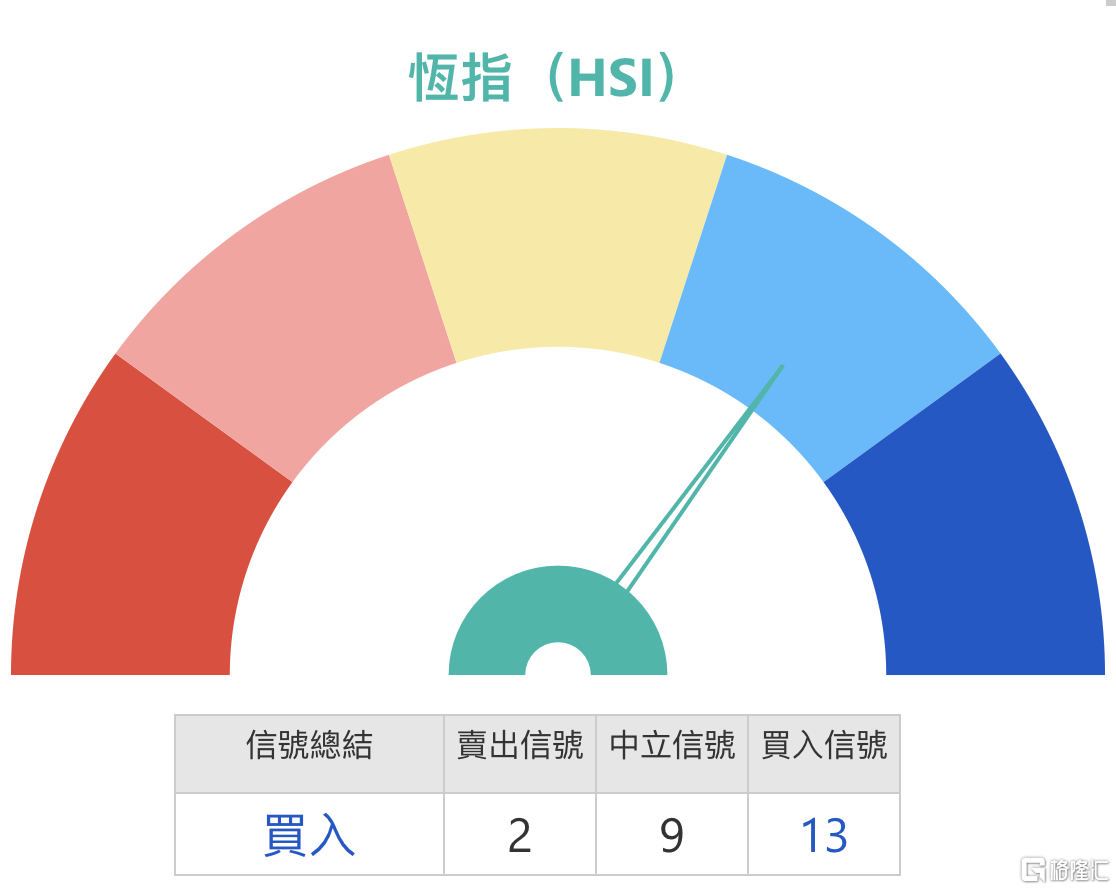
Group 1: Hang Seng Index - Investors see strong support at 23,600, with expectations to reach 24,000-24,100 on Friday, while some are cautious about a potential drop to 23,000 [1] - The index has been fluctuating within the range of 23,500-23,800 since mid-May, indicating low volatility which may affect derivative profits [1] - Technical signals show 13 buy signals, 2 sell signals, and 9 neutral signals, indicating a neutral preference [1] Group 2: Hong Kong Exchanges and Clearing (00388) - Investors are optimistic about HKEX, expecting a long-term target of at least 450, with a short-term resistance at 409 [3] - Technical signals indicate a strong buy with 17 buy signals, 1 sell signal, and 6 neutral signals, suggesting a steady upward trend [3] - If the price breaks through 409, the next resistance level is 423, which is still some distance from investor target prices [3] Group 3: Meituan-W (03690) - Investors are questioning whether Meituan can stabilize at 140 and challenge 145-150, while some are opening put options expecting a decline to 130 [6] - Technical signals maintain a buy rating with 14 buy signals, 2 sell signals, and 8 neutral signals, though the buy signals are not very strong [6] - Resistance levels are noted at 146.5 and 153.3 [6] Group 4: Pop Mart (09992) - Investors are optimistic about Pop Mart, predicting a rise to at least 252-260 next week, viewing it as a buying opportunity [9] - Technical signals maintain a buy rating with upward trends, with resistance at 258 and support at 219 [9] Group 5: China Resources Beer (00291) - Investors are observing a rebound in stock price over three days, questioning if it will challenge 28 [12] - Technical signals indicate a sell preference with 13 sell signals, 5 buy signals, and 6 neutral signals, suggesting caution [12] - The stock has faced resistance at the middle line of the Bollinger Bands at 25.9, with a significant distance to 28 [12] Group 6: Baidu Group-SW (09888) - Investors are divided, with bulls hoping to maintain 82 for a rebound, while bears anticipate further declines [15] - Recent price movements show a slight recovery, closing at 83, but still below the middle line of the Bollinger Bands [15] - Technical signals indicate a sell preference with 11 buy signals, 7 neutral signals, and 6 sell signals, with support at 79.9 and resistance at 86.2 [15]
上海汇正财经:啤酒行业进入旺季,助力夏季消费场景
Sou Hu Cai Jing· 2025-06-04 15:08
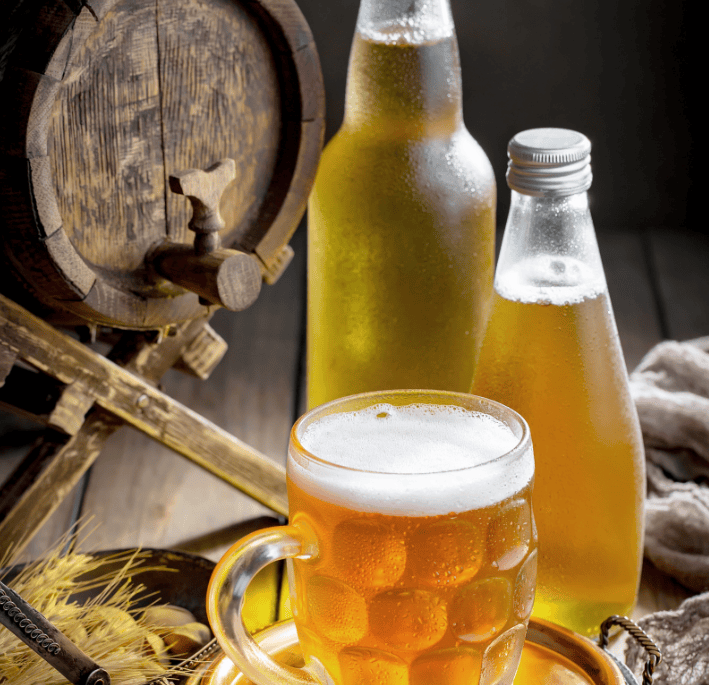
Group 1 - The peak season for beer production typically occurs from June to September due to increased demand for chilled beer in hot weather [1][3] - High temperatures significantly boost beer consumption, making the second and third quarters traditional sales peaks for the industry [3] - The Chinese beer industry has been undergoing a high-end upgrade since around 2018, shifting focus from market share to profitability, with leading companies enhancing their product offerings [4][5] Group 2 - In 2024, the overall beer consumption is expected to be weak, but the resilience of the industry remains, with leading companies still seeing profit levels increase despite a slowdown in growth rates [4][6] - Sales performance among leading beer brands varies, with some brands like Zhujiang Beer and Yanjing Beer showing positive growth while Qingdao Beer experiences a decline due to conservative marketing strategies [6][7] - The craft beer market in China is expanding rapidly, driven by a younger consumer base that values quality and unique experiences, with the market size expected to reach 11 billion yuan by 2028 [8] Group 3 - The beer industry is expected to recover in 2025, supported by improved consumer spending and favorable policies for the restaurant sector, which will positively impact beer sales [6][7] - The current low inventory levels and the approach of the beer consumption peak season present opportunities for investment in resilient companies with positive sales and pricing trends [9]
冷链供应链金融服务平台:破解中小生鲜企业资金困局
Sou Hu Cai Jing· 2025-06-04 04:52
Core Insights - The fresh produce industry faces significant cash flow pressures, particularly for small and medium-sized enterprises (SMEs), due to long payment cycles averaging 90-180 days and the complexities of the supply chain [1][3] - Cold chain supply chain finance platforms are emerging to alleviate these pressures by leveraging logistics data to create a trustworthy financial service ecosystem [3][9] Group 1: Challenges in the Fresh Produce Industry - SMEs in the fresh produce sector experience cash flow constraints due to the short shelf life of products and the need for continuous investment in procurement, storage, and transportation [1] - Traditional financial institutions are hesitant to lend to these businesses due to a lack of reliable data for risk assessment [1] Group 2: Innovations in Cold Chain Finance - Cold chain finance platforms utilize real-time data from logistics to provide risk assessment for financial institutions and innovative financing tools for SMEs, such as warehouse receipt pledges and freight factoring [3][4] - SMEs can use goods stored in cold chain warehouses as collateral, with financing up to 70% of the collateral value based on real-time monitoring data [3][4] Group 3: Technological Advancements - The core competitiveness of cold chain finance lies in the authenticity and real-time nature of data, achieved through IoT, blockchain, AI, and digital twin technologies [4][6] - For instance, the integration of IoT sensors and blockchain ensures data integrity and enables real-time monitoring of temperature and humidity, significantly reducing financing risks [4][6] Group 4: Market Position and Growth - The leading cold chain finance platform, Yue Shi, connects over 4,000 cold chain parks globally and has a cold storage capacity of 57 million tons, serving over 370,000 end customers [6][7] - The platform has developed a "Cold Chain Data Loan" product in collaboration with banks, offering low-interest loans based on logistics data and transaction flows [7][9] Group 5: Future Outlook - Cold chain finance platforms are positioned as key solutions to the financing challenges faced by SMEs in the fresh produce sector, enhancing industry efficiency and creating a robust ecosystem of technology, capital, and services [9]

啤酒争高,“新”意比拼
Xin Lang Cai Jing· 2025-06-04 03:21
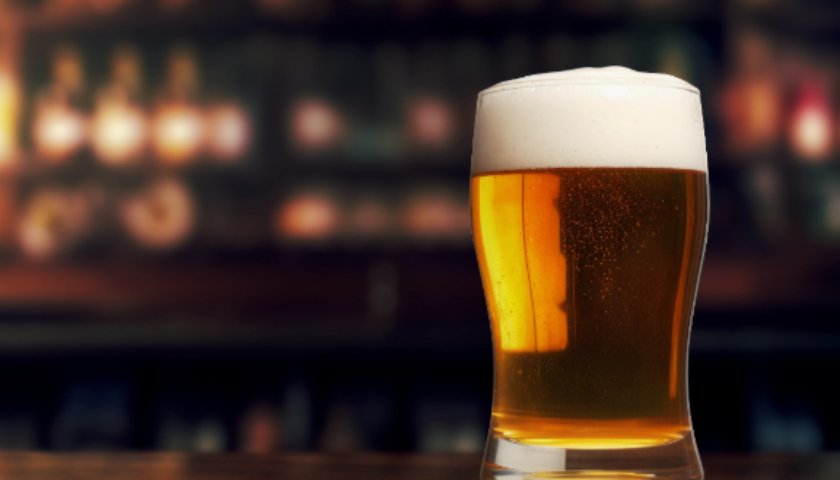
Core Insights - The Chinese beer industry faced a decline in production and revenue in 2024, with a production volume of 35.213 million kiloliters, down 0.6% year-on-year, and a revenue drop of 5.7%, making it the only negative growth category in the food and beverage sector [1][2]. Industry Dynamics - The market is experiencing significant reshuffling, with major beer companies under pressure while regional brands are rising. The competition is shifting towards high-end products, which are becoming crucial for companies' survival [2][3]. - In 2024, six major listed beer companies showed notable performance divergence, with leading companies generally declining while regional brands like Yanjing and Zhujiang are gaining ground [3][11]. Company Performance - Budweiser APAC reported a significant decline in 2024, with revenue of $6.246 billion (approximately 45.67 billion RMB), down 8.9%, and a net profit of $726 million (approximately 5.308 billion RMB), down 14.79%. Their sales volume in China dropped by 11.8%, and market share decreased by 1.49% [5][6]. - Other major companies like China Resources Beer, Qingdao Beer, and Chongqing Beer also faced revenue declines of 0.76%, 5.3%, and 1.15%, respectively, indicating a broader industry trend of negative growth [8][10]. - Yanjing Beer surpassed Chongqing Beer with a revenue of 14.667 billion RMB, while Zhujiang Beer saw a revenue increase of 6.56% and a net profit increase of 29.95%, highlighting the rise of regional brands [11][12]. High-End Market Competition - The high-end beer market is becoming increasingly competitive, with Budweiser APAC's market share in the high-end segment dropping from nearly 50% in 2015 to around 40% currently. Domestic brands are capitalizing on this trend, with China Resources Beer reporting a gross margin increase to 42.6% due to high-end product sales growth [14][16]. - Companies are focusing on the 8-10 RMB price range for high-end products, which has become a key battleground for market share. Budweiser APAC is shifting resources to this segment to adapt to current consumer trends [16][19]. Strategic Shifts - Beer companies are increasingly adopting personalized and refined operations to address the changing market dynamics. They are focusing on innovative marketing strategies and product offerings to capture diverse consumer needs [20][22]. - Companies like China Resources Beer and Qingdao Beer are enhancing their brand investments and exploring new consumption scenarios to drive growth, while Budweiser APAC is concentrating on its core brands to regain market share [24].
酒水与饮料的“双向奔赴”:一场边界模糊的集体突围
Sou Hu Cai Jing· 2025-06-03 14:02
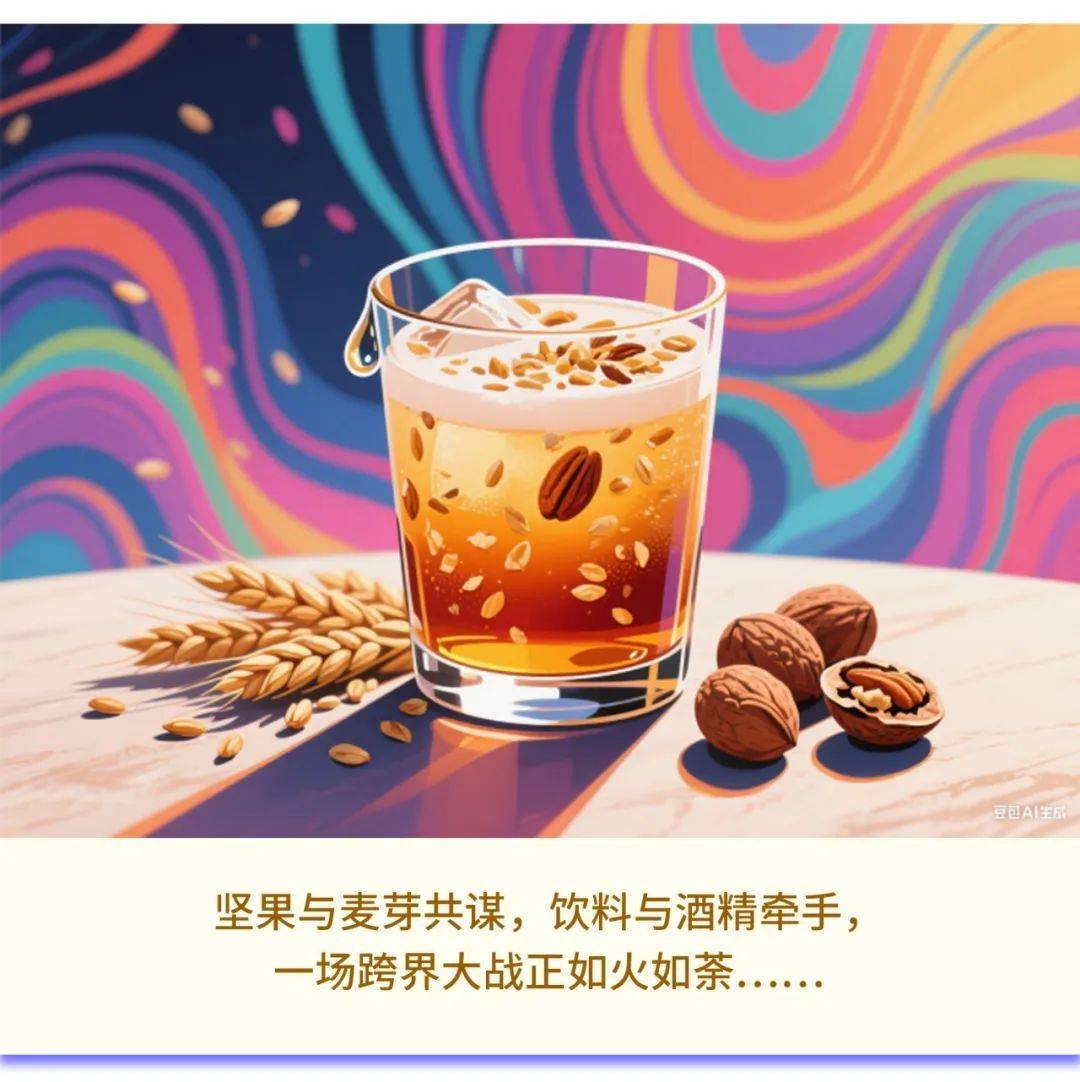
Core Viewpoint - The beverage and alcohol industries are experiencing a significant crossover, with companies like Three Squirrels launching alcoholic beverages and traditional alcohol brands entering the beverage market, reflecting a blurred boundary and a collective anxiety for growth in a saturated market [4][5][6]. Group 1: Industry Trends - Three Squirrels has introduced three alcoholic brands: "Sun Wukong" craft beer, "Huxi" fruit wine, and "Orange Cat" red wine, aiming to diversify its product matrix for various drinking scenarios [5][6]. - Beverage giants are leveraging their existing consumer bases and distribution networks to penetrate the alcohol market, as seen with Yuanqi Forest's low-alcohol sparkling wine and Fulu's fresh beer business modeled after milk tea [5][9]. - Traditional alcohol companies are also expanding into non-alcoholic beverages, with brands like Moutai and Chongqing Beer launching products such as blueberry juice and orange-flavored soda, respectively [6][9]. Group 2: Strategic Insights - The crossover strategy is driven by the need to optimize resources and create greater boundary efficiency, allowing companies to share costs and enhance value from existing consumer bases [7][11]. - Beverage companies are capitalizing on their high-frequency consumption patterns and established user connections to introduce low-alcohol products, effectively extending their market reach [9][11]. - Alcohol companies are focusing on maximizing their distribution networks by introducing non-alcoholic products, which helps stabilize revenue during seasonal fluctuations in alcohol consumption [11][12]. Group 3: Challenges and Considerations - The success of these crossovers hinges on the ability to build consumer trust in new product categories, as seen with Three Squirrels' wine and Fulu's beer [14][15]. - Companies must redefine the boundaries of "scene integration" and "professional barriers" to ensure that crossovers are not merely superficial but resonate with consumer needs and preferences [15][16]. - Both beverage and alcohol sectors face growth challenges, necessitating a return to core business principles focused on deep consumer insights and effective market positioning rather than blind pursuit of trends [16].
食品饮料周报:重点关注软饮料、低度酒精布局机会
Tianfeng Securities· 2025-06-03 10:35
Investment Rating - Industry Rating: Outperform the market (maintained rating) [6] Core Views - The report emphasizes investment opportunities in the soft drink and low-alcohol segments due to new products, low base effects, and the upcoming peak season [4][5][15] - The white liquor sector is recommended with a focus on Moutai and Fenjiu, while the yellow wine sector is under observation for data validation [3][18] - The report identifies four key themes in the consumer goods sector: cost control, new consumption trends, potential performance elasticity in Q2, and thematic expectations [18][22] Summary by Sections Market Performance Review - From May 26 to May 30, the food and beverage sector declined by 1.06%, while the Shanghai Composite Index fell by 0.03% [24] - Notable performances included soft drinks (+9.27%), other alcoholic beverages (+7.13%), and beer (+3.22%) [24] White and Yellow Liquor - The white liquor sector saw a decline of 2.76%, attributed to recent regulations and seasonal factors [3] - Shanxi Fenjiu aims for national expansion and product growth, indicating a strategic opportunity during the industry's adjustment phase [3][18] Beer and Beverage - The beer sector increased by 3.22%, supported by seasonal demand and promotional activities [14] - The report highlights the potential of the soft drink and low-alcohol segments, with significant growth in companies like Li Ziyuan and Dongpeng Beverage [15][22] Consumer Goods - The consumer goods sector is recommended based on four main themes: cost control, new consumption, potential performance elasticity, and thematic expectations [18][22] - The report suggests focusing on companies that can leverage these themes, such as Ximai Food and H&H [22] Investment Recommendations - Top picks include soft drinks and low-alcohol products like Li Ziyuan, Chengde Lulou, and Dongpeng Beverage [5][22] - For the white liquor sector, leading companies like Shanxi Fenjiu and Guizhou Moutai are recommended [5][22] - The report also suggests monitoring companies in the consumer goods sector that align with the identified themes [22]