中国财险

Search documents
回调后可积极配置,关注绩优权重及优质红马
Changjiang Securities· 2025-07-06 09:11
Investment Rating - The report maintains a "Positive" investment rating for the investment banking and brokerage industry [7] Core Insights - The industry experienced a pullback this week, with the China Securities Regulatory Commission (CSRC) holding a meeting to discuss specific measures for implementing capital market policies. Broker valuations and institutional holdings are at low levels, while trading volumes remain high. Investment banking and overseas business have shown month-on-month improvements, and the mid-year reports are expected to continue the high prosperity trend, indicating ongoing opportunities in the sector [2][4] - In the insurance sector, current valuations reflect a pessimistic market outlook on long-term investments. However, considering the medium to long-term interest rate spreads, current valuations are still deemed safe. The report favors companies with stable earnings and dividends, recommending Jiangsu Jinzu, China Ping An, and China Pacific Insurance. Additionally, it suggests companies like New China Life, China Life, Hong Kong Exchanges and Clearing, CITIC Securities, Dongfang Wealth, Tonghuashun, and Jiufang Zhitu Holdings based on performance elasticity and valuation levels [2][4] Industry Performance - The non-bank financial index decreased by 0.7% this week, with an excess return of -2.3% relative to the CSI 300, ranking 30th out of 31 industries. Year-to-date, the non-bank financial index has increased by 0.3%, with an excess return of -0.9% compared to the CSI 300, also ranking 22nd out of 31 [5] - Market activity has cooled, with an average daily trading volume of 1,441.396 billion yuan, down 3.05% week-on-week, and an average turnover rate of 1.75%, down 8.10 basis points. However, the leverage capital scale has rebounded, with a margin balance of 1.86 trillion yuan, up 1.12% [5] Key Industry News & Company Announcements - The Shenzhen Stock Exchange released guidelines for the recognition standards of "light assets and high R&D investment" for companies listed on the Growth Enterprise Market [6] - The CSRC held a meeting to discuss specific measures for implementing capital market policies, emphasizing the need for a stable market environment and risk prevention [6][62] - Dongxing Securities has received approval from the CSRC for a change in its controlling shareholder to Huijin Company [6]



高盛将联想列入7月买入名单 基础设施订单驱动持续增长
智通财经网· 2025-07-05 08:33
Core Viewpoint - Goldman Sachs has included Lenovo Group in its buy list for Hong Kong and Chinese concept stocks based on the Earnings Revision Leading Indicator (ERLI), reflecting market recognition of Lenovo's comprehensive layout in the AI industry chain and recent significant orders in smart transportation [1][2] Group 1: Earnings Revision and Market Position - Lenovo's inclusion in the ERLI list indicates that its earnings expectations have entered an upward adjustment channel, suggesting a positive outlook for its future development [2] - Lenovo is among a select few technology companies that cover both hardware and services, alongside major internet giants like Tencent and Alibaba, highlighting its unique value in hardware innovation [2] Group 2: Recent Contracts and Market Strength - Lenovo won a contract worth 1.93 billion yuan for the Tianjin Binhai New Area Rail Transit Network Operation Control Center project, marking a significant achievement in its smart city initiatives and AI infrastructure solutions [3] - The company has maintained strong competitiveness in the government and enterprise market, with a recent successful bid for a project exceeding 1.1 billion yuan [3] Group 3: AI Demand and Market Trends - The demand for computing power infrastructure is experiencing exponential growth, particularly in the AI sector, with major companies like Nvidia reaching a market capitalization of approximately 3.89 trillion dollars [4] - The global demand for AI capabilities is surging, as evidenced by the explosive growth in token call volumes from major firms, which is expected to drive continuous orders for Lenovo's servers, storage, and liquid cooling solutions [4]

保险行业2025年5月保费收入点评:寿险高增驱动行业保费回暖,财险延续稳定
CMS· 2025-07-04 09:50
Investment Rating - The report maintains a "Recommended" rating for the insurance industry, indicating a positive outlook for the sector's fundamentals and expected performance relative to market benchmarks [2][6]. Core Insights - The life insurance sector is experiencing significant premium growth, particularly in life insurance, while health and accident insurance face short-term pressures. In the first five months of 2025, life insurance premium income reached 18,735 billion, with a year-on-year increase of 3.9% [5][7]. - Property insurance companies are seeing stable growth in auto insurance premiums, with a total premium income of 3,720 billion for auto insurance, reflecting a 4.4% increase year-on-year. Non-auto insurance is also expected to improve in profitability [5][7]. - Overall, the insurance industry reported a cumulative premium income of 30,602 billion, up 3.8% year-on-year, with a notable monthly increase of 13.2% in May [5][7]. Summary by Sections Life Insurance Companies - Cumulative premium income for life insurance companies was 22,797 billion, with a year-on-year growth of 3.3%. In May alone, premium income was 3,328 billion, marking a 16.6% increase [5][7]. - Life insurance premiums specifically reached 2,674 billion in May, showing a robust year-on-year growth of 24.1% [5][7]. - Health insurance premiums decreased by 6.3% year-on-year, while accident insurance premiums fell by 8.5% [5][7]. Property Insurance Companies - Cumulative premium income for property insurance companies was 7,805 billion, with a stable year-on-year growth of 5.2% [5][7]. - Auto insurance premiums totaled 3,720 billion, with a 4.4% increase year-on-year, benefiting from government policies and rising penetration of new energy vehicles [5][7]. - Non-auto insurance premiums reached 4,085 billion, up 6.0% year-on-year, driven by growth in health and accident insurance [5][7]. Overall Industry Performance - The insurance industry as a whole saw a cumulative premium income of 30,602 billion, reflecting a 3.8% year-on-year increase [5][7]. - Total assets in the insurance industry reached 384,239 billion, up 7.0% since the beginning of the year, while net assets increased by 8.3% to 36,023 billion [5][7].
全市场唯一港股通非银ETF(513750)规模突破48亿元创新高!机构:保险股β属性显著,具备长期配置价值
Xin Lang Cai Jing· 2025-07-04 05:43
Core Viewpoint - The non-bank financial sector in Hong Kong is experiencing mixed performance, with the non-bank financial ETF showing significant growth over the past year and recent inflows indicating strong investor interest [1][2]. Group 1: ETF Performance - As of July 3, 2025, the non-bank financial ETF has seen a net value increase of 66.53% over the past year, ranking 54 out of 2897 index stock funds, placing it in the top 1.86% [2]. - The ETF has recorded a maximum single-month return of 31.47% since its inception, with the longest consecutive monthly gains being four months and a total increase of 38.25% during that period [2]. - The ETF's average monthly return during up months is 7.04%, with a historical one-year holding profit probability of 100% [2]. Group 2: Market Dynamics - The non-bank financial theme index includes up to 50 listed companies selected from the Hong Kong Stock Connect, reflecting the overall performance of non-bank financial companies within this scope [2][4]. - The top ten weighted stocks in the index account for 77.92% of its total weight, with major contributors being China Ping An, AIA, and Hong Kong Exchanges and Clearing, each exceeding 14% [3]. - Recent market trends indicate a recovery in risk appetite, with the non-bank financial sector showing better performance compared to other high-dividend sectors [3]. Group 3: Investment Recommendations - Analysts recommend focusing on insurance stocks with stable fundamentals and beta elasticity, highlighting the ongoing strong demand for household savings and the potential for steady performance in 2025 [4]. - The securities sector is advised to be monitored for firms with balanced business structures and resilience, benefiting from ongoing capital market reforms [4]. - The non-bank financial ETF is noted as the first and only ETF tracking the non-bank index, providing unique investment opportunities without QDII quota restrictions [4].
成立至今(2024)财险公司累积回报率排行榜:人保第一、平安第二,他们累积盈利额超过股东投入7倍以上,累积回报率年化值超10%!
13个精算师· 2025-07-04 01:53
Core Viewpoint - The cumulative return rate of the property insurance industry from 2009 to 2024 is 181.7%, with an annualized return rate of 14.3%, indicating strong profitability for shareholders in the sector [1][10]. Group 1: Cumulative Return Rate Analysis - The cumulative return rate for the "old three" major companies (People's Insurance, Ping An, and Taiping) is 745.9%, while medium-sized companies have a cumulative return rate of 51.4%, and small companies only 2.3% [2][13]. - From 2009 to 2024, the cumulative net profit of the property insurance industry reached 598.5 billion yuan, with total shareholder capital contributions of approximately 342.5 billion yuan and net assets of about 733.8 billion yuan by the end of 2024 [8][10]. - The cumulative return rate for the property insurance industry has been positive since 2009, with a steady increase over the past twelve years [10][22]. Group 2: Company-Specific Performance - The cumulative return rates of the top ten companies are significantly higher than the industry average, with People's Insurance leading at 960.4% and Ping An at 811.3% [29]. - The cumulative return rates for medium-sized companies show a stark contrast, with total shareholder contributions of 102.3 billion yuan and cumulative profits of 52.7 billion yuan [3][16]. - Small companies have a total shareholder contribution of 148.9 billion yuan but only a cumulative profit of 3.8 billion yuan, highlighting the disparity in performance across company sizes [3][16]. Group 3: Statistical Insights - The average cumulative return rate across the industry is 27%, but the median shows a loss of 14.7%, indicating that over 60% of the 73 companies analyzed have cumulative losses [18][22]. - The distribution of cumulative return rates resembles a normal distribution, reflecting the competitive differences among property insurance companies [26]. - The annualized cumulative return rate for the industry shows an average of -1.6%, with a median of -1.2%, indicating that many companies are struggling to achieve positive returns [25][26].


粤港澳大湾区清洁能源建设迎重大进展
Xin Hua Ri Bao· 2025-07-03 22:03
Core Insights - The successful completion of the foundation piling for the Qizhou Seven offshore wind farm project marks a significant breakthrough in deep-sea wind power development in Guangdong Province [1][5] - The project, located approximately 70 kilometers from the coast with a total installed capacity of 1 GW, is expected to generate enough electricity to power over one million households and reduce carbon dioxide emissions by about 2 million tons annually [1][5] Group 1: Project Overview - The Qizhou Seven offshore wind farm project is situated in the waters near Yanshi County, with a water depth ranging from 46 to 53 meters [1] - The project has a total installed capacity of 1 GW, which will significantly contribute to the green transformation of Guangdong's energy structure [1] Group 2: Construction Challenges and Solutions - The project faced challenges due to complex natural conditions such as deep water and offshore environments, with individual steel pipe piles weighing up to 337 tons and measuring 93 meters in length [2] - To ensure construction efficiency and precision, the project team utilized experienced construction vessels and implemented strict control over the execution of construction plans [2][4] Group 3: Management and Efficiency - The project adopted refined management practices to optimize construction efficiency, including tailored construction plans for each machine and continuous process optimization [3] - The construction cycle for a single steel pipe pile was successfully controlled to within 32 hours, significantly enhancing construction efficiency [3] Group 4: Collaboration and Safety - The successful progress of the project was attributed to the effective collaboration among various parties, including construction, supervision, and contracting units [4] - The project leadership maintained close oversight to ensure safety and efficiency throughout the construction process [4] Group 5: Strategic Implications - The successful implementation of the Qizhou Seven offshore wind project provides valuable engineering and management experience for deep-sea offshore wind power development in China [5] - This project supports Guangdong's offshore wind power development strategy and contributes to the high-quality development of the offshore wind equipment and innovation chain, aiding in the achievement of national "dual carbon" goals [5]

保险业最新成绩单出炉:寿险快速回暖 财险表现稳健
Sou Hu Cai Jing· 2025-07-03 11:09
Core Insights - The insurance industry in China reported a total original insurance premium income of 3.06 trillion yuan in the first five months of 2023, reflecting a year-on-year growth of 3.77% [1] - Life insurance premiums accounted for 2.45 trillion yuan, while property insurance premiums reached 612.9 billion yuan, with respective year-on-year growth rates of 3.72% and 3.97% [1] Life Insurance Performance - From January to May, life insurance companies generated original insurance premium income of 2.28 billion yuan, marking a year-on-year increase of 3.3% [3] - In May alone, life insurance premiums reached 332.8 billion yuan, showing a significant year-on-year growth of over 16% [3] - The life insurance segment, as a major part of personal insurance, saw a 3.9% year-on-year increase in premium income, with May's growth at 24.1%, indicating rising consumer demand for life insurance products [3][5] Health Insurance Trends - Health insurance premiums grew by only 0.9% year-on-year in the first five months, with May's income at 62.4 billion yuan, showing a shift from positive to negative growth [4] - Analysts suggest that the slowdown in health insurance premium growth is influenced by product structure transformation within the industry [4] Property Insurance Performance - Property insurance companies reported original insurance premium income of 780.5 billion yuan in the first five months, with a year-on-year growth of 5.2% [6] - Auto insurance remains a significant contributor, with premiums amounting to 372 billion yuan, accounting for nearly half of the total property insurance income [6] - The growth in auto insurance is supported by a 9.2% year-on-year increase in retail sales of narrow-sense passenger vehicles, alongside a notable rise in the production and sales of new energy vehicles [6] Competitive Landscape - Leading insurance companies are focusing on upgrading agent quality and enhancing high-value savings product sales, which is expected to drive growth in premium income [4] - The competitive landscape is anticipated to improve as major property insurance firms leverage their scale and refined management to strengthen their market position [6]
人保财险南京直属一营 / 科技营业部中标江苏国信沙洲企财险项目
Jiang Nan Shi Bao· 2025-07-03 06:34
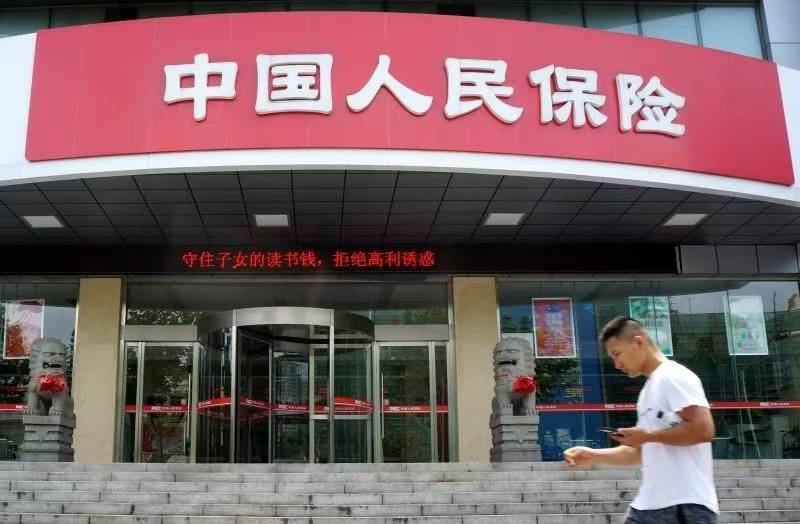
Group 1 - The core achievement is the successful bid for the corporate property insurance project by Nanjing PIC, covering multiple insurance types such as property insurance, machinery damage insurance, and liability insurance [1][2] - The project is significant as it strengthens Nanjing PIC's leading position in the important client sector and injects strong momentum into the high-quality development of the municipal branch's legal business [2] - The project is part of a national-level energy project operated by Jiangsu Guoxin Group, which is also a key clean and efficient power energy project in Jiangsu Province [2] Group 2 - The project team demonstrated high efficiency and professionalism during the bidding process, effectively coordinating with provincial and municipal institutions and monitoring market competition [1] - The team utilized their extensive past project experience to design a comprehensive risk management service plan tailored to the characteristics of the supercritical reheating unit [1] - Nanjing PIC plans to continuously improve its service offerings and deepen its engagement with important provincial clients to provide higher quality and more professional insurance services [2]

“五融”模式破浪“猪周期”——山东人保财险为生猪产业稳产保供开新局
Qi Lu Wan Bao· 2025-07-03 04:50
Core Viewpoint - The innovative "Five Integration" model developed by China People's Property Insurance Company in Shandong aims to address the challenges faced by the pig farming industry, including price volatility and financing difficulties, by integrating government support, insurance, futures, orders, and credit [1][3][4]. Group 1: Industry Challenges - The "pig cycle" has lengthened and become more volatile, posing significant challenges to farmers' income and food supply stability [3]. - Farmers face difficulties in managing risks related to market price fluctuations and accessing financing [3]. Group 2: Innovative Solutions - The "Five Integration" model combines government, insurance, futures, banks, and pig sales companies to create a comprehensive support system for the pig farming industry [4]. - The model includes various financial services such as price insurance for pig feed and futures, which help stabilize prices and enhance sales channels [4]. Group 3: Implementation and Impact - Local governments provide policy support and premium subsidies, while insurance companies offer risk protection services [4]. - The model has been recognized as a top innovative case by the Shandong Provincial Department of Agriculture and Rural Affairs and has received awards for financial innovation [6]. - In 2024, the company provided risk protection worth 1.747 billion yuan for 1.06 million pigs owned by 560 farmers, demonstrating significant industry impact [6].
★资金驰援 保险护航 金融创新呵护实体经济重点领域关键环节
Shang Hai Zheng Quan Bao· 2025-07-03 01:56
Financial Support for the Real Economy - A series of financial policies have been implemented to support key sectors of the real economy, including credit trials and innovative insurance mechanisms, leading to a positive economic recovery [1][3] - The cumulative visit to over 67 million small and micro enterprises has facilitated the coordination of financing mechanisms [1] Intellectual Property Financing Innovations - The first knowledge property pledge customs guarantee letter was issued in Sichuan, allowing a company to use its core patents to expedite customs clearance [1][2] - As of the end of March, the balance of intellectual property pledge loans in Sichuan increased by 4.48% year-on-year, with a 30.97% increase in the amount issued during the year [2] Support for Small and Micro Enterprises - The "no principal repayment renewal loan" policy has been expanded to all small and micro enterprises, with banks providing a total of 4.4 trillion yuan in renewed loans to meet financing needs [2][3] - The loan balance for high-tech enterprises reached 17.7 trillion yuan by the end of the first quarter, reflecting a 20% year-on-year growth [3] Investment Tools for Technology Enterprises - The establishment of the Chengdu Jiazi Industrial Fund aims to invest in seed and early-stage enterprises in intelligent manufacturing and new energy sectors [3][4] - A total of 74 private equity investment funds have been set up, with signed intention amounts exceeding 380 billion yuan [4] Innovative Insurance Products - The introduction of short-term export credit insurance has provided coverage for foreign trade enterprises against uncertain risks, with over 240 billion USD in insured amounts in the first quarter [5][6] - The "cross-border e-commerce insurance" product has been developed to address challenges faced by cross-border e-commerce companies, enhancing their procurement capabilities [6] Overall Economic Policy Impact - The comprehensive financial policy measures are designed to address immediate issues while promoting long-term sustainable development, thereby boosting confidence and stabilizing expectations in the economy [7]