洋河股份

Search documents
中秋国庆旺季不旺?千元白酒价格跳水,酒商忙促销,出货提速
Nan Fang Du Shi Bao· 2025-09-30 09:40
Core Insights - The white liquor market is experiencing significant price fluctuations and promotional activities as the Mid-Autumn Festival and National Day approach, leading to a general decline in product prices [2][3][18] - High-end liquor prices are mostly decreasing, with many products seeing their average retail prices drop, while some products maintain stable pricing [5][8][13] Price Trends - In Guangzhou, over half of the products have seen average prices decline, including high-end brands like Wuliangye and Moutai, with price drops ranging from a few to several dozen yuan [3][6] - The average retail price of Moutai remains stable at around 2,299 yuan in some channels, while other platforms offer it for as low as 1,799 yuan, indicating significant price variation across different sales channels [5][6] - In Shenzhen, the average retail price of Moutai has dropped to 2,038.6 yuan, with some channels reporting prices below 2,000 yuan [8][11] Promotional Activities - Various sales channels are implementing promotional activities to boost sales, leading to price reductions across multiple products, particularly in the high-end segment [10][15] - The increase in sales volume is noted, especially for products in the thousand yuan price range, as consumers purchase for gifting and gatherings [10][18] Regional Variations - In Dongguan, the average price of Moutai has decreased by approximately 74 yuan to around 2,180 yuan, driven by promotional activities [18][20] - In Foshan, while some products like Moutai have seen slight price increases, most products in the market are experiencing price declines due to promotional efforts [13][15] Overall Market Dynamics - The white liquor market is characterized by a dual nature, with some products experiencing price stability while others face significant declines, reflecting the competitive landscape and inventory management strategies among distributors [22][25] - The overall trend indicates a downward pressure on prices as the industry seeks to stimulate demand during the festive season [2][10][22]







“光瓶热”会重蹈下一场“酱酒热”式的泡沫吗?
Sou Hu Cai Jing· 2025-09-30 06:25
Core Insights - The article discusses the contrasting trends of "light bottle liquor" and "sauce liquor" in the Chinese liquor market, questioning whether the current enthusiasm for light bottle liquor will lead to a bubble similar to the past sauce liquor craze [1][2]. Group 1: Sauce Liquor Trends - The period from 2016 to 2021 marked a significant growth phase for sauce liquor, with production capacity increasing from approximately 300,000 kiloliters to 600,000 kiloliters, and sales revenue soaring from 50 billion to 190 billion yuan, capturing a market share that rose from 3% to 31.5% [2][4]. - The high-end image of sauce liquor, particularly driven by Moutai, created a perception of "sauce liquor = high-end," allowing for substantial price flexibility, as Moutai's wholesale price surged from 850 yuan to 3,700 yuan per bottle [3][4]. - The influx of capital and channel partners into the sauce liquor industry was spurred by Moutai's rising prices, leading to a market expansion that saw over 1,000 sauce liquor brands emerge by 2021 [4][5]. - From 2021 to 2025, the sauce liquor market experienced a downturn, with Moutai's wholesale price dropping by 50% to 1,800 yuan, resulting in declining sales for various brands and a significant inventory backlog expected to take two years to clear [5][6]. Group 2: Light Bottle Liquor Development - Light bottle liquor has undergone three key development phases since the market liberalization in 1989, with the first phase around 2000 marking a transition from a chaotic market to a more organized one, led by brands like Laozhuangchang and Longjiangjiayuan [7][8]. - The second phase around 2010 saw a price shift, with products priced at 15 yuan per bottle replacing those at 10 yuan, driven by brands like Niulanshan and Hongxing [9]. - By 2020, light bottle liquor entered a new phase characterized by a dual price structure, with significant product launches leading to a sales surge, including over 12 million units sold for Baofeng [10][11]. - The overall market for light bottle liquor is projected to exceed 150 billion yuan by 2025, with a compound annual growth rate of 17%, as major liquor companies increase their strategic investments in this segment [11][12]. Group 3: Comparative Analysis - The development paths and core drivers of sauce liquor and light bottle liquor differ significantly, with sauce liquor being driven by capital and profit, while light bottle liquor is fueled by rational demand and consumption upgrades [13][16]. - Consumption scenarios also play a crucial role, as sauce liquor is primarily associated with business consumption, making it more volatile, whereas light bottle liquor caters to personal consumption, providing a more stable growth foundation [14][15]. - Light bottle liquor's demand is rooted in everyday consumption, making it less sensitive to policy changes and economic cycles, unlike sauce liquor, which is highly affected by such factors [15][17].

从“双节”营销,看见中国酒业之变
Sou Hu Cai Jing· 2025-09-30 06:25
Core Insights - The Chinese liquor industry is experiencing a recovery during the "Golden September and Silver October" season, with major companies like Kweichow Moutai and Wuliangye reporting significant sales growth [2][3] - Despite the expected sales boom during the Mid-Autumn Festival and National Day, the market is characterized by a "calm, indifferent, and rational" consumer behavior, shifting marketing strategies towards sales activation and online channels [2][10] Group 1: Marketing Strategies - Major liquor companies are adopting a sales-driven approach, focusing on direct promotions and product accessibility rather than traditional brand exposure [5][6] - New product launches, such as "Da Zhen·Zhen Jiu" and the first metaverse concept liquor by Guotai, have seen immediate success, indicating a shift towards innovative offerings [3][4] - Companies like Moutai and Fenjiu are implementing promotional activities that cater to diverse consumer needs, emphasizing practical sales over ceremonial marketing [5][6] Group 2: Channel Transformation - The marketing strategies during the double festival have shifted towards localized and online-focused approaches, enhancing consumer engagement and market growth [7][9] - Collaborations with local cultural events and online platforms have been utilized to create immersive consumer experiences, such as the "Jiu Gui Jiu" campaign in Hunan [8][9] - The rise of instant retail partnerships, like that of Tuopai and Meituan, exemplifies the industry's adaptation to new consumer behaviors and preferences [9] Group 3: Consumer Behavior Changes - There is a notable shift towards rational consumption, with consumers preferring to buy based on immediate needs rather than bulk purchasing [10][11] - The popularity of lower-priced and lower-alcohol products reflects changing consumer preferences towards health and personal enjoyment [11] - The industry is undergoing a fundamental transformation from "scale expansion" to "quality enhancement," indicating a long-term shift in the value system and business models within the liquor market [10][12]

吃喝板块节前震荡,白酒龙头集体下挫!板块估值跌至冰点,布局时机或至?
Xin Lang Ji Jin· 2025-09-30 05:47
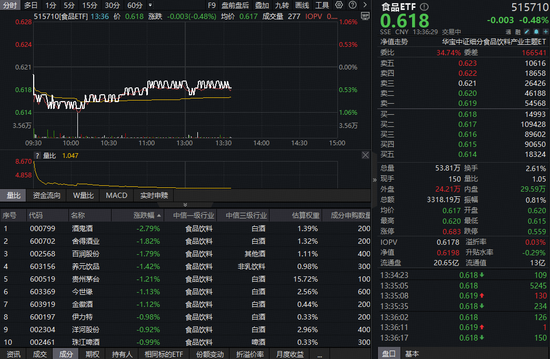
Core Viewpoint - The food and beverage sector is experiencing a continued low-level fluctuation, with the Food ETF (515710) showing a decline of 0.48% as of the report date, primarily driven by significant drops in liquor stocks [1][3]. Group 1: Market Performance - As of September 30, the Food ETF (515710) has decreased by 0.48%, reflecting the overall downward trend in the food and beverage sector [1]. - Major liquor stocks such as Guizhou Moutai, Wuliangye, and others have seen declines, with some stocks like JiuGui Jiu dropping nearly 3% [1][3]. - The food and beverage sector's valuation remains low, with the food ETF's price-to-earnings ratio at 20.49, indicating a potential good entry point for investors [3]. Group 2: Industry Outlook - The liquor industry is expected to remain in an adjustment phase through the second half of 2025, with gradual stabilization anticipated as the macroeconomic environment improves [4]. - Companies are adapting to market pressures by innovating products and reforming channels to maintain market share, with some positive sales trends noted for brands like Moutai and Fenjiu [4]. - The Food ETF (515710) is heavily weighted towards leading high-end liquor stocks, with approximately 60% of its portfolio in top liquor brands, suggesting a focus on quality assets in the sector [4].
习酒董事长频赴一线调研背后:九大白酒品牌,君品习酒跌得最“惨”
Sou Hu Cai Jing· 2025-09-30 03:34
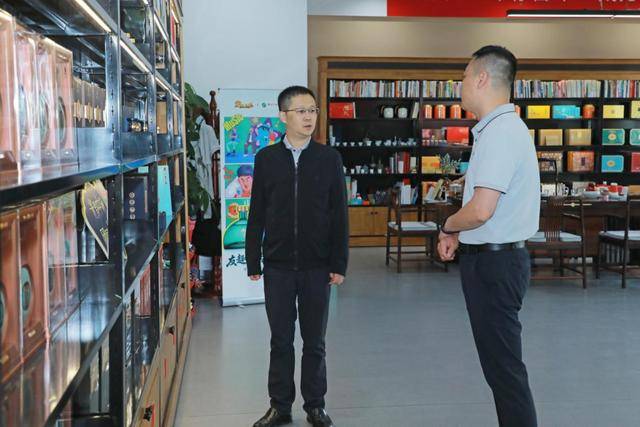
Core Insights - The chairman of Xijiu Group, Wang Diqiang, has been conducting extensive market research across various provinces, indicating a strategic response to market pressures [1][5][10] - The wholesale price of Junpin Xijiu has seen a significant decline of 39.82% over the past five years, making it the largest drop among T9 brands [5][9][12] - The company aims to enhance its market positioning and sales strategies amid changing consumer preferences and increased competition following its separation from Moutai [10][15][17] Market Research and Strategy - Wang Diqiang's recent visits to key markets such as Shaanxi and Tianjin are part of a broader initiative to understand market dynamics and unify corporate strategy [1][5] - The research aims to identify issues and foster consensus within the company to elevate its marketing efforts [5][9] Price Trends and Market Position - Junpin Xijiu's wholesale price has decreased from 955 yuan per bottle in June 2021 to approximately 683 yuan currently, reflecting a significant market adjustment [5][8] - The average inventory turnover days for the white liquor industry has increased to 900 days, indicating a growing challenge in managing stock and pricing strategies [9][12] Industry Context and Challenges - The white liquor industry is experiencing a structural shift in consumer behavior, with a growing preference for lower-priced products, impacting high-end brands like Junpin Xijiu [9][10] - Following its independence from Moutai in 2022, Xijiu faces intensified competition, necessitating a reevaluation of its market strategy [12][15] Future Goals and Development - Xijiu aims to achieve an asset scale of 33 billion yuan and revenue of 23.5 billion yuan by 2025, with current figures at 26.835 billion yuan and 19.864 billion yuan respectively [17] - The company's leadership is focused on stabilizing prices and enhancing market confidence to drive growth in a challenging industry landscape [17]
2025中国杏花村国际酒业博览会盛大开幕!
Qi Lu Wan Bao· 2025-09-30 02:46
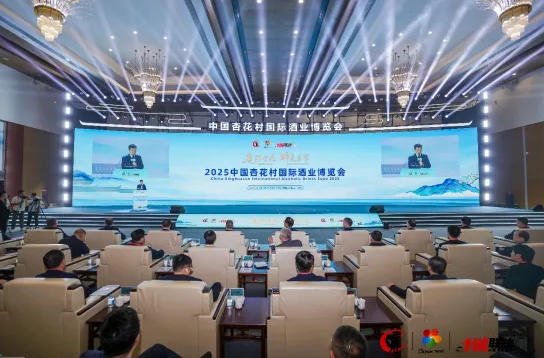
Core Insights - The 2025 China Xinghua Village International Wine Expo has officially opened, themed "Pointing to Xinghua, Beautiful Luliang," gathering global wine industry elites to discuss future development and build a high-end platform for cultural exchange [1][12]. Industry Overview - The Chinese liquor industry has a history of over a thousand years and has become a significant pillar of the national economy, with an annual output value exceeding 1 trillion yuan and over 10 million practitioners [6]. - The industry plays a crucial role in rural revitalization, driving the development of the entire supply chain, including planting, processing, packaging, logistics, and tourism [6]. Event Highlights - The expo spans three days from September 29 to October 1, focusing on promoting industrial development and investment trade, showcasing Luliang's liquor products and technology brands [14]. - The exhibition area covers 30,000 square meters with eight major exhibition zones, attracting nearly 500 domestic and international enterprises, including over 300 international brands from more than 20 countries and regions [18]. Key Participants - Notable attendees include government officials, industry leaders, and representatives from various associations and research institutions, highlighting the event's significance in the liquor industry [3][4][11]. Strategic Goals - Luliang aims to establish itself as a world-class core production area for clear-flavored liquor, with a production capacity of 500,000 tons and a revenue exceeding 60 billion yuan from the entire industry chain [9]. - The focus is on high-quality development, expanding domestic and international markets, and enhancing the brand value of clear-flavored liquor [9][20]. Future Directions - The expo will feature over 30 specialized activities, emphasizing the integration of technology and culture, and aims to inject new vitality into economic development [16]. - The event serves as a platform for promoting international cooperation and cultural exchange in the liquor industry, with an emphasis on building a new global ecosystem [6][12].
茅台新增“即时配送”!吃喝板块回调,资金越跌越买!机构:板块底部机会值得珍视
Xin Lang Ji Jin· 2025-09-30 02:09
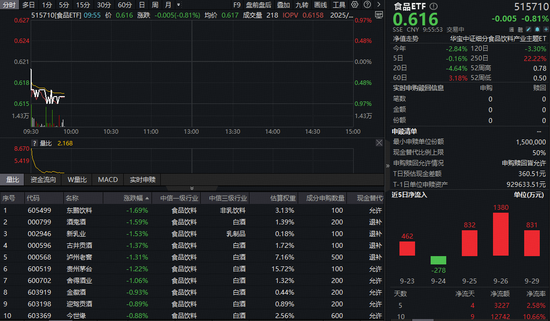
Group 1 - The food and beverage sector is experiencing a pullback, with the Food ETF (515710) showing a decline of 0.81% as of the latest report [1][2] - Major liquor stocks such as Kweichow Moutai, Luzhou Laojiao, and Gujing Gongjiu have seen declines exceeding 1%, contributing to the overall downturn of the sector [1][3] - Recent data indicates that the Food ETF has attracted significant capital inflow, with a net subscription amounting to 32.27 million yuan over the last five trading days [1][3] Group 2 - Kweichow Moutai has upgraded its digital marketing platform "i Moutai" to include instant delivery services, aiming to meet high-demand scenarios for timely delivery [3][4] - The current valuation of the food and beverage sector is at a low point, with the food index's price-to-earnings ratio at 20.49, suggesting a favorable time for investment [3][4] - Analysts predict a potential recovery in the liquor sector as policy pressures ease, with Kweichow Moutai's sales showing signs of improvement [4][5] Group 3 - The Food ETF (515710) is designed to track the sub-index of the food and beverage industry, with approximately 60% of its holdings in leading high-end liquor stocks [5][6] - The ETF's top ten weighted stocks include major brands such as Moutai, Wuliangye, and Yili, indicating a strong focus on premium products [5][6]
江苏宿迁向世界发出绿色“邀请函”
Xin Jing Bao· 2025-09-30 02:08
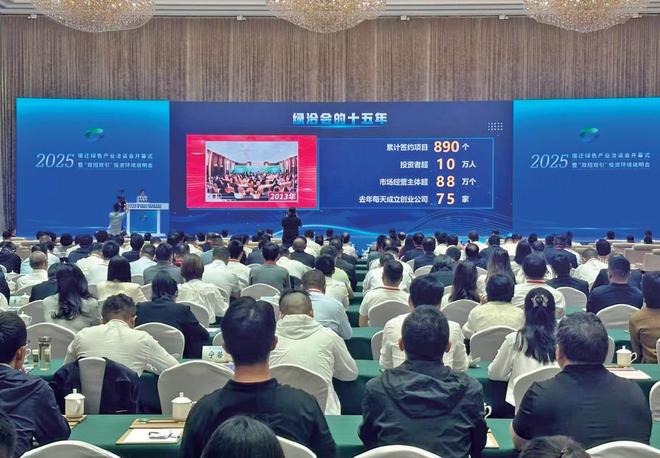
Core Viewpoint - The 2025 Suqian Green Industry Fair (Green Fair) aims to enhance cooperation and investment opportunities in Suqian, marking its 15th anniversary and attracting over 200 business representatives to discuss green industry development [1][3]. Group 1: Event Overview - The Green Fair opened on September 28, 2023, featuring a "Double Recruitment and Double Introduction" investment environment briefing [3]. - The event has become a significant platform for external cooperation and cultural exchange in Suqian, with over 100,000 investors participating over the years [1][4]. Group 2: Investment and Projects - A total of 234 green projects were announced during the fair, with 84 related to new energy and circular economy industries, and 64 cooperation demand scenarios [3]. - Notable companies such as JD Group, Hengli Group, and Ruisheng Technology Group were recognized for their contributions to Suqian's green industry development [3][4]. Group 3: Economic Impact - Suqian's economic output has risen to 67th in the nation, with significant contributions from industries like new energy and high-end textiles, which have surpassed a combined output of 100 billion [4]. - The city has signed 890 projects since the fair's inception, fostering over 880,000 operating entities [4]. Group 4: Talent Development - Suqian ranks 18th in the Yangtze River Delta talent development index, showing a continuous improvement in attracting talent [5]. - The city has implemented a talent strategy, resulting in a 14% annual growth in total talent resources and a 36% increase in newly recruited PhDs and Masters [5]. Group 5: Future Plans - Suqian aims to enhance its business environment and promote multi-chain collaboration in industries, innovation, and data [6]. - The city plans to build a "Jiangsu Ecological Park" to support green transformation and value enhancement for enterprises [6].
小容量大市场!小酒“狂飙”带动白酒行业的“轻量革命”
Sou Hu Cai Jing· 2025-09-29 11:23
Core Insights - The small capacity liquor segment, defined as products ranging from 50ml to 250ml, is emerging as a significant growth area in the Chinese liquor industry, driven by changing consumer preferences towards health, self-indulgence, and situational consumption [2][4][9] Market Trends - The small capacity liquor market has seen a dramatic increase, with sales of 100-200ml bottles surging by 187% year-on-year in 2024, primarily driven by 62% of buyers being young adults aged 18-30 [4] - Major liquor companies, including Moutai and Wuliangye, have launched small bottle products, indicating a shift in strategy to capture this growing market [4][5] - The rise of small capacity liquor aligns with the trend of "health and light drinking," appealing to younger consumers who prefer convenient and moderate drinking options [7][9] Competitive Landscape - The small liquor segment is disrupting the traditional dominance of large single products, providing opportunities for small and regional liquor companies to differentiate themselves [9] - The market is transitioning from a channel-driven approach to a scenario-driven one, as new consumption scenarios like solo drinking and light social gatherings gain popularity [9] Quality and Innovation - The small capacity liquor market is expected to enter a phase of quality enhancement, with a focus on premiumization as consumer awareness matures [9] - Companies are encouraged to innovate in product quality and consumer experience to maintain competitiveness, as the market faces challenges such as homogenization and the lifecycle of products [11]
“王健林们”退场,万亿房地产消费遇冷,中国白酒未来增量在哪?
Sou Hu Cai Jing· 2025-09-29 07:49
Core Viewpoint - The decline of the real estate industry in China has significantly impacted the high-end liquor market, leading to a need for transformation and new consumption drivers in the liquor sector [1][4][7]. Group 1: Real Estate and Liquor Industry Interconnection - The real estate sector's growth has historically driven the high-end liquor market, with a notable increase in business-related consumption [2][4]. - From 2004 to 2013, real estate investment surged over 520%, while the liquor industry experienced a "golden decade" with production up 293%, revenue up 719%, and profits soaring 1272% [5]. - The collapse of major real estate companies like Evergrande and the subsequent economic downturn have led to a significant decline in the liquor industry, which is now facing intense competition and adjustment [7][8]. Group 2: Current State of the Liquor Industry - As of early 2025, the number of large-scale liquor enterprises has decreased to 887, with a slight revenue increase of 0.19% but a significant profit drop of 10.93% [8]. - Major liquor companies have initiated strategic transformations, focusing on new consumer demographics, international markets, and affordable product lines to adapt to changing market conditions [10][11][12]. Group 3: Strategic Transformations in the Liquor Industry - Companies like Moutai are targeting new consumer groups in emerging industries and enhancing personalized service offerings [10]. - The liquor industry is also expanding its international presence, with initiatives aimed at promoting Chinese liquor globally [10]. - There is a growing emphasis on affordable products, with several brands launching new offerings to capture the mass market [11][12]. Group 4: Future Outlook and Challenges - Despite initial successes in transformation, the liquor industry faces ongoing challenges, including the need to find new consumption drivers to replace the real estate sector [14]. - The export market for Chinese liquor is still in its infancy, and the profitability of mass-market products lags behind that of premium offerings [14].