奔驰

Search documents
汽车视点 | 进口量同比大跌33%,仅占出口6%!中国汽车进出口“冰火两重天”
Xin Hua Cai Jing· 2025-06-24 12:55
Core Viewpoint - The Chinese automotive import and export landscape is undergoing a historic reversal, with exports significantly outpacing imports for the first time in over a decade [1][4]. Import Market Trends - China's automotive import volume has been in a continuous decline since peaking at 1.43 million units in 2014, with a projected total of 700,000 units in 2024, marking a 12% year-on-year decrease and a 51% reduction from the peak [2]. - In the first five months of 2025, imports fell to 180,000 units, a 33% decline year-on-year, representing only 6% of the export volume [1][2]. - Traditional import markets, particularly from Germany and Japan, continue to dominate but are experiencing significant volume declines, with luxury brands like Rolls-Royce and Bentley seeing drops exceeding 20% [2]. Export Market Growth - The export market is experiencing robust growth, with a 16% year-on-year increase in the first five months of 2025, reaching 2.83 million units [1][4]. - The average annual growth rate for exports has exceeded 50% since 2021, with 2023 exports surpassing 5.22 million units and projections of 6.41 million units for 2024 [4][5]. - The share of new energy vehicles (NEVs) in total exports has risen from 27% in 2020 to 46% in 2025, with significant growth in the export of electric vehicles [4][5]. Challenges in the Export Market - Despite strong export figures, the industry faces challenges, including inventory pressures due to market fluctuations in Russia and competition from Western automakers advancing hybrid technology [6][7]. - The decline in export average prices indicates ongoing challenges in the high-end market segment, despite improvements in overall export quality [7]. Future Outlook - The dual strategy of "technology + localization" is expected to enhance the competitiveness of Chinese automotive brands in international markets, with projections of 5.7 million passenger vehicles exported by 2025 [9]. - Companies are increasingly establishing overseas production facilities to mitigate tariff impacts and enhance market presence, particularly in regions like Southeast Asia and South America [8][9].
珠海冠宇获多家车企定点!
起点锂电· 2025-06-24 10:12
Core Viewpoint - The article highlights the growing significance of low-voltage lithium batteries in the automotive industry, particularly focusing on the advancements and market positioning of Zhuhai Guanyu, which has secured multiple contracts with major automotive manufacturers for low-voltage battery supply [2][3]. Group 1: Low-Voltage Lithium Battery Overview - Low-voltage lithium batteries are defined as those with a voltage below 3.0V, offering advantages such as safety, lightweight, and cost-effectiveness compared to standard 3.7V batteries [5]. - These batteries are increasingly used in electric vehicles (EVs) to replace lead-acid batteries, particularly for functions like start-stop systems, lighting, and electronic control units [5][7]. Group 2: Zhuhai Guanyu's Market Position - Zhuhai Guanyu has established itself as a leading supplier in the low-voltage lithium battery sector, having received orders from numerous automotive companies including General Motors, Jaguar Land Rover, and NIO [3][7]. - The company reported an auxiliary battery installation of nearly 900,000 sets in 2024, positioning it within the top tier of the industry [7]. Group 3: Technological Advancements - Zhuhai Guanyu's low-voltage lithium batteries feature three key advantages: wide temperature range (-40°C to 85°C), compact design with over 60% reduction in size and weight, and a dual supply chain system for efficient delivery [7][8]. - The company is the first to commercialize 48V low-voltage lithium batteries, which significantly reduce fuel consumption and enhance energy recovery efficiency [7][8]. Group 4: Project Developments - The company is expanding its production capacity, with a significant project in Malaysia involving an investment of approximately 2 billion RMB, aimed at enhancing global customer response and delivery capabilities [10]. - Zhuhai Guanyu is also advancing in solid-state battery technology, having established a new experimental line for all-solid-state lithium batteries [10][11]. - The company plans to complete its Doumen project by November this year, which will introduce multiple fully automated production lines [10].


燃油车市场阶段性回暖!多家跨国车企暂缓全面电动化,加速燃油车智能化升级
Mei Ri Jing Ji Xin Wen· 2025-06-24 02:27
Core Insights - The fuel vehicle market in China is experiencing a temporary recovery despite the rising penetration of new energy vehicles (NEVs) [1][2] - Major automotive companies are adjusting their strategies, with some postponing their plans for full electrification and continuing to invest in internal combustion engine (ICE) technology [2][3] - The profitability of fuel vehicles remains significant for many automakers, influencing their strategic decisions [3][4] Group 1: Market Performance - In May, traditional fuel vehicle sales reached 854,000 units, a month-on-month increase of 2.2%, while NEV sales were 1.095 million units, accounting for 54.7% of total passenger vehicle sales [1] - Regional differences are evident, with the Northwest region showing a 68% ownership rate for fuel vehicles and hybrid models in lower-tier cities outpacing pure electric models by 20 percentage points for 18 consecutive months [1] Group 2: Strategic Adjustments by Automakers - Audi has retracted its plan to cease ICE vehicle development by 2033, reflecting a broader trend among global automakers to maintain a dual-path strategy that includes both ICE and NEV investments [2] - Companies like Great Wall Motors are also adopting a "pan-internal combustion engine strategy," focusing on both hybrid technologies and traditional engines [2] Group 3: Profitability and Cost Considerations - Volkswagen Group reported a total profit of €1.7 billion (approximately 13.4 billion RMB) in China, with over 290,000 vehicle deliveries, of which NEVs accounted for about 6.9% [3] - The supply chain for ICE vehicles is more stable and cost-effective compared to the volatile battery raw material market, which has seen significant price fluctuations [3] Group 4: Policy Environment and Future Outlook - The EU has introduced new CO2 emission regulations, aiming for zero emissions by 2035, while in China, the implementation of the National VI emission standards is still pending, allowing automakers to utilize hybrid technologies in the interim [4] - The recovery of the fuel vehicle market is partly driven by temporary policy incentives, and maintaining existing replacement subsidy policies could sustain market competitiveness, especially in the price-sensitive segment below 150,000 RMB [5]
内卷的解药不是涨价
虎嗅APP· 2025-06-23 23:45
Core Viewpoint - The article discusses the evolution of business competition from price-cutting strategies to concerns about low-price competition, emphasizing the need for value creation beyond just lowering prices [3][4]. Group 1: The Origin of Low Prices - Low prices in the market arise from large-scale standardized production, which reduces costs through economies of scale [5][6]. - The price of consumer goods, such as televisions and air conditioners, has significantly decreased due to advancements in production technology and increased market scale [6][7]. - The decline in average prices of household air purifiers by 34% since 2016 correlates with a 53% increase in production volume, indicating that market expansion drives price reductions [8][9]. Group 2: Value Addition - The article argues that simply raising prices does not guarantee increased profits or improved supply chain conditions if the product's core attributes remain unchanged [18][19]. - True consumption upgrades occur when previously unaffordable products become accessible to a broader audience, rather than merely shifting from one expensive brand to another [19][20]. - The emergence of "white label" products reflects a competitive market where price is prioritized over added value, highlighting the need for innovation and differentiation [20][21]. Group 3: Understanding Labor - Improving labor productivity, rather than eliminating low-priced goods, is essential for escaping the cycle of low-price competition [27][28]. - Historical examples, such as the introduction of assembly lines, demonstrate that technological advancements can significantly enhance productivity and reduce costs [27][28]. - The article emphasizes that the value of labor should be recognized and compensated appropriately, moving beyond traditional manufacturing roles [30][31]. Group 4: Conclusion - The article concludes that the key to overcoming low-price competition lies in enhancing human value and creativity, rather than relying solely on cost-cutting measures [33][34]. - It advocates for a shift in perspective, recognizing that the true value of products comes from human innovation and design, rather than just material costs [34][35].


有购车者接到通知“11点后优惠失效”!“高息高返”将退场
第一财经· 2025-06-23 15:59
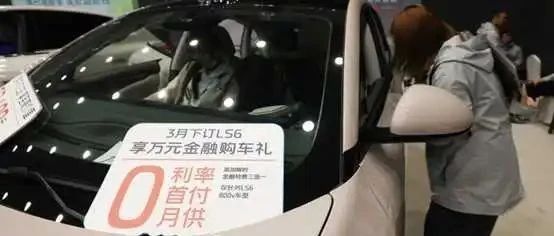
Core Viewpoint - The article discusses the urgent termination of the "high interest, high rebate" automotive finance policy, which has led to a significant impact on car sales and financing options for consumers in various regions of China [1][2][3]. Group 1: Policy Changes - The "high interest, high rebate" policy allowed banks to return part of the loan profits to car dealers, who then offered rebates to consumers, effectively lowering the total purchase price [1]. - As of June 23, multiple 4S dealerships have begun to cancel their car loan discount policies due to regulatory actions, indicating a near-complete withdrawal of this financing option across various regions [2]. - The abrupt notification to consumers about the policy's termination has caused confusion and urgency, with some consumers rushing to finalize their purchases before the deadline [2]. Group 2: Financial Implications - A specific example highlighted is that for a Mercedes vehicle priced at over 500,000 yuan, a loan of 380,000 yuan at an annual interest rate of approximately 5% could save consumers around 7,000 yuan compared to the manufacturer's financing options [1]. - The cancellation of the "high interest, high rebate" policy is expected to lead to an increase in terminal car prices, as many consumers have opted for early loan repayments, resulting in banks facing losses due to the inability to cover upfront subsidy costs [2][3]. - Regulatory bodies have intensified control over related financial activities to mitigate financial risks, which has been a significant factor in the policy's termination [3].
“高息高返”退场倒计时,有购车者接到通知“11点后优惠失效”
Di Yi Cai Jing· 2025-06-23 15:30
Core Insights - The "high interest, high rebate" automotive financing policy is being abruptly terminated, affecting consumers' ability to benefit from financial incentives for purchasing vehicles [1][2] - Many consumers are rushing to finalize their purchases before the deadline, as dealerships notify them of the imminent end of these financial offers [1][2] - The cancellation of this policy is part of a broader regulatory crackdown on automotive financing practices, which is expected to lead to an increase in vehicle prices at the retail level [3] Summary by Sections Financial Policy Changes - The "high interest, high rebate" financing scheme allows consumers to save approximately 7,000 yuan on a 500,000 yuan vehicle by opting for a bank loan instead of the manufacturer's financing [2] - Consumers who do not repay their loans within two years will face increased interest costs, highlighting the risks associated with this financing option [2] Consumer Behavior - Consumers are being urged to complete their purchases quickly due to the sudden notification of policy changes, with some able to finalize their loans on the last day [1][2] - The urgency is reflected in the actions of consumers who had already planned to purchase vehicles but are now racing against the clock to secure the financial benefits [1] Industry Impact - Multiple dealerships across various cities are reporting the cessation of the "high interest, high rebate" financing options, indicating a widespread industry shift [3] - The termination of these financing incentives is expected to lead to higher vehicle prices, as the previous subsidies provided by banks to manufacturers are no longer sustainable [3] - Regulatory bodies are intensifying their oversight of automotive financing to mitigate financial risks, contributing to the policy's discontinuation [3]
两年融资超24亿破行业纪录,清华学子创立的机器人公司凭啥
Nan Fang Du Shi Bao· 2025-06-23 15:23
Core Insights - Galaxy General, a leading robotics company, has completed a new financing round of 1.1 billion RMB, setting a record for single financing in the embodied intelligence sector [2] - The company has raised over 2.4 billion RMB in total funding since its establishment in May 2023, with significant investments from major players like CATL and Puxuan Capital [3] - The founder, Wang He, emphasizes the integration of a "small brain" for control and dexterity with a "large brain" for cognition and planning as the future direction for general-purpose robots [4] Financing and Investment - The latest financing round attracted notable investors including CATL, Puxuan Capital, and the National Development Bank, among others [2] - Galaxy General has completed three funding rounds, with the first angel round raising 700 million RMB and a subsequent strategic round of 500 million RMB [3] Technological Advancements - Galaxy General utilizes synthetic data for training its robots, reportedly using a higher proportion of synthetic data than NVIDIA, and has created tens of millions of high-quality scene data [6] - The company launched the GraspVLA model, which achieved zero-shot generalization capabilities based solely on pre-training with billions of synthetic action data [6] Product Development - The company has introduced the GroceryVLA model, designed for retail environments, capable of handling various product types without parameter adjustments [7] - Galaxy General's Galbot robot has been deployed in a smart retail solution, operating in stores to manage inventory and logistics autonomously [8][9] Market Applications - The company has made strides in various sectors, including smart retail, industrial applications, and healthcare, with plans to expand its humanoid robot solutions [8][10] - A partnership with Bosch Group aims to explore commercial applications of embodied intelligence robots in industrial manufacturing [10] Future Outlook - Galaxy General aims to continuously develop higher-skilled humanoid robots to enhance labor efficiency, projecting significant revenue growth in the coming years [10]


汽车行业“反内卷”打响第二枪!全国工商联汽车经销商商会呼吁→
Zheng Quan Shi Bao· 2025-06-23 15:11
Core Viewpoint - The automotive industry is facing significant pressure, prompting dealers to call for optimized rebate policies and shorter rebate payment periods from manufacturers [1][2]. Group 1: Dealer Challenges - Automotive dealers are experiencing substantial operational pressure, with a report indicating that while many dealers are meeting their sales targets for 2024, losses in new car business are still affecting their survival [1][5]. - A survey by the China Automobile Dealers Association revealed that 84.4% of dealers are facing price inversion issues, with 60.4% experiencing price inversions exceeding 15% [4][5]. Group 2: Rebate Issues - The China Automobile Dealers Association highlighted multiple issues with the rebate policies from manufacturers, including complex rebate structures and significant differences in payment timelines among brands [2][3]. - The survey found that 17 brands have a fixed rebate payment period of no more than 30 days, while some brands have payment periods extending up to 180 days [3]. - The association called for clearer rebate policies, shorter payment periods, and fewer restrictions on rebate usage [3]. Group 3: Manufacturer Responses - Several manufacturers, including GAC Group and BMW, have committed to ensuring rebate payments to dealers within 60 days, responding to the financial pressures faced by dealers [4]. - The proactive measures taken by manufacturers, such as issuing price discounts and lowering sales targets, have led to an increase in dealer satisfaction despite ongoing challenges [5].

汽车行业“反内卷”打响第二枪!全国工商联汽车经销商商会呼吁→
证券时报· 2025-06-23 15:01
Core Viewpoint - The automotive dealership association has called for manufacturers to optimize rebate policies and shorten the rebate payment period to alleviate the financial pressure faced by dealerships [1][3]. Group 1: Current Challenges Faced by Dealerships - Dealerships are under significant operational pressure, with a report indicating that while they are meeting sales targets for 2024, losses from new car sales have not improved their survival conditions [1][7]. - A survey revealed that 84.4% of dealerships are experiencing price inversion, with 60.4% facing price inversions exceeding 15%, leading to liquidity issues [7][9]. - The complexity of rebate structures and delayed payments are major concerns for dealerships, impacting their cash flow and operational viability [3][4]. Group 2: Issues with Rebate Policies - The rebate structure from manufacturers is complicated, with a mix of fixed and non-fixed rebates, leading to confusion and uncertainty for dealerships [3][4]. - There is a significant disparity in the rebate payment periods among brands, with some offering payments within 30 days while others extend up to 180 days [4]. - The limitations on how rebates can be used further complicate the situation, with many brands restricting the use of rebates to vehicle purchases or parts, which reduces financial flexibility for dealerships [4][5]. Group 3: Manufacturer Responses - Some manufacturers, including GAC Group and BMW, have committed to shortening the rebate payment period to 60 days, recognizing the importance of dealership stability for customer service [6][7]. - The automotive industry is seeing a slight improvement in manufacturer satisfaction among dealerships due to proactive measures taken by manufacturers, such as offering price discounts and adjusting sales targets [9].
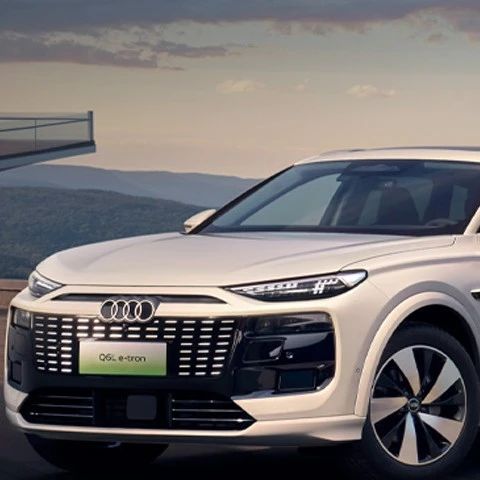
暂停全面电动化,奥迪紧急「刹车」
36氪· 2025-06-23 12:44
Core Viewpoint - Audi has officially retracted its goal for full electrification by 2033, indicating a shift in strategy under the new CEO Gernot Döllner, who plans to continue producing combustion engine vehicles until around 2035 or longer, while also maintaining a product mix of combustion, hybrid, and electric vehicles [4][5][6]. Summary by Sections Electrification Strategy - Audi's previous plan aimed to stop launching new combustion models after 2026 and cease development and sales of internal combustion engine vehicles by 2033, but this has been deemed outdated by the new management [5][6]. - The company will now pursue a flexible product strategy that includes combustion, hybrid, and electric vehicles until at least 2035 [6]. Market Performance - Audi's revenue for 2024 is projected to be €64.5 billion, a decrease of 7.6% year-on-year, with operating profit dropping by 37.8% to €3.903 billion, and net profit falling by 33.1% to €4.189 billion [6]. - The company has experienced a decline in global sales, with a drop of 11.8% in 2024, resulting in total sales of 1.67 million vehicles [12]. Challenges in Electrification - Audi's electric vehicle sales have not met expectations, with only 11.82 million and 17.8 million units sold in 2022 and 2023, respectively, accounting for less than 10% of total sales [8]. - The launch of the Q6 e-tron has been delayed due to issues with the software development company CARIAD, impacting Audi's ability to compete effectively in the electric vehicle market [10][11]. Strategic Adjustments - The new CEO has initiated significant reforms, including leadership changes and a focus on improving product strategy in the Chinese market, which is Audi's largest single market [11][19]. - Audi plans to cut costs significantly, aiming to reduce material costs by €8 billion and labor costs by €10 billion by 2030, with a target profit margin of 11%-13% [16]. Product Development and Pricing - Audi is adopting a strategy of "price for volume" to boost sales, with significant price reductions on several models, including the Q3 and Q5L, with discounts reaching up to 39% [20]. - The company aims to launch over 20 new models in the next two years, including the Q6 e-tron and several others tailored for the Chinese market [20][21]. Future Outlook - Despite the challenges, Audi's CFO has indicated that the company is maintaining a steady development pace and will continue to push for transformation to meet profitability goals [22].