长安汽车

Search documents
航天智造(300446) - 投资者关系活动记录表
2025-12-26 12:15
Group 1: Automotive Parts Business Performance - The company's automotive parts business achieved a revenue growth of 25% year-on-year, surpassing the passenger car sales growth rate of 13.7% [3] - Key advantages driving this growth include strong customer resources and brand partnerships with major manufacturers like Geely, Changan, and BYD [3] - The company has established a comprehensive industrial layout with over 20 production bases, ensuring rapid response to customer demands [3] Group 2: Research and Development Collaboration - The company collaborates closely with vehicle manufacturers, where the manufacturers lead the vehicle definition and design, while the company focuses on high-quality component production [4] - The company possesses a national recognized laboratory and four provincial technology centers, with a total of 587 patents, including 67 invention patents [3][4] Group 3: Weather-Resistant Materials - The company’s weather-resistant materials, including light stabilizers and antioxidants, are primarily exported to Europe, America, and the Middle East, with a sales revenue of 39.52 million yuan in the first half of 2025 [6] - These materials are used in various applications, including agricultural films and modified products, targeting mid-to-high-end markets [6] Group 4: Market and Value Management - The company aims to enhance its core competitiveness and long-term investment value through focused market development and technological innovation [6] - Plans for capital management include increasing cash dividends and improving investor relations to enhance market recognition [6] Group 5: Future Development Strategy - The company has proposed a "1334" development strategy aimed at becoming a world-class aerospace intelligent equipment manufacturer [7] - It will leverage capital operations and industrial development to achieve growth and optimization [8]

获批11天后46辆长安深蓝大规模上路 L3自动驾驶迈入“实证”阶段
Xin Lang Cai Jing· 2025-12-26 11:21
Group 1 - The L3 level autonomous driving is transitioning from a testing phase focused on engineering research to a verifiable, regulatory, and evaluable empirical stage, with the first batch of vehicles officially registered and on the road [1] - The first L3 level autonomous driving dedicated license plate was issued in Chongqing, with subsequent special license plates granted in Beijing for L3 level highway autonomous vehicles [1] - The first batch of L3 level autonomous driving vehicles includes 46 from Deep Blue Automotive and three from BAIC Arcfox, with the latter conducting a live broadcast of its first test on December 23 [1] Group 2 - There is optimism in the industry regarding the approval of other seven joint ventures for L3 level driving, with a second batch of conditional permits expected to be issued in the first quarter of next year [2] - The Ministry of Industry and Information Technology (MIIT) and other departments have initiated trials for intelligent connected vehicles, with nine joint ventures, including Changan and BAIC, being part of the first batch [2] - GAC Group has begun L3 conditional autonomous driving highway testing for its A800 model, with a maximum testing speed of 120 km/h, having received approval from local authorities [2] Group 3 - The support from the upstream supply chain is crucial for advancing the commercialization of L3 technology, with companies like Huayi Technology successfully developing IMU products and GNSS for enhanced vehicle positioning accuracy [3] - Haohan Deep has delivered V2X identity security management systems and autonomous vehicle safety monitoring systems in various regions, contributing to the safety assurance of L3 and above autonomous vehicles [3] Group 4 - The automotive industry is increasingly focusing on intelligence as a core competitive factor, with L3 level autonomous driving seen as the true starting point for global competition in this field [4] - Industry experts emphasize the importance of a verification phase before moving to fully autonomous driving, advocating for a gradual approach to policy and regulatory alignment [4]

新势力加速淘汰,阿维塔何以冲刺港股IPO?
2 1 Shi Ji Jing Ji Bao Dao· 2025-12-26 11:17
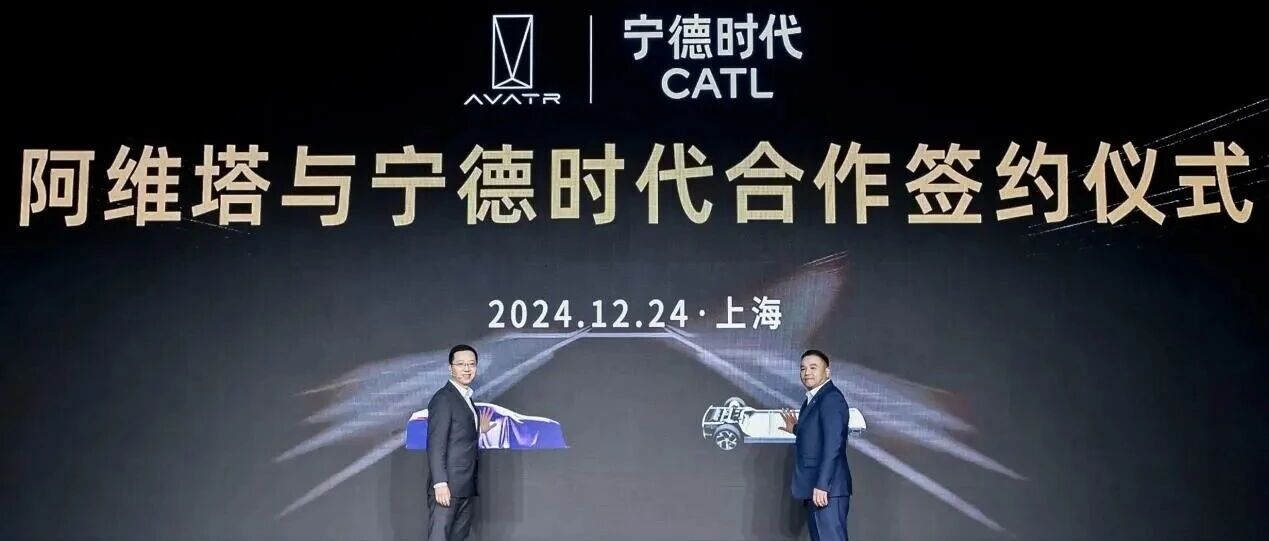
Core Insights - The new energy vehicle industry is undergoing a rapid reshuffle, with many executives believing that the next three years will be crucial for industry consolidation [1] - Avita Technology, co-created by Changan, Huawei, and CATL, has submitted its IPO application to the Hong Kong Stock Exchange, indicating a strategic move rather than a financial necessity [1][22] - Avita has achieved significant growth in sales and revenue, with a consistent monthly sales record exceeding 10,000 units for nine consecutive months [1][10] Group 1: Business Model and Strategy - Avita employs a unique CHN business model that allows it to leverage Changan's established manufacturing and supply chain without heavy capital investment [2][5] - The company has maintained a lean asset model, focusing on product development and marketing, which has resulted in operational efficiency and reduced financial risk [4][5] - Avita's collaboration with CATL ensures a stable supply of batteries, mitigating potential supply chain issues faced by competitors [6][8] Group 2: Financial Performance - Avita's revenue has seen substantial growth, with figures of 28.34 million yuan in 2022, 5.645 billion yuan in 2023, and 15.195 billion yuan projected for 2024 [10] - The gross margin has improved significantly, turning positive in 2024 with a gross margin of 6.3% and reaching 10.1% in the first half of 2025 [10] - The company has raised over 19 billion yuan through four rounds of financing, with the C round being the largest single financing in the domestic automotive sector for 2024 [22] Group 3: Market Expansion and Differentiation - Avita has initiated its overseas expansion, entering 38 countries and regions, with plans to reach 80 by 2030 [20][22] - The company is adopting a high-end pricing strategy in international markets to avoid price competition and enhance brand positioning [20] - Avita's deep partnership with Huawei allows it to differentiate itself from other brands in Huawei's ecosystem, focusing on integrated product development and marketing strategies [14][16] Group 4: Future Outlook - The company aims for overseas sales to account for 10% by 2026, increasing to 30% within five years and 40%-50% within ten years [20][22] - Avita's strategic focus on both domestic and international markets, along with its unique business model, positions it well for future growth in the competitive new energy vehicle landscape [22] - The IPO is seen as a validation of Avita's innovative approach and a potential new paradigm for the Chinese electric vehicle industry [22][23]

长安汽车(000625) - 2025年12月26日投资者关系活动记录表
2025-12-26 11:16
Group 1: L3 Autonomous Driving Approval - Changan Automobile's Deep Blue vehicle received L3 autonomous driving approval on December 15, allowing for automated driving in congested traffic at speeds up to 50 km/h [1][2] - The first L3 autonomous driving license plate "渝AD0001Z" was issued on December 20, marking a significant milestone for China's autonomous driving industry [1][2] Group 2: Practical Value and User-Centric Design - The speed limit of 0-50 km/h was chosen based on user needs and safety considerations, focusing on high-frequency congested driving scenarios [2][3] - The TJP traffic congestion autonomous driving system is designed to meet user demands in urban commuting, with daily conditions in Chongqing supporting its functionality [3] Group 3: Safety Measures and Technology - Changan prioritizes safety, equipping approved models with advanced 4D imaging millimeter-wave radar, which outperforms traditional laser radar in extreme scenarios [4][5] - The TJP system has undergone extensive testing, accumulating over 500,000 kilometers, with no accidents or violations reported during the approval period [5] Group 4: Robotics Business Strategy - Changan's robotics strategy is based on a "1+N+X" framework, focusing on humanoid robots and various applications across different environments [6][7] - The company aims to leverage its automotive industry leadership to integrate robotics technology, covering hardware, software, and service dimensions [7] Group 5: Competitive Advantages in Robotics - Changan's early entry into the robotics sector aligns with national policies, providing a competitive edge in securing support and funding [7] - The company’s technological capabilities position it as a leader in the robotics field, capable of matching and exceeding the functionalities of competitors' products [7]
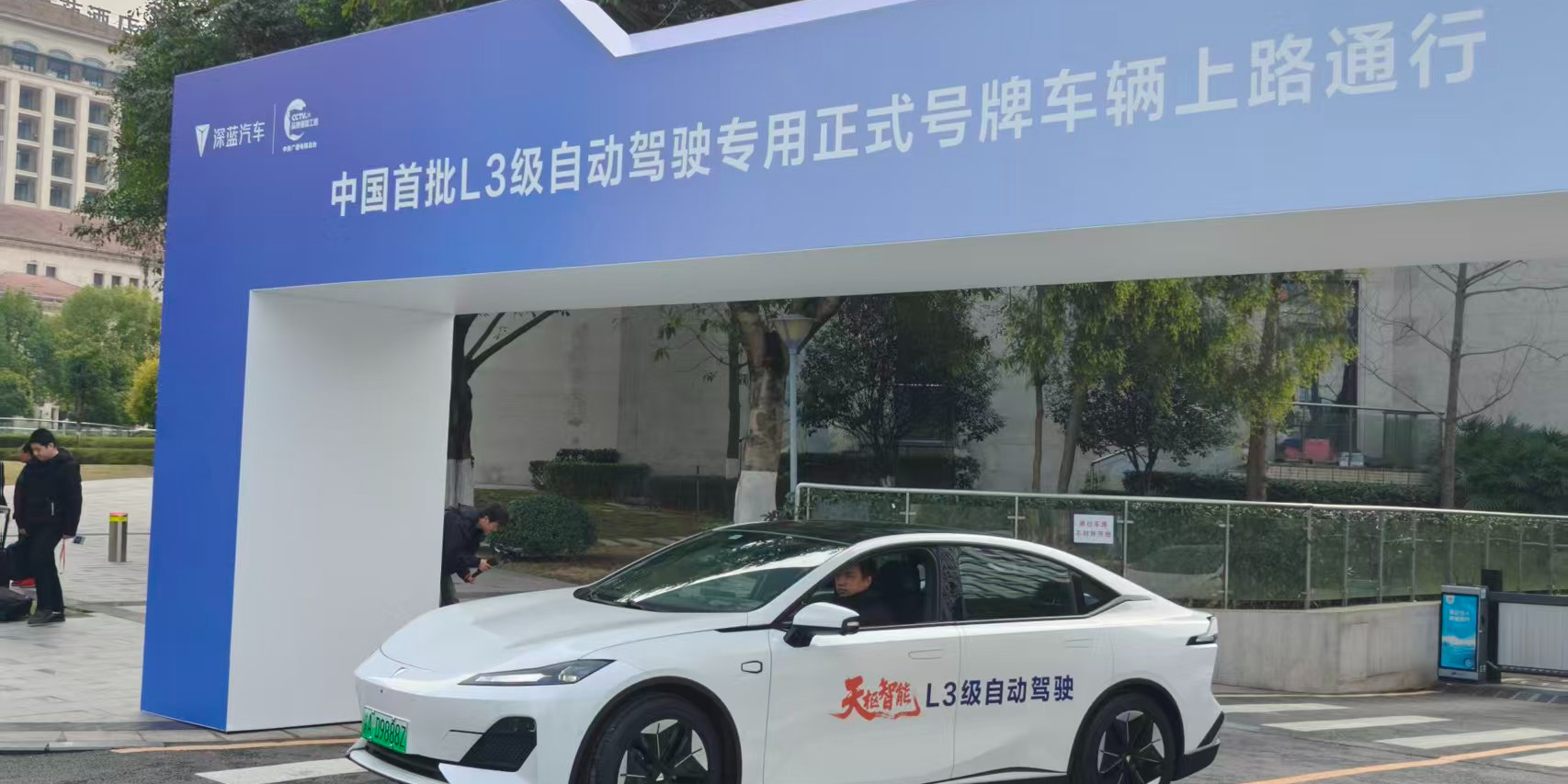
长安深蓝汽车首批46辆L3级自动驾驶车辆在重庆上路
Bei Ke Cai Jing· 2025-12-26 11:09
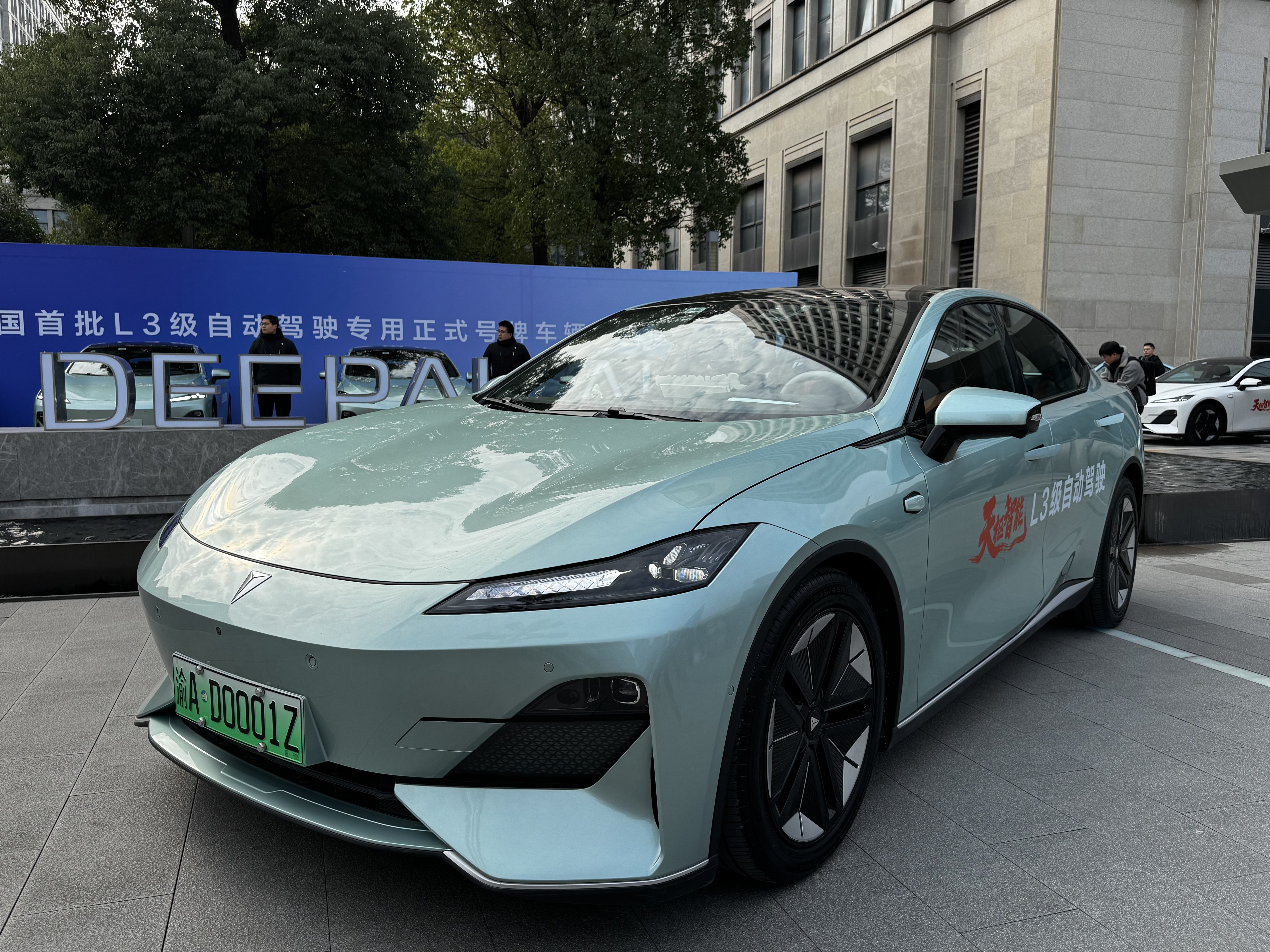
Core Viewpoint - Changan Automobile's Deep Blue Automotive has officially launched its first batch of 46 L3-level autonomous driving vehicles in Chongqing, marking a significant milestone in the company's autonomous driving project [1][6]. Group 1: Vehicle Launch and Specifications - The first batch consists of 46 Changan Deep Blue SL03 vehicles, with the first license plate being 渝AD0001Z, designated for L3-level autonomous driving [1][5]. - These vehicles will operate in designated areas and are currently limited to B-end operations, equipped with certified safety personnel [5]. Group 2: Regulatory Approval and Testing - On December 15, the Ministry of Industry and Information Technology granted Changan Automobile and BAIC Arcfox the first batch of L3-level conditional autonomous driving vehicle permits for trial operations in Beijing and Chongqing [6]. - The first official L3-level autonomous driving license plate was issued on December 20 in Chongqing, highlighting regulatory support for the initiative [6]. Group 3: Development Timeline and Future Plans - The L3 project was initiated internally in 2017, with the system officially integrated into vehicles in 2020, large-scale testing starting in 2021, and the first application for L3 road testing qualifications submitted in 2023 [8]. - Changan Automobile plans to conduct trial operations on specific routes in Chongqing in the first quarter of 2026, with future considerations for C-end user market entry pending regulatory developments [9].
开业未满月,两家股份行AIC首单投资落地!瞄准哪些赛道?
Nan Fang Du Shi Bao· 2025-12-26 11:05
Core Insights - Two AICs (Asset Investment Companies) in the Guangdong-Hong Kong-Macao Greater Bay Area have quickly made their first investments shortly after opening [2][3] Group 1: Investment Activities - Chang'an Automobile announced that its subsidiary, Deep Blue Automotive Technology Co., Ltd., plans to raise capital, with Zhuhai Financial Asset Investment Co., Ltd. contributing 500 million yuan, resulting in a 2.4187% ownership stake [2][3] - Xinyin Financial Asset Investment Co., Ltd. completed its first investment in Shenzhen Ganghua Dingshin Clean Energy Co., Ltd., with a subscribed capital of 64.4234 million yuan, acquiring a 49% stake [2][3] - Xinyin Financial Asset Investment Co., Ltd. officially opened on December 17 and made its first investment within a week [3] Group 2: Strategic Focus - AICs are focusing on strategic emerging industries, with Xinyin Investment also completing an investment in Fujian Hengshen Electronic Materials Technology Co., Ltd. for 25.151254 million yuan, holding an 11.0926% stake [5][6] - The rapid investment activities of AICs reflect their efficient decision-making and execution capabilities, highlighting a strong focus on sectors like new energy vehicles, clean energy, and electronic information materials [6] - As of now, there are eight AICs in operation in China, with 42.25% of their investments directed towards strategic emerging industries [6]
新势力加速淘汰,阿维塔何以冲刺港股IPO?
21世纪经济报道· 2025-12-26 11:05
新能源行业正在加速洗牌,新势力淘汰赛节奏加快,不少车企高管认为近三年是行业逐渐出清的关 键时期,2021年创立的极越去年已经爆了雷,但另一个三方联合共创的品牌却迎来了新的里程碑。 11月2 7日,由长安、华为、宁德时代共同参与打造的阿维塔科技正式向香港联合交易所递 交IPO申请。 "阿维塔的现金流充裕,上市不是因为缺钱,而是品牌战略走到这一步之后必须要做的事 情。"一位阿维塔高层向我们表示。 2 0 2 1年阿维塔科技才正式成立,比其他新势力车企成立均晚了6 - 7年,但资本进程却推进 很 快 。 自 成 立 那 一 年 , 阿 维 塔 便 维 持 一 年 一 融 资 的 节 奏 , 四 年 间 融 资 4 轮 , 募 资 超 1 9 0 亿 元,其中,C轮融资金额超过11 0亿元,是2 0 2 4年度国内车圈最大的单笔融资。 和极越一样,阿维塔也是由科技公司和车企联手在汽车行业的重新创业,今年以来却实现 了量价的同步提升——连续9个月销量破万,11月销量创历史新高,上半年的毛利率超过 1 0 . 1%。 为什么阿维塔可以成功? 轻资产模式 生态韧性够强 阿维塔的快速成长,离不开其独创的CHN商业模式。 在此 ...
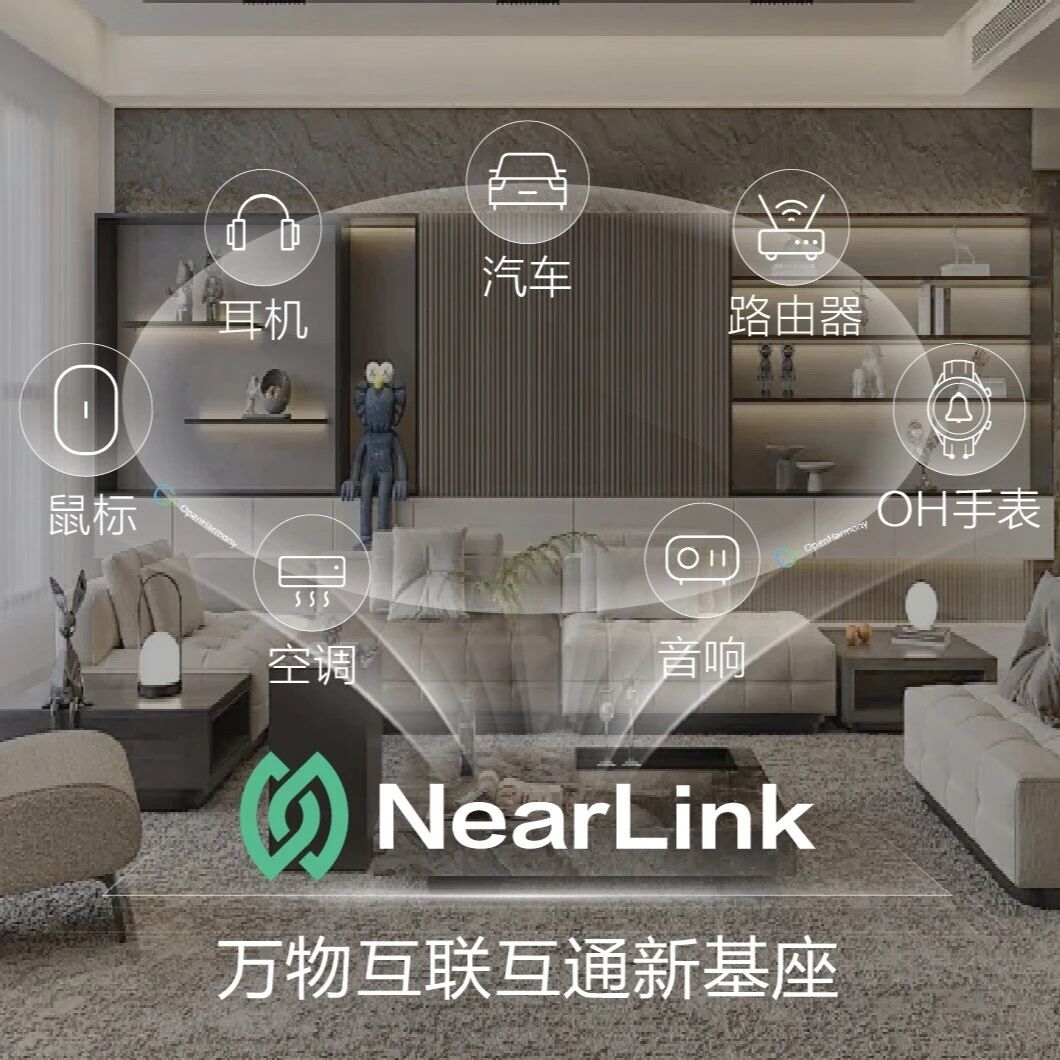
L3级自动驾驶,是可以跳过,还是无法绕过?
虎嗅APP· 2025-12-26 10:15
Core Viewpoint - The automotive industry is experiencing a divided attitude towards L3 autonomous driving technology, with some viewing it as a temporary phase while others recognize its importance for industry transformation and regulatory experience accumulation [2][8][15]. Group 1: L3 Autonomous Driving Development - The first batch of L3 autonomous vehicles is expected to be tested in specific areas of Beijing and Chongqing within a month [2]. - Industry leaders like Su Qing and He Xiaopeng suggest that L2 technology can efficiently transition to L4, potentially bypassing L3 altogether [4][8]. - The Chinese automotive industry association emphasizes that the implementation of L3 is crucial for the transformation of the automotive supply chain and regulatory experience [8][9]. Group 2: Industry Actions and Reactions - BAIC is one of the first companies to receive L3 approval, aiming to create a replicable operational model for nationwide deployment [9][10]. - Following the approval of L3 vehicles, other companies like Xiaomi and XPeng have shown interest in obtaining L3 testing licenses, although only two companies have received national-level approval [10]. - The launch of L3 vehicles is expected to significantly impact the automotive industry's ecosystem, including vehicle design, supply chain, and production models [15][16]. Group 3: Technical and Regulatory Considerations - The transition from L3 to L4 requires higher perception capabilities and complex decision-making in extreme scenarios [14][18]. - L3 is seen as a critical level for achieving fully autonomous driving, establishing a clear liability framework for accidents [15]. - The automotive industry must accumulate experience and refine systems at the L3 stage to meet the regulatory demands of higher-level autonomous driving [18].



三方资本注入 深蓝汽车完成超61亿元C轮融资
Jing Ji Guan Cha Wang· 2025-12-26 09:56
Group 1 - Deep Blue Automotive announced the completion of a C round financing of 6.122 billion yuan, with investments from Changan Automobile, Chongqing Yufu Holding Group, and Zhuhai Financial Asset Investment [2] - Changan Automobile, as an existing shareholder, will increase its investment by 3.122 billion yuan, while Yufu Group and Zhuhai Investment will hold 12.0934% and 2.4187% of the shares respectively after the financing [2] - The funds from the C round will be primarily used for new product development, brand building, and international expansion, aiming for high-quality development [2] Group 2 - Deep Blue Automotive has achieved cumulative global deliveries exceeding 700,000 units, becoming the sales champion of central enterprise new energy vehicles [2] - The company recently received the first L3 level autonomous driving special license plate, marking a significant milestone in China's autonomous driving technology [2] - The first batch of L3 level autonomous driving vehicles, specifically 46 units of the Deep Blue SL03, has begun road testing in Chongqing [3]
星闪的2025:终端破亿,国标发布,一场无线短距通信的产业级跃迁
36氪· 2025-12-26 09:55
Core Viewpoint - The article emphasizes that transformative technologies, like the new wireless short-range communication technology "Star Flash," often become essential infrastructure that is taken for granted rather than being constantly highlighted as groundbreaking innovations [1][3]. Group 1: Technology Evolution - The development of Star Flash follows a clear industrial evolution path, marked by the establishment of the International Star Flash Alliance in September 2020, its commercial launch in 2023, and the release of the Star Flash 2.0 standard in March 2025 [5]. - Star Flash's approach is characterized by a "slow start, heavy standards, and later explosion" strategy, allowing it to bridge gaps between devices and systems in the AI-driven digital transformation wave [5][12]. Group 2: Standardization and Industry Consensus - The competition in wireless short-range communication is fundamentally a competition at the standards level, focusing on how devices can collaborate under a unified set of rules [7][9]. - The release of the Star Flash 2.0 standard signifies a critical industrial leap, integrating key capabilities into a standardized framework that can be reused across various scenarios [16][17]. Group 3: Ecosystem Development - As of 2025, Star Flash has crossed the critical threshold of 100 million devices, indicating its transition from a validated technology solution to a widely adopted connectivity foundation across multiple sectors [21][22]. - The Star Flash ecosystem has attracted over 1,200 partners since the establishment of the International Star Flash Alliance, forming a complete collaborative network that includes chips, modules, terminals, and applications [19]. Group 4: Application Scenarios - In smart home scenarios, Star Flash enhances the integration of appliances, enabling precise control and interaction, as demonstrated by products like the Haier air conditioner that utilizes Star Flash's capabilities for improved user experience [23]. - In the consumer electronics sector, Star Flash 2.0 provides a stable wireless audio experience, allowing high bitrate and low-latency audio transmission, as seen in products like Huawei's FreeBuds Pro 5 [25]. - In the automotive industry, Star Flash is reshaping core interaction scenarios, with over 50 vehicle models adopting the Star Flash digital key technology, showcasing its broad applicability [29]. Group 5: Future Prospects - The combination of Star Flash and open-source HarmonyOS is seen as a critical step towards building a new generation of interconnected systems, enhancing both connectivity and system-level collaboration [35][37]. - The integration of Star Flash with HarmonyOS allows for seamless interaction across diverse devices, paving the way for a more interconnected and intelligent ecosystem [38].