
银河航天

Search documents
与SpaceX抢海外市场,中国商业航天出海接单!多家企业积极布局
Di Yi Cai Jing· 2025-12-12 03:22
Core Viewpoint - The article highlights the increasing participation of Chinese commercial space companies in international satellite launch markets, driven by the need to compete with established players like SpaceX, which is expanding its Starlink project and preparing for an IPO [1][6]. Group 1: International Launches and Market Expansion - The recent launch of the "one rocket, nine satellites" mission by the Chinese commercial rocket, Kuaizhou-1A, included satellites from Egypt, Nepal, and the UAE, marking a significant step in China's international satellite launch capabilities [1]. - The Chinese government has encouraged commercial space enterprises to "go global" and engage in international competition and cooperation through the "Action Plan for Promoting High-Quality and Safe Development of Commercial Space (2025-2027)" [1]. - Companies like Galaxy Space and Star River Dynamics are actively pursuing international partnerships, with agreements signed for launch services with entities in Germany, Malaysia, and Thailand [2]. Group 2: Cost Efficiency and Competitive Landscape - The "rideshare" model used in the recent launch allows multiple satellites to share the same rocket, reducing costs and improving efficiency, with current launch costs for Chinese rockets at approximately 50,000-60,000 RMB per kilogram, potentially decreasing by 30% with more liquid rockets entering the market [2]. - In comparison, SpaceX's Falcon 9 launch costs range from $3,000 to $5,000 per kilogram, indicating that Chinese companies still have competitive pricing advantages in certain contexts [2]. - The competitive landscape is intensifying as SpaceX's revenue from its Starlink business is projected to reach $7.8 billion in 2024, with total revenues estimated between $22 billion and $24 billion, prompting Chinese firms to enhance their market strategies [6]. Group 3: Challenges and Strategic Considerations - Chinese companies face higher international standards and must adapt to different commercial launch processes and management practices in emerging markets, emphasizing the need for reliability and transparency in their operations [3]. - The international market presents both a commercial opportunity and a strategic imperative for Chinese firms, as it serves as a platform to validate their rocket reliability and stability while enhancing their influence in global space governance [7]. - Emerging markets in Asia, Latin America, the Middle East, and Africa are seeking diverse suppliers, creating opportunities for Chinese commercial space companies to secure more international orders [7].


中国商业航天出海接单
第一财经· 2025-12-12 02:52
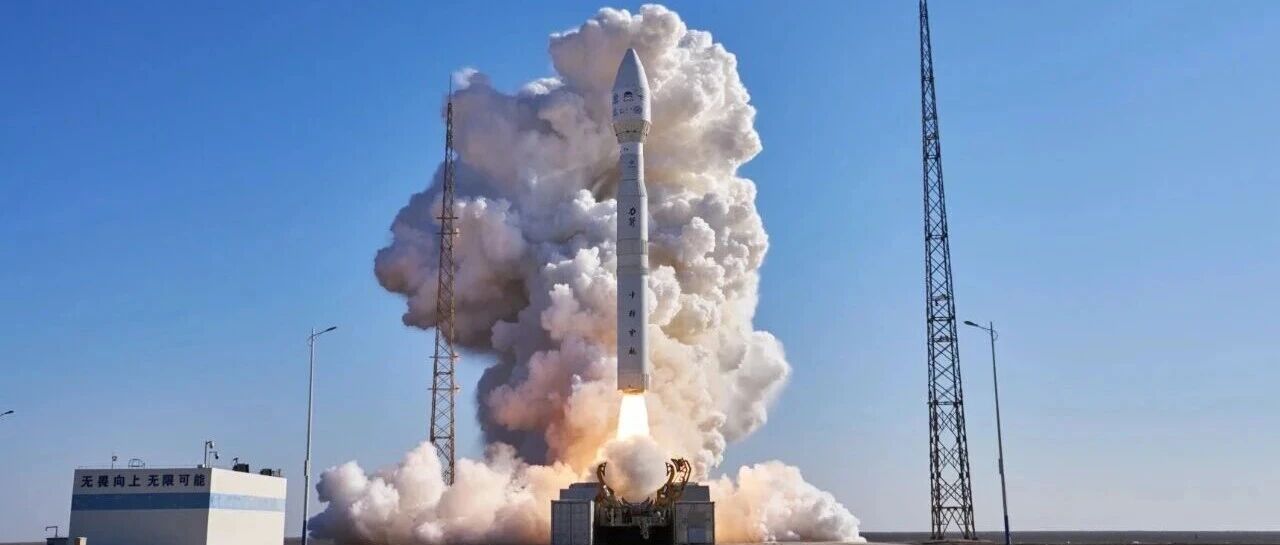
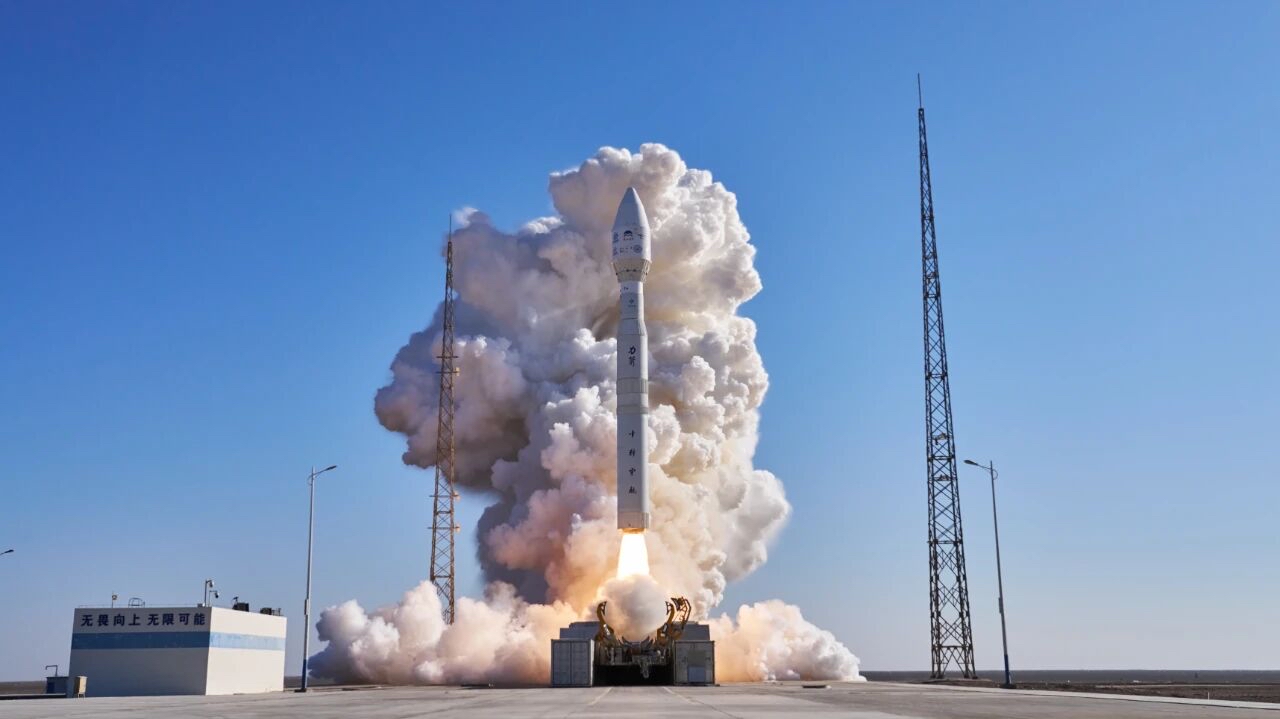
2025.12. 12 本文字数:1874,阅读时长大约3分钟 作者 | 第一财经 乔心怡 封图 来源 | 中科宇航官方微信公众号 外国卫星在中国商业火箭上"拼车" " 一次发射任务中,这三颗来自海外的卫星都采用了 ' 拼车 ' 方式升空。 " 一位民营商业航天企业的 工程师向第一财经记者介绍道。本次发射中,来自埃及、尼泊尔和阿联酋的卫星共同搭载在同一枚火 箭上,以共享运力的方式进入轨道,这种形式在业内被称为 " 拼车发射 " 。 他解释,这种 " 拼车 " 模式能够降低单颗卫星的发射成本,也有助于提升火箭剩余运力的利用效 率,"也能够帮助企业缩短对海外订单的响应周期"。 上述工程师向记者透露,目前国内有部分商业航天火箭的发射成本已经可以到 5-6 万元 / 公斤,"未 来有更多液态火箭投入市场,成本大概还会再降 30% 左右"。 " 对比起 SpaceX 猎鹰九号的 3000- 5000 美元 / 公斤在国际市场的竞争中还是有优势的。 " 除了中科宇航之外,星河动力也在今年 2 月和德国 FEM-Composites 、马来西亚 Distant Blue 等 签署发射服务合作相关协议,拓展国际市场业务。同月 ...
与SpaceX抢海外市场,中国商业航天出海接单
Di Yi Cai Jing· 2025-12-12 01:28
只有在可靠性、交付周期以及全流程服务上做到可预期,才能真正赢得更多海外客户的信任。 埃及、尼泊尔、阿联酋。 在力箭一号遥十一商业运载火箭近日完成的"一箭九星"发射任务中,有三颗卫星分别来自上述国家。第一财经记者注意到,这并不是中国的商业航天火箭第 一次执行国际卫星发射任务。除了中科宇航的力箭一号之外,星河动力、垣信卫星等商业航天产业链企业也正在试图拓展海外市场。 外国卫星在中国商业火箭上"拼车" "一次发射任务中,这三颗来自海外的卫星都采用了'拼车'方式升空。"一位民营商业航天企业的工程师向第一财经记者介绍道。本次发射中,来自埃及、尼 泊尔和阿联酋的卫星共同搭载在同一枚火箭上,以共享运力的方式进入轨道,这种形式在业内被称为"拼车发射"。 他解释,这种"拼车"模式能够降低单颗卫星的发射成本,也有助于提升火箭剩余运力的利用效率,"也能够帮助企业缩短对海外订单的响应周期"。 11月底,国家航天局发布《推进商业航天高质量安全发展行动计划(2025—2027年)》明确提及鼓励中国商业航天企业"走出去",参与国际竞争与合作。 在国际市场当中,SpaceX的星链项目正在以一年超160次的发射频率建设星链,而马斯克承认Spa ...
龙虎榜复盘丨航天逆势,消费零星活跃
Xuan Gu Bao· 2025-12-11 10:32
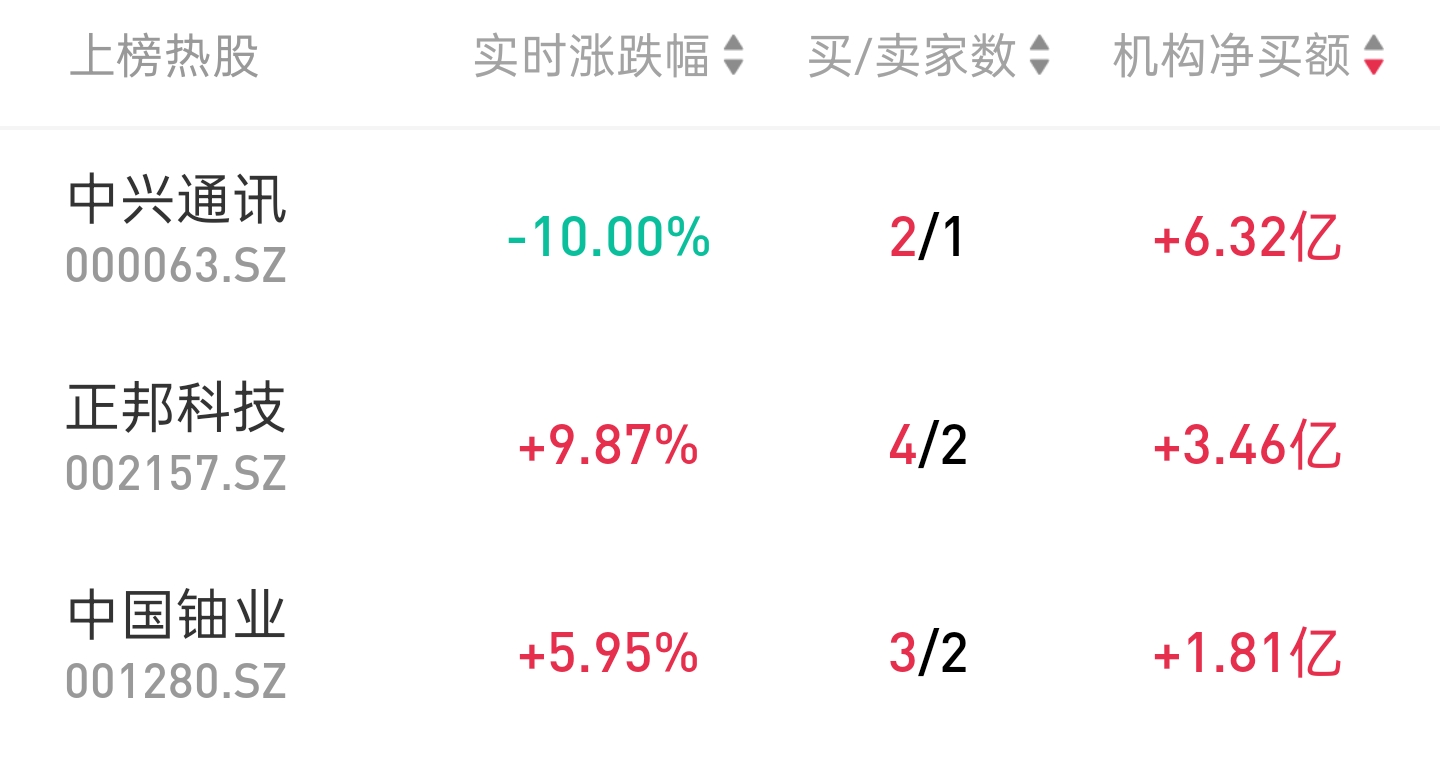
龙虎榜机构热股 今天机构龙虎榜上榜31只个股,净买入13只,净卖出18只。当日机构买入最多的个股前三位是:中兴通讯(6.32亿)、正邦科技(3.46亿)、中国铀业 (1.81亿)。 | 上榜热股 | | 实时涨跌幅♀ 买/卖家数♦ | | --- | --- | --- | | 中兴通讯 | -10.00% | 2/1 | | 000063.SZ | | | | 正邦科技 | +9.87% | 4/2 | | 002157.SZ | | | | 中国锦业 001280.SZ | +5.95% | 3/2 | 正邦科技 龙虎榜显示,今日4家机构净买入3.46亿。 个股龙虎榜 公司通过参股格思航天布局卫星用户终端业务,其关联公司银河航天是我国领先的卫星互联网解决方案提供商和卫星制造商,已建成中国首个低轨宽带通信 试验星座"小蜘蛛网",完成多项低轨宽带卫星互联网通信验证。 催化上,马斯克周三表示,SpaceX可能会进行IPO。据悉,SpaceX计划通过IPO募资超300亿美元(约合人民币2123亿元),目标估值高达1.5万亿美元(约 合人民币10.62万亿元)。若计划达成,SpaceX将打破沙特阿美2019年290 ...
产业催化不断,可复用火箭迎来大发展
2025-12-08 00:41
Summary of Key Points from Conference Call Industry Overview - The conference call discusses the **Chinese commercial aerospace industry**, highlighting the significant policy support and growth potential by 2027, particularly in the development of **low-cost reusable rockets** [1][2][3]. Core Insights and Arguments - **Policy Support**: The Chinese space agency has introduced an action plan to promote high-quality development in commercial aerospace, aiming for substantial industry growth by 2027 [2][3]. - **Cost Reduction**: Reusable rockets can significantly lower launch costs. For instance, SpaceX's Falcon 9 can be reused over 100 times, resulting in a launch cost of approximately **$10,000 per kilogram**, compared to China's Long March series at **$30,000 per kilogram** [1][4][8]. - **Technological Advancements**: The **Zhuque-3**, China's first reusable liquid oxygen-methane rocket, represents a major technological advancement despite its initial launch not being fully successful. It achieved a high-precision recovery, indicating progress in reusable technology [1][6]. - **Market Demand**: The commercial aerospace sector is driven by international satellite communication needs, with projects like Europe’s Link and Musk's Starlink capturing significant market share [1][9]. Development Goals - The action plan outlines several key objectives: - Encourage companies to invest in **chip manufacturing**, application services, and customer operations [3]. - Achieve a **2% GDP contribution** from the commercial aerospace sector by the end of the 14th Five-Year Plan [10]. - Increase the number of rocket recoveries beyond the previous five-year period and reduce satellite manufacturing costs by **50%** [11]. Challenges and Considerations - **Technical Challenges**: Reusable rockets face several technical hurdles, including: - High-precision recovery landing [5]. - Thermal protection design due to high-speed returns [5]. - Ensuring the safety and reliability of reused components [5]. - Comprehensive lifecycle management from manufacturing to decommissioning [5]. Industry Chain Components - The commercial aerospace industry consists of three main segments: - **Upstream**: Satellite and rocket manufacturing [12]. - **Midstream**: Rocket launch services and ground equipment operations [12]. - **Downstream**: Satellite applications, including communication and navigation services [12]. Market Outlook - The commercial aerospace market in China is rapidly evolving, with numerous companies engaged in small satellite development and private rocket enterprises like Blue Arrow and Tianbing Technology emerging [13]. - By **2030**, China aims to launch over **3,000 satellites annually**, with increasing launch frequencies projected from **62 in 2022** to **68 in 2024** [15]. Conclusion - The Chinese commercial aerospace industry is poised for significant growth driven by policy support, technological advancements in reusable rockets, and increasing market demand for satellite services. The successful implementation of these strategies could lead to substantial economic benefits and enhanced global competitiveness [1][7][11].
除了蓝箭,中国商业航天还有哪些玩家?
财联社· 2025-12-06 12:09
Core Viewpoint - The article discusses the rapid development of China's commercial aerospace industry, highlighting the significance of reusable rockets and the emergence of various companies in the sector, particularly focusing on the recent launch of the Zhuque-3 rocket by Landspace, which marks a pivotal step towards reusable rocket technology in China [4][10]. Group 1: Rocket Launch Companies - Landspace is recognized for its Zhuque-3 rocket, which is a large liquid oxygen-methane launch vehicle aimed at large satellite constellation missions. It represents China's first attempt at orbital launch and recovery verification for reusable rockets, despite the initial recovery attempt being unsuccessful [4][5]. - Tianbing Technology is developing the Tianlong-3 liquid rocket, which aims to achieve a near-Earth orbit capacity exceeding 20 tons, positioning it as a competitor to SpaceX's Falcon 9 [5]. - Xingji Glory is the first private company in China to successfully launch a rocket into orbit, utilizing both solid and liquid reusable rocket technologies [6]. - Xingshe Power focuses on solid rocket launches and is developing the Zhishenxing-1 reusable liquid rocket, targeting the small satellite market with low-cost and rapid response capabilities [6]. Group 2: Satellite Manufacturing Companies - Galaxy Space is a key player in the construction of low Earth orbit broadband communication satellite constellations, with advantages in reducing the cost per satellite [8]. - Changguang Satellite is known for its Jilin-1 satellite constellation, which is the largest commercial optical remote sensing satellite constellation globally, providing high-resolution Earth observation data [8]. - Tianyi Research Institute specializes in synthetic aperture radar (SAR) satellites, offering all-weather imaging capabilities and reducing data acquisition costs through innovative business models [8]. Group 3: Ground Service Providers - Geshihangtian is a core participant in the "Thousand Sails Constellation" low Earth orbit communication satellite project, responsible for satellite manufacturing and operational support [9]. - Aerospace Yuxing provides comprehensive lifecycle services for satellites, including monitoring and collision warning, having successfully serviced over 500 satellites and rocket combinations [9]. - Xi'an Huanyu Satellite is the first state-owned commercial control enterprise in China, having served over 300 satellites and developed an AI-based satellite health monitoring system [10]. Group 4: Industry Outlook - The Chinese commercial aerospace industry is expected to benefit from the launch of several new reusable rocket models starting in late 2025, which could accelerate the deployment of low Earth orbit satellite constellations [10]. - The establishment of a dedicated regulatory body for commercial aerospace by the National Space Administration signifies a commitment to high-quality and safe development in the sector [10]. - The industry is anticipated to become a significant focus of China's 14th Five-Year Plan, with ongoing regulatory improvements expected to drive high-quality growth across the entire aerospace value chain [10].

政策、技术、生态共振 商业航天万亿级市场蓄势待发
Shang Hai Zheng Quan Bao· 2025-12-04 19:24
Core Insights - The domestic commercial aerospace sector is experiencing a dual turning point of "technological breakthroughs" and "scale explosion" as multiple commercial rockets and satellites are launched [1] - The Chinese commercial aerospace industry is poised for unprecedented development opportunities due to favorable policies, technological advancements, and the establishment of local industrial clusters, with a trillion-yuan market on the horizon [1][2] Policy and Market Environment - Recent policy releases have created a favorable environment for the commercial aerospace sector, including the establishment of the National Space Administration's Commercial Aerospace Department and the issuance of action plans for high-quality development [1][2] - The government encourages commercial aerospace entities to participate in major national projects and explore new application models, aiming to transform aerospace applications into tangible economic benefits [2] Technological Innovations and Developments - The forum showcased advancements from various commercial aerospace companies, including the successful launch of the Zhuque-3 rocket by Blue Arrow Aerospace, which is part of ongoing efforts to develop core technologies [3][4] - Companies like Sanyuan Aerospace are focusing on in-orbit services, including space debris removal and spacecraft maintenance, with upcoming launches to validate new technologies [5] Industry Ecosystem and Future Prospects - The commercial aerospace sector is becoming a vital part of the national economy, with a collaborative ecosystem emerging that integrates technology innovation and policy support [3][5] - The development of new technologies, such as flexible solar sails and in-orbit operation technologies, indicates a shift towards a more robust commercial aerospace infrastructure [5]
朱雀三号升空背后,谁在改写中国商业航天版图?
Mei Ri Jing Ji Xin Wen· 2025-12-04 13:27
Core Viewpoint - The successful launch of the Zhuque-3 rocket marks a significant milestone for China's commercial space industry, which is experiencing rapid growth and technological breakthroughs, positioning it as a new focal point in global competition [1][4]. Industry Overview - Since its inception in 2015, China's commercial space sector has evolved from fewer than 10 companies to over 600, driven by supportive policies and market demand [4]. - The commercial space industry encompasses various fields, including rocket launches, satellite applications, and space tourism, and is seen as a new engine for economic growth and a key variable in reshaping global competition [1][4]. Market Potential - The market size of China's commercial space industry is projected to grow from approximately 0.38 trillion yuan in 2015 to 2.3 trillion yuan by 2024, with an annual compound growth rate of about 22%. By 2030, the market could approach 10 trillion yuan [5]. - The development of reusable rocket technology is expected to reduce launch costs and increase launch frequency, addressing the current bottleneck of insufficient launch capacity [2][5]. Regional Competition - Various regions in China are actively developing their commercial space industries, with significant clusters forming in Beijing-Tianjin-Hebei, the Yangtze River Delta, and the Pearl River Delta [6][8]. - Local governments are implementing policies to support the growth of the commercial space sector, with at least 20 provinces introducing supportive measures [8][9]. Investment Landscape - In 2024, the commercial space sector in China saw 52 financing events totaling 15 billion yuan, with significant investments in satellite operations, rocket manufacturing, and satellite manufacturing [8]. - Major financing activities are concentrated in regions like Beijing and Shanghai, indicating their potential for growth in the commercial space industry [8].
破局科创融资难 多方合议“轻资产”企业成长密码
2 1 Shi Ji Jing Ji Bao Dao· 2025-12-03 23:08
Group 1 - The core theme of the discussion at the 21st Century Financial Annual Conference focused on the integration of technology and finance, emphasizing that innovation requires deep financial participation alongside technological breakthroughs and industrial development [1] - The emergence of new industries such as intelligent manufacturing, commercial aerospace, and biomedicine necessitates not only technological advancements but also financial capital to support growth [1] - Hebei Bank proposed a solution to the challenges faced by technology-based enterprises, particularly startups, by moving away from a single product service model to a comprehensive credit product matrix that includes both online and offline services, with loans disbursed in as fast as 30 minutes [1] Group 2 - Zhongguancun Bank has developed a full-cycle product system addressing the financing difficulties faced by startups, particularly those with light assets, by offering a "1+N" product service model that spans from seed to mature stages [2] - The concept of "patient capital" is becoming increasingly important in the full-cycle service ecosystem for technology enterprises, with a shift from financial investment to industrial capital involvement [2] - Galaxy Aerospace shared insights on financing paths for hard technology companies, highlighting the reliance on venture capital in the initial stages and the gradual adoption of diversified financial tools, including equity financing and local industry funds, as the company matures [2]
朱雀三号可复用火箭首飞成功入轨 民营航天大胆尝试迈入新阶段
2 1 Shi Ji Jing Ji Bao Dao· 2025-12-03 23:05
朱雀三号火箭是世界上首款入轨的采用液氧甲烷组合的不锈钢运载火箭,而朱雀三号发射任务,被业界 认为是中国商业航天向可重复使用火箭技术迈出的重要一步。公开信息显示,国内仍在准备和研制中的 可复用火箭还有"长征十二号甲""双曲线三号"等。 12月3日早盘,A股商业航天概念板块再度活跃,中环海陆涨超10%,上海瀚讯、招标股份双双涨停, 顺灏股份大涨9.99%,上海沪工、陕西华达、航天发展、航天智装等也纷纷上涨。 进入11月下旬以来,随着国家商业航天司设立、相关行动计划出台以及产业侧密集消息催化下,商业航 天概念已异军突起,成为资本市场一大主线。产业突破叠加政策红利,万亿赛道加速成型 朱雀三号首飞,不仅是单一企业的技术验证,更是中国商业航天从"单点突破"向"体系化能力"跨越缩 影。 蓝箭航天相关人士告诉记者,为满足火箭发射"航班化"运营的需求,上游供应链必须在材料、工艺、自 动化程度上全面升级,同时极度注重成本控制,未来将会形成一个"火箭降本—需求放量—产业链升 级"的正向循环。 "更重要的是,在国家战略指引下,商业航天公司能够通过技术创新和市场机制,走出一条低成本、高 效率的可持续发展路径。这不仅是蓝箭的成功,更是为 ...