
Diamondback Energy

Search documents
西方石油拐点即将到来
美股研究社· 2025-05-16 12:07
Core Viewpoint - Western Oil Company (OXY) is seen as a bellwether for the overall oil and gas market trends, particularly in the Permian Basin, and its capital allocation decisions significantly influence market sentiment regarding future supply trends [1] Group 1: Production and Capital Expenditure - The company has reduced two drilling platforms in the Permian Basin by nearly 10%, a common trend among shale oil producers responding to West Texas Intermediate crude prices fluctuating around $60 per barrel [2] - Despite the reduction in drilling platforms, the company is maintaining a relatively stable operational status, with drilling hours down by 15% and drilling costs down by 11%, while the number of wells drilled is expected to increase this year [4] - The capital expenditure for 2025 is decreasing primarily due to postponed maintenance and welfare work, which has been pushed to 2026 [1][4] Group 2: Financial Performance and Cash Flow - The company is expected to achieve a significant turnaround in 2026, with renegotiated midstream contract prices lowering costs, completion of the STRATOS project, and modernization of the CPChem joint venture facilities [5][6] - Management anticipates a $1 billion increase in free cash flow from non-oil and gas sources in 2026, with contributions from CPChem and Stratos projects [6] - Despite improvements, achieving meaningful shareholder returns through buybacks or significantly increasing the currently low dividend yield (2.27%) will take several years [6] Group 3: Market Position and Comparisons - The company is striving to position itself alongside major oil companies, but the valuation gap remains, leading investors to consider alternatives like Chevron or ExxonMobil for better returns in the oil and gas market [7] - The company’s performance in the oil sector has not outperformed its peers, making it less attractive compared to other investment opportunities [6][7]


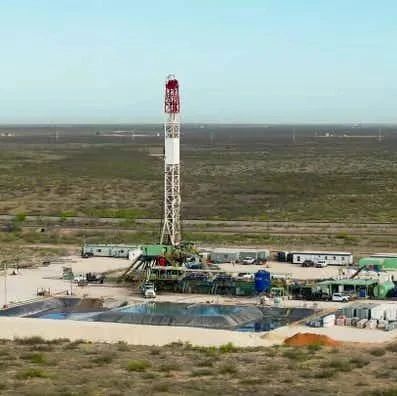
Eyeing Diamondback Energy's Massive Low-Cost Permian Basin Inventory
Seeking Alpha· 2025-05-13 10:29
Investment Strategy - A well-diversified portfolio should be constructed with a core foundation of a high-quality low-cost S&P 500 fund [1] - For those who can tolerate short-term risks, an overweight position in the technology sector is recommended, as it is believed to be in the early stages of a long-term secular bull market [1] - Large oil and gas companies that provide strong dividend income and growth are suggested for dividend income [1] Portfolio Management Approach - A top-down capital allocation approach is recommended, tailored to individual investor situations such as age, retirement status, risk tolerance, income, net worth, and goals [1] - Potential allocations may include categories such as S&P 500, technology, dividend income, sector ETFs, growth, speculative growth, gold, and cash [1]

邓正红能源软实力:削减关税缓解需求弱化担忧 美国页岩油行业面临低油价困境
Sou Hu Cai Jing· 2025-05-13 01:31
低油价正给美国页岩油生产商带来压力——这些企业通常需要原油价格维持在每桶65美元以上才能实现 新钻井盈利。响尾蛇能源(Diamondback Energy)高管上周向投资者表示,若油价未能反弹,美国原油 产量可能见顶并开始下降。该公司总裁马修•凯斯•范特霍夫(Matthew Keith Van't Hof)在财报电话会上 指出,响尾蛇能源需要油价维持在每桶65~69美元区间并有上行至每桶70美元的趋势才能实现增产。范 特霍夫称,与其合作的所有运营商都认为"当前油价水平难以为继"。 俄罗斯副总理诺瓦克在5月12日发表在能源政策杂志上的一篇文章中表示,由于全球需求增长、国内投 资和税收变化,俄罗斯有望在不久的将来将其石油日产量持续提高至1080万桶。诺瓦克表示,俄罗斯是 欧佩克联盟集团的成员,由此产生的对其产量的配额限制,已在稳定的油价和更高的石油收益中得到了 证明。他表示,随着需求的增长,到2050年,欧佩克联盟国家在全球石油市场的份额将从49%增加到 52%。诺瓦克称:"我们计划在未来几年内将产量恢复至每年5.4亿吨水平(相当于每日1080万桶),该 产量指标将维持至2050年。这要求我们及时补充资源储备,首 ...

APA Q1 Earnings Shine With Beat on Both Top and Bottom Lines
ZACKS· 2025-05-12 12:15
Core Viewpoint - APA Corporation reported strong first-quarter 2025 results, with adjusted earnings of $1.06 per share, exceeding expectations and showing improvement from the previous year, driven by higher production and commodity prices [1][2]. Financial Performance - Revenues reached $2.6 billion, a 37.3% increase from the same quarter last year, and surpassed the Zacks Consensus Estimate by 18% [1]. - The company paid out $91 million in dividends during the quarter, reflecting its commitment to shareholder returns [2]. Production & Selling Prices - Average production of oil and natural gas was 468,978 BOE/d, with liquids comprising 67%, marking a 20.5% increase year-over-year [3]. - U.S. output increased by 39.4% year-over-year to 298,319 BOE/d, while international production decreased by 2.5% to 170,659 BOE/d [4]. - Average realized crude oil price was $73.73 per barrel, down 8.6% from the previous year, but above projections [5]. - Average realized natural gas price rose to $2.81 per thousand cubic feet, up from $2.47 in the year-ago period [5]. Costs & Financial Position - Lease operating expenses totaled $407 million, a 20.4% increase from the previous year, contributing to total operating expenses of $1.8 billion, which rose 27% year-over-year [5]. - The company generated $1.1 billion in cash from operating activities and incurred $710 million in upstream capital expenditures [6]. - As of March 31, APA had approximately $67 million in cash and cash equivalents and $5.2 billion in long-term debt, resulting in a debt-to-capitalization ratio of 49.1% [7]. Guidance - APA expects production to average 457,000 BOE/d in Q2 and 463,000 BOE/d for the full year, reflecting a 2% year-over-year increase [8]. - The company has revised its upstream capital expenditure guidance for the year to $2.225-$2.325 billion, down from previous estimates [8].

燃气Ⅱ行业跟踪周报:产量或下降美国气价提升,库存同比偏低欧洲气价提升
Soochow Securities· 2025-05-12 02:23
Investment Rating - The report maintains an "Overweight" rating for the gas industry [1] Core Insights - The report highlights a potential decline in production, an increase in US gas prices, and lower year-on-year inventory levels, leading to a rise in European gas prices [1][6] - It emphasizes the ongoing adjustments in pricing mechanisms and the gradual recovery of demand, suggesting a favorable outlook for gas companies [6][59] Summary by Sections Price Tracking - As of May 9, 2025, US HH, European TTF, East Asia JKM, and China's LNG prices have increased by 4%, 3.9%, 1.7%, 0%, and 7.3% respectively, with prices at 0.8, 2.9, 2.9, 3.1, and 3.1 yuan per cubic meter [11][16] Supply and Demand Analysis - US natural gas production may decline as some energy companies reduce drilling rigs, with average total supply decreasing by 0.5% week-on-week to 1,099 billion cubic feet per day, while total demand fell by 1.8% to 950 billion cubic feet per day [18] - European gas consumption in May 2025 was 605 billion cubic meters, up 1.8% year-on-year, but inventory levels were down 13.6% year-on-year [23][30] Pricing Progress - Nationwide pricing adjustments are being implemented, with 61% of cities having initiated residential pricing reforms, leading to improved profitability and valuation recovery for city gas companies [43] Important Events - The report notes that tariffs on US LNG have increased to 140%, which has a limited impact due to the small share of US LNG in total imports [51][53] - The European Commission has voted to introduce more flexible natural gas storage filling targets to avoid supply shortages [56][58] Investment Recommendations - The report recommends focusing on companies that can optimize costs and benefit from the ongoing pricing adjustments, highlighting key companies such as Xinao Energy, China Resources Gas, and Kunlun Energy [59] - It suggests monitoring companies with quality long-term contracts and flexible operations, such as Jiufeng Energy and Xinao Holdings [59]
燃气Ⅱ行业跟踪周报:产量或下降美国气价提升,库存同比偏低欧洲气价提升-20250512
Soochow Securities· 2025-05-12 01:49
Investment Rating - The report maintains an "Overweight" rating for the gas industry [1] Core Insights - The report highlights a potential decline in production, an increase in US gas prices, and lower year-on-year inventory levels, leading to a rise in European gas prices [1][6] - It emphasizes the ongoing adjustments in pricing mechanisms and the gradual recovery of demand, suggesting a favorable outlook for gas companies [6][59] Summary by Sections Price Tracking - As of May 9, 2025, US HH, European TTF, East Asia JKM, and China's LNG prices have increased by 4%, 3.9%, 1.7%, 0%, and 7.3% respectively, with prices at 0.8, 2.9, 2.9, 3.1, and 3.1 yuan per cubic meter [11][16] Supply and Demand Analysis - US natural gas production may decline as some energy companies reduce drilling rigs, with average total supply decreasing by 0.5% week-on-week to 1,099 billion cubic feet per day, while total demand fell by 1.8% to 950 billion cubic feet per day [18] - European gas consumption in May 2025 was 605 billion cubic meters, up 1.8% year-on-year, but inventory levels were down 13.6% year-on-year [23] Pricing Progress - Nationwide pricing adjustments are being implemented, with 61% of cities having initiated residential pricing reforms, leading to improved profitability and valuation recovery for city gas companies [43] Important Events - The report notes that tariffs on US LNG have increased to 140%, which has a limited impact due to the small share of US LNG in total imports [51] - The European Commission has voted to introduce more flexible natural gas storage filling targets to avoid supply shortages [56] Investment Recommendations - The report recommends focusing on companies that can optimize costs and benefit from the ongoing pricing adjustments, highlighting key companies such as Xinao Energy, China Resources Gas, and Kunlun Energy [59] - It also suggests monitoring companies with quality long-term contracts and flexible operations, such as Jiufeng Energy and Xinao Holdings [59]
特朗普贸易战下美国石油业困境:成本飙升、油价暴跌,页岩油商陷两难
智通财经网· 2025-05-12 00:23
Core Viewpoint - The U.S. oil industry is facing significant challenges due to the combined effects of trade wars initiated by the Trump administration and a sharp decline in international oil prices, pushing shale oil producers towards a survival crisis [1][2][3]. Group 1: Impact of Trade Policies - Tariffs have increased the cost of drilling operations by $150,000 per well, leading to heightened financial strain on small producers [2]. - Industry consulting firm Wood Mackenzie predicts a 40% year-over-year increase in U.S. oil industry pipe prices by Q4 2025, driven by rising costs from suppliers in China, South Korea, and Brazil [2]. - The trade war is draining vitality from oil equipment hubs, with sales in related businesses, such as Tie Specialties, dropping by 15% year-over-year [2]. Group 2: Oil Price Dynamics - Since January 2025, U.S. crude oil futures have plummeted over 20%, exacerbated by a surge in OPEC supply [1][3]. - The CEO of Patterson-UTI Energy stated that the slogan "drill, baby, drill" is now a joke under current oil prices around $50 [2]. - Diamondback Energy has warned that U.S. onshore oil production is expected to peak and decline this quarter [2]. Group 3: Employment and Economic Concerns - The oil-producing regions, particularly Texas and Oklahoma, are experiencing significant job losses, with $1.8 billion in exploration budgets cut in the Permian Basin [3]. - Standard & Poor's estimates that if oil prices remain below $50, U.S. daily production could drop by 400,000 barrels [3]. - Small independent producers are voicing their concerns to lawmakers, emphasizing the need for stable economic policies and requesting tariff exemptions on oilfield equipment [3]. Group 4: Government Response and Policy Challenges - The U.S. Energy Secretary acknowledged the need for a healthy balance between consumers and producers, stating that $50 oil prices are unsustainable [3]. - The Trump administration's energy policies are facing internal contradictions, as lower oil prices fulfill anti-inflation promises while causing discontent among voters in oil-rich states due to job losses [3][4].
国泰君安期货原油周度报告-20250511
Guo Tai Jun An Qi Huo· 2025-05-11 08:12
Report Industry Investment Rating No relevant content provided. Core Viewpoints of the Report - The second bottoming is nearing completion, and attention should be paid to the rebound. There is still a chance for a trend increase in the second half of the year, such as Brent rebounding above $80 per barrel [6]. - The current gold - oil ratio has soared continuously, and the cumulative decline has fully priced in the recession according to the relationship between crude oil demand in 2024 and global economic fluctuations. There is a short - term oversold risk, and it is not the best short - allocation target, so it is difficult to break the previous low even if it falls. The actual increase in production by OPEC+ still has uncertainties, and the negative impact may be limited [8]. - In the long term, there are several potential positive factors for oil prices, including a significant contraction in Iranian crude oil supply under US sanctions, relatively low absolute inventory levels in major regions, OPEC+ production cuts, and a slowdown in the growth of US shale oil supply. Once the macro - sentiment stabilizes, the probability of a trend rebound is relatively high, which is more likely to occur in the middle or second half of the year [8]. Summary by Relevant Catalogs 1. Macro - The long - end US Treasury yield fluctuates significantly, and the gold - oil ratio fluctuates at a high level [14]. - Overseas inflation continues to decline, and the risk of recession increases under the background of the "trade war" [20]. - The RMB exchange rate strengthens slightly, and social financing stabilizes [22]. 2. Supply - OPEC+ core member countries: In May and June 2025, eight OPEC+ countries (Saudi Arabia, Iraq, Kuwait, UAE, Algeria, Russia, Oman, Kazakhstan) raised their production quotas for two consecutive months, with a total increase of 822,000 barrels per day (411,000 barrels per day per month), three times the original plan. In April, the total OPEC+ production was 33.8 million barrels per day, lower than the target of 33.99 million barrels per day, but the actual production still exceeded the target by 30,000 barrels per day when considering the compensation mechanism [10]. - Non - OPEC+ countries: The US shale oil production is expected to peak at 9.3 million barrels per day in August 2025 and then decline. The rig count continues to decrease, and the number of DUC wells (drilled but uncompleted wells) increases. Shale oil companies need a WTI price close to $70 per barrel to maintain growth, and the industry is entering a "mature recession period" [10]. - Other countries: The production and export situations of countries such as Venezuela, Kazakhstan, UAE, Saudi Arabia, Russia, Iran, Norway, and South Sudan have different impacts on the oil market. For example, the US sanctions on Iran may lead to a contraction in Iranian oil supply, while Kazakhstan has been over - producing [9][10]. 3. Demand - China: Chinese buyers may increase their demand for June - loaded crude oil if Saudi crude oil remains cheaper than alternatives in the spot market. China has accelerated crude oil reserves in the past three months (February - April 2025), with the strategic reserve capacity increasing by nearly 60 million barrels. Some Chinese companies have also resumed purchasing Russian ESPO mixed crude oil [12]. - America: US demand was strong at the beginning of the year, with daily demand increasing by 1.15 million barrels year - on - year in January mainly due to extremely cold weather. The domestic crude oil consumption in the US is expected to average 20.38 million barrels per day in 2025, 70,000 barrels per day lower than the previous forecast [12]. - Europe: The demand for North Sea crude oil in Europe decreases, and the proportion of Forties east - bound exports (to Asia) rebounds from 0% in the first quarter of 2024 to nearly 50% in January - April 2025 [12]. 4. Inventory - United States: US commercial inventories and Cushing regional inventories start to decline and are significantly lower than the historical average [66]. - Europe: European crude oil inventories rebound, while diesel and gasoline inventories are being depleted [70]. - China: The domestic refined oil profit margin is repaired [72]. 5. Price and Spread - North America: The North American basis rebounds slightly, and the monthly spread rebounds. The SC monthly spread may continue to strengthen, and the net long position rebounds [76][77][79][80].
Diamondback Q1 Earnings Beat Estimates on Higher Production
ZACKS· 2025-05-09 11:51
Core Insights - Diamondback Energy reported first-quarter 2025 adjusted earnings per share of $4.54, exceeding the Zacks Consensus Estimate of $4.09 and the previous year's earnings of $4.50, driven by strong production and lower costs despite a decline in oil realization [1] - Revenues reached $4 billion, an 82% increase from the same quarter last year, and surpassed the Zacks Consensus Estimate by 8.1% [1] Production & Realized Prices - Average production was 850,656 barrels of oil equivalent per day (BOE/d), up 84.5% year-over-year, although slightly below the estimate of 850,688.7 BOE/d [3] - Crude oil output increased by 72% and natural gas output by 99% year-over-year, with natural gas liquids volumes rising by 96% [3] - The average realized oil price was $70.95 per barrel, down 5.5% from $75.06 a year ago, while the average realized natural gas price surged to $2.11 per thousand cubic feet (Mcf) from 99 cents [4] Costs & Financial Position - Cash operating costs decreased to $10.48 per BOE from $11.52 in the prior-year quarter, reflecting lower lease operating expenses and a 21.2% reduction in gathering, processing, and transportation expenses [5] - Capital expenditure totaled $942 million, with $864 million allocated to drilling and completion, and adjusted free cash flow reached $1.6 billion [6] - As of March 31, the company had approximately $1.8 billion in cash and cash equivalents and $13 billion in long-term debt, resulting in a debt-to-capitalization ratio of 23.7% [6] Guidance - The company expects to produce between 857,000 and 900,000 BOE/d in 2025, a slight reduction from previous projections, with oil volumes anticipated to be between 480,000 and 495,000 barrels per day [7] - Capital spending is forecasted to be between $3.4 billion and $3.8 billion, down from earlier estimates of $3.8 billion to $4.2 billion [7]

能源日报:美英达成贸易协议,油价大幅反弹-20250509
Hua Tai Qi Huo· 2025-05-09 07:34
Report Summary 1. Report Industry Investment Rating - Short - term: Oil prices are expected to fluctuate and build a bottom; Medium - term: Bearish allocation [3] 2. Core View - The crude oil market remains in a volatile pattern. Trade negotiation progress and the decline in shale oil capital expenditure are the main concerns. US large exploration and production companies plan to cut 2025 capital expenditure by about $1.8 billion and reduce at least 20 oil drilling platforms by the second half of 2025 [2] 3. Summary by Related Catalogs Market News and Important Data - US crude oil June futures rose $1.84, or 3.17%, to $59.91 per barrel; Brent crude July futures rose $1.72, or 1.73%, to $62.84 per barrel [1] - Kazakhstan has no plan to cut oil production in May. OPEC+ agreed to a significant production increase for two consecutive months, which was driven by Saudi Arabia's desire to punish non - compliant members. Kazakhstan is considering options to comply with OPEC+ production cut obligations [1] - The UK and the US reached an agreement on tariff trade terms. The UK will make concessions on importing US food and agricultural products in exchange for lower US tariffs on UK car exports [1] - US and Russian officials discussed helping Russia resume gas sales to Europe. Trump's push for peace in the Russia - Ukraine conflict increases the possibility of a thaw in gas relations [1] - ConocoPhillips cut its spending forecast by 3.5% to $124.5 billion (mid - point of its guidance range) while keeping its production forecast unchanged. US oil company executives said they need an average oil price of $65 to make a profit [1] Investment Logic - US large exploration and production companies announced a reduction of about $18 billion in the total 2025 capital expenditure plan and will reduce at least 20 oil drilling platforms by the second half of 2025. Diamondback will cut 3 drilling platforms and 1 fracturing unit in the Permian Basin in Q2 2025 to achieve a $400 million capital expenditure reduction. ConocoPhillips will cut $450 million in capital expenditure and another $200 million in operating expenditure [2] Strategy - Short - term: Oil prices will fluctuate and build a bottom; Medium - term: Bearish allocation [3]