
资产负债表

Search documents
日元贬值的真相:不是日本没钱,是美日利差太大
Sou Hu Cai Jing· 2026-02-23 13:32
Group 1: Japan's Debt Situation - Japan's government debt has reached 260% of GDP, but high debt does not automatically equate to a crisis; the key factors are the currency of debt, who holds it, and the cost of financing [3] - The majority of Japan's debt is denominated in yen and over 80% is held by domestic institutions, which differentiates it from many emerging markets that face external pressures [3] - Japan's low financing costs and domestic debt circulation suggest that a high debt-to-GDP ratio may not lead to an immediate crisis [3] Group 2: Japan's Asset Position - Japan holds approximately $1.4 trillion in foreign exchange reserves and is one of the largest net overseas asset holders globally, indicating a positive net asset position [4] - The overall national balance sheet, which includes both government debt and external assets, shows that Japan is not in a debt crisis situation [4] Group 3: Structural Constraints - Japan faces significant structural constraints due to its aging population, leading to a declining labor force and increasing social security expenditures [5] - The need to balance growth, tax burdens, and consumption is a core issue for Japan's long-term economic stability [5] Group 4: Military Spending and Asset Allocation - Japan's increasing defense budget is viewed as a strategic asset allocation decision rather than merely an ideological shift, reflecting a response to rising external risks [6][7] - Military spending overlaps with investments in key industries such as semiconductors and precision manufacturing, suggesting a dual purpose of defense and industrial investment [8] Group 5: Political Variables - Recent political events, including the "Unification Church" controversy, have raised questions about political trust and could impact public support for fiscal expansion and military spending [12][13] - The political structure in Japan, characterized by a small electoral district system, can amplify policy changes, allowing for quicker implementation of fiscal measures [16] Group 6: Fiscal Policy and Debt Management - Japan's decision to pause food taxes and increase defense spending raises questions about funding sources, with the government opting to issue more debt [17] - Low interest rates and the emergence of mild inflation may help mitigate the real burden of debt, allowing Japan to manage its high debt levels more effectively [17] Group 7: Long-term Risks - Key risks for Japan include potential depreciation of the yen due to widening interest rate differentials, slowing industrial innovation, and limited domestic consumption growth due to a declining population [18][19] - The sustainability of Japan's fiscal strategy hinges on its ability to enhance productivity and find new growth engines amid high debt and an aging society [29]


美联储理事米兰表示 金融危机时应扩大资产负债表
Xin Lang Cai Jing· 2026-02-10 01:53
Core Viewpoint - The Federal Reserve's balance sheet needs to be reduced, but this does not preclude large-scale asset purchases during economic crises [1][2]. Group 1: Balance Sheet Management - Federal Reserve Governor Stephen Milan supports a gradual reduction of the balance sheet, emphasizing that it cannot be implemented immediately due to regulatory hurdles [2][3]. - Reducing the balance sheet will decrease the Federal Reserve's presence in financial markets, allowing policymakers more options during future crises [1][2]. Group 2: Economic Context - Milan stated that expanding the balance sheet is appropriate when reaching the zero lower bound on interest rates and during financial crises, but it is essential to retain strength before taking such actions [1][2]. - Investor and analyst scrutiny of the Federal Reserve's stance on the balance sheet has increased following President Trump's announcement to nominate Kevin Warsh to replace Jerome Powell as Fed Chair [1][2].
米兰支持缩表以腾出未来救市空间 但进程难以速成
Jin Rong Jie· 2026-02-10 00:27
Core Viewpoint - The Federal Reserve's balance sheet needs to be reduced, but policymakers should not rule out large-scale asset purchases during economic crises [1] Group 1: Federal Reserve's Balance Sheet - The reduction of the Federal Reserve's balance sheet will decrease its influence in financial markets and provide more options for policymakers during future crises [1] - The expansion of the balance sheet is deemed appropriate when interest rates are at the zero lower bound and during the mid-phase of a financial crisis [1] - The plan to gradually reduce the balance sheet cannot be implemented immediately due to regulatory hurdles that need to be addressed over time [1]
还未上任便遭反击!经济学家怒批沃什“AI降息论”站不住脚
Sou Hu Cai Jing· 2026-02-09 06:24
Group 1 - Kevin Warsh, nominated by Trump to replace Powell, argues that AI will lead to unprecedented productivity gains, allowing the Fed to lower interest rates without triggering inflation [2][3] - A survey of 45 economists indicates that nearly 60% believe AI's impact on prices and borrowing costs will be minimal over the next two years, with expected declines in PCE inflation and neutral rates of less than 0.2 percentage points [2] - Approximately one-third of respondents suggest that the AI boom could even lead the Fed to slightly raise the neutral rate, which is the level where borrowing costs neither stimulate nor dampen demand [2] Group 2 - Warsh must be confirmed by the Senate to take over in mid-May, focusing on AI's impact on productivity, while other economists believe the technology may increase demand and price pressures [3] - The FOMC predicts only one rate cut this year, by 25 basis points, keeping the benchmark rate above 3.25%, significantly higher than the 1% rate suggested by Trump [4] - Warsh's call to reduce the Fed's "bloated" balance sheet may face opposition from other rate setters, as aggressive balance sheet reduction could raise long-term borrowing costs and affect mortgage rates [4] Group 3 - Warsh's dovish stance on short-term rates contrasts with his hawkish position on the balance sheet, raising questions about his leadership of the Fed [5] - Most respondents do not support the Trump administration's goal of relaxing banking regulations, with over 60% indicating that it would have little short-term growth impact but significantly increase the risk of a financial crisis [5]
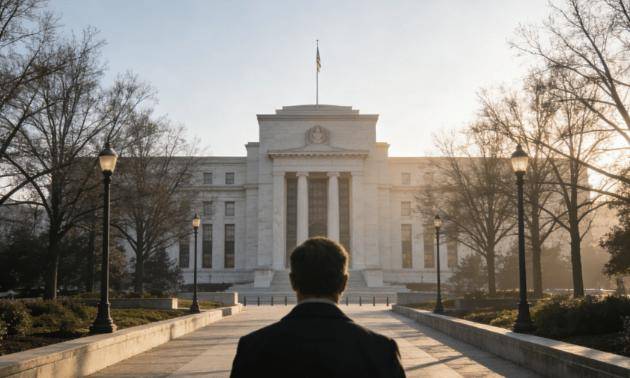
美财长贝森特:黄金看起来像是典型的投机性抛售行情
Sou Hu Cai Jing· 2026-02-08 23:38
Group 1 - The U.S. Treasury Secretary, Janet Yellen, indicated that gold appears to be experiencing a typical speculative sell-off [1] - The market's cyclical components are currently in an expansion phase [1] - It is expected that the Federal Reserve will not take any swift actions regarding its balance sheet [1]
提名沃什能否修补美联储独立性
Sou Hu Cai Jing· 2026-02-06 08:16
Core Viewpoint - The nomination of Kevin Warsh as the next Federal Reserve Chairman by President Trump is seen as a symbolic move to reassure the market about the Fed's independence amidst political and economic pressures [1][2]. Group 1: Political and Economic Pressures - The Federal Reserve faces dual pressures: economic pressures from falling inflation and slowing growth, and political pressures related to investigations surrounding current Chairman Jerome Powell [1]. - The independence of the Federal Reserve has been increasingly undermined since Trump's return to the White House, with the Justice Department's criminal investigation into Powell viewed as an escalation of pressure from the White House [1][3]. Group 2: Market Perception and Trust - Warsh's background as a former Fed governor may enhance market trust, as he understands the central bank's operations and the financial market's policy responses [2]. - Concerns about the potential nomination of Hassett, a White House economic advisor, stem from fears that he may prioritize White House interests over market stability, leading to greater uncertainty and potential financial risks [2]. Group 3: Future Policy Directions - Warsh's leadership is expected to result in a policy combination of more flexible interest rates and disciplined asset balance sheet management, focusing on timing and communication [3]. - The Fed may struggle to maintain its independence, as it could be compelled to align with the White House's low-interest rate demands amidst rising fiscal deficits and debt pressures [3]. Group 4: Global Implications - Warsh's leadership could lead to increased volatility in global capital flows and commodity prices, as market interpretations of Fed policies may shift rapidly [5]. - The Fed's policy communication will have significant spillover effects, as global central banks reassess the predictability of U.S. macro governance, potentially leading to higher risk premiums in global markets [5]. Group 5: Long-term Outlook - While the nomination of Warsh may provide short-term improvements in the perception of Fed independence, the long-term effectiveness will depend on his ability to withstand political pressures and the resolution of domestic political conflicts [5].
余翔:提名沃什能否修补美联储独立性
Sou Hu Cai Jing· 2026-02-05 22:53
Core Viewpoint - The nomination of Kevin Warsh as the next Federal Reserve Chair by President Trump is seen as a symbolic move to restore confidence in the Fed's independence amidst political pressures and economic challenges, including inflation and growth slowdown [1][2]. Group 1: Political Context - The nomination signals the White House's intention to convey that the Fed will continue to operate effectively within established rules and maintain its independence [1]. - The ongoing investigation into current Chair Jerome Powell by the Justice Department is perceived as an escalation of pressure from the White House regarding interest rate decisions [1]. - Political tensions are undermining public trust in the Fed, raising concerns about the potential impact of political and judicial conflicts on the Fed's decision-making [1][3]. Group 2: Warsh's Profile and Market Perception - Warsh's background as a former Fed governor gives him an advantage in understanding the central bank's operations and the market's policy responses [2]. - The market's skepticism towards Hassett, a potential nominee, stems from concerns that he may prioritize White House interests over market stability, potentially leading to higher inflation and financial risks [2]. - Warsh is viewed as a candidate who can balance internal cost control and external perceptions of "rules and discipline," potentially restoring some confidence in the Fed's independence [2]. Group 3: Challenges Ahead - The perceived improvement in the Fed's independence may not eliminate political influence, as the Fed could be seen as aligning with the White House's low-interest rate demands [3]. - Warsh's leadership is likely to adopt a flexible interest rate policy while emphasizing discipline in the Fed's balance sheet management [3]. - The Fed's damaged reputation may hinder Warsh's effectiveness, as any premature interest rate cuts could be interpreted as politically motivated, potentially leading to rising long-term rates [4]. Group 4: Global Implications - Warsh's leadership could increase volatility in global capital flows and the dollar, depending on how quickly interest rates are adjusted [4][5]. - Commodity prices and global inflation may become more susceptible to financial factors, leading to instability in inflation trends [5]. - The interconnectedness of U.S. monetary policy with global economic governance may prompt a reassessment of risk premiums by global investors, affecting risk assets [5]. Group 5: Long-term Outlook - The short-term effects of Warsh's nomination on the Fed's independence may be limited, depending on his ability to withstand political pressures and the resolution of domestic political conflicts [5].
TMGM官网:市场数据显示10年期美债收益率已高于4.25%
Sou Hu Cai Jing· 2026-02-02 06:19
Group 1 - The 10-year U.S. Treasury yield has surpassed 4.25%, indicating a market reassessment of medium to long-term interest rates amidst fluctuating inflation and resilient economic performance [1][3] - The rise in long-term Treasury yields reflects a combination of policy expectations, personnel changes, and macroeconomic data forecasts [3] - Kevin Warsh's nomination as Federal Reserve Chair has led the market to reevaluate future policy styles, suggesting a cautious approach to interest rate cuts until inflation pressures are confirmed to ease [3] Group 2 - The focus on the Federal Reserve's balance sheet issues indicates that any future reduction in its size could tighten liquidity conditions, impacting market funding and asset valuations [3] - There is a lack of consensus within the Federal Reserve regarding the pace of easing, with differing views on the timing and magnitude of potential rate cuts [3][4] - Employment data has become a critical reference for short-term market pricing, influencing wage growth and inflation expectations, which in turn affects the rationale for maintaining high interest rates [4]
特朗普提名美联储新主席!美元强,金价跌,人民币走势不改
Bei Jing Shang Bao· 2026-02-01 12:21
Core Viewpoint - Kevin Walsh has been nominated by President Trump to succeed Jerome Powell as the next Chairman of the Federal Reserve, with a policy inclination towards "parallel rate cuts and balance sheet reduction" [1][3]. Group 1: Kevin Walsh's Background and Policy Stance - Walsh has a background in mergers and acquisitions at Morgan Stanley and served as a Federal Reserve Governor from 2006 to 2011, making him the youngest member at that time [3]. - Initially viewed as a supporter of free trade and a hawkish figure in monetary policy, Walsh has shifted to support Trump's tariff policies and calls for accelerated rate cuts [3]. - He advocates for lower interest rates while simultaneously calling for a significant reduction in the Fed's balance sheet and easing bank regulations, which contrasts with typical rate cut cycles [4]. Group 2: Market Reactions and Implications - Following Walsh's nomination, the U.S. dollar strengthened, gold prices fell sharply, and Bitcoin experienced significant declines, indicating market concerns about potential political pressures on the Fed [6][7]. - The dollar index rose from a low of 95.55 to around 96.99 after the announcement, while gold prices saw volatility, dropping from a historical high of over $5,500 per ounce [6]. - Bitcoin fell below $80,000, reflecting its sensitivity to changes in interest rate expectations and the dollar's strength [7]. Group 3: Future Policy Challenges - Walsh's proposed policies face challenges, including the need for majority support from the Federal Open Market Committee and the effectiveness of his policy mix depending on regulatory reforms [5]. - Analysts suggest that if Walsh leads the Fed, there may be 1-3 rate cuts within a year, but the long-term policy path remains uncertain due to the potential conflicting effects of balance sheet reduction and rate cuts [5]. - The dynamic between tightening and loosening monetary policy will depend heavily on economic performance and inflation data, as well as Walsh's ability to balance Fed independence with political pressures [5]. Group 4: Impact on Domestic Markets - The Fed's policy changes are expected to have spillover effects on domestic financial markets, particularly through exchange rates and capital flows [9]. - If Walsh's policies lead to a stronger dollar, it may exert short-term pressure on the Chinese yuan, although potential rate cuts could help narrow the interest rate differential between the U.S. and China [9][10]. - Despite external influences, China's economic fundamentals are expected to provide support for the yuan's stability, with a focus on maintaining a balanced and resilient foreign exchange market [10][11].
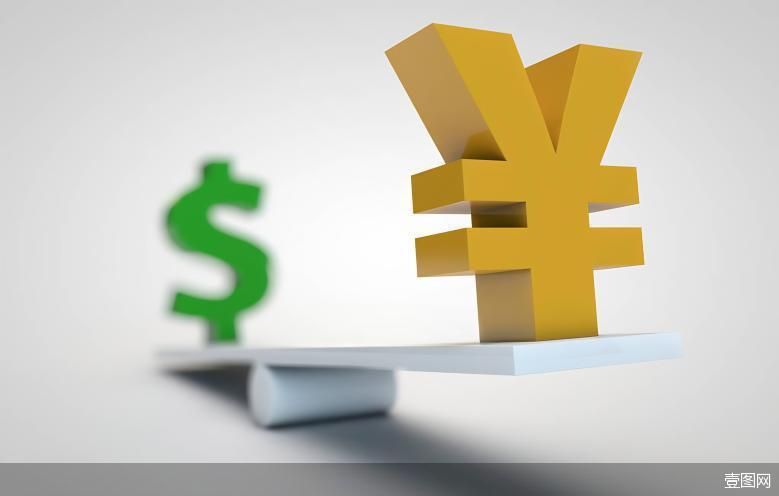
国际观察丨美联储批评者获提名 美货币政策面临挑战
Xin Hua She· 2026-01-31 07:31
Core Viewpoint - The nomination of Kevin Warsh as the next Federal Reserve Chairman by President Trump raises concerns about the independence of the Fed due to Warsh's close ties with the Trump administration and his previous criticisms of the Fed's policies [1][2]. Group 1: Nomination and Background - Kevin Warsh, a former Fed governor, has been nominated to replace Jerome Powell, whose term ends in May [1]. - Warsh's relationship with Trump and his previous criticisms of the Fed suggest he may push for institutional changes [1][2]. Group 2: Independence Concerns - There are worries about Warsh's ability to maintain the Fed's independence, especially given Trump's preference for low interest rates and his desire for the Fed to consult him on monetary policy [2]. - Some senators are attempting to shield the Fed from political pressure, with Republican Senator Thom Tillis expressing opposition to any Fed-related nominations due to ongoing investigations into Powell [2]. Group 3: Policy Challenges - Warsh's ability to lead the Fed's agenda is uncertain, as he will need to persuade other committee members on policy changes, which may be difficult given the current division among Fed officials [3]. - The recent appointments of regional Fed bank presidents with differing views on monetary policy could complicate Warsh's efforts to implement changes [3]. Group 4: Macroeconomic Environment - Warsh's emphasis on free trade, Fed independence, and a strong dollar may conflict with the current administration's policies that are contributing to rising inflation [4]. - The U.S. faces challenges in balancing inflation and employment, exacerbated by the administration's trade and immigration policies [4]. Group 5: Market Reactions - Warsh's hawkish stance on monetary policy has led to a strengthening of the dollar and fluctuations in bond yields, with market expectations reflecting skepticism about future rate cuts [5]. - Analysts suggest that Warsh's position on the Fed's balance sheet management could impact long-term interest rates, and his commitment to a hawkish approach will be crucial to monitor [5].