Temu

Search documents
日本10%消费税落地!TikTok Shop美国站保证金暴涨至1500美元!
Sou Hu Cai Jing· 2025-12-10 13:09
Core Viewpoint - Japan's ruling Liberal Democratic Party has proposed a tax reform that will eliminate the consumption tax exemption for imported goods valued under 10,000 yen starting in 2026, requiring all goods entering Japan to pay a 10% consumption tax [1][3]. Group 1: Tax Policy Changes - The new tax policy will abolish the special regulation that taxed personal imports at 60% of the overseas price, shifting to full taxation based on actual transaction prices [3][4]. - Online platforms with annual sales exceeding 5 billion yen will be required to act as tax agents for consumption tax [3][4]. - The proposal includes key details such as the responsibility of large e-commerce platforms for tax collection and the 5 billion yen sales threshold [3][4]. Group 2: Impact on Cross-Border E-commerce - The new tax regime is expected to diminish the price advantage of low-cost goods, increasing operational costs for platforms by 30%-50% for those with sales over 10 billion yen [4][6]. - The number of low-value imports has surged, with approximately 170 million items valued under 10,000 yen expected in 2024, accounting for 90% of all import licenses [4][6]. - The policy aims to promote fair competition and enhance customs regulation, addressing complaints from domestic businesses about unfair competition from overseas sellers [6][10]. Group 3: Cost Implications - For a typical product priced at 8,000 yen, the new tax will add 800 yen in consumption tax, raising the total price to 8,800 yen, with potential additional customs fees of about 300 yen [9][10]. - The operational costs for sellers relying on low-price direct shipping models may be significantly impacted, potentially eroding profit margins [9][10]. Group 4: Global Context - Similar tax reforms are being implemented globally, with the U.S. and EU also moving to eliminate tax exemptions for low-value imports, indicating a broader trend of tightening regulations on cross-border e-commerce [11][12][14]. - Countries like the UK, France, and Vietnam are also reviewing or have enacted similar policies, marking the end of the "tax-free era" for cross-border e-commerce [14][16]. Group 5: Strategic Recommendations for Sellers - Sellers are advised to reassess their pricing strategies, operational models, and tax compliance management in light of the new regulations [16][20]. - Transitioning to an overseas warehouse model is recommended to mitigate the impact of the new tax regime and improve logistics efficiency [20][30]. - Understanding the new tax collection mechanisms and obtaining a Japanese Consumption Tax registration number (JCT) is crucial for compliance and operational success [20][30].


日本跨境税变动!2026年全面加税,你的商品还能卖爆吗?
Sou Hu Cai Jing· 2025-12-10 08:49
日本于2025年12提出了相关税制修正案。该政策调整计划纳入 2026 年度税制改革大纲,预计将在 2026 年正式实施。 值得注意的是,早在 2025 年 5 月,日本财务省就已经公布了相关草案,计划取消 1 万日元以下进口商品的消费税豁免政策; • 2026 年起:正式取消 1 万日元以下商品的消费税豁免,征收 10% 消费税,但关税仍维持豁免 • 过渡期安排:针对合规发票制度转型的免税企业,原定 2026 年 9 月到期的 "二割特例" 过渡政策已被取消,海外企业自 2024 年 10 月起不再适用任何简化 税制 取消 1 万日元以下进口商品消费税免征政策:现行制度下,价值低于 1 万日元(约合 452-495 元人民币)的进口商品可以免征消费税,这一政策自 1989 年实施以来已执行 36 年。新规实施后,所有进口商品无论金额大小均需缴纳 10% 的消费税,这意味着原本享受免税优惠的低价商品将面临10% 的税负增加。 废止个人使用进口商品按海外售价 60% 计税的规定:目前,日本个人从海外网站购买商品时,只对货值的 60% 计税,相当于享受了 40% 的税收优 惠。例如,一件价值 3 万日元的商品,按 ...

债墙高筑的阿根廷,为何成为拉美新增长引擎?
3 6 Ke· 2025-12-10 08:38
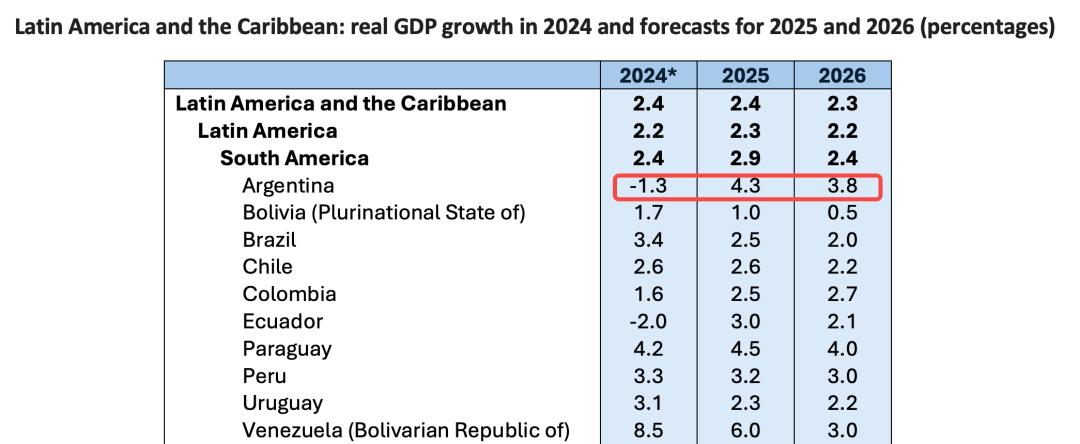
说起阿根廷,这个拉美国家最鲜明的注脚,莫过于居高不下的通胀和一泻千里的汇率。 过去数年,阿根廷持续处于货币崩溃、通胀飙升、中央银行近乎破产的经济状态中。2023年底,阿根廷年通胀率超200%、有着近2771亿美元的巨额外债 以及外贸和财政的双赤字。 而如今,这一印象亟待被刷新。 2023年12月10日,主张经济自由放任主义的Javier Milei(米莱)正式宣誓就任阿根廷总统府,成为阿根廷新任总统,其主张大幅削减政府部门开支、大幅 贬值本币比索、推进经济自由化与私营市场主导,一系列经济改革政策为陷于经济泥沼多年的阿根廷带来希望。 2025年已经过去的前两个季度,阿根廷GDP同比增长分别是5.8%和6.3%。而就在去年,这一数字还是负值。 Economic Commission for Latin America and the Caribbean (CEPAL) 的2025年报告展望中,阿根廷在南美国家中被列为增长最快,其 2025年GDP增速预测为 约4.3%。并且,在未来1–2年的区域增长预期中,阿根廷被广泛视作西半球表现最亮眼的经济体。 | | 2024* | 2025 | 2026 | | --- ...
欧洲小包税改倒计时:平台谋变,卖家求生
雷峰网· 2025-12-09 07:07
Core Viewpoint - The European Union's decision to eliminate the tax exemption for low-value imports under €150 will significantly impact cross-border platforms and sellers, particularly those relying on low-cost small packages [2][9]. Group 1: Policy Changes and Impacts - The EU Council has approved a resolution to end the tax exemption for small packages, which is expected to take effect by 2026, adding a processing fee of approximately €2 per package [2]. - In 2024, an estimated 4.6 billion low-value packages are projected to enter the EU, with 91% originating from China [2]. - This policy mirrors the U.S. decision to cancel T86 earlier this year, which forced platforms like Temu to raise prices, resulting in a significant drop in order volume [2][3]. Group 2: Seller Strategies and Market Reactions - Temu has introduced a semi-managed Y2 model in Europe, allowing sellers to ship directly from domestic locations to overseas warehouses, which is expected to reduce order volume for fully managed services [4]. - Despite the success of the Y2 model in the U.S., European sellers remain cautious, with many still observing the market before making a transition [4][5]. - The complexity of European regulations, such as VAT requirements and compliance with local laws, poses significant challenges for sellers considering the Y2 model [4][5]. Group 3: Logistics Industry Dynamics - Logistics companies that depend on small package direct shipping are facing severe challenges, with a notable decline in order volume impacting their growth plans [6]. - Conversely, overseas warehouse service providers are experiencing increased demand as the new regulations necessitate higher local warehousing and logistics capabilities [6]. - The anticipated rise in local warehousing in Europe is seen as an opportunity for domestic players to expand their logistics operations [6]. Group 4: Future Outlook and Market Adjustments - The transition period before the new EU regulations take effect is viewed as a critical time for platforms and sellers to adjust their strategies [10]. - The fragmented nature of the European market complicates compliance and operational strategies, creating potential for gray market activities as sellers seek lower costs and simpler procedures [7][10]. - The overall direction of the EU's policy change is unlikely to reverse, signaling the end of the small package direct shipping model [9].

日本计划对跨境电商平台征收消费税;TikTok Shop美国黑五GMV突破5亿美元;微信支付落地卡塔尔|一周出海参考
Tai Mei Ti A P P· 2025-12-09 06:05
Group 1 - The China-Vietnam QR code interoperability project has officially launched in Vietnam, allowing Chinese tourists to make payments using various mobile payment apps [1] - The project aims to enhance financial connectivity between China and Vietnam, promoting trade and tourism between the two countries [1] Group 2 - India is projected to attract $4.1 trillion in green investments by 2047, with an annual market potential of $1.1 trillion [2] - This significant investment is expected to contribute to India's sustainable development goals over the next two decades [2] Group 3 - Thailand's cabinet has approved a policy to promote residential solar rooftop installations, allowing tax deductions for related expenses [3] - The initiative aims to encourage the use of clean energy and reduce household electricity costs while transforming the national energy structure [3] Group 4 - Thailand's electric vehicle production exceeded 50,000 units in the first ten months of 2025, marking a 530% year-on-year increase [4] - Despite a slight decline in overall vehicle production, the domestic market remains stable, with electric vehicle sales growing by 60.1% [4] Group 5 - Chinese citizens can now travel to Russia visa-free until September 14, 2026, for tourism and business purposes, with a stay of up to 30 days [5] Group 6 - Amazon has launched its first global smart hub warehouse in Shenzhen, China, set to open in March 2026, as part of its supply chain solutions [6] - The new global smart hub warehouse will facilitate seamless logistics and inventory management for sellers [6] Group 7 - Amazon's Haul program has expanded to 26 countries, with user visits tripling since June [7] - Chinese sellers on Amazon's emerging sites saw sales increase by over 30% from January to October 2025 [8] Group 8 - TikTok Shop's gross merchandise volume (GMV) in the U.S. surpassed $500 million during Black Friday, reflecting a nearly 50% year-on-year growth [9] - The platform's live streaming sales saw significant increases, with participating sellers' sales up by 84% [9] Group 9 - Lazada has upgraded its collection services in mainland China, adding 18 cities and allowing for single-item pickups [10] - The new regulations will be fully implemented by January 2026, with performance assessments for sellers starting then [10] Group 10 - Ozon has launched a premium brand selection platform, "Ozon Select," focusing on high-end products, with over 130,000 SKUs listed [11] - The platform is expected to see a 1.5x increase in orders for fashion items by Q1 2025 [11] Group 11 - Walmart reported a 57% increase in orders on Black Friday compared to the previous year, driven by strong consumer demand for electronics and home goods [12] Group 12 - The global market for robotic vacuum cleaners saw an 18.7% year-on-year increase in shipments in the first three quarters of 2025, with Europe and the Middle East leading growth [13] Group 13 - In November 2025, 33 Chinese companies made it to the global mobile game revenue top 100, collectively earning $1.95 billion [14] - Tencent remains the top mobile game publisher globally, with significant contributions from its flagship products [14] Group 14 - U.S. online sales on Black Friday reached a record $11.8 billion, marking a 5.8% increase from the previous year [15] - Mobile shopping accounted for over 60% of total sales, indicating a shift in consumer purchasing behavior [15] Group 15 - JD Logistics reported a doubling of order volume in its overseas warehouses during the Black Friday sales period [16] - Significant growth was observed in North America, Europe, and the Asia-Pacific regions [16] Group 16 - Ant Group's WorldFirst reported processing nearly $200 billion in transactions in 2025, with a 100% year-on-year growth [17] - The service has expanded to over 220 countries, supporting multiple currencies for transactions [17] Group 17 - WeChat Pay has launched in Qatar, with QNB becoming the first bank in the Gulf Cooperation Council to support the service [18] - This development provides new digital payment options for retailers in Qatar to connect with Chinese consumers [18] Group 18 - Malaysia is drafting regulations to restrict social media access for individuals under 16 years old, focusing on online safety for children [19] Group 19 - Japan plans to impose consumption tax on cross-border e-commerce platforms with annual sales exceeding 5 billion yen, affecting companies like Temu and SHEIN [20] - The new tax regulations aim to reduce tax evasion and support local retail businesses [20]


利润腰斩,亚马逊卖家:难
Tai Mei Ti A P P· 2025-12-08 09:05
Core Insights - The article highlights the significant challenges faced by cross-border sellers on Amazon due to new tax regulations and rising operational costs, leading to a crisis in profitability and compliance [1][2][3] Seller Status: Tax Compliance and Revenue Pressure - The introduction of new tax regulations has made compliance a major concern for sellers, with small and medium-sized sellers experiencing a drastic reduction in profits, with some reporting profit halving due to increased tax burdens [2] - Sellers who previously utilized personal accounts for transactions are now facing substantial back taxes, with some needing to pay up to 25% in personal income tax, leading to operational cutbacks [2] - Larger sellers, while better prepared, are still facing increased costs and tax burdens, with some reporting a 15% reduction in input tax deductions, resulting in significant additional tax payments [2] Revenue and Profit Discrepancies - Sellers are experiencing a "scissors gap" between revenue and profit, with advertising costs rising sharply and natural traffic declining significantly, leading to a situation where increased sales do not translate into higher profits [3] - The average profit margin for Amazon's small and medium sellers has decreased by 6.8 percentage points year-over-year, with nearly 30% of sellers reporting losses [3] Operational Challenges - Amazon's operational efficiency is declining, with longer response times for seller inquiries and appeals, exacerbated by staff reductions in the China team [5] - Sellers are facing increased competition from platforms like Temu and AliExpress, which are gaining market share through aggressive pricing and lower commission rates [5][6] Future Outlook: Market and Talent Dynamics - Sellers are increasingly diversifying their platforms to mitigate risks, with many planning to reduce their reliance on Amazon from 80% to 40% by 2026 [7] - The focus on compliance is becoming a non-negotiable aspect of business strategy, with sellers actively seeking to optimize their tax burdens through better invoice management and leveraging tax policies [7][8] Emerging Market Opportunities - New markets in the Middle East and Southeast Asia are being prioritized due to lower tax burdens and less competition, with 78% of sellers planning to expand into these regions by 2026 [8] - Sellers are adapting their strategies to include low-cost products on platforms like Temu while maintaining higher-priced items on Amazon to balance revenue and profit [9] Operational Adjustments and Recruitment Trends - The demand for multi-platform operational skills is rising, with a 47% increase in job openings for multi-platform operators, while single-platform roles are declining [9][10] - Sellers are focusing on developing skills in tax compliance and operational efficiency, with a shift towards technology-driven solutions to optimize advertising and inventory management [10] Strategies for Different Seller Sizes - Small and medium sellers are advised to focus on low-barrier platforms for quick returns, while larger sellers can leverage their supply chain strengths to enter higher-margin markets [11][12] - Successful strategies include targeting niche markets with specific product offerings and optimizing logistics to enhance customer satisfaction and repeat purchases [13]
日本赴美航空货物运费持续高位运行
日经中文网· 2025-12-05 08:00
从东南亚等地区经日本中转运往美国的货物正在增加 2024年度,Temu、SHEIN的电商运输量激增,中国大陆赴美航空货物运费上涨波及日本。 2025年度以后,东南亚、台湾等的赴美航空货运量增长,半导体等的运输经由日本,对日本 的运费形成支撑…… 日本发往美国的航空货物运费持续保持在高位。2025年度下半年的运费谈判最终以持平区间 达成协议,维持了2024年大幅上涨后的水平。虽然日本出发的货物增长乏力,但东南亚等经 由日本发往美国的货物运输需求坚挺,支撑了运费行情。 航空货物通过货机或客机腹舱进行运输。向航空公司采购舱位的拼箱货运代理商 (forwarder)会与货主企业进行谈判,敲定半年或一年的合约运费。一般情况下,航空公司 与货运代理商之间、货运代理商与货主之间均会在每年4月(上半年)和10月(下半年)进行 两次运费调整。 2025年度下半年,东京发往美国东海岸的运费为每公斤1020~1220日元左右,东京发往美国 西海岸的运费为每公斤960~1100日元左右。谈妥的运费与上次谈判持平,维持了2024年度 大幅上涨后的水平。 2024年度运费暴涨的原因是Temu、SHEIN等源自中国的电商平台的运输量激增。 ...

150欧免税取消,中国电商如何应战?
Sou Hu Cai Jing· 2025-12-05 02:51
Core Viewpoint - The European cross-border e-commerce market is undergoing significant changes due to new tax policies and increasing scrutiny on Chinese e-commerce platforms like SHEIN and Temu, which face challenges in expanding their market presence in Europe [1][5][19]. Group 1: Regulatory Changes - The European Council has announced the implementation of a small package tax policy, which will take effect in early 2026, eliminating the previous exemption for goods under €150 [1]. - All incoming packages will now incur customs duties, VAT, and a customs inspection fee of approximately €2, which will complicate the logistics for e-commerce platforms [1][5]. - Experts suggest that these changes will shift consumer purchasing decisions from price-driven to value and trust-oriented, increasing the operational costs for sellers due to the need for more detailed customs data [5][21]. Group 2: Market Dynamics - In 2024, the EU is expected to receive 4.6 billion low-value e-commerce packages, with 91% originating from China, equating to approximately 4.186 billion packages [7][8]. - Despite regulatory challenges, Temu and SHEIN have seen substantial user growth in Europe, with Temu's monthly active users reaching 115.7 million in the first half of 2025, a 12.5% increase from the previous year [9]. - The economic downturn in Europe, exacerbated by the Russia-Ukraine conflict, has led consumers to seek more affordable options, benefiting discount retailers and platforms like Temu and SHEIN [10][11][14]. Group 3: Consumer Behavior - European consumers are increasingly turning to discount stores and e-commerce platforms for essential goods, reflecting a shift in spending habits due to inflation and economic uncertainty [10][14]. - The disparity between wealth and poverty in Europe is growing, with many middle-class consumers feeling the pinch and opting for cheaper alternatives like SHEIN [15][16]. - The demand for affordable products is evident, as consumers express a preference for low-cost options over locally produced goods, highlighting a significant market opportunity for Chinese e-commerce [15][16]. Group 4: Strategic Responses - Some sellers are considering shifting to local e-commerce platforms to navigate the new regulatory landscape, but experts argue that this strategy may be outdated due to declining marketing budgets on these platforms [19][21]. - Sellers are still required to pay customs duties regardless of whether they ship directly from China or use local warehouses, complicating the logistics further [21]. - Temu and SHEIN are viewed as the best options for sellers due to their traffic advantages and lower commission rates compared to other platforms [21][22]. Group 5: Brand Development - The long-term solution for sellers lies in building brands rather than relying solely on low-price strategies, which are unsustainable in the European market [28][31]. - Successful brand development requires a focus on product positioning, uniqueness, and alignment with market needs, as demonstrated by the success of brands like Avril Paris [31][33]. - The rise of the Print on Demand (POD) model has shown that Chinese sellers can effectively respond to market trends and consumer demands for personalized products [29][30].

头部平台突然崩了,百万卖家网一销售中断
Sou Hu Cai Jing· 2025-12-04 13:16
作者 | 基德 编辑 | Shadow 2025年12月1日,本应是一年中全球电商心跳最强劲的时刻。 当数百万卖家屏息等待网一(Cyber Monday)流量洪峰来临时,他们等来的却是一场数字噩梦,Shopify,全球独立站的中央供血系统,在这一秒突然心 脏骤停。demandsage数据显示,Shopify 全球拥有超过554万活跃商店,日活跃用户约588 万。 后台登录全线瘫痪,POS系统停止响应,线下门店无法结账……"认证流程异常",官方的轻描淡写,与卖家后台屏幕上刺眼的红色警报形成残酷的对比。 修复时间从几分钟拖到几小时,每一分钟的流逝,都在蒸发数百万美元的交易机会。 而早在旺季之前,行业已笼罩在一种微妙的氛围里,Adobe预测线上零售将迎两位数增长,投行也看好降息与健康库存带来的需求回暖。然而,当黑五真 正来临,商家端,无论是复购表现、客单价水平,还是广告成本与GMV增速,都未能燃起预期的热度。 今年的黑五,没有狂欢,整个行业都弥漫着焦虑与不确定。 今年黑五的最大意外,无疑是Shopify的全球性系统故障。 对于独立站卖家而言,黑五不仅是全年最大的一次爆发窗口,更是提前数月做规划、备货、广告预算校准、 ...

【招银研究|行业深度】跨境电商行业深度报告——履约模式、市场重心和支付结算的三重变革
招商银行研究· 2025-12-03 09:27
Core Viewpoint - The article discusses the shift in cross-border e-commerce fulfillment models from direct mail small packages to overseas warehouses, driven by the cancellation of "de minimis" tax exemptions in various countries, particularly the U.S. This transition is expected to enhance efficiency and reduce costs in cross-border logistics, with a projected market size of 350 billion yuan in the next three years [2][12][20]. Group 1: Fulfillment Model Transition - The fulfillment model is transitioning from direct mail small packages to overseas warehouses due to the loss of tax exemption advantages [2][12]. - Overseas warehouses offer significant advantages over direct mail in terms of product coverage, fulfillment speed, cross-border transport costs, and after-sales service [2][17]. - The market for overseas warehouse fulfillment is expected to reach 350 billion yuan in the next three years, with a projected package volume of 8.2 billion by 2024 [20][24]. Group 2: Market Focus Shift - The focus of the market is shifting from the U.S. to non-U.S. markets due to increased tariffs and the cancellation of tax exemptions, which could affect about one-third of China's cross-border e-commerce exports [2][39]. - Emerging markets in Southeast Asia, Latin America, and the Middle East are expected to experience rapid growth, providing a new foundation for China's cross-border e-commerce exports [2][39]. - The overall e-commerce penetration rate is increasing globally, with significant growth potential in emerging markets [44][47]. Group 3: Payment and Settlement Innovations - Cross-border e-commerce payment and settlement are evolving towards multi-channel approaches that reduce costs and improve efficiency [3]. - Third-party payment solutions are becoming increasingly important by connecting directly to local payment networks and creating virtual accounts to lower fees [3]. - Blockchain technology and stablecoins are emerging as new payment methods, presenting both opportunities and challenges for cross-border e-commerce [3]. Group 4: Strategic Recommendations - The "Four Little Dragons" of cross-border e-commerce (Temu, SHEIN, AliExpress, TikTok) are promoting a semi-managed model that leverages overseas warehouses to enhance fulfillment efficiency [25][26]. - The Chinese government is continuously supporting the construction and optimization of overseas warehouses, indicating a strong commitment to enhancing cross-border e-commerce logistics [29][30]. - The market concentration of overseas warehouse suppliers is expected to increase, with third-party warehouses dominating the market [31][32].