招商蛇口

Search documents
老将新帅、优先股增发,招商蛇口深夜换帅背后的业绩压力与资本筹谋
Hua Xia Shi Bao· 2025-09-17 09:05
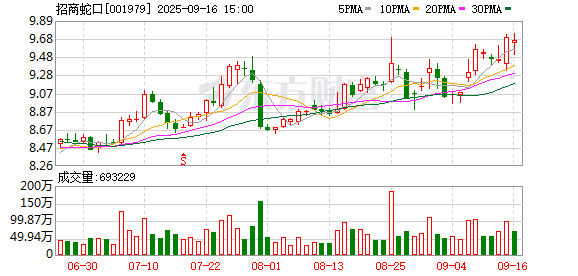
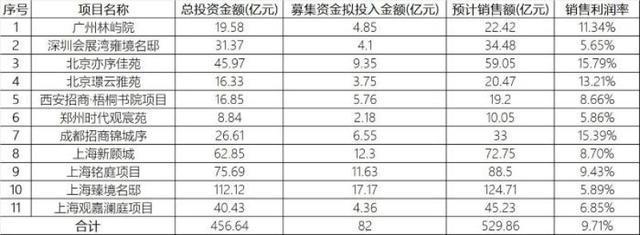
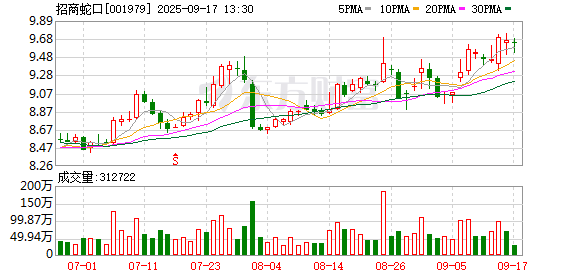
Core Viewpoint - The recent management changes and capital raising efforts by China Merchants Shekou (招商蛇口) signal a strategic shift aimed at enhancing operational efficiency and stabilizing cash flow amid a challenging real estate market [2][4][8]. Group 1: Management Changes - Chairman Jiang Tiefeng resigned due to work adjustments, with Zhu Wenkai appointed as the new chairman and Nie Liming taking over as general manager, indicating a rapid leadership transition [2][9]. - The management's focus is on maintaining strategic direction and ensuring cash flow stability, as highlighted by their "four no losses" strategy [2][8]. Group 2: Capital Raising and Financial Strategy - China Merchants Shekou announced a plan to raise up to 8.2 billion yuan through a private placement of preferred shares, aimed at funding ongoing real estate projects [6][7]. - The funds will primarily support 11 ongoing projects, with total investments amounting to 456.64 billion yuan and projected sales revenue of 529.86 billion yuan [7][8]. - The average sales profit margin for these projects is estimated at 9.7%, with the lowest being 5.65% and the highest at 15.79% [7][8]. Group 3: Market Response and Financial Performance - Following the announcement of the capital raise, the company's stock price initially rose but later experienced a slight decline, reflecting mixed investor sentiment regarding the management changes [9][10]. - The mid-year financial report indicated a slight revenue increase of 0.41% year-on-year, but traditional development business revenues fell by 1.02%, highlighting ongoing challenges in the real estate sector [12][13]. - The company’s net profit for the period was 14.48 billion yuan, up 2.18% year-on-year, but the underlying profit showed a significant decline when excluding non-recurring gains [13][14].


2025上半年中国房地产企业交付品牌影响力榜单发布
克而瑞地产研究· 2025-09-17 08:31
Core Viewpoint - In 2025, the Chinese real estate industry is accelerating its transition to a "quality era" amid deep adjustments, facing dual challenges of "scale reduction" and "quality upgrade" due to shrinking market sales [1] Group 1: Industry Trends - The overall delivery volume of the industry has declined year-on-year, with a 15.5% decrease in residential completion area in the first half of 2025, leading to some companies experiencing delivery declines exceeding 50% [10] - The market is increasingly polarized, with resources concentrating towards leading companies in core cities [10] - Delivery brand influence has become a core competitive advantage for real estate companies, reflecting their comprehensive strength and market trust [1] Group 2: Delivery Brand Influence Index System - The delivery brand influence index system consists of four primary dimensions and nine sub-items, including "delivery market share," "delivery promotion and communication," "industry awards and certifications," and "reputation and public opinion management" [2] Group 3: Delivery Scale and Innovation - Despite the overall decline in delivery scale, leading companies are focusing more on product innovation and full-cycle service capabilities, marking a shift from scale competition to a long-term development mechanism centered on quality, service, and innovation [11] - Companies are increasingly showcasing detailed service aspects during the delivery process, enhancing customer confidence and effectively communicating their delivery and service capabilities [14][15] Group 4: Customization and Differentiation - The rise of non-standardized delivery is helping companies shape differentiated delivery brands, with some firms offering personalized and exclusive delivery services, particularly for high-end projects [20] - Companies like Poly Developments have introduced innovative delivery standards, such as "protective film delivery," ensuring a pristine handover experience [21] Group 5: Customer Engagement and Trust - The transformation from "selling houses" to "creating lifestyles" is crucial for companies to earn long-term customer trust, emphasizing the importance of continuous service beyond the initial delivery [21]

招商蛇口换帅 朱文凯出任董事长
Zhong Guo Jing Ying Bao· 2025-09-17 05:29
Core Viewpoint - The leadership transition at China Merchants Shekou Industrial Zone Holdings Co., Ltd. (招商蛇口) involves the resignation of Chairman Jiang Tiefeng and the appointment of Zhu Wenkai as the new Chairman, while Nie Liming is appointed as the new General Manager, indicating a normal operational adjustment within the company [2][3][7]. Leadership Changes - Jiang Tiefeng resigned from his positions as Chairman and Director due to work adjustments, and Zhu Wenkai has been elected as the new Chairman of the fourth board [2][3]. - Zhu Wenkai, born in 1967, has a diverse career background in marketing, regional operations, and management, having previously held various positions within the company [4][5]. - Nie Liming, born in 1971, also possesses extensive practical experience and has held multiple managerial roles within the organization [5]. Company Performance and Strategy - Under Jiang Tiefeng's leadership, the company achieved a sales revenue of approximately 293.6 billion yuan in 2023, ranking fifth in the industry [8]. - In the first half of 2025, the company reported a revenue of 51.485 billion yuan, a year-on-year increase of 0.41%, and a net profit of 1.448 billion yuan, up 2.18% [9]. - The company is actively pursuing a transformation strategy focusing on three key shifts: balancing development and operations, transitioning from heavy asset reliance to a mixed approach, and moving from homogeneous competition to differentiation [9].
行业跟踪报告:下行略加速,关注收储的临界点
GUOTAI HAITONG SECURITIES· 2025-09-17 03:32
Investment Rating - The report assigns an "Accumulate" rating for the real estate industry [4]. Core Insights - The supply and demand in the real estate sector show signs of accelerated decline, particularly in supply, with a notable shift in the balance point [2]. - The effectiveness of policies has shifted from explosive short-term impacts to more sustained effects, necessitating a reassessment of policy attitudes and outcomes [61]. - The relationship between completed construction area and unsold inventory is crucial for future storage policies, indicating a potential critical point for policy execution [62]. Summary by Sections Investment Situation - From January to August 2025, the cumulative real estate development investment was 60,309 billion, a year-on-year decrease of 12.9%, with residential investment down 11.9% [13][10]. - New construction area decreased by 19.5% year-on-year, while completed area fell by 17.0% [18][10]. - The total funding for real estate reached 64,318 billion, down 8.0% year-on-year [45][10]. Sales Performance - The total sales area of commercial housing from January to August 2025 was 573 million square meters, a year-on-year decline of 4.7% [27][10]. - The sales amount for commercial housing was 55,015 billion, down 7.3% year-on-year [27][10]. - In first-tier cities, the sales area of residential properties increased by 0.9%, while second-tier cities saw a similar trend, indicating a potential stabilization in demand [29][32]. Recommendations - Low-leverage companies remain the preferred choice, with recommendations for various categories including developers like Vanke A, Poly Developments, and China Overseas Development [60]. - The report emphasizes that the decline in supply is more pronounced, while the pressure on the funding chain remains manageable [60][4]. - The anticipated seasonal peak in sales towards the end of the year suggests a likelihood of sales amounts exceeding development investment, keeping the funding chain risks under control [60].



上海825楼市新政后:外环外冷热不均,环沪遭虹吸
首席商业评论· 2025-09-17 02:53
Core Viewpoint - The introduction of the 8.25 policy aims to stimulate the Shanghai real estate market, particularly during the traditional peak sales period of "Golden September and Silver October," by easing restrictions and providing financial incentives to buyers [3][8][10]. Summary by Sections Market Response - After the implementation of the 8.25 policy, Shanghai's second-hand housing transactions reached 19,912 units in August, a month-on-month increase of 2.97% and a year-on-year growth of 11.34% [3]. - New housing projects in the outer ring, such as Poly Haishangyin and Jinmao Tang, experienced immediate sales success, indicating a localized surge in demand [4]. Policy Details - The 8.25 policy includes three main components: relaxation of purchase restrictions in the outer ring, optimization of public housing fund policies, and adjustments to property tax regulations [6]. - Key changes include the removal of purchase limits for eligible residents in the outer ring, a 15% increase in public housing loan limits, and the introduction of tax exemptions for first-time buyers [6][8]. Market Conditions - The policy was introduced in response to a declining market characterized by falling prices and extended transaction cycles, with second-hand housing prices dropping for seven consecutive months [8][11]. - The average price of second-hand homes in Shanghai fell to 46,738 yuan per square meter in September, reflecting a month-on-month decrease of 0.79% and a year-on-year decline of 9.17% [11]. Regional Dynamics - The outer ring market shows signs of increased activity, but underlying pressures remain, with many sellers willing to lower prices to facilitate sales [11][17]. - In contrast, the inner ring market demonstrates stability due to its limited supply and high demand, maintaining its value amidst broader market fluctuations [18][20]. Implications for Buyers and Sellers - The new policy creates a favorable environment for first-time buyers, significantly lowering entry barriers and encouraging purchases in high-potential areas [25][27]. - Sellers in the outer ring are advised to adjust their pricing strategies to remain competitive, especially as new housing options become more attractive [25][27]. Broader Market Context - The 8.25 policy is seen as a targeted measure to alleviate high inventory levels in the outer ring while avoiding overheating in core areas [8][22]. - The surrounding regions, such as Suzhou, are experiencing challenges as they respond to Shanghai's policy changes, indicating a potential shift in demand dynamics [22][24].

豪宅火热赶上楼市“金九”,上海10万+楼盘继续上演“小时光”
Xin Lang Cai Jing· 2025-09-16 23:40
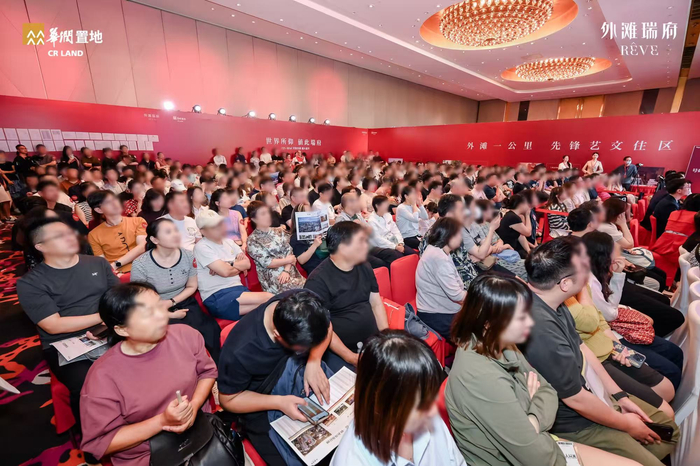
Core Insights - The high-end residential market in Shanghai remains strong, with significant sales recorded during the "Golden September" period, particularly at the Waibaidu Ruifu project, which sold 119 units for over 2.48 billion yuan on its opening day [1][3][5] Market Performance - The Waibaidu Ruifu project had an average price of 147,800 yuan per square meter, with a total of 200+ groups of clients participating in the selection process, leading to a subscription rate of approximately 168% [1][3] - Another project, Jinmao Puyuan, launched earlier with a higher average price of 166,000 yuan per square meter, selling out in just 26 minutes [3][4] Buyer Demographics - The buyer profile for Waibaidu Ruifu includes a significant portion of "new Shanghai residents," with only about 35% of buyers being local residents [4][5] - Non-local buyers from Jiangsu and Zhejiang provinces accounted for over 60% of the total buyers, indicating a broader market appeal [4][5] Competitive Landscape - The competitive environment is intensifying due to a concentration of supply in the inner ring of Shanghai, with multiple high-end projects set to launch soon [6][7] - Upcoming projects include Taikoo Land's Lujiazui Taikoo Source, which has already seen high subscription rates, and other notable developments in the Danning area [6][7] Pricing Trends - The market is experiencing upward pressure on prices, with expectations of price increases for upcoming launches due to sustained demand and limited supply [5][6] - The recent record-breaking pricing for new developments, such as Jinling Huating, which has a unit price of 326,800 yuan per square meter, reflects the premium nature of the current market [10][12] Market Outlook - Analysts suggest that the current market conditions, including favorable stock market performance and new housing policies, may lead to improved sales figures in the upcoming months [13]
招商蛇口主帅易位 能否破解盈利难题?
Sou Hu Cai Jing· 2025-09-16 18:24
Core Points - The central theme of the news is the significant leadership change at China Merchants Shekou, with Zhu Wenkai replacing Jiang Tiefeng as the new chairman and legal representative of the company [1][2]. Group 1: Leadership Change - Zhu Wenkai, aged 58, has been appointed as the new chairman, previously serving as the general manager of China Merchants Hainan Development Investment Company, bringing experience in diversified business operations [5]. - Jiang Tiefeng, the former chairman, has transitioned to become the deputy general manager of China Merchants Group, having previously held various senior roles within China Merchants Shekou [5][6]. Group 2: Financial Performance - In the first half of the year, China Merchants Shekou reported a revenue of 51.485 billion yuan, a year-on-year increase of 0.41%, and a net profit attributable to shareholders of 1.448 billion yuan, up 2.18%. However, the net profit after deducting non-recurring items fell by 31.23% to 962 million yuan [2][7]. - The company's net profit for 2024 is projected to drop significantly to 2.449 billion yuan, a decline of over 83% from its peak in 2018 [6]. Group 3: Strategic Focus - China Merchants Shekou has shifted its strategy from broad expansion to focusing on "core 10 cities," with 53% of its land reserves located in major cities like Shanghai, Beijing, and Hangzhou [8][9]. - The company has continued to acquire land aggressively, spending approximately 35.3 billion yuan on 16 plots in the first half of the year, with a focus on partnerships with state-owned enterprises to mitigate operational risks [9][10].

招商蛇口,大变动
Cai Jing Wang· 2025-09-16 17:49
Group 1 - The core point of the news is the leadership transition at China Merchants Shekou Industrial Zone Holdings Co., Ltd., with Jiang Tiefeng resigning as chairman and being succeeded by Zhu Wenkai, while Nie Liming is appointed as the new general manager [1][2] - Jiang Tiefeng's promotion to the position of deputy general manager of China Merchants Group is seen as a significant recognition of his ability to stabilize the company during challenging times in the industry [2][5] - Zhu Wenkai, the new chairman, has extensive experience in the real estate sector and has held various key positions within the company, which positions him well for the leadership role [2][7] Group 2 - During Jiang Tiefeng's tenure as chairman, the company experienced mixed performance, with revenue growth but a significant decline in net profit [4][5] - In 2024, the company reported operating revenue of 178.95 billion yuan, a year-on-year increase of 2.25%, but net profit attributable to shareholders fell by 36.09% to 4.04 billion yuan [4] - Jiang initiated major internal reforms, including a 50% salary cut for senior management and a restructuring of the organizational framework to enhance efficiency [4][5] Group 3 - In the first half of 2025, the company saw a slight improvement in profit, with operating revenue of 51.49 billion yuan, up 0.41%, and net profit of 1.45 billion yuan, an increase of 2.18% [5] - However, the net cash flow from operating activities was negative at approximately -2.01 billion yuan, reflecting a significant decline [5] - The company ranked fifth in sales during this period, indicating a stable market position despite the challenges faced [5][6] Group 4 - Zhu Wenkai's background in asset management and operations is expected to be beneficial for the company as it seeks to enhance profitability amid industry pressures [7][8] - Nie Liming, the new general manager, also brings a diverse skill set and experience from various roles within the company, aligning with the internal promotion strategy [8] - The leadership changes reflect a commitment to internal talent development and a focus on long-term stability and growth within the company [8]
【开源地产|行业点评】新房上海持续领涨,二手房价格同比降幅缩小
Xin Lang Cai Jing· 2025-09-16 15:13
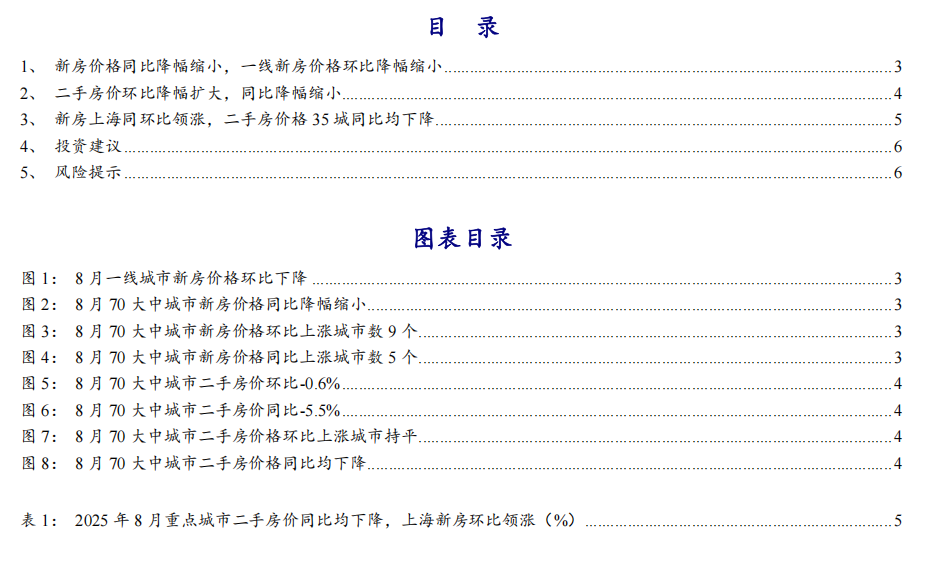
Group 1 - New housing prices in first-tier cities have seen a reduction in the rate of decline both month-on-month and year-on-year, with overall new housing prices in 70 cities showing a year-on-year decline narrowing to 3.0% [1][10][24] - The number of cities with rising new housing prices month-on-month increased to 9 in August, compared to 6 in July, while the number of cities with year-on-year price increases remained at 5 [1][14][24] - In August, Shanghai led the new housing price increases with a month-on-month rise of 0.4% and a year-on-year increase of 5.9%, making it the only first-tier city to achieve growth in both metrics [3][20][23] Group 2 - Second-hand housing prices in 70 cities experienced a month-on-month decline of 0.6%, with the rate of decline expanding by 0.1 percentage points [2][15][19] - Year-on-year, second-hand housing prices decreased by 5.5%, with the decline narrowing by 0.4 percentage points, while first-tier cities showed mixed results in their year-on-year performance [2][15][19] - In August, only one city, Changchun, saw a month-on-month increase in second-hand housing prices, while all cities experienced year-on-year declines [2][19][20] Group 3 - The overall real estate market in China is moving towards stabilization, with expectations for continued small fluctuations in housing prices amid supportive fiscal and monetary policies [4][24] - Recommended investment targets include strong credit real estate companies that can cater to improving customer demand, as well as firms benefiting from both residential and commercial real estate recovery [4][24]

招商蛇口:本公司及控股子公司未发生逾期担保
Zheng Quan Ri Bao· 2025-09-16 14:06
证券日报网讯 9月16日晚间,招商蛇口发布公告称,本公司及控股子公司未发生逾期担保、涉及诉讼的 担保及因担保被判决败诉而应承担损失的情况。 (文章来源:证券日报) ...