
美的集团

Search documents
美的集团正式成立“新能源事业部”
中国能源报· 2025-12-19 09:29
Core Viewpoint - Midea Group has announced the establishment of a "New Energy Division" as part of its organizational restructuring, indicating a strategic upgrade in its new energy business layout [1]. Group 1: Organizational Changes - The New Energy Division will integrate the original New Energy Product Company and Energy Technology Company under the Industrial Technology Division, with Wang Jianguo, the Executive President of Midea Group, appointed as the President of the New Energy Division [1]. - This restructuring reflects Midea Group's long-term commitment to the new energy sector, particularly in photovoltaic and energy storage fields [1]. Group 2: Business Development - Midea Group has been actively involved in the new energy industry, acquiring Beijing Hekang New Energy Technology Co., Ltd. for 740 million yuan in March 2020, focusing on components for new energy vehicles, including charging piles and grid operations [1]. - In May 2022, Midea Group announced plans to acquire a 29.96% stake in the listed energy storage company Kelu Electronics for 837 million yuan, successfully completing the share transfer in June 2023, thus becoming the controlling shareholder [1]. - The company aims to develop Kelu Electronics into a key platform for energy management business [1]. Group 3: Industrial Technology Division - Midea Group's Industrial Technology Division focuses on new energy, HVAC, new energy vehicles, and core components for robotics, with brands such as GMCC, Welling, MR, HICONICS, CLOU, and Servotronix under its umbrella [2]. - The division operates 29 smart factories globally and has established 33 R&D testing centers in countries including China, Japan, Turkey, and the United States, covering products like compressors, motors, chips, valves/pumps, new energy vehicle components, and energy storage [2]. Group 4: Energy Operations - Midea Energy, a subsidiary of Midea Group, serves as an operational platform for the development, application, and trading of various renewable energy sources, including photovoltaic and wind energy [2]. - The company is involved in household solar storage, commercial energy solutions, and is constructing a virtual power plant operation platform [2]. - Midea's Building Technology Company, previously focused on HVAC, has expanded into solar storage and energy management services for users in recent years [2].


白色家电板块12月19日跌0.05%,美的集团领跌,主力资金净流出7821.56万元
Zheng Xing Xing Ye Ri Bao· 2025-12-19 09:02
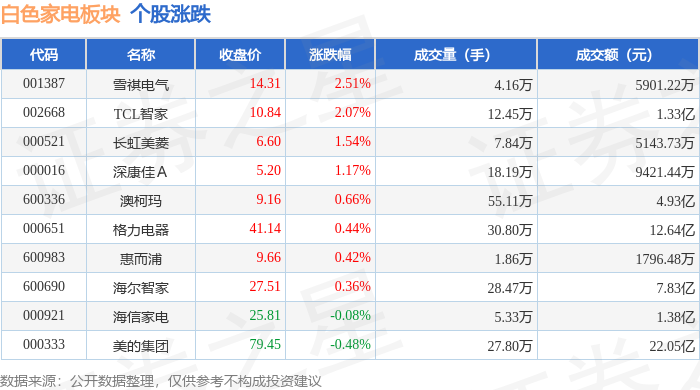
Market Overview - The white goods sector experienced a slight decline of 0.05% on December 19, with Midea Group leading the drop [1] - The Shanghai Composite Index closed at 3890.45, up 0.36%, while the Shenzhen Component Index closed at 13140.22, up 0.66% [1] Stock Performance - Notable gainers in the white goods sector included: - Xueqi Electric (14.31, +2.51%, 41,600 shares, 59.01 million CNY) - TCL Smart Home (10.84, +2.07%, 124,500 shares, 133 million CNY) - Changhong Meiling (6.60, +1.54%, 78,400 shares, 51.44 million CNY) [1] - Midea Group's stock closed at 79.45, down 0.48%, with a trading volume of 278,000 shares and a transaction value of 2.205 billion CNY [1] Capital Flow - The white goods sector saw a net outflow of 78.22 million CNY from institutional investors and 78.94 million CNY from retail investors, while retail investors had a net inflow of 157 million CNY [1] - Specific stock capital flows included: - Gree Electric: -24.78 million CNY from institutional investors, -21.92 million CNY from retail investors, and -2.87 million CNY from individual investors [2] - TCL Smart Home: +15.61 million CNY from institutional investors, -12.50 million CNY from retail investors, and -3.10 million CNY from individual investors [2] - Midea Group: -69.72 million CNY from institutional investors, -53.02 million CNY from retail investors, and +123 million CNY from individual investors [2]




AI基建热,正在制造“铜荒”
Sou Hu Cai Jing· 2025-12-19 05:38
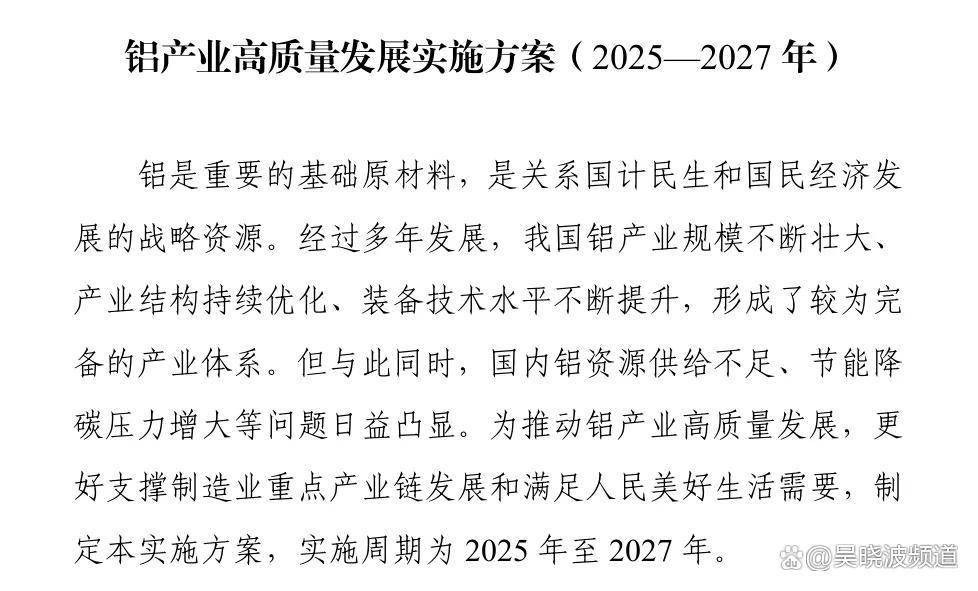
Core Viewpoint - By 2030, China's copper demand driven directly by AI data centers is expected to grow to nearly 1 million tons, accounting for 5%-6% of China's total copper demand at that time [1][9]. Group 1: Industry Trends - The "aluminum substitution for copper" movement is gaining traction in the air conditioning industry, with 19 companies signing a self-regulatory agreement to promote this shift [1]. - The use of aluminum in air conditioning systems is controversial due to concerns about durability and performance, as aluminum pipes typically have a lifespan of only 8-10 years compared to copper [2][3]. - The Ministry of Industry and Information Technology's recent implementation plan for the aluminum industry indicates a significant push towards "aluminum substitution for copper," which could have profound implications for China's industrial economy over the next decade [3]. Group 2: Copper Demand in AI Era - Copper is becoming increasingly critical in the AI era, with data centers being major consumers due to their need for efficient power distribution and cooling systems [6][8]. - It is estimated that building a 1 MW data center requires 27-33 tons of copper, significantly higher than traditional data centers [7]. - Global copper demand for data centers is projected to rise from 594,000 tons in 2026 to 1.4 million tons by 2030, with a compound annual growth rate of 23.2% [8]. Group 3: Supply Chain and Market Dynamics - China consumes 58% of the world's refined copper but has only 5% of global copper reserves, leading to a heavy reliance on imports [13]. - Recent natural disasters and safety incidents in major copper-producing countries have exacerbated supply issues, contributing to a 36% increase in copper prices this year [13][14]. - The U.S. has been stockpiling copper, which has further strained global supply and contributed to rising prices, raising concerns about the impact on China's AI infrastructure development [14]. Group 4: Aluminum's Competitive Edge - Aluminum is lighter and cheaper than copper, with a weight of only one-third that of copper and a cost of one-fourth, making it an attractive alternative despite its lower thermal and electrical conductivity [16]. - China's aluminum industry is robust, with significant production capabilities across the entire supply chain, positioning it well for the shift towards aluminum in various applications [16]. - The potential for aluminum to replace copper in key industries is significant, with predictions that by 2030, aluminum's substitution rate for copper in electricity, automotive, and home appliance sectors could reach 25%-30% [23].
2025年1-10月中国家用洗衣机产量为10107.8万台 累计增长6.4%
Chan Ye Xin Xi Wang· 2025-12-19 03:18
Core Viewpoint - The report by Zhiyan Consulting highlights the trends and investment outlook for the Chinese washing machine industry from 2025 to 2031, indicating a slight decline in production in October 2025 while showing overall growth in the first ten months of the year [1] Industry Overview - According to the National Bureau of Statistics, the production of household washing machines in China in October 2025 was 11.04 million units, representing a year-on-year decrease of 2% [1] - Cumulatively, from January to October 2025, the total production of household washing machines reached 101.078 million units, reflecting a growth of 6.4% compared to the same period in the previous year [1] Companies Involved - The report mentions several key players in the industry, including Midea Group (000333), Haier Smart Home (600690), Gree Electric Appliances (000651), Whirlpool (600983), TCL Technology (000100), and Skyworth Digital (000810) [1]


废旧家电家具回收,这些变化你感受到了吗?
Xin Hua Wang· 2025-12-19 03:09
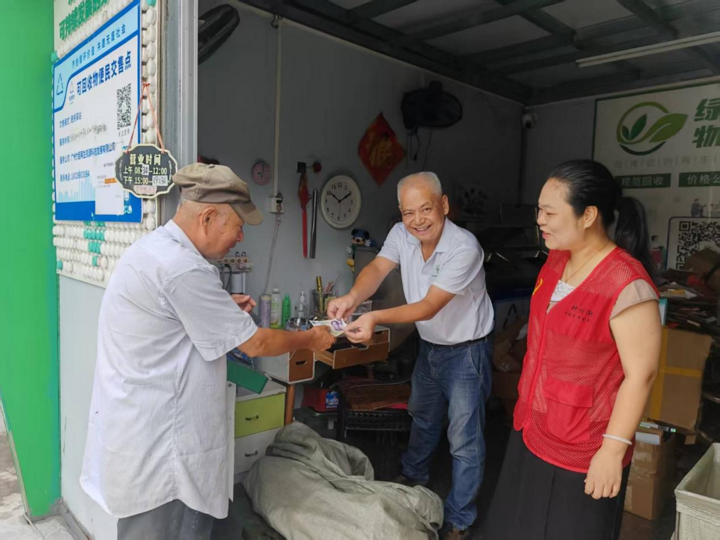
Core Viewpoint - The article highlights the growing attention on the recycling and disposal of old household appliances and furniture, driven by the effectiveness of the trade-in policy for consumer goods, which is enhancing the recycling system and promoting resource circulation in various regions of China [1]. Group 1: Recycling Network Expansion - The establishment of recycling points is becoming more concentrated, with over 120 collection points for old furniture in Guangzhou, allowing residents to either drop off items or schedule pickups online [4]. - In Guangxi, cities like Wuzhou and Liuzhou have over 700 recycling points each, while Wuhan has built 2,320 standardized community recycling points by the end of 2024 [4]. - Hangzhou has set a target of one recycling point for every 1,000 households in urban areas and one for every 2,000 in rural areas, with 2,676 recycling points and 48 sorting centers established by the end of 2024 [4]. Group 2: Diverse Recycling Models - The "Internet+" recycling model is integrating into daily life, with platforms like "Sui Recycling" facilitating easy scheduling for old furniture pickups, having collected over 4,600 pieces of furniture and over 5,000 orders for appliances by November [5]. - Companies like Haier are developing reverse recycling models, leveraging their extensive store networks to create a nationwide appliance recycling system [7]. - IKEA is implementing a buy-back program in its stores, offering cash or shopping cards in exchange for second-hand products [8]. Group 3: Standardization in Recycling and Disposal - Companies are enhancing the traceability of the recycling process, with firms like Shunde Xinhai Resource Utilization Co., processing up to 2.6 million appliances annually, ensuring proper handling of hazardous materials [10]. - The number of standardized dismantled appliances in China is projected to increase by 20% in 2024, with Midea Group collaborating with certified dismantling companies to recover and properly dismantle 4.6 million appliances [10]. - Local governments are providing policy support to legitimate companies, such as subsidies based on recycling volume, which helps reduce operational costs and ensures compliance with disposal regulations [10].
铝日报-20251219
Jian Xin Qi Huo· 2025-12-19 02:12
Report Summary 1. Report Industry Investment Rating - No relevant information provided 2. Core View of the Report - The current fundamentals have limited driving force for aluminum prices, and the market continues to be dominated by macro - logic. Aluminum prices will maintain high - level volatile operation [7] 3. Summary According to the Directory 3.1行情回顾与操作建议 - The Shanghai aluminum fluctuated around the 22,000 level during the day. The 2602 contract closed at 21,955 at the end of the session, up 0.25% slightly [7] - Domestically - produced ore is tightening, but the ore price may still weaken under the environment of alumina losses and high inventory. The price of Guinea ore remains low. Alumina prices rose first and then fell, with a technical rebound demand after continuous decline, but the space may be limited due to over - supply [7] - The smelting profit of electrolytic aluminum is high, and the operating capacity of the industry has increased slightly. The short - term supply at home and abroad remains stable. The demand side has weakened seasonally as the off - season deepens, but there is still resilience in the consumer side due to some downstream rush - work at the end of the year. The aluminum ingot inventory has not continued to accumulate this week, but the inventory accumulation pressure after the improvement of Xinjiang's shipping efficiency needs to be vigilant [7] 3.2行业要闻 - 19 air - conditioning enterprises and scientific research institutions such as Midea, Haier, and Xiaomi jointly launched the implementation of the "aluminum replacing copper" series of standards. Some brand stores said they will launch aluminum - made household air - conditioning products as soon as 2026, while others have no such plan [10] - Lizhong Group's second - phase project of 1.8 million ultra - lightweight aluminum alloy wheels in its Mexican factory has been initially put into production. The third Thai aluminum alloy wheel factory's annual production capacity of 3 million cast - spun aluminum alloy wheels is expected to be put into production next year. New high - performance aluminum alloy new material projects in Chongqing, Huaian, Changchun, Thailand and other places will be put into production from this fourth quarter to next year [10][11] - India's state - owned National Aluminium Company (Nalco) plans to start mining the Pottangi bauxite mine in Odisha in June 2026. It is expanding the fifth production line at its Damanjodi alumina refinery, which will increase the annual production capacity by 1 million tons to 3.275 million tons [11] - In the first 11 months of this year, China's automobile production and sales both exceeded 31 million, with a year - on - year increase of over 10%. From January to November, the production and sales of new energy vehicles were both close to 15 million, with a year - on - year increase of over 30%. New energy vehicle exports reached 2.315 million, doubling year - on - year [11]
人形机器人,批量上岗宁德时代
3 6 Ke· 2025-12-19 02:09
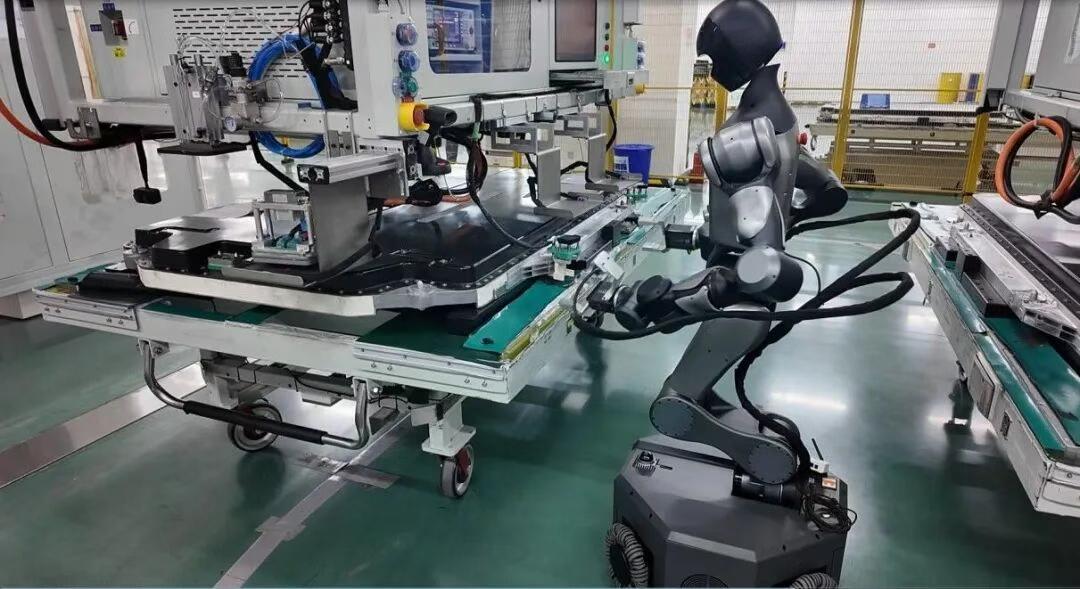
Group 1 - The world's first humanoid embodied intelligent robot production line for new energy power battery PACK has officially started operation at CATL's Zhongzhou base, marking the application of embodied intelligence in smart manufacturing [1] - The humanoid robot "Xiao Mo," developed by CATL's ecological enterprise Qianxun Intelligent Robotics, has achieved a threefold increase in daily workload while maintaining excellent consistency and stability [3] - "Xiao Mo" replaces manual operations in the EOL and DCR processes, which involve final functional testing of battery packs, addressing issues of high voltage risks and inefficiencies associated with human labor [3][6] Group 2 - "Xiao Mo" is equipped with an advanced end-to-end Vision-Language-Action (VLA) model, enabling it to adapt to uncertainties such as material position deviations and connection point changes in real-time [4] - The robot can dynamically adjust force during flexible operations, ensuring reliable connections without damaging components [5] - The successful connection rate of "Xiao Mo" is stable at over 99%, achieving operational efficiency comparable to skilled workers [6] Group 3 - The introduction of "Xiao Mo" enhances consistency, reduces safety risks, and increases production flexibility in the new energy industry, while also marking a significant step for embodied intelligence from experimental demonstrations to industrial necessities [7] - Qianxun Intelligent, founded by former CTO Han Fengtang of Lush Stone Robotics, has completed three rounds of financing within a year, with a total investment exceeding 1.1 billion [7] - The company plans to start commercialization in Q4 of this year, with current orders in the million-yuan range and projected revenue exceeding 100 million next year [8] Group 4 - Qianxun Intelligent aims to collect or procure 1 million hours of high-quality data to enhance its models, targeting to achieve the top position domestically and third globally [9] - The penetration of robots in manufacturing is accelerating, becoming a core force for industrial upgrades, with various companies deploying humanoid robots for diverse tasks [9] - IDC predicts that the shipment growth rate of collaborative robots will reach 28% by 2025, making it the fastest-growing segment, aligning with the production trends of small batches and diverse varieties [9]


读者热议:为什么要读宋志平的《硬道理》
Shang Hai Zheng Quan Bao· 2025-12-19 02:07
Core Viewpoint - The essence of high-quality development is emphasized as the "hard truth" for companies, guiding them to focus on quality over mere scale and short-term profits [2][3]. Group 1: High-Quality Development - China's economy is transitioning from high-speed growth to high-quality development, with clear goals set for listed companies to optimize quality and structure over the next five years [2]. - Many managers are losing sight of strategic issues amidst tactical busywork, highlighting the need for a focus on high-quality development [2][3]. - High-quality development encompasses not only superior products and services but also efficient management, continuous innovation, talent cultivation, and sustainable capabilities [2]. Group 2: Ten Practices for High-Quality Development - Song Zhiping outlines ten essential practices for high-quality development: governance norms, focus on core business, innovation leadership, product excellence, brand prestige, shareholder returns, mergers and acquisitions, dual circulation market, risk prevention, and social responsibility [7]. - These practices are interconnected and form a complete system that companies must adopt holistically rather than selectively [10]. - The emphasis on focusing on core business is highlighted as a critical element for sustainable growth, serving as the backbone of a company's operations [10]. Group 3: Practical Insights and Case Studies - The book is rich with real-life examples and stories from Song Zhiping's experiences with China National Building Material Group and Sinopharm Group, illustrating effective management practices [4][5]. - It includes insights from various successful companies, such as Midea Group and Kweichow Moutai, demonstrating the application of management theories in practice [6]. - The narrative style of the book, combining theory with practical experiences, makes it engaging and insightful for readers [6]. Group 4: Systematic Approach to Management - Song Zhiping stresses the importance of a systematic approach to implementing the ten practices, as imbalances in execution can lead to failure [10]. - The framework proposed integrates both traditional Chinese management wisdom and modern management concepts, providing valuable resources for entrepreneurs and scholars exploring Chinese business practices [10]. Group 5: Philosophical Insights - The book serves as a philosophical guide for maintaining clarity and principles in a complex business environment, encouraging a return to the essence of management and long-term thinking [11]. - It is suggested that the book is suitable for repeated reading, offering frameworks for reflection during both prosperous and challenging times [11].
AI基建热,正在制造“铜荒”
吴晓波频道· 2025-12-19 00:30
点击上图▲立即收听 " 到 2030 年,中国 AI 数据中心直接驱动的铜需求将增长至近 100 万吨,占届时中国铜总需求的 5%—6% 。 " 文 /巴九灵(微信公众号:吴晓波频道) 2025中国家电科技年会上,空调"铝代铜"的声音,划破了中国产业经济半边天空。 19家企业签署《空调铝强化应用研究工作组自律公约》,以推进"铝代铜",其中头部空调品牌包括美的、海尔、海信、TCL、奥克斯、小米、 美博七家,并呼吁"禁止恶意攻击行为,科学宣传铝热换器空调的特点"。 消息一出,社交媒体上出现了一些争议。 铜是空调最核心原材料,一台空调约20%的重量来源于铜。凭借导热性、耐腐蚀性方面的优势,铜材常被做成空调核心部件冷凝器和蒸发器的铜 管。倘若换成铝,中消协数据显示,铝管空调寿命一般只有8—10年。与此同时,铝铜异材焊接也是一个世界难题,热胀系数差异会导致泄漏风 险,并缩短空调寿命。 格力董事长董明珠也提到这个行业痛点: 用铝管会便宜很多,所以我们也纠结,为了迎合市场,我们便宜,可能买的人会更多,但是如果用铝管替代,你要保证十年不坏,如 果你两三年坏了,消费者就是受害者……研究几年下来,我们到现在还没有100%的把握说 ...
A股股票回购一览:今日10家公司披露回购进展
Xin Lang Cai Jing· 2025-12-18 23:32
Core Insights - On December 19, a total of 10 companies announced 11 stock repurchase updates, indicating a significant activity in the market [1] - One company disclosed a stock repurchase plan for the first time, while another company's repurchase plan was approved by the shareholders' meeting [1] - Five companies have completed their repurchase plans, showcasing a trend of companies returning capital to shareholders [1] Group 1: Stock Repurchase Plans - One company announced a stock repurchase plan exceeding 10 million yuan, with Tibet Pharmaceutical having the highest proposed repurchase amount of up to 200 million yuan [1] - Anke Bio's repurchase plan was approved with the highest amounts proposed at 4.8558 million yuan and 1.3771 million yuan [1] Group 2: Implementation Progress - The companies with the highest repurchase amounts in progress are Lige Energy, Yirui Technology, and Sanlisi, with repurchases of 161 million yuan, 8.0786 million yuan, and 4.914 million yuan respectively [1] Group 3: Completed Repurchases - Five companies completed repurchases exceeding 10 million yuan, with the highest amounts from Atas, Jihua Group, and Nanjing Pharmaceutical at 501 million yuan, 100 million yuan, and 88.9221 million yuan respectively [1] - As of December 19, a total of 1,966 repurchase plans have been implemented this year, involving 1,424 companies, with 386 companies completing repurchases exceeding 100 million yuan [1] - The companies with the highest completed repurchase amounts include Midea Group, Kweichow Moutai, and Muyuan Foods, with completed repurchases of 10.035 billion yuan, 6 billion yuan, and 3.001 billion yuan respectively [1]