快手

Search documents
智通港股通资金流向统计(T+2)|1月8日
智通财经网· 2026-01-07 23:35
Group 1 - The top three stocks with net inflows are Yingfu Fund (02800) with 6.826 billion, Hang Seng China Enterprises (02828) with 2.151 billion, and Kuaishou-W (01024) with 1.553 billion [1] - The top three stocks with net outflows are Tencent Holdings (00700) with -0.920 billion, China Mobile (00941) with -0.365 billion, and China Hongqiao (01378) with -0.257 billion [1] - In terms of net inflow ratio, Jiangsu Ninghu Expressway (00177) leads with 68.66%, followed by COSCO Shipping Ports (01199) with 62.64%, and Beijing Enterprises Water Group (00371) with 62.27% [1] Group 2 - The top ten stocks by net inflow include Xiaomi Group-W (01810) with 1.020 billion and Southern Hang Seng Technology (03033) with 0.944 billion [2] - The top ten stocks by net outflow also include China People's Insurance Group (01339) with -0.255 billion and GCL-Poly Energy (03800) with -0.213 billion [2] - The net outflow ratio for China National Building Material (03323) is -48.46%, followed by Gao Xin Retail (06808) at -48.27% and Swire Properties (01972) at -47.79% [3]
港股通净买入91.78亿港元
Zheng Quan Shi Bao Wang· 2026-01-07 14:49
Group 1 - The Hang Seng Index fell by 0.94% on January 7, closing at 26,458.95 points, while southbound funds through the Stock Connect recorded a net buy of HKD 9.178 billion [1] - The total trading volume for the Stock Connect on January 7 was HKD 134.393 billion, with a net buy of HKD 9.178 billion [1] - In the Shanghai Stock Connect, the trading volume was HKD 80.489 billion with a net buy of HKD 3.490 billion, while in the Shenzhen Stock Connect, the trading volume was HKD 53.905 billion with a net buy of HKD 5.688 billion [1] Group 2 - In the top ten active stocks in the Shanghai Stock Connect, Alibaba-W had the highest trading volume at HKD 8.352 billion, followed by SMIC and Tencent Holdings with trading volumes of HKD 4.491 billion and HKD 3.434 billion respectively [1] - The stock with the highest net buy was the Tracker Fund of Hong Kong, with a net buy of HKD 1.465 billion, despite its closing price dropping by 0.82% [1] - The stock with the highest net sell was China Mobile, with a net sell of HKD 1.126 billion, and its closing price fell by 0.97% [1] Group 3 - In the Shenzhen Stock Connect, Alibaba-W had the highest trading volume at HKD 6.705 billion, followed by Tencent Holdings and SMIC with trading volumes of HKD 2.831 billion and HKD 1.991 billion respectively [2] - The stock with the highest net buy in the Shenzhen Stock Connect was Tencent Holdings, with a net buy of HKD 1.069 billion, while Alibaba-W had the highest net sell of HKD 0.850 billion [2] - The closing price of Alibaba-W fell by 3.25%, while Tencent Holdings dropped by 1.26% [2]
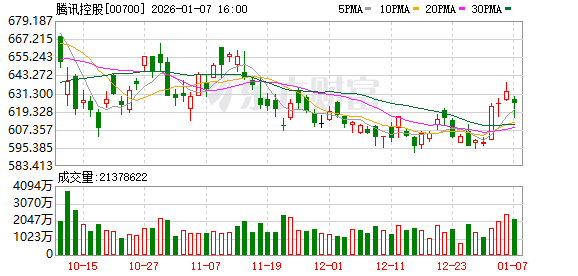
南向资金今日净买入91.78亿港元,腾讯控股净买入19.55亿港元
Zheng Quan Shi Bao Wang· 2026-01-07 14:42
Core Viewpoint - The Hang Seng Index fell by 0.94% on January 7, with southbound capital transactions totaling HKD 134.39 billion, indicating a net inflow of HKD 9.18 billion [2] Group 1: Southbound Capital Transactions - Total southbound capital transactions amounted to HKD 134.39 billion, with buy transactions at HKD 71.79 billion and sell transactions at HKD 62.61 billion, resulting in a net buy of HKD 9.18 billion [2] - The Shenzhen Stock Connect saw total transactions of HKD 53.91 billion, with net buying of HKD 5.69 billion, while the Shanghai Stock Connect had total transactions of HKD 80.49 billion, with net buying of HKD 3.49 billion [2] Group 2: Active Stocks - Alibaba-W had the highest transaction amount among southbound stocks at HKD 15.06 billion, followed by SMIC and Tencent Holdings with HKD 6.48 billion and HKD 6.27 billion respectively [2][4] - Tencent Holdings recorded a net buy of HKD 1.96 billion, while Xiaomi Group-W had a net buy of HKD 1.63 billion, and the Yingfu Fund saw a net buy of HKD 1.47 billion [2][3] - China Mobile experienced the highest net sell at HKD 1.13 billion, with its stock price declining by 0.97% [2][4] Group 3: Continuous Net Buying - Four stocks received continuous net buying from southbound capital for more than three days, with Xiaomi Group-W leading at five days, followed by Alibaba-W at four days, and China Life at three days [3] - The total net buying amounts during this period were HKD 3.61 billion for Xiaomi Group-W, HKD 2.12 billion for Alibaba-W, and HKD 1.25 billion for China Life [3]



直播电商迈步“全链条监管”
Bei Jing Shang Bao· 2026-01-07 14:18
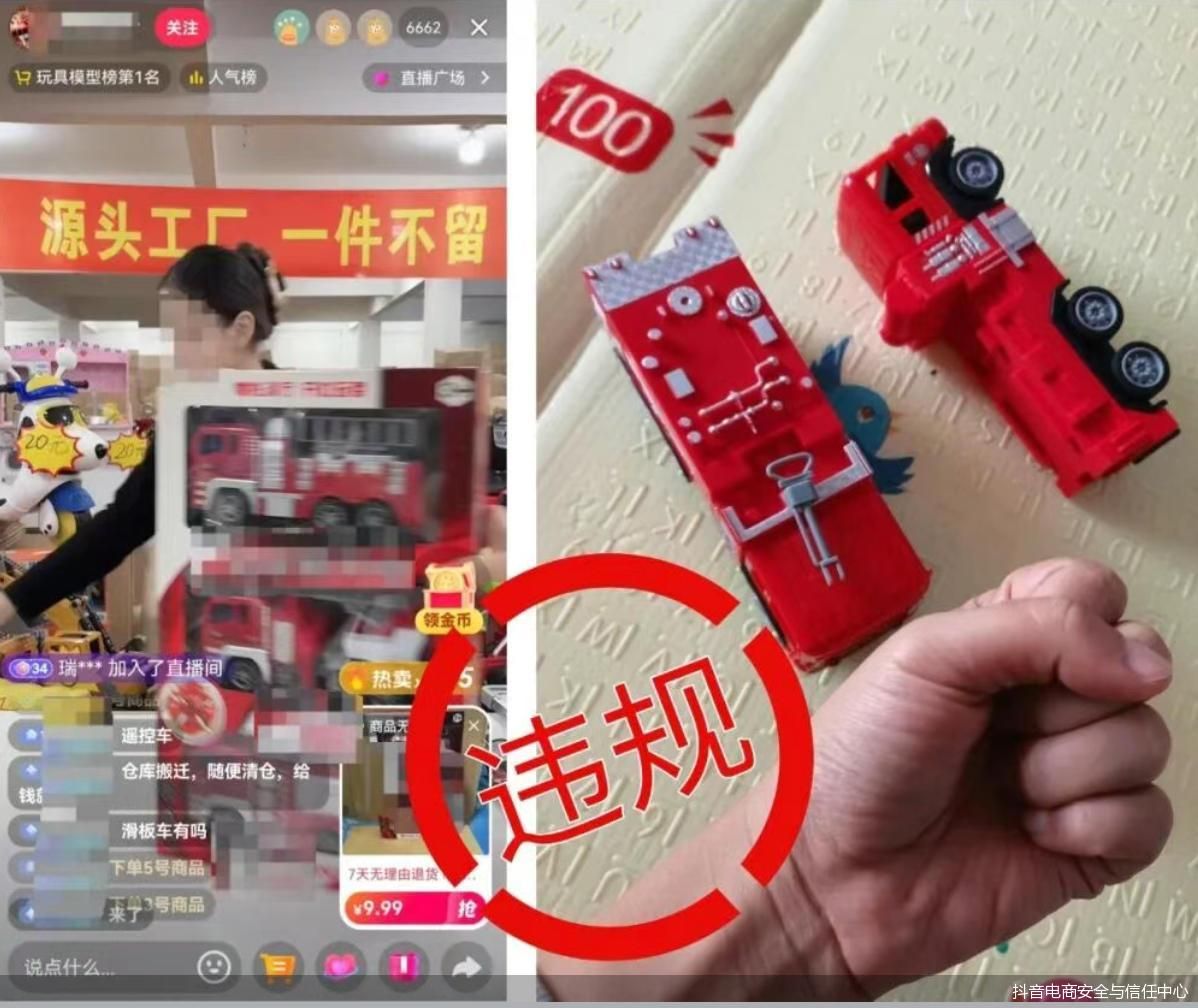
政策出炉,红线划定,直播电商猛踩刹车。1月7日,市场监管总局、国家网信办联合对外公布近日制定的《直播电商监督管理办法》(以下简称《办 法》),聚焦直播电商平台经营者(平台)、直播间运营者(商家)、直播营销人员(主播)、直播营销人员服务机构(MCN机构)四类主体,压实责任 义务,完善监管机制。 同日召开的市场监管总局2026年首场专题新闻发布会,正是聚焦《直播电商监督管理办法》与《网络交易平台规则监督管理办法》。新规联袂出台,意味着 平台经济尤其网络交易、直播电商等热门领域,其发展和治理走向新阶段,成为多数受访企业和专家的共识。 明晰四大主体责任 市场监管总局网监司司长朱剑桥表示,《办法》结合直播电商行业特点,细化了《电子商务法》等法律规定,进一步明确不同主体的法律责任,构建了全链 条责任体系。 具体来看,在压实直播电商平台经营者责任方面,从事前、事中、事后三个维度,系统规定了平台在身份信息核验登记、信息报送、直播营销人员培训、直 播间运营者分级分类管理、平台内违法行为处置、风险识别及处置、交易信息保存、消费者权益保护等方面的责任义务。 在压实直播间运营者、直播营销人员责任方面,《办法》划定了直播间运营者、直播 ...
快手可灵收入暴增,小摩称其“全球最便宜的AI股之一”!港股互联网ETF回调受资金关注,份额站上240亿份新高
Xin Lang Cai Jing· 2026-01-07 11:37
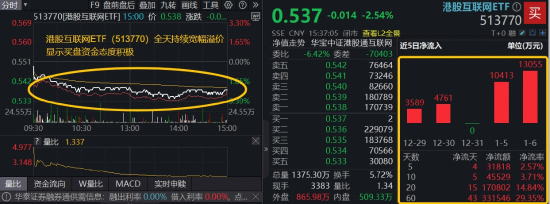
Market Overview - On January 7, Hong Kong stocks opened strong but turned downward, with the Hang Seng Index and Hang Seng Tech Index closing down by 0.94% and 1.49% respectively [1][11] - Major tech stocks experienced short-term pullbacks, with Alibaba-W dropping over 3% and Kuaishou-W falling more than 2% [1][11] ETF Performance - The Hong Kong Internet ETF (513770) opened lower and closed down by 2.54%, despite showing significant buying interest during dips [1][11] - The ETF has attracted substantial inflows, with 318 million yuan invested over the past five days, and its fund size exceeding 24 billion shares, setting a new historical high as of January 6 [1][11] Market Sentiment and Analysis - Analysts believe that a combination of liquidity and profit recovery is driving a market rebound, indicating that the valuation repair trend is underway despite short-term volatility [3][13] - Citigroup's latest report highlights Tencent Holdings and Alibaba-W as core AI concept stocks, optimistic about Tencent's AI development prospects and Alibaba's cloud revenue growth [4][14] Liquidity and Economic Factors - Expectations for a Federal Reserve interest rate cut in 2026 have increased, with indications that the Fed may lower rates by over 100 basis points this year [5][15] - The easing of external liquidity pressures is expected to provide a "golden window" for the valuation recovery of Hong Kong tech stocks [5][15] AI Sector Developments - The "Pet Dance" AI video has gained significant traction in overseas markets, leading to a 102% increase in daily revenue for Kuaishou's AI mobile platform compared to December 2025 [5][15] - JPMorgan has identified Kuaishou as a leading player in the generative AI sector, labeling it as "one of the cheapest AI stocks globally" [5][15] Investment Strategies - For investors looking to reduce volatility while still engaging with tech stocks, the Hong Kong Large Cap 30 ETF (520560) is recommended, featuring a mix of high-growth tech stocks like Alibaba and Tencent, along with stable dividend-paying stocks [7][17]
智通港股通活跃成交|1月7日





智通财经网· 2026-01-07 11:04
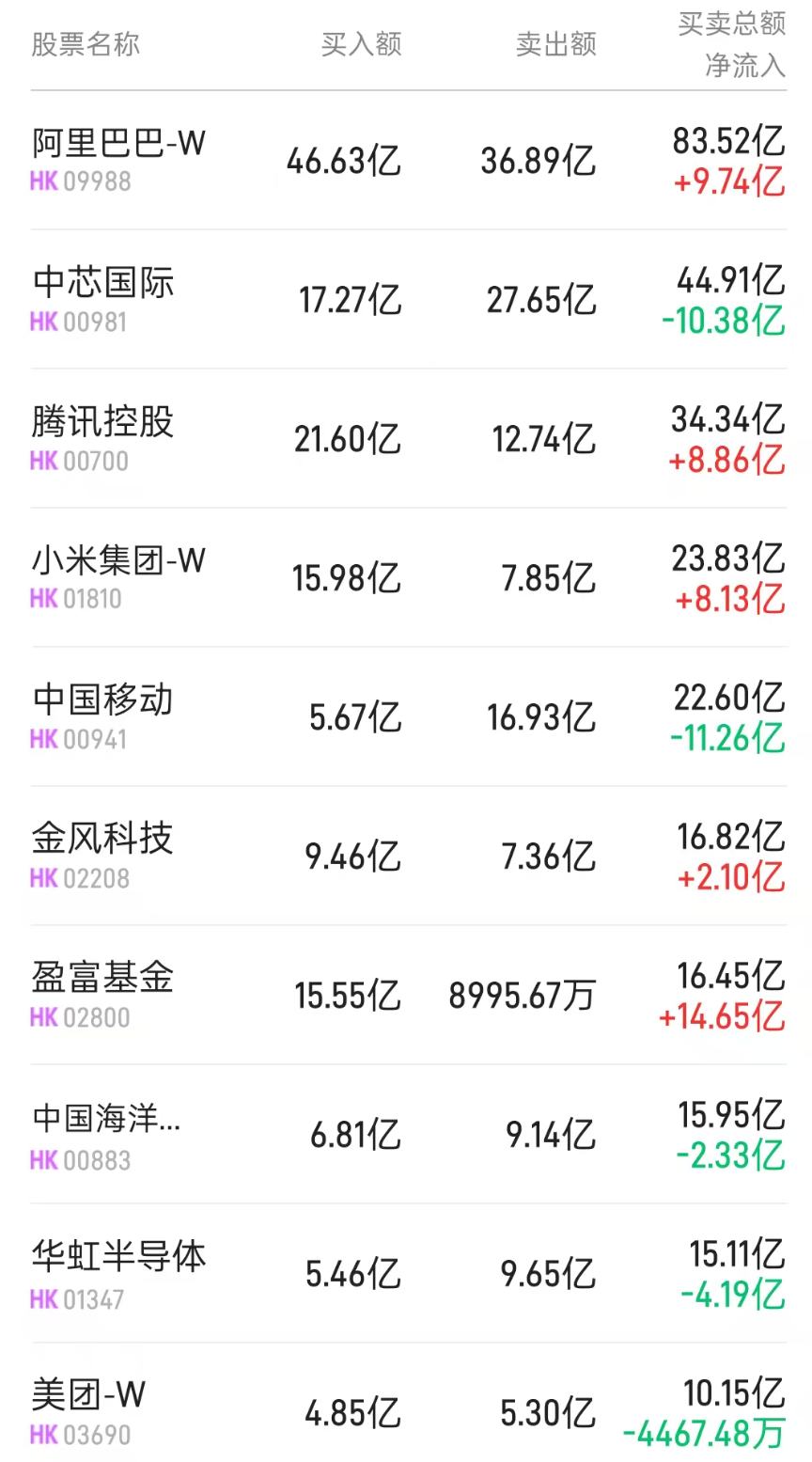
Core Insights - On January 7, 2026, Alibaba-W (09988), SMIC (00981), and Tencent Holdings (00700) were the top three stocks by trading volume in the Southbound Stock Connect, with trading amounts of 83.52 billion, 44.91 billion, and 34.34 billion respectively [1] - In the Southbound Stock Connect for the Shenzhen-Hong Kong Stock Connect, Alibaba-W (09988), Tencent Holdings (00700), and SMIC (00981) also ranked as the top three, with trading amounts of 67.05 billion, 28.31 billion, and 19.91 billion respectively [1] Southbound Stock Connect (Shanghai-Hong Kong) - The top active stocks included: - Alibaba-W (09988): Trading amount of 83.52 billion, net buying of +9.74 billion - SMIC (00981): Trading amount of 44.91 billion, net selling of -10.38 billion - Tencent Holdings (00700): Trading amount of 34.34 billion, net buying of +8.86 billion - Xiaomi Group-W (01810): Trading amount of 23.83 billion, net buying of +8.13 billion - China Mobile (00941): Trading amount of 22.60 billion, net selling of -11.26 billion [2] Southbound Stock Connect (Shenzhen-Hong Kong) - The top active stocks included: - Alibaba-W (09988): Trading amount of 67.05 billion, net selling of -8.50 billion - Tencent Holdings (00700): Trading amount of 28.31 billion, net buying of +10.69 billion - SMIC (00981): Trading amount of 19.91 billion, net selling of -3.20 million - Xiaomi Group-W (01810): Trading amount of 16.55 billion, net buying of +8.19 billion - Meituan-W (03690): Trading amount of 13.07 billion, net buying of +4.48 billion [2]
科网股、汽车股拖累指数下跌
中国基金报· 2026-01-07 10:26
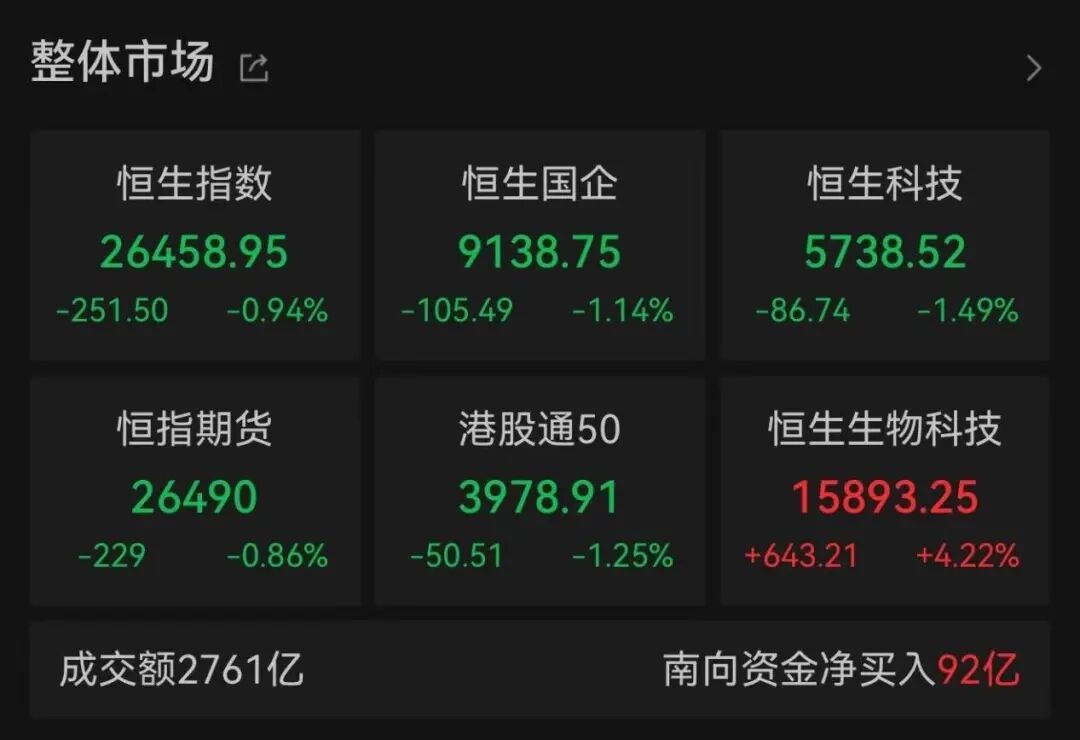
Market Overview - The Hong Kong stock market experienced a decline, ending a three-day winning streak since 2026, with all three major indices closing lower [2][4] - The Hang Seng Index fell by 0.94%, the Hang Seng China Enterprises Index decreased by 1.14%, and the Hang Seng Technology Index dropped by 1.49% [4][6] - Southbound funds recorded a net inflow of 9.2 billion HKD [4] Sector Performance - Technology and automotive stocks underperformed, contributing to the decline of the Hang Seng Technology Index [5][7] - Financial stocks showed weakness, with Chinese brokerage stocks turning negative [5][11] - Conversely, the innovative pharmaceutical sector, along with certain materials and coal stocks, saw gains despite the overall market downturn [5][14] Technology Sector - Major technology stocks such as Tencent Music, Alibaba, and Netease saw significant declines, with Tencent Music dropping over 5% and Alibaba falling more than 3% [8][10] - The recent regulatory changes in the live-streaming e-commerce sector are aimed at enhancing industry supervision and protecting consumer rights, which may impact market dynamics [8] Automotive Sector - Multiple research institutions predict a potential 7% decline in China's automotive market sales for 2026, marking the first annual negative growth since 2020 [9] Financial Sector - The financial sector faced a downturn, particularly among brokerage stocks, with notable declines including over 6% for China Merchants International and over 5% for Guotai Junan [12][13] Pharmaceutical Sector - The innovative pharmaceutical sector showed resilience, with stocks like Rongchang Bio rising by 12.93% and other companies like Kangfang Bio and WuXi Biologics also performing well [14][15] - A report from Zhongtai Securities indicates positive changes in the CRO and CDMO industries, driven by improving investment environments and supportive policies [16] Materials and Coal Sector - The materials sector, particularly aluminum and coal stocks, performed well, with Nanshan Aluminum rising over 10% [18][19] - Research from GF Securities suggests that the coal industry is experiencing structural demand optimization, with a projected 5% growth in coal demand from the chemical sector [19][20]
科网股、汽车股拖累指数下跌
Zhong Guo Ji Jin Bao· 2026-01-07 10:24
Market Overview - The Hong Kong stock market experienced a decline, ending a three-day rally since 2026, with all three major indices closing lower [1][2] - The Hang Seng Index fell by 0.94%, the Hang Seng China Enterprises Index dropped by 1.14%, and the Hang Seng Technology Index decreased by 1.49% [2] Sector Performance - Technology and automotive stocks underperformed, contributing to the overall market decline, while sectors such as innovative pharmaceuticals, non-ferrous metals, and coal stocks saw gains [2][4] - Notable declines in technology stocks included Tencent Music down over 5%, Alibaba down over 3%, and NIO, Xpeng, and Li Auto all closing lower [4][5] - The financial sector also faced weakness, particularly among brokerage stocks, with significant drops including CMB International down over 6% and Guotai Junan down over 5% [6][7] Regulatory Impact - The National Market Supervision Administration and the Cyberspace Administration of China issued new regulations for live-streaming e-commerce, aimed at enhancing industry oversight and protecting consumer rights [4] - Predictions indicate a potential 7% decline in China's automotive market sales in 2026, marking the first annual negative growth since 2020 [4] Innovative Pharmaceuticals - The innovative pharmaceutical sector showed resilience, with stocks like Rongchang Bio surging by 12.93% and other companies like Kangfang Bio and WuXi Biologics also posting significant gains [8][9] - Research indicates a positive shift in the CRO and CDMO industries, with expectations for improved investment conditions and demand recovery in the coming years [8] Coal and Non-Ferrous Metals - Certain coal and non-ferrous metal stocks performed well, with Nanshan Aluminum rising over 10% and other coal stocks like Lianhe Energy and Shougang Resources also seeing gains [10][11] - Research from GF Securities suggests that the coal industry's demand structure is optimizing, with a projected 5% growth in coal demand from the chemical sector [10]
参展中企占比22%,CES显露中美路径分水岭
Guan Cha Zhe Wang· 2026-01-07 10:15
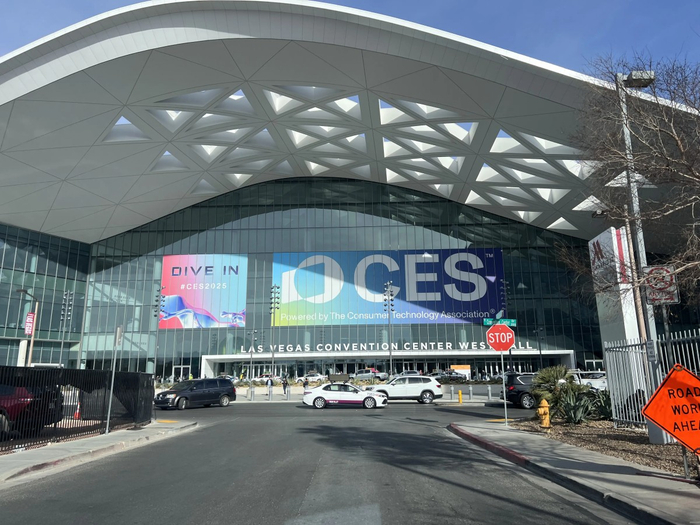
(文/观察者网 张家栋 编辑/高莘) 1月6日,CES 2026(2026年国际消费电子展)在拉斯维加斯正式启幕,在全球科技产业经历新一轮周 期调整背景下,这一展会正被赋予新的含义——不仅是前沿技术的集中展示窗口,也逐渐成为中美企业 在多个关键技术领域同台亮相的平台。 官方数据显示,本届CES参展商总数超过4000家,其中,尽管受到地缘政治等因素影响,中国企业参展 总数依然达到942家,占比约22%,延续了全球第二大参展国的地位。 CES拉斯维加斯会展中心 更值得关注的是,除参展数量变化之外,中国企业的参展结构也在发生变化,尤其是在AI技术介入 后,中国企业正从以往的单一品类单打独斗,走向覆盖整车制造、智能驾驶、AI芯片、机器人、消费 电子、核心零部件与系统平台等多领域协同,几乎贯穿产业链的全链路AI路径。 而这种变化,也正成为本届CES上,在围绕英伟达硬件建立的生态外,最具象征意义的变化之一,并且 令本届CES成为直观感受中美在AI等前沿科技领域差异化路径及竞争的窗口。 从整体展会主题看,AI是贯穿CES 2026的主线。无论是消费电子、汽车、机器人,还是算力与云端系 统,人工智能都不再只是为人类生产赋能的 ...
北水动向|北水成交净买入91.78亿 北水加仓科网股及港股ETF 抢筹腾讯(00700)超19亿港元
智通财经网· 2026-01-07 10:04
Group 1 - The Hong Kong stock market saw a net inflow of 9.178 billion HKD from northbound trading on January 7, with the Shanghai-Hong Kong Stock Connect contributing 3.49 billion HKD and the Shenzhen-Hong Kong Stock Connect contributing 5.688 billion HKD [1] - The most bought stocks included Tencent (00700), Xiaomi Group-W (01810), and the Tracker Fund of Hong Kong (02800), while the most sold stocks were China Mobile (00941), SMIC (00981), and CNOOC (00883) [1][2] - Alibaba-W (09988) recorded a net inflow of 9.74 billion HKD, while SMIC (00981) experienced a net outflow of 10.38 billion HKD [2] Group 2 - Tencent (00700) received a net inflow of 8.86 billion HKD, while Xiaomi Group-W (01810) saw a net inflow of 8.13 billion HKD [2] - The report from Citigroup highlighted three key themes for the mainland internet industry by 2026: growth in recurring revenue from cloud infrastructure, competition among major internet companies for AI chatbot user traffic, and deployment of proprietary AI agents by vertical companies [4] - Xiaomi Group-W (01810) was notably bought with a net inflow of 16.32 billion HKD, as the CEO announced plans for the new generation of the Xiaomi SU7 to be launched in April [5] Group 3 - The Tracker Fund of Hong Kong (02800) and Hang Seng China Enterprises (02828) received net inflows of 14.65 billion HKD and 9.12 billion HKD, respectively [5] - Goldman Sachs maintained an "overweight" rating on Chinese A-shares and H-shares, citing attractive risk-reward ratios amid low investor positioning [5] - Goldwind Technology (02208) received a net inflow of 2.1 billion HKD, with potential positive catalysts linked to its stake in Blue Arrow Aerospace [6] Group 4 - China Life (02628) saw a net inflow of 4.16 billion HKD, while China Mobile (00941) and SMIC (00981) faced net outflows of 11.26 billion HKD and 10.7 billion HKD, respectively [7]