吉利汽车

Search documents
消息称吉利正考虑进入美国市场,极氪和领克等品牌或是首选
Xin Lang Cai Jing· 2026-01-10 02:39
Core Viewpoint - Geely Holding is considering expansion into the U.S. market, with brands such as Zeekr and Lynk & Co. being potential candidates for entry [1][2] Group 1: Expansion Plans - Geely is likely to announce its U.S. expansion plans within the next 24 to 36 months [1][2] - The main challenges identified include determining the timing of entry into the U.S. and selecting specific regions for expansion [1][2] Group 2: Production Considerations - Geely has not yet sought production bases in the U.S. but has indicated that Volvo's assembly plant in South Carolina could be an ideal location [1][2]

智驾行业杀入“曼哈顿时刻”
Xin Lang Cai Jing· 2026-01-10 01:29
Core Insights - The autonomous driving industry is approaching a state of transparency, with multiple automakers and tech companies targeting the sub-100,000 yuan market for advanced driving features [1][4][9] - The competition has intensified, with companies like BYD, Chery, and Geely launching models equipped with high-level autonomous driving capabilities at lower price points [5][6][7] - The industry is witnessing a convergence of algorithmic approaches, with discussions around VLA and world model architectures, as companies aim to enhance the usability of autonomous driving features [3][20][21] Group 1 - The introduction of advanced driving features in vehicles priced below 100,000 yuan has become a key focus for both automakers and autonomous driving technology providers [1][2][4] - Companies like Horizon Robotics and Huawei are planning to expand their advanced driving capabilities into lower price segments, aiming to break the perceived barriers of high costs associated with such technologies [8][11] - The competition is not only about vehicle pricing but also about the technological advancements in algorithms and hardware, with a significant push towards reducing costs in chips and sensors [10][11][13] Group 2 - The industry is transitioning from a phase of diverse approaches to a more consolidated focus on effective algorithmic solutions, with VLA and world model architectures being at the forefront of discussions [3][20][21] - The recent approval of L3-level conditional autonomous driving vehicles by the Ministry of Industry and Information Technology marks a significant milestone, indicating a potential "breakthrough year" for L3 technology [4][28] - Companies are also exploring the integration of autonomous driving technologies into broader applications, such as logistics and robotics, indicating a shift towards a more comprehensive ecosystem [30][33] Group 3 - The competitive landscape is evolving into a "red ocean" as more players enter the sub-100,000 yuan market, necessitating a focus on efficiency and differentiation [9][13] - The advancements in chip technology and the reduction in costs for essential components like lidar are enabling more companies to offer competitive autonomous driving solutions [10][11] - The push towards L3 and L4 capabilities is becoming a race among automakers and tech firms, with significant investments and developments expected in the coming years [29][30]


汽车早报|吉利控股集团年销量首次突破400万辆 宝马集团2025年交付量同比增长0.5%
Xin Lang Cai Jing· 2026-01-10 00:41
Group 1: Industry Developments - The State Administration for Market Regulation will accelerate the development of national standards for the new energy vehicle, lithium battery, and photovoltaic industries [1] - The China Passenger Car Association forecasts that domestic retail sales of new energy passenger vehicles will reach 12.809 million units in 2025, a year-on-year increase of 17.6% [2] Group 2: Company Performance - Geely Holding Group's total sales for 2025 are projected to exceed 4 million units, reaching 4,116,321 vehicles, a 26% year-on-year increase, with new energy vehicle sales at 2,293,099 units, up 58% [3] - Honda's total vehicle sales in China for 2025 are expected to be 645,345 units, a decrease of 24.28% from the previous year [4] - BMW Group anticipates delivering 2,463,715 vehicles in 2025, a 0.5% increase year-on-year, with electric vehicle deliveries reaching 642,087 units, an 8.3% increase [7] - BAIC Group aims for a total sales volume of 1.752 million vehicles in 2025, with a 25% year-on-year growth in its self-owned brands [8] - Dongfeng Motor's total vehicle sales for 2025 are projected at 119,016 units, a decline of 23.22% year-on-year [10] Group 3: Product Launches and Innovations - The Avita 12 will launch a new version offering three electric drive options, with upgrades in intelligence and performance [6] - Zhao Changjiang predicts that the new flagship MPV, the Zhijie V9, will have no competitors for at least three years [5]


天海电子历时8年终上会,毛利率逐年下降,应收账款占资产四成
Shen Zhen Shang Bao· 2026-01-10 00:36
Core Viewpoint - Tianhai Automotive Electronics Group Co., Ltd. is set to undergo its IPO review after an eight-year preparation period, showcasing significant growth in revenue and profit, but facing challenges related to raw material costs and accounts receivable [1][2]. Group 1: Company Overview - Tianhai Electronics specializes in the research, production, and sales of automotive components such as wiring harnesses, connectors, and electronics, holding a market share of 8.45% in the automotive wiring harness sector and 3.52% in the connector sector in China [1]. - The company has established partnerships with major automotive manufacturers including Chery, SAIC, Geely, Changan, Li Auto, NIO, and XPeng, as well as international giants like General Motors [1]. Group 2: Financial Performance - From 2022 to 2024, the company's revenue is projected to grow from 8.215 billion to 12.523 billion yuan, with a compound annual growth rate (CAGR) of 23.47%, while net profit is expected to rise from 402 million to 614 million yuan [1]. - In the first half of 2025, the company reported revenue of 6.557 billion yuan and a net profit of 315 million yuan, continuing its growth trend [1]. Group 3: Cost and Margin Challenges - The company's gross profit margins have been declining, from 15.94% to 13.93% over the reporting period, with a further drop to 13.93% in the first half of 2025 [2]. - Raw material costs are a significant concern, with direct material costs accounting for 78% of the main business costs, and copper material purchases representing over 40% of this [2]. - The price of electrolytic copper increased from 59.85 yuan/kg to 68.78 yuan/kg, a rise of 14.9%, impacting profit margins despite a copper price linkage mechanism with clients [2]. Group 4: Accounts Receivable and Inventory - Accounts receivable have increased significantly, from 3.162 billion yuan to 5.201 billion yuan, constituting about 40% of total assets, with overdue accounts receivable reaching 6.70% by the end of the reporting period [2]. - Inventory value rose from 1.427 billion yuan to 1.710 billion yuan, with the provision for inventory impairment increasing from 6.49% to 8.60%, indicating potential risks due to unsold stock amid intensified competition [3]. Group 5: Outsourcing and Operational Risks - The company has utilized labor outsourcing to enhance production flexibility, with outsourcing costs accounting for 8.38% to 6.51% of operating costs over the reporting periods [3]. - There are risks associated with potential disputes with outsourcing partners or issues in labor organization that could adversely affect production schedules [3].

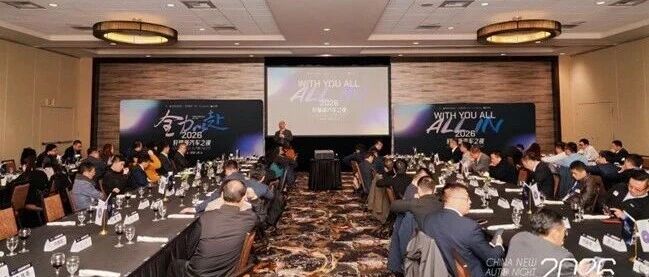
2026年初,我们这样在拉斯维加斯度过轩辕新汽车之夜
汽车商业评论· 2026-01-09 23:05
撰文 | 张 南 编辑 | 黄 大 路 设计 | 甄 尤 美 尽管有数字显示,这次来美国参加 2026 年消费电子展( CES )的中国展商,较上一年少了三分之一,只有不到 1000 家参展,展会现场似乎也有 冷清之嫌,但是中国人的面孔、声音和努力却是随处可看见、可听到、可感觉。 相反,以往同样存在感很强的日韩势力却相对弱了很多。究其原因,就汽车行业而言,《汽车商业评论》了解到,因为汽车电子领域的发展边界 已经越来越收敛,日韩特别是韩国企业在这方面已经没有太大竞争力,选择退出成为必然。 就是在这样的背景下,当地时间 1 月 7 日晚上,在拉斯维加斯 LUXOR 酒店,一场由世界新汽车生态协会和轩辕同学联合主办的" 2026 轩辕新汽 车之夜(拉斯维加斯)"盛大举行。 .共探新营销,共创新可能 大约 100 位受邀的中外汽车人莅临现场,他们或是来自主机厂,或是来自供应链,有的是专程来参展,有的是专程来看展,有的是专程来和同行 相聚。此次轩辕新汽车之夜,人气一点也没有比以往减弱,它成为中国汽车人全球化征程的又一个标志性夜晚。 恰如英伟达创始人、首席执行官黄仁勋在 CES2026 开幕前定调演讲中所说的那样,当下世 ...
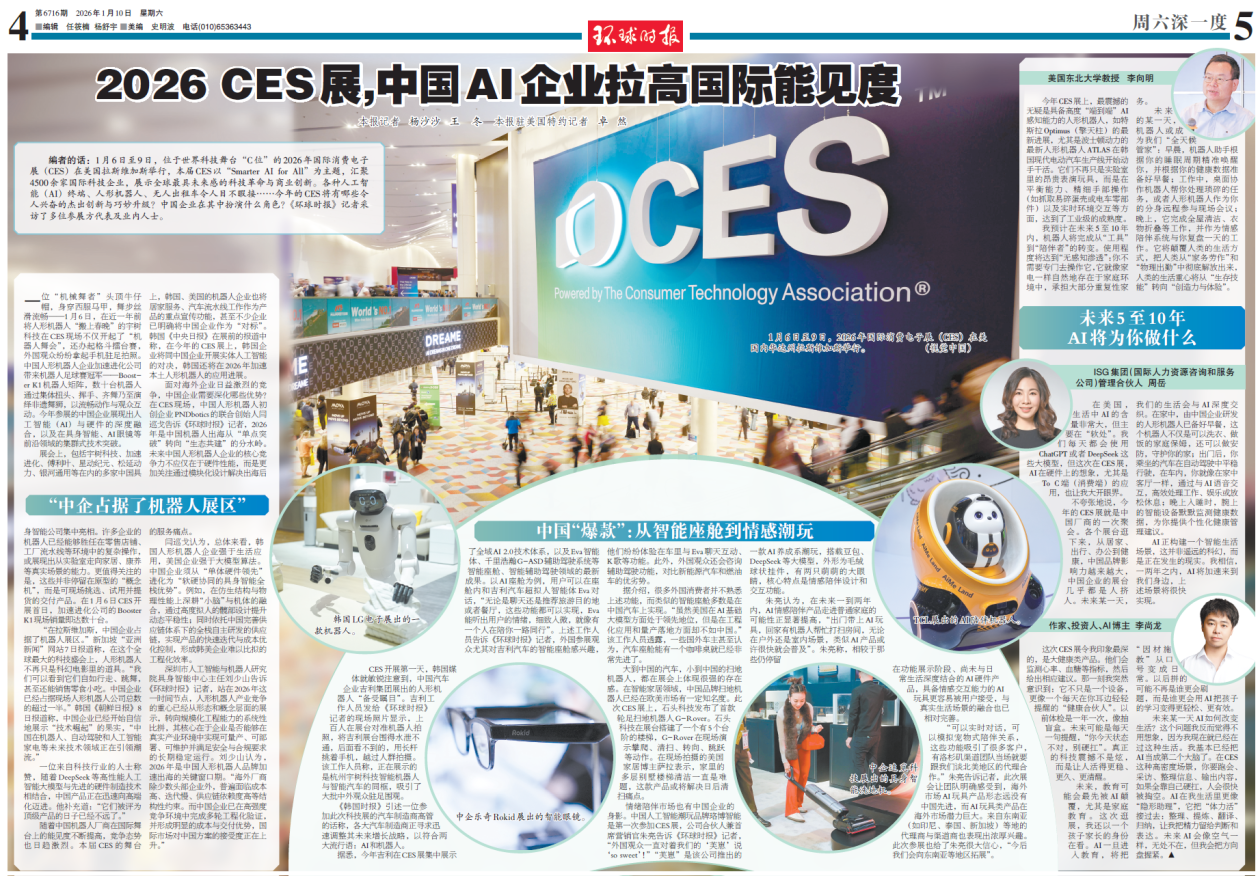
【环时深度】2026 CES展,中国AI企业拉高国际能见度
Huan Qiu Shi Bao· 2026-01-09 22:37
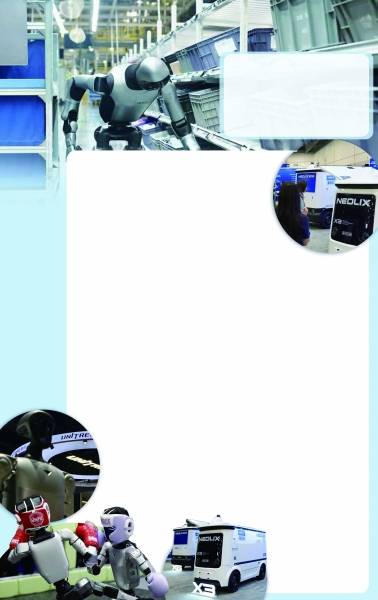
Group 1 - The 2026 International Consumer Electronics Show (CES) in Las Vegas showcased over 4,500 international tech companies, focusing on the theme "Smarter AI for All" [2] - Chinese companies demonstrated significant advancements in humanoid robots and AI integration, with many products ready for immediate purchase and use [5][10] - The presence of Chinese firms in the humanoid robot sector exceeded half of the total exhibitors, indicating a strong competitive stance against Korean and American companies [5][11] Group 2 - Chinese humanoid robot companies are evolving from hardware-centric approaches to a focus on modular design and service solutions for international markets [7] - The competition in the humanoid robot industry is shifting towards the ability to produce scalable, deployable, and maintainable systems that meet safety and compliance standards [9] - Chinese brands are increasingly recognized for their engineering efficiency and cost advantages, enhancing their acceptance in international markets [9] Group 3 - The automotive sector, represented by companies like Geely, highlighted the integration of AI in smart cabins and autonomous driving systems, attracting significant attention from international audiences [11][12] - The CES showcased a variety of AI products, from smart home devices to emotional companion toys, indicating a growing market for AI in everyday life [12][15] - The potential for AI to transform daily living is emphasized, with expectations for AI to become an integral part of household management and personal assistance in the near future [18][21]

中国科技闪耀国际消费电子展
Sou Hu Cai Jing· 2026-01-09 21:23
Group 1 - The CES 2026 showcased a transformation in the Chinese tech industry, highlighting a shift from traditional home appliance giants to a diverse representation of both established and emerging companies, reflecting the industry's ecological vitality and innovative resilience [2][3][4] - Major Chinese companies like Hisense and TCL are focusing on technological breakthroughs to redefine industry standards, with Hisense launching a new RGB-Mini LED display technology, predicting a shipment of 500,000 units by 2026 [2] - Companies are moving from showcasing individual products to demonstrating systematic capabilities, with firms like Lens Technology and Guangdong Lingyi demonstrating comprehensive AI hardware ecosystems [4] Group 2 - The integration of AI with hardware is a key highlight, with numerous humanoid robot companies participating, indicating a significant advancement in the execution capabilities of robots, which is expected to drive commercialization in this sector [5] - The CES 2026 featured 23 AI glasses booths, with 16 from Chinese brands, showcasing their innovation in AR/VR hardware and interaction experiences [5] - Chinese companies are pursuing deep localization and compliance in their global operations, moving away from a simplistic export model to a more integrated approach, as seen with Aiper's strategy of local R&D and distribution [6] Group 3 - The competition in the AI sector is intensifying, with a focus on practical applications and the efficiency of chips, as companies like NVIDIA, Intel, AMD, and Qualcomm compete for advancements in AI computing [7][8] - The emergence of embodied intelligence is reshaping the participation landscape, with a significant presence of humanoid robot companies at CES, indicating a structural change in the representation of Chinese enterprises [8] - The CES serves as a platform for showcasing the future of technology, where the integration of AI with physical products is expected to drive growth engines for the next decade [8]
传统车企分化、新势力加速洗牌 打响生态战 2025车企生存启示录
Zhong Guo Jing Ying Bao· 2026-01-09 20:03
Core Insights - The Chinese automotive market in 2025 shows a stable total volume with a differentiated structure, indicating a new competitive norm where traditional automakers maintain dominance while new players face varied growth trajectories [3][4][5] Traditional Automakers - SAIC Group sold 4.507 million vehicles in 2025, a 12.3% increase year-on-year, with a retail volume of 4.67 million, maintaining its industry leadership [3] - Geely Automobile achieved sales of over 3.02 million vehicles in 2025, exceeding its targets and setting a 2026 goal of 3.45 million vehicles, reflecting strong growth momentum [4] - Chery Group sold 2.806 million vehicles, including 1.344 million exports, leading in Chinese passenger car exports for 23 consecutive years, with its new energy segment growing by 54.9% year-on-year [4] New Energy Vehicle Players - Leap Motor emerged as a significant player with 596,600 deliveries in 2025, marking a 103% year-on-year increase and becoming the top seller among new forces [2][4] - NIO is gradually recovering from a downturn, with a milestone of producing its one-millionth vehicle expected in early 2026, despite reporting a cumulative loss of nearly 15.7 billion yuan in the first three quarters of 2025 [2][5] - The competitive landscape for new energy vehicles is marked by a stark contrast, with some players struggling while others, like Lantu and Avita, show steady growth backed by traditional automakers [4][5] Strategic Shifts - The industry is shifting from product-centric competition to a focus on ecosystem collaboration and technological innovation, as companies aim to build resilient and innovative ecosystems [5][7] - SAIC Group emphasizes a dual strategy of technological innovation and ecosystem cooperation, launching over 20 competitive new products and collaborating with partners like Huawei and OPPO [6][8] - Companies are setting ambitious goals for 2026, with a focus on advanced technologies such as solid-state batteries, AI, and global expansion, indicating a move towards a more integrated and strategic approach to competition [8][9]



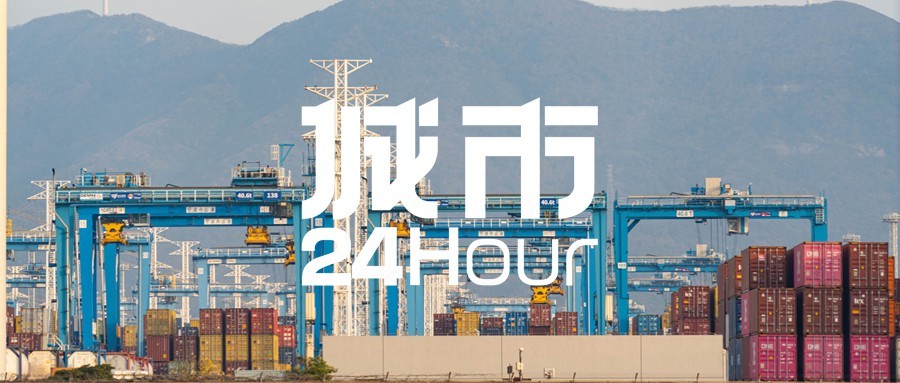
城市24小时 | 浙江第二城 加速“抱紧”上海
Mei Ri Jing Ji Xin Wen· 2026-01-09 16:51
Group 1 - The core focus of the news is on the visit of Wang Cheng, the Deputy Secretary of the Zhejiang Provincial Committee and the Secretary of the Ningbo Municipal Committee, to Shanghai for learning and research, emphasizing the importance of technological innovation and collaboration between Ningbo and Shanghai [1][4] - During the visit, Wang Cheng highlighted the need for Ningbo to enhance its competitiveness by looking globally and collaborating regionally, aiming to achieve its economic goals by integrating innovation and industry [2][3] - The Ningbo delegation's discussions in Shanghai centered on deepening cooperation in major technological breakthroughs, industrial clusters, and talent exchange, which are crucial for the high-quality integration of the Yangtze River Delta [1][3] Group 2 - Ningbo has set an ambitious goal to achieve a GDP of over 2 trillion yuan by 2025, which requires a growth rate exceeding 10% from its projected 1.81 trillion yuan in 2024 [3] - The central economic work conference has outlined the construction of three major international technology innovation centers, with Ningbo being included in a high-energy innovation network, opening new opportunities for research collaboration and industrial upgrades [4] - The focus on creating a first-class innovation ecosystem in Ningbo includes significant investments in research platforms, talent cultivation, and technology enterprise incubators to accelerate the transformation of innovative achievements [3][4]
城市24小时 | 浙江第二城,加速“抱紧”上海
Mei Ri Jing Ji Xin Wen· 2026-01-09 16:03
每经记者|刘艳美 每经编辑|杨欢 浙江日报、"潮新闻"消息,1月7日,浙江省委副书记、宁波市委书记王成率宁波市党政代表团赴上海市学习考察。这是王成担 任宁波市委书记后的首次出省考察,也是宁波党政领导的新年首次跨省学习之行。 在上海期间,王成先后考察了中共一大会址、"模速空间"创新生态社区、华为练秋湖研发中心,并与宁波籍上海知名人士代表 进行了座谈交流,听取大家对接轨大上海、融入长三角、加快高质量发展的意见建议。 在两地座谈中,上海市委主要领导表示,希望加强沟通对接,深化优势互补,聚焦推进上海(长三角)国际科技创新中心建设 使命任务,推动科技创新和产业创新深度融合,携手打造世界级产业集群。王成也谈到,宁波将在重大科技攻关、产业集群打 造、交通设施互联、干部人才交流等方面深化沪甬合作,有力助推长三角高质量一体化发展,更好服务国家发展大局。 解读:不难发现,宁波党政代表团的此次上海之行,无论行程安排还是座谈内容,都散发着浓厚的"科创气息"。 在"模速空间"创新生态社区,王成表示,要学习借鉴上海的好经验好做法,做深做透教科人一体改革发展、科技创新和产业创 新深度融合"两篇大文章"。 在华为练秋湖研发中心,王成强调,要 ...