北方稀土

Search documents
稀土价格震荡调整,钨价迎来反弹:——小金属&新材料双周报(2025/10/13-2025/10/25)-20251026
Hua Yuan Zheng Quan· 2025-10-26 02:02
Investment Rating - The investment rating for the small metals and new materials sector is "Positive" (maintained) [4] Core Views - Rare earth prices have experienced fluctuations, with a notable decline in praseodymium and neodymium oxide by 10.22% to 500,500 CNY/ton, while tungsten prices have rebounded due to supply constraints and price adjustments [5][6] - The controlled fusion new materials sector is accelerating towards commercialization, with significant advancements in technology and international collaborations [6] Summary by Sections Rare Earths - Recent price adjustments include a 10.22% drop in praseodymium and neodymium oxide to 500,500 CNY/ton, a 5.25% drop in dysprosium oxide to 1,535,000 CNY/ton, and a 4.06% drop in terbium oxide to 6,740,000 CNY/ton [5][12] - The demand side shows weakening terminal demand, with major manufacturers primarily purchasing based on essential needs [5] Molybdenum - Molybdenum concentrate prices increased by 0.46% to 4,395 CNY/ton, while molybdenum iron (Mo60) prices decreased by 0.18% to 275,500 CNY/ton [24] Tungsten - Black tungsten concentrate prices rose by 3.73% to 278,000 CNY/ton, and ammonium paratungstate prices increased by 3.70% to 406,000 CNY/ton [29] Tin - SHFE tin prices fell by 0.72% to 284,300 CNY/ton, and LME tin prices decreased by 1.58% to 35,925 USD/ton [34] Antimony - Antimony ingot prices declined by 4.78% to 159,500 CNY/ton, and antimony concentrate prices fell by 5.35% to 141,500 CNY/ton [45] Controlled Fusion New Materials - The domestic controlled fusion industry is witnessing rapid commercialization, with significant breakthroughs in energy extraction technology and international collaborations [6]
中国有色金属工业协会呼吁防止“内卷式”恶性竞争
Jing Ji Guan Cha Wang· 2025-10-25 00:48
Core Viewpoint - The meeting held on October 23 aimed to analyze the operational situation of the non-ferrous metals industry for the third quarter of 2025 and the entire year, addressing issues and conflicts faced by enterprises and gathering policy suggestions [1] Group 1: Industry Analysis - The meeting was attended by representatives from the Ministry of Industry and Information Technology, as well as leading companies such as China Aluminum, Minmetals, and Northern Rare Earth [1] - The vice president of the association, Chen Xuesen, emphasized the need for the industry to maintain confidence, strengthen self-discipline, and prevent "involution-type vicious competition" to protect a healthy industrial ecosystem [1] Group 2: Future Development - Discussions focused on the preparation of the industry's "14th Five-Year" plan, concentrating on resource security, high-end development, intelligence, and green development directions [1] - The goal is to guide the industry towards achieving higher quality and more sustainable development [1]
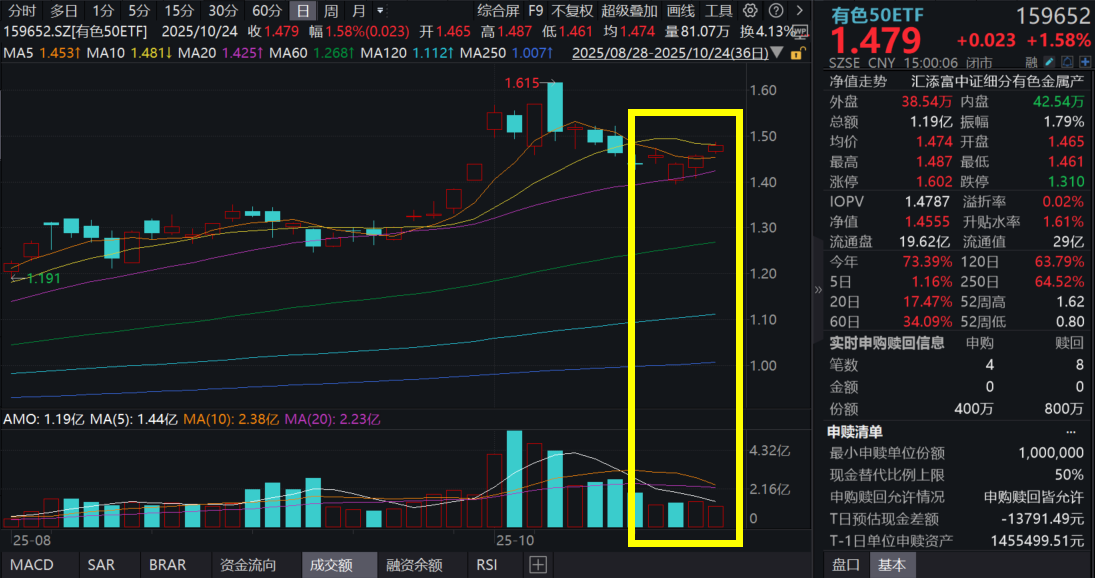
洛阳钼业:Q3净利润同比大增96%!拟10亿美元投资海外项目!有色50ETF(159652)连续两日反弹,近10日获净流入4.31亿元
Xin Lang Cai Jing· 2025-10-24 10:08
Core Viewpoint - The A-share market experienced a significant rebound, with the Shanghai Composite Index reaching a 10-year high, driven by the strong performance of the non-ferrous metals sector, particularly highlighted by the performance of Luoyang Molybdenum Co., Ltd. [1][4] Company Summary - Luoyang Molybdenum reported a net profit attributable to shareholders of 5.608 billion yuan for Q3, marking a year-on-year increase of 96.4%, while total revenue was 50.713 billion yuan, a decrease of 2.36% [1] - For the first three quarters, the company achieved a net profit of 14.28 billion yuan, up 72.61% year-on-year, with total revenue of 145.485 billion yuan, down 5.99% [1] - The company announced plans to invest 1.084 billion USD in the KFM Phase II project in the Democratic Republic of the Congo, expected to be completed by 2027, which will increase ore processing capacity by 7.26 million tons per year and add an average of 100,000 tons of copper metal annually [1] Industry Summary - The non-ferrous metals sector is experiencing a strong rebound, supported by macroeconomic policies and strategic resource positioning, despite recent fluctuations in gold and copper prices [4][5] - The sector is expected to benefit from a combination of supply-side constraints, new demand drivers, and a favorable economic cycle, with a focus on long-term investment opportunities [4][5] - The non-ferrous metals ETF (159652) has a high concentration of strategic metals, with a copper content of 33% and gold content of 14%, making it a leading choice in the sector [6][7] - The ETF has shown superior performance with a cumulative return of 116.5% since 2022, driven by profit growth rather than valuation expansion, indicating a strong earnings-driven growth phase [8][11]


资金周报:5个行业受青睐,主力资金净流入
Zheng Quan Shi Bao Wang· 2025-10-24 10:04
Core Insights - The main point of the article is the analysis of capital flow in various sectors, highlighting the net inflow and outflow of funds, as well as the performance of different indices and industries during the week. Market Performance - The Shanghai Composite Index rose by 2.88%, the Shenzhen Component Index increased by 4.73%, the ChiNext Index surged by 8.05%, and the CSI 300 Index gained 3.24% [1] - Among the tradable A-shares, 4,444 stocks increased, accounting for 81.80%, while 956 stocks declined [1] Capital Flow Overview - Total net outflow of main funds was 32.884 billion yuan for the week [2] - The ChiNext saw a net outflow of 635 million yuan, while the Sci-Tech Innovation Board had a net inflow of 3.738 billion yuan, and the CSI 300 components experienced a net inflow of 1.091 billion yuan [2] Industry Performance - Out of the primary industries categorized by Shenwan, 28 sectors saw an increase, with the top performers being the communication and electronics sectors, which rose by 11.55% and 8.49%, respectively [2] - The sectors with the largest declines included agriculture, forestry, animal husbandry, and fishery (-1.36%), food and beverage (-0.95%), and beauty and personal care (-0.09%) [2] Sector Capital Flow - The electronics sector led with a net inflow of 21.287 billion yuan and an increase of 8.49% [3] - The communication sector followed with a net inflow of 7.4 billion yuan and a rise of 11.55% [3] - The largest net outflows were seen in the non-ferrous metals sector, which had a net outflow of 9.792 billion yuan despite a 1.13% increase, and the pharmaceutical and biological sector with a net outflow of 8.916 billion yuan and a 0.58% increase [3] Individual Stock Performance - A total of 1,783 stocks experienced net inflows, with 247 stocks having inflows exceeding 100 million yuan [3] - The stock with the highest net inflow was Zhongji Xuchuang, which rose by 32.23% with a net inflow of 3.883 billion yuan [3] - Major net outflows were observed in BYD, Northern Rare Earth, and Zijin Mining, with outflows of 2.469 billion yuan, 1.636 billion yuan, and 1.281 billion yuan, respectively [3]
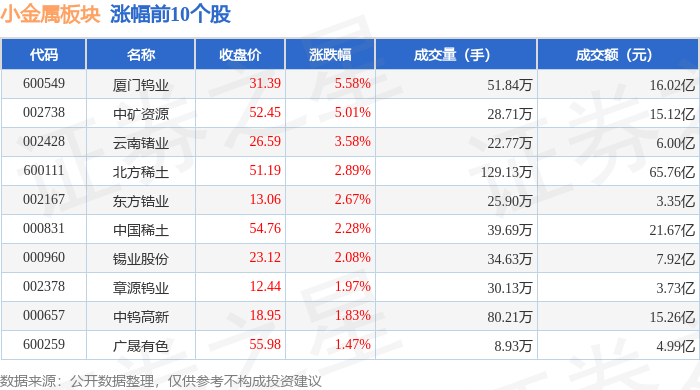
小金属板块10月24日涨2.32%,厦门钨业领涨,主力资金净流入5.35亿元
Zheng Xing Xing Ye Ri Bao· 2025-10-24 08:21
Core Insights - The small metals sector experienced a rise of 2.32% on October 24, with Xiamen Tungsten leading the gains [1] - The Shanghai Composite Index closed at 3950.31, up 0.71%, while the Shenzhen Component Index closed at 13289.18, up 2.02% [1] Small Metals Sector Performance - Xiamen Tungsten (600549) closed at 31.39, up 5.58%, with a trading volume of 518,400 shares and a transaction value of 1.602 billion [1] - Zhongkuang Resources (002738) closed at 52.45, up 5.01%, with a transaction value of 1.512 billion [1] - Yunnan Tin (002428) closed at 26.59, up 3.58%, with a transaction value of 600 million [1] - Northern Rare Earth (600111) closed at 51.19, up 2.89%, with a transaction value of 6.576 billion [1] - Other notable performers include China Rare Earth (000831) and Xiyang Co. (600259), with increases of 2.28% and 1.47% respectively [1] Capital Flow Analysis - The small metals sector saw a net inflow of 535 million from main funds, while retail funds experienced a net outflow of 216 million [2] - Main funds showed significant net inflows in Northern Rare Earth (2.68 million) and Xiamen Tungsten (1.35 million) [3] - Retail funds had notable outflows in Xiamen Tungsten and China Rare Earth, indicating a shift in investor sentiment [3]


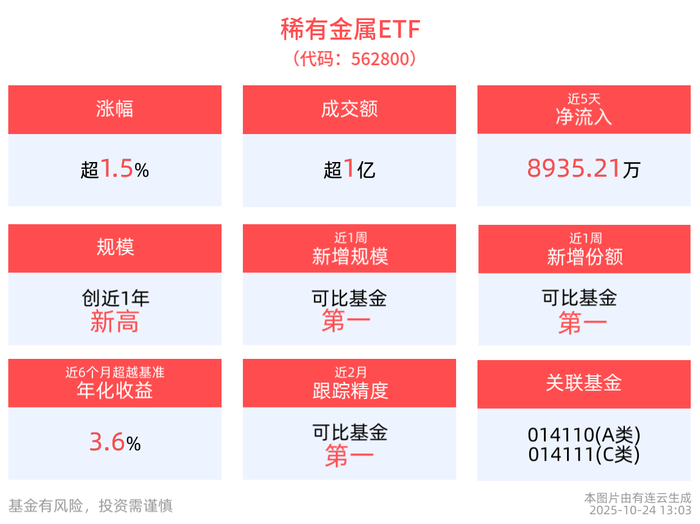
高性能稀有金属材料需求有望持续提升,稀有金属ETF(562800)上涨1.59%,规模创成立以来新高!
Xin Lang Cai Jing· 2025-10-24 05:30
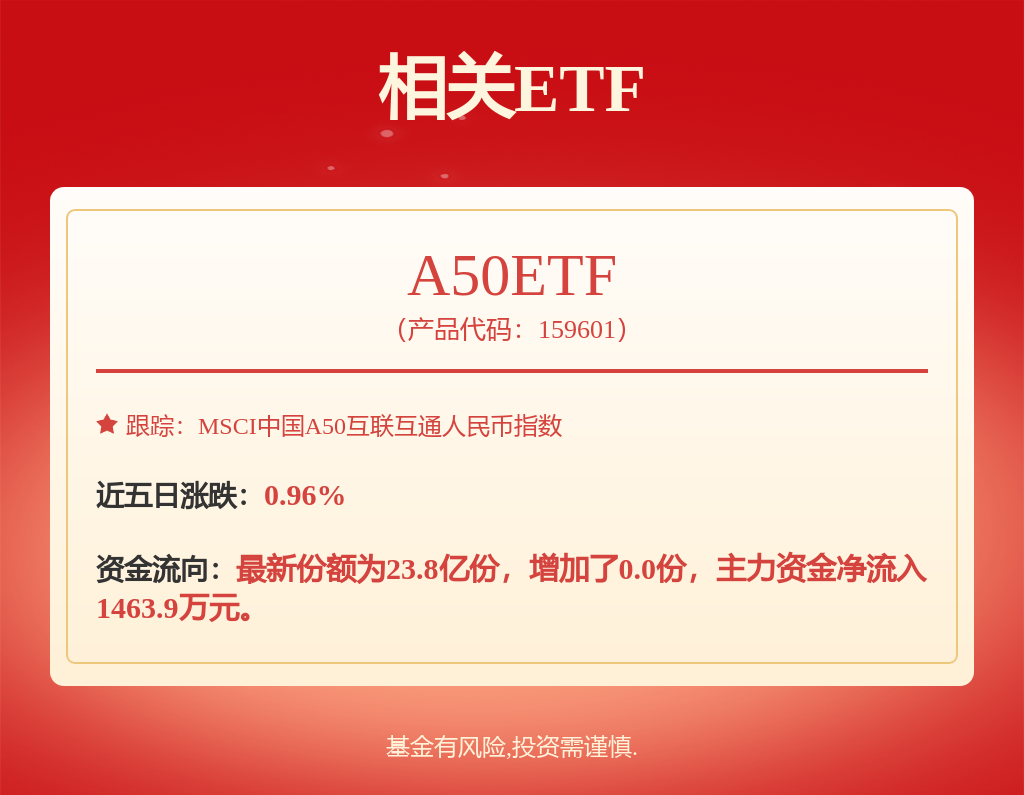
Core Insights - The rare metals sector is experiencing significant growth, with the China Rare Metals Theme Index rising by 1.88% and key stocks like Yahua Group and Jinchuan Group showing substantial gains [1][4] - The Rare Metals ETF has reached a record size of 3.774 billion yuan, indicating strong investor interest and inflow of funds [4] - Recent developments in cobalt export quotas from the Democratic Republic of Congo have led to a sharp increase in cobalt prices, signaling a shift from surplus to shortage in the global cobalt supply [5] Group 1: Market Performance - The Rare Metals ETF has seen a 12.97% increase over the past month, with a trading volume of 1.47 billion yuan and a turnover rate of 3.81% [1][4] - The ETF's net value has increased by 12.46% over the past three years, with a maximum monthly return of 24.02% since its inception [4] - The top ten weighted stocks in the China Rare Metals Theme Index account for 59.91% of the index, highlighting the concentration of investment in key players [4] Group 2: Cobalt Market Dynamics - The announced cobalt export quotas for 2026-2027 are only about 48% of the 2024 production levels, which is significantly lower than market expectations, driving prices from 170,000 yuan/ton to 410,000 yuan/ton [5] - Analysts suggest that the tightening of resource control will enhance the strategic scarcity of cobalt, further supporting price increases [5] Group 3: Strategic Importance of Rare Metals - Rare metals are increasingly recognized as critical materials for high-tech industries and national defense, with growing demand expected in sectors such as aerospace and deep-sea exploration [6] - The emphasis on enhancing combat capabilities and building a strong aerospace industry will likely drive the demand for high-performance rare metal materials [6]
123家公司预告前三季度业绩 96家预增
Zheng Quan Shi Bao Wang· 2025-10-24 01:54
Core Insights - A total of 123 companies have announced their performance forecasts for the first three quarters, with 96 companies expecting profit increases, representing 78.05% of the total [1] - The overall proportion of companies reporting positive forecasts is 85.37%, with 9 companies expecting profits and 11 and 3 companies forecasting profit declines and losses, respectively [1] - Among the companies expecting profit increases, 44 are projected to have net profit growth exceeding 100%, while 41 companies are expected to see growth between 50% and 100% [1] Company Performance - Xinda Co. is expected to have the highest net profit growth, with a median increase of 3009.81% for the first three quarters [2] - Chuangjiang New Material and Shuo Bei De are projected to have median net profit growth of 2150.09% and 1285.82%, ranking second and third, respectively [2] - The average increase in stock prices for companies expected to double their profits since July is 25.57%, outperforming the Shanghai Composite Index [2] Industry Insights - The sectors with the most companies expecting profit increases include electronics, basic chemicals, and non-ferrous metals, with 10, 7, and 5 companies, respectively [1] - The main board, ChiNext, and STAR Market have 28, 8, and 8 companies, respectively, that are expected to double their profits [1] Stock Performance - Among the stocks, Northern Rare Earth has seen the largest increase since July, with a cumulative rise of 99.80% [2] - In terms of capital flow, the stocks with significant net inflows in the past five days include Shengyi Electronics, Yahua Group, and Guangdong Mingzhu, with net inflows of 189.65 million, 105.79 million, and 66.45 million, respectively [2] - Conversely, Northern Rare Earth, Shenghe Resources, and Chuangjiang New Material experienced significant net outflows, with amounts of 2478.92 million, 881.76 million, and 771.45 million, respectively [2]


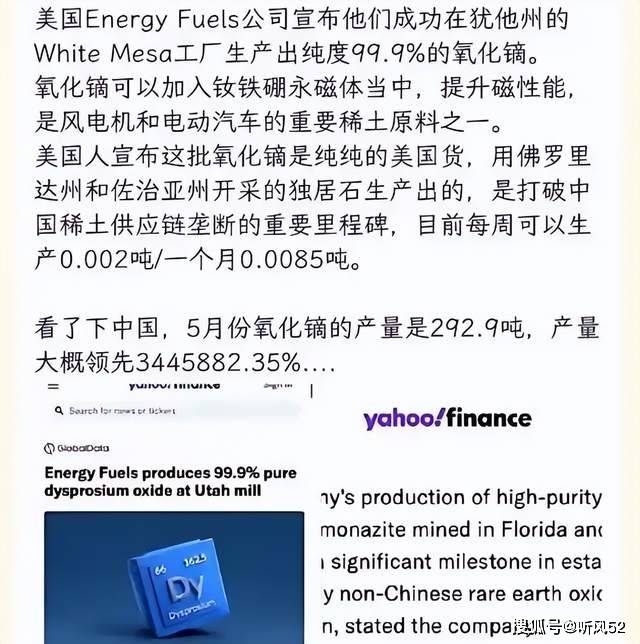
美企成功提炼高纯度稀土,在打破中国垄断上迈出了历史性一步?
Sou Hu Cai Jing· 2025-10-24 00:54
Core Viewpoint - Energy Fuels has announced a significant breakthrough in extracting high-purity rare earth elements, claiming to achieve 99.999% purity, which is seen as a challenge to China's dominance in the rare earth market [1][3] Cost Analysis - The extraction technology used by Energy Fuels, known as "molecular recognition extraction," requires specialized high-cost extraction agents priced over $200 per gram, leading to a production cost of approximately $20 million per kilogram of dysprosium, which is about 50 times higher than China's production cost of under 3,000 RMB per kilogram [5][7] - The high costs associated with this technology could significantly increase the price of military equipment, such as the F-35 fighter jet, by approximately 3 million RMB per aircraft if this extraction method were to be used [5] Production Capacity Comparison - The current output from Energy Fuels is less than 100 grams in a laboratory setting, while a single production line in China can produce 200 tons of high-purity rare earth products daily, highlighting a vast disparity in production capabilities [7][10] - The transition from laboratory success to industrial-scale production involves overcoming numerous challenges, including equipment scaling, process stability, wastewater treatment, and energy consumption [7] Industry Strengths of China - China dominates the global rare earth market, accounting for 85% of the refining and separation output, due to a well-established and complete industrial chain developed over decades [10][12] - Technological advancements in China have improved mining recovery rates from 60% to over 90%, alongside effective wastewater recycling, showcasing real progress in the industry [10] - The comprehensive industrial chain in China encompasses mining, refining, material processing, and end-use applications, providing a significant competitive advantage [10] Strategic Moves by China - In response to international competition, China is adjusting its export control lists and increasing research and development investments to enhance its technological capabilities [12][14] - China is also establishing rare earth processing facilities in countries like Tanzania and Burundi to secure resource supply and export mature technologies [12] Conclusion on Manufacturing - The case illustrates that true manufacturing breakthroughs rely on solid technological foundations, industrial chain development, and industrialization capabilities rather than mere announcements or laboratory results [14]
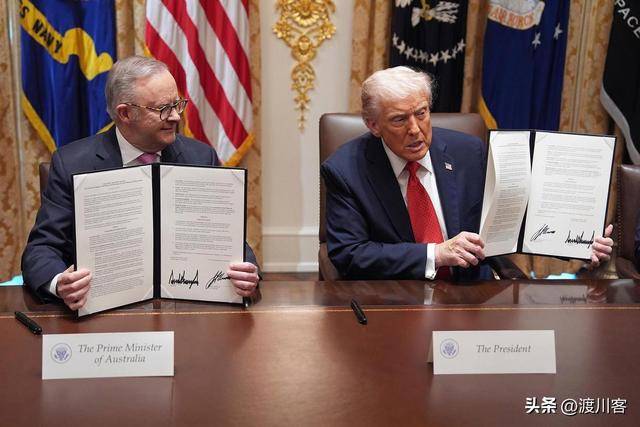
冲击中国稀土地位?美澳签85亿协议,却露软肋:12种矿产依赖进口
Sou Hu Cai Jing· 2025-10-24 00:18
Core Viewpoint - The recent $8.5 billion rare earth agreement between the US and Australia is seen as largely symbolic, with significant challenges remaining for the US to reduce its dependence on China for rare earth materials [2][6][22]. Group 1: Agreement Details - The agreement was signed on October 20, with Trump expressing confidence that the US would have an abundance of rare earths within a year [2]. - The deal involves both countries committing $1 billion each over six months to stimulate private investment in rare earth processing facilities [11][24]. - The agreement is perceived as a facade, with Australia’s Prime Minister Albanese aware that the timeline for achieving independence from China is unrealistic [11][24]. Group 2: Current Industry Landscape - The US is heavily reliant on imports for 12 critical minerals, with rare earths being 100% imported, despite having domestic mining resources [6][19]. - China dominates the rare earth supply chain, controlling over 90% of the refining and processing, and holding a significant number of patents [4][22]. - Japan's historical attempts to reduce reliance on China for rare earths have shown limited success, with current dependence still at 58% despite significant investments [13][15]. Group 3: Production Capacity - Lynas, the largest rare earth producer outside of China, has a processing capacity of 5,000 tons per year, while Chinese companies can produce significantly more, with one company alone producing 50,000 to 60,000 tons in 2023 [17][19]. - The US's attempts to build a domestic supply chain have faced numerous obstacles, including environmental regulations and a lack of investment from major corporations [19][21]. Group 4: Future Outlook - The projected timeline for the US to establish a complete rare earth supply chain is estimated to take over a decade and require more than $250 billion, which is not feasible given the rapid pace of technological advancement [21][26]. - The recent agreement is viewed as insufficient to address the underlying issues of supply chain dependency on China, with experts suggesting that mere agreements will not resolve the complexities of the industry [22][26].
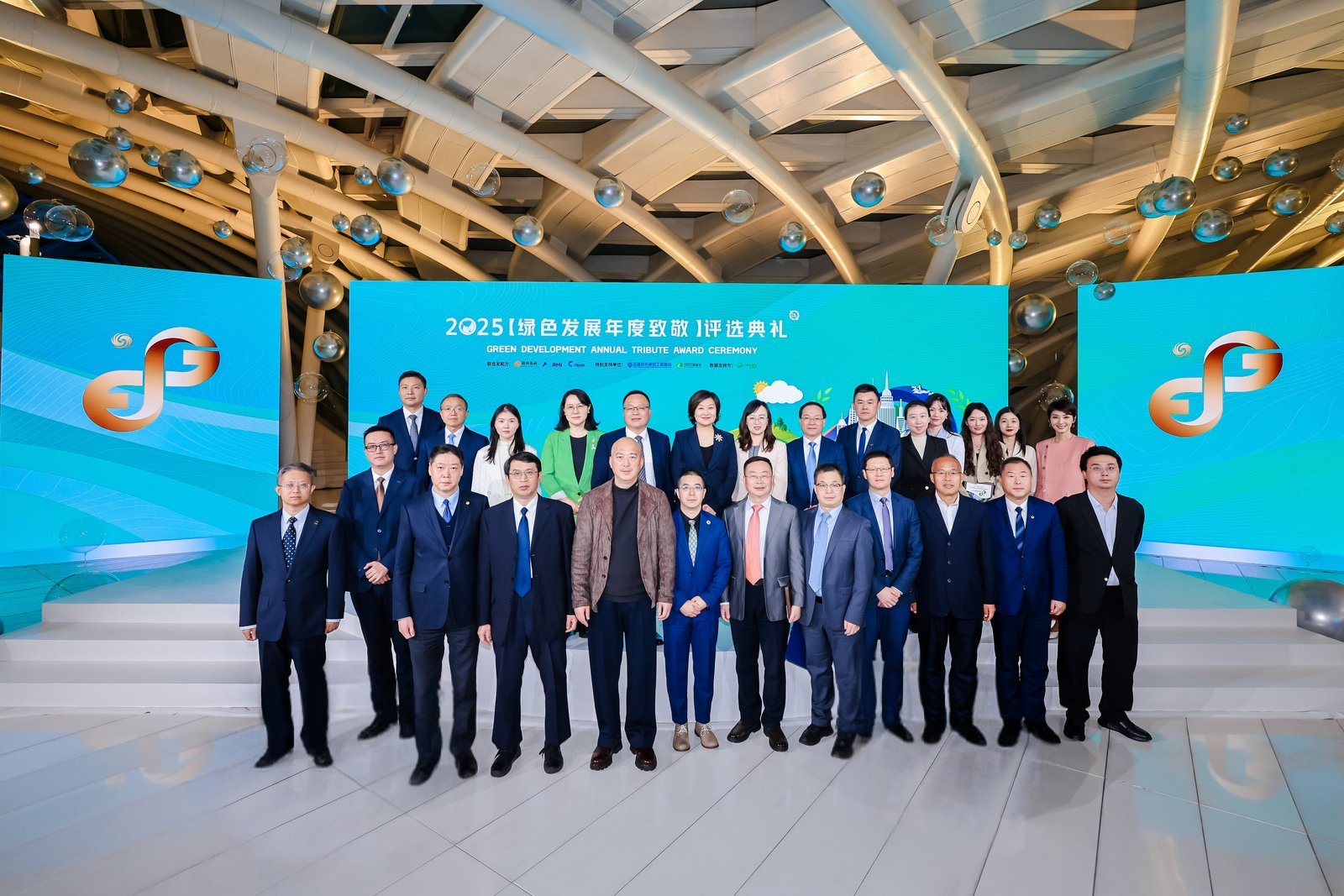
“2025绿色发展年度致敬”评选结果揭晓 三大权威榜单、四项荣誉称号花落谁家
Feng Huang Wang Cai Jing· 2025-10-23 12:22
Core Insights - The "2025 Green Development Annual Tribute" aims to promote the deep practice of green development concepts across various industries globally, marking a critical phase in climate governance and sustainable development as 2025 is the 10th anniversary of the Paris Agreement and the 5th anniversary of China's dual carbon goals [1][3] Group 1: Event Overview - The event was co-hosted by Phoenix TV and several international organizations, including the Rocky Mountain Institute and the Center for Climate Change Response [1] - The evaluation includes three authoritative lists and four honorary titles, focusing on showcasing pioneering forces in green development [1][3] Group 2: Evaluation Framework - The evaluation references the "Race to Zero" initiative by the UNFCCC and incorporates the UN Sustainable Development Goals and ESG principles to provide a comprehensive assessment framework [3] - The three main lists include the "Top 100 ESG Ratings of Hong Kong-listed Chinese Companies," the "Top 10 Key Clean Technologies for Carbon Neutrality," and the "International Infrastructure ESG Management Pioneer Projects" [3][10] Group 3: Key Clean Technologies - The "Top 10 Key Clean Technologies" list identifies technologies crucial for achieving carbon neutrality, including large-scale renewable energy generation, flexible DC transmission, advanced energy storage, and sustainable fuel preparation [7][9] - Each technology is evaluated based on its carbon reduction potential, market development space, and innovation level [7] Group 4: ESG Management Pioneer Projects - The "International Infrastructure ESG Management Pioneer Projects" list highlights exemplary cases of Chinese companies integrating ESG principles into overseas project management [4] - Notable projects include the expansion of Velana International Airport in the Maldives and the Lekki Deep Sea Port project in Nigeria [4][5] Group 5: Honorary Titles - The honorary titles awarded include "Annual International Sustainable Development Pioneer," "ESG Annual Action Breakthrough Pioneer," "ESG Annual Communication Influence Pioneer," and "ESG Annual Clean Energy and Technology Innovation Pioneer," focusing on companies' ESG practices [15][22] - Awardees include major firms like China Southern Power Grid, China International Capital Corporation, and China Three Gorges International [15][22]