
高鑫零售

Search documents
“犒赏经济”热度飙升,线上消费ETF基金(159793)交投活跃
Xin Lang Cai Jing· 2025-12-23 02:24
Core Insights - The concept of "reward economy" is gaining traction, defined as consumers purchasing non-essential goods or experience services to cope with work-life stress and fulfill psychological needs, leading to immediate gratification and self-affirmation [1] Group 1: Market Performance - As of December 23, 2025, the CSI Hong Kong-Shenzhen Online Consumption Theme Index (931481) shows mixed performance among its constituent stocks, with Perfect World (002624) leading at a 2.74% increase, followed by Kaiying Network (002517) at 1.79%, and Gome Retail (06808) at 1.69% [1] - The Online Consumption ETF (159793) is currently priced at 1.01 yuan [1] Group 2: Index Composition - The CSI Hong Kong-Shenzhen Online Consumption Theme Index comprises 50 listed companies involved in online shopping, digital entertainment, online education, and telemedicine, reflecting the overall performance of online consumption theme stocks in the mainland and Hong Kong markets [2] - The top ten weighted stocks in the index include Alibaba-W (09988), Tencent Holdings (00700), Meituan-W (03690), Kuaishou-W (01024), JD Health (06618), Giant Network (002558), Bilibili-W (09626), iFLYTEK (002230), Kunlun Wanwei (300418), and Kaiying Network (002517), collectively accounting for 55.21% of the index [2]





港股消费ETF(159735)飘红,珍酒李渡涨超4%,机构:对消费行业明年海外业务发展持乐观观点
2 1 Shi Ji Jing Ji Bao Dao· 2025-12-23 02:04
Core Viewpoint - The Hong Kong stock market shows mixed performance with the Hang Seng Index and Hang Seng Tech Index fluctuating, while the Hong Kong Consumer ETF (159735) experiences a slight increase of 0.25% [1] Group 1: Market Performance - The Hong Kong Consumer ETF (159735) tracks the CSI Hong Kong Stock Connect Consumer Theme Index, which includes 50 liquid and large-cap consumer-related stocks within the Stock Connect framework [1] - Notable gainers within the ETF include Zhenjiu Lidu, which rose over 4%, along with other companies like Gao Xin Retail, Laopu Gold, Mengniu Dairy, and China Feihe [1] Group 2: Industry Insights - Shenwan Hongyuan highlights that the Chinese consumer market is maintaining steady expansion supported by policy initiatives, with service consumption and new business models emerging as key growth drivers [1] - The government is implementing measures such as trade-in programs and financial support to stimulate both supply and demand [1] - Future actions aimed at boosting consumption and optimizing supply are expected to further unlock market potential, contributing to high-quality economic development [1] Group 3: Strategic Focus - Galaxy Securities emphasizes the importance of the "14th Five-Year Plan" in setting medium- to long-term goals for consumption, with a short-term focus on specific policies related to consumption expected to be implemented by 2026 [1] - There is an optimistic outlook for the development of overseas business in the consumer sector by 2026 [1] - Attention is drawn to high-dividend quality companies during market style shifts, as well as companies with alpha potential in various sub-sectors [1]


冬味正浓!“霜打菜”成市民菜篮新宠
Xin Lang Cai Jing· 2025-12-21 19:39
Core Insights - The article highlights the popularity of "frosted vegetables" in Changsha, particularly during the winter season when the temperature drops below 10°C, making them a sought-after seasonal delicacy [2][3] Group 1: Market Trends - "Frosted vegetables" are defined as those that have undergone frost, resulting in a sweeter taste and enhanced flavor due to physiological changes in the vegetables [3][5] - The local market has seen a delay in the availability of "frosted vegetables" this year due to higher temperatures earlier in the winter, but they are now prominently featured in various markets [3][4] - Prices for different types of "frosted vegetables" include 9 CNY/kg for cabbage stalks, 6 CNY/kg for cabbage, and a special price of 7 CNY/kg for red cabbage stalks, all of which are selling well [3][4] Group 2: Consumer Preferences - Consumers are particularly drawn to the flavor and nutritional benefits of "frosted vegetables," which are perceived as a traditional winter food in Changsha [5][6] - The demand for "frosted vegetables" aligns with local winter dining habits, such as hot pot, where these vegetables are commonly used in dishes like stewed tofu and pork ribs [6] - Online platforms are also catering to this demand, with dedicated sections for "frosted vegetables" and notable sales figures, such as over 100 orders for baby cabbage at 11.8 CNY/kg [4][5] Group 3: Supply Chain and Availability - The supply of "frosted vegetables" is expected to continue until January of the following year, with an increase in variety as temperatures drop further [5][6] - Government initiatives, such as the "vegetable basket" project, are facilitating the distribution of "frosted vegetables" through subsidies and improved supply chain connections [6]

商社行业周报(2025.12.15-2025.12.21):社零增速平稳,海南封关运作落地-20251220
国泰海通· 2025-12-20 15:05
Investment Rating - The report assigns an "Accumulate" rating for the industry [4]. Core Insights - The report highlights investment opportunities in the travel industry chain, gold and jewelry, and AI+ sectors [2]. - The upcoming New Year holiday is expected to boost travel and consumption, with specific recommendations for various companies in the travel and hospitality sectors [3][4]. - The retail sector showed a 6.58% increase last week, with the consumer services sector up 4.40%, ranking first and second among 30 industries [3]. Industry Summary - **Travel and Hospitality**: - Recommendations include Ctrip Group and Tongcheng Travel for OTA, Huazhu Group-S, Jinjiang Hotels, and Shoulv Hotels for hotels, and Changbai Mountain for scenic spots [3][4]. - **Gold and Jewelry**: - Recommended stocks include Lao Pu Gold, Caibai Shares, Luk Fook Holdings, Chow Tai Fook, and Chao Hong Ji, with a focus on Emperor Jewelry [3][4]. - **Dividend Stocks**: - Recommended stocks include Sumida, Action Education, and Chongqing Department Store [3]. - **AI+ Sector**: - Recommended stocks include Conant Optical, Chalk, Tianli International Holdings, and Core International, with a focus on Kevin Education and Dou Shen Education [3]. - **Stock Price Movements**: - Notable stock price increases include Hongqi Chain (+22.79%), Jiajiayue (+15.76%), Yonghui Supermarket (+15.20%), and Tianhong Shares (+13.85%) [3]. - **Key Industry Updates**: - Hainan Free Trade Port officially launched its island-wide customs closure operation, achieving sales of over 250 million yuan on the first day, a year-on-year increase of 90% [3]. - McDonald's China announced a price increase of 0.5 to 1 yuan for some menu items [3]. - Luckin Coffee and Dazhong Capital are evaluating the acquisition of Blue Bottle Coffee from Nestlé to enhance brand image and enter the high-end coffee market [3]. - **Retail Sector Data**: - November retail sales data showed a year-on-year increase of 1.3%, with a slowdown attributed to the early "Double Eleven" promotions [3]. - New store openings include JD's discount supermarket in Beijing and Meituan's Xiaoxiang Supermarket, with significant first-day revenues reported [3].



政策暖风催生结构性机会,借道港股消费ETF(513230)布局“新消费+出海”双主线
Mei Ri Jing Ji Xin Wen· 2025-12-16 05:57
Group 1 - The Hong Kong stock market experienced a decline, with the Hang Seng Index falling by 1.91% and the Hang Seng Tech Index dropping by 2.41% on December 16 [1] - The consumer sector in Hong Kong faced volatility, with the Hong Kong Consumer ETF (513230) decreasing by over 1%. Notable declines were seen in stocks such as Bruker, Aux Electric, and Wei Long, while companies like Gao Xin Retail and Yu Yuan Group performed positively [1] - The Ministry of Commerce and other departments issued a notice on December 14 to enhance collaboration between commerce and finance to boost consumption, including measures for personal consumption loans [1] Group 2 - According to the National Bureau of Statistics, China's total retail sales of consumer goods reached 43,898 billion yuan in November, marking a year-on-year growth of 1.3%. Excluding automobiles, retail sales grew by 2.5% [1] - For the period from January to November, total retail sales amounted to 456,067 billion yuan, with a growth rate of 4%. Retail sales excluding automobiles reached 411,637 billion yuan, growing by 4.6% [1] - A report from Dongwu Securities highlighted that 2025 will be a significant year for retail reform, with traditional retail enterprises improving product and service quality through adjustments [2]
政策再加码!“以旧换新”国补有望延续,港股消费板块迎长线布局窗口
Mei Ri Jing Ji Xin Wen· 2025-12-16 03:28
12月16日,港股消费板块早盘持续震荡,港股消费ETF(513230)现跌超1%。持仓股中,布鲁可、奥 克斯电气、卫龙美味、康耐特光学、泡泡玛特等跌幅靠前,巨子生物、高鑫零售、蜜雪集团等涨幅靠 前。 商务部最新数据显示,今年1-11月,消费品以旧换新(即"国补")带动相关商品销售额超2.5万亿元,惠 及超3.6亿人次。在12月10日-12月11日举行的中央经济工作会议上明确,国家明年将继续发行超长期特 别国债支持消费品以旧换新。 银河证券认为,中央经济工作会议肯定了以旧换新补贴政策的作用, 提到了优化"两新"政策实施,机 构预计2026年以旧换新补贴政策将进一步优化,对于已享受补贴 的品类预计力度将有所下降,同时预 计会引入新的补贴品类。 港股消费ETF(513230)跟踪中证港股通消费主题指数,一键打包互联网电商龙头+新消费,成分股近 乎囊括港股消费的各个领域,包括泡泡玛特、老铺黄金等新消费龙头,又包含腾讯、阿里巴巴、小米等 互联网电商龙头,科技+消费属性突出。 ...
从人山人海到门可罗雀,低价霸权失效后,大卖场的出路在哪?
Sou Hu Cai Jing· 2025-12-15 15:10
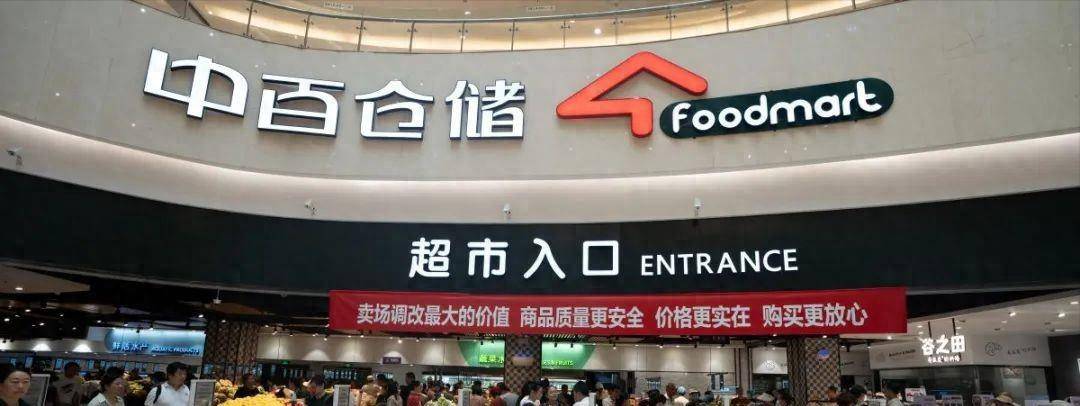
Core Insights - The announcement by Zhongbai Group regarding the closure of 30 warehouse stores signifies a troubling trend in the retail industry, with an estimated loss of 180 million yuan expected from these closures [1] - The retail landscape in China is shifting, with a significant number of chain supermarkets reducing their store counts, leading to over 3,000 store closures in 2024 alone [3] - Consumer habits have evolved, with a preference for convenience and immediate access to goods, favoring community supermarkets over large warehouse stores [5] Group 1: Industry Trends - In 2024, the top 100 chain supermarkets in China saw 62 companies reduce their store sizes, indicating a broader trend of downsizing in the retail sector [3] - Major retailers like Walmart, Yonghui, and RT-Mart are also scaling back, reflecting a significant shift in consumer purchasing behavior [3] - The rise of online shopping platforms such as Hema, JD Daojia, and Meituan has intensified competition, offering home delivery services that appeal to time-conscious consumers [5][7] Group 2: Company Strategies - Retailers are attempting to adapt by exploring new business models, such as Daili's membership store approach and Yonghui's focus on optimizing products and services [7] - Zhongbai's decision to close 30 underperforming stores is seen as a necessary step to reduce fixed costs and improve financial health [9] - The transformation journey for these retailers is challenging, with significant investments required and uncertain outcomes [9] Group 3: Consumer Behavior - The traditional family outing to large supermarkets has diminished, with weekends now dominated by activities like movies and dining out [5] - Consumers are increasingly opting for quick purchases rather than dedicating time for bulk shopping, reflecting a shift in lifestyle [5] - The success of retailers like Pang Donglai is attributed to their exceptional service experience, highlighting the importance of customer engagement in retaining loyalty [9]

刘强东拿下第6家上市企业,我们还是低估了京东
Sou Hu Cai Jing· 2025-12-11 07:30
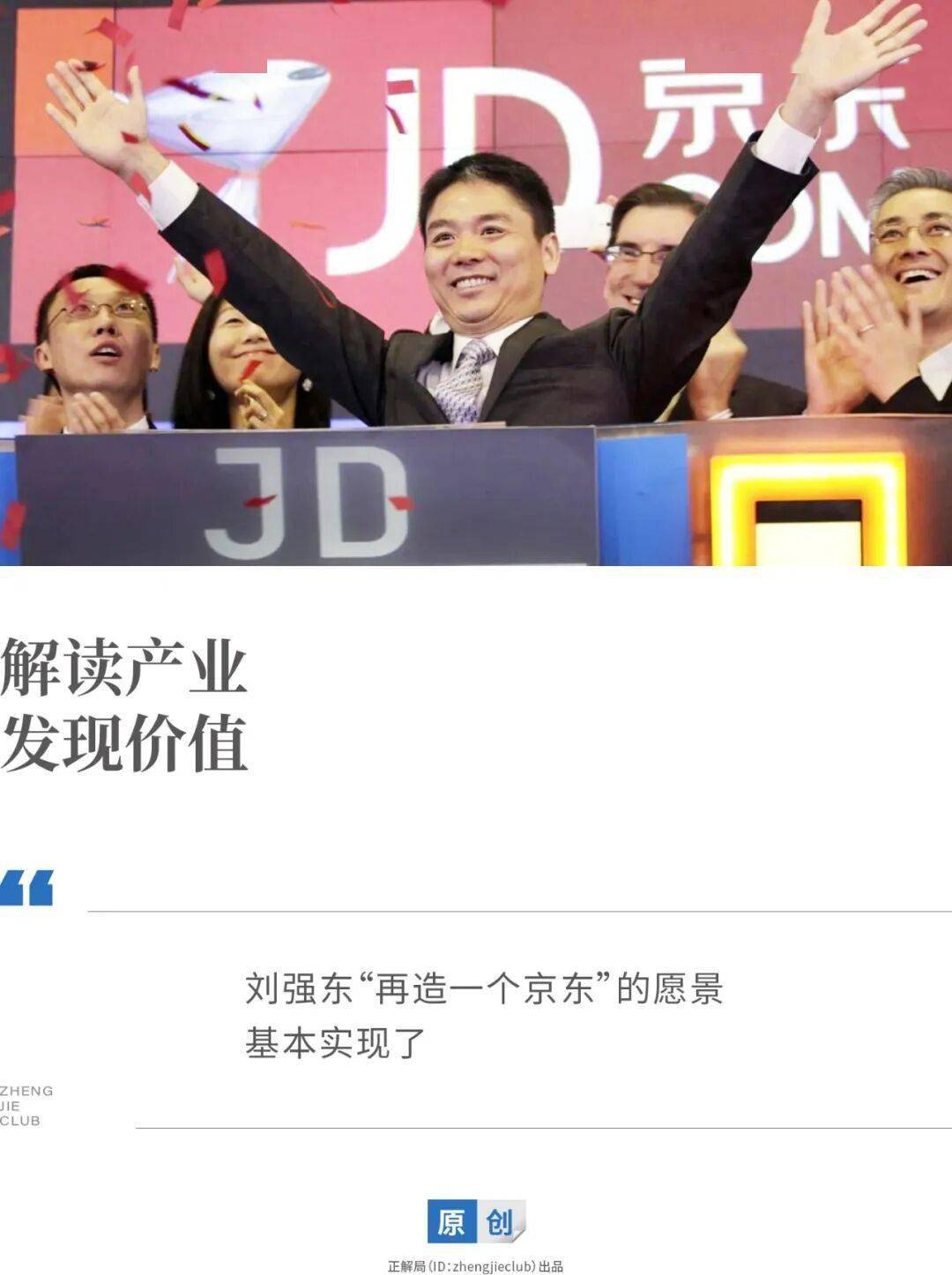
Core Viewpoint - JD Industrial has successfully listed on the Hong Kong Stock Exchange, marking the sixth company under Liu Qiangdong's portfolio to go public, highlighting the expansion of his capital landscape [4][29]. Group 1: Company Overview - JD Industrial is the largest service provider in China's industrial supply chain technology and services market, based on projected transaction volume for 2024 [5]. - The company specializes in MRO (Maintenance, Repair, and Operations) products, which are essential industrial supplies that do not directly contribute to the final product [6][12]. Group 2: MRO Market Characteristics - MRO products are characterized by fragmented categories, non-planned demand, and a decentralized supply chain, making management complex and challenging [9][11]. - MRO accounts for 15%-30% of total procurement costs in the manufacturing industry, indicating its significant impact on operational efficiency and cost management [14]. Group 3: Market Opportunity - The MRO procurement service market in China is expected to reach 1.99 trillion yuan by 2025, with some forecasts suggesting it could exceed 3 trillion yuan by 2030 [15]. - The market is highly fragmented, with low concentration, presenting substantial opportunities for JD Industrial to capture market share [16][18]. Group 4: Competitive Advantages - JD Industrial leverages its parent company's resources to integrate supplier networks and reduce costs through centralized procurement [20]. - The company has established a hybrid logistics model that enables rapid delivery, with capabilities for same-day or next-day service, enhancing operational efficiency [20][22]. Group 5: Case Study - JD Industrial's collaboration with XCMG Group illustrates its ability to streamline MRO procurement, reducing supplier numbers from over 170 to 18 and shortening procurement cycles from over 20 days to 3-5 days [28]. - This partnership showcases JD Industrial's role in transforming industrial procurement and supply chain efficiency through technology [28]. Group 6: Financial Performance - From 2022 to 2024, JD Industrial's revenue from ongoing operations is projected to grow from approximately 14.1 billion yuan to 20.4 billion yuan, reflecting a compound annual growth rate of 20.1% [28]. - Despite being a market leader with a 4.1% market share, JD Industrial operates in a trillion-yuan market with significant growth potential [28]. Group 7: Capital Structure Strategy - Liu Qiangdong's strategy of spinning off subsidiaries for independent listings allows for clearer growth trajectories and reduces reliance on the parent company, optimizing the overall capital structure [32]. - This approach has enabled JD to establish a diverse portfolio across various sectors, including logistics, health, and industrial supply chains, enhancing its market presence [34].
高鑫零售2025变革记 新帅是“金手指”?
Sou Hu Cai Jing· 2025-12-10 10:52
Core Viewpoint - The ongoing transformation of Gao Xin Retail, the parent company of RT-Mart, is marked by significant leadership changes and strategic shifts aimed at revitalizing the business and addressing declining performance metrics [3][4][9]. Leadership Changes - On November 30, Gao Xin Retail announced the resignation of CEO Shen Hui due to personal reasons, with Li Weiping appointed as the new CEO effective December 1, 2025. Li brings over 20 years of retail management experience, having previously held key positions at Hema and Lotte Supermarket [3][4]. - Li Weiping's appointment is seen as a strategic move, with a three-year service agreement and a fixed annual salary of 3.36 million yuan, reflecting the company's trust in her capabilities [3][4]. Organizational Restructuring - Since the acquisition by Dehong Capital in February 2025, Gao Xin Retail has undergone significant organizational changes, including a reduction in operational divisions from five to four and a focus on anti-corruption measures within the company [4][5]. - The company has initiated a product system overhaul, eliminating homogenized products and accelerating the development of private labels [4][5]. Strategic Initiatives - Gao Xin Retail has launched a "three-year strategy" aimed at enhancing product differentiation, improving supply chain efficiency, and transforming store formats to better serve community needs [5][6]. - The company has begun establishing front warehouses in several cities to improve logistics efficiency and reduce delivery times, while also closing underperforming stores and converting some into membership-based formats [5][6]. Financial Performance - Gao Xin Retail has faced declining revenues, with a reported 12.4% decrease in product sales revenue for the first half of the 2026 fiscal year compared to the previous year, attributed to increased market competition and consumer fatigue [14]. - The company has also seen a drop in same-store sales growth, with a reported decline of 11.7%, although online B2C sales have shown some growth [14][15]. Challenges Ahead - The company must navigate internal resistance to change and the competitive landscape, particularly in the areas of private label development and supply chain management, to achieve its strategic goals [7][16]. - Li Weiping's leadership will be critical in addressing these challenges and ensuring the successful execution of the company's transformation strategy [8][16].

换帅、关店、学盒马 高鑫零售何时摆脱增长困境?
Xin Lang Cai Jing· 2025-12-10 03:35
Core Viewpoint - The transition of leadership at Gao Xin Retail, following Alibaba's divestment, marks a significant shift in strategy towards efficiency and product development, with a focus on transforming into a brand with research and development capabilities similar to Hema and Costco [1][2][3] Group 1: Leadership Changes - Gao Xin Retail announced the resignation of its CEO Shen Hui, effective December 1, with Li Weiping, former Chief Merchandise Officer at Hema, taking over [1][10] - Li Weiping has a strong background in retail management, having previously held key positions at Hema and other major retailers, indicating a strategic shift towards efficiency [1][10] Group 2: Alibaba's Investment and Divestment - Alibaba initially acquired a 36.16% stake in Gao Xin Retail for approximately HKD 224.25 billion, marking a high point for the company with revenues exceeding HKD 100 billion for three consecutive years [2][11] - Following a decline in performance, Alibaba announced the divestment of its stake in Gao Xin Retail, selling approximately 78.7% of its shares for up to HKD 131.38 billion, resulting in a significant financial loss for Alibaba [3][12] Group 3: Performance Decline - Gao Xin Retail's revenue fell to HKD 725.67 billion with a cumulative net loss of HKD 22.35 billion from FY2022 to FY2024, and the company's stock price dropped by 77.8% from its peak [3][12] - The company reported a revenue of HKD 715.52 billion for FY2025, a slight decrease of 1.4%, but managed to achieve a net profit of HKD 4.05 billion, primarily through cost-cutting measures [6][15] Group 4: Strategic Changes Under Dehong Capital - Dehong Capital has implemented significant changes in Gao Xin Retail's management and operational structure, aiming to enhance asset value and transform the company into a more competitive retail platform [4][13] - The restructuring includes reducing the number of operational zones and focusing on developing private label products, indicating a shift towards a more innovative retail model [5][14] Group 5: Financial Challenges and Future Outlook - Despite a temporary profit, Gao Xin Retail faces ongoing challenges with declining same-store sales and customer spending, leading to concerns about long-term sustainability [6][16] - The company’s cash flow situation remains precarious, with a downward trend in cash reserves, highlighting the need for continued financial support from Dehong Capital [7][17] - New business initiatives, such as membership programs and private label products, are still in their infancy, contributing minimally to overall revenue [8][17]