
Rokid

Search documents
康耐特光学涨超6% 2025世界VR产业大会来袭 公司前瞻性布局AI眼镜高潜市场
Zhi Tong Cai Jing· 2025-10-20 03:46
Core Viewpoint - 康耐特光学's stock rose over 6%, reaching 40.32 HKD, with a trading volume of 46.97 million HKD, driven by the upcoming 2025 World VR Industry Conference focusing on AI glasses and the potential growth in the AI smart glasses market [1] Company Summary - 康耐特光学 is positioned favorably in the AI glasses market, with a focus on high-potential areas and a strategic partnership with leading tech companies [1] - The company is actively involved in resolving core challenges related to the commercialization of waveguide AR glasses, indicating a strong commitment to innovation [1] - 康耐特光学's business is expected to benefit from the anticipated growth in the smart glasses industry, with projections indicating that the global AI smart glasses market could exceed 100 billion RMB by 2029 [1] Industry Summary - The 2025 World VR Industry Conference will take place from October 19 to 20 in Nanchang, featuring major tech companies like Huawei, Apple, Alibaba, Xiaomi, and Lenovo, which are entering the AI glasses space [1] - The industry is still in the early stages of demand expansion, with a focus on breakthrough products from major manufacturers [1] - AI and AR glasses are expected to become the dominant product types driving growth in the AI smart glasses market [1]
AR眼镜产业链全透视:上游芯片、中游制造、下游应用的机遇在哪里?丨热门赛道
创业邦· 2025-10-18 03:20
Core Insights - The article discusses the evolution and potential of Augmented Reality (AR) glasses, highlighting their applications across various sectors such as education, healthcare, and industrial maintenance [6][14][16]. Industry Definition - AR glasses utilize augmented reality, optical waveguide, and sensor technologies to overlay virtual information onto the real world, enabling users to interact with digital data while perceiving their surroundings [6][11]. Technological Components - Key components of AR glasses include optical modules, chips, sensors, computing units, and interaction systems, with optical display solutions significantly impacting image quality and user comfort [14][15]. Market Trends - From 2020 to 2025, the number of financing events in the AR glasses sector showed an initial increase, peaking at 34 events in 2022, followed by a decline to 32 in 2023 and projected further decreases in subsequent years [17]. Key Players - Zhige Technology focuses on AR diffraction waveguide and micro-nano optical products, achieving significant breakthroughs in performance metrics and production capacity [20]. - Zhi Jing Wei Technology specializes in AR glasses and interactive technology, with a focus on integrating optical display and spatial perception [24]. - Afalon Technology develops AR smart glasses for various industries, emphasizing lightweight and high-interactivity solutions [27]. Recent Developments - XREAL's new generation AR glasses were recognized in Time magazine's Best Inventions of 2025, marking a significant achievement for Chinese technology in the global market [32]. - Meta announced plans to release dual-screen smart glasses and true AR glasses by 2027, indicating ongoing advancements in the AR space [33]. Market Dynamics - The XR market showed a stark contrast in performance, with AR headset shipments increasing by 50% in the first half of 2025, while VR headset shipments declined by 14% [34]. - Google and XREAL collaborated to launch Project Aura, a new AR glasses model, showcasing the integration of technology from multiple leading companies [35].


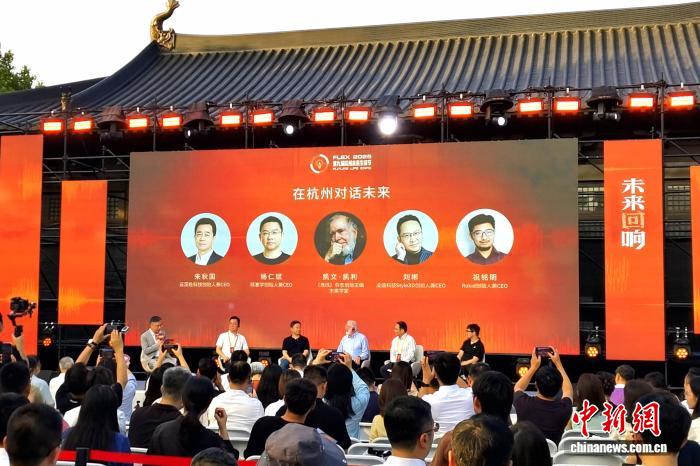
凯文·凯利对话杭州企业:如何诞生更多“小龙”?
Zhong Guo Xin Wen Wang· 2025-10-17 21:03
Group 1 - The event "2025 Hangzhou Future Life Carnival" highlighted the need for Hangzhou to cultivate more innovative startups, referred to as "little dragons" [1] - Kevin Kelly, a renowned technology futurist, emphasized that the future technological visions he described, such as "mirror world" and "embodied intelligence," are being realized by local entrepreneurs in Hangzhou [1] - The open and inclusive environment in Hangzhou is attracting numerous startups, as noted by Rokid's CEO, who believes that success requires a society that embraces risk and failure [2] Group 2 - Style3D, a company providing comprehensive digital solutions for over 2,000 fashion enterprises, underscores the importance of building an industrial ecosystem for mutual support among businesses [2] - The emergence of AI-driven companies is anticipated, with a shift in problem-solving approaches focusing on capabilities rather than experience, as stated by the CEO of Precision Learning [2] - The presence of universities, talent, and technology in Hangzhou is crucial for the rise of new tech enterprises, with Zhejiang University playing a significant role in fostering innovation and entrepreneurship [2][4] Group 3 - China's innovation quality is reportedly improving year by year, nearing the world's top innovation levels, with expectations of a genuine innovation culture developing in the next five to ten years [3] - The innovation ecosystem in Hangzhou illustrates that innovation relies on a complete talent ecosystem rather than just individuals or institutions [4] - Embracing failure and questioning authority are essential for enhancing innovation capabilities in China [4]
ETF甄选 | 2025年世界VR产业大会即将召开,黄金ETF逆势走强,消费电子、人工智能等ETF显著回调
Xin Lang Cai Jing· 2025-10-17 08:42
Market Overview - The market experienced a significant decline on October 17, 2025, with major indices closing down: Shanghai Composite Index fell by 1.95%, Shenzhen Component Index by 3.04%, and ChiNext Index by 3.36% [1] Sector Performance - Precious metals, gas, and airport sectors showed strong gains, while power equipment, grid equipment, and photovoltaic equipment sectors faced notable declines [1] - Major capital inflows were observed in precious metals, airport, and mining sectors [1] ETF Performance - Gold-related ETFs performed well, likely influenced by relevant news, while consumer electronics and artificial intelligence ETFs saw significant pullbacks [2] Gold Market Insights - Spot gold prices surpassed $4,300 per ounce, marking a year-to-date increase of over 60% and a doubling since the beginning of 2024 [3] - Zhejiang Securities indicated that the financial attributes of gold are expected to support further price increases, with gold serving as a safe haven if market sentiment shifts [3] - Long-term trends suggest that the decline in dollar credibility is a primary narrative driving the current gold bull market [3] AI and Consumer Electronics - The 2025 World VR Industry Conference is set to take place on October 19-20, featuring major tech companies like Huawei, Apple, Alibaba, and Xiaomi, focusing on AI-powered glasses and innovative applications [3] - Shanghai Securities noted that the consumer electronics sector is recovering due to the synergy between AI technology and national replacement cycles, with new interaction modes like screenless and voice interfaces expected to shape future AI terminal forms [4] AI Infrastructure Development - The Ministry of Industry and Information Technology is promoting a "millisecond computing" initiative to enhance network capabilities across the country by 2027 [4] - TSMC reported strong demand for AI applications, indicating a tight supply of AI capacity and efforts to increase production by 2026 [4] AI Market Trends - Zhejiang Securities highlighted sustained high demand in the global AI sector, with significant investments from leading companies like OpenAI, Oracle, and Google [5] - The domestic internet giants are expected to accelerate investments in AI infrastructure, leading to rapid growth for local computing companies [5]
国产算力迎重磅消息,科创100指数ETF(588030)回调超2%,盘中交投活跃
Sou Hu Cai Jing· 2025-10-17 03:36
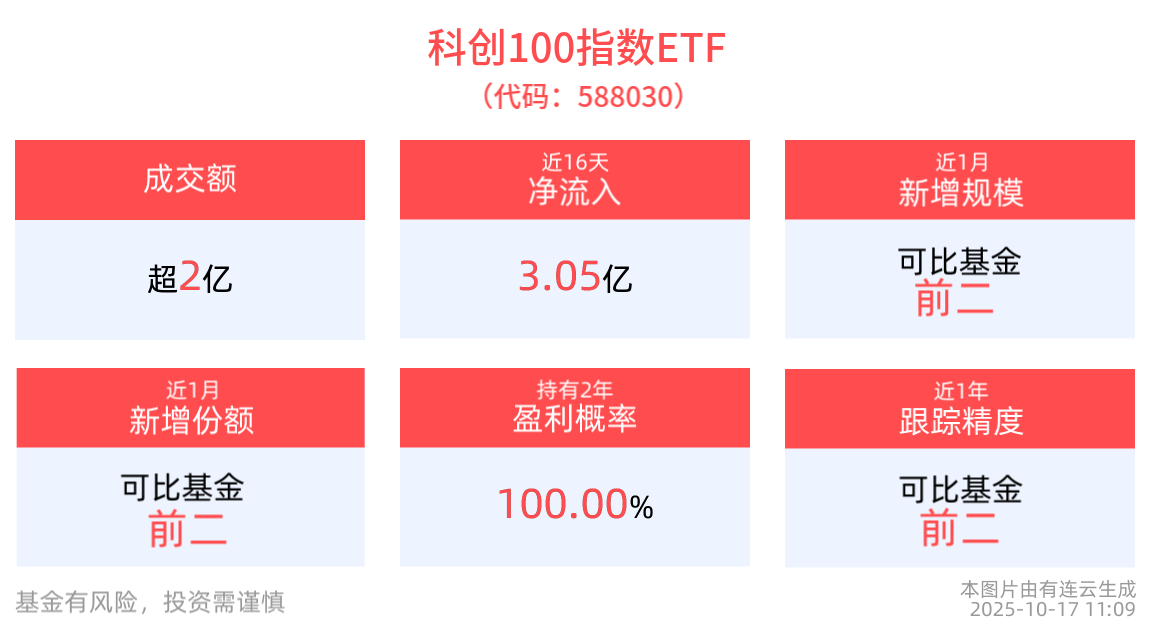
Group 1 - The Shanghai Stock Exchange Sci-Tech Innovation Board 100 Index fell by 2.61% as of October 17, 2025, with mixed performance among constituent stocks [3] - The top gainers included Weichuangxin with a rise of 3.10%, while Jinpan Technology led the decline with a drop of 10.27% [3] - The Sci-Tech 100 Index ETF (588030) decreased by 2.47%, with a latest price of 1.3 yuan, but showed a cumulative increase of 0.60% for the month as of October 16 [3] Group 2 - TSMC reported third-quarter financial results exceeding market expectations, boosting optimism regarding the surge in demand for AI chips [4] - The World VR Industry Conference is set to take place from October 19 to 20, featuring major tech companies like Huawei, Apple, and Alibaba, focusing on AI glasses [4] - According to Founder Securities, A-share tech assets may experience short-term volatility but are expected to have long-term growth potential due to clear industrial upgrade trends and improved corporate profitability [4] Group 3 - CITIC Securities noted that domestic large models are rapidly iterating, and domestic computing power chips are achieving seamless adaptation, which is expected to drive the sustainable development of domestic AI [5] - The Sci-Tech 100 Index ETF saw a significant increase in scale by 211 million yuan over the past month, ranking second among comparable funds [5] - The ETF experienced a net outflow of 72.65 million yuan recently, but has attracted a total of 305 million yuan over the last 16 trading days [5] Group 4 - As of September 30, 2025, the top ten weighted stocks in the Sci-Tech 100 Index accounted for 24.32% of the total index [6]
科股早知道:2025世界VR产业大会将在南昌举行
Sou Hu Cai Jing· 2025-10-17 01:44
Group 1 - The National Development and Reform Commission plans to establish 28 million charging facilities nationwide by the end of 2027, providing over 300 million kilowatts of public charging capacity to meet the charging needs of more than 80 million electric vehicles, achieving a doubling of charging service capacity [1] - By the end of 2024, the number of new energy vehicles is expected to reach 31.4 million, creating significant growth potential for charging infrastructure [1] - The current proportion of direct current (DC) charging piles with a power greater than 240kW is only 8.5%, indicating substantial room for improvement in charging technology [1] Group 2 - The 2025 World VR Industry Conference will be held in Nanchang, focusing on major tech companies like Huawei, Apple, Alibaba, and Xiaomi, as well as leading AR companies, showcasing the latest products and innovations in AI glasses [2] - The AI glasses market is projected to grow by 188% in China by 2025, driven by ecosystem collaboration, technological iteration, and cost optimization, potentially opening up a market space worth hundreds of billions [2] - The success of Meta has validated the feasibility of lightweight design and consumer pricing, pushing the industry towards a breakout phase, similar to the trajectory of smartphones [2]



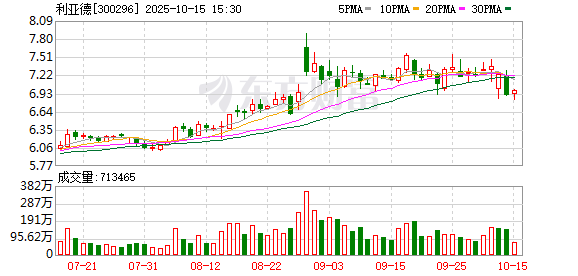
利亚德:公司推出“利亚德”自有品牌AR眼镜,预计将于10月底前在利亚德官网、利亚德商城同步发售
Mei Ri Jing Ji Xin Wen· 2025-10-15 13:27
Core Viewpoint - The collaboration between the company and Rokid aims to enhance the application of AR glasses in cultural tourism and exhibition scenarios, leveraging both parties' strengths to meet the growing demand for immersive interactive experiences [2]. Group 1: Partnership and Product Development - The company has partnered with Rokid, a pioneer in the AI/AR glasses field, to utilize Rokid's mature AR products that have existing applications in cultural tourism [2]. - The company has a strong presence in the cultural tourism and exhibition markets, having accumulated numerous high-quality customer resources over the years [2]. - The company plans to launch its own brand of AR glasses by the end of October, which will be available on its official website and online store [2]. Group 2: Product Progress and Future Plans - The full-color AR glasses are still under development, with no specific release date mentioned [2].

当AI回答一切,企业家最该问什么?
Sou Hu Cai Jing· 2025-10-15 10:18
Core Insights - The article emphasizes the transition from the "Age of AI Exploration" to the "Gold Rush Era" in 2025, highlighting the potential for significant value creation across various industries through AI integration [2] - There is a shift in focus among entrepreneurs from model parameters to practical applications of AI in their respective industries, with a strong emphasis on leveraging unique internal data and industry expertise as key growth drivers [3][4] Industry Trends - The fourth season of the program "Yi Wen" focuses on "Enterprise Innovation and Transformation in the AI Era," featuring leaders from benchmark companies sharing their insights on AI-related challenges and opportunities [4][6] - The program aims to inspire individuals and businesses by exploring the intersection of AI innovation and transformation, with a particular focus on how companies can redefine their strategies in light of AI advancements [4][8] Company Strategies - Companies are encouraged to view the current wave of AI technology not just as a means to optimize existing operations but as a strategic lever for innovation and organizational transformation [6][7] - The article highlights several companies, such as Rokid, BrainCo, and Manus, that are actively reshaping their industries by integrating AI into their core business models [6][7] Key Questions for Businesses - The article poses critical questions for businesses at the strategic crossroads, including how to effectively integrate AI into their operations, the boundaries of AI investment, and the cultural shifts required to support AI initiatives [7][8] - It emphasizes the importance of moving from being mere "users" of AI to becoming "AI changemakers" by leveraging unique industry knowledge and data assets [7][8]



当AI回答一切,企业家最该问什么?
腾讯研究院· 2025-10-15 09:33
Core Insights - The article emphasizes that 2025 will mark the "gold rush era" of AI, where the focus shifts from model parameters to practical applications of AI in various industries [2][3] - Companies are encouraged to leverage their unique, high-quality data and decades of industry experience as the "fuel" for AI evolution, transforming these from byproducts to core growth drivers [2] - The program "Yi Wen" aims to explore enterprise innovation and transformation in the AI era, featuring discussions with leaders from benchmark companies [3][7] Industry Trends - The fourth season of "Yi Wen" focuses on "Enterprise Innovation and Transformation in the AI Era," inviting leaders from various industries to share their insights on AI [3][7] - Companies are not just responding to AI challenges but are viewing the technological explosion as an opportunity to reshape their business and industry landscapes [9] - The article highlights seven benchmark companies that are actively transforming their industries and creating new organizational models suitable for the AI era [10][14] Strategic Considerations - Companies must rethink their business strategies in light of the fundamental changes brought about by AI, moving beyond mere cost-cutting to strategic integration of AI [15][16] - The article poses critical questions for businesses at the crossroads of strategic decision-making regarding AI, emphasizing the need for a shift from being "AI users" to "AI changemakers" [17] - Key challenges include determining the right entry point for AI, overcoming internal resistance to transformation, and balancing efficiency with innovation in corporate culture [18] Future Outlook - The article suggests that a new commercial civilization driven by both industry wisdom and machine intelligence is emerging, encouraging companies to embrace the future with bold imagination and cautious exploration [19]

上海印发端侧AI顶层发展方案,苹果、OpenAI后续也有大动作
Xuan Gu Bao· 2025-10-14 23:30
Group 1: Industry Insights - Shanghai Municipal Government has issued the "Action Plan for High-Quality Development of the Intelligent Terminal Industry (2026-2027)", focusing on the demand for various terminal products like smartphones and computers, and accelerating the layout of core chips such as SoC and CPU, covering X86, ARM, and RISC-V technology routes [1] - The end-side AI technology requires high hardware configurations, leading to its initial application in mature existing smart terminals like smartphones, PCs, and wearables. The synergy between software and hardware breakthroughs enables the feasibility of end-side AI [1] - The global AI SoC market is projected to reach $90 billion by 2033, with a compound annual growth rate (CAGR) of 15% from 2024 to 2033 [1] Group 2: AI Glasses Market - AI glasses are seen as an ideal application scenario for end-side AI, with the global smart glasses market expected to maintain a CAGR of over 60% from 2025 to 2029 [2] - AI+AR glasses are projected to achieve annual sales of 55 million units by 2029, with a potential penetration rate of 70%, equating to 1.4 billion units, comparable to smartphone shipment volumes [2] - Major companies like Apple and Meta are expected to drive the AI glasses market, with Apple's first smart glasses anticipated to launch in 2026, potentially leading to a revaluation of the industry chain [2] Group 3: Company Developments - Esky Communication, a local Shanghai company, has developed intelligent computing modules applicable to AI servers, offering customized SoC array server products for centralized management and allocation of CPU, GPU, and NPU resources [3] - Starshine Technology plans to acquire a 53.31% stake in Bluetooth chip design company Furuikong, aiming to create a leading self-developed SoC IP platform in the industry [4]