
中国人民银行

Search documents
央行:做好2026年信贷市场工作,着力支持扩大内需、科技创新、中小微企业等重点领域
证券时报· 2026-02-04 09:39
Group 1 - The People's Bank of China (PBOC) held a meeting on January 30, 2026, to discuss the credit market, guided by Xi Jinping's thoughts on socialism with Chinese characteristics for a new era [1] - The meeting summarized the achievements of the PBOC in 2025, highlighting the effective implementation of financial support for consumption expansion and the significant alleviation of debt risks associated with local government financing platforms [1][2] - The PBOC emphasized the need for a comprehensive understanding of the economic and financial situation during the 14th Five-Year Plan period, focusing on providing quality financial services to major strategies, key areas, and weak links [2] Group 2 - The meeting outlined the importance of improving mechanisms related to the "Five Major Financial Articles" and implementing structural monetary policy tools to enhance collaboration with fiscal policies [2] - There is a strong emphasis on developing various financial sectors, including technology finance, green finance, inclusive finance, pension finance, and digital finance, while reinforcing financial support in the consumption sector [2] - The PBOC aims to build a multi-tiered financial service system to support domestic demand expansion, technological innovation, and small and micro enterprises, while continuing to address debt risk resolution for financing platforms [2]

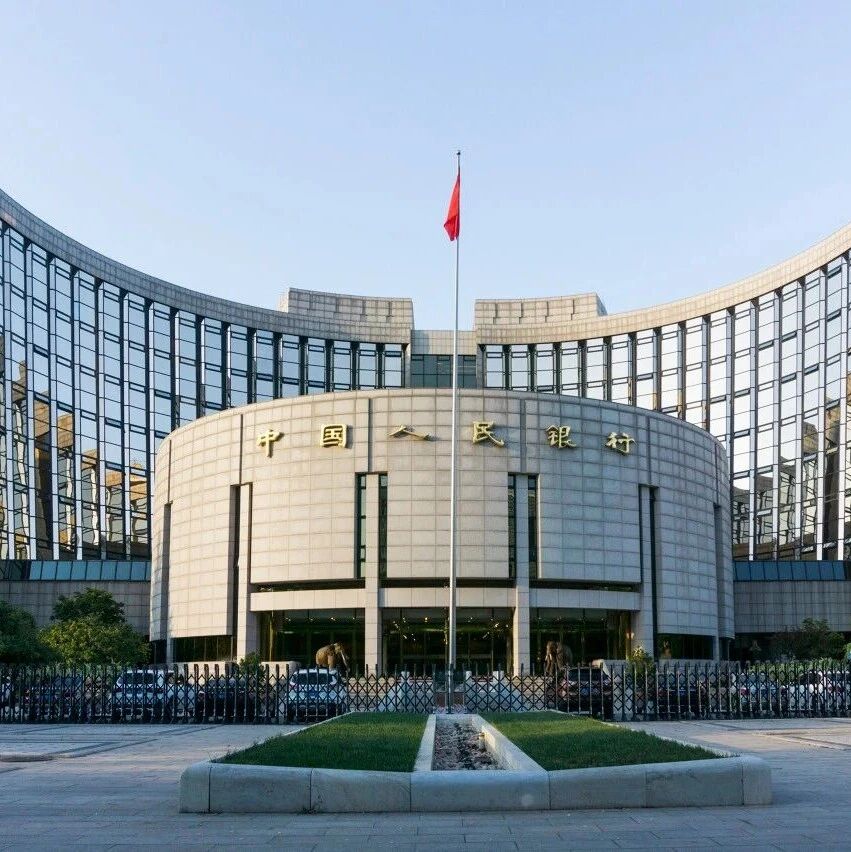
央行召开重磅会议,强化消费领域金融支持!
Zheng Quan Ri Bao Wang· 2026-02-04 09:06
Core Viewpoint - The People's Bank of China (PBOC) is focusing on enhancing the credit market in 2026 by implementing strategies that align with the current economic and financial landscape, emphasizing the importance of financial support for key sectors and risk mitigation in local government financing platforms [1][2]. Group 1 - The PBOC has made significant progress in 2025 by advancing the "Five Major Financial Articles," which has led to smoother mechanisms and a substantial reduction in debt risks associated with financing platforms [1]. - The meeting highlighted the need for a comprehensive understanding of the economic and financial situation during the "14th Five-Year Plan" period, emphasizing the balance between development and security [2]. - There is a strong focus on enhancing financial services for major strategies, key areas, and vulnerable sectors, with an emphasis on structural monetary policy tools and collaboration with fiscal policies [2]. Group 2 - The PBOC aims to develop various financial sectors, including technology finance, green finance, inclusive finance, pension finance, and digital finance, to strengthen financial support in the consumer sector [2]. - A multi-tiered financial service system is being constructed to support domestic demand expansion, technological innovation, and small and micro enterprises [2]. - The PBOC will continue to address the debt risk of financing platforms and support local governments in transitioning to market-oriented financing, ensuring that financial institutions operate under market and legal principles [2].
央行:做好2026年信贷市场工作 着力支持扩大内需等重点领域
Jing Ji Guan Cha Wang· 2026-02-04 08:49
经济观察网据央视新闻客户端消息,近日,中国人民银行召开2026年信贷市场工作会议。 会议要求,做好2026年信贷市场工作要准确把握"十五五"时期经济金融形势变化,统筹发展和安全,不 断加强对重大战略、重点领域和薄弱环节的优质金融服务。进一步完善金融"五篇大文章"各项机制,落 实好结构性货币政策工具增量政策,加强与财政政策协同,大力发展科技金融、绿色金融、普惠金融、 养老金融、数字金融,强化消费领域金融支持。建设多层次金融服务体系,着力支持扩大内需、科技创 新、中小微企业等重点领域。继续做好金融支持融资平台债务风险化解工作,支持地方政府持续推进融 资平台市场化转型,引导金融机构按照市场化、法治化原则做好服务。强化宏观思维和问题导向,不断 改进工作作风,健全政策"实施-评估-优化"动态闭环,提升政策助民惠企实效。 ...
人民银行:着力支持扩大内需、科技创新、中小微企业等重点领域
Sou Hu Cai Jing· 2026-02-04 08:37
Core Viewpoint - The People's Bank of China emphasizes the importance of financial support for economic development and risk mitigation in the credit market for 2026, building on the achievements of 2025 [1] Group 1: Financial Strategies - The meeting highlighted the successful implementation of the "Five Major Financial Articles," which has led to smoother mechanisms and significant alleviation of debt risks for financing platforms [1] - There is a focus on enhancing financial services for major strategies, key areas, and weak links, ensuring quality financial support for high-quality economic development [1] Group 2: Policy Implementation - The meeting called for the improvement of structural monetary policy tools and better coordination with fiscal policies to support various financial sectors, including technology, green finance, inclusive finance, pension finance, and digital finance [1] - A multi-tiered financial service system is to be established to support domestic demand expansion, technological innovation, and small and micro enterprises [1] Group 3: Risk Management - Continued efforts will be made to support the resolution of debt risks for financing platforms, guiding local governments in market-oriented transformations [1] - The importance of a macroeconomic perspective and problem-oriented approach was emphasized, with a focus on improving work styles and establishing a dynamic closed loop for policy implementation, evaluation, and optimization [1]
央行:落实好结构性货币政策工具增量政策 着力支持扩大内需、科技创新、中小微企业等重点领域
智通财经网· 2026-02-04 08:21
智通财经APP获悉,2026年1月30日,中国人民银行召开2026年信贷市场工作会议。会议要求,进一步 完善金融"五篇大文章"各项机制,落实好结构性货币政策工具增量政策,加强与财政政策协同,大力发 展科技金融、绿色金融、普惠金融、养老金融、数字金融,强化消费领域金融支持。建设多层次金融服 务体系,着力支持扩大内需、科技创新、中小微企业等重点领域。继续做好金融支持融资平台债务风险 化解工作,支持地方政府持续推进融资平台市场化转型,引导金融机构按照市场化、法治化原则做好服 务。 原文如下: 会议认为,2025年中国人民银行扎实推进金融"五篇大文章"、金融支持扩消费、地方政府融资平台债务 风险化解等各项工作,取得积极成效。金融"五篇大文章"各项工作机制更加顺畅,融资平台债务风险大 幅缓释,金融支持实体经济高质量发展质效持续提升。 会议要求,做好2026年信贷市场工作要准确把握"十五五"时期经济金融形势变化,统筹发展和安全,不 断加强对重大战略、重点领域和薄弱环节的优质金融服务。进一步完善金融"五篇大文章"各项机制,落 实好结构性货币政策工具增量政策,加强与财政政策协同,大力发展科技金融、绿色金融、普惠金融、 养老金 ...
央行:着力支持扩大内需、科技创新、中小微企业等重点领域
Hua Er Jie Jian Wen· 2026-02-04 08:06
市场有风险,投资需谨慎。本文不构成个人投资建议,也未考虑到个别用户特殊的投资目标、财务状况或需要。用户应考虑本文中的任何 意见、观点或结论是否符合其特定状况。据此投资,责任自负。 2026年1月30日,中国人民银行召开2026年信贷市场工作会议。会议要求,大力发展科技金融、绿色金 融、普惠金融、养老金融、数字金融,强化消费领域金融支持。建设多层次金融服务体系,着力支持扩 大内需、科技创新、中小微企业等重点领域。继续做好金融支持融资平台债务风险化解工作,支持地方 政府持续推进融资平台市场化转型,引导金融机构按照市场化、法治化原则做好服务。 风险提示及免责条款 ...
加量续作,央行今日开展8000亿元买断式逆回购操作|快讯
Sou Hu Cai Jing· 2026-02-04 02:40
Core Viewpoint - The People's Bank of China (PBOC) is injecting liquidity into the market through various monetary policy tools, including a significant increase in reverse repos, to maintain ample liquidity in the banking system during February, a month typically characterized by high credit demand [1][2]. Group 1: Reverse Repo Operations - On February 4, the PBOC conducted an 800 billion yuan reverse repo operation with a term of three months, marking the first increase in this type of operation in four months, indicating a proactive approach to inject medium-term liquidity into the market [1]. - The operation was necessitated by the maturity of 700 billion yuan in three-month reverse repos in February, resulting in a net increase of 100 billion yuan in liquidity for the month [1]. Group 2: Market Liquidity and Economic Analysis - According to Dong Ximiao, Chief Economist at Zhongan, February is a month with concentrated bank credit issuance, compounded by cash withdrawal demands before the Spring Festival, leading to increased liquidity needs in the market [1]. - Dong Ximiao anticipates that around February 15, the PBOC will conduct a six-month reverse repo operation, potentially maintaining or increasing the current liquidity levels [1]. - The PBOC has been consistently injecting liquidity through various tools, including a 900 billion yuan one-year Medium-term Lending Facility (MLF) operation in January, which resulted in a net liquidity injection of 700 billion yuan [2]. Group 3: January Liquidity Injection Details - In January, the PBOC's liquidity injection included a net MLF injection of 700 billion yuan, a net outflow of 79 billion yuan from the Standing Lending Facility (SLF), and a net injection of 641 billion yuan from other structural monetary policy tools [2]. - The open market operations in January also included a net injection of 1 billion yuan from government bond transactions and a net injection of 1.678 billion yuan from seven-day reverse repos [2].
**黄金暴涨突破5000美元!三大推手曝光,普通人如何理性布局?**
Sou Hu Cai Jing· 2026-02-04 01:51
Group 1 - The core point of the article is the unprecedented surge in gold prices, which reached $5,093 per ounce on January 26, 2026, driven by various factors including geopolitical tensions, changes in U.S. Federal Reserve policies, and sustained central bank gold purchases [1][3][5][7]. Group 2 - Three main engines are driving the historic rise in gold prices: 1. Geopolitical "black swan" events, such as the Greenland sovereignty dispute and increased military tensions in the Middle East, have highlighted gold's safe-haven attributes. Historical data shows that a 1% increase in the global risk index (VIX) correlates with an average 0.3% rise in gold prices [3]. 2. Expectations of a shift in Federal Reserve policy due to a weakening U.S. labor market may lead to unexpected monetary easing, contributing to a 1.6% drop in the Bloomberg Dollar Index, the largest weekly decline in eight months, which in turn supports gold prices [5]. 3. Continued central bank gold purchases, with the People's Bank of China increasing its reserves for 14 consecutive months, and Poland's central bank planning to buy an additional 150 tons, are providing long-term support for gold prices [7]. Group 3 - Historical comparisons indicate that the current gold price surge is significantly different from the 2008 financial crisis, where gold prices only increased by 25%. In contrast, the cumulative increase from 2024 to 2026 has exceeded 150%. Additionally, the simultaneous decline of gold, U.S. Treasuries, and the dollar suggests a market re-evaluation of risk [9]. Group 4 - For ordinary investors, three types of participation strategies are suggested: 1. Physical gold is suitable for long-term allocation but requires consideration of storage costs and liquidity constraints. 2. Gold ETFs, such as SPDR Gold Shares (GLD), have seen a recent increase in holdings by 6.87 tons, making them suitable for medium-term holding. 3. Gold-related stocks in the A-share market have recently experienced a surge, but their volatility is at the 90th percentile historically, indicating potential for correction [10][12]. Group 5 - As Bank of America raises its gold price target to $6,000, it is essential to recognize that this market trend reflects a restructuring of the global economic order. Systemic risk premiums are being permanently factored into gold prices due to the U.S. potentially undermining its own trade rules [11].

8000亿元!央行,最新预告!
券商中国· 2026-02-03 14:45
中国人民银行(下称"央行")2月3日发布公告称,将在2月4日以固定数量、利率招标、多重价位中标方式开展8000亿元买断式逆回购操作,期限为3个月(91天)。 鉴于本月有7000亿元买断式逆回购到期,央行本次操作后将实现净投放1000亿元。 对于本次买断式逆回购加量续作,市场机构普遍认为央行此举主要是为避免政府债券供给带来的流动性冲击。此外,临近春节假期的取现高峰,以及春节假期后税 期叠加资金跨月等因素,都可能扰动2月银行体系流动性。 "2月资金面面临的主要扰动可能是春节及政府债发行节奏。"国金证券固定收益首席分析师尹睿哲在研报中指出,若按照1月发行规模测算,2月政府债净融资规模或 小幅上升2000亿元,且2月春节放假有效工作日可能偏少,发行节奏可能相对集中。 2月有累计1.2万亿元的买断式逆回购到期规模,考虑到月内还有一次6个月期品种操作,且两个期限品种的买断式逆回购已连续8个月净投放,市场机构仍看好两个 期限品种的买断式逆回购实现净投放。 "2月流动性是否出现波澜,最终取决于央行的投放。"华西证券首席经济学家刘郁在研报中预计,2月买断式回购净投放规模或在5000亿元左右,以满足银行的中期 资金需求。对于春节 ...
8000亿,央行加量续作3个月期买断式逆回购
Feng Huang Wang· 2026-02-03 14:17
Core Viewpoint - The People's Bank of China (PBOC) is set to conduct an 800 billion yuan reverse repo operation on February 4, marking the first increase in the three-month reverse repo in four months, indicating a proactive approach to inject medium-term liquidity into the market in response to increased liquidity demand during February, a month typically characterized by concentrated bank credit issuance and cash withdrawal ahead of the Spring Festival [1][2][5]. Group 1: Reverse Repo Operations - The PBOC will implement an 800 billion yuan three-month reverse repo operation on February 4, which is an increase of 100 billion yuan compared to previous operations [2]. - February is expected to see 700 billion yuan of three-month reverse repos maturing, making the new operation a significant addition to liquidity [2]. - The increase in reverse repo operations is aimed at addressing the heightened liquidity demand due to the Spring Festival and the issuance of government bonds [3][6]. Group 2: Market Conditions and Expectations - Experts indicate that February's liquidity conditions may be affected by the issuance schedule of government bonds, with a projected net financing increase of 200 billion yuan [3]. - The PBOC's actions align with its ongoing strategy to maintain market liquidity, especially during the critical period of year-end and early-year financial operations [4]. - Following the structural policies introduced on January 15, the monetary policy is currently in an observation phase, reducing the immediate necessity for a reserve requirement ratio (RRR) cut [5][6]. Group 3: Future Monetary Policy Outlook - The PBOC is expected to continue utilizing a mix of MLF and reverse repos to inject medium-term liquidity into the market, with additional operations planned for February [6][7]. - The central bank has indicated that while there is room for RRR cuts, the timing and pace will be carefully considered, suggesting a cautious approach to monetary easing [5][7]. - The focus of monetary policy is shifting towards enhancing the efficiency of existing tools rather than simply increasing the scale of interventions [6].