宝马

Search documents
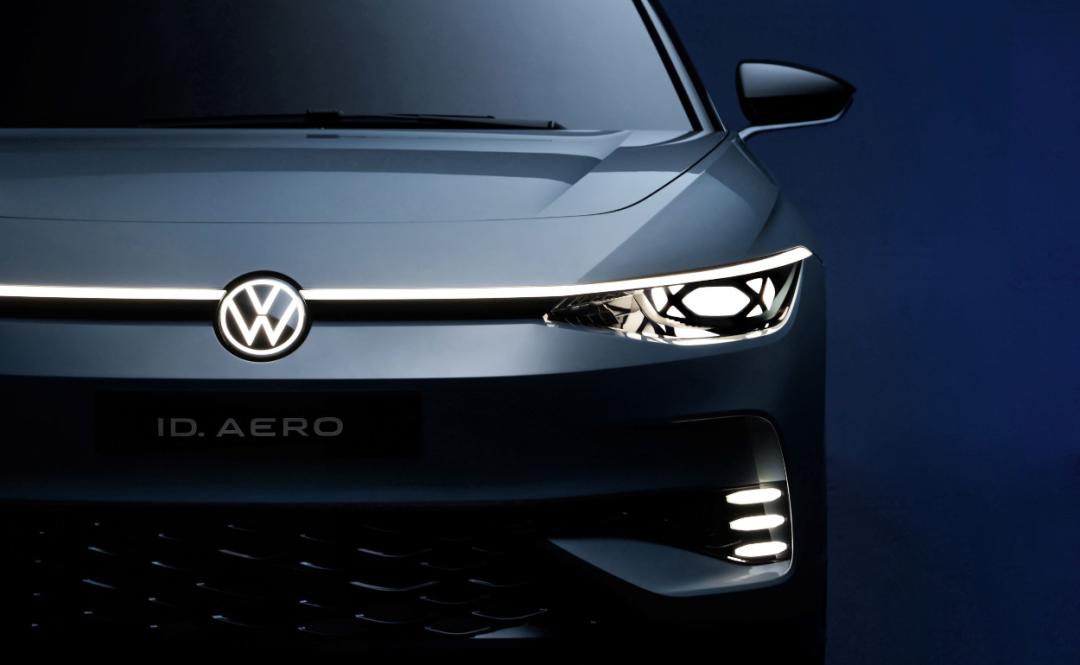
大众裁员裁到董事会,踢出1/3高管,20款新车今年反攻中国
创业邦· 2026-01-23 10:15
Core Viewpoint - Volkswagen is undergoing significant restructuring, including a plan to lay off 35,000 employees and reduce its board by one-third, in response to substantial financial losses and the need to streamline operations [5][6][11]. Group 1: Restructuring and Cost-Cutting Measures - Volkswagen plans to reduce its board members from 29 to 19 by summer, focusing on retaining only one CEO per brand and centralizing management functions [6][7]. - The company aims to implement a new management model to enhance efficiency and competitiveness, which includes streamlining internal processes and reducing development costs [8]. - Volkswagen's restructuring is expected to save approximately €1 billion (about 8.1 billion yuan) by 2030 through improved production processes across its global facilities [8][10]. Group 2: Financial Performance and Challenges - In Q3 of the previous year, Volkswagen reported an operating loss of €1.3 billion (approximately 10.58 billion yuan), marking its first quarterly loss in five years [11]. - The company's investment budget has been reduced from €180 billion (about 1.46 trillion yuan) to €160 billion (about 1.3 trillion yuan) for the 2023-2027 period due to ongoing financial pressures [11]. - Volkswagen's global sales in 2025 were 8.984 million units, a slight decline of 0.5%, with significant drops in the North American and Chinese markets [13]. Group 3: Market Strategy and Electric Vehicle Development - Volkswagen plans to launch over 20 new energy vehicle models in China this year, with a goal of increasing this number to over 30 by 2027 and around 50 by 2030 [15]. - The company is collaborating with local firms like XPeng to develop electronic and electrical architectures, indicating a shift towards partnerships in the Chinese market [15][17]. - Germany has reintroduced electric vehicle subsidies, which will be available for both domestic and Chinese brands, potentially facilitating the entry of Chinese electric vehicles into the German market [19].

NOA将不再是BEV专属?
Zhong Guo Qi Che Bao Wang· 2026-01-23 06:53
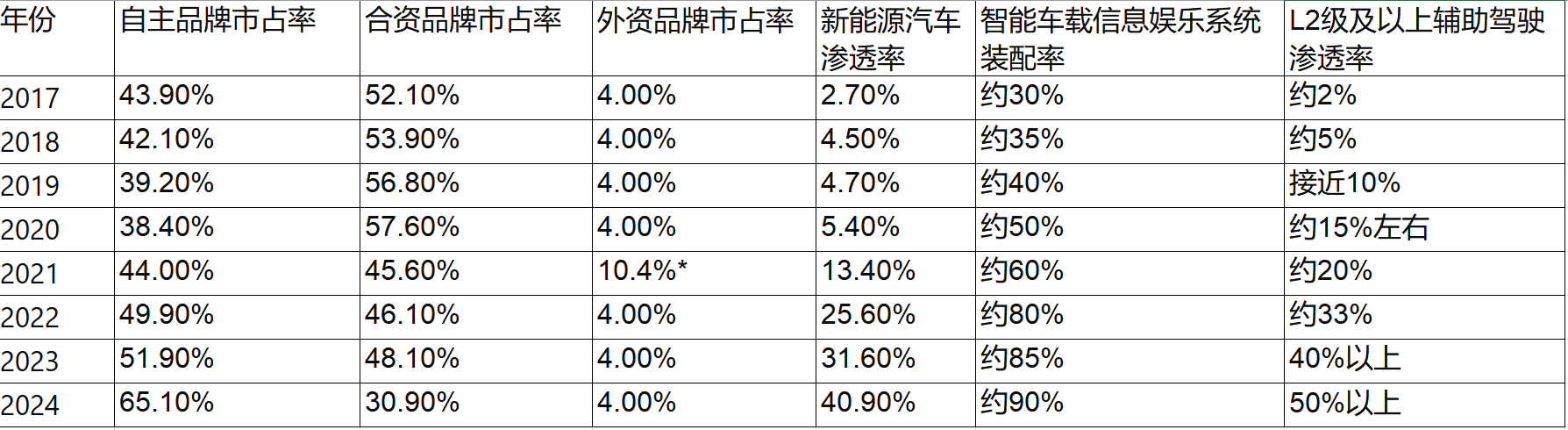
Core Insights - Goldman Sachs' report titled "2026 Outlook: Navigating Divergence" highlights 2026 as a pivotal year for the adoption of Battery Electric Vehicles (BEVs) and Navigation on Autopilot (NOA), suggesting that these technologies may develop into separate standards [1] - The report indicates a slowdown in BEV sales in Europe and the U.S., with consumers showing interest in advanced NOA but being cautious about purchasing BEVs [1][7] - In China, the integration of NOA in vehicles has led to a significant increase in sales, showcasing the advantages of BEVs in utilizing NOA, while traditional fuel vehicles are losing market share [1][5] Group 1: Market Trends - The market share of domestic brands in China has risen from 43.9% in 2017 to 51.9% in 2023, with the penetration rate of new energy vehicles increasing from 2.7% to 31.6% during the same period [3] - The report notes that the global electricity consumption of BEVs is expected to grow from 0.7% in 2024 to 2.5% by 2030, despite a stabilization in new BEV sales [7] - The competition landscape is shifting as NOA enhances the recognition and purchase intent for domestic brands, narrowing the gap with joint venture brands [5][6] Group 2: Technological Developments - Many automotive companies are focusing on applying NOA in hybrid models, although Goldman Sachs expresses skepticism about the medium-term effectiveness of this strategy [13] - The report lists various global automakers' progress in developing electronic and electrical architectures and end-to-end autonomous driving technologies, with companies like Tesla and BYD having completed their developments [14] - Traditional fuel vehicle manufacturers are exploring NOA applications in hybrid vehicles, but face challenges due to the inherent complexities of integrating NOA into their existing systems [15][16] Group 3: Future Outlook - The report suggests that by 2026, NOA may not solely rely on BEVs for growth, as traditional vehicles could also play a role in developing their own systems [19] - Concerns are raised about whether hybrid vehicles will be able to catch up with BEVs in terms of NOA capabilities, especially as BEVs are already testing Level 3 autonomous driving [19] - The future of NOA in traditional vehicles will depend on their ability to attract consumers and demonstrate value, as the market for traditional fuel vehicles remains substantial [19]
今年想买车的兄弟,建议先看看车企们的新年计划
3 6 Ke· 2026-01-23 04:33
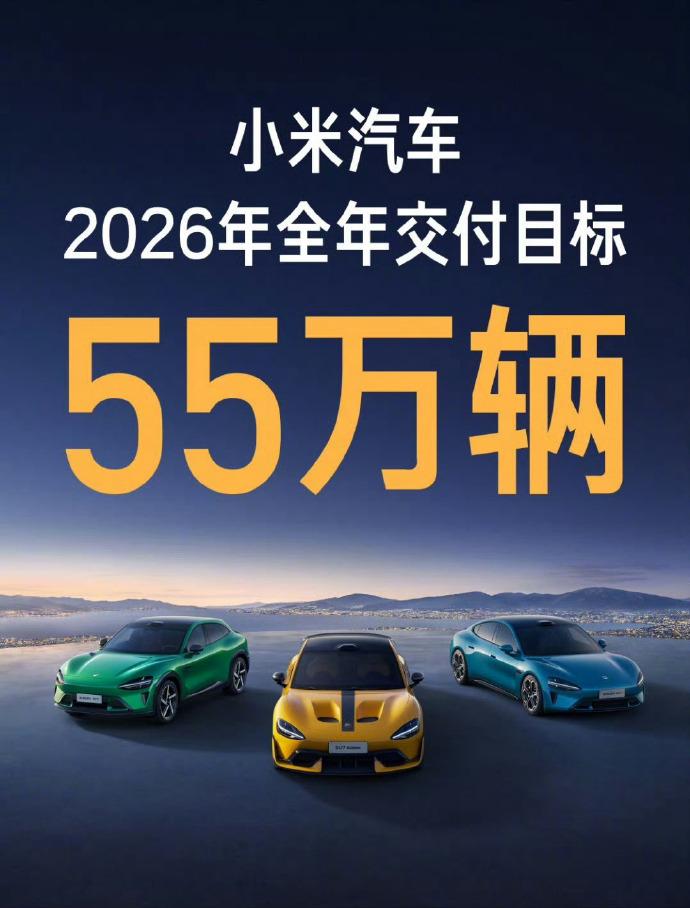
Group 1 - The article discusses various automotive companies' sales targets for 2026, highlighting aggressive and conservative strategies among different brands [2][4] - Xiaomi aims for a sales target of 550,000 vehicles in 2026, representing a 34% increase from last year's 410,000 deliveries, which had already exceeded its initial target of 300,000 [4][6] - BYD sets an ambitious overseas sales target of 1.5 to 1.6 million vehicles for 2026, reflecting over 50% growth compared to its 2025 sales of just over 1 million [8][10] Group 2 - The article notes that BYD's domestic sales have declined from 3.83 million in 2024 to 3.5 million last year, partly due to increased competition from brands like Geely [10][12] - NIO plans for a growth rate of 40-50% annually, building on last year's total sales of 326,000 vehicles, with a focus on upgrading existing models to a new platform [18][21] - Traditional luxury brands like Porsche, BMW, and Mercedes-Benz have faced significant sales declines in China, with Mercedes-Benz selling only 550,000 vehicles last year, a nearly 20% drop [23][28] Group 3 - The article highlights that the Chinese automotive market is becoming increasingly competitive, with domestic brands driving down prices and offering more attractive options for consumers [33][34] - Toyota has seen a rebound in sales, exceeding 1.78 million vehicles last year, and plans to introduce over five new models based on Chinese technology in the coming years [33]



2026,南京AI进化之路全面提速
Yang Zi Wan Bao Wang· 2026-01-23 04:02
1月19日,《AI时空.南京人工智能国际社区建设三年行动计划(2026-2028)》正式发布,到2028年,这里将引入超1000家相关企业与团队,集聚超过2万名 人才,剑指千亿级产业集群——这是2026年南京AI产业加速起跑的最新注脚。 从政策蓝图的密集落地到企业产能的持续爆发,开年以来的南京AI赛道热度攀升。从科创园区的生态集聚到实体产业的智能迭代,南京的AI进化,从来 都不是孤立的政策推动,而是一场扎根产业土壤、联动政企产学研的全链变革。 一、时间线里的布局:从筑基到冲刺的AI征程 南京对AI的布局,藏在一步步扎实的规划里,每一步都精准踩中产业发展的脉搏,让政策与市场形成同频共振。 早在2025年,南京就已启动河西中央科创区建设,聚焦"数×智+"赛道发力,南京阿里中心建成开园,小米科技园升级为超级研发中心,宝马全球研发中 心注册落地,京东南京研发中心创造了集团项目落地最快纪录,"头部引领、链式发展"的产业模式初步成形,为AI生态筑牢根基。 二、全链进阶的底气:从传统根基到生态闭环 南京能在AI赛道上稳步领跑,根源在于产业根基的深厚与生态体系的完善。从算力底座、硬件制造到场景应用、人才培养,一条完整的AI产 ...

2026,南京AI进化之路全面提速!
Xin Lang Cai Jing· 2026-01-23 03:29
1月19日,《AI时空·南京人工智能国际社区建设三年行动计划(2026-2028)》正式发布。 □ 锐见 "三横两纵、一核三片区"的空间布局与"六大行动"清晰指向一个目标:不只是集聚企业,更要打造生态。 到2028年,这里将培育2-3家AI"地标"企业、10个以上行业大模型,引入超1000家相关企业与团队,集聚超过2万名人才,剑指千亿级产业集群。 这是2026年南京AI产业加速起跑的最新注脚。 从政策蓝图的密集落地到企业产能的持续爆发,开年以来的南京AI赛道热度攀升。河西中央科创区同步公布20件重点工作,阿里、小米等总部项目加速 升级;江北新区研创园内,海光芯创光模块产线满负荷运转,在手订单持续增长,南京正以全链发力的姿态,抢占人工智能发展新赛道。 从科创园区的生态集聚到实体产业的智能迭代,南京的AI进化,从来都不是孤立的政策推动,而是一场扎根产业土壤、联动政企产学研的全链变革。 时间线里的布局 从筑基到冲刺的AI征程 智造南京·AI领航 南京对AI的布局,藏在一步步扎实的规划里,每一步都精准踩中产业发展的脉搏,让政策与市场形成同频共振。 早在2025年,南京就已启动河西中央科创区建设,聚焦"数×智+"赛道发 ...

大众裁员裁到董事会,踢出1/3高管,20款新车今年反攻中国
3 6 Ke· 2026-01-23 02:02
Group 1 - Volkswagen plans to cut 35,000 jobs, including a reduction of about one-third of its board members, from 29 to 19, by summer this year [2][4][11] - The company has closed its Dresden plant, marking the first time in 88 years that it has shut down a domestic production line, as part of its cost-cutting measures [2][12] - Volkswagen aims to launch over 20 new energy vehicles in China this year, as part of its strategy to boost sales and adapt to market demands [3][18] Group 2 - The restructuring includes consolidating management roles across its core brands, with each brand retaining only one CEO and key executives in finance, sales, and HR [4][6] - A new management committee has been established to oversee cross-brand decisions, aiming to streamline internal processes and reduce development costs [9][11] - The company anticipates saving €1 billion (approximately ¥8.1 billion) by 2030 through its restructuring efforts [9] Group 3 - Volkswagen reported an operating loss of €1.3 billion (approximately ¥10.5 billion) in Q3 last year, a significant decline from a profit of €2.83 billion (approximately ¥22.8 billion) in the same period the previous year [13] - The company has lowered its five-year investment budget from €180 billion (approximately ¥1.46 trillion) to €160 billion (approximately ¥1.3 trillion) due to ongoing financial pressures [14] - Sales in North America and China have declined by 10.4% and 8% respectively, contributing to the company's financial challenges [16] Group 4 - Volkswagen plans to increase its electric vehicle offerings in China, with projections of over 30 new models by 2027 and around 50 by 2030, focusing on both pure electric and hybrid vehicles [18][23] - The company has partnered with local firms like XPeng to develop electronic and electrical architectures, indicating a shift towards collaboration in the electric vehicle space [18][19] - Germany has reintroduced electric vehicle subsidies for consumers, which will be available until 2029, potentially benefiting both local and Chinese brands [23]
海外收入占比猛增 恒翼能闯关创业板
Bei Jing Shang Bao· 2026-01-22 15:54
Core Viewpoint - Guangdong Hengying Energy Technology Co., Ltd. (referred to as "Hengying Energy") is preparing for an IPO on the A-share market, with its application accepted on December 28, 2025, and entering the inquiry phase on January 13, 2026. The company specializes in intelligent manufacturing equipment for new energy lithium batteries and has shown significant revenue growth, although net profit has fluctuated during the reporting period [1]. Financial Performance - Revenue for Hengying Energy from 2022 to the first half of 2025 was approximately 923 million yuan, 1.105 billion yuan, 1.241 billion yuan, and 595 million yuan respectively. Net profit for the same periods was about 88.56 million yuan, 114 million yuan, 83.48 million yuan, and 57.01 million yuan [1]. - The company's overseas business revenue has seen explosive growth, with the proportion of overseas revenue in main business income rising from 0.17% in 2022 to 80.23% in the first half of 2025 [1]. Client Base and Sales - From 2024 onwards, the proportion of foreign sales revenue is expected to increase significantly due to early expansion into international markets, particularly with major overseas clients like ACC. In the first half of 2025, ACC became Hengying Energy's largest customer, contributing sales of approximately 354 million yuan and 79.72% of total revenue [2]. - The first major customer for Hengying Energy was CATL, which contributed sales of approximately 652 million yuan, 884 million yuan, 505 million yuan, and 113 million yuan from 2022 to the first half of 2025, with revenue shares of 70.69%, 79.98%, 40.67%, and 19% respectively [3]. Customer Concentration - Hengying Energy's top five customers accounted for over 90% of its revenue during the reporting period, with the sales revenue from these clients representing 96.01%, 96.24%, 94.62%, and 99.23% of total revenue [3]. - The company acknowledges the high customer concentration but asserts that its ongoing operational capability is not solely dependent on any single client, as it is engaged with multiple leading enterprises globally and is continuously seeking new partnerships [3]. Funding and Financial Health - Hengying Energy aims to raise approximately 839 million yuan through its IPO, which will be allocated to the construction of a lithium battery equipment intelligent manufacturing base, a research and development center, and to supplement working capital. As of the first half of 2025, the company's debt-to-asset ratio stood at 83.03%, significantly higher than the industry average of 58.5% [2].


人本股份上交所IPO已问询 为国内规模最大的综合性轴承制造集团
Zhi Tong Cai Jing· 2026-01-22 12:05
Core Viewpoint - Renben Co., Ltd. has applied for a change in its listing status to "inquired" on the Shanghai Stock Exchange, with a fundraising target of 3.8 billion RMB [1] Group 1: Company Overview - Renben Co., Ltd. is the largest and most comprehensive bearing manufacturing group in China, engaged in the R&D, production, and sales of bearings and related products [1][2] - The company operates in over 70 countries and regions, with nine production bases and nearly 20,000 employees, covering the entire industry chain from bearing materials to finished products [1] - Renben's product range includes over 50,000 types of bearings, widely used in key sectors such as automotive, light industry machinery, heavy machinery, and major equipment [1][2] - The company has maintained the highest production and sales volume in the domestic industry for twelve consecutive years since 2013 and is the only Chinese company to enter the global top ten in the bearing industry [1][2] Group 2: Clientele and Market Position - The company serves a wide range of well-known enterprises across various industrial sectors, including major automotive brands like FAW, Dongfeng, and Toyota, as well as leading companies in light industry and heavy machinery [2] - Renben has established partnerships with notable equipment manufacturers such as CRRC and China Railway Equipment, further solidifying its market position [2] - The company has made significant technological advancements in key areas such as rail transportation, wind power generation, and precision machine tools, enhancing its competitiveness in the high-end bearing market [2] Group 3: Financial Performance - For the fiscal years 2022, 2023, and 2024, the company reported revenues of approximately 9.388 billion RMB, 10.482 billion RMB, and 11.960 billion RMB, respectively, with a projected revenue of 6.471 billion RMB for the first half of 2025 [3] - Corresponding net profits for the same periods were approximately 635 million RMB, 701 million RMB, 829 million RMB, and 442 million RMB for the first half of 2025 [3]
华为吃高端,Momenta占中端:智驾的“圈地运动”谁能终结?
3 6 Ke· 2026-01-22 09:39
Core Insights - In 2025, the adoption of intelligent driving in China is expected to experience explosive growth, with L2 level vehicles' sales projected to reach a penetration rate of 66.1% by the end of the year, indicating that intelligent driving has become a standard feature in vehicles [1][2][3] Group 1: Market Trends - The intelligent driving industry is facing a significant downturn despite the growth in adoption, leading to a "survival of the fittest" scenario [2][3] - The competition is shifting focus from high-speed NOA (Navigation on Autopilot) to urban NOA, with over 3.129 million vehicles equipped with urban NOA sold from January to November 2025 [12][13] - Mainstream models priced below 300,000 yuan contributed 68.9% of urban NOA sales, indicating a move towards mass-market adoption [14][15] Group 2: Technological Pathways - Two main technological pathways are emerging: the "Vision-Language-Action" (VLA) route, which emphasizes rapid iteration and compatibility with existing hardware, and the "World Model" route, which focuses on deeper cognitive paradigms [5][7][10] - Companies like XPeng and Li Auto are strong proponents of the VLA route, while Huawei represents the World Model approach [6][9] Group 3: Competitive Landscape - The market is characterized by a trend of "self-research dominance" with a high concentration of third-party suppliers, where domestic brands accounted for 81.1% of urban NOA vehicle sales [18][19] - The collapse of companies like Haomo and the shift towards third-party suppliers highlight the challenges faced by automakers in self-research capabilities [20][21] - Leading third-party suppliers, such as Huawei and Momenta, dominate the market, with Momenta holding approximately 61.06% market share [25][26] Group 4: Future Outlook - The competition is expected to intensify, with predictions that only two or three intelligent driving companies may survive by 2026 [32] - The integration of software and hardware is becoming crucial for companies to build competitive advantages, with a focus on deep collaboration between chip design and software development [35][39] - Companies like Horizon Robotics are positioning themselves as challengers to the dominant players by targeting cost-sensitive markets and offering integrated solutions [44][47]