星巴克

Search documents
X @外汇交易员
外汇交易员· 2025-11-12 03:49
瑞幸咖啡股东大钲资本正评估是否对可口可乐公司计划出售的 Costa Coffee提出收购要约。目前任何收购方案的具体结构尚未最终确定,也不清楚大钲资本是否会亲自竞标,还是会通过瑞幸咖啡进行收购。🗒️可口可乐CEO James Quincey在财报电话会上提到Costa业务“还没有达到想要的投资假设”。 https://t.co/r8azrZr7RG外汇交易员 (@myfxtrader):星巴克宣布,与中国另类资产管理公司博裕投资达成战略合作,双方将成立合资企业,共同运营星巴克在中国市场的零售业务,目标将门店数量增加至20000家。 https://t.co/OBiu48uDrg ...

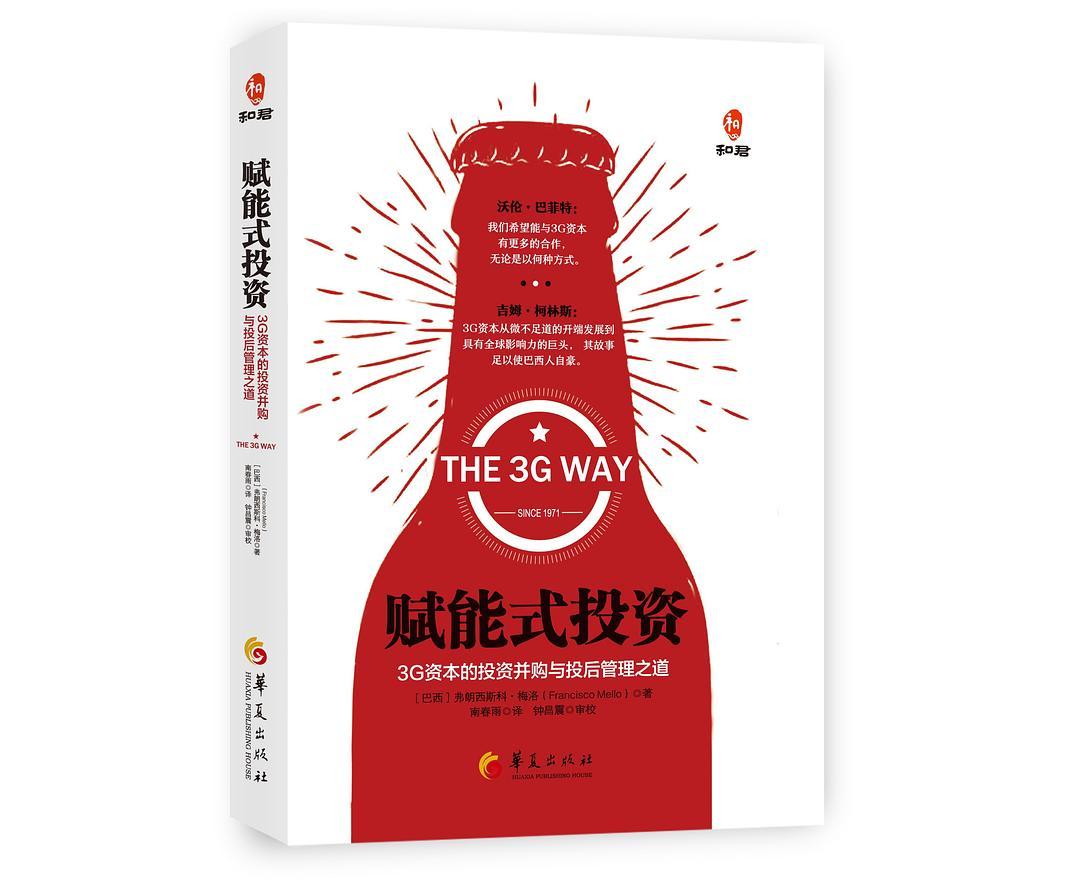
星巴克之后,汉堡王也“牵手”中资机构
Zhong Guo Xin Wen Wang· 2025-11-11 14:43
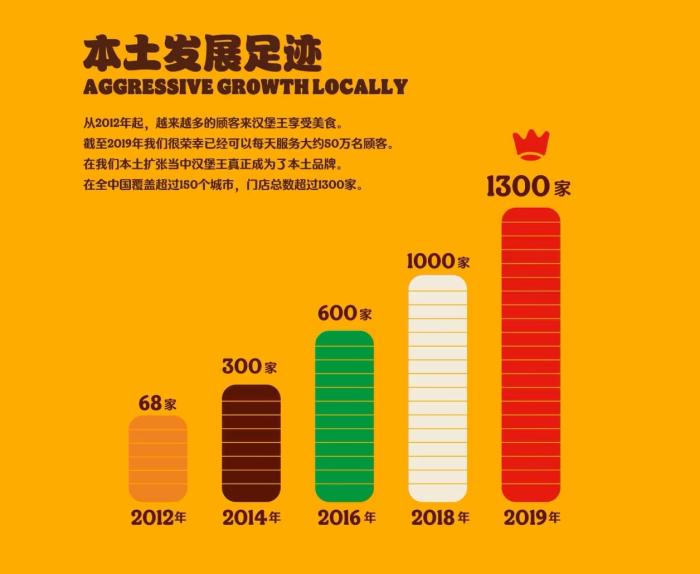
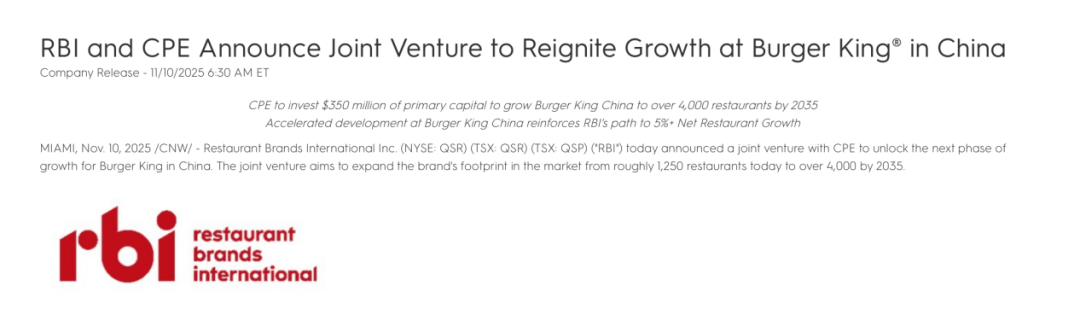
Core Viewpoint - Burger King's parent company, RBI Group, has formed a strategic partnership with CPE Yuanfeng to establish a joint venture named "Burger King China," aiming to enhance its operations in the Chinese market, which has been underperforming compared to competitors like KFC and McDonald's [1][11]. Summary by Sections Partnership and Investment - The joint venture will be completed by the first quarter of 2026, with CPE Yuanfeng injecting an initial capital of $350 million into Burger King China [1]. - Post-transaction, CPE Yuanfeng will hold approximately 83% of the joint venture, while RBI Group retains about 17% [1]. Market Entry and Expansion - Burger King entered the Chinese market in 2005, nearly 20 years after KFC and McDonald's, and initially expanded slowly, reaching only 68 stores in the first seven years [1]. - By 2018, the total number of Burger King stores reached 1,000, but growth stagnated, with only 1,500 stores by the end of 2023 [4][8]. Competitive Landscape - As of now, KFC has 12,119 stores, McDonald's has 7,986, while local brands like Wallace and Tastin have over 19,648 and 10,442 stores respectively, highlighting Burger King's struggle with only 1,339 stores [4][8]. - The average annual sales per store for Burger King China in 2024 is projected to be around $400,000, significantly lower than its French counterparts [4]. Challenges Faced - Franchisee complaints about poor product quality and slow localization efforts have contributed to Burger King's struggles in China [5][7]. - The company previously terminated its partnership with TFI Group, regaining control of its operations in China in October 2024 [8]. Future Plans - The new partnership with CPE Yuanfeng aims to increase the number of Burger King stores in China from approximately 1,250 to over 4,000 by 2035, with a focus on sustainable same-store growth [11][12]. - The collaboration is expected to leverage CPE Yuanfeng's local market expertise and operational capabilities to unlock growth potential in the Chinese market [12].


星巴克全国门店限时播放千禧金曲歌单
Xin Lang Ke Ji· 2025-11-11 11:37
Core Viewpoint - Starbucks has responded to the recent discussions regarding the playing of Chinese songs in its stores, announcing a special music playlist to enhance customer experience during a specific period [1] Group 1: Music Playlist Announcement - From November 4 to November 17, Starbucks will play a limited "Millennium Golden Songs" playlist in all stores across the country during the hours of 1-3 PM and 5-7 PM [1] - The playlist includes many popular Chinese songs, aiming to evoke nostalgia and share beautiful memories since the millennium [1] Group 2: Seasonal Beverage Connection - The announcement coincides with the promotion of Starbucks' classic seasonal beverage, the Toffee Nut Latte, which originated in the year 2000 and has become an essential part of the year-end festivities [1] - The company hopes to connect the classic music with customers, enhancing the overall experience during the holiday season [1]

星巴克、汉堡王为何都交中国资本打理丨头条热评
Jing Ji Ri Bao· 2025-11-11 11:02
Core Viewpoint - Starbucks Coffee Company has announced a strategic partnership with Boyu Capital to jointly operate its retail business in the Chinese market, indicating a trend of foreign consumer brands accelerating localization efforts in response to the rise of domestic brands and evolving consumer demands [1] Group 1: Strategic Partnerships - CPE Yuanfeng has formed a strategic partnership with Burger King to establish a joint venture, Burger King China, highlighting the trend of foreign brands collaborating with local partners [1] - The collaboration with local capital is seen as a key strategy for foreign brands to achieve good performance in China [1] Group 2: Market Expansion - After introducing local capital, both McDonald's China and Yum China have significantly increased their store opening rates in China [1] - McDonald's store count in China has grown from 2,500 in 2017 to over 7,000 currently, while Yum China's KFC has surpassed 12,000 stores [1] Group 3: Market Potential - The Chinese market is characterized by great potential, resilience, and vitality, serving as a stage for global companies to test their strength and sharpen their competitiveness [1] - Foreign brands are adjusting their strategies and accelerating localization to better respond to competition and grow alongside the dynamic Chinese economy [1] - China's commitment to high-level opening-up and continuous optimization of the business environment provides foreign enterprises with stable policy expectations and strong development confidence [1]
星巴克牵手博裕投资组建合资企业 加码下沉市场拟扩展至2万家门店
Zhong Guo Zhi Liang Xin Wen Wang· 2025-11-11 08:51
Core Insights - Starbucks has formed a strategic partnership with the Chinese alternative asset management company Boyu Capital to establish a joint venture for retail operations in China, aiming to expand its store count to 20,000 [1][2] Group 1: Joint Venture Details - Boyu Capital will hold up to 60% equity in the joint venture, while Starbucks retains 40% and continues to own the brand and intellectual property [1] - The joint venture is based on an enterprise value of approximately $4 billion, excluding cash and debt [1] Group 2: Market Context - Since entering China in 1999, Starbucks has seen significant growth, but competition has intensified, with Luckin Coffee surpassing Starbucks in revenue for the first time in Q2 2023 [1][2] - Luckin Coffee reported revenue of 21.2 billion yuan and a net profit of nearly 1.8 billion yuan for the first half of 2025, while Starbucks reported revenue of 18.2 billion yuan and a net profit of approximately 1.2 billion yuan [1][2] Group 3: Expansion Plans - The new joint venture will manage approximately 8,000 existing Starbucks stores in China and plans to expand to 20,000 stores, exceeding the total number of Starbucks locations in North America [2] - In Q4 of fiscal year 2025, Starbucks opened 183 new stores in China and entered 47 new county-level markets [2] Group 4: Challenges Ahead - Achieving the goal of 20,000 stores presents a challenge for Starbucks in balancing expansion speed with service quality, as the company traditionally relies on a direct operation model [3] - The high rental costs associated with the "third space" model may pose challenges in expanding into lower-tier markets while maintaining brand prestige [3]
星巴克中国被卖后,“第三空间”歌单变了?
Bei Ke Cai Jing· 2025-11-11 06:38
Core Viewpoint - Starbucks is undergoing significant changes in its branding and customer experience following the sale of 60% of its shares in China, aiming to adapt to shifting consumer preferences and regain market share lost to lower-priced competitors [8][14][21]. Group 1: Changes in Atmosphere and Branding - The atmosphere in Starbucks stores has shifted from a business-oriented environment to a more casual and nostalgic setting, with changes in music selection reflecting this transformation [6][12][26]. - The new music playlist features popular Chinese songs from the past, creating a sense of familiarity and nostalgia among younger consumers [10][23]. - The design and branding of some stores have also been altered, contributing to a more approachable and relatable image [5][6]. Group 2: Market Position and Competition - Starbucks' market share in China has significantly declined from 34% in 2019 to 14% last year, prompting the company to seek changes to attract customers [14]. - The company faces intense competition from lower-priced coffee brands, forcing it to reconsider its pricing strategy while maintaining quality [21]. - The shift in target demographics, with younger consumers becoming the primary customer base, has influenced Starbucks' approach to marketing and product offerings [23]. Group 3: Evolving Consumer Behavior - The concept of the "third space" is evolving, with consumers now seeking more personalized experiences in coffee shops, which are becoming social hubs rather than just places for coffee [25][29]. - The changing reasons for visiting Starbucks reflect broader societal trends, with customers now valuing emotional connections and community over mere consumption [19][29]. - The integration of various interests and activities within Starbucks locations, such as pet-friendly spaces and hobby areas, indicates a shift towards a more inclusive and engaging environment [25].

星巴克中国变阵应对本土竞争!咖啡市场进入“平价”时代
Zheng Quan Shi Bao Wang· 2025-11-11 05:02
Core Insights - Starbucks is restructuring its operations in China to respond to increasing competition from local affordable coffee brands, marking a shift in the coffee market towards a "value" era [1][2][3] - The high-end coffee market is experiencing a downturn, with Starbucks and other premium brands facing challenges such as slowing store growth and declining same-store sales [2][3] Group 1: Market Dynamics - The Chinese coffee market is transitioning from a focus on social attributes to daily consumption needs, with affordable high-quality coffee becoming the mainstream trend [1][6] - Local brands like Luckin Coffee and Kudi Coffee are rapidly expanding in first-tier cities, leveraging supply chain advantages to control costs and increase market presence [4][5] - The overall market for ready-to-drink coffee is growing significantly, with a projected increase from 366 billion yuan in 2018 to 1,721 billion yuan in 2023, reflecting a compound annual growth rate of 36.3% [7] Group 2: Starbucks' Strategic Moves - Starbucks has entered a strategic partnership with Boyu Capital, allowing the latter to acquire up to 60% of a new joint venture for approximately $4 billion, valuing Starbucks' retail business in China at over $13 billion [2] - The company is facing pressure in the domestic market, with a reported revenue of $3.105 billion for the fiscal year 2025, a 5% increase year-on-year, but a 1% decline in same-store sales [2] Group 3: Competitive Landscape - The rise of local affordable coffee brands is disrupting the traditional high-end market, with brands like Luckin Coffee and Kudi Coffee offering competitive pricing and quality that challenge international brands [6][8] - The competitive landscape is characterized by a focus on cost control and supply chain efficiency, which are becoming critical for success in the affordable coffee segment [8][9]
继星巴克之后,汉堡王中国也卖了
Sou Hu Cai Jing· 2025-11-11 03:10
Core Insights - Another international restaurant brand, Burger King, is selling its China operations, following Starbucks' lead [1] - CPE Yuanfeng and RBI have announced a strategic partnership to establish a joint venture, Burger King China, aimed at driving growth in the Chinese market [1] Business Performance - Burger King China has shown signs of fatigue in recent years, with only 257 new stores opened in 2023, 109 in 2024, and just 26 since 2025 [2] - The average annual sales per store in China for 2024 is projected at $400,000, significantly lower than over $1 million in other international markets [2] - Despite these challenges, RBI remains optimistic about the Chinese market, planning to open 3,000 new stores in Asia over the next five years, with half of them in China [2] Strategic Developments - CPE Yuanfeng will inject $350 million into Burger King China to support expansion, marketing, menu innovation, and operational improvements [2][3] - A 20-year master development agreement will grant CPE Yuanfeng exclusive rights to develop the Burger King brand in China [3] - Post-transaction, CPE Yuanfeng will hold approximately 83% of Burger King China, while RBI retains about 17% [3] Future Plans - The goal is to expand the number of Burger King stores in China from around 1,250 to over 4,000 by 2035, with a focus on sustainable same-store growth [3] - CPE Yuanfeng aims to enhance key operational areas, including product upgrades, brand marketing, store expansion, online channel restructuring, digital system development, and financial optimization [3] - RBI's CEO emphasized that China remains one of the most attractive long-term growth markets for Burger King globally, reflecting confidence in the partnership and the potential for growth in the Chinese market [3]
他们买下中国汉堡王
投资界· 2025-11-11 01:01
Core Insights - The article discusses the recent acquisition of Burger King China by CPE Yuanfeng, highlighting a trend of international brands selling their Chinese operations amid a wave of consumer mergers and acquisitions [3][9]. Group 1: Acquisition Details - CPE Yuanfeng will inject $350 million (approximately 2.5 billion RMB) into Burger King China to support expansion, marketing, menu innovation, and operational improvements [5]. - The deal includes a 20-year master development agreement granting exclusive rights to develop the Burger King brand in China [5]. - After the transaction, CPE Yuanfeng will hold approximately 83% of Burger King China, while RBI Group will retain about 17% and a board seat [5]. Group 2: Market Context - Burger King entered the Chinese market in 2005 but faced challenges in expansion, with sales in 2024 projected at around $700 million and average annual sales per store at over $400,000, significantly lower than competitors like McDonald's and KFC [6]. - The article notes a broader trend of international brands, including Starbucks and Pizza Hut, divesting their Chinese operations, reflecting increased competition and economic pressures in the market [9][10]. - The sale of assets by these brands is seen as a strategic response to the current economic climate, with many companies looking to adapt to market challenges [10].
从SKP到星巴克,为何博裕总能拿下好标的
3 6 Ke· 2025-11-11 00:32
Core Insights - The acquisition of Starbucks China by local private equity firm Boyu Capital, which acquired a 60% stake for $2.4 billion, highlights the growing interest in high-quality consumer assets in China [1][5][11] - The deal is part of a broader trend where major players are seeking to capitalize on cyclical downturns in the market to acquire valuable assets at lower valuations [7][12] Group 1: Acquisition Details - Boyu Capital will form a joint venture with Starbucks China, valuing the company at approximately $4 billion [1] - The acquisition process was highly competitive, with over 10 institutions initially invited to submit non-binding bids, including prominent firms like Carlyle and KKR [5] - Starbucks China has a strong brand positioning and a loyal customer base, with 25.5 million members, making it a highly sought-after asset [5][11] Group 2: Market Context - The Chinese coffee market is projected to grow significantly, with the number of coffee drinkers expected to increase from 40 million in 2018 to 260 million by 2028, representing a 20% annual growth rate [5] - The luxury retail sector, exemplified by SKP, has also faced challenges, with sales declining by 17% in 2024, indicating a broader trend of market volatility affecting high-end consumer brands [11][12] Group 3: Strategic Implications - The acquisition reflects a strategic move to enhance operational efficiency and find new growth avenues through localized management and innovative product offerings [10][13] - Boyu Capital's experience in the local market is expected to accelerate Starbucks' expansion into lower-tier cities, where the brand's presence remains limited [15][17] - The focus on enhancing supply chain efficiency and product localization will be critical for maximizing the investment's value [13][14]