
宇树科技

Search documents
智驾人才涌入具身智能,热钱有了新叙事
晚点LatePost· 2025-12-18 11:56
Core Viewpoint - The article discusses the current state and investment trends in the field of embodied intelligence, highlighting the influx of venture capital into this sector and the challenges faced by startups in delivering viable products and technology [4][5][12]. Investment Trends - In September, a venture capitalist visited a startup in Shenzhen focused on embodied intelligence, amidst a storm that caused citywide disruptions, indicating the high interest in this sector [4]. - The investment landscape for embodied intelligence has seen over a hundred active investment firms in China, with early-stage funding exceeding $10 billion [5]. - Investors are optimistic about startups with backgrounds in intelligent driving, as they are believed to have practical experience in solving real-world problems [6]. Entrepreneurial Backgrounds - The article notes a shift in investor preferences towards entrepreneurs with experience in intelligent driving, moving away from traditional robotics backgrounds [7]. - Notable entrepreneurs in the field include graduates from prestigious universities like UC Berkeley, CMU, and MIT, who are now leading startups in embodied intelligence [6][7]. Startup Financing - Several startups have recently secured significant funding, such as "It Stone Intelligent Navigation" raising over 1.22 billion yuan and "Zhi Jian Power" receiving approximately $5 million in angel funding [8]. - The article lists various startups, their founders, backgrounds, and recent financing rounds, showcasing the active investment environment [8]. Technical Challenges - The transition from intelligent driving to embodied intelligence faces challenges, particularly in the need for high-quality interaction data and the cost of developing viable products [11]. - The article highlights the limitations of current models in executing complex tasks and the need for advancements in algorithms to improve performance [11]. Market Sentiment - There is a growing pessimism in the secondary market regarding embodied intelligence startups, with some analysts suggesting that the best opportunities may have passed [12]. - The National Development and Reform Commission has issued warnings about the risks associated with the rapid growth of humanoid robot companies, emphasizing the need for balance between speed and potential market saturation [12]. Investment Logic - Investors are focusing on projects that prioritize the development of embodied intelligence systems, including decision-making models and robotic components, but caution is advised regarding the prevalence of similar investment strategies [13][14]. - The article concludes that while venture capital is flowing into the sector, the sustainability of these investments remains uncertain, with a need for substantial funding to ensure long-term success [14].


中国出口开AI新局:旧硬件打不开新世界 | 海斌访谈
Di Yi Cai Jing· 2025-12-18 11:33
Core Viewpoint - The AI ecosystem in China and the US surpasses that of other countries, with AI expected to help strengthen China's manufacturing competitiveness globally [1] Group 1: AI Integration in Consumer Electronics - The upcoming CES in Las Vegas is a significant platform for Chinese consumer electronics, with AI becoming an essential trend for manufacturers [3] - MINISFORUM, a Shenzhen-based company, is fully integrating AI into its products, including Mini PCs and AI workstations, with a focus on niche markets [3][4] - Major PC manufacturers like Lenovo and Dell are also embracing AI, but companies like MINISFORUM leverage flexibility to target specific audiences [3] Group 2: Market Trends and Growth Projections - Lenovo's AI PC shipments reached 33% in Q3, with expectations for double-digit growth in the coming quarters [4] - MINISFORUM anticipates that 60% of its exported PCs will have AI capabilities, potentially reaching 100% within a year [4] - Counterpoint Research forecasts an 8.1% year-on-year growth in global PC shipments by Q3 2025, driven by the transition from Windows 10 [4] Group 3: Competitive Landscape - China's smartphone and computer exports are under pressure, with a notable decline in mobile exports to the US [7][8] - India and Vietnam are emerging as significant competitors in the consumer electronics space, with India becoming the largest source of mobile imports to the US [8][9] - The shift in global supply chains due to trade tensions is prompting Chinese companies to diversify their markets beyond the US [9][10] Group 4: Future Hardware Innovations - Smart glasses are seen as a potential next dominant hardware, with both Chinese and foreign companies investing heavily in this area [12][13] - Humanoid robots are a focal point of competition between China and the US, with significant investments and advancements expected in manufacturing applications [14] - The Mini AI workstation is positioned as a future computing center for households, with potential applications across various industries [15] Group 5: Export Market Dynamics - China accounts for 15% of global exports and maintains trade surpluses with 177 economies, with projections indicating an increase to 16.5% by 2030 [16]


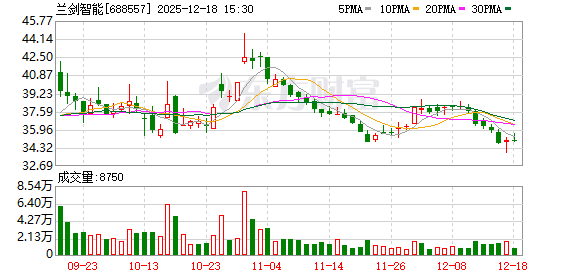
兰剑智能:公司正与多家具身智能机器人公司接触,积极评估具身智能技术落地场景及推进相关技术合作进度
Mei Ri Jing Ji Xin Wen· 2025-12-18 10:57
每经AI快讯,有投资者在投资者互动平台提问:请问贵公司有没有和宇树科技合作,合作的内容是什 么? (文章来源:每日经济新闻) 兰剑智能(688557.SH)12月18日在投资者互动平台表示,公司正与多家具身智能机器人公司接触,积 极评估具身智能技术落地场景及推进相关技术合作进度,后续如有符合披露标准的实质性进展,公司将 严格按照相关规定履行信息披露义务。 ...

对我们“卡脖子”是卡不住的
Sou Hu Cai Jing· 2025-12-18 10:20
Core Viewpoint - China's manufacturing sector has achieved remarkable growth, now accounting for nearly 30% of global manufacturing value added and maintaining the world's largest scale for 15 consecutive years, showcasing strong competitiveness and innovation in various industries [1] Group 1: Historical Context - At the founding of New China, the industrial base was extremely weak, with only a few consumer goods being produced, and heavy industrial products were virtually nonexistent [3] - By the time of the first Five-Year Plan, significant projects were initiated, establishing a relatively complete modern industrial system and laying the groundwork for future manufacturing development [4] - The industrial foundation was further solidified before the reform and opening up, creating a robust industrial backbone for the nation [5] Group 2: Reform and Opening Up - The theme of Chinese manufacturing shifted from "entrepreneurship" before the reform to "innovation" post-reform, significantly enhancing productivity and integrating into the global division of labor after joining the WTO [6][7] - China's manufacturing share of global output rose from 2.7% in 1990 to 19.8% in 2010, surpassing the United States to become the world's leading manufacturing power [7] Group 3: Challenges and Responses - Despite rapid growth, concerns about the "big but not strong" nature of Chinese manufacturing emerged, highlighting weaknesses in technological innovation and positioning within the global value chain [7] - The global manufacturing landscape has changed, with Western countries pushing for re-industrialization and imposing technological barriers against China [7] Group 4: Strategic Independence - Strategic independence has been crucial for China's manufacturing resilience, with a focus on self-innovation in key sectors like automotive and high-speed rail, leading to significant advancements in domestic technology [10][11] - The balance between technology importation and independent development has been recognized as essential for maintaining competitiveness [11] Group 5: Long-term Vision and Action - China's manufacturing achievements are the result of long-term planning and consistent efforts, with significant investments in high-speed rail and electric vehicles dating back over a decade [12][13] - The commitment to innovation and the establishment of a manufacturing powerhouse has been reinforced by national policies aimed at enhancing manufacturing capabilities [15] Group 6: Future Outlook - The upcoming "14th Five-Year Plan" emphasizes the importance of manufacturing and outlines new directions for technological advancement and global competitiveness [17] - The ongoing journey of Chinese manufacturing is seen as a continuous evolution, with the potential for further breakthroughs and value expansion driven by innovation and practical efforts [17]
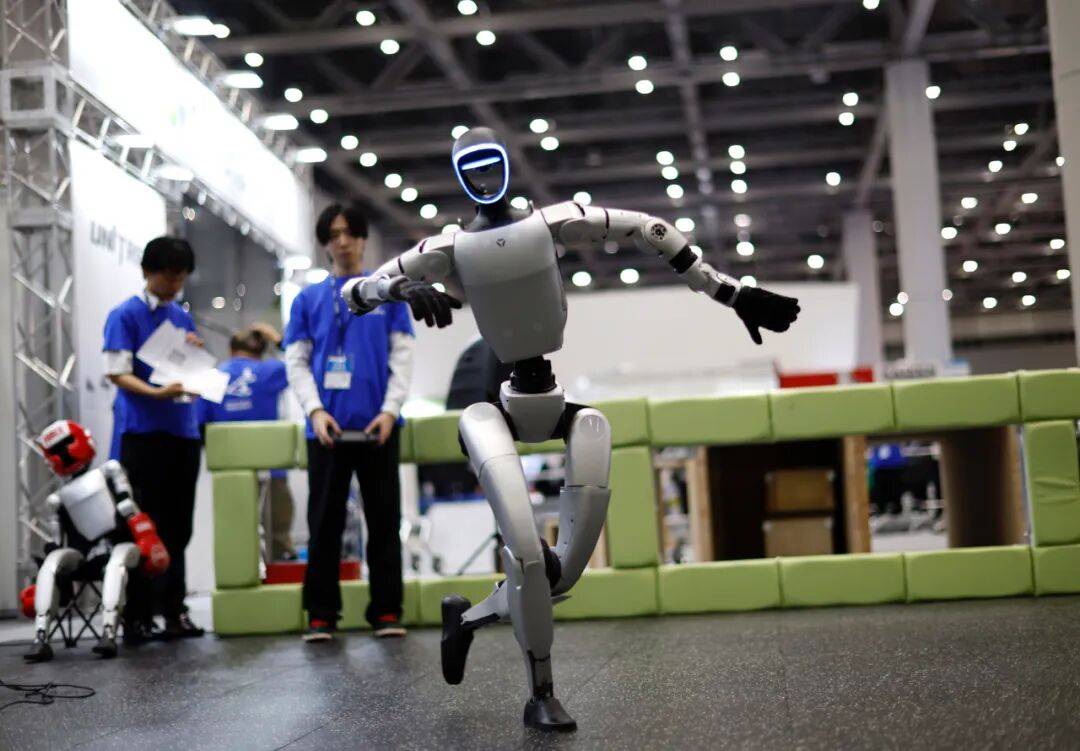
一图读懂|人形机器人爆发元年!产业链核心标的全梳理
机器人圈· 2025-12-18 10:18
Core Insights - The humanoid robot industry is expected to transition from laboratory experiments to industrialization by 2025, with significant orders already being secured by leading companies like UBTECH, ZhiYuan, and Yushu, including a record order of 250 million yuan by UBTECH in September [1] - The humanoid robot sales in China are projected to exceed 10,000 units this year, representing a year-on-year growth of 125% [1] Group 1: Key Players in the Humanoid Robot Market - The main players in the domestic humanoid robot sector include automotive companies, startups, and tech giants [2] - Notable companies entering the market include UBTECH, Xiaomi, Xiaopeng Motors, and ZhiYuan, with significant product launches and strategic partnerships [3][4] Group 2: Industry Chain and Manufacturing - The manufacturing of humanoid robots can be divided into three main components: "brain" (perception, decision-making, human-machine interaction), "small brain" (cloud motion control), and the physical body [5][6] - Key components in the physical manufacturing include actuators, sensors, batteries, and skin materials [6] Group 3: Notable Companies in the Industry Chain - Companies involved in the "brain" and "small brain" segments include major internet firms like Tesla, Google, and NVIDIA, as well as startups like Youlu Robotics and Qianjue Technology [7] - For physical manufacturing, companies such as UBTECH, Xiaomi, and ZhiYuan are highlighted for their contributions to the development of humanoid robots [9] Group 4: Major Industry Events and Developments - Significant investments and partnerships are being formed, such as the 20.27 billion yuan fundraising by Green Harmonic for new precision transmission devices [11] - Companies like Huazhong University and various tech firms are collaborating on research and development for humanoid robots, indicating a strong focus on innovation in this sector [13][14]





中邮保险旗下基金投资项目——沐曦股份、摩尔线程于科创板成功上市
Sou Hu Cai Jing· 2025-12-18 09:43
Group 1 - The core viewpoint of the news highlights the successful IPOs of domestic GPU leaders, Mu Xi Co., Ltd. and Moer Thread, on the Shanghai Stock Exchange's Sci-Tech Innovation Board, with opening day gains exceeding 400%, setting a record for IPO returns in the A-share market under the comprehensive registration system [1][3] - The rise of Mu Xi and Moer Thread signifies a significant exploration in breaking the monopoly in the domestic chip industry, as both companies focus on independent innovation and the development of commercially viable domestic GPU chips, which are increasingly applied in high-performance heterogeneous computing and other core scenarios [3] - The successful listings of these companies reflect market recognition of domestic GPU technology capabilities and validate the investment value in the hard technology sector, supported by long-term capital from China Post Insurance through fund investments [1][3] Group 2 - China Post Insurance has adopted a "long-termism + strategic layout" approach, utilizing a dual-driven model of "direct investment + funds" to strategically invest in the hard technology sector, covering key areas such as chips, robotics, and artificial intelligence [3] - The investment strategy of China Post Insurance has positioned it as a stabilizing force for many domestic hard technology companies, exemplified by its investments in various firms, including Yushu Technology, Gokong Technology, Changxin Storage, and Yangtze Memory Technologies [3] - As the digital economy continues to integrate with the real economy, the innovation vitality in the hard technology field is expected to persist, with China Post Insurance committed to maintaining its long-term investment philosophy and injecting capital into more domestic innovative enterprises [4]
中国攻坚硬件,美国深耕软件!何小鹏:我认为人形机器人将来是巨头竞争,但会有非常多成功机会【附人形机器人行业市场分析】
Qian Zhan Wang· 2025-12-18 07:49
Group 1 - The chairman of XPeng Motors, He Xiaopeng, shared insights from his recent trip to the U.S., highlighting a strong entrepreneurial atmosphere in AI, biotechnology, and finance, with a significant focus on robotics in Silicon Valley [2] - There is a notable difference in the development paths of robotics between China and the U.S., with Chinese companies focusing on hardware and American firms emphasizing software [2] - XPeng Motors has been actively involved in the robotics sector, having acquired Dogotix in December 2020 and launched several humanoid robots, including the PX5 and Iron [2][3] Group 2 - He Xiaopeng expressed confidence in the humanoid robotics market, predicting its long-term potential to surpass that of the automotive sector [3] - The Chinese government has recognized humanoid robots as a key area for economic growth, with over 150 companies currently operating in this space, many of which are startups [3][4] - The humanoid robotics market in China is projected to reach approximately 2.76 billion yuan by 2024, with significant capital investment already observed in the sector [6] Group 3 - The humanoid robotics industry in China is experiencing rapid growth, with a surge in patent applications, reaching 2,903 in 2023 [4] - Despite the industry's growth, challenges remain, particularly regarding the AI capabilities of humanoid robots, which are still in the early stages of development [7] - The Ministry of Industry and Information Technology has outlined plans for the industry to achieve large-scale development by 2027, integrating humanoid robots into the economy [6]


东海证券晨会纪要-20251218
Donghai Securities· 2025-12-18 07:27
Group 1: Key Recommendations - Focus on the commercialization progress of embodied intelligent robots, anticipating the establishment of industry standards and ecosystem co-construction [5] - Yushu Technology recently launched a humanoid robot "App Store," facilitating model training and sharing, which is expected to lay the foundation for product ecosystem development [5] - UBTECH has signed a humanoid robot sales contract worth over 50 million yuan, primarily involving the Walker S2 robot, which will be delivered within the year [6] - ZhiYuan Robotics has achieved mass production of its 5000th general-purpose embodied robot, indicating a significant scale-up in production capabilities [6][7] Group 2: Industry Tracking - The establishment of industry standards and evaluation systems is accelerating, which is expected to guide the orderly development of the industry [7] - The "Humanoid Robot Intelligence Grading" standard has been developed, categorizing humanoid robots into five levels (L1-L5), aiding companies in clarifying technological development directions [7][8] - The Beijing Humanoid Robot Innovation Center is building a public service platform for embodied intelligent robots, providing comprehensive services from technology development to industrial application [8] Group 3: U.S. Employment Market Observations - The U.S. non-farm employment data for November 2025 showed an increase of 64,000 jobs, slightly above expectations, but the unemployment rate rose from 4.4% to 4.6%, the highest since October 2021 [11][12] - The increase in the unemployment rate is primarily attributed to a surge in re-employment, with 293,000 re-employed individuals in October and November, contributing significantly to the unemployment figures [12][16] - The labor market is exhibiting signs of "tight balance" vulnerability, with an increase in both immigrant and domestic labor supply, while demand remains weak [12][16] Group 4: Financial News - From January to November 2025, the national general public budget revenue was 200,516 billion yuan, a year-on-year increase of 0.8%, with tax revenue growing by 1.8% [19] - The general public budget expenditure for the same period was 248,538 billion yuan, reflecting a year-on-year increase of 1.4% [19]
机器人上市潮真相:缺钱花、手头紧
创业邦· 2025-12-18 03:40
Core Viewpoint - The article discusses the rapid development and investment surge in the robotics industry, highlighting the increasing number of IPOs and funding rounds, while also addressing the challenges and uncertainties faced by companies in this sector [6][7][15]. Group 1: Industry Trends - The robotics industry is experiencing a wave of IPOs, with over 34 companies in the robotics supply chain waiting for hearings as of December 8 [7]. - The first three quarters of 2025 saw domestic robotics startups raise approximately 50 billion yuan, indicating a significant increase in investment activity [12]. - The market is divided into specialized robots for specific industries and general-purpose robots, with the latter emerging more recently and often being human-shaped [10][11]. Group 2: Company Performance - Many companies in the robotics sector are facing financial losses, with none of the IPO candidates reporting profitability, highlighting the industry's high costs and investment needs [21][22]. - Revenue structures vary, with most companies relying heavily on robot bodies and solutions, which together account for over 80% of their income [20]. - Companies like 凯乐士 and 卧安机器人 have achieved annual revenues around 700 million yuan, while others like 斯坦德 and 优艾智合 report revenues closer to 250 million yuan [20]. Group 3: Investment Landscape - The surge in investment is attributed to supportive policies, such as the new listing rules in Hong Kong that allow companies to go public even without profitability [16]. - The number of registered humanoid robot companies in China has increased significantly, with a 119.2% year-on-year growth in registrations by November [29]. - The robotics sector is projected to grow, with IDC forecasting a global market size exceeding $400 billion by 2029, with China accounting for nearly half [29]. Group 4: Challenges Ahead - Companies face three main challenges: high costs, reliability issues, and data shortages, which hinder the widespread adoption of robotics [30][31]. - The cost of robotics is primarily driven by hardware materials and software development, with current humanoid robot costs remaining high [31]. - Reliability concerns arise from the difficulty of performing tasks in real-world environments, where robots struggle with unknown objects and dynamic conditions [35][36]. Group 5: Future Outlook - Despite the challenges, there is optimism in the market regarding humanoid robots, with expectations of continued investment and interest in leading companies [38]. - The article emphasizes that while the current wave of IPOs and funding reflects a quantifiable advancement in technology, transitioning from feasible technology to reliable products will take time [38].

人形机器人的尴尬生意:订单超35亿,交付不足千台
3 6 Ke· 2025-12-18 02:23
Group 1 - The core viewpoint of the articles highlights the rapid rise and subsequent decline of the embodied robotics industry, transitioning from a hype phase to a cooling period as the market adjusts and seeks to eliminate excess [1][2][3] - In 2025, the domestic robotics sector saw significant investment, with a total financing amount of 386.24 billion yuan in the first three quarters, which is 1.8 times the total financing of 212.54 billion yuan for the entire year of 2024 [1] - Major companies in the industry, such as OneStar and 闼科技, faced severe challenges, including dissolution and funding issues, indicating a shift from initial excitement to a more cautious market environment [1][4] Group 2 - The industry is now focusing on actual order volumes as a key metric for success, moving away from mere technological presentations to tangible business outcomes [2][3] - Notable contracts have been secured, with companies like 智元 and 宇树科技 winning significant orders, including a 1.24 billion yuan deal and a nearly 5 billion yuan collaboration [2] - Despite the increase in orders, the industry faces a bottleneck in delivery capabilities, with many companies struggling to meet the growing demand [3][4] Group 3 - The consumer market for home robots is still facing challenges, with limited practical applications leading to low sales despite high-profile endorsements [5][6] - The rental market for robots has also cooled down, with many offerings lacking unique features and relying on repetitive performances [6][7] - Price remains a significant barrier for consumers, with mainstream products ranging from tens of thousands to hundreds of thousands of yuan, prompting companies to engage in price wars to attract buyers [6][8] Group 4 - The industry is characterized by a disconnect between technological capabilities and practical applications, with many robots failing to deliver real value to consumers [9][10] - Despite advancements, the efficiency of robots in performing basic tasks remains low compared to human capabilities, highlighting the need for further development [10] - The future of the industry will depend on the ability of companies to create stable value through improved technology, product reliability, and cost control [11][12]