
OPPO

Search documents
华为,重夺第一!
Jing Ji Wang· 2025-08-19 07:03
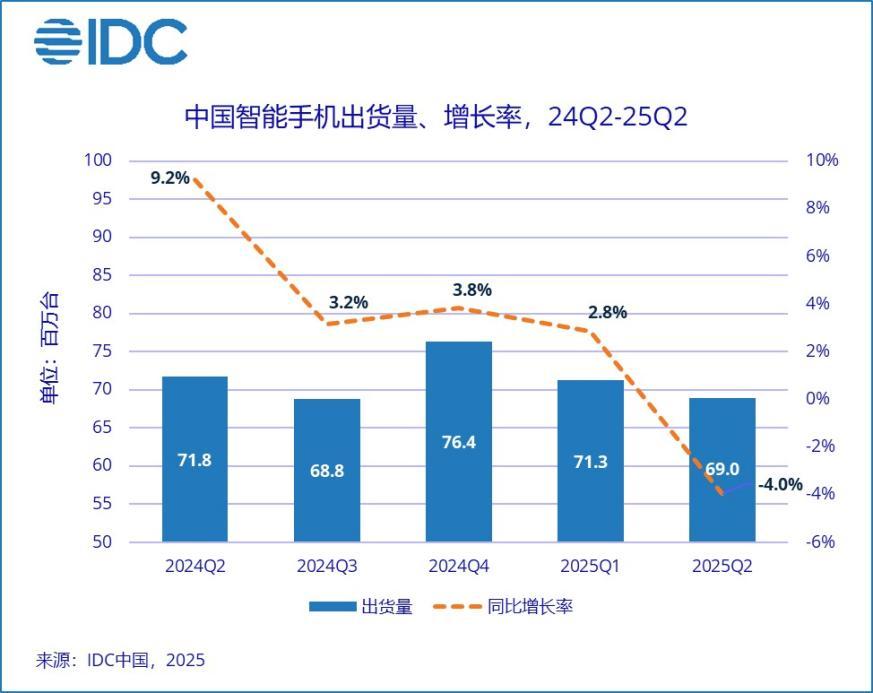
Core Insights - The Chinese smartphone market experienced a decline in shipments, with 68.86 million units shipped in Q2 2025, marking a year-on-year decrease of 4.1%, ending six consecutive quarters of growth [1] - Huawei regained the top position in the domestic smartphone market with a shipment of 12.5 million units, attributed to its focus on technological innovation and strategic consistency [1][2] - The competitive landscape is evolving, with a shift from price wars to differentiation through AI technology, imaging systems, and fast charging capabilities [2] Company Performance - Huawei led the market with 12.5 million units shipped, followed by Vivo and OPPO with 11.9 million and 10.7 million units, respectively [1] - Xiaomi was the only brand among the top five to achieve positive growth, with a year-on-year increase of 3.4% [1] - Apple ranked fifth with a shipment of 9.6 million units [1] Industry Trends - The smartphone market is entering a new phase characterized by "high-end competition" and "stock market battles," with a focus on capturing existing users [2] - The competition among leading domestic brands is intensifying, leading to increased industry concentration [2] - Companies are leveraging product innovation and targeted marketing to gain larger shares in the saturated market [2]
医药股再掀涨停潮,上海发文加快推动“AI+制造”
Zhong Guo Ji Jin Bao· 2025-08-19 05:43
8月19日上午,A股市场盘初走高,短线跳水后持续震荡。截至午间收盘,上证指数、深证成指均涨0.3%,创业板指涨0.39%。 全市场半日成交额达1.68万亿元,超3200只个股上涨。 盘面上,上午通信、计算机、食品饮料、房地产等板块走强,光模块、稀土、白酒、华为鸿蒙等概念股活跃;国防军工、非银金融、石油石化等板块回 调。 | Wind热门概念指数 | | | | | | | | | --- | --- | --- | --- | --- | --- | --- | --- | | 稀土 | 白酒 | 光模块(CPO) | 光通信 | 4.74% | 4.56% | 3.38% | 3.43% | | 华为鸿蒙 | 光芯片 | 饮料制造 | 消费电子代工 | 2.87% | 2.86% | 2.86% | 2.69% | | 稀有金属 | 华为鲲鹏 | PEEK材料 | 光刻机 | -0.69% | -0.71% | 2.67% | 2.58% | | 化学原料 | 玻璃纤维 | 航母 | 挖掘机 | -0.83% | -0.86% | -0.87% | -0.95% | | 军工信息化 | 中航系 | 大飞机 ...




每日市场观察-20250819
Caida Securities· 2025-08-19 03:03
Market Performance - The Shanghai Composite Index rose by 0.85%, the Shenzhen Component increased by 1.73%, and the ChiNext Index surged by 2.84% on August 18, 2025[1] - The market's trading volume exceeded 2.7 trillion yuan, an increase of over 500 billion yuan compared to the previous Friday[1] - Over 4,000 stocks saw gains, indicating strong market participation and bullish sentiment[1] Sector Analysis - Leading sectors included shipbuilding, consumer electronics, and power equipment, while coal and precious metals experienced declines[1] - The technology sector is identified as a key driver for market momentum, with recommendations to seek opportunities in semiconductor and consumer electronics stocks rather than chasing already high-flying stocks like PCB and CPO[1] Investment Strategy - The market is characterized by a clear bull trend, with the Shanghai Composite Index breaking the psychological barrier of 3,700 points[2] - Investors are advised to maintain positions in the technology sector and avoid premature reductions in holdings, focusing on market volume sustainability and sector rotation[2] Fund Flow - On August 18, net inflows into the Shanghai and Shenzhen markets were 245.29 billion yuan and 374.02 billion yuan, respectively[3] - The top three sectors for capital inflow were communication equipment, software development, and IT services, while industrial metals, real estate development, and coal mining saw capital outflows[3] Economic Indicators - In July, China's passenger car wholesale sales reached a historical high of 2.22 million units, marking a year-on-year increase of 13%[8] - From January to July, national railway cargo shipments totaled 2.331 billion tons, reflecting a year-on-year growth of 3.3%[10]
资讯日报-20250819
Guoxin Securities Hongkong· 2025-08-19 02:52
Market Overview - The Hang Seng Index closed at 25,176.85, up 0.37% for the day and up 25.62% year-to-date[3] - The Hang Seng Tech Index rose by 0.65%, with a year-to-date increase of 23.97%[3] - The Shanghai Composite Index increased by 0.85%, with a year-to-date gain of 9.41%[3] Sector Performance - The automotive sector saw significant gains, with Great Wall Motors up over 10% and NIO up over 6%[9] - The film industry performed well, with major stocks like Lingmeng Entertainment rising over 21%[9] - Coal stocks declined, with Green Leader Holdings dropping over 18%[9] Economic Indicators - In July, wholesale passenger car sales in China reached 2.22 million units, a historical high for the month, marking a 13% year-on-year increase[9] - The average daily output of raw coal in July was 12.29 million tons, a month-on-month decrease of 174.6 thousand tons[9] U.S. Market Insights - U.S. stock indices closed nearly flat, with investors awaiting earnings reports from major retailers[9] - The upcoming Jackson Hole Economic Symposium is anticipated to provide insights into economic outlooks and policy frameworks[9] Global Trends - The semiconductor sector faced pressure, with companies like Hua Hong Semiconductor dropping over 6% due to potential tariffs[9] - Japanese stocks continued to rise, with the Nikkei 225 index up 0.77%[10]
补贴退潮,暗战升级:2025,手机江湖进入硬核时刻
3 6 Ke· 2025-08-19 01:17
Core Viewpoint - The Chinese smartphone market in the first half of 2025 shows resilience with a slight year-on-year decline in shipments, but the second quarter experienced a notable drop, indicating a shift towards competition based on product value rather than subsidies [1][3]. Market Overview - In the first half of 2025, China's smartphone shipments reached 140 million units, a year-on-year decrease of 0.6%, with a significant 4% decline in the second quarter, breaking a six-quarter growth streak [1][3]. - Huawei regained the top market share in Q2 2025 with 18.1%, followed closely by vivo (17.3%) and OPPO (15.5%), while Xiaomi (15.1%) and Apple (13.9%) rounded out the top five [6][7]. Price War Dynamics - The smartphone market is experiencing intensified price wars, particularly in the mid-range segment (2000-4000 yuan), with major brands like Apple, Huawei, OPPO, and Xiaomi significantly reducing prices to clear inventory [4][5]. - Apple's iPhone 16 series saw price cuts exceeding 1,000 yuan, while other brands also implemented various promotional strategies to attract consumers [4]. Consumer Behavior Changes - The average smartphone replacement cycle has extended to around three years, reflecting a shift in consumer expectations towards durability and long-term value rather than just price [5]. - Consumers are now more discerning, requiring detailed comparisons and information before making purchases, indicating a deeper focus on product experience [5]. Competitive Landscape - The competition among the top five smartphone manufacturers is tight, with minimal differences in market share, making any misstep potentially impactful [6]. - Huawei's market share recovery is attributed to the return of its Kirin chips and the unique features of its HarmonyOS, while its Q2 shipments still fell by 3.4% year-on-year [8]. Brand Strategies - Vivo's focus on imaging technology has been a key strategy, but it faced a significant 10.1% decline in shipments in Q2 due to a concentrated product strategy [8]. - OPPO's dual-brand strategy aims to cover various price segments, but it also experienced a 5% decline in shipments, highlighting challenges in brand differentiation and market positioning [9]. - Xiaomi is the only top-five brand to show growth, driven by cross-industry synergies and channel expansion, although it still faces challenges in translating its technological advancements into consumer-perceived benefits [10]. Emerging Technologies - The foldable smartphone market is still niche, with a 14% year-on-year decline in shipments, but brands like Huawei lead with a 72.6% market share in this segment [11][14]. - AI integration is becoming a focal point for smartphone manufacturers, with companies like Huawei and Xiaomi enhancing their operating systems to improve user experience through AI capabilities [17][20]. Conclusion - The smartphone industry is undergoing a fundamental shift from hardware specifications to user experience and technological innovation, with a focus on addressing consumer pain points and enhancing product value [20].


相机按钮,卒
36氪· 2025-08-19 00:17
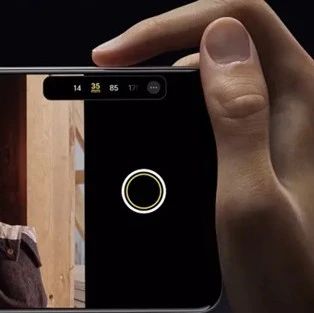
Core Viewpoint - The potential removal of the camera button from future iPhone models indicates a shift in consumer preferences and manufacturer strategies, suggesting that the feature may not provide sufficient value to justify its existence [4][40]. Group 1: Industry Trends - Recent reports from digital influencers suggest that Apple may eliminate the camera button in the next iPhone model, leading other manufacturers to reconsider their own implementations of this feature [6][8]. - Historically, non-Apple brands have been the pioneers of physical camera buttons, with models like Sony's Cyber-shot and Nokia's N series setting the standard long before Apple entered the market [11][14]. - The trend of following Apple's lead has been prevalent among domestic brands, with many adopting similar features to align with Apple's offerings, particularly in high-end models [15][17]. Group 2: Consumer Reception - The initial excitement surrounding the camera button has waned, leading to polarized opinions among users, with some viewing it as a marketing gimmick rather than a functional enhancement [25][28]. - Supporters of the camera button argue that it provides a more professional photography experience, especially in challenging conditions, while critics highlight its impracticality and the potential for accidental activation [30][33]. - The complexity of using the camera button for various functions has been criticized, as it often requires multiple steps that can disrupt the user experience compared to simpler touchscreen controls [36][39]. Group 3: Manufacturer Strategies - The decision to include or exclude the camera button reflects a broader consideration of cost versus benefit for manufacturers, with many concluding that the feature does not meet a significant consumer need [41][44]. - Apple's initial push for the camera button was likely a strategic move to differentiate its Pro series, targeting a niche market, while other brands may have followed out of competitive pressure rather than innovation [43][44]. - As market dynamics evolve, manufacturers may prioritize features that enhance core user experiences, such as battery life and connectivity, over less essential functionalities like the camera button [44].
华为重夺中国手机市场出货量第一
Zheng Quan Ri Bao· 2025-08-18 16:17
Core Insights - The Chinese smartphone market experienced a decline in shipments, with 68.86 million units shipped in Q2 2025, marking a year-on-year decrease of 4.1%, ending six consecutive quarters of growth [1] - Huawei regained the top position in the domestic smartphone market with a shipment of 12.5 million units, attributed to its focus on technological innovation and strategic consistency [1][2] - The competitive landscape is evolving, with a shift towards high-end competition and a focus on capturing existing users rather than relying solely on price wars [2] Company Performance - Huawei led the market with 12.5 million units shipped, followed by Vivo with 11.9 million and OPPO with 10.7 million units [1] - Xiaomi was the only brand among the top five to achieve positive growth, with a year-on-year increase of 3.4%, while Apple ranked fifth with 9.6 million units shipped [1] Industry Trends - The smartphone market is transitioning to a phase characterized by high-end competition and a focus on existing user retention, moving away from traditional price competition [2] - Companies are leveraging AI technology, imaging systems, and fast charging capabilities as key differentiators in their product offerings [2]
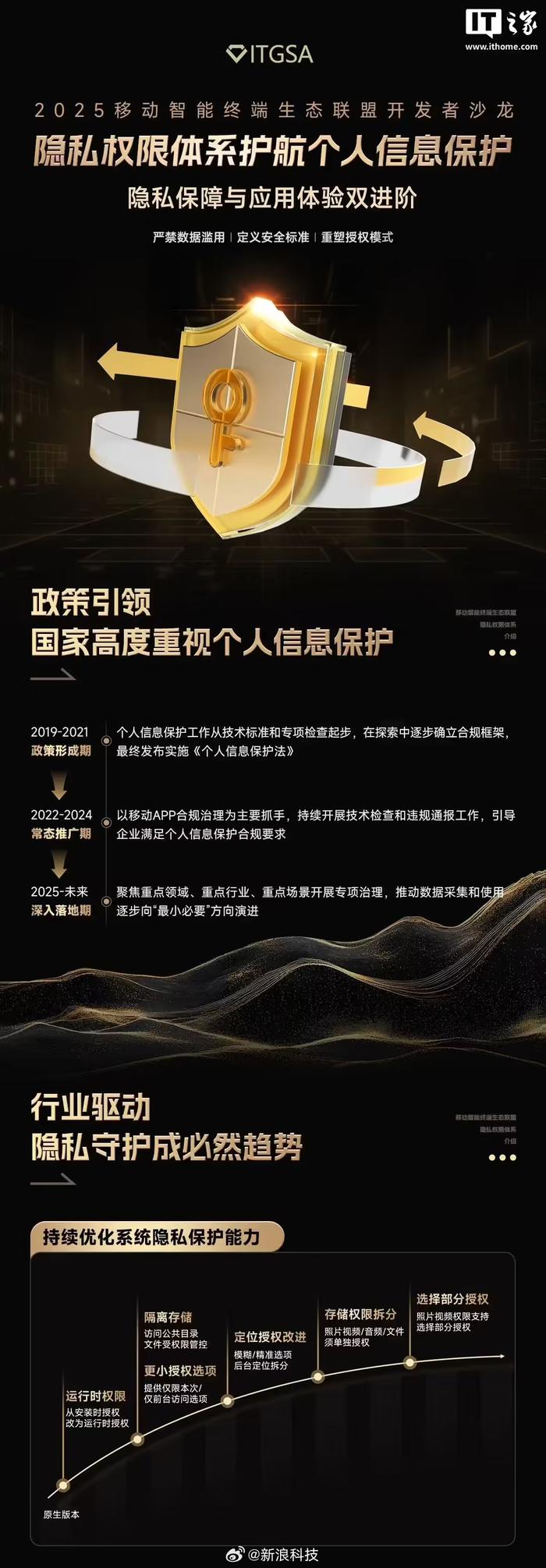
小米荣耀等5家企业联合推出隐私权限体系
Xin Lang Ke Ji· 2025-08-18 14:46
Group 1 - The core viewpoint is that five companies, including OPPO, vivo, Xiaomi, Honor, and Lenovo, have jointly launched a privacy permission system to enhance data protection while improving user experience [1] - The initiative aims to optimize system privacy protection capabilities and upgrade system permission capabilities, using system controls instead of traditional permission authorization [1] - The new privacy permission system will support a dual-track data access mechanism, ensuring transparency and control over data authorization [1] Group 2 - The timeline for personal information protection work includes three phases: policy formation (2019-2021), normalization promotion (2022-2024), and deep implementation (2025 and beyond) [3] - The focus during the normalization promotion phase will be on mobile app compliance governance, with ongoing technical inspections and violation notifications [3] - The deep implementation phase will concentrate on key areas, industries, and scenarios to promote data collection and usage towards a "minimum necessary" direction [3] Group 3 - The privacy permission system will include features such as split storage permissions, improved location authorization requiring separate consent, and runtime permissions instead of installation-time permissions [5] - The system will also provide options for limited access during runtime, allowing for more granular control over data access [5]
消费电子+算力+液冷概念底部黑马,主力吸筹半仓,启动主升浪,有望翻倍!
Sou Hu Cai Jing· 2025-08-18 14:06
Market Overview - The Chinese consumer electronics market is projected to grow from 1.6587 trillion yuan in 2018 to 1.9772 trillion yuan in 2024, with a mobile phone shipment volume of 314 million units in 2024, representing an 8.7% year-on-year increase [1] - The global smartphone market revenue is expected to exceed $100 billion for the first time in Q2 2025, with an average selling price (ASP) nearing $350, marking a historical high [8] Policy Support - The government has implemented subsidy policies for new digital products, leading to a significant increase in mobile phone sales revenue by approximately 182% during the 2025 Spring Festival, with digital product sales exceeding 4.5 million units [2] Technological Innovation - Advancements in 5G, artificial intelligence, and the Internet of Things are driving the smart features of consumer electronics, with AI-enabled devices becoming more prevalent [3] - AI mobile phone shipments in China are expected to increase by 42% year-on-year by 2025, contributing to a 15%-30% rise in ASP for optical, acoustic, and thermal components [9] Consumer Demand - Generation Z is becoming the main consumer group, focusing on practicality and performance rather than brand image, leading to increased demand for smart and personalized products [4] Supply Chain Stability - China maintains its position as the world's largest producer of consumer electronics, with a stable supply chain that supports production and enhances product quality and competitiveness [5] Industry Events - The 2025 China International Consumer Electronics Expo is scheduled to take place from September 19 to September 21, 2025, focusing on global consumer electronics trends [6] Emerging Markets - The global smart glasses market is expected to see a 110% year-on-year increase in shipments in the first half of 2025, with AI smart glasses accounting for 78% of the total and experiencing over 250% growth [7] Company Highlights - Kosen Technology specializes in precision metal processing services for consumer electronics, medical devices, and automotive products [11][12] - Huahong Technology is a leading player in the metal recycling equipment sector, producing high-performance magnetic materials for the 3C electronics field [13] - Lingyi Technology offers comprehensive smart manufacturing services, focusing on AI smartphones, foldable phones, and AI PCs [15] - A leading cloud management service provider has a 65.33% revenue share from consumer electronics, focusing on digital solutions and self-branded products [16]


华为重返中国手机市场第一,Q2智能手机出货量终结六连增
Nan Fang Du Shi Bao· 2025-08-18 13:21
Core Insights - The Chinese smartphone market experienced a decline in shipments in Q2 2025, with a total of 68.86 million units shipped, representing a year-on-year decrease of 4.1%, ending a six-quarter growth streak [1][2] - Huawei regained the top position in the Chinese market with a shipment of 12.5 million units, capturing approximately 18% market share, despite a slight decline of 3.4% compared to the previous year [1][2] - The overall market is under pressure, with major competitors like Vivo and OPPO facing significant declines in shipments, while Xiaomi was the only brand among the top five to achieve positive growth [2] Market Dynamics - The competitive landscape among leading smartphone manufacturers has intensified, with Huawei, Vivo, OPPO, Xiaomi, and Apple being the top five players in the market [2] - Vivo and OPPO reported shipments of 11.9 million and 10.7 million units respectively, reflecting year-on-year declines of 10.1% and 5.0% [2] - Xiaomi's shipments reached 10.4 million units, marking a year-on-year increase of 3.4%, attributed to a strong performance in Q1 but a lack of new product launches in Q2 [2] Broader Market Trends - The global smartphone market saw a slight year-on-year growth of 1.0% in Q2 2025, reaching 295.2 million units, with Samsung maintaining its lead due to strong sales of its mid-range A series [3] - Economic uncertainty has negatively impacted demand in the low-end market segment in China, contributing to the overall decline in the domestic market [3] - The anticipated "national subsidy" policy had limited impact on market demand, and the mid-year "618" e-commerce promotion primarily served to clear existing inventory rather than stimulate new device sales [3]