金沙江创投

Search documents
罗马仕延续停工停产状态,罗马仕与红杉金沙江等洽谈重组
Xin Lang Cai Jing· 2026-01-04 11:30
Core Insights - Roma's internal restructuring plan named "Rebirth Plan" has been initiated, with the aim to officially launch in January 2026 and complete funding and restructuring by the first quarter of 2026 [1][2] - The company is in discussions with notable investment firms such as Sequoia Capital and GSR Ventures, with some institutions expressing interest in investing [1] - Roma has announced an extension of its suspension of operations as of December 31, 2025, indicating that the operational stagnation that began in July 2025 is still ongoing [2] Group 1 - The "Rebirth Plan" aims to regain new 3C certification and fully restore the product sales system [1] - The company has not formally notified employees about the continued suspension of operations, reflecting a lack of effective internal communication and management [2]
B+轮融资落地!方寸无忧领跑政企AI办公赛道,梅花创投、金沙江创投联合加持
Sou Hu Cai Jing· 2026-01-04 07:12
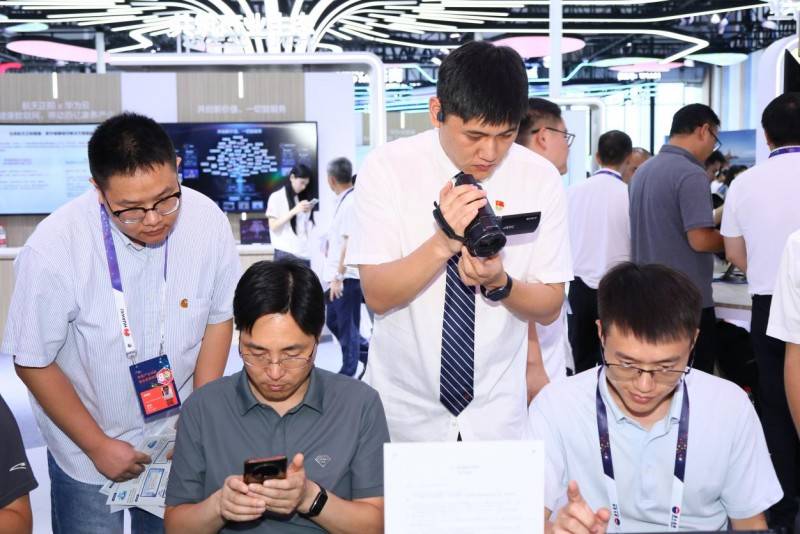
本轮融资的顺利落地,恰逢行业政策红利密集释放期。2025年8月国务院发布《关于深入实施"人工智能+"行动的 意见》,10月中央网信办、国家发展改革委联合印发《政务领域人工智能大模型部署应用指引》,既明确了政企 AI办公领域的发展方向与边界,也为行业发展释放了广阔市场空间。方寸无忧此次融资获得资本青睐,不仅印证 其九年来深耕政企AI办公产品业务布局的前瞻性以及对政企办公业务逻辑的深刻理解,更彰显了资本市场对政企 AI办公赛道发展潜力的坚定信心。 近日,国内政企AI办公领域领军企业北京方寸无忧科技发展有限公司(以下简称方寸无忧)宣布完成B+轮融资。 本轮融资由国内两家知名创投机构梅花创投领投、金沙江创投跟投。据了解,此次融资将主要用于持续提升产品 能力、深化垂直行业办公场景应用、扩展市场生态布局、提升客户服务水平,进一步巩固其在政企AI办公赛道的 领先地位。 2025中国国际大数据产业博览会暨华为云828企业节开幕式演讲 凭借扎实技术实力与精准场景定位,以及9年来对时政知识、公文专业知识的沉淀和对公文处理业务逻辑的研究, 方寸无忧已构建起深厚的行业壁垒。据了解,方寸无忧参与了《电子文件智能校对技术》《人工智能知识 ...

对话朱啸虎:培养一个真正的合伙人,学费至少是1亿美元
Xin Lang Cai Jing· 2025-12-29 03:39
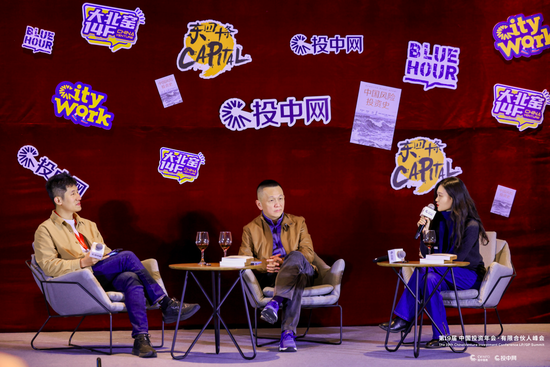
Core Insights - The article discusses the evolution of venture capital in China, emphasizing the significance of "dollars" in its history and the challenges faced as the industry moves beyond the dollar era [4][36] - It highlights the need for a new approach to talent development in venture capital, as the traditional methods associated with dollar funds are no longer applicable [5][36] - The conversation features insights from prominent venture capitalist Zhu Xiaohu, who reflects on the lessons learned from past investments and the changing landscape of the industry [6][36] Group 1: Historical Context - Venture capital in China has its roots in the dollar economy, with early investments primarily coming from dollar funds, which played a crucial role in shaping the industry [4][35] - The initial wave of venture capital in China was influenced by the experiences and methodologies of American dollar funds, which served as a learning platform for local investors [4][35] - The current investment themes, such as semiconductors and commercial aerospace, are seen as new challenges for dollar funds, lacking established success stories [36] Group 2: Talent Development and Investment Philosophy - Zhu Xiaohu states that cultivating a true partner in venture capital may require an investment of at least $100 million to assess their capabilities, indicating the high cost of developing talent in the industry [5][21] - The article discusses the shift in investment strategies, with a focus on the importance of financial data and profitability over brand recognition in making investment decisions [47][49] - Zhu emphasizes the need for a clear investment philosophy, prioritizing projects that demonstrate strong financial fundamentals and sustainable business models [47][50] Group 3: Lessons from Past Investments - Zhu shares experiences from past investments, such as the challenges faced with companies like LaShou and the importance of timing in entering markets [21][23] - The article highlights the pitfalls of investing in advanced technologies without considering market readiness and the maturity of the technology [25][23] - Zhu reflects on the significant returns from investments in companies like Ele.me and Didi, noting the importance of understanding user acquisition costs and market dynamics [49][50]

对话朱啸虎:培养一个真正的合伙人,学费至少是1亿美元
投中网· 2025-12-29 03:30
Core Viewpoint - The article discusses the evolution of venture capital in China, particularly the influence of dollar funds and the challenges faced in the current investment landscape as the industry transitions away from the dollar-centric model [3][4]. Group 1: Historical Context of Dollar Funds - Dollar funds have been pivotal in the development of China's venture capital industry, serving as both a starting point and a learning resource for local investors [3]. - The initial wave of venture capital in China was heavily influenced by successful dollar funds, which provided essential knowledge and experience to local entrepreneurs and investors [4]. Group 2: Challenges in the Current Investment Landscape - The current investment environment presents difficulties in nurturing new talent, as the high costs associated with training potential partners (estimated at $100 million) deter firms from investing in human capital [4][22]. - There is a growing concern about the lack of successors in the venture capital space, prompting a need to revisit and redefine investment strategies and philosophies [4]. Group 3: Investment Philosophy and Strategies - The investment philosophy emphasizes the importance of clear viewpoints over brand recognition, suggesting that a strong personal brand can lead to better investment opportunities [15][16]. - The article highlights the significance of understanding financial data and the risks associated with different investment cycles, particularly in the context of technology and hardware investments [17][21]. Group 4: Lessons from Past Investments - Historical investment experiences, such as the early decisions regarding companies like 拉手网 (Lashou) and 宁德时代 (CATL), illustrate the importance of timing and market readiness in investment success [23][25]. - The article reflects on the lessons learned from past failures, emphasizing the need for a balance between technological advancement and market maturity [27][28]. Group 5: Future Outlook and Investment Trends - The current trend in venture capital is to avoid highly concentrated investment areas, advocating for a strategy that diverges slightly from mainstream consensus to find better value opportunities [35]. - The discussion includes the potential for high-return investments in emerging technologies, stressing the importance of understanding customer needs and pricing strategies [36].

资本疯抢!三个月多轮融资,“水下大疆”世航凭什么霸榜海洋机器人赛道?
Xin Lang Cai Jing· 2025-12-20 11:52
Group 1 - Seha Intelligent has secured three rounds of financing totaling several hundred million yuan within three months, establishing its position as a leader in the marine robotics sector [1] - The investment from top-tier capital firms such as Temasek's Xiangfeng Investment and Jinsha River Ventures indicates strong confidence in Seha's technological advancements and market potential [1] - Seha's core team consists of industry experts with over 300 intellectual property rights, enabling full independent research and development of key components and software algorithms [1] Group 2 - The marine robotics market presents a significant opportunity, with only 1% of the ocean's resources currently developed, highlighting a trillion-dollar market potential [2] - Seha Intelligent's capabilities in overcoming the high technical barriers associated with marine robotics position it as a benchmark in the industry, aligning with national strategies for marine development [2] - The company's integrated system of research, production, sales, and service supports its mature product offerings, which have been validated in various global scenarios [1][2]

月活暴跌70%背后,Kimi走在钢索之上
36氪· 2025-12-19 13:19
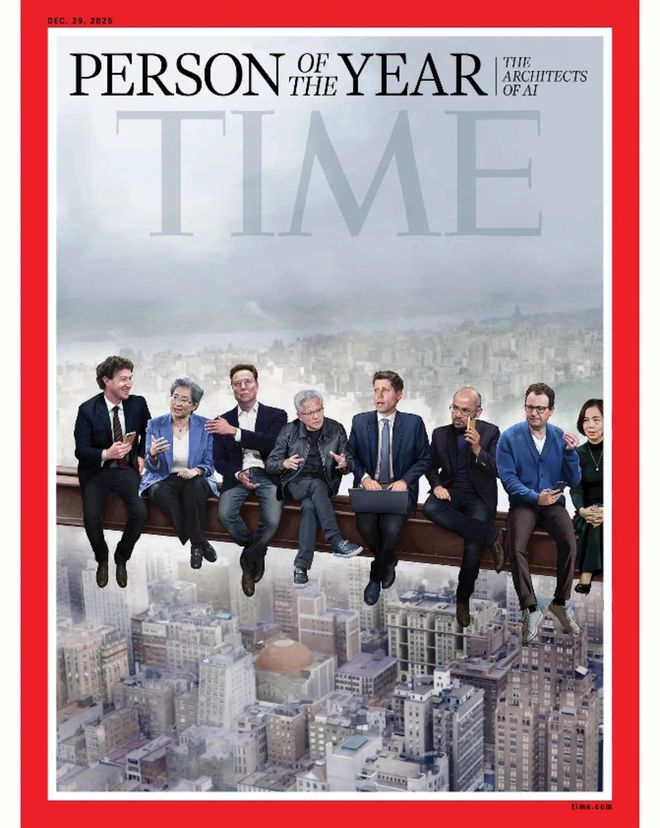
听潮TI . 关注商业前沿,记录新商业故事。 以下文章来源于听潮TI ,作者听潮TI 融资?上市?张予彤走向台前, 月之暗面的商业化大考。 文 | 郭佳哿 编辑 | 张晓 来源| 听潮TI(ID: gh_49e8c5638ce2 ) 封面来源 | 视觉中国 最近,《时代》刚发布的年度人物封面选择复刻那张诞生于经济大萧条时期的经典照片《摩天大楼上的午餐》。 不同的是,这一次坐在高空钢梁上的,不再是工人,而是八位被视作 "推动人类进入 AI 时代"的关键人物。 图/时代周刊 这个位置本身,也正是当下整个 AI 行业所处的现状。 在一个尚未完工、规则仍在快速变动的系统中,没有人真正处在安全地带。脚下是技术红利逐渐收 敛的现实,身后是尚未被验证的商业模式,而市场已经开始要求答案。 当行业逐渐意识到,单纯的模型能力已经难以拉开决定性差距,关于 " AI 下一步该往哪里走"的判断被再度强调。李彦宏在接受《时代》采访时再次指出 应用层的重要性。这样的表述并不新鲜,但其被反复提起,本身已经构成一个信号——行业正在从技术叙事,转向结果叙事。 谁来负责商业化?谁来回应增长与现金流? 这些问题开始从幕后,被推到台前。对于那些尚未背 ...
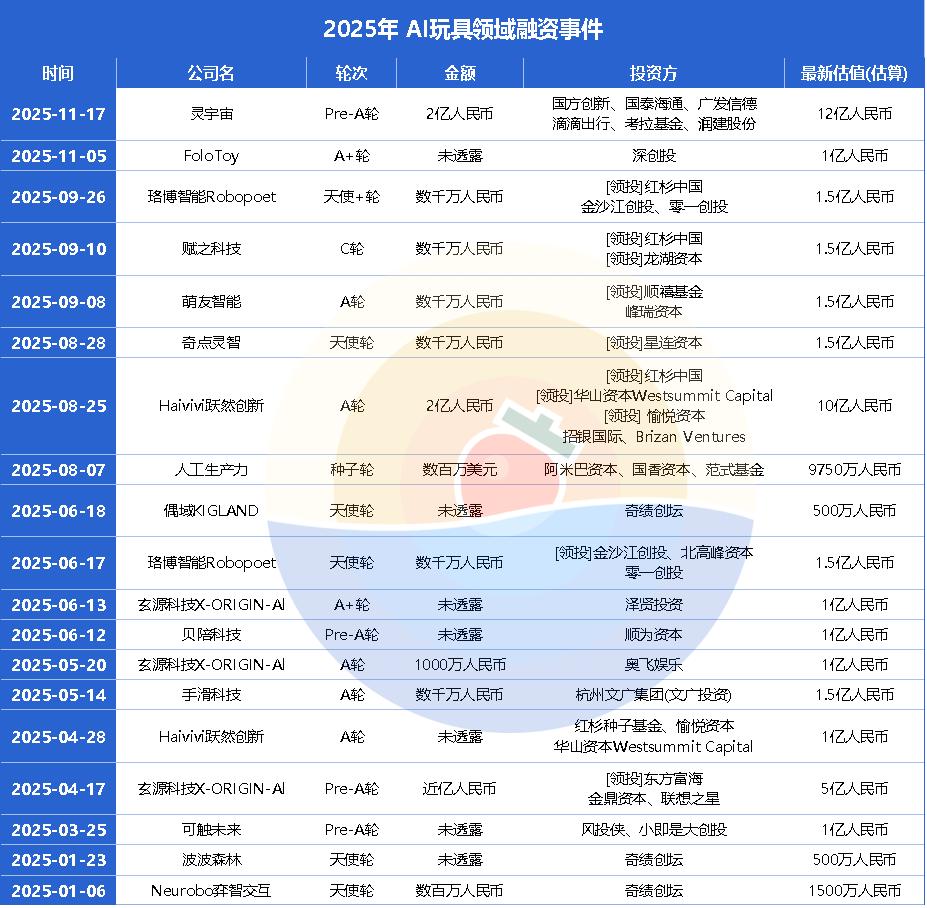
AI玩具的风,吹动投资人
创业邦· 2025-12-19 00:08
Core Viewpoint - The AI toy sector has emerged as a highly attractive investment area, driven by the maturity of large models and the demand for innovative applications in consumer electronics, with a projected market size of nearly $20 billion in 2024 and expected to reach $35.11 billion by 2030, potentially exceeding $60 billion by 2034 [5][9][20]. Investment Trends - The AI toy sector has seen a significant increase in financing events, with 19 occurrences in 2025, up from 14 in 2024 and just 3 in 2023, indicating a resurgence of investor interest [9]. - Notable investments have been made by leading firms such as Sequoia China, GSR Ventures, and Didi Chuxing, highlighting the competitive landscape of the sector [9][15]. Company Highlights - Lingyu Universe, founded in 2023, has rapidly completed three rounds of financing, achieving a valuation of 1.2 billion RMB ($170 million) within six months [11][12]. - Haivivi, another key player, transitioned from a children's hardware company to focus on AI toys, launching the successful BubblePal product, which has sold over 300,000 units and generated over 100 million RMB ($14 million) in revenue [12][19]. Market Dynamics - The AI toy market is characterized by high competition and a diverse range of products, with many companies emerging since 2021, including Robopoet and Mengyou Intelligent [13][15]. - The sector is witnessing a blend of financial and industrial investments, with companies like Huawei and ByteDance collaborating on AI toy development, indicating a strategic push towards integrating AI into consumer products [19][20]. Consumer Engagement - The primary target demographic for AI toys is children aged 2-8, but there is potential for expansion into broader markets as companies seek to enhance user engagement and retention [21][22]. - Key performance indicators for success in the AI toy market include user retention rates and engagement metrics, which are critical for establishing long-term product viability [22].

月活暴跌70%背后,Kimi走在钢索之上
Tai Mei Ti A P P· 2025-12-18 08:26
文 | 听潮TI,作者 | 郭佳哿,编辑 | 张晓 最近,《时代》刚发布的年度人物封面选择复刻那张诞生于经济大萧条时期的经典照片《摩天大楼上的 午餐》。 不同的是,这一次坐在高空钢梁上的,不再是工人,而是八位被视作"推动人类进入AI时代"的关键人 物。 图/时代周刊 这个位置本身,也正是当下整个AI行业所处的现状。在一个尚未完工、规则仍在快速变动的系统中, 没有人真正处在安全地带。脚下是技术红利逐渐收敛的现实,身后是尚未被验证的商业模式,而市场已 经开始要求答案。 谁来负责商业化?谁来回应增长与现金流?这些问题开始从幕后,被推到台前。对于那些尚未背靠大厂 生态、主要依靠单一产品形态生存的AI公司而言,这种转向带来的并不是机会,而是压力。 也正是在这样的压力之下,张予彤首次以"Kimi 总裁"的身份走向台前,正式承担对外核心职责。这一 人事变化本身并不高调,只是在外界持续质疑Kimi融资节奏、算力成本与长期现金流模型的当下,行 业需要看到一条更清晰的商业落地与资本路径。 曾经,Kimi因技术稀缺性站上聚光灯;如今,当聚光灯转向"落地与回报",它也被推到了必须作答的位 置。 01从幕后到台前:当张予彤有了确定性新 ...
AI玩具的风,吹动投资人
3 6 Ke· 2025-12-18 02:23
Core Insights - The AI toy sector is experiencing a surge in investment interest, driven by the commercialization of AI technology and the emergence of new companies in the market [1][2] - The global AI toy market is projected to reach nearly $20 billion by 2024, with a compound annual growth rate of approximately 14%-16%, potentially exceeding $35.11 billion by 2030 and $60 billion by 2034 [1] - Investment activity in the AI toy sector has significantly increased, with 19 financing events reported in 2025, up from 14 in 2024 and just 3 in 2023 [2] Investment Trends - The financing scale for AI toy companies has started at around tens of millions of RMB, with several companies founded in 2023-2024 already achieving valuations exceeding 1 billion RMB [2] - Major investment firms such as Sequoia China, GSR Ventures, and Didi Chuxing are actively participating in funding rounds, indicating strong institutional interest [2][13] - Notable financing events include Lingyu Universe's 200 million RMB Pre-A round and Haivivi's 200 million RMB A round, both achieving valuations over 1 billion RMB [4][7] Company Developments - Lingyu Universe, founded in 2023, has rapidly completed three rounds of financing within six months, achieving a valuation of 1.2 billion RMB [4] - Haivivi, originally focused on children's hardware, pivoted to AI toys in response to market changes and has successfully launched products like BubblePal, selling over 300,000 units [5][6] - Other companies in the sector, such as Robopoet and Bepei Technology, have also secured significant funding, contributing to the overall growth of the AI toy market [8] Market Dynamics - The AI toy market is characterized by a diverse range of products and a growing number of startups, with over 100 investment institutions involved [9][13] - The competitive landscape includes both established players and new entrants, with a focus on emotional interaction and user engagement as key selling points [11][18] - The decline in technology costs and the robust supply chain in regions like the Pearl River Delta are facilitating the rapid commercialization of AI toys [17] User Experience and Challenges - High return rates for some AI toys, reported at 20%-40%, highlight challenges in user experience and product differentiation [15] - Concerns about product quality and the prevalence of "pseudo-AI" products have been raised, indicating a need for genuine innovation in the sector [15] - The emotional value provided by AI toys is seen as a significant driver of demand, particularly in urban environments where companionship is increasingly sought after [18]
中国本土第四个万店咖啡品牌诞生
中国基金报· 2025-12-12 10:21
Core Viewpoint - Nova Coffee has surpassed 10,000 stores, becoming the fourth local coffee brand in China to achieve this milestone, following Luckin Coffee, Kudi Coffee, and Lucky Coffee. However, its brand presence among consumers is relatively weak compared to its competitors due to its "parasitic store" model [2][4]. Group 1: Business Model - Nova Coffee operates under a "parasitic store" model, embedding its coffee business into existing commercial entities like convenience stores and esports cafes, rather than establishing independent stores. This approach allows for rapid expansion with minimal costs [4][5]. - As of November 3, 2025, 7,235 of Nova Coffee's stores (91.9%) are parasitic stores, with convenience stores being the primary location type. Notably, 3,635 of these stores are embedded within the 40,000+ locations of the convenience store chain Meiyijia, accounting for 46.2% of Nova's total stores [5]. Group 2: Brand Image Challenges - The "parasitic store" model presents a dual-edged sword, creating rapid expansion while hindering brand identity. The brand's perception is heavily influenced by the host stores, making it difficult to establish a distinct and high-quality brand image [7][9]. - Consumer purchasing behavior is primarily driven by location or price rather than brand loyalty, resulting in low customer retention and minimal brand premium [10]. Group 3: Strategic Initiatives - In response to brand image challenges, Nova Coffee is implementing a "light store" strategy, maintaining a large number of parasitic stores while gradually opening a few delivery-focused and brand image stores to enhance brand recognition [10]. - The company has completed multiple rounds of financing since its establishment in 2019, with the latest B++ round in September 2024 raising several hundred million yuan, aimed at building a coffee industry base and dedicated factory in Ningbo [13][15]. Group 4: Future Outlook - As Nova Coffee achieves its store count goals, the focus is shifting from the number of stores to the profitability and long-term brand value of each location. The challenge lies in transforming its extensive network into a brand with strong consumer loyalty and mental connection [16].