阿迪

Search documents
为什么全世界有品位的富豪们,都在偷偷穿这双鞋?
Hu Xiu· 2025-10-09 03:05
Core Insights - The company Angpao has emerged as a significant competitor to established brands like Nike and Lululemon, becoming a symbol of identity for the middle class [1] - In the second quarter of this year, Angpao reported a staggering year-on-year net profit decline of over 200%, indicating severe financial losses [1] Group 1 - Angpao has successfully captured market share from Nike and Adidas, positioning itself as a trendy choice among consumers [1] - The brand's appeal lies in its ability to resonate with the aspirations of the middle class, making it a status symbol [1] - The drastic drop in profits raises questions about the sustainability of Angpao's business model and its future growth prospects [1]
NikeSKIMS正式上线:是力量版的SKIMS,时尚版的耐克
3 6 Ke· 2025-09-23 00:55
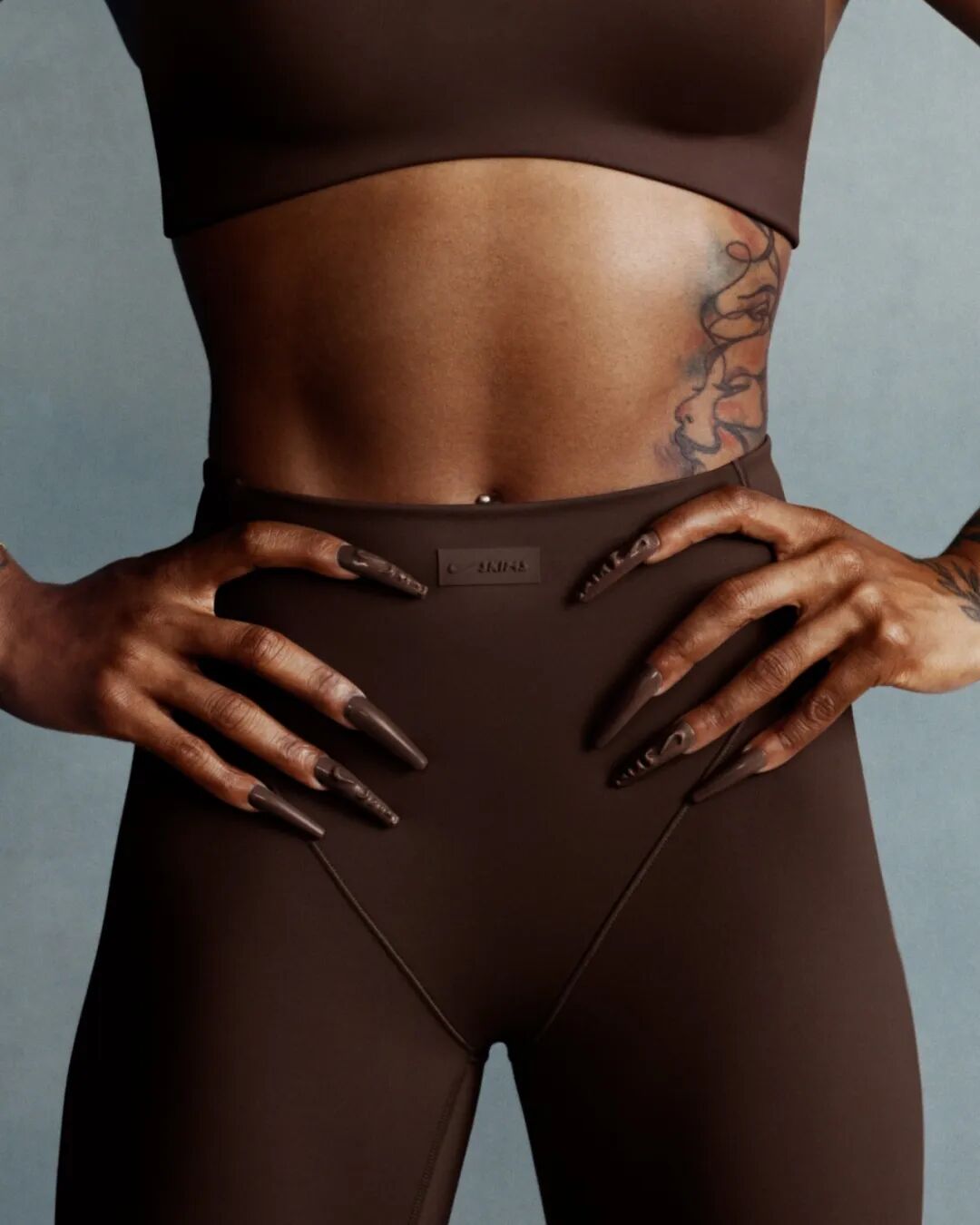
Core Insights - Nike has launched its highly anticipated annual project, NikeSKIMS, featuring 7 series and 58 products aimed at combining fitness functionality with fashion [1][5][6] Product Overview - The initial product launch includes three key series focused on different training intensities: Matte series for medium intensity, Shine series for strength training, and Airy series for low intensity [9] - The collection emphasizes both style and functionality, showcasing a blend of SKIMS' body-inclusive design and Nike's athletic performance [7][10] Marketing and Branding - A creative short film titled "Bodies at Work" was released, featuring over 50 female athletes, including Kim Kardashian, highlighting the mission to redefine women's sportswear [3][17] - The collaboration with Kardashian aims to attract a new generation of young women, positioning her as a potential symbol for Nike's women's segment, akin to Michael Jordan for men's basketball [17][19] Competitive Landscape - NikeSKIMS enters a competitive market dominated by brands like Lululemon and Alo, which have established strong footholds in women's athletic wear [14][15] - Despite Lululemon's recent market challenges, it still maintains significant revenue, indicating a robust demand for women's fitness apparel [15] - The market is increasingly crowded with vertical brands gaining traction, suggesting that NikeSKIMS must deliver not only product quality but also a compelling brand narrative to succeed [21]


创立lululemon的人,在始祖鸟上赚到人生第三桶金
36氪· 2025-09-03 09:10
Core Viewpoint - The article discusses the rise of Chip Wilson, the founder of lululemon, and his significant impact on the sportswear industry, particularly in relation to the Chinese market and the emergence of brands like Arc'teryx and Salomon as competitors to lululemon [5][9][11]. Group 1: Chip Wilson's Journey - Chip Wilson sold 0.8% of his shares in Amer Sports for $159.7 million, marking his third significant financial success [6][10]. - Wilson founded lululemon in 1998 after gaining experience from his previous venture, Westbeach, which he sold for $1 million [7][19]. - His entrepreneurial journey is detailed in his autobiography, where he reflects on the lessons learned from his earlier struggles [16][18]. Group 2: Brand Comparisons - Arc'teryx is referred to as the "male version of lululemon," indicating a shift in consumer identity beyond just functional sportswear [26]. - Amer Sports, which owns Arc'teryx and Salomon, has seen its market value rise to $21.8 billion, significantly increasing from its acquisition price [10][27]. - The article highlights the need for Amer Sports to prove that its brands can sustain long-term growth, contrasting with lululemon's established market presence [28][30]. Group 3: Market Dynamics - Both Amer Sports and lululemon heavily rely on the Chinese market for growth, with Amer Sports reporting over 50% year-on-year growth in China [33][36]. - The article notes that while lululemon's revenue in China grew by 21%, its North American sales declined, prompting a reduction in its annual performance guidance [36][38]. - The competitive landscape is evolving, with new brands entering the market and established players like Nike and Adidas also seeking to regain market share [37][38].

迪卡侬的十字路口:中产看不上,穷鬼穿不起
虎嗅APP· 2025-09-01 13:53
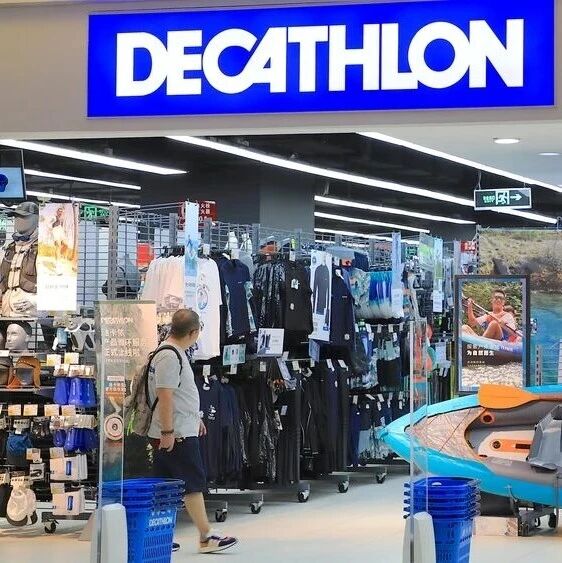
Core Viewpoint - Decathlon, once known as an affordable sports paradise, has transformed into a brand that many consumers now find unaffordable and unappealing due to significant price increases without corresponding improvements in product quality or desirability [3][12][26]. Group 1: Price Increases and Consumer Sentiment - Between 2022 and 2024, the average selling price of Decathlon products rose from 128.81 yuan to 196.32 yuan, marking a 52% increase [6]. - Specific product price changes include a 20L backpack increasing from 49.9 yuan to 89.9 yuan, a white cotton T-shirt from 19.9 yuan to 39.9 yuan, and a fleece jacket from 249 yuan to 499 yuan [7][10]. - Consumers express feelings of betrayal as they now have to reconsider purchases that were once straightforward, indicating a shift from a "buy without thinking" mentality to a more cautious approach [11][12]. Group 2: Market Position and Brand Perception - Decathlon's strategy to raise prices in an attempt to reposition itself as a higher-end brand has not resonated well with consumers, leading to a loss of its original customer base [12][26]. - The brand's attempt to cater to both price-sensitive consumers and higher-end markets has resulted in a fragmented identity, with products ranging from low-cost items to high-end bicycles priced at 69,999 yuan [28][30]. - The company's revenue for 2024 was reported at 16.2 billion euros, but profits fell by 15.5%, indicating that price increases did not translate into brand premium [25][26]. Group 3: Competitive Landscape and Consumer Choices - The outdoor sports market is seeing a rise in competition, with many brands increasing their prices, yet some are still able to attract consumers willing to pay a premium [14][15]. - The emergence of alternative brands offering similar products at lower prices is contributing to Decathlon's challenges, as consumers are increasingly opting for these alternatives [20][26]. - The trend of consumers gravitating towards mid to high-end products suggests a shift in market dynamics, where Decathlon's traditional value proposition is being undermined [15][16]. Group 4: Brand Strategy and Future Directions - Decathlon's recent rebranding efforts, including the introduction of a new logo and the establishment of specialized brands, aim to redefine its market presence [23][25]. - Despite these efforts, the brand struggles to connect emotionally with consumers, lacking the storytelling and cultural resonance that competitors like Lululemon and Arc'teryx have successfully cultivated [33][34]. - The recent popularity of a free promotional item, the "urea bag," highlights a potential return to Decathlon's roots of practicality and value, contrasting sharply with its recent pricing strategy [42][44].
迪卡侬的十字路口:中产看不上,穷鬼穿不起
创业邦· 2025-08-30 03:19
Core Viewpoint - Decathlon, once known as an affordable sports paradise, has undergone significant price increases, leading to a loss of its original appeal to price-sensitive consumers while failing to attract higher-end customers [5][8][28]. Group 1: Price Increases and Consumer Sentiment - Between 2022 and 2024, the average selling price of Decathlon products rose from 128.81 yuan to 196.32 yuan, marking a 52% increase [9]. - Classic products have seen notable price hikes, such as a 20L backpack increasing from 49.9 yuan to 89.9 yuan and a fleece jacket from 249 yuan to 499 yuan [13]. - Consumers express feelings of betrayal as the perceived value of products has not improved alongside price increases, leading to hesitation in purchasing [11][18]. Group 2: Market Position and Competition - Decathlon's price increases have positioned it as a less favorable option compared to other brands, with consumers questioning why they should choose Decathlon over brands like Lululemon or local alternatives [18][20]. - The outdoor sports market has seen a general price increase, with many brands successfully raising prices while maintaining consumer interest, unlike Decathlon [19]. - The number of new brands in the outdoor sports sector has doubled, indicating increased competition for Decathlon in the mid-range market [20]. Group 3: Brand Strategy and Identity Crisis - Decathlon has attempted to reposition itself as a multi-domain professional sports brand, but this strategy has not resonated well with consumers [26][27]. - The company has faced a significant drop in profit, with a 15.5% decrease year-on-year, indicating that price increases have not translated into brand premium [27]. - The brand's identity has become fragmented, with a mix of low-priced and high-priced items leading to confusion among consumers about its market position [28][29]. Group 4: Consumer Experience and Brand Perception - The shift towards higher prices has alienated Decathlon's original customer base, who valued the brand for its affordability and practicality [37]. - The lack of emotional connection and storytelling in the brand's transition to higher pricing has resulted in a failure to engage both existing and potential customers [35][38]. - Recent marketing efforts, such as the introduction of a free urea bag, have garnered positive attention, suggesting a potential return to the brand's roots of practicality and value [42][47].
迈向全球化的多品牌操盘手,安踏越来越像是中国的 LVMH
晚点LatePost· 2025-08-28 03:59
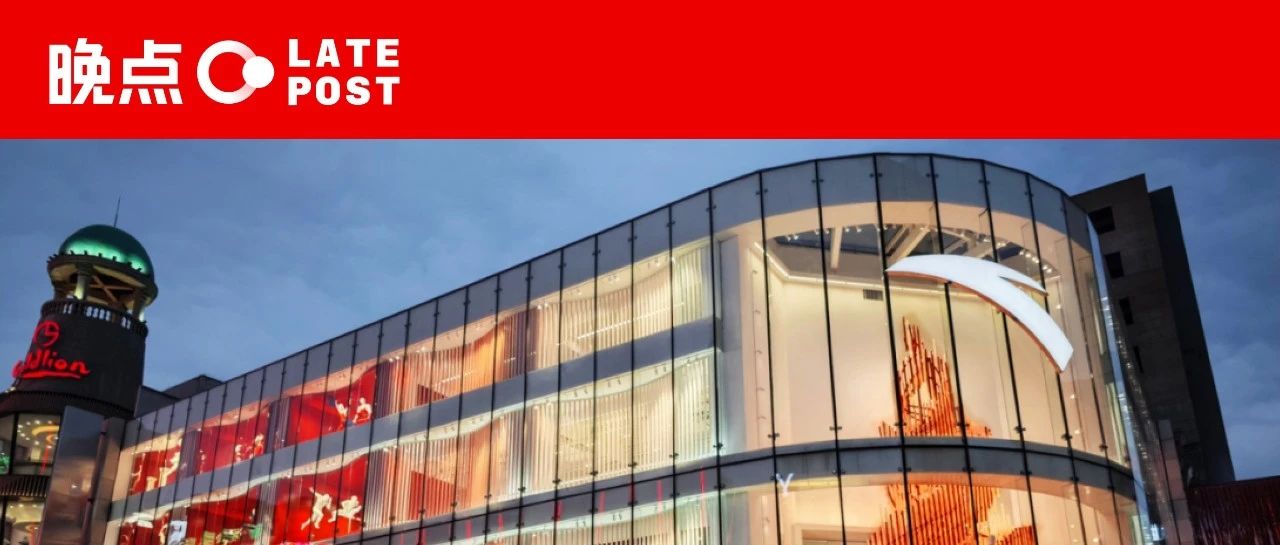
Core Viewpoint - Anta's multi-brand strategy has become a significant driver of the company's growth, showcasing its ability to maintain high revenue growth despite challenging market conditions [2][5][20]. Group 1: Financial Performance - In the first half of 2025, Anta Group achieved a revenue growth of 14.3%, reaching 38.54 billion yuan, further solidifying its dominance in the domestic sports goods sector [3]. - Revenue from Anta and FILA brands was 16.95 billion yuan and 14.18 billion yuan, with year-on-year growth rates of 5.4% and 8.6% respectively; other brands, including Descente and Kolon, generated 7.41 billion yuan, marking a significant growth of 61.1% [3][5]. - Anta's overall gross margin and operating profit margin were 63.4% and 26.3%, with FILA showing higher margins at 68% and 27.7% [3]. Group 2: Multi-Brand Strategy - Anta's acquisition of the German outdoor brand Jack Wolfskin for 290 million USD in the first half of 2025 exemplifies its commitment to expanding its multi-brand portfolio [5]. - The company reported a net cash inflow of 10.93 billion yuan in the first half of 2025, up from 8.50 billion yuan in the same period last year, indicating strong cash flow to support its multi-brand strategy [5]. - Anta's DTC (Direct-to-Consumer) revenue now accounts for nearly 90% of its total revenue, showcasing its successful transition from a traditional wholesale model [10]. Group 3: Retail and Brand Management - Anta's "brand + retail" business model emphasizes the importance of controlling the end consumer experience to effectively manage brand value [9][12]. - The company has established a robust retail response mechanism and method system, allowing different brands to share resources and achieve synergy [12]. - Anta's management structure allows each brand's CEO to be responsible for profitability while maintaining strategic alignment with the overall group goals [15]. Group 4: Global Expansion - Anta's global strategy has entered its third phase, with successful international acquisitions and a focus on adapting to regional market characteristics [24][25]. - The company has expanded its brand presence in Southeast Asia, the Middle East, Africa, and North America, employing tailored strategies for each market [24]. - Anta's approach to internationalization serves as a reference model for other Chinese retail brands seeking to enter global markets [25][26].
运动品牌该如何走出中年危机?
3 6 Ke· 2025-08-01 02:28
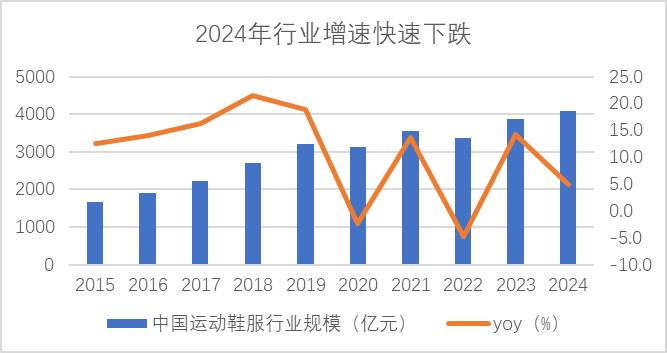
Core Insights - The Chinese sports brand industry is experiencing a collective slowdown, marking the end of the "national sports dividend" period, with market growth projected at only 5.9% in 2024, reaching 410 billion yuan [1][3] - Domestic brands have gained market share due to events like the Xinjiang cotton controversy, with Anta, Li Ning, and other brands collectively surpassing 50% market share, indicating a deepening of domestic replacement [1][3] - The concentration ratio (CR5) of domestic sports brands has reached 53%, making China the most concentrated market globally, leading to a shift where leading brands must transition from offensive to defensive strategies [1][3] Group 1: Industry Challenges - Major brands like Anta, Li Ning, and Xtep are facing a "mid-life crisis," with Anta and FILA experiencing six consecutive quarters of single-digit growth, and Li Ning reporting low single-digit growth for the first half of the year [3][4] - Increased discount rates and return rates have made consumers more price-sensitive, prompting Anta to lower its growth guidance to single digits and reassess its market share goals against Nike [3][4] - The industry is expected to face a turning point in 2024, with Euromonitor predicting a growth rate of only 5.8% over the next five years, indicating a decline in market share for leading brands [3][4] Group 2: Brand Positioning and Strategy - Despite being manufacturing powerhouses, domestic brands struggle with brand positioning and recognition, often relying on price competitiveness rather than brand strength [5][6] - The early success of brands like Anta and Li Ning was driven by domestic sports stars and events, but these strategies are no longer effective as market dynamics change [7][8] - The trend of acquiring overseas brands has been a successful strategy for companies like Anta, which acquired FILA and has since seen significant growth, but this approach may not be sustainable in the long term [10][12] Group 3: Consumer Trends and Market Dynamics - The rise of niche sports and changing consumer preferences present opportunities for domestic brands to strengthen their market position, as seen with successful products like Xtep's marathon shoes [13][14] - The shift towards direct-to-consumer (DTC) models is becoming essential for brands to connect with consumers more effectively and reduce reliance on traditional distribution channels [16][17] - The focus on "value for money" is becoming increasingly important, with brands needing to adapt to consumer demands for better pricing and quality, as evidenced by the success of companies like Uniqlo [21][22]


靠DTC模式大卖的安踏,开始降速了
阿尔法工场研究院· 2025-07-24 11:31
Core Viewpoint - Anta is facing a critical question regarding the continuation of its Direct-to-Consumer (DTC) strategy as both Nike and Adidas are reassessing their own DTC approaches amid slowing growth for Anta [1][3]. Group 1: Anta's Performance and Market Context - Anta's growth has begun to slow down, with its main brand and FILA showing only low to mid-single-digit growth in retail sales for Q2 2025, while emerging brands have seen growth rates of 50% to 65% [6][8]. - The overall sports goods market has been a growth highlight, with retail sales growth of 25.7% in the first five months of the year, compared to 15.2% the previous year [11]. - FILA's performance has been particularly disappointing, with a reported 6.8% growth in H1 2024, significantly lower than the main brand's 13.5% growth [7][10]. Group 2: DTC Strategy Insights - DTC, which allows brands to sell directly to consumers, was initially seen as a way to enhance growth and profitability, but its effectiveness is now under scrutiny as major brands like Nike and Adidas face challenges related to inventory and channel management [9][10]. - The DTC model can significantly increase gross margins by eliminating middlemen, allowing brands to retain a larger share of sales revenue [16][21]. - However, transitioning to a DTC model also increases operational costs, as brands must now cover expenses traditionally borne by distributors, which can pressure net profits if not managed efficiently [22][23]. Group 3: Anta's Unique DTC Approach - Anta's DTC strategy began in 2020 during a challenging market environment, allowing for a smoother transition and testing phase [29][30]. - FILA served as a successful testing ground for DTC, enabling Anta to validate its model with lower costs and risks [31][32]. - Unlike Nike and Adidas, Anta has maintained a higher number of franchise stores compared to direct stores, indicating a more integrated approach to DTC that does not completely abandon distributors [35][36].
安踏的高毛利方法,其他品牌学不会
晚点LatePost· 2025-07-23 15:49
Core Viewpoint - Anta Sports has successfully reclaimed ownership of nearly 10,000 stores from distributors, enhancing its market position and profitability [2][3]. Group 1: Financial Performance - Anta Sports has demonstrated impressive financial results, becoming a leading player in the domestic footwear and apparel industry, with no significant challengers emerging [3]. - The company has maintained a gross margin exceeding 60% over the past four years, significantly higher than competitors like Nike, Adidas, and Li Ning, which have gross margins below 50% [7][9]. - The gross margin of Anta's core brand has improved from 41% in 2019 to 52% in 2021, attributed to the implementation of a Direct-to-Consumer (DTC) model [14][18]. Group 2: DTC Model and Brand Strategy - The DTC model allows Anta to connect directly with end consumers, eliminating intermediaries and enhancing revenue recognition [14][17]. - Over 90% of Anta's revenue now comes from the DTC model and e-commerce channels, indicating a significant shift towards a direct sales approach [17]. - The successful transition to the DTC model is largely credited to the prior success of the FILA brand, which has maintained a gross margin around 70% and has been a key contributor to Anta's overall profitability [13][19][22]. Group 3: Market Expansion and Future Prospects - Anta's acquisition of the German outdoor brand Jack Wolfskin aims to leverage its existing supply chain and retail network to capture a larger market share in the outdoor apparel sector, projected to exceed 100 billion yuan by 2024 [35]. - The company is expected to face challenges in sustaining growth, as the DTC model and e-commerce have already reached a high penetration rate, and the FILA brand's store count has stabilized around 2,000 [30][35]. - Anta plans to finance the Jack Wolfskin project through bond issuance, indicating confidence in future revenue growth and profitability [36].

「日本版安踏」,在中国「杀」疯了
36氪· 2025-06-08 09:16
以下文章来源于书单SHUDAN ,作者书单 书单SHUDAN . 对世界的另一种关注。 短短几年,亚瑟士何以逆袭? 文 | 笔下长青 编辑 | 宋函 来源| 书单SHUDAN(ID:SHUDAN20150423) 封面来源 | 视觉中国 名气不如耐克阿迪,但在地铁通勤、公园晨跑、马拉松比赛却经常人脚一双,有着"日本版安踏"之称的跑鞋之王亚瑟士,近两年在国内似乎越来越火。 亚瑟士的国际化战略,和今天的安踏特别像。亚瑟士2006年进入中国市场,将近20年来不但存在感弱,大部分时间还在亏损。然而这两年亚瑟士营收逆袭, 2024年全球销售额约349亿元人民币,同比增长近19%;其中,大中华区营收达48.23亿元,同比增长近30%,增速已经超过前两大市场欧洲和北美。 短短几年,亚瑟士何以逆袭? 只要发亚瑟士的内容 流量就比平时高 "我只要发亚瑟士的内容,流量就比平时高。"资深球鞋博主阿泰如此说:"上个月发的亚瑟士V16,其实是很老的一款鞋,只因为一个新的配色,就引来很 多人咨询,尽管这个配色实际上已经是去年的配色了。" 他是亲身感受到了亚瑟士近一两年在国内的走红,在他这些年对鞋子的研究中,看到不止一个国产品牌的鞋子在对 ...