
Sprott Asset Management

Search documents
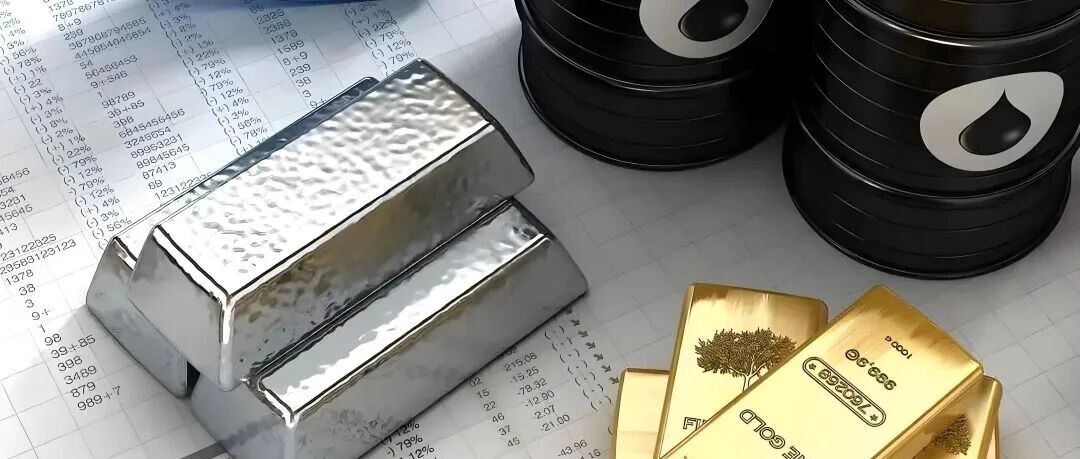
华尔街日报:一盎司白银现在竟然比一桶石油更值钱
美股IPO· 2025-12-29 00:19
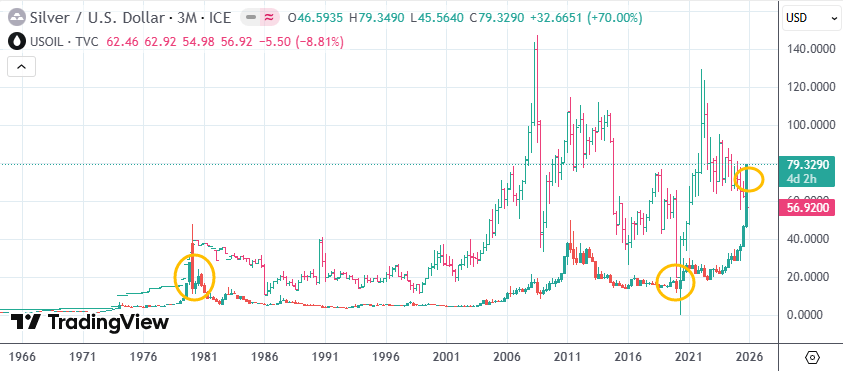
Core Viewpoint - The price of silver has surpassed that of oil for the first time in 45 years, driven by strong demand for the precious metal and an oversupply of oil leading to lower fuel prices [3]. Group 1: Silver Market Dynamics - Silver prices have reached a record high of $76.486 per ounce, significantly higher than the $56.74 per barrel price of U.S. crude oil [3]. - Demand for silver is robust from both investors and industrial buyers, particularly in sectors like solar energy, where nearly 30% of annual silver production is consumed [4]. - The competition for silver is intensifying as industrial buyers, including those in the solar panel industry, compete with investors who are shifting from gold to more affordable silver [4]. Group 2: Investment Trends - The surge in gold prices has led to increased silver imports in countries like India, where silver is favored by savers [5]. - Exchange-traded funds (ETFs) are also seeing a shift, with the largest silver ETF, iShares Silver Trust, priced at $71.12 per share, compared to the SPDR Gold Trust at $416.74 per share [5]. - The supply of silver is constrained, as it is primarily a byproduct of mining other metals, and the global pure silver reserves are nearly depleted [5]. Group 3: Price Predictions and Market Sentiment - Silver bulls argue that the gold-silver ratio is around 60, suggesting potential for silver prices to rise significantly [6]. - Conversely, some analysts predict a decline in precious metal prices, forecasting silver to drop to around $42 per ounce by the end of next year [7]. - The oil market is also under pressure, with expectations of a 21% drop in oil prices by 2025, which could further impact the silver market if the price ratio reverses [8].

Asia-Pacific markets set to trade mixed as investors kick off final trading week of 2025
CNBC· 2025-12-28 23:45
Market Overview - Asia-Pacific markets exhibited mixed trading patterns as the final trading week of the year commenced, with Japan's Nikkei 225 declining by 0.55% and the Topix falling by 0.26% [1] - In contrast, South Korea's Kospi increased by 0.62%, and the Kosdaq index saw a rise of 0.19% [1] - Hong Kong's Hang Seng index futures were slightly lower at 25,810 compared to the last close of 25,818.93 [1] Silver Market Insights - Spot silver prices reached a record high of over $80 per ounce, driven by speculative buying and ongoing supply tightness [2] - Sprott Asset Management noted that the silver rally this year is attributed to a depletion of freely traded inventory, which has intensified price movements as demand rises [2] - The favorable macro-outlook for 2026, characterized by lower interest rates and a potentially weaker U.S. dollar, is enhancing the attractiveness of hard assets like silver [3]
价格狂飙!一盎司比一桶原油还贵 马斯克:这可不好!
Mei Ri Jing Ji Xin Wen· 2025-12-28 15:04
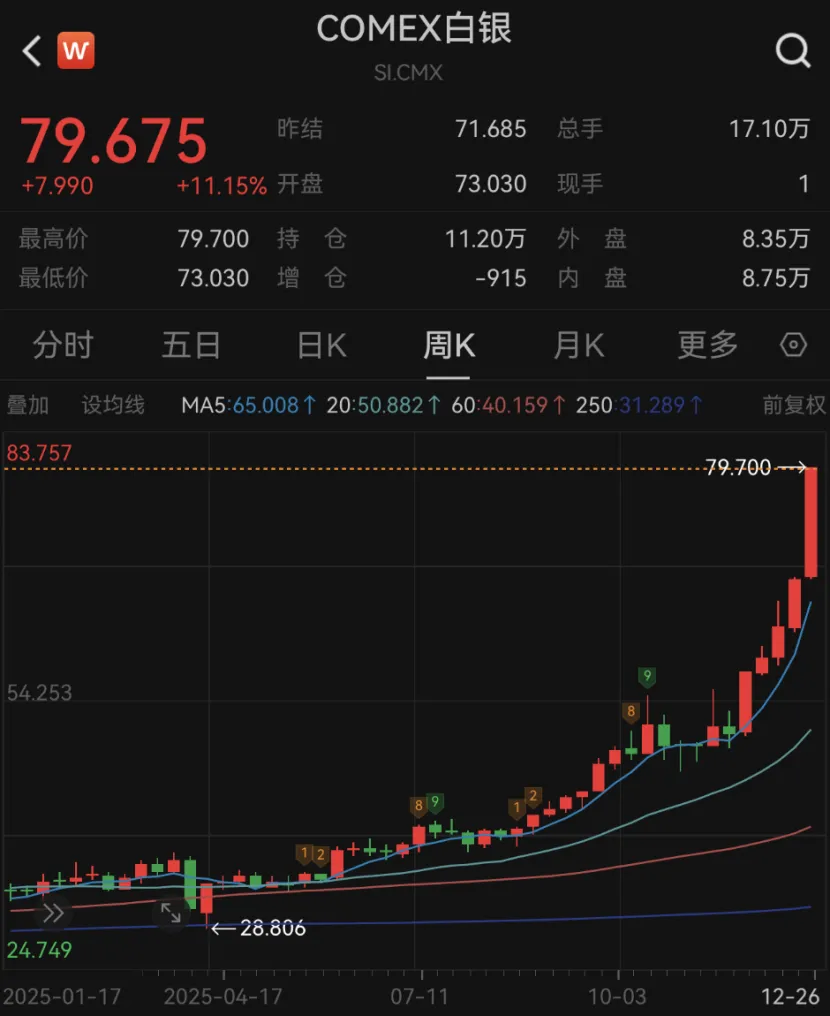
Core Viewpoint - Silver prices have surged dramatically, with COMEX silver futures rising over 11% and spot silver increasing over 10%, reaching a new historical high, with a year-to-date increase of 175%, significantly outpacing gold [1] Group 1: Price Dynamics - Spot silver prices have reached $79.19 per ounce, surpassing the price of a barrel of WTI crude oil, which closed at $56.93 [1] - The last time silver prices exceeded oil prices was in April 2020, during the COVID-19 pandemic [1] - The current surge in silver prices is attributed to high demand from both investors and the industrial sector, with industrial demand now accounting for 50% to 60% of total silver demand [2] Group 2: Supply and Demand Factors - The solar industry consumes nearly 30% of the annual silver production from mining and recycling, indicating a strong demand despite reductions in U.S. solar support [3] - The global supply of "pure silver" is nearly exhausted, with most silver now being produced as a byproduct of mining other metals like copper, gold, and zinc [3] - The market has been in a supply shortage for five consecutive years, with a projected cumulative shortfall of approximately 25,500 tons from 2021 to 2025 [4] Group 3: Market Sentiment and Future Outlook - Current silver demand is projected to reach 1.24 billion ounces by 2025, while supply is expected to be only 1.01 billion ounces, resulting in a supply gap of 100 to 250 million ounces [4] - COMEX silver inventories have decreased by 70% since 2020, and London vaults have seen a 40% decline, with some regions having only 30 to 45 days of available silver inventory [4] - Analysts warn that precious metal prices are at levels difficult to justify based on fundamentals, with predictions of a potential decline in silver prices to around $42 by the end of next year [5][6]
价格狂飙!一盎司比一桶原油还贵,马斯克:这可不好!
Mei Ri Jing Ji Xin Wen· 2025-12-28 08:23
Core Viewpoint - Silver prices have surged dramatically, with COMEX silver futures rising over 11% and spot silver increasing over 10%, reaching a historical high, with a year-to-date increase of 175%, significantly outpacing gold [1][3] Group 1: Price Dynamics - The current price of silver has surpassed that of WTI crude oil, with silver at $79.19 per ounce and oil at $56.93 per barrel, a situation not seen since April 2020 [1][3] - The market has experienced a supply shortage for five consecutive years, with an estimated cumulative shortfall of 25,500 tons from 2021 to 2025, indicating a structural deficit with no quick resolution in sight [6] Group 2: Demand Factors - Industrial demand for silver has risen to account for 50% to 60% of total demand, driven by its essential role in various industries, including solar energy, electric vehicles, and electronics [3][4] - The solar industry alone consumes nearly 30% of the annual silver production from mining and recycling, highlighting the growing industrial demand despite potential reductions in U.S. solar support [4] Group 3: Supply Constraints - There is little prospect for significant new silver production, as global "pure silver" deposits are nearly exhausted, with most silver now being a byproduct of mining other metals like copper and gold [5] - COMEX silver inventories have decreased by 70% since 2020, and London vaults have seen a 40% drop, with available silver stocks in some regions only sufficient for 30 to 45 days of demand [6] Group 4: Market Sentiment and Future Outlook - Analysts express concerns that precious metal prices have reached levels difficult to justify by fundamentals, with predictions of a potential decline in silver prices to around $42 by the end of next year [7][8] - The current surge in silver prices is attributed to a combination of short-term catalysts and long-term structural factors, with a warning that the rapid increase may lead to heightened market volatility and potential corrections [8]
白银价格暴涨 一盎司白银>一桶原油 马斯克:这可不好!
Mei Ri Jing Ji Xin Wen· 2025-12-28 07:58
Group 1 - The price of spot silver has surged to $79.19 per ounce, surpassing the price of WTI crude oil at $56.74 per barrel, a situation not seen since April 2020 [2] - Analysts note that the demand for silver from investors and the industrial sector is exceptionally high, with significant accumulation in both physical and financial forms for wealth storage and currency risk hedging [2] - The solar energy industry consumes nearly 30% of the annual silver production from mining and recycling, indicating strong industrial demand despite potential reductions in U.S. solar support [2] Group 2 - There is little prospect for a significant increase in silver supply, as global "pure silver" deposits are nearly exhausted, with most silver now being a byproduct of mining other metals like copper, gold, and zinc [3] - Some analysts warn that precious metal prices are at unsustainable levels, predicting a potential drop in silver prices to around $42 by the end of next year as enthusiasm for gold wanes [4] - The market has been in a supply shortage for five consecutive years, with a cumulative shortfall of approximately 25,500 tons expected from 2021 to 2025, driven by both short-term liquidity and long-term structural shortages [4]
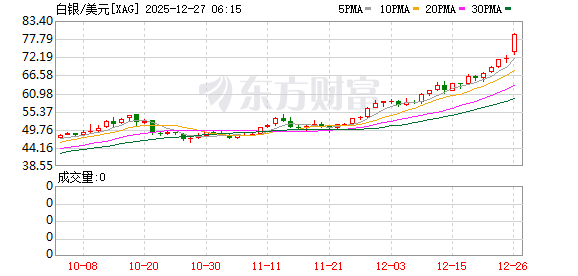
史诗级暴涨!马斯克,突爆大消息!
券商中国· 2025-12-28 07:31
Core Viewpoint - The silver market is experiencing a significant price surge, with COMEX silver futures rising over 11% and spot silver increasing over 10%, marking a year-to-date increase of 175%, which is much higher than gold [1][2]. Supply and Demand Dynamics - The global silver market has been in a structural deficit for five consecutive years, with physical inventories rapidly depleting. Major exchanges have seen significant declines in inventory levels, with COMEX silver stocks down 70% since 2020 and London vaults down 40% [5]. - By 2025, global silver demand is projected to reach 1.24 billion ounces, while supply is expected to be only 1.01 billion ounces, resulting in a supply gap of 100 to 250 million ounces [5]. - Industrial demand now accounts for 50% to 60% of total silver demand, highlighting silver's critical role in industries such as solar energy and electric vehicles [4]. Market Concerns - Elon Musk has expressed concerns about the rising silver prices, emphasizing the metal's essential role in various industrial processes [4]. - Analysts warn that the rapid increase in precious metal prices may not be sustainable, with some predicting a potential decline in silver prices to around $42 by the end of next year [6]. - The current surge in precious metal prices is attributed to a lack of market liquidity, which could lead to a swift correction [6][7]. Speculative Risks - The recent price increases are seen as overly speculative, driven by heightened trading activity rather than fundamental factors, which poses risks to market stability [7].

一盎司白银>一桶原油
Sou Hu Cai Jing· 2025-12-28 03:54
Group 1: Silver Market Dynamics - The price of silver has surged to $79.19 per ounce, surpassing the price of WTI crude oil at $56.74 per barrel, a situation not seen since April 2020 [1] - There is a strong demand for silver from both investors and industries, with significant accumulation in both physical and financial forms for wealth storage and as a hedge against currency risks [3] - The solar industry consumes nearly 30% of the annual silver production from mining and recycling, indicating robust demand despite potential reductions in U.S. solar support [3] Group 2: Supply Constraints - The supply of silver is unlikely to see significant new production, as global "pure silver" deposits are nearly exhausted, with most silver now being a byproduct of mining other metals like copper, gold, and zinc [3][4] - Changes in silver supply are often driven by the demand for other metals rather than silver itself [4] Group 3: Precious Metals Price Risks - Analysts warn that precious metal prices are at risk of a correction, with some predicting silver could drop to around $42 by the end of next year as enthusiasm for gold wanes [5] - The oil market is facing pressure from oversupply, with WTI crude prices down over 20% year-to-date, and Brent crude down over 19%, both near their lowest levels since 2022 [5] - Energy executives expect oil prices to average around $62 per barrel for next year's capital expenditure planning, significantly lower than previous estimates [5]
一盎司白银>一桶原油
财联社· 2025-12-28 02:35
Group 1: Silver Market Dynamics - The current price of silver has surged to $79.19 per ounce, surpassing the price of WTI crude oil at $56.74 per barrel, a situation not seen since April 2020 [1] - There is a strong demand for silver from both investors and industries, with significant accumulation in both physical and financial forms for wealth storage and currency risk hedging [3] - The solar industry consumes nearly 30% of the annual silver production from mining and recycling, indicating robust demand despite potential reductions in U.S. solar support [4] Group 2: Supply Constraints - The supply of silver is unlikely to see significant new production, as global "pure silver" deposits are nearly exhausted, with most silver now being a byproduct of mining for other metals [4][5] - Changes in silver supply are often driven by the demand for other metals rather than silver itself [5] Group 3: Price Risks and Market Outlook - Analysts warn that precious metal prices are at unsustainable levels, with expectations that silver prices may drop to around $42 by the end of next year as enthusiasm for gold wanes [6] - The oil market is facing pressure from oversupply, with WTI crude prices down over 20% year-to-date, and Brent crude down over 19%, both near their lowest levels since 2022 [6] - Energy executives do not expect significant increases in oil prices in the coming year, with average price assumptions for capital expenditure planning dropping from $71 to $62 per barrel [7]
应紧张和人工智能需求如何推动铜价逼近12,000美元
Wen Hua Cai Jing· 2025-12-13 02:16
随着人工智能数据中心对铜的需求预期飙升,加上美国以外地区的铜供应紧张,铜价正逼近每吨12,000 美元大关。 铜因其卓越的导电性而备受青睐,铜电线在为数据中心、电动汽车以及能源转型所需基础设施供电的电 网中至关重要。 包括风能和太阳能等可再生能源技术在内的能源转型预计也将提振铜需求。 麦格理预计,今年全球铜需求量将达到2,700万吨,比2024年增长2.7%,其中全球最大金属消费国中国 的需求量将增长3.7%。麦格理预测,明年除中国以外的全球铜需求量将增长3%。 麦格理分析师Alice Fox表示:"市场看涨情绪主要受供应紧张的预期驱动,宏观经济新闻也起到了支撑 作用。" **美国铜价吸引交易商** 包括9月份自由港麦克莫兰公司位于印尼的巨型格拉斯伯格铜矿发生的事故在内的供应中断,以及嘉能 可等矿业公司下调2026年的产量指导,进一步加剧了市场对供应紧张的预期。 受采矿业中断和美国库存增加的影响,铜价今年迄今已上涨35%,并有望创下2009年以来的最大涨幅。 周五,铜价一度触及每吨11,952美元纪录新高。 "希望投资多种人工智能相关资产的投资者也会购买包含数据中心所需硬资产的金融产品,"Benchmark ...
铀行业_Sprott 研讨会要点-Uranium_ Takeaways from Sprott Discussion
2025-12-08 15:36
Summary of Key Points from the Conference Call Industry Overview - **Industry Focus**: Uranium market dynamics and trends in contracting activity, particularly in the context of global supply and demand factors [2][4][9] Core Insights - **Spot Market Activity**: - Sprott Asset Management has been active in the spot market since June, purchasing approximately 8 million pounds of uranium, raising total holdings to 74 million pounds. The current spot price is around US$76 per pound, which is considered attractive for further purchases [3][9] - Utilities have been opportunistic in the spot market, taking advantage of low prices, while producer activity has been softer due to macroeconomic factors [3][9] - **Term Market Strengthening**: - Contracting activity in November saw a significant increase, with 30 million pounds contracted compared to just over 40 million pounds in the first ten months of the year. The term price is beginning to rise, indicating a scarcity of uranium supply [4][9] - Strong contracting activity is noted from China due to a large nuclear build-out, while US utilities have been less active due to uncertainties surrounding the Inflation Reduction Act (IRA) and tariffs [4][10] - **Supply Constraints**: - Key producers like Cameco and Kazatomprom are facing production challenges, leading to a disciplined supply environment. Brownfield restarts have also encountered difficulties, and permitting for new projects is lengthy, averaging around four years [5][9] Additional Important Insights - **US Policy Impact**: - The US government's commitment to expanding nuclear energy is crucial, with uranium under Section 232 review. Domestic uranium production has drastically decreased from over 40 million pounds in the 1980s to about 1 million pounds currently, while requirements remain close to 50 million pounds [10][11] - The US energy secretary has discussed building a strategic reserve of uranium, which may lead to increased domestic production as spot prices approach US$100 per pound [10][11] - **Diversification of Supply**: - Utilities are focusing on diversifying their supply sources to reduce reliance on Kazakhstan. New projects in Canada have potential to add supply, but permitting remains a challenge [11][12] - **Sprott's Position**: - Sprott will only sell uranium if cash flow becomes an issue, and they have not loaned out any material despite requests. Their annual purchase limit is set at 9 million pounds for 2024-25, with new limits to be determined in January 2026 [12][9] Conclusion - The uranium market is experiencing a mix of volatility in spot prices and strengthening in the term market, driven by disciplined supply and increasing demand, particularly from China. The US policy landscape remains a critical factor influencing market dynamics and potential investment opportunities in the sector [2][4][10]