
Scale AI

Search documents
20只独角兽、34亿美金,黄仁勋投出一个“AI帝国”
美股研究社· 2025-09-15 11:12
Core Insights - Nvidia has established itself as a cornerstone in the AI era, with its investments in startups indicating its ambition to build a comprehensive ecosystem over the next decade [3][29] - Since 2023, Nvidia has significantly increased its investment frequency, from approximately 20 investments in 2022 to around 50 by the end of 2023, maintaining a pace of about 50-60 investments annually thereafter [3][10] - Nvidia's investments span various stages of company development, from seed rounds to later stages, and primarily focus on the AI industry chain, including AI computing power, large models, and applications [5][19] Investment Strategy - Nvidia's primary investment activities are conducted through its Corporate Development Department, led by Vishal Bhagwati, who has a strong background in strategic investments and mergers [8][10] - The NVenture division, led by Sid Siddeek, focuses more on financial returns rather than just business synergies, indicating a dual approach to investment within Nvidia [11][13] - Nvidia has also established an incubation program, Inception, which has supported thousands of startups by providing AI computing hardware and cloud service discounts [16] Investment Performance - Nvidia has invested in 20 unicorns, with a total of about 40 unicorns in its investment portfolio, showcasing a high success rate in identifying valuable startups [19][24] - The Corporate Development Department has significantly outperformed NVenture in terms of producing unicorns, with 17 unicorns emerging from its investments since 2019 [19][24] - Notable investments include You.com, Reka AI, and FigureAI, all of which utilize Nvidia's GPU technology in their operations [20][22][24] Future Outlook - Nvidia's investment strategy is evolving to include sectors like energy and embodied intelligence, while still focusing on generative AI's core elements: computing power, data, and models [30][31] - The concept of an "AI Factory" has been introduced, aiming to integrate AI development with industrial processes, which is expected to generate tangible value for clients like Uber and Google [32][34] - Nvidia's long-term vision includes building a unified AI infrastructure that supports various applications, with a focus on sustainable energy and quantum computing integration [31][34] Financial Growth - Nvidia's long-term equity investments have seen a substantial increase, with values rising from $1.3 billion in fiscal year 2024 to $3.4 billion in fiscal year 2025, indicating a nearly threefold growth in just one year [37]


Scale被Meta收购后,这三个22岁天才捡到了大便宜
3 6 Ke· 2025-09-15 10:06
Core Insights - Mercor, a company that initially developed an AI-based recruitment tool, has pivoted to focus on recruiting human trainers for AI models, identifying a lucrative opportunity following Meta's acquisition of Scale AI [2][5][9] - The company has gained significant traction in the AI training space, reporting an annualized revenue of $100 million and a profit of $6 million in the first half of the year, with a monthly growth rate of nearly 60% [5][8] Company Overview - Mercor was founded in 2023 by three 22-year-old Thiel Fellows: Brendan Foody, Adarsh Hiremath, and Surya Midha, who received $100,000 in funding to pursue their entrepreneurial ambitions [4] - The company has received backing from prominent investors, including Benchmark and Jack Dorsey, and recently appointed Sundeep Jain, former Chief Product Officer at Uber, as its first president to guide its expansion [4][8] Business Model and Strategy - Initially focused on revolutionizing the recruitment process through AI, Mercor shifted its business model to specialize in recruiting high-skilled experts for AI model training, which is now considered its core growth engine [5][6] - The company emphasizes the importance of high-quality data and expert knowledge in training advanced AI models, with hourly rates for these experts ranging from $90 to $150 [6][8] Market Position and Competition - Despite Scale AI's recent challenges, the data labeling market remains competitive, with companies like Surge and Turing AI also vying for market share [6][9] - Mercor has successfully penetrated top AI labs, including OpenAI, and is recognized for attracting high-quality talent that other platforms struggle to reach [7][8] Future Outlook - Mercor aims to expand its operations and enhance its systems under the leadership of Sundeep Jain, with a long-term vision of matching individuals to suitable job opportunities across various sectors [10][11] - The company believes that the demand for human AI trainers will persist, especially as the market for AI training continues to grow following the recent shifts in the competitive landscape [9][10]

Mercor 高速增长的秘诀与其中的聪明人|42章经
42章经· 2025-09-14 12:40
Core Insights - Mercor is primarily focused on helping top AI companies recruit experts across various fields, evolving from a perception of being an AI recruitment company to a data annotation service provider [3][4][26] - The company has identified a market gap where traditional data annotation methods are insufficient due to the advanced capabilities of AI models, thus positioning itself as a solution provider [6][7][30] - Mercor's business model emphasizes the importance of expert evaluation and management, differentiating it from traditional outsourcing firms [10][19] Business Model and Operations - Mercor's core service is to connect AI Labs with specialized experts, including professionals like doctors and engineers, who can provide high-quality data annotation [4][6] - The company manages the entire process, from recruitment to payment, ensuring that clients do not have to deal with the complexities of managing multiple experts [8][15] - The average hourly wage for experts on the platform exceeds $90, with significant variations based on the profession, highlighting the high value placed on specialized skills [16] Market Position and Competition - Mercor has effectively replaced traditional data annotation platforms by providing a more efficient and expert-driven approach, which is crucial as AI models become more sophisticated [6][20] - The company views Surge as a more significant competitor than Scale AI, which has faced challenges post-acquisition by Meta [25][24] - The data annotation market is estimated to be between $50 billion and $100 billion, driven by ongoing investments from major AI companies [36] Future Outlook and Vision - Mercor aims to adapt to the changing nature of work, predicting a shift towards project-based roles as AI capabilities improve [29][30] - The company believes its model can be replicated across various industries, as the need for expert selection is universal [32] - The founders' unique backgrounds and the company's rapid growth trajectory are seen as key factors in attracting talent and driving success [39][43] Recruitment and Talent Management - The recruitment process at Mercor emphasizes technical skills and proactive problem-solving abilities, with a focus on candidates who can demonstrate agency and intelligence [58][60] - The company employs innovative interview techniques to assess candidates' critical thinking and adaptability, which are essential in a fast-paced environment [66][70] - Mercor's team culture is characterized by a strong work ethic and commitment to achieving results, contributing to its impressive growth rate [53][55]

速递|AI数据标注Micro1获3500万美元融资,估值5亿美元,挑战Scale AI
Z Potentials· 2025-09-14 06:14
Core Insights - Micro1, a startup focused on data labeling and model training for AI companies, recently completed a $35 million Series A funding round, achieving a valuation of $500 million [1][2]. Funding and Market Context - The funding round was led by 01 Advisors, co-founded by former Twitter CEO Dick Costolo and former COO Adam Bain [2]. - Micro1 is among several startups aiming to fill the gap in the data market caused by recent changes at Scale AI, which received a $14 billion investment from Meta [2]. - Major AI labs, including OpenAI and Google, have indicated plans to terminate collaborations with Scale AI due to concerns over data confidentiality [2]. Company Performance - Micro1's Annual Recurring Revenue (ARR) has surged from $7 million at the beginning of 2025 to $50 million [3]. - Despite this growth, Micro1's ARR remains significantly lower than competitors like Mercor (over $450 million ARR) and Surge (projected $1.2 billion revenue in 2024) [3]. Strategic Developments - Micro1 has invited Bain Capital to join its board and collaborates with Joshua Browder, CEO of AI legal assistant DoNotPay [4]. - Bain Capital highlighted Micro1's pivotal role in providing essential human data for AI labs, noting the unprecedented speed of its progress [4]. Industry Trends - The demand for high-quality data labeling has shifted towards requiring expertise from professionals such as software engineers and doctors, rather than low-skilled contractors [5]. - Micro1 has developed an AI recruitment tool named Zara to interview and select expert contractors, successfully recruiting thousands of specialists, including professors from Stanford and Harvard [5]. Market Dynamics - The AI training data market is evolving, with many AI labs seeking partnerships with startups to develop virtual environments for training AI agents [5]. - The industry structure suggests that no single company can meet all data needs for an AI lab, indicating ample business distribution opportunities in the market [7].

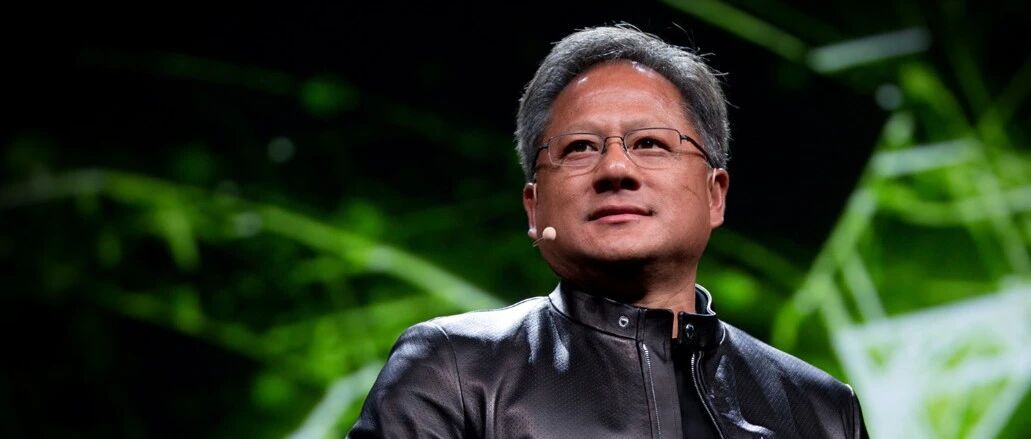
20只独角兽、34亿美金,黄仁勋投出一个“AI帝国”
创业邦· 2025-09-13 03:11
Core Viewpoint - Nvidia has established itself as a cornerstone of the AI era, with its investments in startups indicating its ambition to build a vast ecosystem over the next decade [2][22]. Investment Strategy - Since 2023, Nvidia has significantly increased its investment frequency, rising from approximately 20 investments in 2022 to around 50 by the end of 2023, maintaining a pace of 50-60 investments annually thereafter [3][4]. - Nvidia's investments span various stages of company development, from seed rounds to D, E, and F rounds, as well as acquisitions [3]. Focus Areas - The majority of Nvidia's investments are concentrated on the AI industry chain, covering AI computing power, large models, and AI applications, primarily within the United States, with occasional investments in Europe and Israel [4][16]. - Nvidia's investment strategy is not solely focused on financial returns but aims to strengthen its ecosystem, with a clear preference for companies that utilize its technology and products [9][12]. Investment Entities - Nvidia's primary investment activities are conducted through its Corporate Development Department, led by Vishal Bhagwati, and NVenture, led by Sid Siddeek, each with distinct investment philosophies [8][10]. - The Corporate Development Department has significantly increased its investment frequency, averaging around 40 investments annually from 2023 to 2025, nearly tripling its previous rate [9]. - NVenture, established in 2021, has also accelerated its investment pace, from approximately 14 investments in 2023 to 20 in 2024 [12]. Unicorns and Performance - Nvidia has successfully invested in 20 unicorns, with its Corporate Development Department outperforming NVenture in terms of post-investment valuations [16][19]. - Notable investments include You.com, Reka AI, and Weka.io, which have all achieved unicorn status and rely on Nvidia's GPU technology [17][18][21]. Future Ecosystem Development - Nvidia's investments are evolving to encompass not only AI models and infrastructure but also energy and embodied intelligence sectors, aiming to create a unified AI infrastructure for the next 5-10 years [26][28]. - The concept of the AI Factory, introduced by Nvidia, aims to integrate AI development with industrial processes, covering the entire AI workflow from data collection to large-scale inference [30]. Financial Growth - Nvidia's long-term equity investments have seen substantial growth, with the value increasing from $1.3 billion in fiscal year 2024 to $3.4 billion in fiscal year 2025, reflecting a nearly threefold increase in just one year [31].
X @TechCrunch
TechCrunch· 2025-09-12 17:03
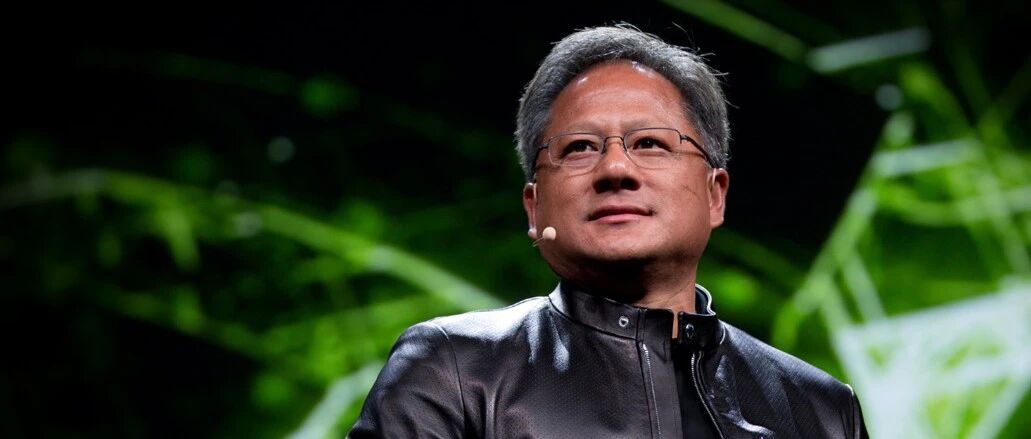
Market Opportunity - A three-year-old startup aims to address the market gap created by Scale AI in providing data for AI labs [1] Company Overview - The company is a three-year-old startup [1]
54秒撬动2万亿!特朗普白宫大摆“鸿门宴”
首席商业评论· 2025-09-12 05:13
Core Points - The article discusses a high-profile dinner hosted by President Trump at the White House, attended by CEOs of major tech companies, which is likened to a modern "Huangmen Banquet" [3][5] - The dinner was framed as a platform for tech leaders to make significant investment commitments in the U.S., with promises totaling nearly $2 trillion made in just 54 seconds [10][12] - Trump's approach combines both pressure and incentives, aiming to bolster U.S. manufacturing and AI infrastructure while addressing energy supply challenges [12][13] Group 1: Dinner Dynamics - The dinner featured prominent tech leaders, including Mark Zuckerberg, Tim Cook, and Bill Gates, who praised Trump's leadership while making substantial investment commitments [3][5] - The event was initially planned for an outdoor setting but was moved indoors due to rain, highlighting the orchestrated nature of the gathering [6] - Trump directly questioned attendees about their investment plans, leading to significant commitments from several CEOs, including Zuckerberg's $600 billion by 2028 and Cook's $600 billion over four years [8][10] Group 2: Investment Commitments - Tech giants collectively pledged nearly $2 trillion in investments, with commitments from Google for $250 billion and OpenAI's vague promise of "super many" billions [10][12] - The commitments are seen as a strategic move to gain favor with the administration, as companies seek to secure favorable policies and avoid tariffs [15][21] - Trump's signing of an executive order prioritizing data center construction indicates a push for rapid infrastructure development to support AI and energy needs [13][15] Group 3: Political and Economic Implications - Trump's dual strategy of regulatory pressure and investment incentives reflects a complex relationship with tech companies, viewing them as both competitors and partners [20][21] - The article warns of potential risks, including the fragmentation of global tech supply chains and heightened U.S.-China tech competition, as companies may be forced to choose sides [23][24] - The absence of key figures like Elon Musk and Jensen Huang from the dinner suggests underlying tensions and differing approaches to engagement with the administration [26][27] Group 4: Future of AI and Global Competition - The article emphasizes the importance of AI education and infrastructure as foundational for future competitiveness, with initiatives announced to train millions in AI skills by 2030 [30][32] - It highlights the need for countries, including China, to focus on self-sufficiency in core technologies while remaining open to global collaboration [33][35] - The evolving landscape of AI power dynamics suggests that the true competition lies in creating sustainable and inclusive innovation ecosystems [35]





腾讯辟谣:OpenAI前研究员姚顺雨上亿薪资入职传闻不实
Sou Hu Cai Jing· 2025-09-12 03:42
Group 1 - The news about former OpenAI researcher Yao Shunyu joining Tencent for a salary exceeding 100 million is false, as clarified by Tencent's official account [1] - Yao Shunyu graduated from Tsinghua University and later obtained a PhD from Princeton University, where he developed the Tree of Thoughts framework and CoALA modular cognitive architecture [1] - He joined OpenAI in 2024 and contributed significantly to the development of intelligent agent products, being recognized as a core contributor [1][5] Group 2 - Yao Shunyu's ReAct method introduced a paradigm combining reasoning and action for intelligent agents, enhancing the controllability and applicability of large language models [5] - The AI talent competition is intensifying globally, with companies like Meta offering over $200 million in total compensation to attract top talent, including researchers from OpenAI [6] - In China, major internet companies are expanding their recruitment for AI-related positions, with a reported increase of over 10 times in new AI job postings compared to the previous year [6]


Oracle is giving Wall Street numbers it can bet on as Larry Ellison's tech giant becomes investors' new favorite AI play
Yahoo Finance· 2025-09-11 21:51
Company Overview - Oracle's cloud business revenue is projected to reach $18 billion this year, reflecting a 77% year-over-year increase, with expectations to grow to $144 billion by the start of the next decade [1] - The company has a market capitalization nearing $1 trillion, indicating its significant position in the tech industry [3] AI Market Position - Oracle is positioning itself as a utility provider for AI companies, offering essential resources for building and running compute-intensive models, while maintaining compatibility with major cloud providers like AWS, Microsoft Azure, and Google Cloud [2] - The company is experiencing substantial benefits from the AI boom, supported by concrete financial data rather than speculative projections [3][8] Financial Performance - Following a strong earnings report, Oracle's stock surged by 36%, significantly increasing the net worth of its chairman and co-founder, Larry Ellison, who briefly became the richest man in the world [4] - Oracle has a backlog of deals valued at $455 billion, including a partnership in the Stargate AI project with OpenAI and SoftBank, providing more certainty compared to many other AI companies [6] Operational Considerations - While the backlog of deals (remaining performance obligations) is promising, it does not guarantee revenue, as contracts can be canceled and the timing of fulfillment is uncertain [7]

Is Meta Platforms the Best AI Stock to Buy Now?
Yahoo Finance· 2025-09-09 11:00
Group 1 - Meta Platforms is considered a misunderstood AI investment, with a year-to-date stock increase of 30% as of September 8, outperforming many tech giants while trading at a significant discount [1] - The stock is priced at 25.4 times forward earnings, which is 33% less than Nvidia, despite Meta's potential to build a powerful AI infrastructure [2] - Meta plans to invest $66 billion to $72 billion in AI infrastructure by 2025, which includes large-scale computing projects like Hyperion and Prometheus [4] Group 2 - In Q2 2025, Meta reported a 22% revenue increase to $47.5 billion and a free cash flow of $8.5 billion, supporting its ambitious AI investments [5] - Meta has made significant talent acquisitions, investing approximately $14.3 billion for a 49% stake in Scale AI and hiring top researchers from leading tech companies [6][7] - The company's AI infrastructure development is on par with major tech competitors, yet it trades at a discount compared to pure-play AI firms, providing investors with potential upside [8]