
上汽集团

Search documents
上汽集团取得无级变速器速比控制方法及装置专利
Jin Rong Jie· 2026-02-13 00:27
上海汽车工业(集团)有限公司,成立于1996年,位于上海市,是一家以从事汽车制造业为主的企业。 企业注册资本2174917.5737万人民币。通过天眼查大数据分析,上海汽车工业(集团)有限公司共对外 投资了43家企业,参与招投标项目16次,财产线索方面有商标信息10条,专利信息750条,此外企业还 拥有行政许可19个。 声明:市场有风险,投资需谨慎。本文为AI基于第三方数据生成,仅供参考,不构成个人投资建议。 财经频道更多独家策划、专家专栏,免费查阅>> 天眼查资料显示,上海汽车集团股份有限公司,成立于1984年,位于上海市,是一家以从事汽车制造业 为主的企业。企业注册资本1149527.7504万人民币。通过天眼查大数据分析,上海汽车集团股份有限公 司共对外投资了56家企业,参与招投标项目5000次,财产线索方面有商标信息1456条,专利信息5000 条,此外企业还拥有行政许可588个。 国家知识产权局信息显示,上海汽车集团股份有限公司、上海汽车工业(集团)有限公司取得一项名 为"一种无级变速器的速比控制方法及装置"的专利,授权公告号CN117167475B,申请日期为2022年5 月。 ...

财经观察:中国车企出海加拿大,机遇还是险滩?
Huan Qiu Shi Bao· 2026-02-12 22:56
Core Viewpoint - Canada is actively pursuing a joint venture with Chinese automakers to establish an electric vehicle (EV) manufacturing plant aimed at global exports, reflecting a significant policy shift to reduce reliance on the U.S. automotive market and strengthen its domestic industry [1][4][5]. Group 1: Joint Venture and Collaboration - The Canadian government is in "active dialogue" with Chinese automakers to explore the establishment of an EV assembly plant in Canada, leveraging a joint venture model that combines Chinese vehicle platforms with Canadian labor and technology [2][4]. - Canadian companies like Magna International and Linamar are already engaged in business in China and are expected to participate in the joint venture, enhancing collaboration between local and Chinese firms [2][4]. Group 2: Policy Changes and Market Dynamics - The Canadian government has made significant adjustments to its EV import policy, allowing for an annual quota of 49,000 Chinese electric vehicles with a reduced tariff of 6.1%, a major shift from the previous 100% tariff [5][9]. - A recent survey indicates that 78% of Canadians support the new EV agreement with China, highlighting a broad public backing for diversifying trade away from the U.S. [5][6]. Group 3: Market Opportunities and Consumer Sentiment - The agreement is expected to lead to over 50% of imported Chinese EVs being priced below CAD 35,000, making them more accessible to Canadian consumers [7]. - Despite concerns about the impact on domestic industries and geopolitical implications, 62% of Canadians support allowing more Chinese EVs into the market, with many believing it will increase competition and lower prices [6][7]. Group 4: Infrastructure and Challenges - Current charging infrastructure in Canada, with 14,500 stations and 38,700 charging points, is deemed sufficient for the anticipated increase in EVs, but expansion is necessary to meet future demand [8]. - Concerns remain regarding after-sales service and the adequacy of infrastructure in remote areas, which could hinder the adoption of electric vehicles [7][8]. Group 5: Strategic Implications - The collaboration with Chinese automakers is seen as a pragmatic step for Canada to diversify its trade relationships and reduce dependency on the U.S. market, with experts suggesting that about 10% of Canada's EV sales could shift to Chinese manufacturers [9][10]. - The investment environment in Canada is under scrutiny, with experts advising caution regarding the sustainability of policies and the real market response to these changes [10].


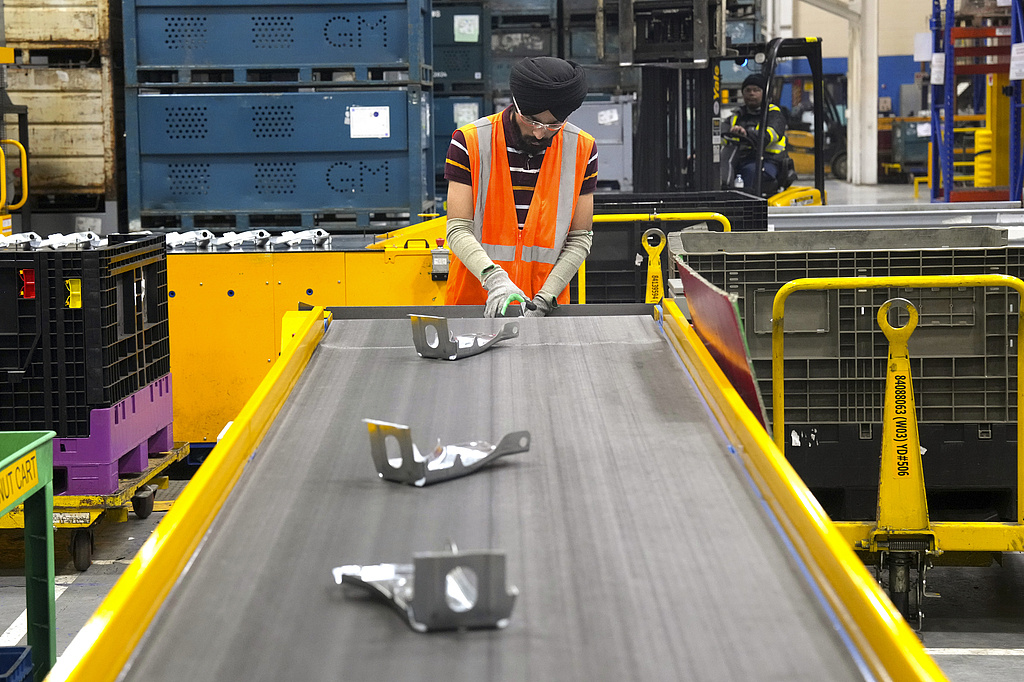
传比亚迪、吉利等多家国产车企竞购日产奔驰墨西哥汽车工厂,官方暂无回应
Xin Lang Ke Ji· 2026-02-12 12:07
Group 1 - BYD and Geely are reportedly bidding for the Nissan-Benz automotive plant in Mexico, with Chery and Great Wall Motors also expressing interest in the acquisition [1] - The plant is scheduled to close in May 2026, and BYD has been identified as a leading potential buyer since late last year [1] - The acquisition could leverage the benefits of the USMCA agreement, allowing localized production to avoid high tariffs in the US [1]



禁止亏本卖车,车圈反内卷新规出炉,价格战乱象大整治
3 6 Ke· 2026-02-12 11:25
Core Viewpoint - The release of the "Guidelines for Compliance with Pricing Behavior in the Automotive Industry" by the State Administration for Market Regulation aims to standardize pricing behavior in the automotive sector, ensuring fair competition and protecting consumer rights while promoting high-quality industry development [3][24]. Group 1: Pricing Guidelines for Automotive Manufacturers - Automotive manufacturers must base pricing on production costs and market demand, prohibiting loss-leading sales aimed at eliminating competitors or monopolizing the market [5][6]. - Manufacturers are not allowed to significantly raise prices without justifiable reasons, even when there is a severe supply-demand imbalance in the automotive supply chain [6]. - The guidelines require manufacturers to clearly inform consumers about the terms and costs associated with "pay-to-unlock" features, including any free trial periods [6][13]. Group 2: Pricing Guidelines for Automotive Dealers - Automotive dealers are required to display clear pricing, including vehicle name, price, unit of measurement, model, manufacturer, and key specifications [13][18]. - Dealers must publicly disclose promotional rules, activity duration, and applicable scope, ensuring transparency in discounts and promotional offers [13][18]. - Similar to manufacturers, dealers are prohibited from loss-leading sales except during inventory clearance [14][18]. Group 3: Supplier Payment Terms and Industry Practices - A survey by the China Automotive Industry Association indicates that most of the 17 key automotive companies have reduced payment terms to within 60 days, with an average of 54 days, which is a reduction of about 10 days compared to the previous year [20][21]. - 15 companies have adopted cash or bank acceptance bills for payments, with some companies allowing early payment requests for cash-strapped small and medium enterprises [20][21]. - The guidelines are part of a broader effort to ensure compliance with the revised "Regulations on Payment of Funds to Small and Medium Enterprises" by the State Council, promoting timely payments to suppliers [21][24].
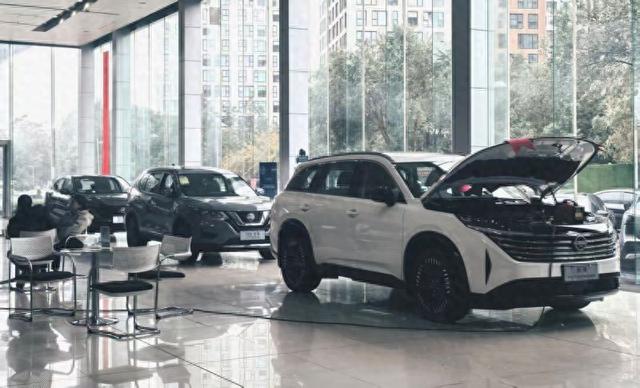
2026年首月汽车销量出炉:合资品牌止跌企稳,市场格局调整中走向均衡
Hua Xia Shi Bao· 2026-02-12 10:15
中汽协将下滑归因于三方面因素叠加:新能源汽车购置税政策技术指标调整、多地购车补贴进入年度交 替空窗期,以及2025年末消费需求提前释放。商务部此前披露,2025年,我国汽车以旧换新超1150万 辆,新能源汽车占比近60%。这一轮需求集中释放,直接稀释了今年1月的订单量。 值得一提的是,自主与合资呈现此消彼长态势。1月中国品牌乘用车销量132.9万辆,环比下降32.1%, 同比下降8.9%,占乘用车销售总量的66.9%,较去年同期下滑1.5个百分点。同期,主要外国品牌中,美 系品牌零售销量录得两位数增幅,德系、日系、韩系、法系品牌销量同比均呈不同程度下降。具体到企 业,广汽丰田销量同比增长近10%,日产中国单月销量守住5万辆关口。一汽-大众、上汽大众同比降幅 收窄,环比降幅低于自主品牌平均水平。 与合资品牌止跌回稳相比,新能源乘用车国内市场的降温幅度更为明显。1月国内销量58.3万辆,同比 下降22.9%,环比下降54.8%。分动力类型看,纯电动汽车国内销量同比下降,插电式混合动力汽车销 量微降,燃料电池汽车降幅较为明显。 作为对比,同期新能源汽车出口30.2万辆,同比增长100%,环比增长0.5%。其中新能源 ...
中汽协:17家车企中多数账期已低于60天,少数趁机“勒索”供应商
Jing Ji Guan Cha Wang· 2026-02-12 09:20
Core Insights - The China Automotive Industry Association (CAAM) released a report indicating that most of the 17 key automotive enterprises have reduced their payment terms to within 60 days, with an average payment term of approximately 54 days, which is a reduction of about 10 days compared to the previous year [2] - The revised "Regulations on Payment for Small and Medium-sized Enterprises" will take effect in June 2025, mandating large enterprises to pay small and medium-sized enterprises within 60 days of delivery [2] - The report highlights that the average accounts payable turnover days for domestic listed automotive companies in 2024 is 182 days, significantly higher than that of German (40.5 days) and American (60.5 days) automotive companies, causing financial strain on upstream enterprises [2] Group 1 - The CAAM's survey shows that all key automotive enterprises are prioritizing the implementation of payment term commitments, with many forming special task forces and establishing long-term mechanisms for commitment fulfillment [3] - The survey indicates that 15 out of 17 key automotive enterprises use cash or bank acceptance bills for payments, with 5 companies having a cash payment ratio exceeding 50% and 2 companies exceeding 70% [3] - 14 out of the 17 key enterprises are implementing additional preferential policies for small and medium-sized enterprises, ensuring that the payment process from delivery to payment does not exceed 60 days [3] Group 2 - There are still issues in the payment processes of some automotive enterprises, such as discrepancies in the starting point for payment terms, which can lead to extended payment periods despite nominally adhering to the 60-day term [4] - The CAAM emphasizes the need for continuous efforts to address these issues, as the management of the payment process is not sufficiently standardized [4]
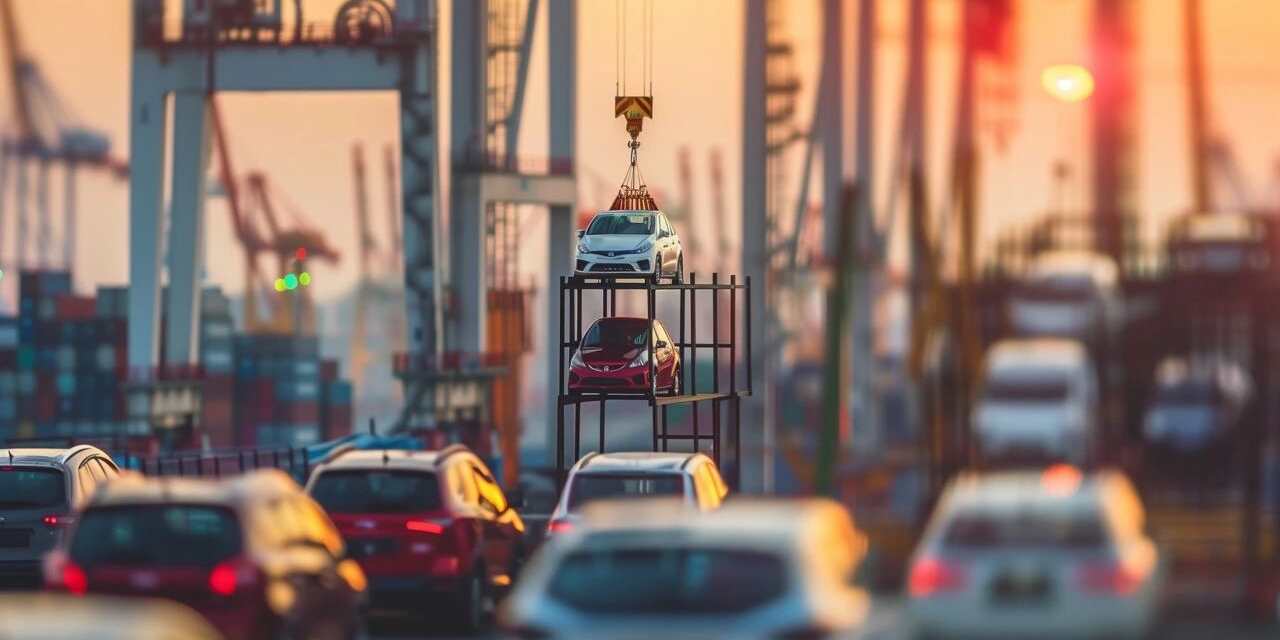
乘联分会:1月新能源乘用车出口28.6万辆,同比增长103.6%
Xin Lang Cai Jing· 2026-02-12 06:19
2月12日,乘联分会数据显示,1月新能源乘用车出口28.6万辆,同比增长103.6%。占乘用车出口 49.6%,较去年同期增长12.5个百分点;其中纯电动占新能源出口的65%(去年同期67%),作为核心焦 点的A00+A0级纯电动车占纯电动出口的50%(去年同期41%)。伴随着中国新能源车的规模优势显现 和市场扩张需求,中国制造的新能源品牌产品越来越多地走出国门,在海外的认可度持续提升。其中插 混占新能源出口的33%(去年同期32%),虽然近期受到外部国家的一些干扰,但自主插混出口发展中 国家增长迅猛,前景光明。 1月厂商新能源出口方面优秀的企业是:比亚迪汽车(96,859辆)、特斯拉中国(50,644辆)、吉利汽车 (32,117辆)、奇瑞汽车(27,033辆)、零跑汽车(14,523辆)、上汽乘用车(13,071辆)、上汽通用五 菱(11,097辆)、东风汽车(6,745辆)、长城汽车(6,102辆)、长安汽车(4,952辆)、光束汽车 (3,713辆)、长安马自达(3,391辆)、沃尔沃亚太(3,316辆)、小鹏汽车(3,204辆)、极星汽车 (2,758辆)、赛力斯汽车(湖北)(2,108辆)、智马达 ...
汽车视点 | 上汽实现高质量“开门红” 1月销量同比增长超两成
Zhong Guo Jin Rong Xin Xi Wang· 2026-02-12 05:04
Core Insights - SAIC Motor Corporation achieved significant sales growth in January, with wholesale vehicle sales reaching 327,000 units, a year-on-year increase of 23.9%, and retail sales hitting 363,000 units, leading the domestic automotive industry [1][2] - The company is the only automaker in China to surpass 300,000 units in sales for January, indicating a strong start to 2026 and confirming the success of its strategic transformation [1][2] Sales Performance - The sales data for January shows that SAIC's self-owned brands and new energy vehicles are the main drivers of growth, with self-owned brands accounting for 65.3% of total sales, a 7.3 percentage point increase from the same period in 2025 [5][7] - New energy vehicle sales reached 85,000 units, marking a 39.7% year-on-year increase, solidifying SAIC's position in the top tier of the industry [5][7] Strategic Initiatives - SAIC has been focusing on a multi-faceted strategy that includes deepening reforms, technological innovation, cross-industry collaboration, and overseas operations, which has led to a clear technical label for its vehicle matrix [1][8] - The company has invested over 180 billion yuan since 2021 in emerging sectors like AI and high-end manufacturing, fostering a collaborative ecosystem that enhances its core automotive business [12][10] Product Development - SAIC's MG brand has seen significant success, with the MG4 model achieving sales of over 10,000 units monthly, supported by advanced technologies like semi-solid batteries and integrated battery chassis [8][10] - Upcoming models include the LS9 Hyper from the high-end brand Zhiji, which features industry-first four-wheel steering technology, aiming to set new benchmarks in vehicle handling [12][13] Market Expansion - The overseas market has shown robust growth, with January sales exceeding 105,000 units, a year-on-year increase of over 50%, particularly in Europe where the MG brand has maintained its position as the top-selling Chinese brand for eleven consecutive years [7][8] - SAIC's "Glocal" strategy emphasizes transitioning from merely exporting products to exporting value chains, enhancing its global competitiveness [7][8] Customer Engagement - SAIC is enhancing customer experience through initiatives like the "Understanding Cars Better" campaign, which offers comprehensive services across its brands, aiming to build long-term trust with customers [14][17]

1月车市燃油车销量“抬头”多款车型价格降幅高于30%
Mei Ri Jing Ji Xin Wen· 2026-02-12 02:35
Core Viewpoint - The domestic automotive market is witnessing a shift as fuel vehicles are increasingly adopting intelligent features to compete with electric vehicles, driven by consumer demand for smart driving capabilities and the rising market share of electric vehicles [1][5]. Group 1: Market Trends - Consumers are showing a preference for fuel vehicles equipped with advanced intelligent configurations, leading to a notable change in purchasing behavior [1]. - The new Honda Fit, dubbed the "people's supercar," sold out its initial 3,000 units within 20 days, indicating a strong demand for competitively priced fuel vehicles [2]. - Many fuel vehicle models have seen price reductions of 30% to 40%, with some luxury models experiencing even greater discounts [2][3]. Group 2: Sales Performance - In January, fuel vehicle sales showed significant growth, with SAIC Group selling 242,000 units, a year-on-year increase of 19.19% [6]. - Geely's fuel vehicle sales reached 134,400 units in January, with over 100,000 units coming from the "Chinese Star" series [6]. - GAC Toyota also reported positive sales growth in January, with the Camry model achieving a 17% year-on-year increase [6]. Group 3: Strategic Initiatives - The "Oil-Electricity Co-Intelligence" strategy has been adopted by major automakers, aiming to enhance the competitiveness of fuel vehicles by integrating smart technologies [5][6]. - Companies like FAW-Volkswagen plan to launch multiple new models equipped with intelligent cockpit and driving assistance systems by 2026, showcasing the potential for fuel vehicles to be equally intelligent [6][7]. - The top five brands in the fuel vehicle market have increased their market share from 29% in 2020 to 37% in 2025, indicating a strengthening of leading brands in the sector [7].
800现金流ETF汇添富(563680)开盘跌0.30%
Xin Lang Cai Jing· 2026-02-12 01:37
声明:市场有风险,投资需谨慎。本文基于第三方数据库自动发布,不代表新浪财经观点,任何在本文 出现的信息均只作为参考,不构成个人投资建议。如有出入请以实际公告为准。如有疑问,请联系 biz@staff.sina.com.cn。 800现金流ETF汇添富(563680)业绩比较基准为中证800自由现金流指数收益率,管理人为汇添富基金 管理股份有限公司,基金经理为何丽竹,成立(2025-04-30)以来回报为33.75%,近一个月回报为 5.42%。 来源:新浪基金∞工作室 2月12日,800现金流ETF汇添富(563680)开盘跌0.30%,报1.337元。800现金流ETF汇添富(563680) 重仓股方面,中国海油开盘涨0.55%,上汽集团跌0.14%,格力电器跌0.21%,中远海控涨0.07%,牧原 股份跌0.48%,中国铝业跌0.45%,TCL科技跌0.21%,宝钢股份跌0.14%,长城汽车涨0.29%,正泰电器 涨0.13%。 ...