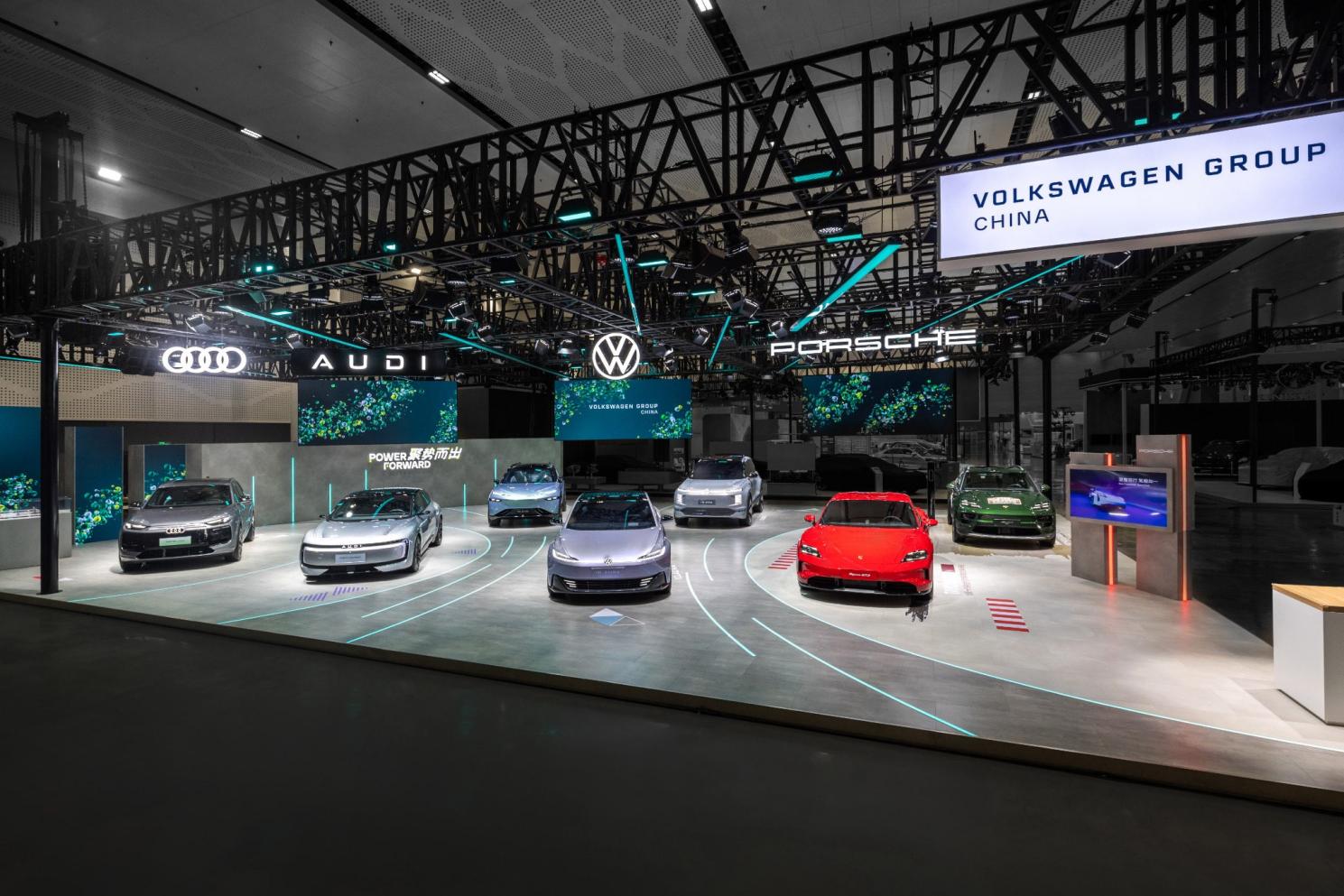
奥迪E7X

Search documents
奥迪全球CEO否认南北奥迪合并
第一财经· 2026-03-17 15:13
Core Viewpoint - Audi is actively exploring deeper collaboration with SAIC and has made progress in discussions, with plans to develop a new platform focused on the Chinese market by May 2024, marking AUDI as the first luxury brand dedicated to the Chinese market for new energy vehicles [3][4]. Group 1: Collaboration and Product Development - Audi has two major partners in China: FAW and SAIC, and the current collaboration model with both partners is beneficial, with no plans to merge the two partnerships [4]. - The focus of the collaboration with SAIC is on advancing the development of the lettered Audi models, with the first product, the E5 Sportback, set to launch in the second half of 2025, and the E7X model to be released this year [4][5]. - Audi's partnership with FAW is centered on expanding the product lineup for the four-ring Audi brand, with electric vehicles based on the PPE platform and fuel vehicles on the PPC platform [4]. Group 2: Strategic Adjustments and Financial Outlook - Audi is undergoing significant internal restructuring to enhance efficiency, including streamlining the organization and decision-making processes in response to external challenges such as geopolitical uncertainties and supply chain diversification [5][6]. - The company has initiated its largest-ever product layout globally, with key models including the flagship SUV Audi Q9 and the compact electric vehicle Audi A2 e-tron, with eight new models planned for the Chinese market in 2026 [5]. - Financially, Audi expects a slight revenue increase to €65.5 billion in 2025, with operating profit decreasing from €3.9 billion in 2024 to €3.4 billion, and a projected operating profit margin of 5.1% [5][6].

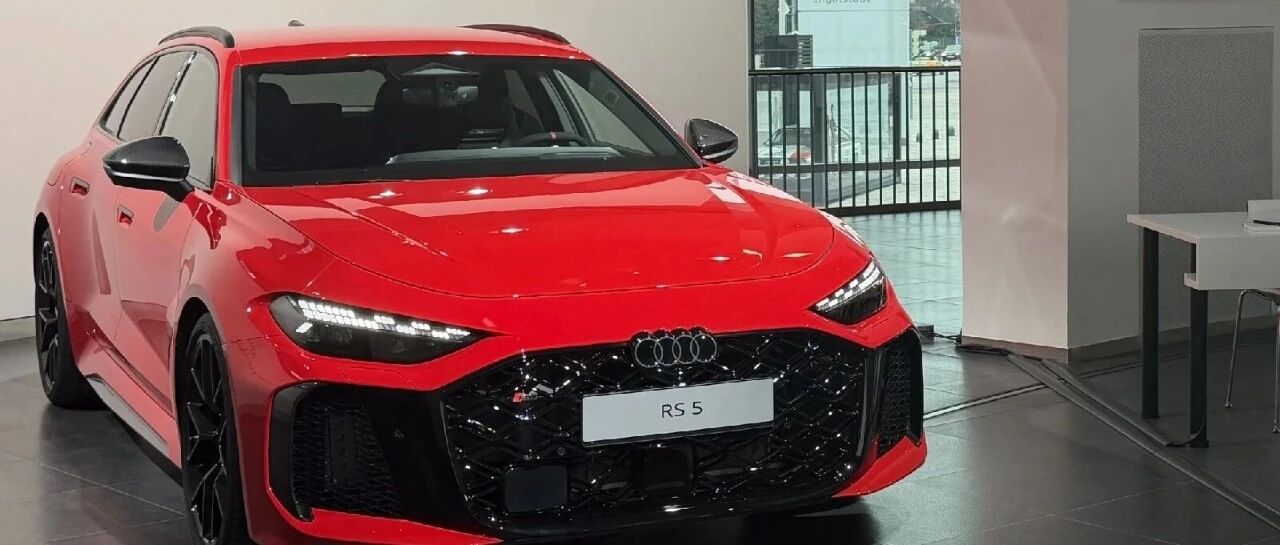
官降、关店、换帅,BBA等新车救场
创业邦· 2026-03-03 05:07
Core Viewpoint - The Chinese automotive market is undergoing significant changes, with a shift from traditional fuel vehicles to electric vehicles (EVs), leading to increased competition and price reductions among luxury brands [5][8]. Market Changes - In 2020, only 6 out of every 100 new cars sold in China were electric, but this has drastically changed, with fuel vehicles now accounting for less than half of sales [5]. - Luxury brands like BMW, Mercedes-Benz, and Audi (collectively referred to as BBA) have seen a decline in sales, with a total drop of 260,000 vehicles last year, returning to sales levels not seen in eight years [5][9]. Dealer Challenges - Many dealers are facing financial difficulties, with over half reporting losses and more than 70% of new car sales being unprofitable [8]. - Major dealers are pressuring manufacturers to lower official prices, leading to significant price cuts from brands like Mercedes-Benz and BMW, with reductions of up to 10% on key models [8][9]. Dealer Network Adjustments - The number of luxury car dealerships is shrinking, with brands like BMW and Audi reducing their dealership counts significantly [12]. - The shift in dealership strategy includes transitioning to new brands and formats, with many traditional luxury dealers now representing newer electric vehicle brands [9][12]. Management Changes - BBA is undergoing leadership changes to adapt to the evolving market, with new executives appointed who have experience in electric vehicle strategies [13][14]. - The focus for new management is to stabilize the market presence while preparing for the launch of new electric models [15]. Product Development - BMW is aggressively pursuing electric vehicle development, with plans to launch the iX3 model later this year, while also enhancing existing models to maintain sales [15]. - Mercedes-Benz aims to standardize smart technology across its vehicle lineup and plans to introduce over 15 new or updated models in the coming year [16]. - Audi is launching new models like the E7X, targeting the growing market for electric SUVs [16].
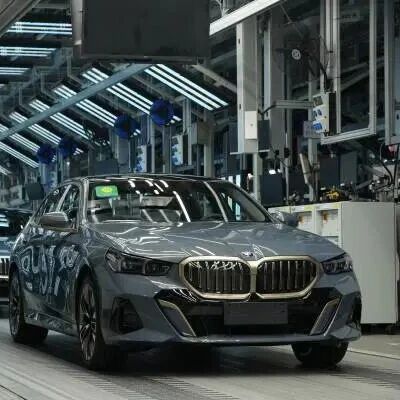
汽车视点 | 上汽实现高质量“开门红” 1月销量同比增长超两成
Zhong Guo Jin Rong Xin Xi Wang· 2026-02-12 05:04
Core Insights - SAIC Motor Corporation achieved significant sales growth in January, with wholesale vehicle sales reaching 327,000 units, a year-on-year increase of 23.9%, and retail sales hitting 363,000 units, leading the domestic automotive industry [1][2] - The company is the only automaker in China to surpass 300,000 units in sales for January, indicating a strong start to 2026 and confirming the success of its strategic transformation [1][2] Sales Performance - The sales data for January shows that SAIC's self-owned brands and new energy vehicles are the main drivers of growth, with self-owned brands accounting for 65.3% of total sales, a 7.3 percentage point increase from the same period in 2025 [5][7] - New energy vehicle sales reached 85,000 units, marking a 39.7% year-on-year increase, solidifying SAIC's position in the top tier of the industry [5][7] Strategic Initiatives - SAIC has been focusing on a multi-faceted strategy that includes deepening reforms, technological innovation, cross-industry collaboration, and overseas operations, which has led to a clear technical label for its vehicle matrix [1][8] - The company has invested over 180 billion yuan since 2021 in emerging sectors like AI and high-end manufacturing, fostering a collaborative ecosystem that enhances its core automotive business [12][10] Product Development - SAIC's MG brand has seen significant success, with the MG4 model achieving sales of over 10,000 units monthly, supported by advanced technologies like semi-solid batteries and integrated battery chassis [8][10] - Upcoming models include the LS9 Hyper from the high-end brand Zhiji, which features industry-first four-wheel steering technology, aiming to set new benchmarks in vehicle handling [12][13] Market Expansion - The overseas market has shown robust growth, with January sales exceeding 105,000 units, a year-on-year increase of over 50%, particularly in Europe where the MG brand has maintained its position as the top-selling Chinese brand for eleven consecutive years [7][8] - SAIC's "Glocal" strategy emphasizes transitioning from merely exporting products to exporting value chains, enhancing its global competitiveness [7][8] Customer Engagement - SAIC is enhancing customer experience through initiatives like the "Understanding Cars Better" campaign, which offers comprehensive services across its brands, aiming to build long-term trust with customers [14][17]


1月终端销售8.96万辆,上汽大众2026奔赴出众年
Zhong Guo Qi Che Bao Wang· 2026-02-05 08:18
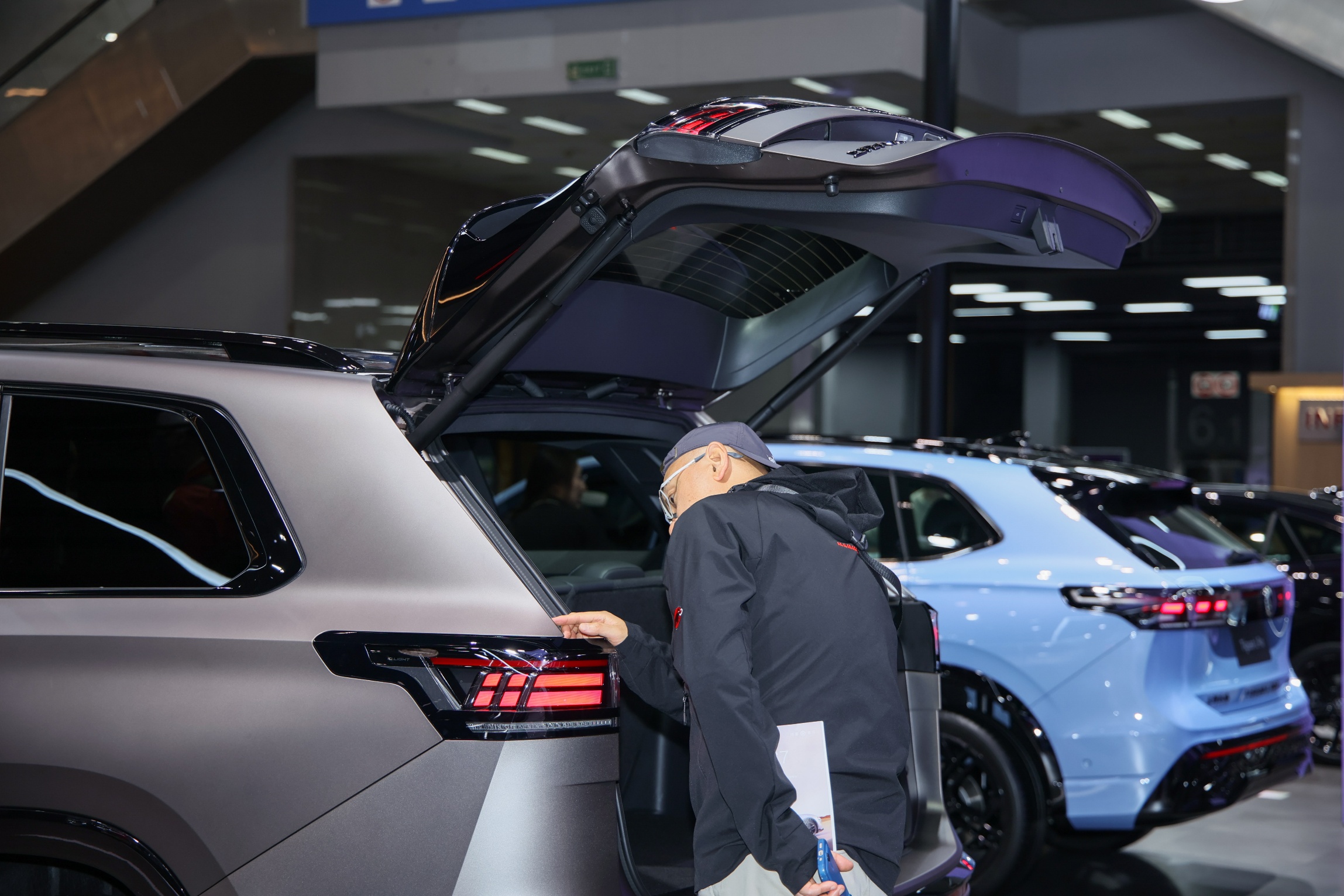
Group 1 - In January, the domestic automotive market faced pressure due to a shift in consumption policies and seasonal factors, with SAIC Volkswagen achieving terminal sales of 89,600 units [1] - The main products of SAIC Volkswagen showed strong performance, with the Lavida family selling over 23,000 units, the Passat family nearly 21,000 units, and the Tiguan family over 21,000 units, all leading their respective segments with monthly sales exceeding 20,000 units [2] - The SAIC Volkswagen brand reached a cumulative sales milestone of 26 million units in January, becoming the first single brand in the domestic market to surpass this figure [2] Group 2 - In the luxury segment, SAIC Audi achieved terminal sales of 3,800 units in January, representing a year-on-year increase of 35.7% [6] - The Audi E5 Sportback, a key model, has won several prestigious awards, reinforcing its position in the luxury electric vehicle market [6][7] - The automotive industry is transitioning from scale expansion to high-quality development, with consumer purchasing decisions shifting from policy dependence to product value recognition [9] Group 3 - In 2026, SAIC Volkswagen plans to launch seven new energy models covering pure electric, plug-in hybrid, and range-extended technologies [12] - The Audi E7X, the second model under the Audi brand, will be officially unveiled at the Beijing Auto Show [12] - The ID. ERA 9X is set to begin mass production, having successfully completed winter testing, showcasing the company's strong R&D and technological capabilities [12][13]
上汽大众发布2025年成绩单,新一年将密集投放新能源车型
Xin Lang Cai Jing· 2026-02-04 13:44
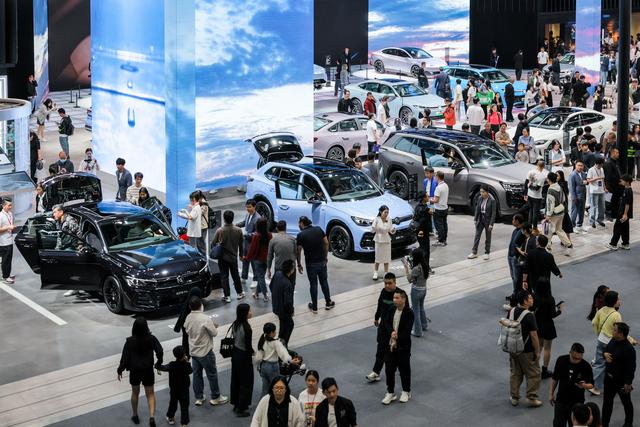
Core Insights - SAIC Volkswagen aims to achieve a total sales target of 1.06 million units by 2025, with the Volkswagen brand entering the "million club" as a single joint venture brand [2] - The company is focusing on both fuel and electric vehicle markets, positioning 2025 as a critical year for strategic transformation [5] Group 1: Sales and Market Position - The company expects a steady increase in market share for fuel vehicles to 8.7% by 2025, with classic models like Passat, Lavida, and Tiguan maintaining their leading positions [5] - The Pro versions of models equipped with advanced driving assistance systems, such as the Teramont and Passat, achieved annual sales of nearly 122,000 units, more than three times the previous year's figures [5] - The new Audi A5L Sportback, launched in August 2025, has sold nearly 13,000 units, making it the first fuel vehicle to apply Huawei's intelligent driving technology [5] Group 2: Electric and Hybrid Vehicle Strategy - SAIC Volkswagen's product lineup in the new energy sector includes pure electric, hybrid, and range-extended technologies, with the ID. ERA series set to launch in November 2025 [6] - The first model of the ID. ERA series, the ID. ERA 9X, is positioned as a "German flagship SUV" [6] Group 3: Service and Customer Experience - The company is prioritizing service quality in 2025, with plans to add 100 new authorized dealer locations, bringing the total to over 1,000 [8] - SAIC Volkswagen has introduced a digital service model called "One Customer, One Group" and offers a lifetime warranty policy for vehicles [10] - The Volkswagen brand achieved dual championships in sales and after-sales service satisfaction in the 2025 China Automotive Industry Customer Satisfaction Index [10] Group 4: Future Product Launches - Looking ahead to 2026, SAIC Volkswagen plans to enter a rapid product launch cycle, with seven new energy models expected, covering various power forms [11] - The ID. ERA 9X is anticipated to launch in 2026, while the second Audi model, the E7X, is set to debut at the Beijing Auto Show in the first half of 2026 [11] Group 5: Market Environment and Strategy - The competitive landscape in the Chinese automotive industry is shifting from price competition to value-based competition, which SAIC Volkswagen aims to leverage through its strong position in fuel vehicles and accelerated new energy layout [13]
开年狂飙,上汽1月销售32万,同比大涨超两成,全矩阵新品蓄势待发
Xin Lang Cai Jing· 2026-02-04 12:22
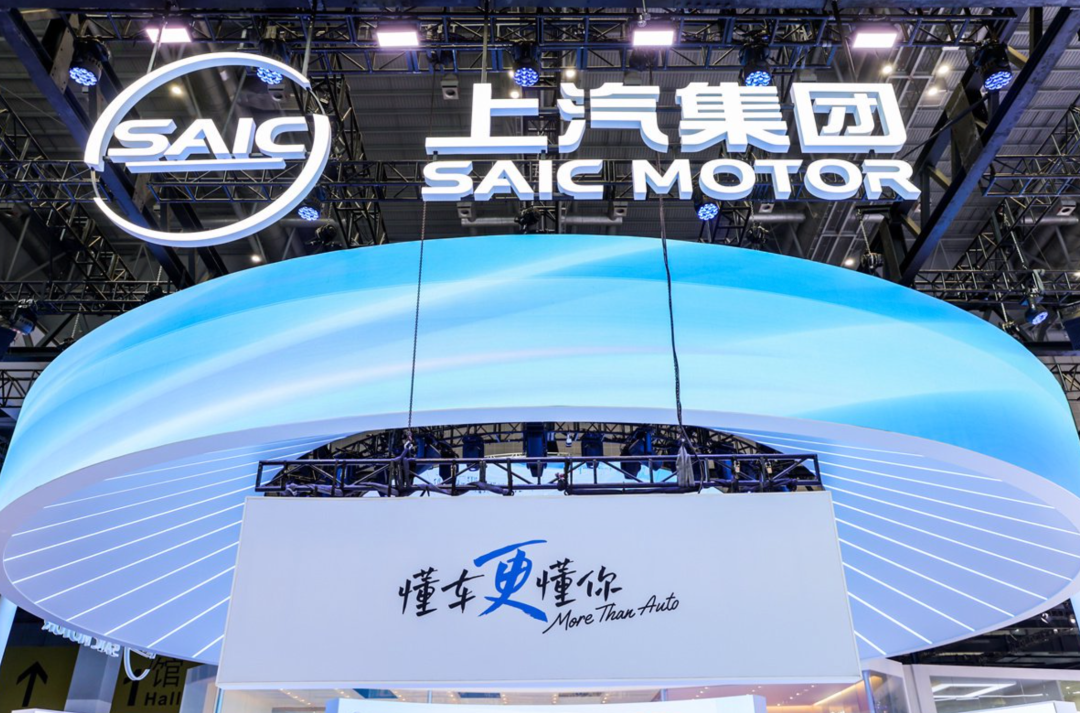
Core Insights - SAIC Motor Corporation has achieved impressive sales performance, reaching 327,000 vehicles in January 2026, a year-on-year increase of 23.9%, making it the only company to surpass the 300,000 sales mark in the current market [1][24] - The overall automotive market in January 2026 showed a slight decline, with retail sales of narrow passenger vehicles around 1.8 million, down 20.4% month-on-month and only a 0.3% increase year-on-year [1][24] Sales Performance - The sales growth is attributed to a solid foundation from 2025, where the net profit is expected to be between 9 billion to 11 billion yuan, reflecting a year-on-year increase of 438% to 558% [3][24] - The growth is driven by three main segments: domestic brands, new energy vehicles, and overseas markets, showcasing a comprehensive strategy of "technology + user" [3][24] Domestic Brand Growth - The domestic segment was the core driver of growth, with January sales reaching 214,000 units, a year-on-year increase of 39.6%, accounting for 65.3% of total sales, up 7.3 percentage points from the previous year [5][26] - Key brands such as SAIC Passenger Cars, SAIC Maxus, and SAIC-GM Wuling contributed significantly, with respective sales increases of 53.8%, 18.2%, and 37% [5][26] New Energy Vehicle Performance - New energy vehicle sales reached 85,000 units in January, a year-on-year increase of 39.7%, solidifying its position in the industry [5][26] - Notable performances include a 576.9% increase in SAIC Passenger Cars' new energy vehicle sales, and a 316.1% increase for SAIC-GM's new energy vehicles [5][26] Overseas Market Expansion - Sales in overseas markets reached 105,000 units in January, a year-on-year increase of 51.7%, with SAIC MG continuing to lead as the top-selling Chinese brand in Europe for 11 consecutive years [8][29] - In January 2026, nearly 26,000 units were delivered in Europe, marking a 15% year-on-year growth [8][29] User Services and Promotions - SAIC has launched a comprehensive user service initiative in response to government policies, including tax subsidies and various customer benefits, enhancing the overall customer experience [10][31] - The initiative includes over 5,000 service points offering a full range of services, reinforcing the company's commitment to customer satisfaction [10][31] Product Matrix and Future Plans - SAIC has established a comprehensive product matrix covering all price ranges, with new models set to launch across various brands, including the new Roewe i6 and MG's upcoming electric models [11][34] - The company plans to introduce several new models in 2026, including the industry-first mass-produced four-wheel steering SUV, the Zhiji LS9 Hyper [14][35] Joint Ventures and Collaborations - SAIC-GM is set to launch the Zhijing E7 SUV, aiming to redefine luxury in the 200,000 yuan segment, while SAIC Volkswagen plans to introduce seven new energy models to meet diverse consumer needs [19][42] - The commercial vehicle segment will also see updates, with new models from SAIC Maxus designed to meet both commercial and recreational needs [22][43]
在华全力保盈利 大众2025年新能源销量缩回四年前
Jing Ji Guan Cha Wang· 2026-01-17 01:04
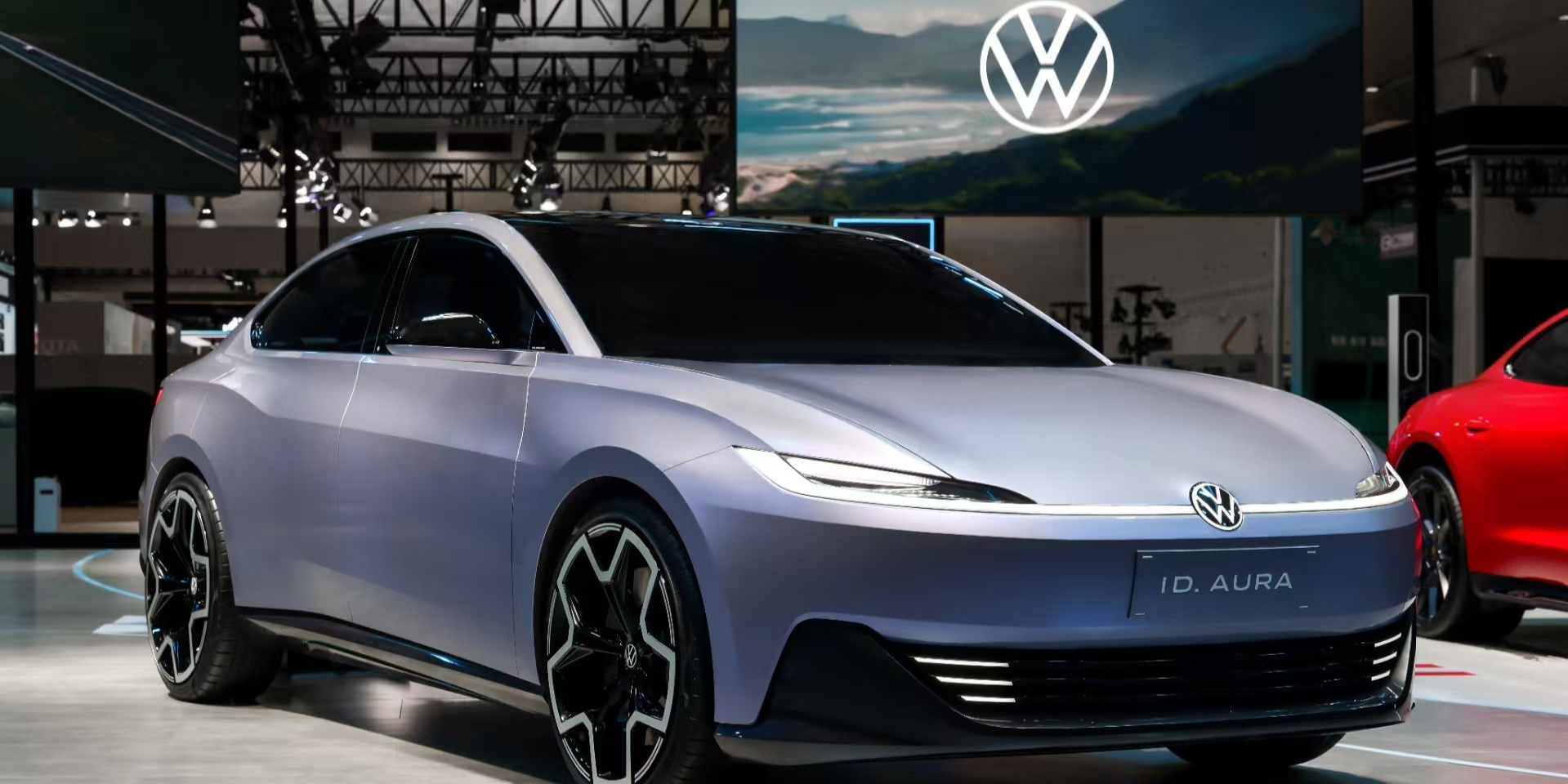
Core Insights - Volkswagen Group's global vehicle deliveries in 2025 exceeded 8.98 million, with pure electric vehicle deliveries reaching 983,100, a year-on-year increase of 32%, accounting for 10.9% of total global sales, up 2.7 percentage points from the previous year [2] Group 1: Sales Performance - In China, Volkswagen delivered over 2.69 million vehicles in 2025, with over 2.57 million being fuel vehicles and approximately 120,000 being new energy vehicles [2] - Volkswagen's sales in China declined by 8% compared to the previous year (2.93 million), with its share of global sales dropping from 32% to between 29.9% and 30% [3] - The market share of fuel vehicles in China increased to over 22%, marking a ten-year high since 2005, despite an overall decline in fuel vehicle sales [3] Group 2: New Energy Vehicle Strategy - New energy vehicle sales in China fell to 120,000 in 2025, a 40% decrease from 200,000 in 2024, representing only 4.5% of total sales, significantly lower than the global average [4] - Volkswagen's strategy focuses on profitability over market share, emphasizing the importance of fuel vehicle sales while preparing for the launch of new energy models [5] - The decline in new energy vehicle sales is attributed to both competitive pressures and a strategic shift towards fuel vehicles [5] Group 3: Future Plans and Developments - Volkswagen plans to launch over 20 new electric and hybrid models in 2026, including models based on new platforms and advanced technologies [7] - The company aims to enhance its new energy vehicle matrix to increase their share in overall sales, with a target of over 30 electric models by 2027 and around 50 by 2030 [8] - Volkswagen's export strategy from China has commenced, with the first vehicles successfully exported to the Middle East, aiming to expand into other potential markets [8]
“不以价格换市场” 大众集团:2025年在华交付超269万辆 达成目标
Zhong Guo Jing Ying Bao· 2026-01-15 16:01
Core Insights - Volkswagen Group reported global vehicle deliveries exceeding 8.98 million in 2025, remaining stable compared to 2024 [1][4] - The Chinese market, as Volkswagen's largest single market, saw deliveries of over 2.69 million vehicles, a decline of approximately 8% from 2024, aligning with the group's strategic expectations [1][4] - Volkswagen aims to enhance its business structure and profit levels by prioritizing quality over quantity, moving away from low-margin market share strategies [1][4] Global Sales Performance - In 2025, Volkswagen's global vehicle deliveries slightly decreased by 0.6% year-on-year, with 8.98 million vehicles delivered [4] - The Chinese market accounted for over 2.69 million vehicles, reflecting an 8% decline compared to 2024 [4] - Electric vehicle deliveries surged by 32%, reaching 983,100 units, increasing their global sales share to 10.9%, up by 2.7 percentage points year-on-year [4] Electric Vehicle Strategy - Volkswagen plans to accelerate product launches in 2026, introducing over 20 new energy smart products [3][5] - By 2027, the group aims to launch more than 30 electrified models in China, expanding to approximately 50 models by 2030, with around 30 being fully electric [3] Investment in Technology - Volkswagen has invested over €3.5 billion in establishing and expanding its intelligent connected vehicle innovation center in Hefei since 2023 [7] - The new testing facility will enhance the integration capabilities of the engineering team, allowing for simultaneous software and hardware validation [7] - The development of local electronic architecture (CEA) and vehicle platforms (CMP) aims to meet Chinese market demands, reducing development cycles by about 30% and optimizing costs by approximately 40% [7] Advanced Driver Assistance Systems - Volkswagen is focusing on enhancing its advanced driver assistance capabilities through local partnerships and the establishment of a joint venture for technology development [8] - The company plans to deliver self-developed advanced driver assistance systems by 2025, with a focus on safety and user experience [8]
大众汽车集团2025年在华交付超269万辆 2026年超20款新能源车型将集中上市
Zheng Quan Ri Bao· 2026-01-13 03:11
Core Insights - Volkswagen Group delivered over 8.98 million vehicles globally in 2025, with electric vehicle deliveries reaching 983,100 units, a 32% year-on-year increase, making up 10.9% of total sales, up 2.7 percentage points from the previous year [1] - In China, Volkswagen achieved over 2.69 million vehicle deliveries, maintaining its position as the top foreign carmaker in the market, while emphasizing a strategy focused on profitability rather than market share [1] - The company plans to launch over 20 new electric and hybrid models in China by 2026, enhancing its product offerings with advanced driving assistance systems [3][4] Group 1 - Volkswagen Group's electric vehicle sales in 2025 accounted for 10.9% of total sales, reflecting a significant growth in the electric vehicle segment [1] - The company delivered over 2.57 million fuel vehicles in China, capturing more than 22% of the fuel vehicle market, with its brands leading in various segments [1] - Volkswagen's strategy emphasizes "value first," focusing on profitability and preparing for the launch of new energy models [1] Group 2 - The "In China, For China" strategy has entered a delivery phase, with new electric and intelligent connected models receiving positive market feedback [2] - Volkswagen's export strategy commenced in 2025, with initial vehicles successfully exported to the Middle East, and plans to expand into ASEAN, Middle East, Central Asia, Latin America, and Africa [2] - The company aims to strengthen local R&D capabilities, having invested over €3.5 billion in Hefei since 2023 to establish an innovation center for intelligent connected vehicles [4] Group 3 - By 2027, Volkswagen plans to introduce over 30 electric models in China, increasing to approximately 50 by 2030, with around 30 being fully electric [4] - The development cycle for new vehicles has been shortened by about 30%, with costs optimized by approximately 40% through a "software-defined vehicle" approach [5] - Volkswagen is enhancing its local capabilities in advanced driving assistance systems through partnerships and plans to design and develop system-level chips in China [5] Group 4 - The competitive landscape in the Chinese automotive market is shifting towards technology, experience, and efficiency, necessitating foreign carmakers to maintain profitability in fuel vehicles while advancing in new energy and intelligent technology [6] - Volkswagen's disclosed sales data and product plans reflect a strategy of stabilizing cash flow, accelerating new technology delivery, and strengthening local R&D [6] - The upcoming launch of over 20 new energy models in 2026 will be critical for validating Volkswagen's competitiveness in the Chinese market [6]
聚焦盈利 大众中国达成2025目标 ,2026加速交付新能源
Zhong Guo Qi Che Bao Wang· 2026-01-12 13:38
Core Insights - Volkswagen Group delivered over 8.98 million vehicles globally in 2025, with electric vehicle deliveries reaching 983,100 units, a 32% year-on-year increase, accounting for 10.9% of total sales, up 2.7 percentage points from the previous year [1] Group 1: Global Performance - Volkswagen Group's global vehicle deliveries exceeded 8.98 million units in 2025 [1] - The electric vehicle segment saw deliveries of 983,100 units, marking a 32% increase year-on-year [1] - Electric vehicles represented 10.9% of the group's total sales, an increase of 2.7 percentage points compared to the previous year [1] Group 2: Performance in China - In China, Volkswagen Group delivered over 2.69 million vehicles in 2025, achieving its annual target and maintaining its position as the top foreign carmaker in the market [2] - The group delivered over 2.57 million fuel vehicles in China, capturing over 22% of the fuel vehicle market share [4] - Volkswagen brand (including Jetta) ranked first in China's fuel vehicle market, with models like Passat leading the B-class segment and Audi returning to the top of the luxury fuel vehicle market [4] Group 3: Strategic Focus - Volkswagen Group emphasized "value first" amidst intense price competition, focusing on profitability rather than merely increasing market share [4] - The group is preparing to launch a new batch of locally developed electric models in China, including the Audi Q6L e-tron and Audi E5 Sportback, which have received positive market feedback [4] - The "In China, For China" strategy has been implemented since 2022, aligning with the rapid innovation and electrification trends in the Chinese automotive market [7] Group 4: Future Plans and Innovations - By 2026, Volkswagen Group plans to accelerate product launches in China, introducing over 20 new energy models, including the first range-extended model, the SAIC Volkswagen ID. ERA 9X [7] - The group aims to launch over 30 electric models in China by 2027, expanding to approximately 50 by 2030, with around 30 being fully electric [8] - Volkswagen Group has invested over €3.5 billion in Hefei since 2023 to establish a smart connected vehicle innovation center, enhancing its local R&D capabilities [8] Group 5: Technological Advancements - The group has developed a local electronic architecture (CEA) and a vehicle platform (CMP) tailored for the Chinese market, optimizing development cycles by approximately 30% and costs by about 40% [10] - Volkswagen Group's software company CARIAD China has established a joint venture to enhance local capabilities in advanced driver assistance systems, with the first self-developed system delivered in 2025 [10] - The group plans to design and develop system-level chips in China for models equipped with L3 and above autonomous driving features, strengthening its local autonomous driving capabilities [10] Group 6: Market Leadership Goals - Volkswagen Group aims to maintain its position as the leading foreign carmaker in China and continue to play a leading role in the smart connected vehicle era [12] - The group plans to launch over 20 new energy models in China by 2026, featuring advanced electric and intelligent technologies, including L2++ driver assistance capabilities [12] - Volkswagen Group is focused on increasing the share of new energy vehicles in its overall sales, striving to become a leader in the new energy vehicle market [12]