
来伊份

Search documents
唐人神:目前与部分全国知名零售商建立了合作,如胖东来等品牌
Ge Long Hui· 2025-10-13 07:20
Core Viewpoint - The company Tangrenshen (002567.SZ) has established partnerships with several well-known national retailers and stable meat supply relationships with major chain restaurants in China [1] Group 1: Retail Partnerships - The company has formed collaborations with notable national retailers such as Pang Dong Lai, Metro, Xiao Xiang Supermarket, and Lai Yi Fen [1] Group 2: Restaurant Supply Relationships - The company maintains a stable meat supply for national chain restaurant brands including Hai Di Lao, Guang Shun Xing, and Wei La Xiao Huo Guo [1]

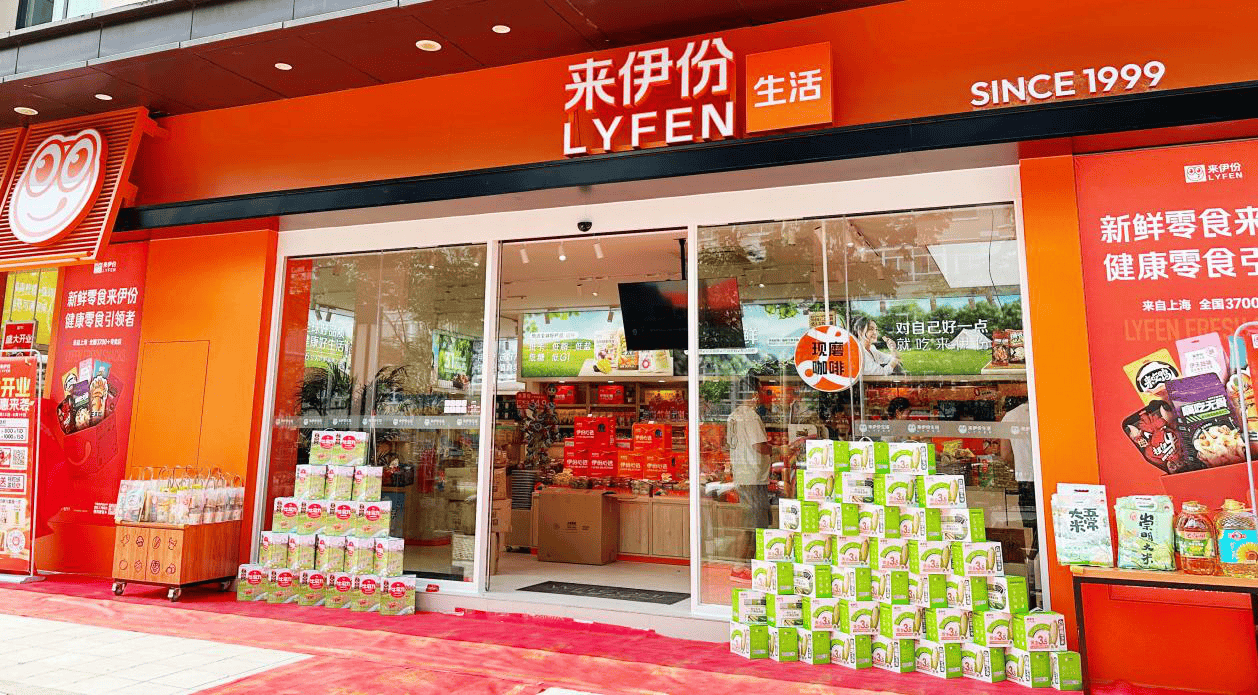
赵崇甫:来伊份的跨界困局,缺乏战略定力的零食巨头
Sou Hu Cai Jing· 2025-10-12 03:41
Core Insights - The company is exhibiting contradictory actions in its capital operations, such as providing financial support to franchisees while facing significant cash flow pressures [3][4] - The strategic direction of the company appears unclear, as it has attempted various expansions into different markets without establishing a solid strategic focus [5][10] - The company is experiencing a decline in net profit despite an increase in revenue, indicating underlying issues in its business model [8][9] Financial Operations - The company has provided several million yuan in financial assistance to franchisees, marking the second such instance within six months [3] - There is a notable decrease in cash flow, with monetary funds significantly declining year-on-year [3] - The controlling shareholder has been frequently reducing their stake, raising concerns about the management's commitment to the company's strategy [3][4] Strategic Direction - The company has shifted its focus multiple times, from a previous ambitious plan to expand to thousands of stores to a more recent push into community retail [5][6] - The lack of a clear strategic positioning has led to a failure in expanding its store count, with a reduction in total stores observed [5][10] - The company is attempting aggressive expansion into community retail, but the profitability of its partners poses a significant challenge [6] Business Model Challenges - The company is caught in a cycle of increasing revenue without corresponding profit growth, highlighting flaws in its business model [8] - The rapid growth of the franchise business has negatively impacted overall gross margins, while food safety issues have harmed the brand's reputation [8][9] - The need for the company to explore new markets may indicate a loss of competitiveness in its core business [8][10] Strategic Recommendations - The company is advised to refocus on its core snack products rather than pursuing every market trend [11][12] - Emphasizing product quality, enhancing store experiences, and optimizing supply chain efficiency are critical for the company's recovery [11][12] - The immediate priority should be to determine what not to pursue, rather than merely seeking new opportunities [12]


这届零食,越贵越高端?
投中网· 2025-10-11 09:08
Core Viewpoint - The article discusses the paradox of rising snack prices in China, where snacks that were once affordable are now perceived as luxury items, leading to a loss of "snack freedom" for consumers [5][10]. Group 1: Historical Context of Snack Consumption - In the past, consumers chose snacks based on taste and price, with little brand loyalty, often mixing various brands in their purchases [6]. - The rise of major snack brands like Liangpinpuzi and Three Squirrels around 2010 shifted consumer behavior towards brand recognition and loyalty, leading to a more concentrated market [6][7]. - Early competition among snack brands involved aggressive pricing strategies, including significant discounts and promotions to attract consumers [7]. Group 2: Shift to Premium Pricing - By 2019, Liangpinpuzi adopted a "high-end snack" positioning, linking product quality directly to pricing, which has led to significant price increases for similar products over the years [8]. - The change in pricing units from larger to smaller measurements has obscured consumers' perception of price increases, contributing to the feeling that snacks have become unaffordable [8][9]. - The emergence of high-priced snacks has resulted in a loss of the previously enjoyed "snack freedom," as consumers now feel priced out of the market [8][10]. Group 3: Market Response and New Trends - The rise of "white-label" snack stores offering high value for money has disrupted traditional snack brands, with the market for these stores growing from 211 billion yuan in 2019 to 809 billion yuan in 2023, reflecting a 40% compound annual growth rate [10]. - Traditional snack brands like Three Squirrels and Liangpinpuzi have faced declining revenues, with Three Squirrels' revenue dropping from over 10 billion yuan in 2019 to 7.1 billion yuan in 2023 [10][11]. - In response to market pressures, brands have attempted to lower prices, but these efforts have had limited success due to established negative perceptions of high pricing [11]. Group 4: Consumer Sentiment and Future Outlook - The article highlights a growing consumer sentiment against high prices that lack corresponding value, indicating a shift towards seeking better price-to-value ratios [14][15]. - Brands that fail to justify their high prices with tangible quality improvements risk losing consumer trust and market share [15][16]. - The future of the snack industry may depend on balancing premium offerings with consumer expectations for affordability and value, as the market moves away from a singular focus on high pricing [16].

赴港二次上市 五芳斋欲破国际化瓶颈
Zhong Guo Jing Ying Bao· 2025-10-10 09:56
Core Viewpoint - Wufangzhai, known as the "first stock of zongzi," has announced plans for a secondary listing in Hong Kong to accelerate its international strategy and enhance its brand image, amid pressures on its core business growth and the need for diversified financing channels [1][2]. Group 1: Company Strategy - The company aims to leverage the Hong Kong listing to expand its overseas capital channels and secure better capital support, which is essential for alleviating domestic market competition and funding future expansions and upgrades [2][3]. - Wufangzhai's management has been restructured to include professionals with legal and financial backgrounds, enhancing its capabilities in capital operations and financial compliance [1][2]. - The company has faced a nearly 30% decline in market value since its A-share debut in 2022, with current market capitalization below 3.5 billion yuan [2]. Group 2: Financial Performance - In 2024, Wufangzhai's revenue from zongzi dropped by 18.64% to 1.579 billion yuan, with sales volume decreasing by 20.92% from 54,400 tons in 2023 to 43,000 tons [3]. - The company reported a slight revenue increase of 0.66% in the first half of 2025, but net profit fell by 16.70%, indicating a struggle with profitability despite minor revenue growth [3]. - Non-zongzi products contributed less than 17% to total revenue, highlighting the company's heavy reliance on its core zongzi business [3]. Group 3: Market Challenges - The zongzi market is becoming increasingly competitive, with various snack and bakery brands entering the space, putting pressure on Wufangzhai's market share [3][4]. - The company has initiated a "zong+" strategy since 2019 to diversify its product offerings, but non-zongzi categories have not yet achieved significant scale [3][4]. - Wufangzhai's international expansion has been slow, with overseas revenue accounting for only 0.7% of total revenue in 2024, and further declining to 0.4% in the first half of 2025 [5]. Group 4: Quality Control and Trust Issues - Quality control issues have impacted Wufangzhai's international expansion and domestic consumer trust, with incidents involving outsourced production raising concerns [6][7]. - The company has adopted a production model that relies on both in-house and outsourced manufacturing, which has led to quality control challenges [7]. - To regain consumer trust, Wufangzhai must enhance its supply chain management and transparency [7]. Group 5: Capital Management - In response to market pressures, Wufangzhai has initiated a share buyback program, purchasing 200,000 shares for approximately 3.59 million yuan, aimed at boosting market confidence and optimizing capital efficiency [8]. - The Hong Kong listing is viewed as a critical step for the company to navigate its performance pressures and internationalization efforts, but it must focus on optimizing its business structure and quality systems moving forward [8].

这届零食,越贵越高端?
3 6 Ke· 2025-10-10 04:06
Core Insights - The rising prices of snacks, particularly in the context of "light luxury" experiences, have led to a perception that everyday snacks are becoming unaffordable, with brands like "薛记炒货" and "么凤士多" exemplifying this trend [1][11][19] - The shift from a focus on taste and value to brand recognition and high pricing has created a disconnect between consumer expectations and actual product value, leading to a decline in "snack freedom" [2][5][10] Industry Evolution - The snack market has evolved from a diverse selection of local and unbranded products to a more concentrated market dominated by well-known brands like 良品铺子 and 三只松鼠, which have changed consumer purchasing habits [2][4] - The initial price wars among snack brands led to significant consumer benefits, but as brands established themselves, they began to increase prices, often without clear justification [4][5] Consumer Behavior - Consumers have increasingly associated brand names with quality, leading to a willingness to pay more for branded snacks, but this has also resulted in a backlash as prices have escalated beyond reasonable limits [5][10][18] - The emergence of "平价白牌" snack stores has highlighted a shift back towards value-driven purchasing, with these stores rapidly gaining market share by offering competitive pricing [8][10] Financial Performance - The financial performance of traditional snack brands has declined, with 三只松鼠 and 良品铺子 experiencing significant revenue drops, indicating a potential market correction as consumers seek better value [10][11] - 良品铺子 has initiated a major price reduction strategy in response to declining sales, but the effectiveness of this strategy remains uncertain as consumer perceptions of high pricing linger [10][11] Market Trends - The snack industry is witnessing a trend where high pricing is often mistaken for high quality, leading to a "high-end disease" where brands fail to provide tangible value for their elevated prices [12][19] - The industry's focus on high pricing without corresponding value has led to a growing consumer demand for transparency and justification of costs, indicating a shift towards more rational purchasing behavior [18][19]
人气零售崛起,“精致省”如何重塑消费战场?
Sou Hu Cai Jing· 2025-10-09 10:48
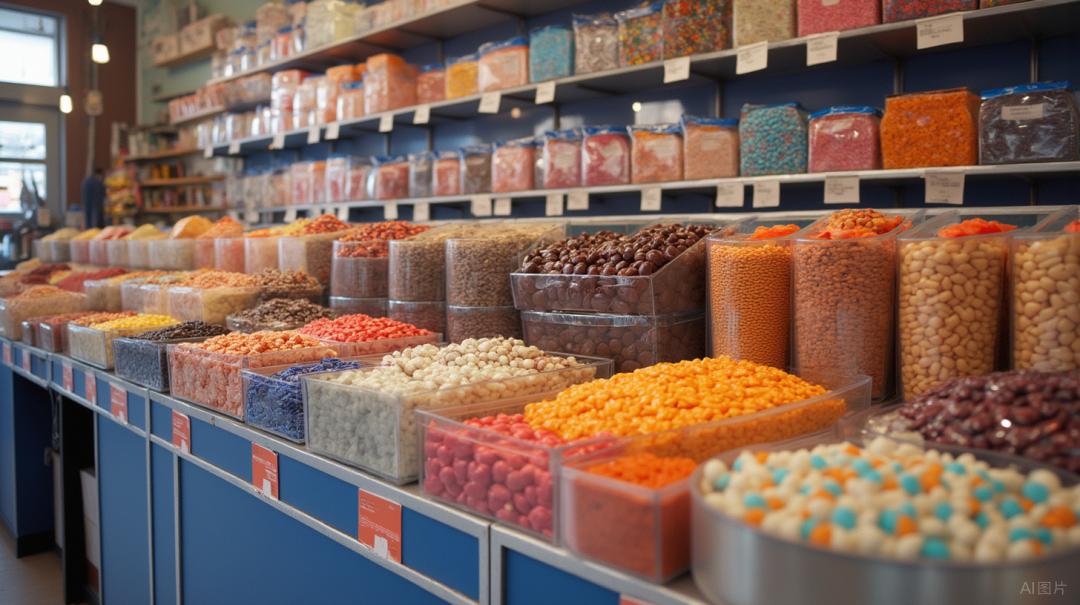
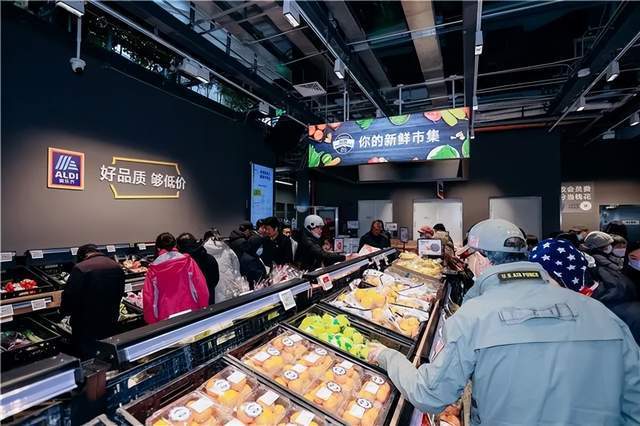
Core Insights - The article discusses the rise of discount retailing in China, highlighting the transformation of brands like "盒马NB" to "超盒算NB" and the success of hard discount retailers like ALDI, which has seen significant growth in sales and market presence [1][2][30]. Group 1: Company Developments - "盒马NB" has rebranded to "超盒算NB," signaling a strategic shift towards discount retailing and focusing on core operations in fresh produce and community supermarkets [1][11]. - The number of "超盒算NB" stores has increased to nearly 300, with double-digit revenue growth in the first half of the year, contributing significantly to the overall profitability of the company [1][9]. - ALDI has doubled its sales in China in 2024, expanding its footprint in the Yangtze River Delta region and focusing on low-priced, high-frequency products [2][30]. Group 2: Market Trends - The shift from "consumption upgrade" to "rational consumption" reflects changing consumer behavior, particularly among the middle class, who are now more price-sensitive [2][3]. - The rise of discount retailing is characterized by a blend of quality and low prices, leading to the emergence of a new retail model termed "popular retail" [3][30]. - The competitive landscape is evolving, with major players like JD and Meituan entering the discount retail space, indicating a growing trend towards discount formats in the retail industry [29][30]. Group 3: Competitive Strategies - ALDI's success is attributed to its hard discount model, which emphasizes cost control, private label products, and a streamlined SKU selection, differentiating it from traditional supermarkets [5][6]. - "超盒算NB" aims to replicate ALDI's model by leveraging Alibaba's supply chain and focusing on community needs, offering essential products at competitive prices [8][20]. - "零食很忙" adopts a different approach with a vast selection of snacks, emphasizing a fun shopping experience and leveraging scale for better pricing, which contrasts with the more curated offerings of ALDI and "超盒算NB" [21][22]. Group 4: Consumer Experience - The shopping experience in discount retail is being redefined, with a focus on creating an engaging atmosphere that challenges the perception of low-cost shopping as low-quality [23][24]. - Both ALDI and "超盒算NB" emphasize simplicity and transparency in their store designs, while "零食很忙" creates a vibrant, exploratory shopping environment [23][26]. - The integration of digital tools and data analytics in stores like "零食很忙" enhances inventory management and customer engagement, further driving sales [22][30].
休闲食品板块10月9日跌0.39%,西麦食品领跌,主力资金净流出6463.32万元
Zheng Xing Xing Ye Ri Bao· 2025-10-09 08:54
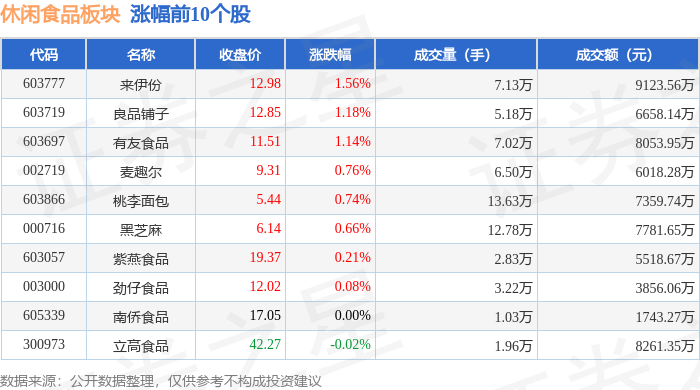
Market Overview - The leisure food sector experienced a decline of 0.39% on October 9, with Ximai Food leading the drop [1] - The Shanghai Composite Index closed at 3933.97, up 1.32%, while the Shenzhen Component Index closed at 13725.56, up 1.47% [1] Individual Stock Performance - Notable gainers in the leisure food sector included: - Laiyifen (603777) with a closing price of 12.98, up 1.56% [1] - Liangpinpuzi (603719) at 12.85, up 1.18% [1] - Youyou Food (603697) at 11.51, up 1.14% [1] - Ximai Food (002956) saw a significant decline of 2.43%, closing at 19.27 [2] - Other notable decliners included: - Haoxiangni (002582) down 1.83% at 9.13 [2] - Guangzhou Restaurant (603043) down 1.55% at 15.88 [2] Capital Flow Analysis - The leisure food sector experienced a net outflow of 64.63 million yuan from main funds, while retail investors saw a net inflow of 32.88 million yuan [2] - The main funds' net inflow and outflow for selected stocks included: - Wanchen Group (300972) with a net inflow of 23.72 million yuan [3] - Ximai Food (002956) with a net inflow of 5.14 million yuan [3] - Laiyifen (603777) with a net inflow of 3.99 million yuan [3]
来伊份控股股东减持668.05万股,持股比例降至60.80%
Xin Lang Zheng Quan· 2025-09-30 10:39
Core Viewpoint - Shanghai Laiyifen Co., Ltd. disclosed the equity changes of its controlling shareholder and its concerted actions in a recent announcement, indicating a reduction in shareholding and the impact on the company's governance structure [1]. Shareholding Situation Before Reduction - Prior to the reduction plan, Shanghai Aiwu Enterprise Management Co., Ltd. held 177,109,500 shares, accounting for 52.96% of the total share capital. Its concerted actions held shares as follows: Shanghai Ying Shui Investment Management Co., Ltd. - Ying Shui Xun Yang No. 10 Private Securities Investment Fund (6,700,000 shares, 2.00%), Yu Ruifen (10,773,000 shares, 3.22%), Shanghai Hai Yong De Management Consulting Partnership (Limited Partnership) (8,555,400 shares, 2.56%), Shi Hui (4,073,000 shares, 1.22%), and Shanghai De Yong Run Yu Management Consulting Partnership (Limited Partnership) (2,784,600 shares, 0.83%) [2]. Reduction Plan and Implementation Results - The controlling shareholder planned to reduce its holdings from July 1, 2025, to December 31, 2025, by up to 10,032,724 shares (3% of total share capital) through centralized bidding or block trading. The actual reduction included 2,190,517 shares through centralized bidding and 3,340,000 shares through block trading, resulting in a total reduction of 2,340,517 shares, reducing the holding from 20,999,550 shares to 20,331,498.3 shares, and the holding percentage decreased from 62.79% to 60.80% [3][4]. Impact of Equity Changes - As of September 30, 2025, the reduction touched the 1% threshold but did not lead to a change in the controlling shareholder or actual controller. The governance structure and ongoing operations of the company remain unaffected, and the changes comply with previous commitments and do not trigger mandatory tender offer obligations [5].
来伊份(603777) - 上海来伊份股份有限公司控股股东权益变动触及1%刻度暨减持结果公告
2025-09-30 10:36
证券代码:603777 证券简称:来伊份 公告编号:2025-069 上海来伊份股份有限公司 控股股东权益变动触及 1%刻度暨减持结果公告 控股股东及其一致行动人保证向本公司提供的信息真实、准确、完整,没有 虚假记载、误导性陈述或重大遗漏。 本公司董事会及全体董事保证公告内容与信息披露义务人提供的信息一致。 重要内容提示: 控股股东及其一致行动持股的基本情况 截至本公告披露之日,本次减持时间区间已届满。减持期间,爱屋企管通过 集中竞价交易方式累计减持公司股份 334.0517 万股,占公司总股本的 0.9989%; 通过大宗交易方式累计减持公司股份 334.0000 万股,占公司总股本的 0.9987%。 本次权益变动后,控股股东爱屋企管及其一致行动人合计持有公司股份数量由 20,999.5500 万股减少至 20,331.4983 万股,合计持股比例由 62.79%减少至 60.80%。 本次权益变动触及 1%的情况 2025 年 9 月 30 日控股股东爱屋企管通过集中竞价的方式减持公司股份 115.0000 万股,占公司总股本的 0.3439%,其持有公司股份数量从 20,446.4983 万股减少至 ...
来伊份(603777) - 2025年第三次临时股东会会议资料
2025-09-30 10:30
证券代码:603777 证券简称:来伊份 上海来伊份股份有限公司 2025年第三次临时股东会 会议资料 $$\underline{{{-}}}\,\mathbf{O}\,\underline{{{-}}}\,\mathbb{H}\,\mathbb{H}\,\mathbf{+}\,\mathbb{H}$$ 2025年第三次临时股东会会议资料 2025年第三次临时股东会会议议程 | 序号 | 议案名称 | | --- | --- | | 非累积投票议案 | | | 1 | 关于《上海来伊份股份有限公司第三期员工持股计划(草案)》及其摘要的议案 | | 2 | 关于《上海来伊份股份有限公司第三期员工持股计划管理办法》的议案 | | 3 | 关于提请股东会授权董事会办理公司第三期员工持股计划有关事项的议案 | | 4 | 关于对外提供财务资助的议案 | 六、股东讨论、提问和咨询 七、推选监票人和计票人 2 一、主持人宣布会议开始 二、介绍股东到会情况 三、介绍公司董事、高管人员、见证律师的出席情况 四、主持人宣读会议须知 五、会议审议议案 八、现场投票表决 九、休会统计表决情况 十、宣读现场表决结果 十一、律师宣读关 ...