长城汽车

Search documents
官宣!2026年央视春晚节目单发布,合作伙伴超20家知名公司
第一财经· 2026-02-16 06:49
Core Viewpoint - The 2026 Spring Festival Gala, organized by the China Central Television (CCTV), will feature a diverse lineup of performances and collaborations with over 20 partners from various industries, emphasizing technological innovation and cultural celebration [3][26]. Group 1: Event Details - The gala will be broadcast live on multiple platforms, including 10 television channels and 9 radio frequencies, as well as 6 new media platforms, reaching a global audience through 3500 media outlets in over 200 countries [15]. - The event is scheduled for February 16, 2026, at 8 PM [4][15]. Group 2: Host and Performance Lineup - The main hosts for the Beijing venue include Ren Luyu, Sa Beining, and others, with regional hosts for various sub-venues [16]. - The performance lineup includes a variety of acts such as songs, dances, and comedy skits, featuring well-known artists and groups from different regions [5][8][12]. Group 3: Partnerships and Collaborations - The gala has partnered with over 20 companies across sectors like artificial intelligence, smart transportation, and traditional industries, including notable brands such as Wuliangye and Great Wall Motors [26]. - Among the partners, 8 are publicly listed companies, indicating a significant intersection between the event and the stock market [26].






春晚合作公司名单来了
财联社· 2026-02-16 05:35
Group 1 - The 2026 Spring Festival Gala has announced over 20 partners across various sectors, including smart mobility, artificial intelligence, and liquor [1] - Key partners in the smart ecosystem include companies like ZhiMi Group, MOVA, and Huawei's Mate 80 series, which is designated as the live broadcast phone partner [2] - In the smart mobility sector, partners include Lynk & Co 900 and JAC Motors, which collaborates with Huawei on the flagship vehicle [2] Group 2 - The artificial intelligence and robotics sector features partners such as Volcano Engine, Yushu Technology, and Galaxy General, highlighting a strong technological presence at the gala [3] - Notably, there are 8 listed companies among the partners, including Wuliangye, Yanghe, and Great Wall Motors, indicating significant corporate involvement [3]

春晚合作公司名单曝光,覆盖智能出行、人工智能机器人、白酒等领域
Ge Long Hui· 2026-02-16 05:00
Group 1 - The core viewpoint of the article highlights that the 2026 Spring Festival Gala has announced over 20 partners across various sectors, including smart mobility, artificial intelligence, and liquor [1] - In the robotics and AI sector, notable partners include Yushu Technology, Volcano Engine, Galaxy General, Songyan Power, Magic Atom, and Zhuimi Technology [1] - ByteDance's AI company, Volcano Engine, and its large model Doubao have also partnered with the 2026 Spring Festival Gala [1] Group 2 - Among the announced partners, eight are publicly listed companies, including Wuliangye, Yanghe, Gujing Gongjiu, Great Wall Motors, JAC Motors, Kuaishou-W, Bilibili-W, and Miniso [1] - The listed companies consist of three liquor firms, two automotive companies, two video platforms, and one trendy toy company [1]



1月轻卡市场同比增8% 福田摘冠 江淮前二 远程/东风领涨
第一商用车网· 2026-02-16 04:05
Core Viewpoint - In January 2026, China's commercial vehicle industry experienced a 23% year-on-year growth in overall sales, with the truck market growing by 28%, indicating a strong start to the year [1][3]. Group 1: Truck Market Performance - The truck market sold a total of 323,500 units in January 2026, showing a 10% decrease from December 2025 but a 28% increase year-on-year [3]. - The light truck market, which includes light trucks, small trucks, and pickups, sold 159,500 units in January 2026, reflecting a 20% month-on-month decline and an 8% year-on-year growth [3][5]. - The light truck market's 8% year-on-year growth is significantly lower than the overall truck market's growth, making it the only segment to underperform compared to the market average [5]. Group 2: Historical Context and Market Dynamics - The January 2026 light truck sales of 159,500 units rank as the fourth highest in the past decade, with the average sales for January typically around this figure [5]. - The performance in January 2026 is considered moderate, attributed to the absence of the Spring Festival impact that affected January 2025 sales [5][16]. Group 3: Company Performance and Market Share - Five companies sold over 10,000 light trucks in January 2026, with Foton leading at 36,300 units, followed by JAC, Dongfeng, Great Wall, and Jiangling [8][9]. - The top ten companies in the light truck market accounted for 88.4% of total sales, with the top five companies alone holding 62.7% of the market share [8]. - Among the top ten companies, eight experienced sales growth compared to the previous year, with Dongfeng and Farizon showing significant increases of 61% and 91%, respectively [12][14]. Group 4: Market Outlook - The light truck market in 2026 is expected to be competitive, with various companies vying for market share and performance improvements [16].


研判2026!中国共享停车行业政策环境、产业链、市场规模、竞争格局和未来趋势分析:政策与需求双驱动,共享停车行业规模持续扩容[图]
Chan Ye Xin Xi Wang· 2026-02-16 01:01
Core Insights - The article highlights the increasing challenge of parking difficulties in urban areas due to rapid urbanization and rising vehicle ownership, leading to a growing demand for innovative solutions like shared parking [1][7]. Shared Parking Industry Overview - Shared parking is a car space sharing model aimed at alleviating urban parking shortages by utilizing technology to open up idle parking spaces from public units, commercial areas, and private owners [3][5]. - The industry is categorized into two operational forms: government-enterprise cooperation and market-driven models [3]. Industry Policies - Recent policies have been introduced to promote the development of shared parking, including increasing urban parking supply and enhancing smart parking infrastructure [4]. Industry Chain - The shared parking industry chain consists of upstream resources (parking space providers), midstream operations (resource integration and management), and downstream users (private car owners) [5][6]. Market Size and Growth - The market size of China's shared parking industry is projected to reach 12.7 billion yuan by 2025, with a year-on-year growth of 8.3% [1][7]. - The number of parking spaces in China is expected to grow from 74 million in 2016 to 273 million by 2025, reflecting a compound annual growth rate of 16% [6]. Competitive Landscape - The shared parking market is becoming increasingly competitive, with companies focusing on technological and model innovations to enhance service quality and user retention [8]. - Key players in the industry include Shenzhen Jieshun Technology, Guangzhou Youting Network Technology, and others, with Jieshun Technology reporting a 39.46% year-on-year increase in revenue from smart parking operations in the first half of 2025 [8][9]. Development Trends - The shared parking industry is expected to integrate deeply into smart city frameworks, utilizing data to optimize parking space allocation and improve user experience [10]. - There is a growing trend towards personalized services, with platforms offering tailored solutions based on user data [11]. - Cross-industry collaborations are anticipated to create new growth opportunities, such as integrating shared parking with electric vehicle charging and commercial real estate [12].


春晚,合作上市公司曝光!科技新星登场
Xin Lang Cai Jing· 2026-02-16 00:24
Core Insights - The 2026 Spring Festival Gala will feature a diverse range of corporate partners, reflecting the evolution of China's commercial landscape over the past four decades [1][8] - The event serves as a significant platform for brand recognition and influence, with a history of successful partnerships, particularly in the tech and consumer goods sectors [3][8] Company Partnerships - Eight listed companies have been confirmed as partners for the 2026 Spring Festival Gala, including three liquor companies, two automotive companies, two video platforms, and one toy company [3][8] - Wuliangye will be the exclusive interactive partner for the "Harmony and Goodness" segment, marking its fourth appearance at the gala [5][10] - Yanghe Dream Blue M6+ will serve as the exclusive timekeeping partner for the seventh consecutive year, while Gujing Gongjiu celebrates its 11th year of partnership [5][10] Automotive Collaborations - Huawei and JAC Motors have launched the Zun Jie S800, which will be the flagship partner for smart travel at the gala [4][9] - Great Wall Motors will again be the designated vehicle for new media coverage of the gala, featuring its flagship models [4][9] Technological Innovations - The 2026 gala will emphasize technological advancements, with partnerships from companies like Yushutech, Volcano Engine, and Galaxy General, focusing on robotics and AI [6][11] - Volcano Engine will engage in program production and online interaction, while Yushutech will showcase cutting-edge robotics technology [6][11] Cultural and Emotional Engagement - MINISO has partnered with the gala to launch a series of cultural toys, reflecting a shift from material to cultural consumption [6][11] - The collaboration aims to enhance emotional engagement and cultural relevance in consumer products [6][11]

说什么,也要让车开进春晚
汽车商业评论· 2026-02-15 23:04
Core Viewpoint - The article discusses the evolving role of the automotive industry in the context of the CCTV Spring Festival Gala, highlighting how automotive brands have increasingly integrated into this national event as a marketing platform over the years [4][19]. Group 1: Historical Context and Evolution - The CCTV Spring Festival Gala has been a significant platform for advertising since its inception in 1984, with the first automotive advertisement appearing in 2004 [4][13]. - Initially, the automotive industry was not a major sponsor of the gala, with the focus shifting from household appliances to internet companies in the 2010s [13][19]. - The first major automotive sponsorship occurred in 2014, marking a turning point for automotive brands in leveraging the gala for marketing [15][19]. Group 2: Current Automotive Brands and Their Strategies - In 2026, several automotive brands, including Jiangqi Group's high-end model Zun Jie S800, Geely's Lynk & Co 900, and Great Wall's Wei brand, are confirmed to participate in the gala, showcasing their flagship models [11][12]. - The article emphasizes that these brands represent the core strength of the Chinese automotive industry, with their participation symbolizing a significant leap in brand image and technology [11][12]. - The integration of automotive brands into the gala reflects a broader trend of showcasing "Chinese manufacturing" and technological advancements [19][26]. Group 3: Marketing Strategies and Audience Engagement - The article outlines various methods of automotive brand integration into the gala, including background branding, vehicle displays, and product placements in skits [21][22]. - The 2024 gala saw innovative marketing strategies, such as Xiaomi's car model being prominently displayed among guests, indicating a shift towards more creative advertising approaches [21][22]. - Experts suggest that the gala remains a valuable platform for automotive brands to build consensus and emotional connections with consumers, particularly during the family-oriented Lunar New Year celebrations [30][32].



天弘永定成长基金经理换将,产品业绩不达标是主因?
Xin Lang Cai Jing· 2026-02-15 11:54
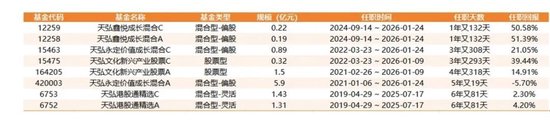
Core Viewpoint - Tianhong Fund Management announced the departure of fund manager Liu Guojiang from the Tianhong Yongding Value Growth Mixed Securities Investment Fund due to personal reasons, following a period of underperformance in fund returns [1][7]. Group 1: Fund Performance - During Liu Guojiang's management, the Tianhong Yongding Growth Fund recorded a return of -5.7% and an annualized return of -1.15%, significantly underperforming compared to the average of similar products [1][8]. - The fund's annual returns from 2021 to 2025 were -4.94%, -15.98%, -15.31%, 17.44%, and 19.32%, indicating a volatile performance with recent recovery [3][10]. - The fund has a total scale of approximately 6.79 billion yuan as of the end of 2025, with the Tianhong Yongding Value Growth Fund being the largest at 5.9 billion yuan [2][11]. Group 2: Manager Background and Transition - Liu Guojiang joined Tianhong Fund in April 2017 and took over the Tianhong Yongding Growth Fund in January 2021, having previously worked at several other asset management firms [2][8]. - Following Liu's departure, Wang Haishan, who has a dual bachelor's degree in economics and engineering and is a CPA and CFA holder, will continue to manage the fund [5][11]. - Liu Guojiang's exit is seen as a response to investor demands for better performance, highlighting the importance of consistent returns in building trust in the asset management industry [6][12].
崔东树:1月汽车出口走强带动厂家销量相对较好 新能源车走势平稳
智通财经网· 2026-02-15 03:59
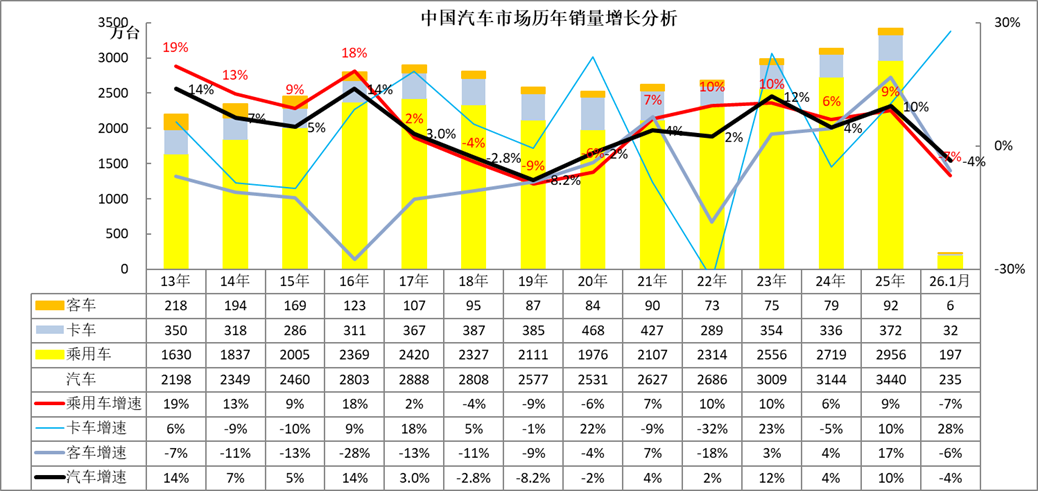
Group 1 - The automotive market in China is expected to maintain strong growth in 2025, driven by government policies promoting consumption, with significant recovery in both truck and bus markets [1] - In January 2026, the commercial vehicle market is anticipated to experience structural growth due to equipment upgrade subsidies, particularly in the electrification of logistics and transportation [1][4] - The overall automotive sales in 2025 are projected to reach 34.392 million units, with a cumulative growth rate of 9%, while January 2026 saw a decline of 4% year-on-year in total automotive sales [6][21] Group 2 - The differentiation between passenger and commercial vehicles has become more pronounced in recent years, with passenger vehicle consumption improving and commercial vehicle sales weakening [4][11] - In January 2026, the sales of new energy passenger vehicles totaled 870,000 units, reflecting a 2% year-on-year decline, influenced by policy adjustments and market pressures [21] - The competitive landscape among traditional fuel passenger vehicle manufacturers is shifting, with domestic brands gaining strength against joint ventures, particularly in the context of declining sales for traditional fuel vehicles [27] Group 3 - The truck market is showing robust growth, with January 2026 sales reaching 320,000 units, marking a 28% year-on-year increase, indicating a strong demand for logistics and transportation solutions [34][36] - The bus market is expected to remain stable, with head manufacturers performing well, primarily driven by demand for light and micro commercial vehicles [30][32] - The overall automotive industry is experiencing significant differentiation in growth rates among manufacturers, with private enterprises increasingly replacing state-owned enterprises as industry leaders [11][18]




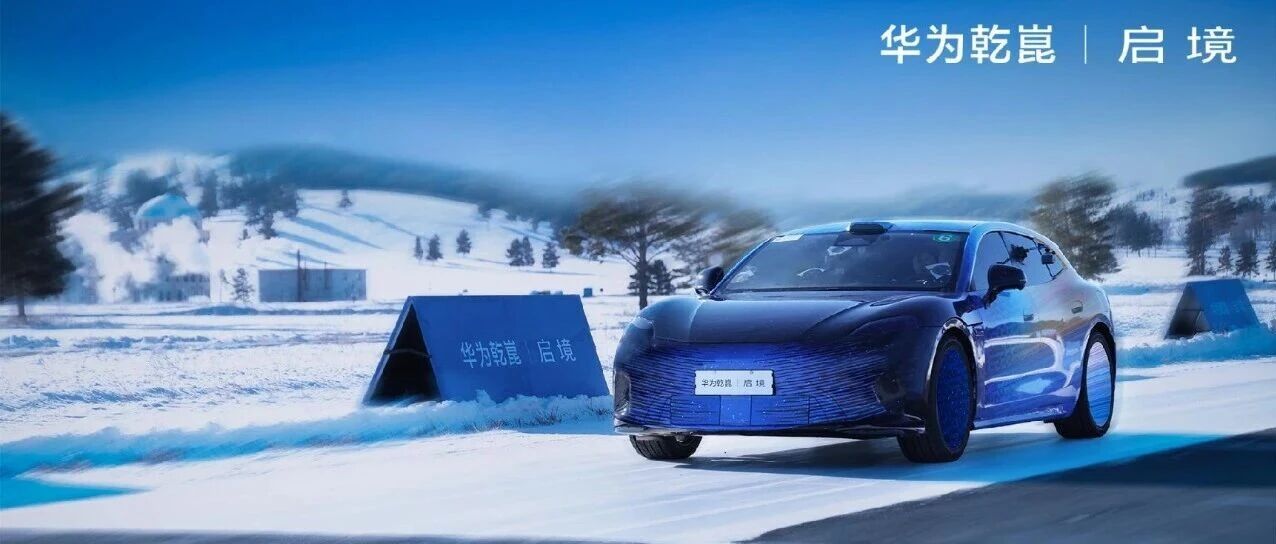
启境入局:中国汽车智能化下半场的价值回归与高端突围
经济观察报· 2026-02-15 02:11
Core Viewpoint - The emergence of Qijing Automotive represents a significant exploration in the intelligent and high-end development path of the Chinese automotive industry during a critical period of transformation [1][26]. Group 1: Strategic Shift from Electrification to Intelligentization - By the end of 2025, the penetration rate of new energy vehicles in China is expected to approach 60%, indicating that the electrification phase is nearing completion, while the intelligentization phase is just beginning [2][6]. - The automotive industry is undergoing a structural transformation, with a shift in competition from mere electrification to intelligentization, as evidenced by the increasing demand for smart, personalized vehicles [6][8]. - Over 80% of automotive companies have initiated AI pilot projects, but only 15% have achieved large-scale application, highlighting the transition from "whether to do" to "how to do it right" in intelligentization [2][8]. Group 2: Challenges in Intelligent Transformation - The transition to intelligentization presents significant challenges, including the need for comprehensive capabilities in data collection, processing, and system integration [16][17]. - Companies must prepare for the responsibilities associated with Level 3 automation, requiring robust safety and quality management systems throughout the product lifecycle [16][20]. - The collaboration model in the intelligent era necessitates deep integration of hardware, software, algorithms, and data, moving beyond traditional supply chain relationships [17][20]. Group 3: Qijing's Unique Position and Strategy - Qijing is positioned as a strategic player in the intelligentization arena, focusing on redefining what constitutes a high-quality vehicle in the smart era [14][26]. - The collaboration between Qijing and Huawei is characterized by "embedded collaboration," allowing for joint product logic definition and system performance validation [16][20]. - Qijing aims to leverage its partnerships to create a new value benchmark in the high-end market, combining technology, luxury, and reliability [26][31]. Group 4: Value Transition of Chinese Brands - Chinese automotive brands are experiencing a value transition, with Qijing positioned to capitalize on this shift by enhancing product quality, user experience, and redefining value in the high-end market [24][26]. - The traditional dominance of luxury brands is declining, with Chinese brands making significant inroads into the high-end market through advancements in electric and intelligent technologies [24][26]. - Qijing's strategy emphasizes a comprehensive user experience and a differentiated dealer network, reflecting growing confidence in Chinese high-end intelligent automotive brands [26][31].