欧莱雅

Search documents
两大美妆巨头同时出手,一边狂买一边狂卖
21世纪经济报道· 2025-12-10 12:19
Core Views - The article discusses the contrasting strategies of two major beauty groups, L'Oréal and Unilever, highlighting L'Oréal's aggressive acquisition approach and Unilever's focus on divesting non-core assets [2][8]. Group 1: L'Oréal's Acquisition Strategy - L'Oréal announced the acquisition of an additional 10% stake in Galderma, increasing its ownership from 10% to 20%, with plans to explore further scientific research collaborations [1][6]. - The acquisition is part of L'Oréal's ambition to penetrate the rapidly growing medical aesthetics market, alongside its investments in high-end and clean beauty segments [6][8]. - In October, L'Oréal made a significant investment of €4 billion to acquire beauty licenses from Kering Group, indicating a strong recovery in its performance, particularly in the North Asia region [6][7]. Group 2: Unilever's Divestment Strategy - Unilever is undergoing a restructuring process, focusing on core businesses by divesting over 20 non-core beauty and personal care brands, including the planned spin-off of its ice cream business [1][7]. - The CEO of Unilever emphasized that the spin-off aims to create a more streamlined company focused on higher profit margins in beauty and personal care sectors [7][8]. - Unilever's recent quarterly results showed improvement in sales growth after excluding the ice cream business, indicating a positive trend in its core operations [7][8]. Group 3: Industry Trends and Brand Matrix - The contrasting strategies of L'Oréal and Unilever reflect a broader industry trend where companies are either expanding their brand portfolios or optimizing them by shedding non-core assets [8][9]. - The ideal brand matrix should exhibit strategic synergy, growth gradient, and profit orientation, allowing companies to withstand market fluctuations [10]. - Other beauty brands, including Estée Lauder, are also reviewing their brand portfolios, indicating a shift towards optimizing brand performance and profitability [9].


解码美妆业ESG新趋势:绿色包装成共识,中国特色案例增多
Nan Fang Du Shi Bao· 2025-12-10 09:37
Core Viewpoint - The article discusses the evolution of ESG (Environmental, Social, and Governance) practices in the Chinese beauty industry, highlighting the increasing focus on sustainable packaging, local cultural integration, anti-corruption measures, and the rise of "clean beauty" concepts among domestic brands [1][2][9]. Group 1: ESG Practices in the Beauty Industry - The "Sustainable Innovation Laboratory" of Southern Metropolis Daily is collecting exemplary ESG practices from companies to promote sustainable development [1]. - A report titled "2025 ESG Sustainable Innovation Trend Insight Report" will be released, showcasing best practices in ESG from various companies [2]. - Major Chinese beauty brands are increasingly adopting green packaging strategies, with a consensus emerging around carbon reduction and product lifecycle management [3][5]. Group 2: Green Packaging Initiatives - Companies like Up Beauty and Huaxi Biological are implementing sustainable packaging practices, including the use of FSC-certified materials and reducing plastic usage [3]. - Pulaia has detailed its green packaging efforts, aiming to increase the proportion of sustainable materials by 20% and reduce packaging intensity by 15% [5]. - Betaini reported a significant increase in effective bottle recycling, achieving 2.67 million bottles in 2024, eight times the previous year [7]. Group 3: Localized ESG Topics - Chinese beauty companies are incorporating "Chinese characteristics" into their ESG disclosures, such as marriage and childbirth benefits for employees and contributions to rural revitalization [9][10]. - Up Beauty has established a marriage and childbirth fund of 10 million yuan to support employees [9]. - The focus on rural revitalization includes financial support for local infrastructure projects, enhancing community living conditions [9]. Group 4: Anti-Corruption Measures - Domestic beauty brands are establishing anti-corruption reporting mechanisms, a unique feature compared to international counterparts [11]. - Companies like Mao Ge Ping and Huaxi Biological have implemented structured anti-corruption training and reporting systems [12]. Group 5: Digital Transformation and AI - The application of AI technology in ESG reporting is becoming more prominent, with companies like L'Oreal investing over 1 billion euros annually in technology and data analysis [14]. - L'Oreal is developing digital tools to manage revenue growth and optimize product pricing through data integration [14]. Group 6: Rise of Clean Beauty - The concept of "clean beauty" is gaining traction, with brands focusing on safe and transparent ingredient sourcing [17][20]. - Up Beauty has established a green ingredient research center and published a white paper on clean beauty standards [18]. - The increasing consumer awareness regarding product safety and ingredient transparency is driving the demand for clean beauty products [21].

一朵“山茶花”卖出10个亿!“贵妇”们用的林清轩,要冲击IPO了
Sou Hu Cai Jing· 2025-12-10 07:57
Core Viewpoint - Lin Qingxuan has updated its IPO prospectus, including a name change from "Shanghai Lin Qingxuan Biotechnology Co., Ltd." to "Shanghai Lin Qingxuan Cosmetics Group Co., Ltd." This change has sparked discussions among investors regarding the strategic implications of moving from a biotechnology focus to a cosmetics brand, especially as the company approaches its IPO [1][2][3]. Financial Performance - Lin Qingxuan's revenue is projected to grow from approximately 6.91 billion yuan in 2022 to 12.1 billion yuan in 2024, indicating a steady upward trend [7]. - In the first half of this year, Lin Qingxuan reported revenue of about 10.52 billion yuan, a significant increase of 98.49% compared to the same period last year [8]. - The company's gross profit margins are notably high, with figures of 78.0%, 81.2%, 82.5%, and 82.4% for the years 2022 to 2024, outperforming major competitors [9]. Research and Development - Despite the high gross margins, Lin Qingxuan's R&D expenses have been relatively low, with rates of 3.06%, 2.45%, 2.51%, and 1.71% from 2022 to 2024, indicating a declining trend [10]. - The company has managed to maintain its high-end product sales without significant R&D investment, suggesting a potential reliance on marketing rather than innovation [11][19]. Marketing Strategy - Lin Qingxuan's marketing and distribution expenses have been substantial, with figures of 5.09 billion yuan, 4.86 billion yuan, and 6.88 billion yuan from 2022 to 2024, constituting a significant portion of total revenue [16]. - The marketing expenses have been approximately 9 to 20 times higher than R&D expenditures, highlighting a strategy focused on brand marketing over product development [16][18]. Market Position and Risks - The company has a heavy reliance on its core product, camellia oil, which accounted for 45.5% of revenue in the first half of this year, raising concerns about market risk due to limited product diversification [18]. - Recent investor behavior indicates a lack of confidence in Lin Qingxuan's IPO prospects, with early investors exiting before the IPO submission [21]. Future Outlook - Lin Qingxuan plans to expand its product line beyond camellia oil and implement a multi-brand strategy to enhance its market position [24]. - The company has maintained a growing number of physical stores, increasing from 366 to 554 over the past three years, which may provide a buffer against market fluctuations [26].
长曜创新完成A轮融资;Meta收购Limitless;太古收购新沁园
Sou Hu Cai Jing· 2025-12-10 03:17
Investment Dynamics - L'Oréal plans to increase its stake in Galderma to 20%, becoming a significant strategic shareholder and gaining a board seat for core strategic decision-making [3] - Changyao Innovation successfully completed a new round of A financing amounting to several tens of millions, with strategic investment from leading robotics company Hangzhou Shenhao Technology [5] - UK DTC children's outdoor clothing brand Roarsome raised £1.5 million, with nearly £1 million from lead investor Sustainable Wealth Group, focusing on sustainable materials [7] - Meta acquired wearable AI device company Limitless, shifting part of its metaverse resources towards AI wearable devices [8] - Swire Group reached a share transfer agreement for its bakery chain "New Qinyuan" with Yang Brothers Investment Company, with a total acquisition amount close to HKD 1.4 billion [9] - Anheuser-Busch InBev plans to acquire a majority stake in US ready-to-drink beverage brand BeatBox for approximately $490 million, as part of its strategy to explore markets beyond beer [12] Brand Dynamics - Hema acknowledged a production issue with strawberry cakes, affecting around 60 units sold across seven stores, and has initiated customer follow-ups and compensation [15] - COMME des GARÇONS announced a collaboration with G-DRAGON, featuring a collection inspired by his album "Übermensch," with a black baseball cap as a core item [18] - Burberry appointed Matteo Calonaci as COO and CCO, emphasizing supply chain acceleration and customer experience as key performance drivers [19][21] - Kering's Brioni brand ended its collaboration with creative director Norbert Stumpfl, potentially slowing down the introduction of new men's collections [23]





50岁+男性成护肤圈新宠,品牌如何抢占“熟龄他经济”高地?
3 6 Ke· 2025-12-10 01:54
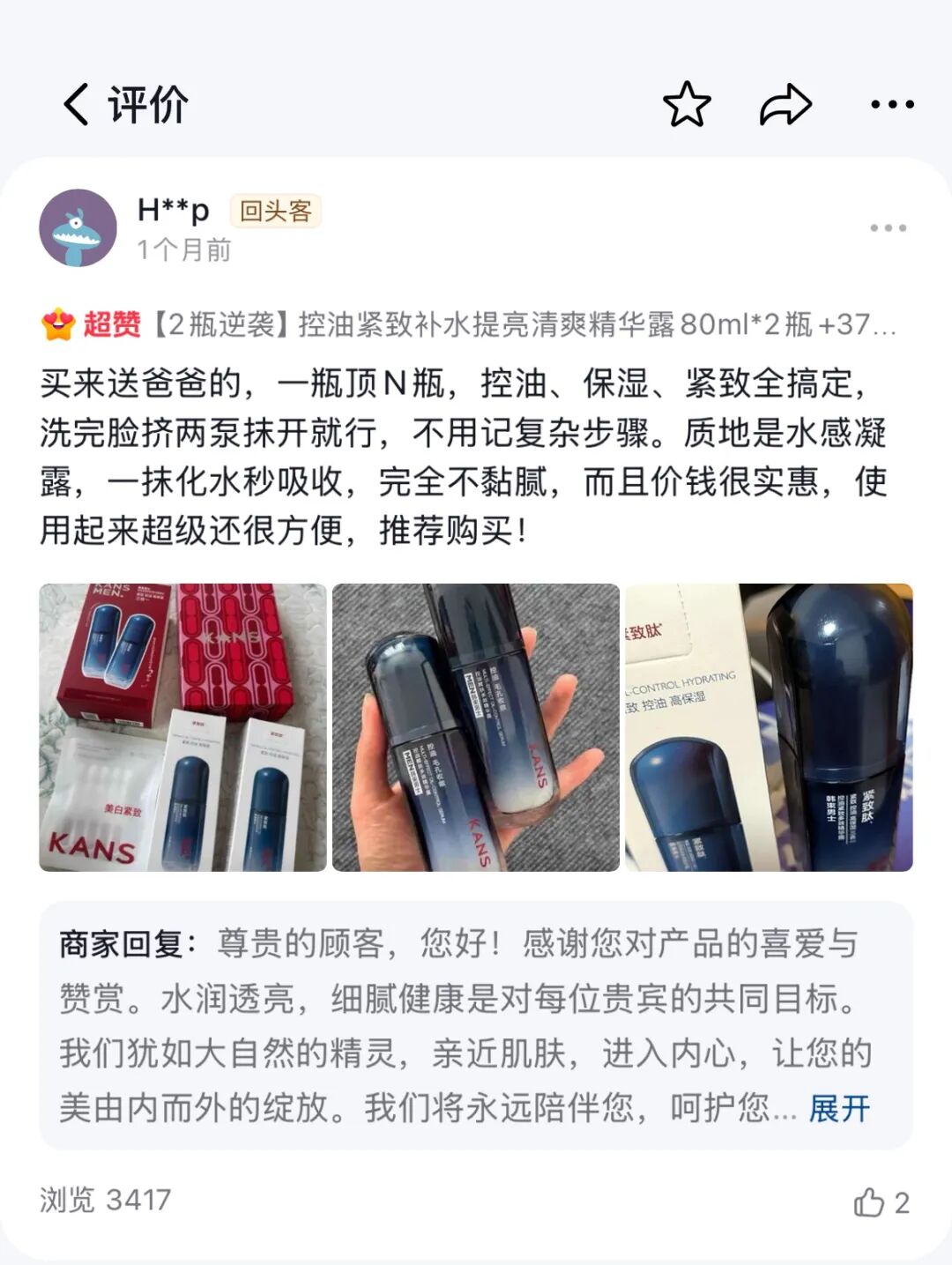
Core Insights - The middle-aged male demographic is emerging as a significant consumer group in the skincare market, with 50% of male consumers aged 31-49 and 24% aged 50 and above [1] - The men's skincare market in China has surpassed 17 billion yuan, growing by 17% year-on-year, with a projected compound annual growth rate of 11% over the next five years [2] - The rise of the "filial piety economy" and changing perceptions are driving the growth of the skincare market for middle-aged men [3][4] Market Trends - Middle-aged men are increasingly adopting skincare routines, moving from basic cleaning methods to using serums and creams [3] - The influence of family members, particularly women, is significant in encouraging middle-aged men to engage in skincare [6] - Traditional views that associate skincare with femininity are being challenged as men recognize their skincare needs [8] Consumer Behavior - Middle-aged men prioritize simple and effective skincare solutions, focusing on basic needs like cleansing and moisturizing [10][11] - There is a growing demand for multi-functional products that address various skin concerns [11] - Brands are responding to this demand by offering products that are both affordable and effective, catering to the unique needs of this demographic [12][14] Brand Strategies - Domestic brands like Pechoin are leveraging their established presence and affordability to capture the middle-aged male market [12][14] - International brands are also targeting this demographic, emphasizing quality and effectiveness, with some consumers willing to pay a premium for scientifically validated products [18][19] - New brands are emerging with innovative ingredients and marketing strategies tailored to the middle-aged male audience [21][22] Market Opportunities - The middle-aged male skincare market is still in its early stages, presenting significant growth potential as consumer awareness and demand increase [9][28] - The shift from price competition to value competition is essential for brands to differentiate themselves in a crowded market [29] - Companies can achieve breakthroughs through product innovation and enhanced customer engagement strategies [30][31]
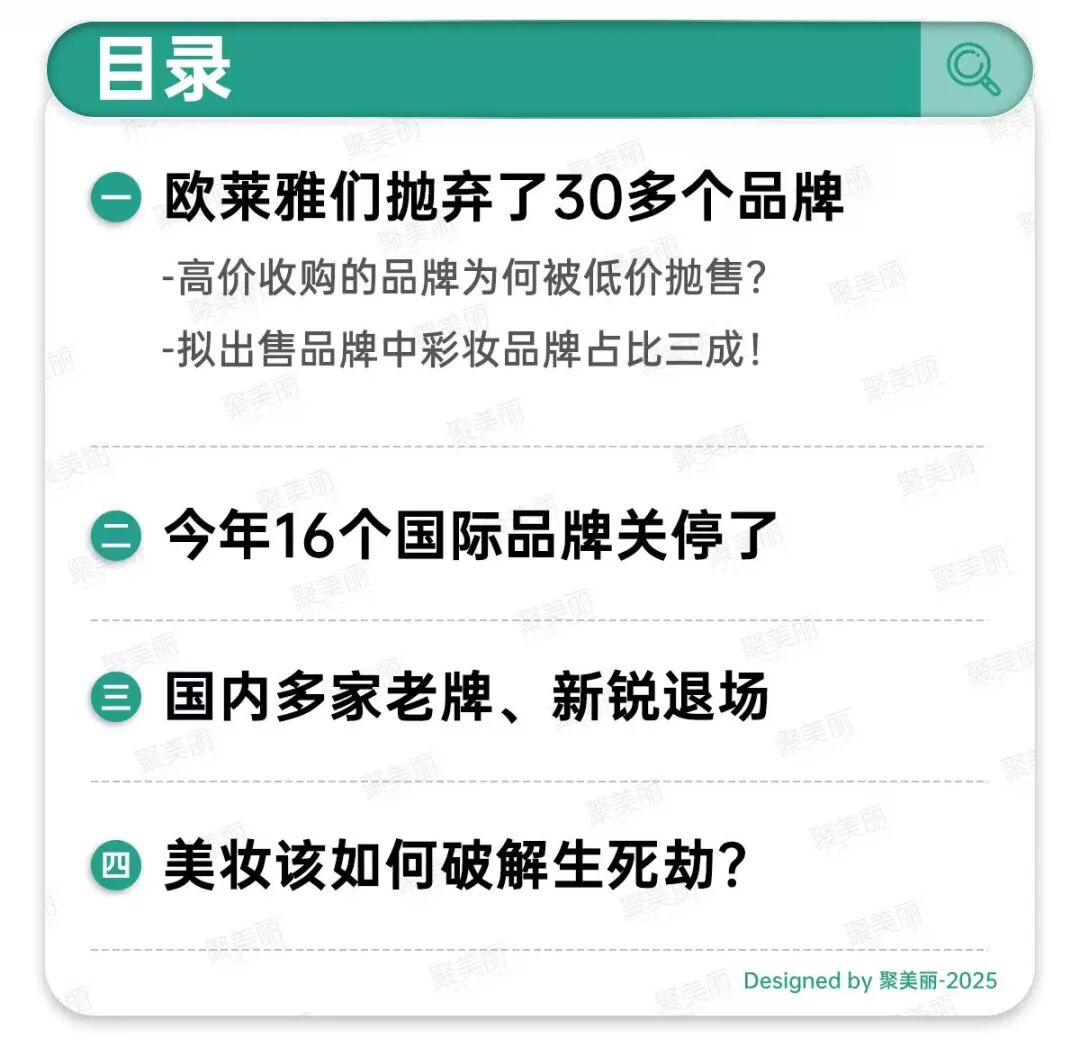
今年超50个美妆品牌成“弃子”
3 6 Ke· 2025-12-10 00:24
Core Insights - The cosmetics industry is experiencing a significant downturn, with many brands being sold or shut down rather than achieving sales success during promotional events [1][22] - Over 50 beauty brands have been categorized as "abandoned" this year, with notable examples including L'Oréal, Estée Lauder, and Unilever [1][5] - The trend indicates a shift from large-scale brand coverage to a focus on optimizing brand portfolios among international beauty giants [8][13] Brand Sales and Closures - International beauty giants have sold over 30 brands this year, including Unilever's sale of the high-end skincare brand CeraVe and Kering's sale of its beauty division to L'Oréal for €4 billion (approximately ¥331.96 billion) [3][5] - The majority of these "abandoned" brands were acquired at high valuations between 2014 and 2020, with some, like Avon, being sold for $3.7 billion (approximately ¥263.45 billion) after struggling to perform [6][7] - In 2025 alone, 16 international brands have been shut down due to operational difficulties and strategic misalignment, with L'Oréal closing three brands [14][18] Reasons for Brand Abandonment - The primary reasons for brand sales include the need for international beauty companies to streamline operations and focus on profitable segments, as seen with Unilever's efforts to make CeraVe profitable [7][18] - Many brands are facing challenges such as declining performance, increased marketing costs, and the inability to adapt to market demands, leading to closures [21][27] - The trend of brand closures is not limited to international brands; domestic brands are also facing similar pressures, with eight brands shutting down in 2025 due to strategic adjustments and profit pressures [23][26] Market Trends and Future Outlook - The industry is witnessing a shift towards strategic restructuring and value rediscovery rather than mere expansion, indicating a potential ongoing consolidation phase [13][32] - The focus is now on leveraging technology and innovation to create competitive advantages, with companies encouraged to find niche markets and enhance product offerings [31][32] - The ongoing challenges suggest that the beauty industry will continue to experience a wave of brand eliminations, with survival dependent on strategic adaptability and resource management [22][32]


谢方敏辞任董事会主席兼CEO;百洋医药与多家医疗机构展开合作
2 1 Shi Ji Jing Ji Bao Dao· 2025-12-09 23:52
Core Insights - The article discusses significant developments in the pharmaceutical and healthcare industry, including leadership changes, regulatory approvals, and strategic collaborations aimed at enhancing treatment options for patients with complex conditions like brain metastases [14][4][12]. Policy Developments - The National Medical Products Administration (NMPA) is focusing on balancing safety and development, emphasizing the importance of legal administration and scientific regulation to protect the legitimate rights of enterprises and promote high-quality industry development [2]. Drug Approvals - Yuandong Biotech received a drug registration certificate for Brivaracetam tablets, marking it as the first generic drug approved under the new registration classification in China. The expected sales for the original drug are approximately 160,000 yuan in the first half of 2025 [4]. - Jiutian Pharmaceutical has received approval for clinical trials of JMHT06 for treating acute gouty arthritis [5]. Capital Market Activities - L'Oréal plans to increase its stake in Galderma by acquiring an additional 10% of shares, which will raise its total ownership to 20% by early 2026. This move includes the nomination of two non-independent directors from L'Oréal to Galderma's board [7]. Industry Collaborations - Baiyang Pharmaceutical is collaborating with multiple medical institutions to enhance treatment for brain metastases, including launching real-world studies with ZAP-X technology and establishing a precision radiotherapy center [12][9].


欧莱雅的进击
Xin Lang Cai Jing· 2025-12-09 15:50
来源:滚动播报 (来源:北京商报) 收购、投资,欧莱雅正在用一切可行的办法扩大版图,抢占市场份额。近日,欧莱雅官方发布消息称, 从由EQT牵头的财团手中收购高德美额外10%的股权。在更早的10月,欧莱雅刚刚斥资40亿欧元拿下开 云集团多个奢侈品品牌美妆授权;11月,欧莱雅再投国产护肤品牌LAN兰……这背后或许是欧莱雅正 在面临的增长放缓现实情况。 增资高德美 此次交易完成后,欧莱雅对高德美的持股比例将增至20%。早在2024年底,欧莱雅收购了高德美10%的 股权。欧莱雅官方披露的信息中,并没有透露此次增持的具体金额。不过欧莱雅方面透露,鉴于投资增 加,高德美董事会将考虑从2026年年度股东大会起,提名2名来自欧莱雅的非独立董事候选人,以取代 由EQT领导的财团。 高德美是一家专业的皮肤科学公司,专注于护肤品和医美赛道。2024年3月,高德美在瑞士证券交易所 正式敲钟上市。目前,高德美的业务领域包括注射美学、皮肤护理和皮肤治疗三个板块,旗下品牌组合 包括瑞蓝、吉适、Azzalure等注射美学品牌,丝塔芙和Alastin等日常护肤品牌,以及Soolantra、 Epiduo、达芙文等皮肤治疗品牌,公司业务遍及约9 ...
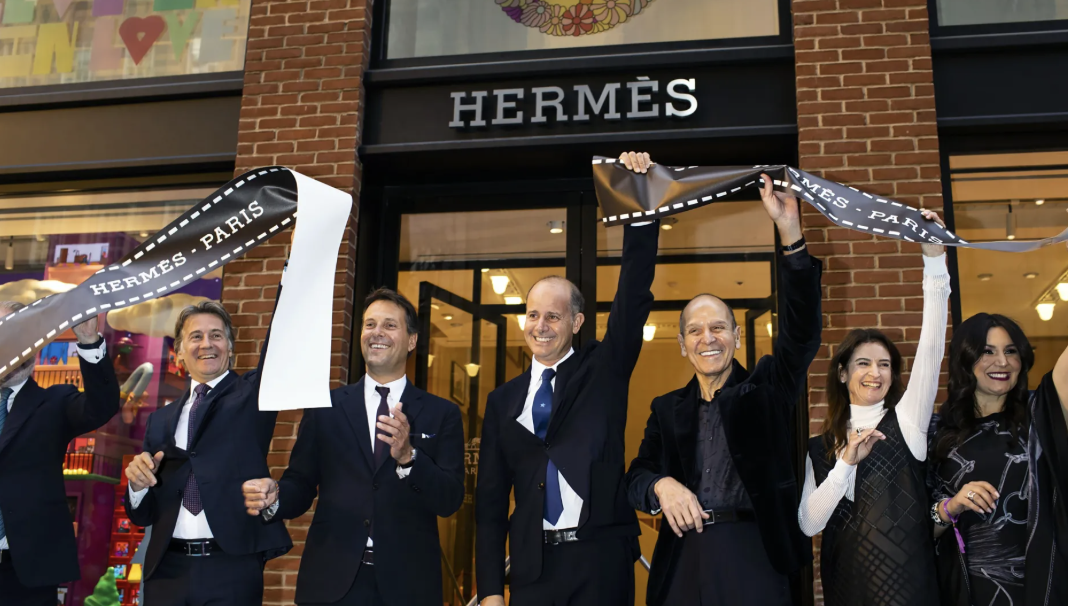
深度 | 爱马仕家族的1800亿美元资本长跑
Xin Lang Cai Jing· 2025-12-09 13:53
Group 1 - The core ambition of the Hermès family has expanded beyond their traditional luxury products, as they have initiated a new investment branch through their family office Krefeld to acquire assets outside of Hermès [3][18] - The establishment of Krefeld in 2022 represents a consolidation of independent family offices and investment vehicles, aiming to manage the family's wealth more effectively and prevent wealth evaporation, as seen in the case of heir Nicolas Puech [4][20] - The family office Krefeld has increased its authorized capital to €1 billion and is led by Charles-Henri Chaliac, indicating a strategic move towards more diversified investments [4][19] Group 2 - The Hermès family, with over 100 heirs, has a combined net worth of $186 billion, making them one of the wealthiest families in Europe, which provides a strong foundation for Krefeld's investment expansion [4][19] - Hermès has consistently broken historical performance records since 2019, achieving €15.2 billion in revenue last year, and the family holds approximately 67% of the publicly traded Hermès shares, which has generated €5.1 billion in dividends over the past four record-breaking fiscal years [4][19] - The expansion of Krefeld is seen as a protective measure for the family's control structure while also actively increasing their influence in the luxury market [5][20] Group 3 - The article highlights the contrasting approaches of the Hermès and Chanel families regarding wealth management and business operations, with Hermès maintaining a direct family involvement in management while Chanel's heirs focus on investment [13][29] - Chanel's family office, Mousse Partners, has been operational since 1991 and has recently seen a generational transition, indicating a strategic shift in wealth management and decision-making [21][24] - The investment strategies of both families reflect a broader trend among ultra-high-net-worth families in France to establish family offices and private equity funds, particularly in the luxury sector [5][20] Group 4 - The luxury goods industry is currently experiencing a high cycle, prompting both Hermès and Chanel to prepare for future challenges by diversifying their wealth management strategies [15][31] - The future of luxury brands is expected to be shaped by a younger generation that is more adept at capital management and investment strategies, as evidenced by the establishment of new investment entities like 1686 Partners by the Wertheimer family [11][28] - The article emphasizes the need for a more diversified and institutionalized wealth management system for the Hermès family as their wealth continues to grow, highlighting the risks associated with a concentrated business structure [15][31]
深度|超分子站上新风口,为美妆带来了什么?
FBeauty未来迹· 2025-12-09 10:37
Core Insights - Supramolecular technology is gaining significant attention in the cosmetics industry, focusing on "molecular structure" and "intelligent delivery" to enhance ingredient efficacy and stability [3][4][19] - Major international brands like L'Oréal and Shiseido, as well as local companies, are actively developing and applying supramolecular technology in their products [6][9][21] - The technology aims to address traditional active ingredient challenges, such as penetration, stability, and synergy, providing a new pathway for innovation in skincare [20][34] Industry Trends - The emergence of supramolecular technology reflects a broader trend in the cosmetics industry towards more effective, gentle, and intelligent products, driven by consumer demand for enhanced efficacy [19][20] - Companies are exploring various supramolecular pathways, including microcapsules, co-crystals, and self-assembly techniques, indicating a diverse approach to ingredient application [4][9] - The technology is seen as a response to the industry's need for differentiation and innovation, with brands focusing on structural optimization to enhance product performance [12][34] Product Development - L'Oréal's fourth-generation collagen cream and Shiseido's new products utilize supramolecular technology to improve ingredient absorption and efficacy [7][8] - Local brands like Fulejia and Marubi are also leveraging supramolecular techniques to enhance their product offerings, demonstrating the technology's widespread adoption [9][10] - The collaboration between companies and research institutions is crucial for advancing supramolecular technology, as seen in partnerships like that of Fulejia and Shenzhen Shanhai Innovation Technology [21][23] Scientific Foundation - Supramolecular technology is based on supramolecular chemistry, which studies the interactions between molecules through non-covalent bonds, allowing for dynamic and reversible assembly [14][15] - This approach differs fundamentally from traditional molecular modification, offering a modular and flexible method for creating complex structures [16][19] - The technology's potential for precise and intelligent delivery of active ingredients is being explored across various applications in the cosmetics sector [24][34] Challenges and Future Outlook - The industry faces challenges in establishing the stability and efficacy of supramolecular formulations in complex systems, which requires rigorous quality control and production processes [28][30] - Effective consumer education on supramolecular technology is essential, as understanding its benefits and applications can enhance market acceptance [30][32] - The future of supramolecular technology in cosmetics is promising, with potential applications extending beyond skincare to areas like hair care and fragrance, indicating a broad scope for innovation [35][36]