淘宝

Search documents
“不许补贴” 抖音通知酒商:卖茅台低于市场行情价将被处罚
Di Yi Cai Jing· 2025-11-10 11:06
Core Insights - The promotional efforts for "Double Eleven" in the e-commerce sector, particularly for Moutai, are weakening, with platforms like Douyin imposing penalties on sellers offering prices below market rates [2] - There is uncertainty among sellers regarding the specific "market price" that will be used for enforcement, as it is expected to be determined based on offline market fluctuations [2] - Recent statements from several liquor companies, including Moutai, have criticized e-commerce platforms for unauthorized sales and issues related to product authenticity [2] - Despite initial price drops due to promotions, the prices of Moutai have recently rebounded, with various platforms reporting prices around 1640 yuan per bottle [2] Industry Summary - The industry is concerned that increased promotional activities during "Double Eleven" could destabilize the white liquor market towards the end of the year, potentially affecting the pricing of Moutai and other brands [3] - The recent price fluctuations and promotional strategies may lead to a competitive pressure on other white liquor brands, raising concerns about the overall market outlook [3]


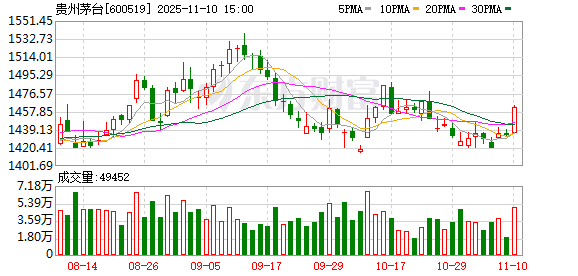
“不许补贴”,抖音通知酒商:卖茅台低于市场行情价将被处罚
Di Yi Cai Jing· 2025-11-10 11:01
Core Viewpoint - The promotional efforts for Moutai during the upcoming "Double Eleven" shopping festival are weakening, with new regulations imposed by e-commerce platforms to combat false marketing and ensure pricing integrity [2][3]. Group 1: E-commerce Regulations - E-commerce platforms, particularly Douyin, have notified liquor merchants that selling Moutai below market prices will result in penalties, categorizing such actions as potential counterfeit sales [2]. - The specific "market price" for Moutai has not been clearly defined, but it is expected to be determined based on fluctuations in offline market prices [2]. Group 2: Market Dynamics - Last month, several liquor companies, including Moutai and Wuliangye, issued statements criticizing e-commerce platforms for unauthorized sales and issues related to product authenticity [2]. - Despite initial promotional efforts leading to a drop in Moutai prices below 1600 yuan per bottle, recent trends show a rebound in prices, with Moutai now priced around 1640 yuan per bottle on platforms like Taobao and Pinduoduo [2]. - Concerns have been raised that aggressive promotions during "Double Eleven" could destabilize the white liquor market and negatively impact the pricing of other brands [3].
8大平台企业签自律公约 六方面划定食安监管“硬红线”
Chang Jiang Shang Bao· 2025-11-10 03:20
Group 1 - The core viewpoint emphasizes the importance of food safety in online transactions and the responsibility of platform enterprises to ensure compliance with safety standards [1][2] - The National Market Supervision Administration has guided eight major online food trading platforms to sign a self-discipline convention aimed at enhancing food safety management [1][2] - The convention outlines six key areas for improvement, including the verification of food production and sales qualifications, monitoring of sales behaviors, and the establishment of a "blacklist" for non-compliant entities [2][3] Group 2 - The administration has reported significant enforcement actions, with 181,000 food safety violations handled and fines totaling 740 million yuan in the first half of 2025 [1][4] - A total of 263.9 million food safety inspections were conducted, resulting in the removal of 69,000 batches of non-compliant products [4] - The regulatory approach includes a combination of supervision, administrative guidance, and accountability measures to enhance the responsibility awareness of platform enterprises [3][4]




黄金税收新政后终端提价,品牌力、产品力重要性凸显
GOLDEN SUN SECURITIES· 2025-11-09 14:31
Investment Rating - The report suggests a focus on the Hainan sector and sub-sectors with performance elasticity during the Spring Festival, indicating a positive medium-term outlook for new consumption growth, transformation recovery, overseas expansion, and policy benefits [3] Core Insights - Following the new gold tax policy, there has been a price increase in gold jewelry at retail terminals, highlighting the importance of brand strength and product quality [1][2] - The new tax policy differentiates between investment and non-investment uses of standard gold, affecting tax deductions and pricing strategies for retailers [2] - Major brands have raised their gold prices post-policy implementation, with increases ranging from 58 to 70 CNY per gram for leading brands [2] Summary by Sections 1. Market Review - The retail index increased by 0.31% this week, underperforming the Shanghai Composite Index by 0.77 percentage points [9] - The retail sector's performance ranked 17th among all sectors during this period [9] 2. Company Dynamics - Small Commodity City has acquired land for a cultural and commercial complex for 3.2 billion CNY [16] - West China Tourism plans to issue up to 30.61 million shares to raise no more than 300 million CNY for working capital and debt repayment [16] 3. Industry Dynamics - Xiaohongshu has obtained a payment license, indicating a significant development in the digital payment landscape [22] - Starbucks has partnered with Boyu Capital to expand its retail operations in China, aiming to increase the number of stores to 20,000 [22] - JD's global sales during the Double 11 event saw a transaction volume increase of over 300% in cross-border shipping areas [23]




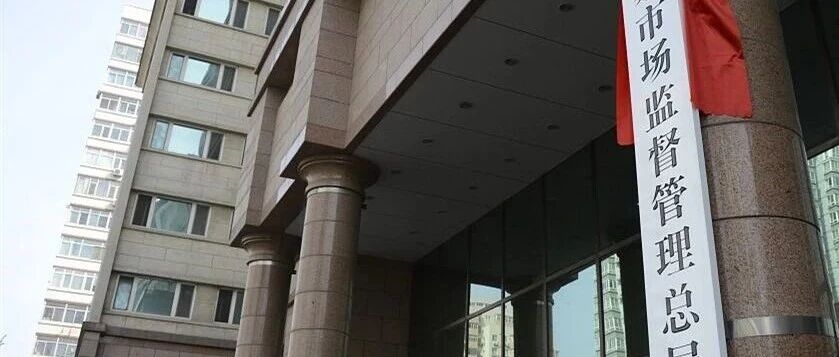
8家平台签署食品安全管理自律公约 将设置跨平台“黑名单”
Nan Fang Du Shi Bao· 2025-11-08 20:38
Core Points - The State Administration for Market Regulation has guided eight major e-commerce platforms to jointly sign the "Self-Discipline Convention for Food Safety Management on Third-Party Online Food Trading Platforms" to enhance food safety standards in online transactions [1][2] Group 1: Key Measures - The convention emphasizes the responsibility of platform enterprises in food safety management, focusing on six areas: implementation of food safety management systems, verification of qualifications for food producers and sellers, monitoring of food sales behaviors, sharing of "blacklist" information, collaborative law enforcement, and proactive social supervision [1][2] - Platforms will utilize various verification methods, including government data checks, video verification, location validation, and on-site confirmations to review qualification information [1] - Advanced technologies such as artificial intelligence and big data will be employed to monitor and screen food labels, promotional sales, and consumer reviews comprehensively [1] Group 2: Blacklist System and Reporting Mechanism - The convention proposes a collaborative "blacklist" system for food producers and sellers who commit serious violations, prohibiting them from engaging in online food sales through account changes [2] - It encourages the sharing of blacklist information across platforms to ensure that violations on one platform result in restrictions across all platforms, implementing a "one violation, all networks restricted" policy [2] - A convenient and effective complaint reporting mechanism will be established, featuring a one-click reporting option prominently displayed on platform pages for timely handling of food safety violations [2]
京东、美团等8家平台企业发起食品安全管理自律公约
Zhong Guo Qing Nian Bao· 2025-11-07 13:54
Core Points - The article discusses the signing of a self-discipline convention for food safety management by eight major online food trading platforms in China, aimed at enhancing food safety and responsibility [1][2] - The convention emphasizes the importance of platform enterprises in ensuring food safety and outlines specific measures to address current food safety risks [1] Group 1: Self-Discipline Convention - Eight online food trading platforms, including JD.com, Meituan, Pinduoduo, Douyin, Xiaohongshu, Taobao, WeChat Mini Programs, and Kuaishou, have jointly signed a self-discipline convention for food safety management [1] - The convention focuses on six key areas: implementation of food safety management systems, verification of qualifications for food producers and sellers, monitoring of food sales behaviors, sharing of a "blacklist" for non-compliant entities, collaborative law enforcement, and proactive social supervision [1] Group 2: Specific Measures - Platforms will utilize various verification methods, including government data checks, video verification, and on-site confirmations to assess the qualifications of food sellers [1] - Advanced technologies such as artificial intelligence and big data will be employed to monitor food labeling, promotional activities, and consumer reviews comprehensively [1] - A collaborative "blacklist" system will be established to prevent non-compliant entities from re-entering the market under different accounts, promoting information sharing and cross-platform restrictions [1]
京东、美团、拼多多......市场监管总局指导8家平台企业发起食品安全管理自律公约
第一财经· 2025-11-07 12:34
Core Viewpoint - The article discusses the launch of a self-discipline convention for food safety management among major online food trading platforms in China, aimed at enhancing food safety responsibilities and creating a secure online food consumption environment [1][2]. Group 1: Self-Discipline Convention - The convention is initiated by eight major online food trading platforms including JD.com, Meituan, Pinduoduo, Douyin E-commerce, Xiaohongshu, Taobao, WeChat Mini Store, and Kuaishou E-commerce [1]. - It focuses on addressing current food safety risks in online transactions and emphasizes self-regulation among platform enterprises [2]. Group 2: Key Measures - The convention outlines six key areas for food safety management: implementation of food safety management systems, verification of qualifications for food producers and sellers, monitoring of sales behaviors, sharing of a "blacklist," collaborative law enforcement, and acceptance of social supervision [2]. - Specific measures include using government data verification, video verification, and on-site confirmations to ensure the authenticity of qualification information [2]. - Platforms will utilize AI and big data to monitor food labels, promotional activities, and consumer reviews, taking action against violations such as false advertising and illegal sales [2]. Group 3: Blacklist and Reporting Mechanism - A collaborative "blacklist" system will be established to prevent food producers and sellers from re-entering the market under different accounts, promoting information sharing and cross-platform restrictions [2]. - A convenient complaint and reporting mechanism will be set up, allowing users to report food safety violations easily, with platforms required to address these reports promptly [2]. Group 4: Regulatory Oversight - The State Administration for Market Regulation will supervise and guide platform enterprises to strengthen their awareness of food safety responsibilities through inspections, administrative guidance, and accountability discussions [2].
电商巨头激战“最后一公里”,便利店形态迎来数字化革命
Cai Jing Wang· 2025-11-07 11:21
Core Insights - The competition in the instant retail market is intensifying, with major players like Taobao, Meituan, and JD entering the convenience store sector to capitalize on the growing demand for rapid delivery services [1][4][6] Group 1: Market Dynamics - Instant retail is experiencing rapid growth, with a double-digit increase in transaction volume reported in the first eight months of the year, expanding from fresh produce and dining to categories like electronics, clothing, and cosmetics [4][6] - Taobao's new convenience store brand, "Taobao Convenience Store," launched on November 1, aims to provide 24-hour service with a 30-minute delivery promise, while Meituan is expanding its "Lightning Warehouse" model across various categories [1][2] - JD has already established 1,500 convenience store locations, focusing on "hourly" and "minute" delivery services, leveraging its robust logistics and supply chain capabilities [3][5] Group 2: Business Models - Taobao's approach involves a brand authorization model, allowing merchants to use its brand while retaining ownership of their store assets, supported by a digital supply chain [2][5] - Meituan's "Lightning Warehouse" model, initiated in 2020, has grown to over 50,000 locations, focusing on community-based operations with a delivery radius of 3-5 kilometers [2][6] - JD's strategy includes deep collaboration with offline supermarkets and convenience stores, enhancing its "hourly" and "minute" delivery services through a network of physical locations [3][5] Group 3: Competitive Landscape - The entry of major players into the convenience store market is driven by the exhaustion of online traffic growth and the need for stable, predictable customer access through physical locations [3][6] - The competition is expected to intensify, with Meituan aiming to exceed 100,000 Lightning Warehouses by 2027 and Taobao planning to invest 2 billion yuan in expanding its convenience store network [6][7] - The operational complexities of running physical stores, including site selection and supply chain management, pose significant challenges for these companies [7][8] Group 4: Future Outlook - The competition among e-commerce giants in the convenience store sector reflects the potential of the instant retail market and the digital transformation of consumer habits [8] - As competition heats up, companies may need to shift focus from scale to efficiency optimization to address profitability challenges and improve service quality [8]
X @外汇交易员
外汇交易员· 2025-11-07 11:08
Industry Regulation & Compliance - The State Administration for Market Regulation (SAMR) guided 8 online food trading third-party platform enterprises to jointly initiate and sign the "Self-Discipline Convention on Food Safety Management of Online Food Trading Third-Party Platforms" [1] - The 8 platforms include: JD, Meituan, Pinduoduo, Douyin E-commerce, Xiaohongshu, Taobao, WeChat Mini Programs, and Kuaishou E-commerce [1]
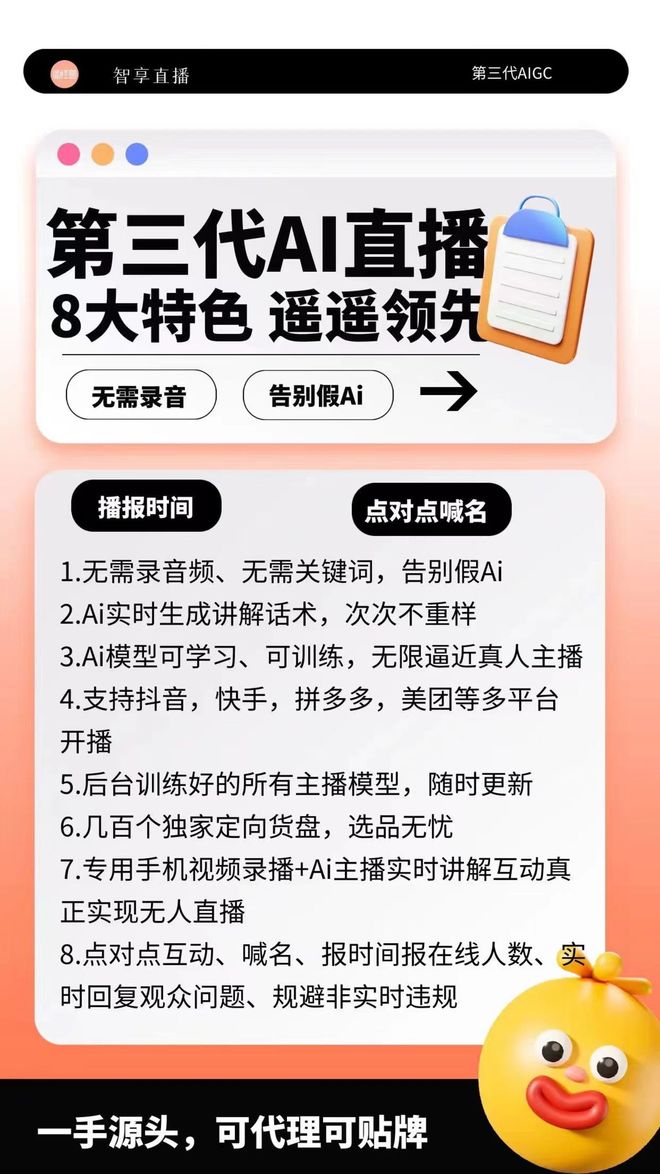
AI带货频频“翻车”,谁应负责?
Tai Mei Ti A P P· 2025-11-07 08:38
Core Insights - The article discusses the rise of AI-generated live streaming for e-commerce, highlighting both its potential benefits and the associated risks of consumer deception and lack of protection [1][4][10] Group 1: AI in E-commerce - AI-generated live streaming is becoming a standard in e-commerce, particularly during promotional events like "Double Eleven," allowing for cost-effective and efficient operations [3][5] - The technology enables businesses to conduct 24/7 live streams with minimal human intervention, significantly reducing operational costs [5][9] - AI systems can create realistic digital avatars that closely resemble human hosts, enhancing the shopping experience for consumers [5][8] Group 2: Consumer Protection Issues - The use of AI in live streaming has led to issues such as misleading product representations and difficulties in post-purchase support, raising concerns about consumer rights [4][10][15] - Many consumers have reported discrepancies between the products showcased in AI-generated streams and the actual items received, leading to dissatisfaction and claims of fraud [15][16] - The lack of clear labeling regarding AI-generated content complicates consumer recourse in cases of product misrepresentation [15][16] Group 3: Industry Response - Major platforms like Tencent and Douyin are implementing strict regulations against the use of fully AI-driven hosts, emphasizing the need for consumer trust [17][18] - In contrast, platforms like JD and Taobao are more lenient, actively promoting AI-generated content while attempting to balance consumer protection [18] - The industry is at a crossroads, with technological advancements in AI outpacing the development of adequate consumer protection measures [16][18]