欣旺达

Search documents
新股消息 | 星源材质二度递表港交所 为锂离子电池隔膜制造商
Zhi Tong Cai Jing· 2026-01-31 12:21
Company Overview - Shenzhen Xingyuan Material Technology Co., Ltd. (Xingyuan Material) is a lithium-ion battery separator manufacturer established in 2003, with over 20 years of industry experience in R&D, production, and sales of separators, which are critical components affecting battery quality, safety, and production costs [4]. - The company is the first in China to master the dry-process unidirectional stretching technology for lithium-ion battery separators, with a significant portion of its revenue generated from the Chinese market [4]. - The company has established six production bases in China, with overseas bases in Europe, Southeast Asia, and the United States under construction, and R&D centers in China, Japan, and Sweden, with plans for more in Southeast Asia and the U.S. [5]. Financial Performance - The company reported revenues of approximately RMB 2.867 billion, RMB 2.982 billion, RMB 3.506 billion, and RMB 2.932 billion for the years ending December 31, 2022, 2023, 2024, and the nine months ending September 30, 2025, respectively [6]. - The net profit for the same periods was approximately RMB 748 million, RMB 594 million, RMB 371 million, and RMB 141 million [8]. - The gross profit margins for the years were 44.8%, 43.3%, 28.1%, and 21.3% respectively [10]. Market Position - The company ranked second globally in lithium-ion battery separator shipments over the past five years, with a market share increasing from 11.0% in 2020 to 14.4% in 2024 [4]. - In 2024, the company is expected to hold approximately 17.1% of the Chinese battery separator market, ranking second [22]. - The company is a key supplier to leading global lithium-ion battery manufacturers, including LG Energy, Samsung SDI, and CATL [4]. Industry Overview - The global lithium-ion battery industry is projected to grow from 323.2 GWh in 2020 to 1,519.6 GWh in 2024, with a compound annual growth rate (CAGR) of 47.3% [12]. - China remains the largest market, with lithium-ion battery shipments expected to grow from 142.5 GWh in 2020 to 1,133.0 GWh in 2024, reflecting a CAGR of 67.9% [12]. - The global battery separator market is expected to expand from 6.4 billion square meters in 2020 to 27.7 billion square meters in 2024, with a CAGR of 44.5% [14].

新富科技下周上会,患“大客户依赖症”,毛利率曾断崖式下滑
Guo Ji Jin Rong Bao· 2026-01-31 12:13
2月3日,安徽新富新能源科技股份有限公司(下称"新富科技")将在北交所上会,接受上市委审议。本次IPO,公司拟募集4.09亿元,用于新能源汽车 热管理系统核心部件扩产建设项目。 IPO日报发现,新富科技在报告期内毛利率存在大幅度波动,公司九成营收依赖前五大客户,六成收入来自第一大客户。 毛利率波动 资料显示,新富科技自成立以来一直专注于新能源汽车热管理零部件的研发、生产和销售,主要产品包括电池液冷管、电池液冷板。截至招股书申报稿 签署日,公司共获得了157项专利,其中发明专利24项,在相关领域已形成自主知识产权群。此外,公司参与制定国家标准一项:GB/T44509-2024点焊、缝焊 和凸焊的焊接工艺评定试验。 公司于2021年入选安徽省专精特新中小企业名单,并于2022年3月被认定为2022年度安徽省专精特新冠军企业。公司与T公司、宁德时代、零跑汽车、 欣旺达等国内外知名主机厂商、电池厂商保持紧密稳定的合作关系。同时,为更好响应客户全球化供应的需求,公司目前已在安庆、合肥以及墨西哥等地分 别建立了生产基地。 股权方面,创新壹号持有公司42.72%股份,为公司控股股东。潘一新通过担任公司股东创新壹号、创新贰号 ...
新富科技下周上会,患“大客户依赖症”,毛利率曾断崖式下滑
IPO日报· 2026-01-31 11:43
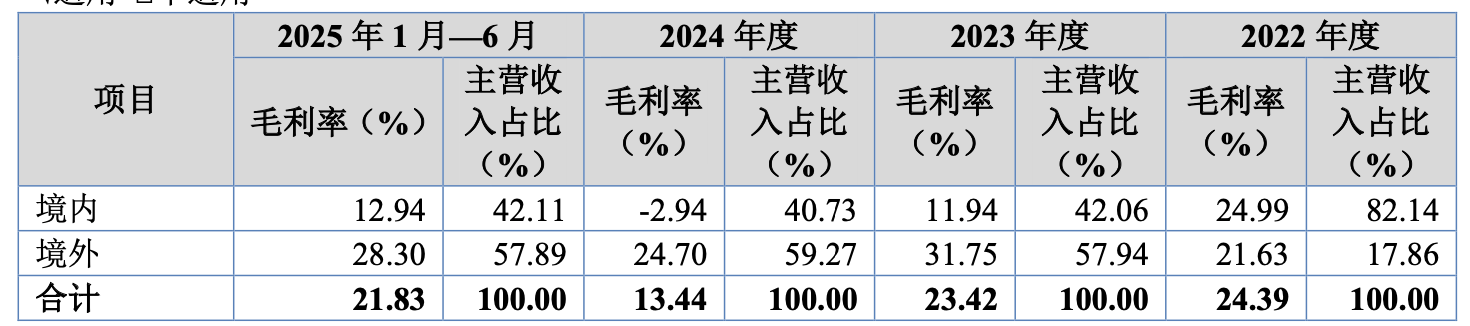
Core Viewpoint - The article discusses the upcoming IPO of Anhui Xinfu New Energy Technology Co., Ltd., which aims to raise 409 million yuan for the expansion of its core components in the automotive thermal management system for electric vehicles [1]. Group 1: Company Overview - Xinfu Technology has focused on the research, production, and sales of thermal management components for electric vehicles since its establishment, with key products including battery liquid cooling pipes and battery liquid cooling plates [5]. - The company has obtained 157 patents, including 24 invention patents, and has established a strong intellectual property portfolio in its field [5]. - Xinfu Technology has been recognized as a specialized and innovative small and medium-sized enterprise in Anhui Province and has established production bases in Anqing, Hefei, and Mexico to meet global supply demands [5]. Group 2: Financial Performance - The company reported revenues of approximately 464 million yuan, 600 million yuan, 1.381 billion yuan, and 797 million yuan for the years 2022 to 2025 (first half) respectively, with continuous growth in both revenue and net profit [6]. - The net profit attributable to the parent company for the same period was approximately 39.64 million yuan, 47.75 million yuan, 71.96 million yuan, and 65.18 million yuan [6]. Group 3: Profitability and Margin Analysis - The gross profit margins for the company's main business were 24.39%, 23.42%, 13.44%, and 21.83% for the years 2022 to 2025 (first half), indicating significant fluctuations [7]. - Notably, the gross profit margin dropped sharply from 24.39% in 2022 to 13.44% in 2024, with domestic sales margins even turning negative at -2.94% [8]. - The decline in margins is attributed to high defect rates in new liquid cooling plate products for a major domestic client, which increased production costs [10]. Group 4: Customer Concentration - The company relies heavily on a concentrated customer base, with over 90% of its revenue coming from the top five clients, and the largest client, T Company, contributing more than 62% of total revenue in the latest period [14][16]. - Since 2023, the company's overseas revenue has surpassed domestic revenue, with international sales margins increasing from 21.63% to 28.30%, highlighting the growing importance of the overseas market [15]. - The company has invested in a new production facility in Mexico to support North American customer demands, although the Mexican subsidiary currently only supplies products to T Company [15].
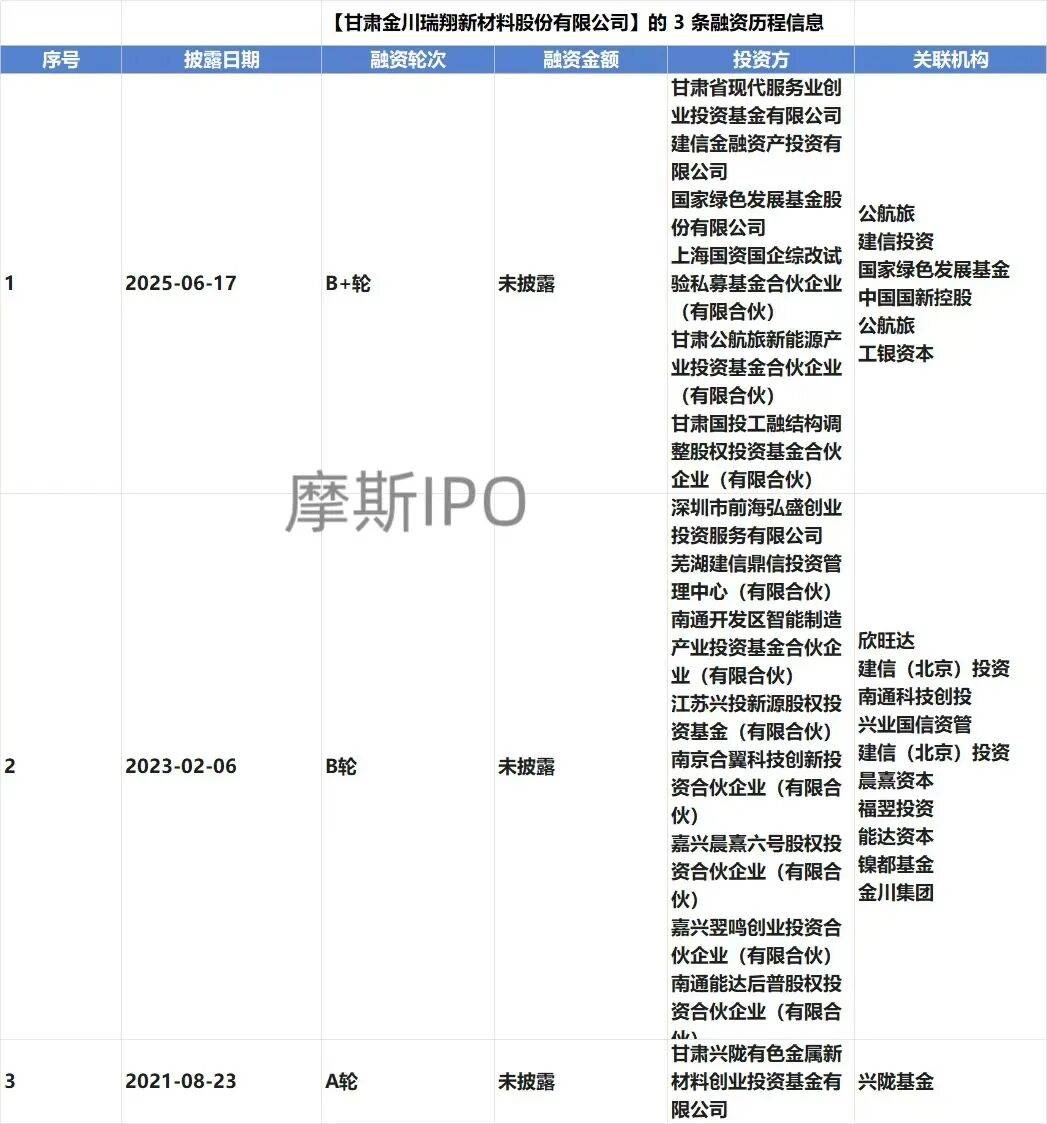
甘肃金川瑞翔IPO辅导备案,获欣旺达和建信投资投资,国泰海通保荐
Sou Hu Cai Jing· 2026-01-31 07:45
Group 1 - The core point of the article is that Gansu Jinchuan Ruixiang New Materials Co., Ltd. has submitted a report for the guidance of its initial public offering (IPO) to the China Securities Regulatory Commission, with the current status being "guidance record" [1][3] - The company is located in Jinchang City, Gansu Province, and specializes in the research, manufacturing, and sales of new energy materials, primarily focusing on ternary materials, lithium manganese oxide, lithium iron phosphate, lithium manganese iron phosphate, and sodium batteries [1][3] - The main products of the company are widely used in three major fields: power batteries, energy storage batteries, and consumer batteries [1][3] Group 2 - The controlling shareholder of Jinchuan Ruixiang is Jinchuan Science and Technology Park, which directly holds 24.46% of the company's shares and indirectly controls 33.65% through its subsidiary Hunan Ruixiang, totaling a control of 58.11% [1][3] - Jinchuan Group is the indirect controlling shareholder, holding 100% of Jinchuan Science and Technology Park [1][3] - The company has received investments from various institutions, including the National Green Development Fund, Jianxin Investment, ICBC Capital, Xinhua Capital, Chenxi Capital, and Nengda Capital [1][2] Group 3 - The guidance agreement for the IPO was signed on January 29, 2026, with Guotai Junan Securities Co., Ltd. as the guidance institution, and Beijing Zhonglun Law Firm and Rongcheng Accounting Firm as the legal and accounting firms, respectively [4][5] - The company was established on November 16, 2006, with a registered capital of 657.062888 million yuan [3][4] - The guidance work will include training on the significance and requirements of the IPO process, corporate governance, financial accounting, and internal control standards for listed companies [5][6][7]

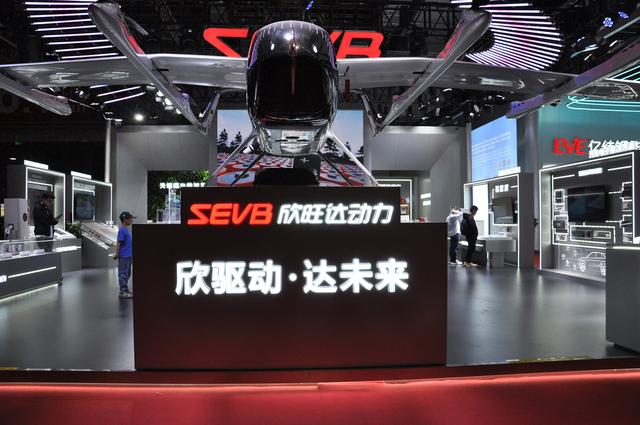
深化全球布局,欣旺达重新提交H股发行申请
Guan Cha Zhe Wang· 2026-01-31 07:16
【文/观察者网 潘昱辰 编辑/高莘】1月30日,欣旺达披露公告称,公司在香港联交所更新了发行申请及 部分公司信息和财务数据等,并于同日在香港联交所网站刊登了相关更新文件。 成立于1997年的欣旺达,从手机电池模组起家,业务覆盖消费电池、动力电池、储能系统及智能硬件。 消费电池领域,2025年上半年,欣旺达消费电池业务实现营收138.90亿元,同比增长5.2%,毛利率则提 升至19.63%。 动力电池领域,欣旺达主攻HEV混动电池。中国汽车动力电池产业创新联盟发布的数据显示,2025年 前三季度,欣旺达累计装车量为16.49GWh,同比增长0.25%;装车量占比为3.35%,在中国动力电池供 应商中排名第六。 储能领域,欣旺达储能产品已覆盖电力储能、工商业储能及家庭储能等多场景,2025年上半年,欣旺达 储能系统出货量8.91GWh,同比增长133.25%。 本文系观察者网独家稿件,未经授权,不得转载。 此前于2025年7月30日,欣旺达首次向港交所提交境外上市外资股(H股)发行并上市的申请。根据香 港联交所规则,H股招股书自递交之日起有效期为6个月,2026年1月30日该份申请文件满6个月而自动 失效,因此公 ...

“十万亿”山东掀起了绿色能源变革
Jing Ji Guan Cha Wang· 2026-01-31 03:02
Core Viewpoint - Shandong province has undergone a significant transformation over the past five years, shifting from a coal-dominated energy structure to a green power model, with non-fossil energy generation capacity expected to reach 139 million kilowatts by 2025, surpassing coal power for the first time [1][2] Group 1: Energy Transition - By 2025, non-fossil energy generation capacity in Shandong will account for 54% of total capacity, up from 31%, marking a historic shift away from coal [1][2] - The province has implemented measures such as "one enterprise, one policy" to reduce carbon emissions in high-energy-consuming industries [1][3] - Shandong's energy consumption intensity has decreased by 22% over five years, and carbon emission intensity has dropped by 20.5% [1] Group 2: Industrial Adjustments - The industrial focus has shifted from heavy industries like steel and petrochemicals, which previously accounted for 70% of the industrial output, to cleaner energy sources [3][4] - Shandong has closed 23.56 million tons of high-energy-consuming steel production capacity and increased the share of coastal steel production to 53% [3] - The province has also shut down 10.94 million kilowatts of small coal-fired power units during the 14th Five-Year Plan [4] Group 3: Renewable Energy Development - Shandong is actively expanding external green electricity supply channels and has implemented the "External Electricity into Shandong" strategy, which has delivered over 1 trillion kilowatt-hours of external power [6][7] - The province's distributed photovoltaic projects have established a model that emphasizes household and village-level development, leading to a cumulative installed capacity of over 115 million kilowatts [7][8] - By 2025, Shandong's new energy and renewable energy installed capacity will account for 48.3% of total power generation, with a utilization rate of 97.6% [7] Group 4: Market Reforms - Shandong has pioneered reforms in the electricity market, including the introduction of a capacity compensation system and a price cap for retail electricity [9][10] - The province is a leader in the construction of a power spot market, which helps balance supply and demand while promoting the transition to cleaner energy [8][10] - The first auction for new energy mechanism prices in 2025 resulted in competitive pricing for wind and solar projects, encouraging further investment in these areas [10] Group 5: Zero Carbon Initiatives - Shandong aims to establish 20 provincial-level zero-carbon parks and explore integrated models for energy supply, grid, load, and storage [12][13] - The zero-carbon parks are designed to achieve net-zero carbon emissions through various technologies and management measures [12][14] - The integration of renewable energy projects with energy storage systems is expected to enhance the efficiency and reliability of energy supply [13][14]
欣旺达港股IPO招股书失效,证券部称将重新递交材料
Jing Ji Guan Cha Bao· 2026-01-30 13:24
Core Viewpoint - XINWANGDA's IPO application in Hong Kong has expired, but the company plans to resubmit the application, which is crucial for its funding and growth strategy in the competitive lithium battery market [1][2] Group 1: IPO and Financial Performance - XINWANGDA's IPO prospectus automatically expired on January 30, 2026, after six months of validity, but the company intends to resubmit the prospectus [1] - The company reported a total revenue of 43.534 billion yuan for the first three quarters of 2025, representing a year-on-year increase of 13.73%, and a net profit of 1.405 billion yuan, up 15.94% year-on-year [2] - The company is currently facing a lawsuit from Geely's subsidiary, claiming damages of 2.314 billion yuan due to quality issues with battery cells delivered from June 2021 to December 2023 [2] Group 2: Competitive Position and Profitability - XINWANGDA ranks sixth in the domestic market for power batteries, with a market share of approximately 3.17%, which increased by 0.28 percentage points from 2024 [1] - The gross profit margin for XINWANGDA's electric vehicle batteries was 8.8% in 2024, a decrease of 0.37 percentage points year-on-year, significantly lower than competitors like CATL [3] - The average selling price of power batteries dropped to 0.6 yuan/Wh in 2024, a decline of 40% year-on-year, further decreasing to 0.5 yuan/Wh in the first quarter of 2025, down 37.5% year-on-year [3] Group 3: Financial Challenges and Funding Needs - XINWANGDA has faced difficulties in financing, including a failed 4.8 billion yuan private placement and a halted plan to spin off its power battery segment due to regulatory changes [4] - The company reported a cumulative loss of 6.859 billion yuan from 2021 to the first half of 2025, with a debt ratio of 67.6% and total liabilities of 67.9 billion yuan as of September 2025 [4] - The upcoming IPO is critical for XINWANGDA to fund its international growth strategy, enhance R&D capabilities, and upgrade digital operations [4] Group 4: Strategic Initiatives - XINWANGDA is focusing on the energy storage sector, which has higher profit margins, and has announced a 100 million yuan investment to establish a partnership for energy storage investments [5]
重新提交H股发行申请 欣旺达借力资本市场深化全球布局
Zheng Quan Ri Bao· 2026-01-30 12:21
Group 1 - The core point of the article is that Xinwanda Electronics Co., Ltd. has updated its H-share issuance application and company information on the Hong Kong Stock Exchange, marking a significant step in its global expansion strategy and capital structure optimization [2] - Xinwanda submitted its H-share listing application on July 30, 2025, and the application is valid for six months, requiring resubmission on January 30, 2026, as part of the normal process [2] - Established in 1997, Xinwanda has evolved from mobile battery modules to a diversified business model focusing on consumer batteries, power batteries, energy storage systems, and smart hardware [2] Group 2 - In the first half of 2025, Xinwanda's consumer battery business achieved revenue of 13.89 billion yuan, a year-on-year increase of 5.2%, with a gross margin rising to 19.63% [3] - The company is actively developing its power battery and energy storage systems as a second growth curve, focusing on high-tech HEV hybrid batteries and fast-charging technology [3] - In the first half of 2025, Xinwanda's power battery shipments totaled 16.08 GWh, a year-on-year increase of 93.04%, while energy storage system shipments reached 8.91 GWh, up 133.25% year-on-year [3] Group 3 - The IPO application indicates that one of the key fundraising directions is to support Xinwanda's extensive overseas production capacity planning [4] - Xinwanda has established or planned production bases in Hungary, Vietnam, Morocco, and India, with the Hungarian factory being crucial for local supply to European automotive companies [4] - The submission of the application reflects Xinwanda's determination to leverage international capital markets to diversify financial pressure and enhance brand influence [4] Group 4 - With the deepening of its global layout and the gradual release of large customer orders, Xinwanda is expected to leverage the Hong Kong stock market to gain a competitive edge in the long-term growth of the new energy sector [5]
新股消息 | 欣旺达二次递表港交所 为全球最大的锂离子电池厂商
智通财经网· 2026-01-30 12:21
Core Viewpoint - XINWANDA ELECTRONICS CO., LTD. has submitted a listing application to the Hong Kong Stock Exchange, marking its second attempt to go public, with Goldman Sachs and CITIC Securities as joint sponsors. The company has been deeply involved in the lithium battery industry for nearly 30 years and is now the largest lithium-ion battery manufacturer globally based on projected shipments for 2024 [2][4]. Company Overview - XINWANDA is a leading innovator in lithium battery technology, focusing on sustainable and efficient integrated energy solutions. The company engages in the research, design, manufacturing, and sales of lithium batteries, offering a diverse product matrix that includes consumer batteries, power batteries, and energy storage systems [4]. - The company holds a dominant position in the global mobile phone battery market with a market share of 34.3% and is the second-largest manufacturer of batteries for laptops and tablets, with a market share of 21.6% [4]. - XINWANDA has expanded its business from consumer batteries to power batteries and energy storage systems, establishing a comprehensive integrated business layout from research and development to manufacturing and recycling [4]. Technological Advancements - The company is actively developing industry-leading battery technologies, including silicon anode high-energy batteries, semi-solid batteries, solid-state batteries, lithium manganese iron phosphate batteries, sodium-ion batteries, and SiP technology modularization, aiming to maintain a technological edge [6]. Production and Capacity - As of September 30, 2025, XINWANDA has 25 major production bases either operational or under construction, with 19 located in China and six overseas in India, Vietnam, Thailand, and Hungary. This strategic layout allows the company to respond promptly to domestic and international customer demands [6]. - The company has established a mature, standardized, flexible, and intelligent manufacturing capability, with 11 major overseas marketing and service centers to better serve and expand its international customer base [6]. Financial Performance - The company's revenue for the fiscal years 2022, 2023, 2024, and the nine months ending September 30, 2025, were approximately RMB 52.162 billion, RMB 47.862 billion, RMB 56.021 billion, and RMB 43.534 billion, respectively [8]. - Gross profit for the same periods was approximately RMB 6.285 billion, RMB 6.118 billion, RMB 8.203 billion, and RMB 7.073 billion, with corresponding gross profit margins of 12.0%, 12.8%, 14.6%, and 16.2% [7][9]. Industry Overview - The global consumer battery shipment volume is projected to grow from 3,936 million units in 2020 to 4,159 million units in 2024, with a compound annual growth rate (CAGR) of 1.4%. The market experienced a brief contraction in 2022 and 2023 due to declining mobile phone demand but is expected to recover strongly in 2024 [11]. - The global power battery shipment volume is expected to increase from 183 GWh in 2020 to 1,002 GWh in 2024, with a CAGR of 53.0%, and further grow to 3,237 GWh by 2030 [15]. - The global energy storage battery shipment volume is anticipated to rise from 29 GWh in 2020 to 315 GWh in 2024, with a CAGR of 82.3%, and is projected to reach 1,303 GWh by 2030 [17].
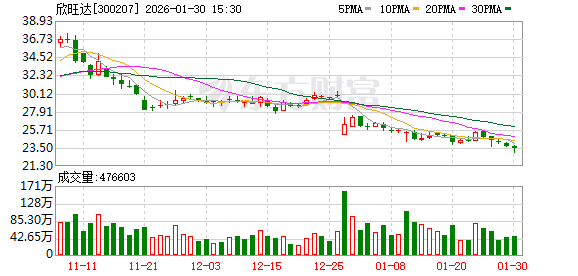
锂电板块集体回撤,通胀、通缩预期“对撞”
高工锂电· 2026-01-30 12:09
Core Viewpoint - The article discusses whether the price increases in the lithium battery supply chain signify the beginning of "lithium battery inflation" or are a precursor to profit downgrades in the battery and materials sectors [7]. Group 1: Market Performance - The lithium battery sector experienced a wave of "concurrent pullback" this week [2]. - Contemporary Amperex Technology Co., Ltd. (CATL) saw its stock price peak at 380.50 yuan on January 6, before dropping to 333.01 yuan by January 28, marking a nearly 10% fluctuation [3]. - EVE Energy Co., Ltd. faced a cumulative decline of 9.05% over four consecutive trading days, with a market capitalization of approximately 125.9 billion yuan [4]. - Guoxuan High-Tech also experienced a 9.23% drop over the same period, with a total market value of around 68.4 billion yuan [5]. - Xinwanda reported a cumulative decline of 7.61% over five days, with a market capitalization of about 43.3 billion yuan [6]. Group 2: Industry Dynamics - The fundamental question remains whether the price increases in the supply chain are indicative of "lithium battery inflation" or a sign of profit downgrades in the battery and materials sectors [7]. - The automotive industry's projected revenue for 2025 is approximately 11.18 trillion yuan, with profits of 461 billion yuan, resulting in a profit margin of only 4.1% [9]. - By December 2025, the profit margin is expected to drop to 1.8%, signaling ongoing repercussions from price wars [10]. - As terminal profit margins decline, it becomes more challenging for the battery sector to pass on costs to downstream players, potentially leading to profit downgrades in the battery and materials segments [11]. Group 3: Inflation Narrative - The term "lithium battery inflation" is more closely related to an upward shift in price levels and profit recovery rather than macroeconomic inflation [15]. - The core logic is based on two points: certain materials have seen significant price increases, and terminals like energy storage still have room for profit, allowing for price increases to be passed upstream [16]. - The internal rate of return (IRR) for energy storage projects in major provinces is generally above 8%, indicating potential for cost transmission [17]. - However, if terminal revenues are unstable or pricing mechanisms lead to increased cost exposure, the inflation narrative could transition into a precursor for profit downgrades [18]. Group 4: Pricing Mechanisms and Transmission - The debate highlights the complexity of pricing mechanisms and transmission chains within the industry [26]. - Companies like Honeycomb Energy have provided insights into how inflation and downgrades manifest through specific mechanisms, including the scope of linkage clauses and pricing cycles [26]. - Even if inflation narratives hold, cost transmission is likely to occur in layers, first affecting large commodity materials and then impacting non-linked items and processing fees [27]. - The potential for a "offset model" exists, where leading battery companies can mitigate some cost pressures through resource investments and operational efficiencies [29]. Group 5: Future Outlook - The ongoing discussion around "lithium battery inflation" versus "profit downgrades" serves as a pressure test for pricing power within the industry [32]. - The ability of large commodity-linked items to continue transmitting costs, and the effectiveness of energy storage pricing contracts in incorporating mature linkage mechanisms, will be critical [32]. - Short-term market adjustments are expected to focus on these changes in mechanisms rather than solely on the price fluctuations of individual materials [33].