Arm

Search documents
美股盘前芯片股上涨,台积电(TSM.N)涨2.5%,Arm(ARM.O)涨1.4%,高通(QCOM.O)涨0.8%,美光科技(MU.O)涨0.4%,英伟达(NVDA.O)涨0.5%。
news flash· 2025-04-11 08:09
美股盘前芯片股上涨,台积电(TSM.N)涨2.5%,Arm(ARM.O)涨1.4%,高通(QCOM.O)涨0.8%,美光科 技(MU.O)涨0.4%,英伟达(NVDA.O)涨0.5%。 ...

AI 时代下的存储市场,Arm扮演重要角色
半导体芯闻· 2025-04-07 11:07
Core Insights - The article emphasizes the transformative impact of AI technology on computing and data management, highlighting the significant increase in global data volume from 159.2ZB in 2024 to over 384.6ZB by 2028, with 37% of this data expected to be generated in the cloud [1] - Arm is positioned as a leading computing platform company, playing a crucial role in AI computing infrastructure across various applications, including servers and edge devices [1][8] Group 1: AI and Data Growth - The rapid evolution of large models is reshaping industries, presenting challenges for hardware and software vendors [3] - Exploration and optimization are the two main directions of technological advancement in the AI era, focusing on pushing the limits of computing power and enhancing model efficiency [5][6] - AI inference is expanding from cloud to edge, necessitating closer integration of storage and computing to meet real-time data processing demands [7] Group 2: Arm's Role in Storage Solutions - Arm has nearly 30 years of experience in the storage sector, providing high-performance, low-power, and secure solutions for storage controllers and devices [10] - The company has shipped close to 20 billion storage devices based on its architecture, with a daily increase of approximately 3 million units [10] - Arm's diverse IP platform solutions are designed to meet the core requirements of storage technology in the AI era, including real-time processing and energy efficiency [10][13] Group 3: Ecosystem and Partnerships - Arm is actively collaborating with leading storage companies to optimize their storage solutions, as seen in the adoption of Arm architecture by companies like Solidigm and Silicon Motion [16][17] - The company is also working with local storage ecosystem partners in China to drive industry development, leveraging its strong ecosystem to enhance product differentiation and meet customer needs [17][18] - Arm's commitment to innovation and ecosystem development positions it as a leader in shaping the future of storage in the AI era [18]


Chiplet,刚刚开始!
半导体行业观察· 2025-03-29 01:44
Core Viewpoint - The management of chip resources is becoming a significant and multifaceted challenge as chips move beyond proprietary designs of large manufacturers and interact with other elements in packaging or systems [1] Group 1: Chiplet Market Dynamics - The chiplet market is currently dominated by monopolistic suppliers, with approximately 95% to 99% of the market controlled by one or a few suppliers adhering to specific specifications [3] - There are three main markets for small chips: exclusive markets, local ecosystems, and open markets, with local ecosystems consisting of five to seven companies collaborating on interoperability [3][6] - Major system and processor suppliers have effectively utilized chiplet approaches to enhance performance and reduce costs through increased computational density [1][3] Group 2: Design and Interoperability Challenges - Many companies are struggling with interoperability and generality, often starting their work from within the chip rather than from a system perspective [2] - The complexity of integrating third-party chips into systems is a significant challenge, requiring time and effort to resolve [1][2] - The need for a common system bus across all chipsets is emphasized, as it adds complexity for IP suppliers who must adapt to changing customer needs [2][3] Group 3: Resource Management and Optimization - Effective resource management is crucial as poor management can lead to performance bottlenecks, increased development costs, and challenges in power consumption [1] - The industry is transitioning from exclusive ecosystems to local ecosystems, with companies seeking the best methods for chip construction [6] - Simplifying chip design through partitioning based on technology can help manage complexity and improve performance [6][7] Group 4: Future Directions and Innovations - The chip industry is beginning to explore open chip economies, allowing for plug-and-play capabilities from multiple suppliers within a single package [11][12] - There is a growing recognition of the need for robust verification IP to ensure interoperability among chiplets, which is currently lacking in the industry [9][10] - The challenge of managing thousands of chips in a single package requires a comprehensive approach to resource management and system integration [12]
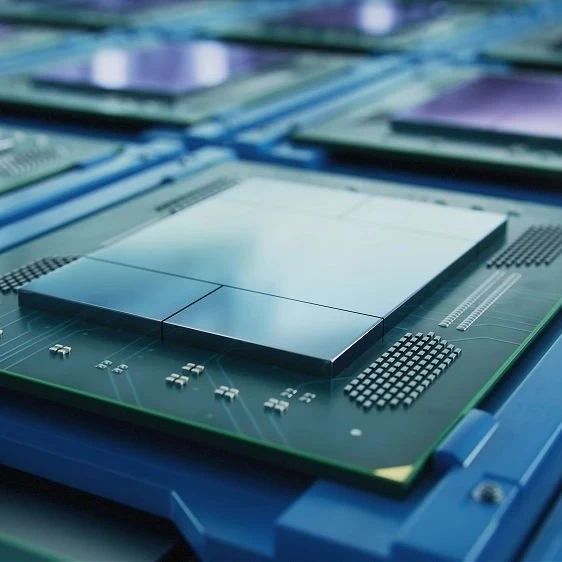
AI推理时代:边缘计算成竞争新焦点
Huan Qiu Wang· 2025-03-28 06:18
Core Insights - The competition in the AI large model sector is shifting towards AI inference, marking the beginning of the AI inference era, with edge computing emerging as a new battleground in this field [1][2]. AI Inference Era - Major tech companies have been active in the AI inference space since last year, with OpenAI launching the O1 inference model, Anthropic introducing the "Computer Use" agent feature, and DeepSeek's R1 inference model gaining global attention [2]. - NVIDIA showcased its first inference model and software at the GTC conference, indicating a clear shift in focus towards AI inference capabilities [2][4]. Demand for AI Inference - According to a Barclays report, the demand for AI inference computing is expected to rise rapidly, potentially accounting for over 70% of the total computing demand for general artificial intelligence, surpassing training computing needs by 4.5 times [4]. - NVIDIA's founder Jensen Huang predicts that the computational power required for inference could exceed last year's estimates by 100 times [4]. Challenges and Solutions in AI Model Deployment - Prior to DeepSeek's introduction, deploying and training AI large models faced challenges such as high capital requirements and the need for extensive computational resources, making it difficult for small and medium enterprises to develop their own ecosystems [4]. - DeepSeek's approach utilizes large-scale cross-node expert parallelism and reinforcement learning to reduce reliance on manual input and data deficiencies, while its open-source model significantly lowers deployment costs to the range of hundreds of calories per thousand calories [4]. Advantages of Edge Computing - AI inference requires low latency and proximity to end-users, making edge or edge cloud environments advantageous for running workloads [5]. - Edge computing enhances data interaction and AI inference efficiency while ensuring information security, as it is geographically closer to users [5][6]. Market Competition and Player Strategies - The AI inference market is rapidly evolving, with key competitors including AI hardware manufacturers, model developers, and AI service providers focusing on edge computing [7]. - Companies like Apple and Qualcomm are developing edge AI chips for applications in AI smartphones and robotics, while Intel and Alibaba Cloud are offering edge AI inference solutions to enhance speed and efficiency [7][8]. Case Study: Wangsu Technology - Wangsu Technology, a leading player in edge computing, has been exploring this field since 2011 and has established a comprehensive layout from resources to applications [8]. - With nearly 3,000 global nodes and abundant GPU resources, Wangsu can significantly improve model interaction efficiency by 2 to 3 times [8]. - The company's edge AI platform has been applied across various industries, including healthcare and media, demonstrating the potential for AI inference to drive innovation and efficiency [8].

昨夜今晨:宇树科技五年前已实现盈利 雷军重返母校捐赠5000万元
Sou Hu Cai Jing· 2025-03-27 05:58
Group 1 - Yushu Technology has been profitable since 2020, with clients including Nvidia and Google, and has reduced the cost of its quadruped robot to below 10,000 yuan through self-developed core components and factory production models [5] - Xiaomi founder Lei Jun donated 50 million yuan to his alma mater, with 40 million yuan allocated for the construction of a library and 10 million yuan for a scholarship fund to support underprivileged students and outstanding teachers [6] - Qualcomm has filed complaints with regulatory bodies in the EU, the US, and South Korea, accusing Arm of monopolistic practices that hinder market competition and innovation in chip design [7] Group 2 - Apple announced a donation of 30 million yuan to Zhejiang University to establish an incubation fund for mobile application innovation, aiming to foster a new generation of developers through professional courses and industry connections [3] - BMW and Alibaba have deepened their collaboration to develop an AI engine based on Alibaba's Tongyi model for new BMW models in China, marking the first integration of AI technology into the automotive system [8] - GoerTek reported a revenue of 100.95 billion yuan for 2024, a year-on-year increase of 2.41%, with a net profit of 2.665 billion yuan, reflecting a significant growth of 144.93% driven by increased sales of VR/AR devices and AI-enhanced acoustic sensors [10]





高通投诉Arm“损害竞争”,双方博弈或加速RISC-V等替代架构崛起
Jie Mian Xin Wen· 2025-03-26 02:50
Core Points - Qualcomm has filed complaints against Arm with regulatory bodies in the EU, US, and South Korea, alleging that Arm is harming competition by restricting access to its technology [3] - The dispute between Qualcomm and Arm dates back to 2022, when Arm sued Qualcomm and its acquired company Nuvia for breach of contract and trademark infringement [3][4] - Qualcomm has formed a coalition with companies like Google, Intel, Nvidia, and Samsung to establish a RISC-V software ecosystem, indicating a shift towards alternative architectures [4] Group 1 - Qualcomm claims that Arm's open licensing model has led to a dependency on its technology, while Arm is accused of limiting access to boost its own chip manufacturing business [3] - The legal battle has seen Nuvia's Arm license terminated in March 2022, and Arm had previously threatened to terminate its licensing agreement with Qualcomm [4] - RISC-V, an open-source instruction set architecture, is gaining traction as a potential challenger to Arm, supported by major semiconductor companies [4]
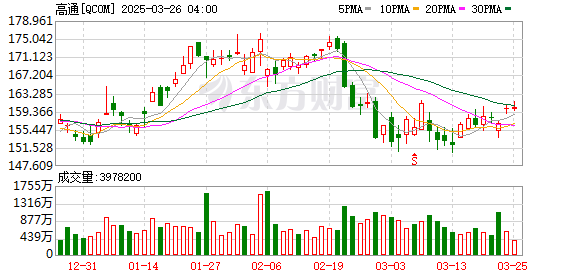
传AMD入局Arm PC芯片!
半导体行业观察· 2025-03-25 01:27
Core Viewpoint - The article discusses the emergence of AMD's new Arm-based Sound Wave APU, which is expected to compete in the Windows on Arm market alongside major players like Qualcomm, Intel, and NVIDIA, driven by the success of Apple's M-series chips [1][6]. Summary by Sections AMD's Sound Wave APU - AMD's upcoming Sound Wave APU will be based on Arm architecture, featuring 2 performance cores and 4 efficiency cores, with a total of 6 cores and 4MB of L3 cache [3][4]. - The APU is designed for low power consumption, targeting a TDP of 5-10W, and will include 4 RDNA 3.5 GPU cores optimized for AI workloads [3][5]. - The chip will also feature a 16MB MALL cache, which is uncommon for APU in this power range, indicating a focus on AI performance rather than gaming [4][5]. AMD's Market Position - AMD has shown strong growth in the x86 CPU market, particularly in the consumer and server segments, with a projected increase in revenue share to 24.6% by the end of 2024, up 4.5% year-over-year [8][11]. - In the desktop processor market, AMD's shipment share has risen to 27.1%, reflecting a 7.4% year-over-year increase, driven by the popularity of its Ryzen 9000 series CPUs [9][10]. - AMD's server market share has also reached a historic high of 25.1%, with revenue share increasing to 35.5%, indicating a strong foothold in high-performance server markets [11]. Rise of Arm PCs - The success of Apple's M-series chips has sparked interest in Arm-based PCs, prompting companies like Qualcomm and NVIDIA to develop their own Arm chips [14][16]. - Current market share for x86/Arm in the laptop segment is approximately 82/18, with predictions that Arm's share could reach over 40% by 2029 [14][16]. - The transition to Arm PCs faces challenges, particularly in software compatibility and ecosystem development, which are critical for widespread adoption [17][18]. Challenges Ahead - The article highlights that while Arm architecture has potential benefits, the success of Windows on Arm is contingent on resolving software compatibility issues and building a robust ecosystem [17][18]. - AMD's previous attempts in the Arm space have faced delays and challenges, but the current momentum suggests a more favorable outlook for its entry into the Arm PC market [19][20].

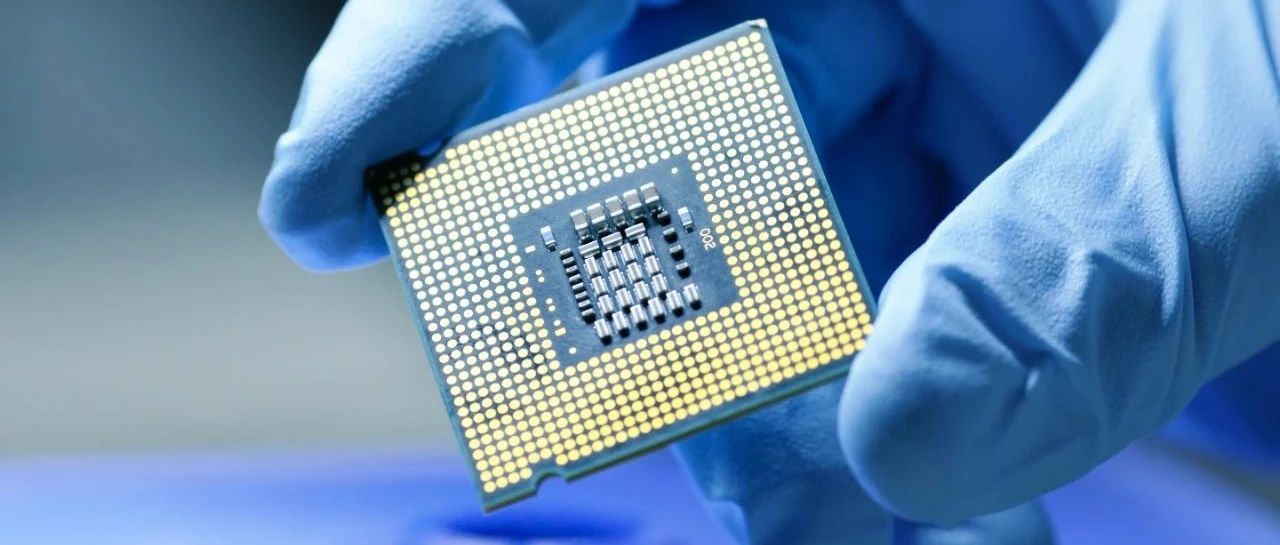
Chiplet和异构集成到底是什么?
半导体行业观察· 2025-03-22 03:17
Core Viewpoint - The article discusses the emerging concepts of "chiplet" and "heterogeneous integration," highlighting the lack of standardized definitions and the implications for the semiconductor industry [2][3][4]. Summary by Sections Chiplet Definition and Characteristics - Chiplets are discrete components that can be integrated into a single package, differing from traditional multi-chip modules (MCM) [3][4]. - A key feature of chiplets is the direct connection between chips through standardized interfaces, which enhances performance and efficiency compared to MCMs [4][5]. - The economic rationale for chiplets stems from the high costs associated with advanced nodes and the inability to produce larger chips [4][5]. Standardization and Interoperability - The standardization of interfaces, such as UCIe and Bunch of Wires (BoW), is crucial for ensuring interoperability among chiplets from different sources [5][6]. - There is a debate on whether a chiplet must have a standardized interface to qualify as such, with some experts arguing that the presence of a die-to-die interface is essential [12][19]. Heterogeneous Integration - Heterogeneous integration involves combining different types of chips within a single package, which can include various nodes and materials [13][14]. - The definitions of heterogeneous integration vary, with some emphasizing the need for different functionalities among the chips involved [13][17]. - The complexity of integrating analog and photonic chips adds further challenges to the standardization of definitions in this area [10][18]. Industry Implications - The lack of consensus on definitions may hinder interoperability and complicate the development of advanced packaging processes [19]. - As the industry evolves, the need for clear definitions will become increasingly important for decision-making and market differentiation [19][20].
闪存价格暴涨3倍?市场火热靠的不是AI
雷峰网· 2025-03-14 08:11
" DeepSeek的爆火,带来的只是针对大容量高端内存产品的需 求。 " 作者丨刘伊伦 编辑丨包永刚 "年前我们有一颗料 正常出货价一块六左右,现在涨到四块多了 ,这还不是用在高端产品上的。"存储产 品经销商李良对雷峰网表示,"之前有的客户预判年后会降价就没有拿货, 现在是又贵又没货,有钱也买 不到。" 存储市场正在回暖。此前,有消息称闪迪将在4月1日起提高旗下NAND闪存价格, 价格涨幅超过10% , 另外两家头部大厂三星和SK海力士同样跟进市场情绪,预计下个月将对NAND闪存价格进行调整。 雷峰网获悉,长江存储旗下的零售品牌"致态"也将于4月起上调提货价格, 涨价幅度或将超过10%。 对于市场的火热,有不少观点认为是AI爆发带来对存储产品的需求。对此,国内头部存储厂商从业者张欣 对雷峰网表示: "存储产品是一个周期性很强的产品 ,说这轮行情是AI爆火引起的, 那肯定是不对的。" 而对于存储厂商之前采用减厂的策略,江路表示:"减产有一部分原因是 厂商们要 趁着 需求少 的 时间 进行 生产设备更新,技术迁移带来了 ' 自然减产 ' ,这个阶段不可避免地会让产量减少,过了这个节点 之后,产量也就慢慢恢复了。 ...

DVCon U.S. 2025 Announces Stuart Sutherland Best Oral Presentation & Best Poster Winners, Record Attendance & Conference Highlights
Globenewswire· 2025-03-11 15:44
Core Insights - The 2025 Design and Verification Conference and Exhibition U.S. (DVCon U.S.) achieved record attendance, marking a successful return to in-person events since the pandemic [1][2][3] - The conference showcased advancements in AI, formal verification, and industry standards, emphasizing its role as a premier event for the design and verification community [3] - DVCon U.S. 2026 is scheduled to take place at the Hyatt Regency in Santa Clara, California, from March 2-5, 2026, indicating growth and expansion for future events [5] Attendance and Participation - DVCon U.S. 2025 attracted participants from 32 countries, representing approximately 350 companies, with 404 first-time attendees [2] - Overall attendance reached around 1,067, including representatives from 26 exhibiting companies, and the exhibit floor was sold out [2] Awards and Recognitions - The Stuart Sutherland Best Oral Presentation award was won by a team from NVIDIA for their work on "Hierarchical Formal Verification and Progress Checking of Network-on-Chip Design" [3] - Best Poster honors were awarded to Jonathan Bonsor-Matthews and Greg Law for their poster on "Time-Travel Debugging for High-Level Synthesis Code" [3] Keynote Highlights - The industry keynote addressed the transformative role of AI in chip design and verification, with insights from leaders at Synopsys and Microsoft [4] - A panel discussion highlighted the increased complexity of verifying AI chips, with experts noting they are 50% more difficult to verify due to their dynamic behaviors [4] Future Directions - The proceedings from DVCon U.S. 2025 will be publicly available in June, allowing broader access to the insights shared during the conference [6] - The conference aims to continue fostering innovation and collaboration within the design and verification community as it prepares for future events [3][5]