拓普集团

Search documents
国泰海通晨报-20260114
国泰海通· 2026-01-14 02:35
Group 1: Non-ferrous Metals Industry - The non-ferrous metals sector is experiencing a tight supply-demand balance, with macroeconomic factors such as monetary policy, geopolitical tensions, and supply disruptions significantly impacting metal prices [2][3] - Precious metals are supported by geopolitical factors, with gold prices expected to be bolstered by central bank purchases and rising ETF holdings in 2026 [3][4] - Copper prices are expected to remain strong due to supply constraints and positive macroeconomic expectations, with a focus on the impact of U.S. Federal Reserve leadership changes on prices [4] - Aluminum prices are experiencing upward momentum driven by strong macroeconomic performance and easing liquidity, with domestic production and demand recovering [4] - Tin prices are supported by supply bottlenecks, with ongoing tight supply conditions expected to continue due to production delays in key regions [5] Group 2: Jiangsu Guotai Company - Jiangsu Guotai is positioned as a leading player in the textile and chemical sectors, benefiting from global supply chain restructuring and the recovery of the new energy industry [7][8] - The company is expected to achieve net profits of 1.19 billion, 1.25 billion, and 1.31 billion RMB from 2025 to 2027, with a target market value of 18.75 billion RMB based on a 15x PE ratio for 2026 [7] - Jiangsu Guotai's core trading business is supported by a global production layout, which helps mitigate external disruptions and maintain stable growth [8] Group 3: Automotive Industry - The humanoid robot sector is entering a phase of commercialization, with significant advancements showcased at CES 2026, indicating a potential acceleration in the global commercialization process [9][10] - Chinese humanoid robot companies demonstrated strong capabilities at CES 2026, with a notable presence and innovative product showcases [10][11] - The automotive sector is witnessing increased interest in humanoid robots, with several companies making significant technological advancements and product launches [9][10]

马斯克科技生态链系列之国内深度绑定解码
Xin Lang Cai Jing· 2026-01-13 11:54
Core Insights - Elon Musk's technological ecosystem is rapidly evolving, integrating six key industries: commercial space (SpaceX), brain-machine interfaces (Neuralink), humanoid robots (Optimus), autonomous driving (FSD), artificial intelligence (X AI), and hyperloop (The Boring Company) [1][19] - The technological advancements and mass production efforts are reshaping the global tech industry landscape and presenting certain investment opportunities for domestic companies in related sectors [1][19] Group 1: Deep Binding from Components to System Integration - The production of Tesla's Optimus robot is set to begin, with a target of 100,000 units by 2026, but the localization rate of core components is still below 30%, leaving significant market penetration opportunities for domestic high-barrier companies [21] - Top Group is a core supplier for Tesla's vehicle chassis and has entered the testing phase for Optimus's rotating joints, showcasing strong system integration capabilities [21] - Greentech Harmonic is a leading global harmonic reducer supplier, with its Y series products passing Tesla's extreme conditions test and set to deliver 10,000 units by 2025 [21] - Sanhua Intelligent Control is leveraging its experience in automotive thermal management to quickly enter the robot electromechanical actuator and thermal management systems market [21] - Mingzhi Electric is one of the few companies capable of mass-producing hollow cup motors, which are critical for achieving human-like dexterity in robotic hands [21] Group 2: L5 Autonomous Driving - Hardware and Software Integration - Tesla's Full Self-Driving (FSD) is accelerating its rollout, with deep participation from the Chinese supply chain in hardware iteration and software adaptation [22] - Desay SV is supplying the autonomous driving domain controller to Tesla's North American supply chain, with FSD-related orders expected to reach 1.2 billion yuan by 2025 [22] - Lianchuang Electronics is the main supplier of vehicle-mounted lenses for Tesla's HW4.0, holding approximately 60% market share [22] - Zhongke Chuangda, as a leading vehicle operating system provider, is continuously optimizing AI model efficiency on Tesla's platform to support smooth FSD software deployment [22] Group 3: Technical Collaboration - Patent Sharing and Capability Building - Some companies, while not supplying on a large scale, are building long-term barriers through technical cooperation [23] - Changying Precision has reached a cross-licensing agreement with Tesla regarding flexible sensors, enhancing its technological moat in robot perception [23] - Sanhua Intelligent Control is jointly developing actuator efficiency optimization solutions to enhance Optimus's operational endurance [24] - Yanshan Technology's pure vision autonomous driving solution aligns closely with FSD technology, currently supporting Tesla indirectly through international Tier 1 suppliers [24] Group 4: Potential Tracks - From Benchmarking to Entry - In commercial space, Chinese companies are gaining certification in key areas as SpaceX's Starlink accelerates deployment [25] - Tongyu Communication has developed a microwifi antenna module that has passed SpaceX interface certification, expected to supply 60% of Starlink's dedicated modules starting Q3 2025 [25] - Xinyi Communication's subsidiary is the exclusive supplier of high-frequency connectors for Starlink ground terminals, with annual revenue projected to exceed 1.5 billion yuan [25] - Blue Arrow Aerospace is the only domestic company mastering reusable liquid oxygen-methane rocket technology, establishing a significant barrier in low-cost, high-frequency launches [25] Group 5: Brain-Machine Interfaces - Complementary Paths for Cooperation - Neuralink focuses on invasive methods, while Chinese companies are exploring non-invasive and clinical translation paths [30] - Yanshan Technology's non-invasive BCI technology complements Neuralink's approach, indicating clear cooperation potential if Neuralink expands into consumer products [30] - Hanwei Technology's subsidiary has developed ultra-flexible sensors that are cost-competitive and have entered the international supply chain [30] - Sanbo Brain Science is the only private hospital in China with clinical implantation qualifications for brain-machine interfaces, performing over 30,000 surgeries annually [30] Group 6: Indirect Competition and Strategic Value - Some companies, while not directly collaborating with Musk's ecosystem, play a crucial role in national projects, fulfilling "domestic substitution" responsibilities [31] - China Satellite and China Satcom are leading the "Star Network Project," competing with Starlink in satellite manufacturing and operations [31] - Cambrian is developing AI chips that meet xAI's computational needs, presenting potential entry points if Tesla or xAI expands their supply chains [32] - Four-dimensional Map has over 60% market share in high-precision mapping, providing core positioning services for Tesla in China [33] Group 7: Selection Logic for "Invisible Champions" - Companies that meet the criteria of "technological leadership, low public recognition, high industry relevance, and sustained innovation barriers" have emerged as key players [34] - Mingzhi Electric is a global leader in hollow cup motors, essential for dexterous robotic hands [34] - Sanhua Intelligent Control is a dual leader in thermal management and actuators, validated by Tesla [34] - Top Group excels in system integration from chassis to joint assembly, showcasing deep binding [34] - Industrial Fulian is the largest server manufacturer globally, benefiting directly from xAI's computational expansion [34] - Blue Arrow Aerospace is the only player in liquid oxygen-methane reusable rockets, shaping the future of China's commercial space industry [34]

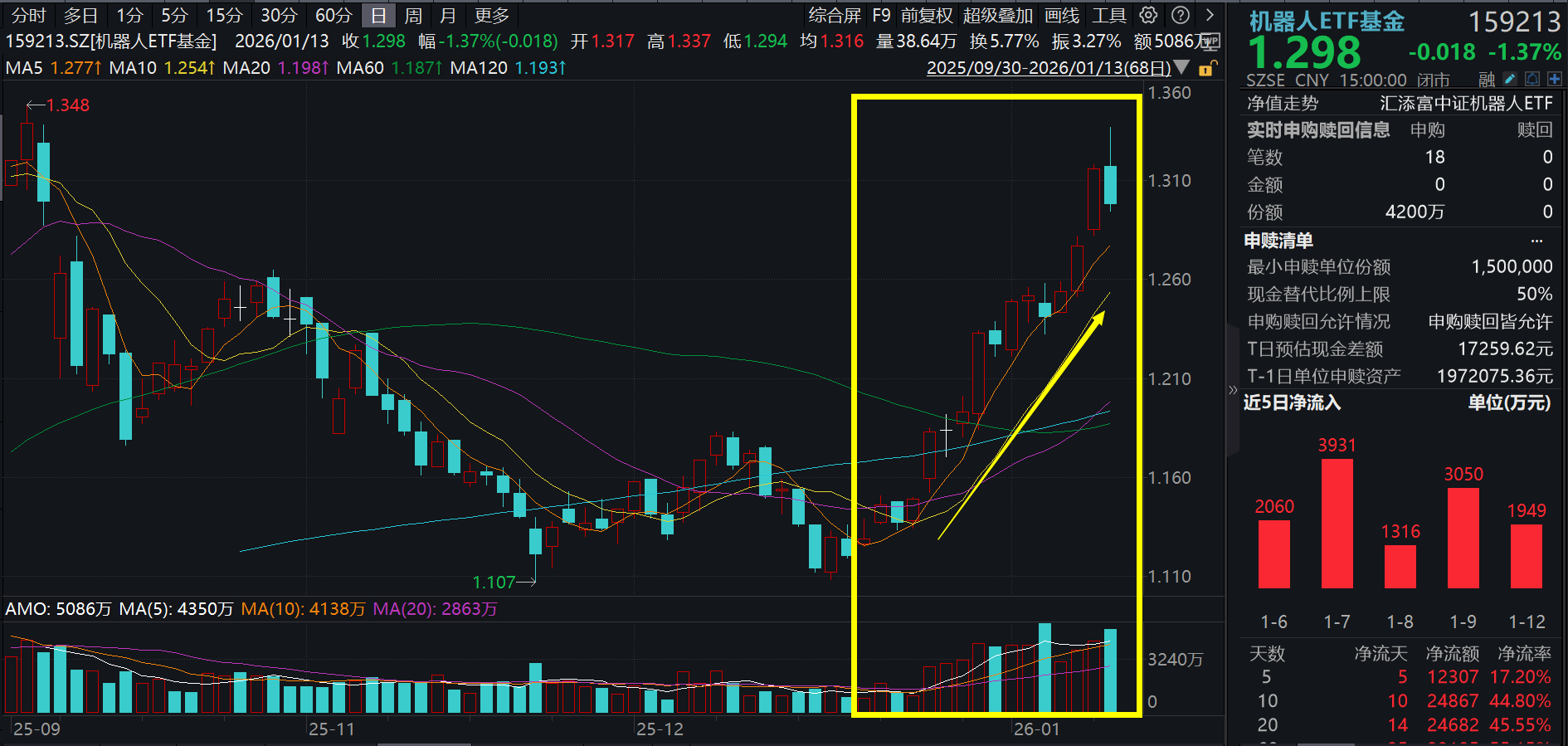
人形机器人再迎政策催化!中控技术涨近10%,资金连续11日涌入机器人ETF基金(159213),合计净流入超3亿元!机器人4年后将完胜人类医生?
Sou Hu Cai Jing· 2026-01-13 09:43
Market Overview - On January 13, the A-share market experienced a volatile pullback, with the Shanghai Composite Index halting its 17-day winning streak. The Robot ETF Fund (159213) fell by 1.37%, while it attracted over 55 million yuan in capital on that day, marking a total of over 300 million yuan in inflows over the past 11 days [1] ETF Fund Composition - The top ten constituent stocks of the Robot ETF Fund (159213) showed mixed performance, with notable gainers including Zhongkong Technology (+9.9%), Lide Harmony (+3.54%), and Keda Xunfei (+2.16%). Conversely, major declines were seen in Dazhu Laser (-5.52%) and Huichuan Technology (-3.12%) [2][4] Policy and Industry Dynamics - The Ministry of Industry and Information Technology announced initiatives for the 14th Five-Year Plan, focusing on revitalizing traditional industries and promoting emerging sectors, including quantum technology, humanoid robots, and AI [3] - The recent CES exhibition highlighted the dominance of Chinese humanoid robot manufacturers, with Chinese companies occupying 21 out of 38 humanoid robot booths, exceeding 50% of the total [5] Technological Developments - Elon Musk projected that general artificial intelligence (AGI) will arrive by 2026, with robots expected to surpass human surgical skills within three years and achieve superior performance compared to human doctors in four years [6] - Eastern Securities noted that the narrative around humanoid robots is shifting from simple mass production to AGI capabilities, suggesting that the latter will have a stronger impact on investment opportunities [7] Challenges in Production - The production of humanoid robots faces three main challenges: developing a highly dexterous hand, an AI brain capable of understanding the real world, and achieving large-scale production. The AI brain is identified as the most critical challenge for the industry's advancement [8] - Tesla is actively working on enhancing its AI brain for humanoid robots, with expectations for prototype production readiness by early 2026, indicating potential investment opportunities in the first half of 2026 [9] Investment Opportunities - The market is witnessing a significant interest in humanoid robots, with major global tech companies investing in this sector. The Robot ETF Fund (159213) is positioned to provide investors with access to the growth potential of the humanoid robot industry [10]





搭上特斯拉,人形机器人供应商冲刺A股IPO
2 1 Shi Ji Jing Ji Bao Dao· 2026-01-13 08:32
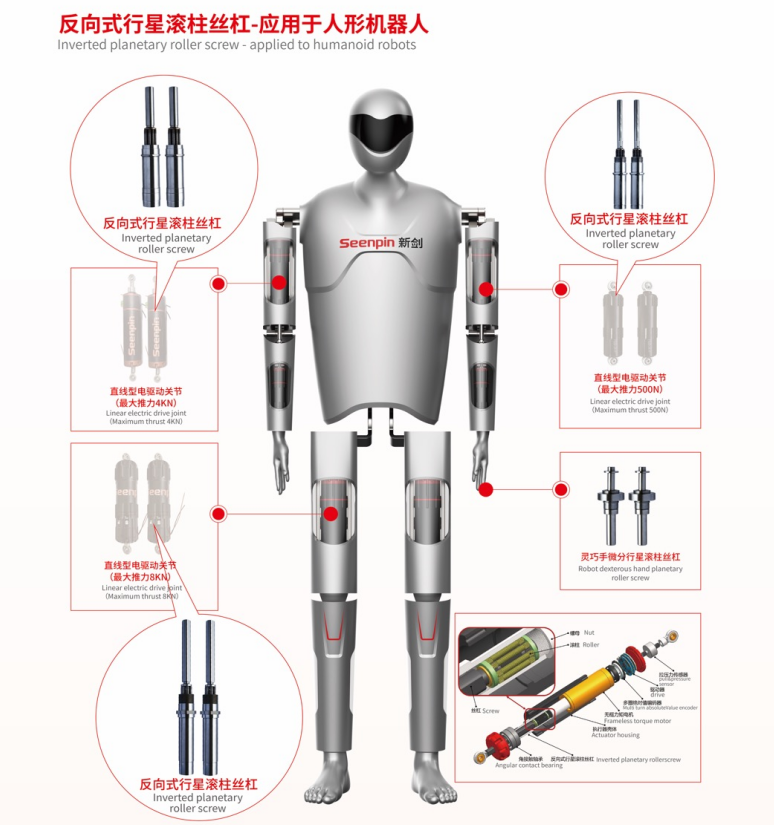
Core Viewpoint - The article highlights the IPO preparation of Xinjian Transmission, a key supplier for Tesla's humanoid robot "Optimus," signaling strong industrialization prospects for humanoid robots and the potential for mass production by 2026 [3][11]. Company Overview - Xinjian Transmission, established in 1999 in Hangzhou, specializes in precision machinery and is classified under "C34 General Equipment Manufacturing" [5]. - The largest shareholder is Shanghai Xinjian Asset Management Co., holding 29.40% of the shares, while the actual controllers hold 35.27% [5][6]. Industry Context - The humanoid robot industry has gained traction, with Xinjian Transmission emerging as a core supplier for Tesla's Optimus robot, which has expanded the market potential for planetary roller screws [7][8]. - The company transitioned from traditional precision manufacturing for luxury watch brands to focus on planetary roller screws, a critical component for robots, seizing the opportunity as the humanoid robot market began to flourish [6][7]. Market Dynamics - Xinjian Transmission's IPO is expected to attract attention to the entire supply chain of humanoid robots, particularly benefiting other suppliers like Sanhua, Top Group, and Wuzhou Xinchun [3][10]. - The company has initiated a project to produce 1 million planetary roller screws annually, capitalizing on the demand from Tesla and the broader market [8][11]. Financial Implications - The anticipated IPO of Xinjian Transmission is seen as a landmark event for the humanoid robot industry, potentially leading to a revaluation of assets within the supply chain [11][12]. - Collaborations with other companies, such as Wuzhou Xinchun, are expected to enhance Xinjian's revenue streams and market presence, further solidifying its role in the Tesla supply chain [10][11].

搭上特斯拉,人形机器人供应商冲刺A股IPO
21世纪经济报道· 2026-01-13 08:20
Core Viewpoint - The article highlights the upcoming IPO of Xinjian Transmission, a key supplier for Tesla's humanoid robot "Optimus," signaling strong industrialization prospects for the humanoid robot sector and the potential for mass production by 2026 [6]. Group 1: Company Overview - Xinjian Transmission, established in 1999, specializes in precision machinery processing and is classified under "C34 General Equipment Manufacturing" [8]. - The largest shareholder, Shanghai Xinjian Asset Management Co., holds 29.40% of the shares, while the actual controllers hold 35.27% [8]. - Initially focused on producing watch screws and precision gears, Xinjian has transitioned into the planetary roller screw industry, which is crucial for robotics [8][9]. Group 2: Market Position and Opportunities - Xinjian Transmission began domestic production of planetary roller screws in 2022, coinciding with Tesla's release of the Optimus Gen1 robot, expanding the market potential significantly [9]. - The company has secured a project to produce 1 million planetary roller screws annually, capitalizing on the growing demand in the humanoid robot market [9]. - Xinjian's geographical advantage and early entry into the screw market have positioned it as a core supplier for Tesla's humanoid robots, despite not being a key supplier for Tesla's vehicles [9]. Group 3: Industry Impact and Collaborations - The IPO of Xinjian Transmission is seen as a landmark event for the humanoid robot industry, potentially leading to a revaluation of core component assets within the sector [13]. - Collaborations with suppliers like Wuzhou Xinchun, which will provide various critical components, indicate a strengthening of Xinjian's supply chain and market presence [12]. - The anticipated IPO and subsequent production capacity expansion are expected to benefit related equipment manufacturers and enhance the clarity of supply chain shares [13][15].

机器人概念狂欢背后:云深处、优必选等产业链企业拟抢滩上市,特斯拉“小伙伴”新剑传动能否搅动市场?
Jin Rong Jie· 2026-01-13 07:44
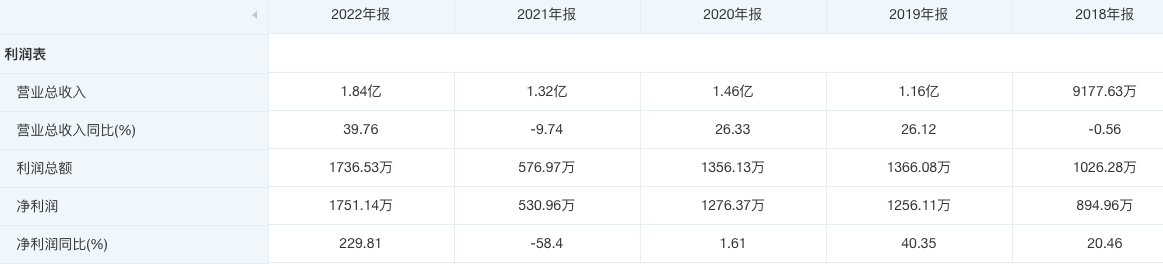
Core Viewpoint - The humanoid robot trend is intensifying, leading to significant activity in the capital market, particularly in the A-share market, with several robotics stocks experiencing substantial gains [1] Group 1: Market Activity - As of January 13, A-share robotics concept stocks have shown strong performance, with companies like Boke Co., Ltd. rising over 13% and Fenglong Co., Ltd. hitting a 10% limit up for 13 consecutive trading days [1] - The acceleration of humanoid robot mass production is highlighted, with Tesla planning to establish a production line capable of producing one million units annually by 2026 and aiming to deliver 50,000 to 100,000 units that year [1] Group 2: Company Developments - Several companies in the humanoid robot supply chain are pursuing public listings, including Yunshe Technology and Xinjian Transmission, which is a key supplier of components for Tesla's "Optimus" robot [1][2] - Xinjian Transmission's listing is seen as a revaluation of core assets in Tesla's robot supply chain, providing a new pricing reference for other high-barrier segments like screw and reducer manufacturing [2] Group 3: Financial Performance - Xinjian Transmission reported revenues of 146 million, 132 million, and 184 million yuan from 2020 to 2022, with net profits of 12.76 million, 5.31 million, and 17.51 million yuan respectively [2][3] - The company is expanding its production capabilities with a new project for planetary roller screws, with a total investment of 2.6 billion yuan planned for construction in two phases [3] Group 4: Industry Growth - The demand for planetary roller screws is rapidly increasing, with projections indicating that the market value for these components in humanoid robots will reach 22.96 billion yuan by 2030, with a CAGR of 154.1% [4] - Domestic companies are making technological breakthroughs in high-end fields like rolling screws, transitioning from followers to competitors in the market [4]
互联网巨头纷纷入局具身智能,机器人ETF嘉实(159526)全面布局机器人全产业链机遇
Xin Lang Cai Jing· 2026-01-13 02:54
Group 1 - The core viewpoint of the news highlights the growth and investment opportunities in the robotics industry, particularly in Shanghai's advanced manufacturing sector, with a focus on smart factories and increased robot density by 2028 [1] - The Shanghai government has issued a three-year action plan (2026-2028) aiming for full coverage of smart factories among large enterprises and a robot density of 600 units per 10,000 people, with a digitalization level of smart manufacturing equipment reaching over 70% [1] - The China Securities Robotics Index has shown a positive trend, with notable increases in constituent stocks such as Zhongkong Technology (up 13.69%) and Buke Co., Ltd. (up 8.85%) [1] Group 2 - The self-variable robotics company in Shenzhen has recently completed a 1 billion yuan A++ round of financing, attracting investments from major internet companies including Meituan, Alibaba, and ByteDance [1] - Open Source Securities predicts that 2026 will be the year of mass production for humanoid robots, identifying key investment opportunities in leading domestic companies, core supply chains, and standardized manufacturing [1] - The top ten weighted stocks in the China Securities Robotics Index account for 52.83% of the index, with major players including iFlytek, Huichuan Technology, and Top Group [1] Group 3 - The Jia Shi Robotics ETF (159526) closely tracks the China Securities Robotics Index, selecting companies involved in system solutions, digital workshops, automation equipment manufacturing, and other robotics-related sectors [2] - Investors without stock accounts can access the robotics industry development opportunities through the Jia Shi Robotics ETF linked fund (024620) [3]
人形机器人:参与者布局梳理-Humanoid Robotics Who plays where
2026-01-13 02:11
Summary of Humanoid Robotics Industry Analysis Industry Overview - The analysis covers the humanoid robotics sector, focusing on approximately 150 global players, including OEMs and parts suppliers [1][2][3]. Key Characteristics of the Humanoid Robotics Ecosystem 1. **Supply Chain Structure** - Humanoid robotics companies are categorized into OEMs and parts suppliers, with a supply chain structure similar to the automotive industry, featuring multiple actuator suppliers [1]. 2. **Key Know-Hows** - Hardware expertise centers on robotic design, while software involves distinct layers: "robotic models" (brain and locomotion algorithms) and "world models" (simulation environments) [1]. 3. **Vertical Integration** - Most OEMs design critical components in-house, with varying degrees of outsourcing for production. Unitree is noted for its unique approach, focusing on hardware with integrated locomotion algorithms [1]. 4. **Competition and Differentiation** - The industry has a high number of participants, indicating low entry barriers. However, differentiation is possible through quality, agility, and cost, particularly in robotic models and actuators [1]. 5. **China vs. the West** - China is emerging as a significant player in humanoid robotics, with more participants than the rest of the world combined. China leads in most areas of the value chain, except for AI chips and simulation environments [1]. Competitive Landscape - **Non-Chinese Humanoid Robot OEMs** - Key players include Tesla, Boston Dynamics, and Agility Robotics, with varying capabilities in hardware and software [2]. - **Non-Chinese Humanoid Parts Suppliers** - Major suppliers include NVIDIA, Google, and Intel, providing essential components like AI chips and actuators [3]. - **Chinese Humanoid Robot OEMs** - Notable companies include Unitree Robotics, UBTech, and XPeng, with a focus on various hardware and software capabilities [4]. - **Chinese Humanoid Parts Suppliers** - Key suppliers include Hesai and RoboSense, contributing to the hardware and software needs of the industry [6][9]. Investment Implications - Recommendations include: - **Outperform**: Shuanghuan, Hesai, Tuopu, Inovance, Harmonic Drive - **Market-Perform**: Sanhua - **Underperform**: Leader Drive [10]. Financial Metrics - Specific financial metrics and projections for key companies are provided, including EPS and P/E ratios for 2024-2026 [11]. Conclusion - The humanoid robotics industry is characterized by rapid growth, significant competition, and a clear divide between Chinese and Western players. Investment opportunities exist, particularly in companies that demonstrate strong differentiation and technological capabilities.



从CES看人形机器人叙事变化
2026-01-13 01:10
Summary of Key Points from Conference Call Records Industry Overview - The humanoid robot market is dominated by Chinese companies, with the top six companies expected to account for 87% of global shipments by 2025, indicating a significant lead in the market [1][2]. Core Insights and Arguments - The investment logic in humanoid robots is shifting from simple hardware production to a focus on AGI-related brain technologies and software applications, as hardware mass production becomes less meaningful due to the dominance of Chinese firms [1][3]. - There is a valuation inversion in the humanoid robot sector, exemplified by Figure AI, which holds a mere 1% market share but has a market capitalization of $39 billion, surpassing the combined market value of leading Chinese companies [1][4]. - Rising market risk appetite, influenced by geopolitical changes and ongoing government support for AI, is beneficial for the AI application sector, with humanoid robots being a key area of interest [1][5]. Notable Companies and Developments - Tesla is highlighted as a significant player, potentially integrating its Full Self-Driving (FSD) capabilities into humanoid robots, leveraging its extensive real-world data and algorithmic architecture [1][6][7]. - Hengli Hydraulic is expanding its operations in Mexico to meet the overseas production demands of clients like Tesla, with a notable increase in excavator exports expected [1][8]. - Starship Transmission is preparing for an IPO and plans to establish a production capacity of 1 million humanoid robot components annually, which could enhance its market position [1][9][10]. Market Segmentation and Key Players - The humanoid robot market is concentrated in vertical applications such as sewing, packaging, logistics, and automotive production, with companies like Jack Sewing, Yongchun Intelligent, Anhui Heli, Hangcha Group, and UBTECH being noteworthy [1][12]. - Future vertical models in humanoid robotics may emerge in agriculture, mining, and road transport, particularly from leading companies capable of accumulating data collaboratively [1][13]. Additional Important Insights - The integration of Tesla's FSD technology is expected to play a crucial role in the development of humanoid robots, with supply chain companies needing strong cost control and resilience to enhance their competitive edge [1][11].

金发科技入股,特斯拉机器人核心供应商,冲IPO!
DT新材料· 2026-01-12 16:06
Core Viewpoint - The article highlights the strategic developments and investment opportunities in the humanoid robotics sector, particularly focusing on the role of Xinjian Transmission and its partnerships in advancing technology and production capabilities [2][3][6]. Group 1: Company Overview - Xinjian Transmission, established in January 1999, is recognized as a national-level specialized and innovative "little giant" and a national high-tech enterprise, with products used in various industries including semiconductors, automotive, and humanoid robotics [3]. - The company is particularly noted for its planetary roller screw, which is a critical component in humanoid robots, accounting for approximately 20% of the robot's value [6]. Group 2: Strategic Partnerships and Investments - Xinjian Transmission has initiated a listing guidance process with the support of CITIC Securities, and it has strategic investments from Jinfa Technology, which holds a 0.24% stake through Jinshi Investment [2]. - In March 2025, Xinjian Transmission signed a strategic cooperation framework agreement with Wuzhou Xinchun to jointly develop planetary roller screws and other components for intelligent vehicles, further integrating into the Tesla supply chain [8]. Group 3: Production Capacity and Future Prospects - The company has received approval for a project to produce 1 million humanoid robots and automotive planetary roller screws, with a total investment of 2.6 billion yuan, expected to commence construction in early 2025 [7]. - A significant order from Tesla for over 1,000 units of dexterous hands is anticipated by the end of September 2025, indicating strong demand and growth potential in the humanoid robotics market [7]. Group 4: Market Dynamics - The market for planetary roller screws has historically been dominated by foreign companies, but domestic firms like Shunlin and Zhenyu Technology are beginning to enter this space through research and acquisitions [6]. - As the production of humanoid robots becomes more defined, there is an opportunity for domestic suppliers to gain competitive advantages by offering cost-effective and high-performance screw products [9].