阿里巴巴

Search documents
港股风向标|科技权重止跌恒指放量反弹 机构看好顺周期涨价机会
Sou Hu Cai Jing· 2026-02-27 14:36
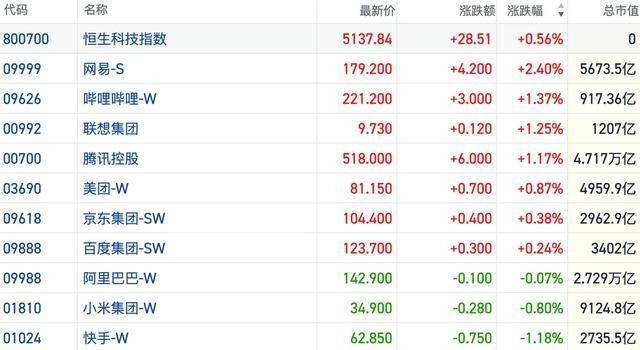
Market Overview - The Hong Kong stock market showed signs of recovery, with the Hang Seng Index rising by 0.95% to close at 26,630 points, while the Hang Seng China Enterprises Index and the Hang Seng Tech Index increased by 0.51% and 0.56% respectively [1][2]. Technology Sector Performance - Major tech stocks led the market rebound, with Tencent's stock price reaching 530 HKD during the day. Other tech companies such as NetEase, Meituan, JD.com, and Baidu also saw positive performance [2][3]. Stock Performance Data - Notable stock performances included: - Tencent Holdings (00700) at 518.00 HKD, up by 6.00 HKD (+1.17%), with a total market capitalization of 4.717 trillion HKD - NetEase (09999) at 179.20 HKD, up by 4.20 HKD (+2.40%), with a market cap of 567.35 billion HKD - Meituan (03690) at 81.15 HKD, up by 0.70 HKD (+0.87%), with a market cap of 495.99 billion HKD [3]. Sector Movements - Other sectors such as banking, real estate, and coal also showed strength, while power, steel, and oil stocks were active [4]. - Conversely, sectors like aviation, consumer electronics, and building materials experienced declines [4]. Market Dynamics - The overall trading volume in the Hong Kong market was 288.42 billion HKD, indicating increased liquidity. Short selling amounted to 36.55 billion HKD, representing 12.67% of the total trading volume, highlighting ongoing market divergence [4]. - The market is experiencing rapid rotation of hot and cold sectors, with cyclical stocks like steel and rare earths gaining strength, while AI-related sectors such as storage and chips faced declines [5][7]. Policy Implications - Recent meetings by the Central Political Bureau emphasized the need for more proactive macro policies to expand domestic demand and optimize supply, which may provide further support for the market [7]. A-Share Market Correlation - The A-share market mirrored the performance of the Hong Kong market, with a total trading volume of approximately 24,880.24 billion HKD, showing a decrease of about 504.22 billion HKD from the previous trading day. Over 3,200 stocks rose, particularly in the cyclical sector [8].

默茨访华杭州行:强脑科技韩璧丞亮相中德企业交流活动
Xin Lang Cai Jing· 2026-02-27 14:24
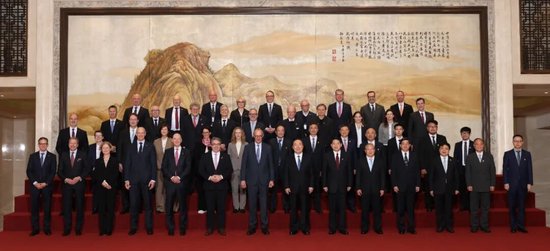
Group 1 - German Chancellor Merz visited Hangzhou, where a delegation of nearly 30 German economic representatives engaged with 10 Chinese companies from sectors such as artificial intelligence, brain-computer interfaces, humanoid robots, and new energy vehicles [1][3][11] - The German representatives included major companies like BMW, Mercedes-Benz, Siemens, Adidas, and DHL, while Chinese representatives showcased firms like Zhejiang's Chint Group, Geely, Alibaba, and emerging tech companies like BrainCo and Yushu Technology [3][13] Group 2 - The collaboration between China and Germany is evolving from traditional manufacturing to deeper integration in soft ecosystems, with Zhejiang aiming to establish itself as a global advanced manufacturing hub [4][14] - In the automotive sector, there is a multi-dimensional cooperation where German car manufacturers leverage their brand and mechanical advantages, while Chinese companies excel in core components for new energy vehicles and smart cockpit technologies [5][15] - The partnership extends beyond automotive to traditional sectors like chemicals, with calls for reinventing cooperation methods to adapt to a rapidly changing world [6][15] Group 3 - Companies like BrainCo and Yushu Technology represent a new wave of collaboration, focusing on future industries such as non-invasive brain-computer interface technology, with significant revenue coming from the German market [6][16] - DHL's CEO highlighted China's rapid advancements in logistics robotics and technology innovation, indicating strong partnerships with local developers [6][16] - The current development strategies of China and Germany align closely, emphasizing pragmatic cooperation for mutual benefit, particularly in green energy transitions [9][18]


春节 AI 大战烧了 100 多亿元,然后呢?
Xin Lang Cai Jing· 2026-02-27 14:19
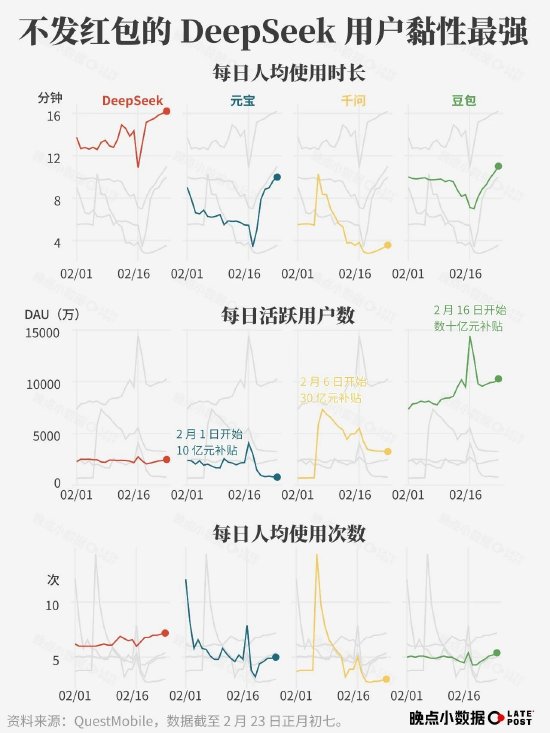
Core Insights - The article discusses the impact of significant cash subsidies by major internet companies on user engagement and retention for AI applications during the Chinese New Year period. Group 1: User Engagement and Subsidies - Major internet companies invested over 100 billion RMB in cash subsidies during the Spring Festival to attract users to their AI applications [10][21]. - At the peak of the subsidies, ByteDance's Doubao had 140 million daily active users (DAU), Alibaba's Qianwen had 73 million, and Tencent's Yuanbao had 40 million [21]. - However, after the subsidies ceased, user engagement dropped sharply, with Yuanbao returning to pre-subsidy levels and Qianwen experiencing a smaller decline due to ongoing but reduced subsidies [10][21]. Group 2: User Retention Challenges - Despite the initial surge in user numbers, the retention of these users is contingent on the product's ability to meet user needs, as evidenced by the lower average usage time of AI applications compared to established platforms like WeChat and Douyin [22][23]. - The average usage time for Doubao, Yuanbao, and Qianwen during the Spring Festival was only around 10 minutes, significantly lower than the 2 hours for WeChat and Douyin [22][23]. Group 3: Competitive Landscape - The competition among AI companies intensified during the Spring Festival, with firms releasing new models and increasing application updates to capture market share [5][22]. - Companies are aware that the spike in daily active users is temporary and are focused on maintaining a competitive edge rather than expecting a permanent transformation from a single promotional event [23].
独家丨前阿里高管任庚已经从新奥离职
雷峰网· 2026-02-27 13:52
" 从加入到离开新奥,任庚只待了一年。 " 作者丨 胡敏 编辑丨 包永刚 雷峰网从多处信源获悉,新奥总裁任庚于近期离职。 任庚是去年 2 月加入的新奥集团,当时新奥处在数字化转型的关键时期,急需要一位能够大刀阔斧做改革 的人,于是找到了任庚。 任庚的背景丰富而且年轻,1982年出身的他,有两段重要经历。先是在华为,曾担任华为泰国分公司副总 经理、缅甸分公司总经理,2015年加入阿里后,又先后担任过阿里云中国区总裁、阿里云总参谋长,阿里 B2B国际平台总经理等重要管理岗位, 在阿里内部被很多员工认为是能拿结果、打胜仗的一员大将。 不过,从加入到离开新奥,任庚只待了一年。这位曾在华为、阿里连打胜仗的"大将",为何在新奥的数字 化转型关键期匆匆离场,以及后续任庚会去哪就职?雷峰网将持续追踪报道。 想了解更多关于云大厂的一手信息和内幕故事,欢迎加入最劲爆的雷峰"云厂情报群"。群内不定期分享大 厂内幕、领导避坑、优质岗位等一手信息,入群可添加作者微信 mindy1857 交流。 // 近期热门文章 年终对谈腾讯云副总裁吴永坚:从ADP看腾讯云2026年AI智能体布局 云巨头2025复盘:穿越「增长失速」的恶性循环 长虹 ...

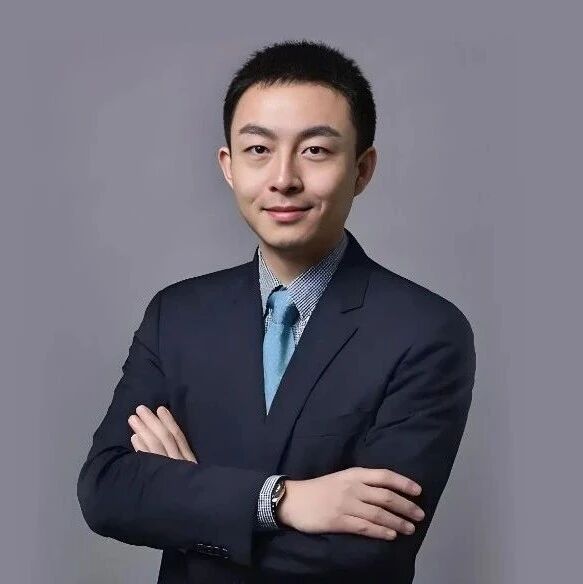
2月27日南向资金追踪:盈富基金、恒生中国企业、南方恒生科技净买入额居前,分别为83.85亿港元、24.82亿港元、20.39亿港元





Jin Rong Jie· 2026-02-27 13:25
Market Overview - The Hang Seng Index increased by 0.95%, closing at 26,630.54 points, with a total market turnover of 288.42 billion HKD [1] Southbound Trading Data - The net purchases in southbound trading included: - Tracker Fund of Hong Kong (盈富基金) with a net buy of 8.385 billion HKD - Hang Seng China Enterprises Index (恒生中国企业) with a net buy of 2.482 billion HKD - Southern Hang Seng Technology Index (南方恒生科技) with a net buy of 2.039 billion HKD [1][2] - The net sales in southbound trading included: - Yangtze Optical Fibre and Cable (长飞光纤光缆) with a net sell of 0.505 billion HKD - Kuaishou Technology (快手-W) with a net sell of 0.382 billion HKD - Hua Hong Semiconductor (华虹半导体) with a net sell of 0.272 billion HKD [1][2] Individual Stock Performance - Key stocks with significant net buy amounts: - Tracker Fund of Hong Kong: 8.474 billion HKD, closing price at 26.90 HKD, with a change of +1.20% - Hang Seng China Enterprises: 8.282 billion HKD, closing price at 90.92 HKD, with a change of +0.87% - Southern Hang Seng Technology: 8.051 billion HKD, closing price at 5.03 HKD, with a change of +0.60% [2] - Key stocks with significant net sell amounts: - Yangtze Optical Fibre and Cable: 5.556 billion HKD, closing price at 148.80 HKD, with a change of +10.06% - Kuaishou Technology: 3.031 billion HKD, closing price at 62.85 HKD, with a change of -1.18% - Hua Hong Semiconductor: 1.475 billion HKD, closing price at 96.75 HKD, with a change of -1.12% [2]
从Kimi不急于上市说起
3 6 Ke· 2026-02-27 13:05
Core Insights - Kimi has gained significant attention recently, with a valuation exceeding $10 billion after raising $1.2 billion in funding within two months [1] - The company is facing competitive pressure from established players like Minimax and Zhizhu, which have seen substantial stock price increases since their IPOs [3] - Kimi's strategy appears to be shifting towards a potential IPO, despite previous statements indicating no rush to go public [3][8] Funding and Valuation - Kimi's recent funding round of $1.2 billion is comparable to the combined amounts raised by Minimax and Zhizhu during their IPOs [3] - The company achieved a valuation of $33 billion previously, driven by its innovative technology and market positioning [5] Competitive Landscape - Kimi has been focusing on the C-end market in China, but competition from other AI models like Doubao, Qianwen, and Yuanbao has intensified [5][9] - The company is now considering expanding its focus to the B-end market, where it lacks resources compared to larger competitors [9][10] Product Development and Market Position - Kimi's K2.5 model has shown strong performance in programming model rankings, but it has faced challenges from Minimax's M2.5, which has outperformed K2.5 in recent weeks [14] - The pricing strategy for Kimi's models is higher compared to competitors, which may hinder its market penetration [15][19] Strategic Direction - Kimi is exploring the integration of intelligent agents into its product offerings, aiming to enhance its commercial viability [11][21] - The company is also considering the timing of its IPO, recognizing the importance of market conditions and competitive dynamics [20][28] Future Outlook - Kimi's leadership acknowledges the need for significant technological advancements with the K3 model to improve its competitive position [25] - The company has sufficient cash reserves to sustain operations for several years, but the window for a favorable IPO may not remain open indefinitely [28]
AI应用爆发背后存“同质化”问题 “小而美”智能体或成突围关键
Mei Ri Jing Ji Xin Wen· 2026-02-27 12:52
Core Insights - The AI industry is transitioning from a "technology frenzy" to a "value realization" phase, with a focus on developing specialized intelligent agents to overcome challenges of application homogenization and low ROI [1][4][9] Group 1: Industry Trends - By 2025, China's AI core industry is projected to exceed 900 billion yuan, with over 5,300 companies, making AI applications a crucial driver for digital transformation [2] - The AI application market saw over 23,000 new companies in 2023, with 80% concentrated in common areas like intelligent customer service and voice assistants, leading to a high similarity in product interfaces [2][3] - The market is experiencing a surge in AI shopping, exemplified by Alibaba's 3 billion yuan promotional campaign, which has sparked competition among major players like Tencent and ByteDance [1] Group 2: Challenges in AI Applications - The industry faces three main bottlenecks: application homogenization, difficulties in commercial monetization, and mismatched supply and demand for computing power [2][3][7] - AI applications are struggling with low user engagement, with quality content reaching less than 0.3% of the target audience, resulting in a 65% overall loss rate in the domestic AI application market in 2023 [3][6] - Many AI products rely on similar underlying logic, leading to minimal perceived differences for users, which contributes to the homogenization issue [3][4] Group 3: Financial and Operational Insights - Despite high demand, many AI companies have not achieved substantial financial transformation, with token consumption in industrial AI applications showing significant scale compared to consumer-level products [6] - The average utilization rate of computing power in AI data centers is below 20%, leading to high energy consumption and operational inefficiencies [7] - Companies are currently facing a mismatch between high investment in AI capabilities and low revenue generation, indicating a need for better monetization strategies [7][8] Group 4: Future Directions - Experts suggest a shift from general models to specialized intelligent agents in high-value sectors like healthcare and education to address the challenges of homogenization and improve ROI [7][8] - The future of AI competition will depend on the ability to solve specific problems rather than merely utilizing large models, emphasizing the importance of industry-specific knowledge [9]
资金动向 | 北水连续6日净买入小米,抛售快手、中芯国际
Ge Long Hui A P P· 2026-02-27 12:28
Group 1: Market Movements - Net purchases included 8.385 billion in Yingfu Fund, 2.482 billion in Hang Seng China Enterprises, 2.039 billion in Southern Hang Seng Technology, 1.232 billion in Tencent Holdings, 0.343 billion in Xiaomi Group-W, and 0.338 billion in Alibaba-W [1] - Net sales included 0.505 billion in Changfei Optical Fiber, 0.381 billion in Kuaishou-W, 0.272 billion in Huahong Semiconductor, 0.228 billion in SMIC, and 0.103 billion in Junda Co. [1] - Southbound funds have recorded net purchases in Xiaomi for six consecutive days, totaling 3.56896 billion HKD [1] Group 2: Stock Performance - Yingfu Changjin saw a 1.2% increase with a net purchase of 6.777 billion, while Tencent Holdings also increased by 1.2% with a net purchase of 0.236 billion [4] - Alibaba-W experienced a slight decrease of 0.1% with a net sale of 0.193 billion, while Southern Hang Seng Technology had a net purchase of 1.816 billion with a 0.9% increase [4] - Changfei Optical Fiber saw a significant increase of 10.1% despite a net sale of 0.447 billion [4] Group 3: Company Developments - Alibaba-W's AI assistant "Qianwen" is entering the AI hardware market, planning to launch various AI hardware products globally, including AI glasses at the 2026 Mobile World Congress [5] - Kuaishou-W reported record high daily active users (DAU) during the 2026 Spring Festival, driven by activities like "Shake the Fortune Tree" [6] - Xiaomi Group-W repurchased 2.832 million B shares for approximately 99.997 million HKD [7] - SMIC is expected to maintain high capital expenditure in 2026, with optimistic revenue growth guidance and a Q1 sales revenue forecast to remain stable [7][8]

从红包大战烧至AI硬件:千问将发布AI眼镜
Di Yi Cai Jing· 2026-02-27 12:27
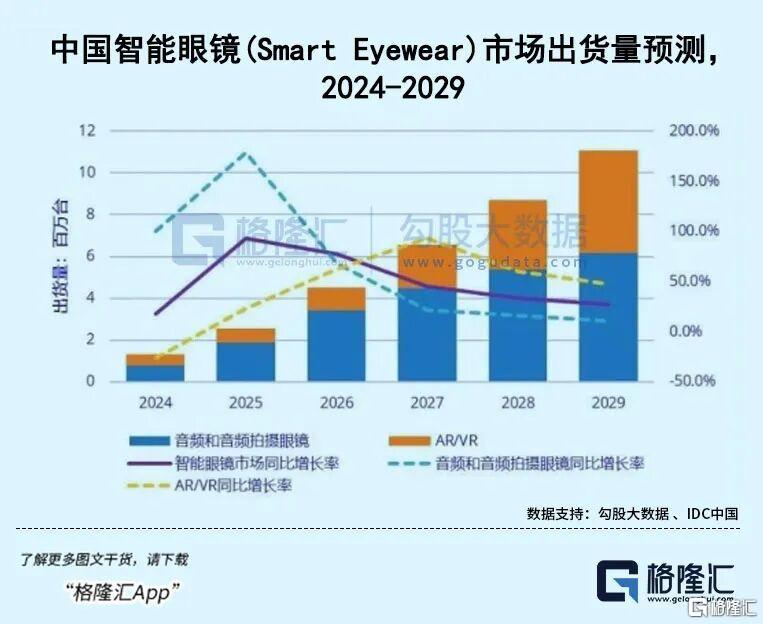
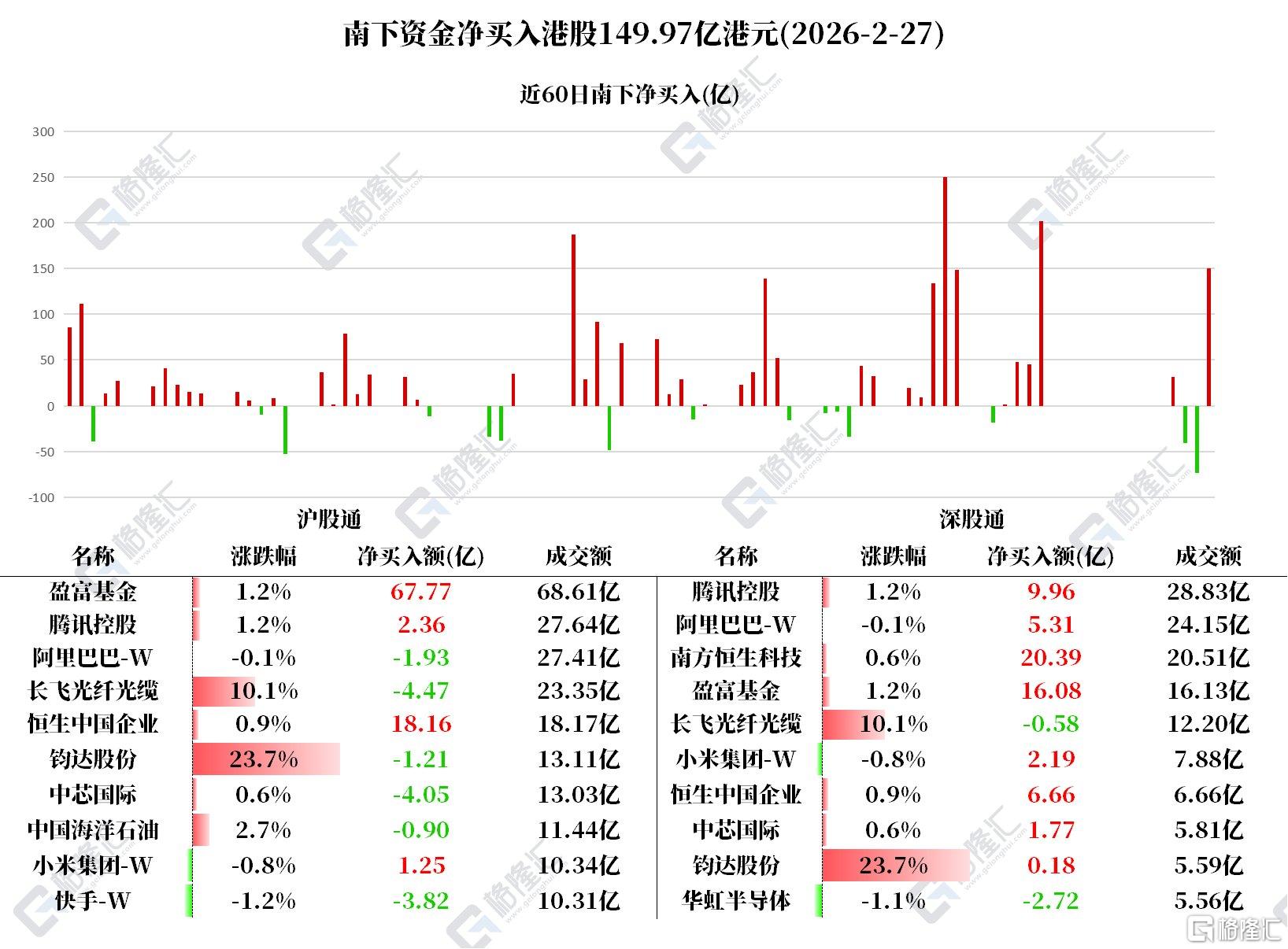
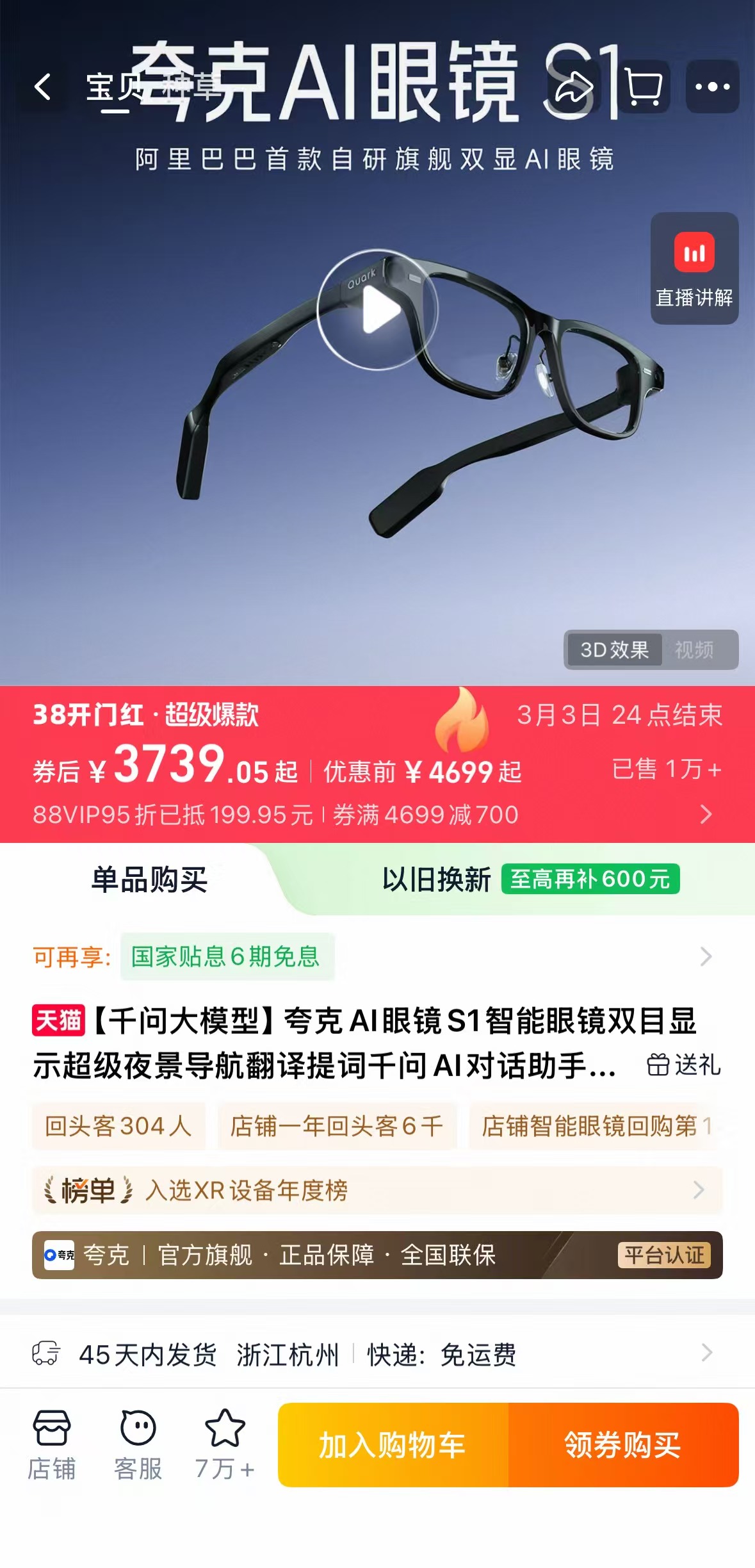
Group 1 - The core viewpoint of the articles revolves around Alibaba's entry into the AI hardware market with its personal AI assistant "Qwen," which aims to create a seamless integration of AI across various devices, including AI glasses, rings, and headphones [1][2][3] - Alibaba's strategy focuses on establishing a native AI entry point for consumer interactions, shifting its emphasis back to the Qwen app after initial attempts with other AI applications did not yield significant results [2][3] - The launch of Qwen AI glasses is seen as a pivotal move to enhance user experience and expand Alibaba's ecosystem into the physical world, with the glasses designed to integrate functionalities like food delivery and ride-hailing [3][4] Group 2 - The current competitive landscape for AI glasses indicates that while major companies are entering the market, significant investment in talent, marketing, and user experience is required to stand out [4][7] - IDC forecasts that global smart glasses shipments will exceed 23.7 million units by 2026, with China's market expected to surpass 4.9 million units, suggesting a potential for substantial growth [4] - Sales data shows that despite some models like the Quark AI glasses S1 achieving high sales, the overall market for AI glasses remains in its infancy, with total sales for top models only around 130,000 units [7][8]
AI入口争夺战:APP之后?千问这个动作值得关注
Ge Long Hui· 2026-02-27 12:18
Group 1 - The core idea of the article is that Alibaba's AI assistant "Qianwen" is transitioning from a digital application to a multi-device hardware ecosystem, marking a strategic shift in AI competition from app-centric to hardware integration [1][8][20] - Qianwen plans to launch its first AI glasses at the 2026 Mobile World Congress, with additional products like AI rings and headphones to follow, indicating a significant expansion of its product line [1][8] - The rapid growth of Qianwen is highlighted by its performance during the Spring Festival, where it achieved 200 million orders through voice commands and reached 73 million daily active users [1][10] Group 2 - The AI competition is evolving from a focus on app development to a multi-entry approach, where hardware plays a crucial role in enhancing user interaction with AI [2][4][8] - Major tech companies are investing heavily in AI hardware, with predictions indicating that the smart glasses market in China will reach 4.508 million units by 2026, growing by 77.7% [5][8] - Qianwen's strategy emphasizes the integration of AI capabilities into physical devices, allowing for seamless interaction without the need for a smartphone [12][18] Group 3 - Qianwen's unique selling proposition lies in its ability to connect visual recognition with commercial applications, enabling users to interact with their environment through voice commands and visual cues [12][18] - The combination of "multi-entry" and "strong execution" capabilities positions Qianwen to effectively understand and act upon user intentions in both digital and physical realms [15][20] - The hardware strategy allows Qianwen to capture multi-modal information, enhancing its understanding of user context and improving service delivery [17][18] Group 4 - Alibaba's approach with Qianwen signifies a shift in how AI can integrate into daily life, moving beyond mere app usage to becoming an essential part of user interactions with the world [20][21] - The focus on building a comprehensive service network through hardware and AI capabilities suggests a long-term vision for redefining human-computer interaction [21]